Stored
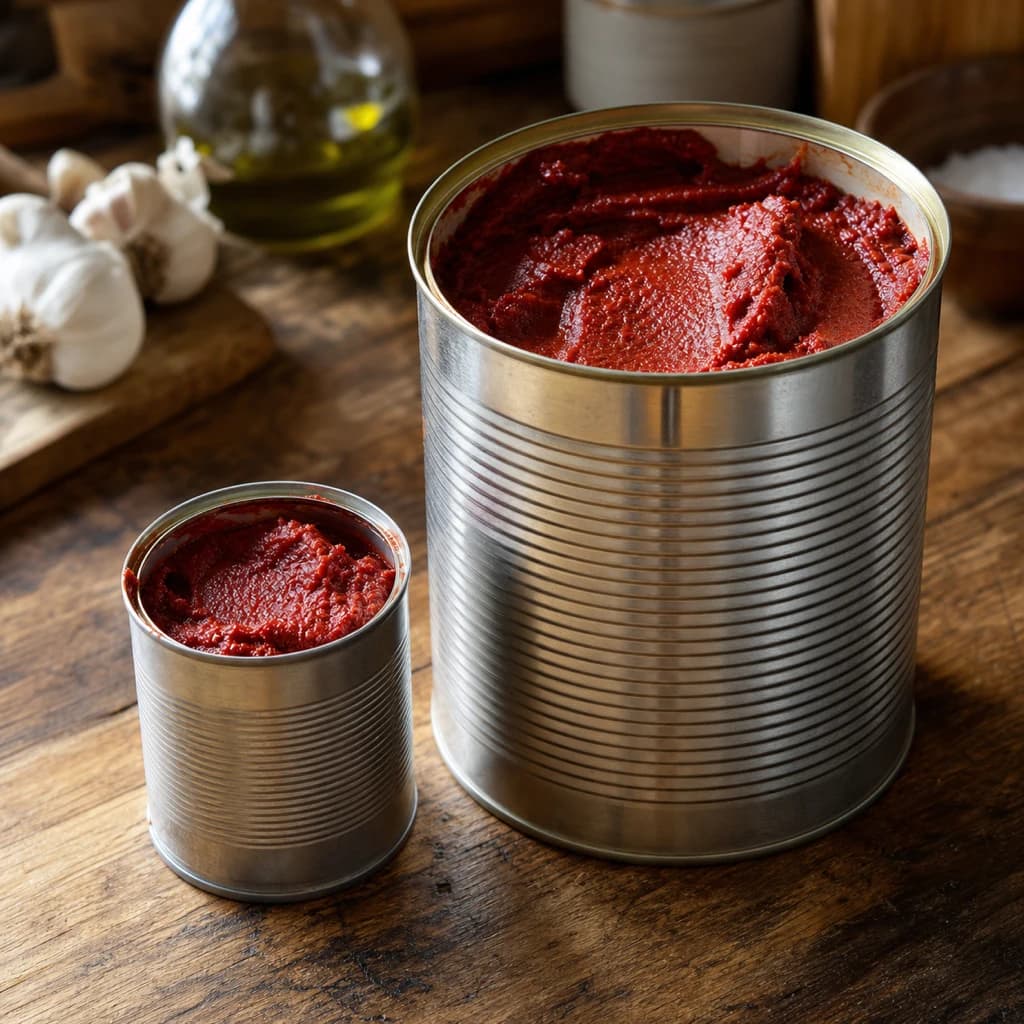
The standard #10 foodservice can and small household tin side by side on a wooden surface.
Shows the two common retail forms — small consumer tin and large #10 can — so readers understand the packaging and scale of this ingredient.
Sauces & Pastes
Canned Tomato Paste
Concentrated cooked-down tomato for deep umami and body in sauces.
Tomato paste is tomatoes cooked down to a thick, deeply concentrated red paste, sold canned for long shelf life. A spoonful adds intense umami, color, and body to sauces, stews, braises, and soups, and is often caramelized in oil to deepen its flavor. The #10 can is the large foodservice size.
Canned tomato paste is concentrated cooked-down tomato, reduced to roughly one-quarter to one-eighth of the original fruit volume. Unlike tomato puree or crushed tomatoes, paste has had most of its water removed through cooking, leaving behind intensely flavored, spreadable tomato solids. The canning process pre-cooks the paste, making it safe to use directly from the can, though the characteristic depth and sweetness only emerge when bloomed properly in fat. Its role in cooking is structural: paste adds body and viscosity to thin sauces, amplifies the tomato backbone in soups and braises, and contributes a concentrated dose of glutamates that heightens savory umami across a wide range of dishes. Southern Italian cooking formalized its use in the 19th century when industrial canning made concentrated tomatoes practical for everyday use, and it remains a foundational building block in ragùs, pizza sauces, and braised dishes throughout Mediterranean and American kitchens. The high acidity (pH 3.5–4.5) and low moisture content make it remarkably stable, but these same qualities demand respectful handling: raw paste tastes harsh and metallic; properly cooked paste tastes sweet and complex.
- Measured in
- g
- Storage
- Pantry
Types & varieties
Standard strength; less common in home cooking, more used by food manufacturers
Most common in retail cans; the standard reference in most recipes
Intense flavor; used sparingly; more common in professional and European markets
Aluminum tubes; allows dispensing small amounts without exposing the rest to air; preferred by many professionals
Salted versions are standard; salt-free allows for better control in low-sodium cooking
Made from organically grown tomatoes; same concentration and use as conventional
Why Blooming Matters
The step of blooming tomato paste—cooking it briefly in fat before adding liquid—is not optional if you want the best results. Raw paste contains compounds that taste flat, harsh, and faintly metallic. When heated in oil or butter, the sugars in the paste caramelize slightly and the acids mellow, transforming the flavor from raw and one-dimensional to sweet, complex, and integrated. The visual change confirms this: properly bloomed paste turns a deeper, richer red and may darken at the edges. This step also allows the fat to carry the tomato flavors into the dish more evenly when liquid is added, creating a more unified sauce rather than pockets of concentrated tomato.
- Blooming develops flavors that raw paste cannot contribute
- The visual darkening signals the chemical transformation is complete
- Fat carries tomato compounds more effectively into the finished dish
- Skipping this step is the most common mistake home cooks make with paste
Working With Leftover Paste
A standard 6-oz can contains roughly 10–12 tablespoons of double-concentrated paste, yet many recipes call for only 1–2 tablespoons. This creates unavoidable waste unless you plan for it. The most practical approach is freezing: drop tablespoon-sized portions onto parchment paper, freeze until solid, then transfer to a freezer bag. Frozen cubes go directly into simmering pots without thawing. Alternatively, squeeze remaining paste into a small ramekin, smooth the surface, cover with a thin layer of olive oil (which creates an airtight seal), and refrigerate for up to a week. For the smallest amounts, fold remaining paste into softened butter, roll into a log, and refrigerate; these tomato-butter logs can be sliced onto steaks, vegetables, or bread.
- Freeze tablespoon portions on parchment for easy portioning
- Olive oil poured over paste in a sealed container extends refrigerated life
- Tomato-butter logs work as a compound butter for finishing dishes
- Plan recipes that use a full can when you want zero waste
Common uses
Tips & pitfalls
- Always bloom tomato paste in fat before adding liquid: cook it in the pan for 60–90 seconds, stirring, until it turns a deeper red and smells faintly sweet—this eliminates raw, metallic taste and develops maximum flavor.
- Freeze leftover paste in tablespoon-sized portions on parchment paper; once frozen, transfer to a freezer bag. Drop frozen cubes directly into simmering pots.
- Buy small cans or tubes to minimize waste; a standard 6-oz can equals roughly 10–12 tablespoons of double-concentrated paste, and most recipes use only 1–2 tablespoons.
- If your recipe calls for more than half a small can, consider using a full can of tomato sauce or crushed tomatoes and reducing it instead to avoid waste and simplify prep.
- Taste before using: some brands are noticeably saltier or more acidic than others, which affects your seasoning decisions significantly.
- Do not rush the cooking step after adding paste—allow it to simmer in the sauce for at least 15–20 minutes to meld flavors and soften the high acidity.
- A pinch of sugar or a small amount of butter alongside the paste balances excessive acidity and creates a rounder finished flavor.
Nutrition
Energy
343 kJ · per 100 g
Where the calories come from
Protein
4.3g
9% DV
Carbs
18.9g
7% DV
Fat
0.5g
1% DV
Fiber
4.1g
15% DV
Sugars
12.2g
of which
Sodium
59mg
3% DV
Source · USDA FoodData Central · approx. Tomato products, canned, paste, without salt added (Includes foods for USDA's Food Distribution Program)
View on FDC →In the shops
Matched grocery products
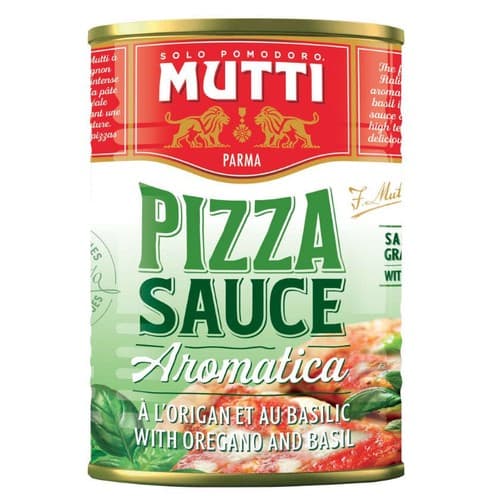 €2.55
€2.55Pizza Tomato Sauce
MUTTI · kg · Bonpreu
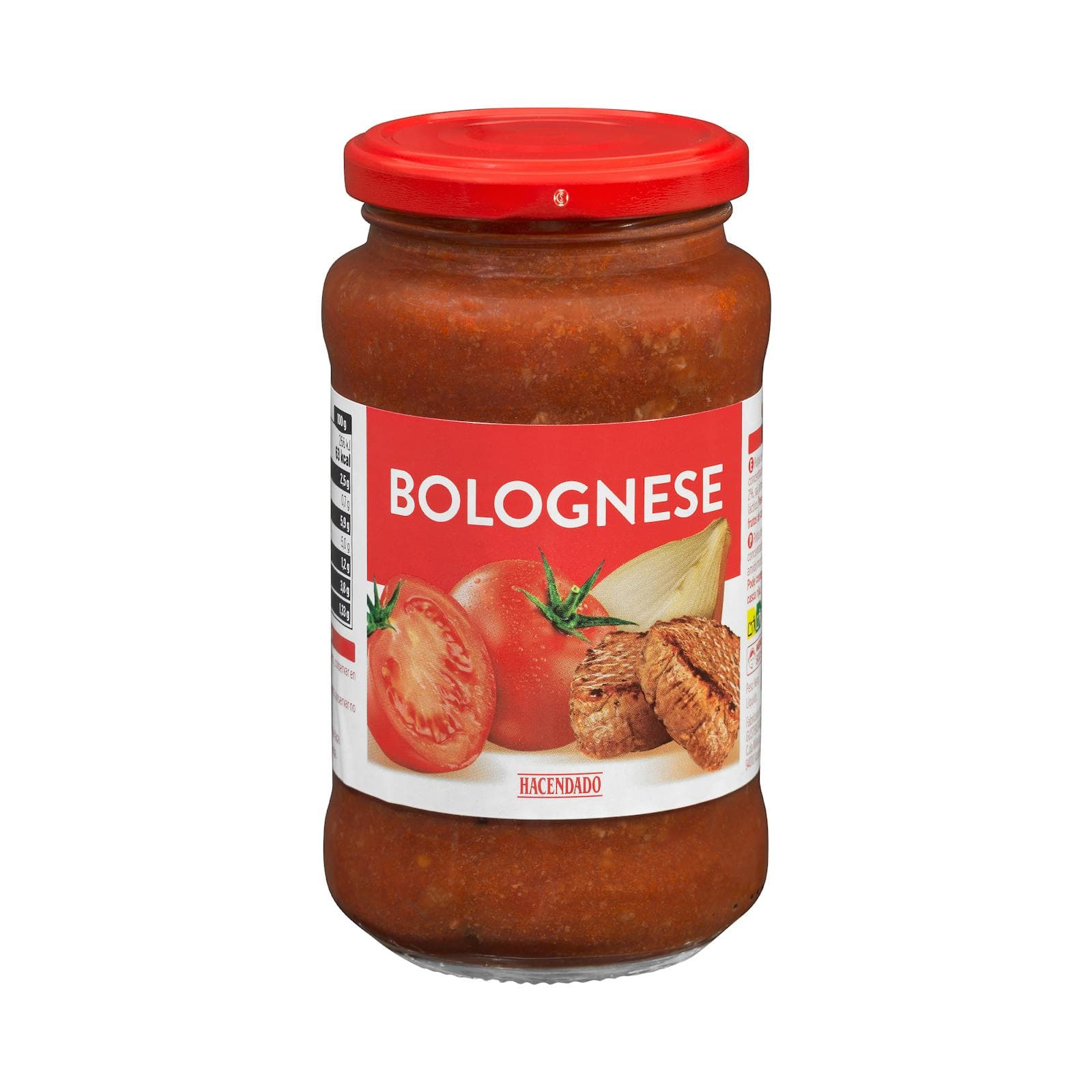 €1.90
€1.90Bolognese Tomato Sauce
Hacendado · 400 g · Mercadona
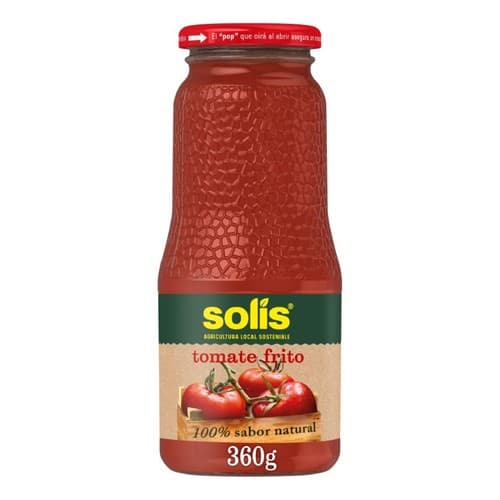 €1.49
€1.49Solís Fried Tomato Sauce
SOLIS · kg · Bonpreu
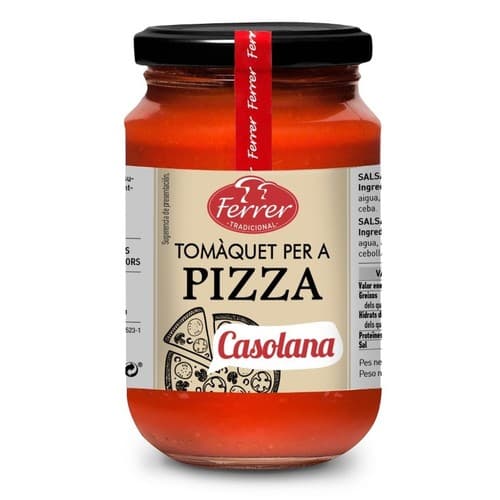 €2.25
€2.25Ferrer Pizza Tomato Sauce
FERRER · kg · Bonpreu
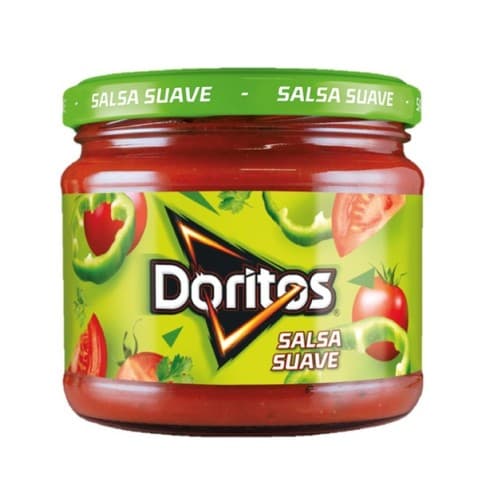 €2.99
€2.99Doritos Mild Tomato Sauce
DORITOS · kg · Bonpreu
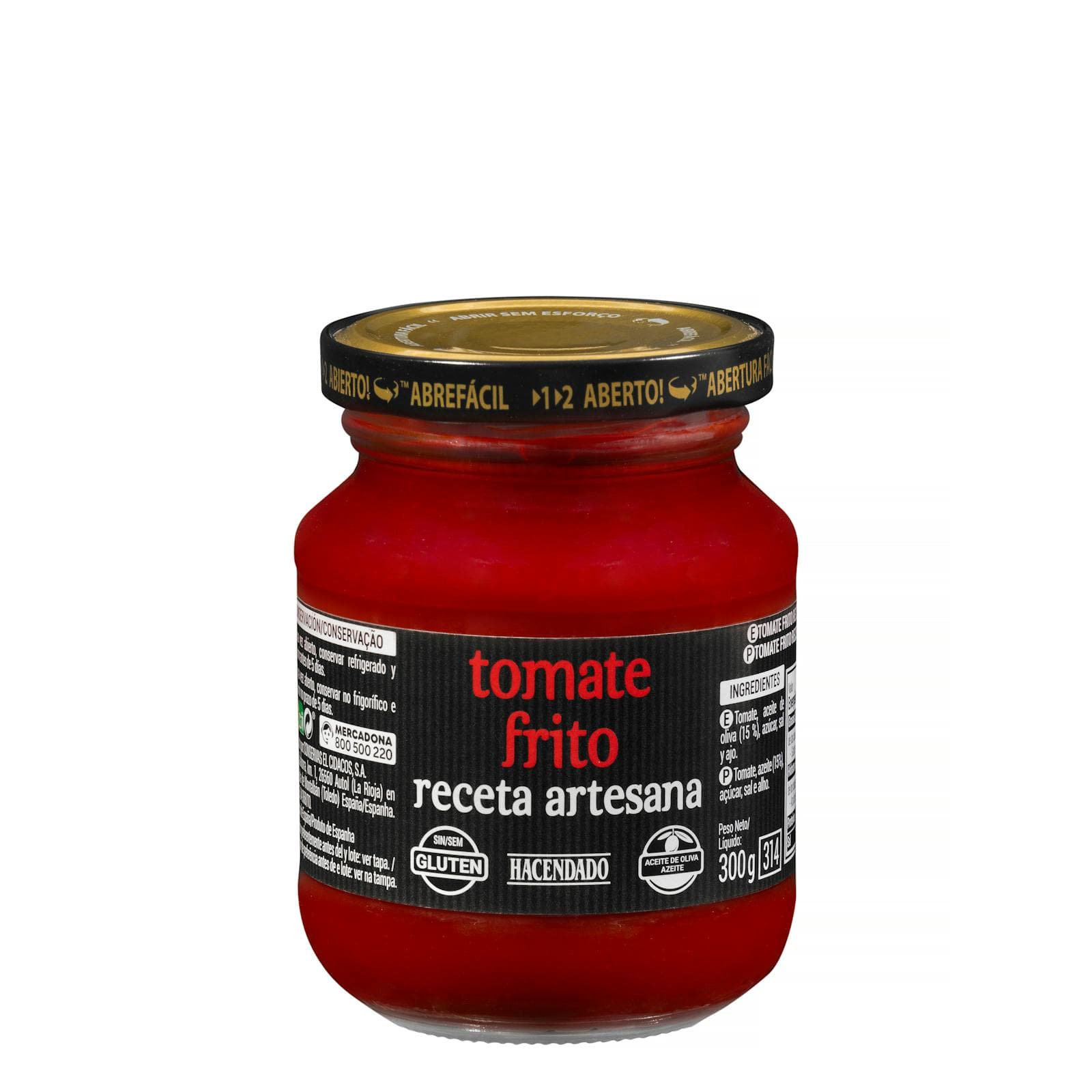 €1.40
€1.40Artisan Fried Tomato Sauce
Hacendado · 300 g · Mercadona
Good to know
- Typical Can Size
- 6 oz (170 g) in the US; 70–100 g tubes common in Europe
- Soluble Solids Content
- Single-concentrated: 5–7%; Double-concentrated: 24–30%; Triple-concentrated: 36%+
- Shelf Life (Unopened)
- 18–24 months
- Shelf Life (Opened, Refrigerated)
- 5–7 days; up to 3 months frozen in airtight containers
- Primary Tomato Varieties
- Roma, San Marzano, and other paste-type tomatoes with low moisture and high solids
- Typical Ingredients
- Tomatoes, citric or ascorbic acid (for color retention); some brands add salt or herbs
- Color
- Deep brick-red when uncooked; darkens to mahogany-red when cooked
- Acidity
- High; pH typically 3.5–4.5
Substitutes
- Tomato Puree — Use 2–3 times the amount; simmer uncovered to reduce and concentrate before using in the recipe
- Crushed Tomatoes — Use 2–3 times the amount; drain excess liquid and reduce slightly before substituting
- Sun-Dried Tomatoes (Packed in Oil) — Use 2–3 tablespoons reconstituted or minced sun-dried tomatoes per tablespoon of paste; they add a smokier, fruitier note
- Fresh Tomatoes, Cooked Down — Use 4–5 times the weight of fresh tomatoes; peel, seed, cook down until reduced by two-thirds
- Tomato Sauce — Use 2–3 times the amount and reduce over medium heat to achieve paste-like concentration
- Roasted Red Pepper Puree — Provides color and body but lacks the acidity and specific tomato flavor; use as a partial substitute only
Pairs with
Also called
Canned Tomato Paste (#10) · Tomato Paste · Tomato Concentrate
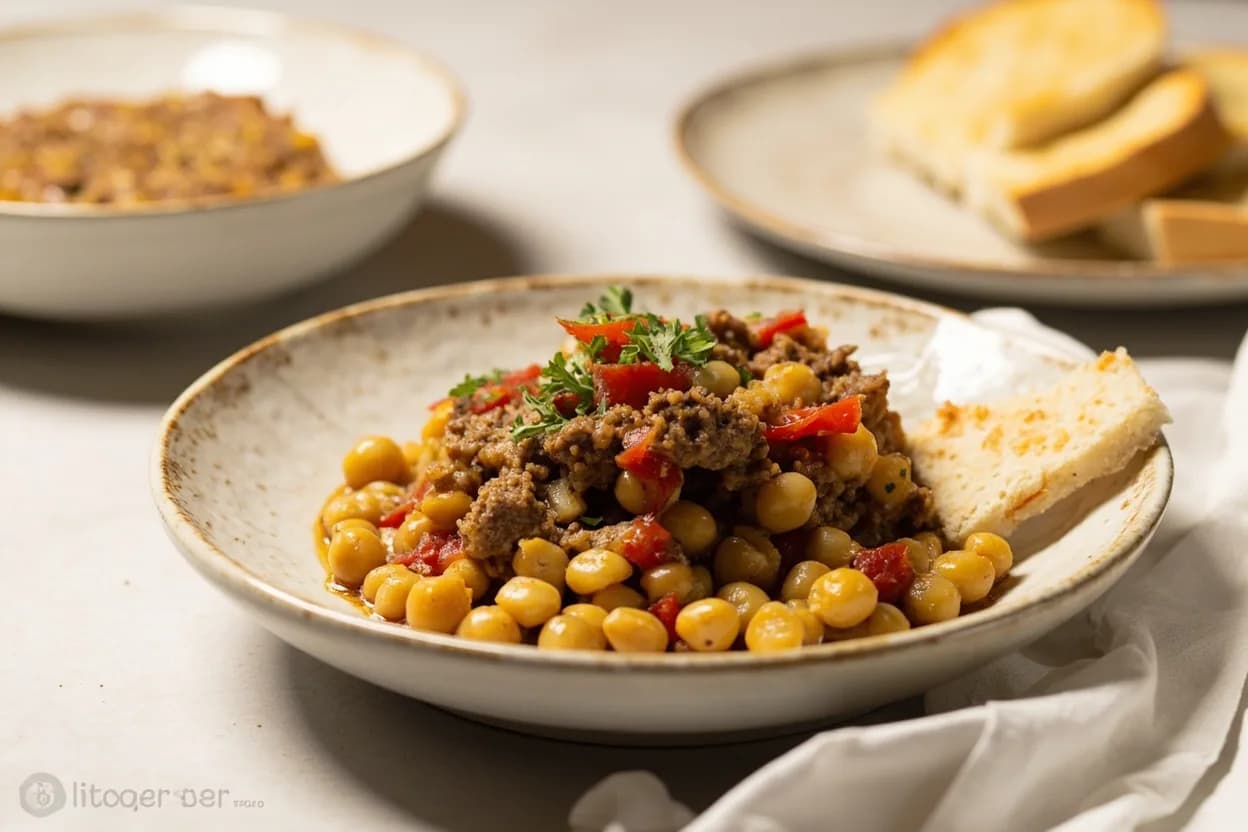
Appears in these dishes
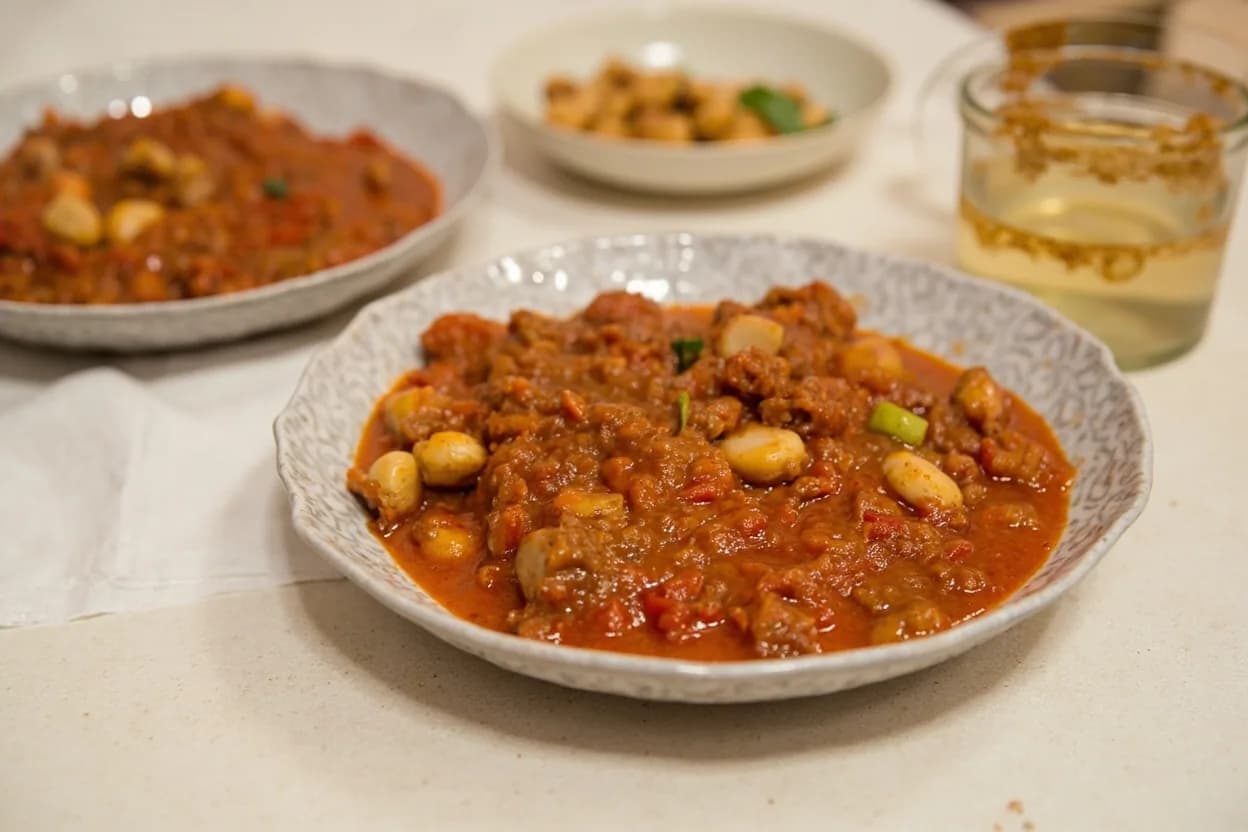
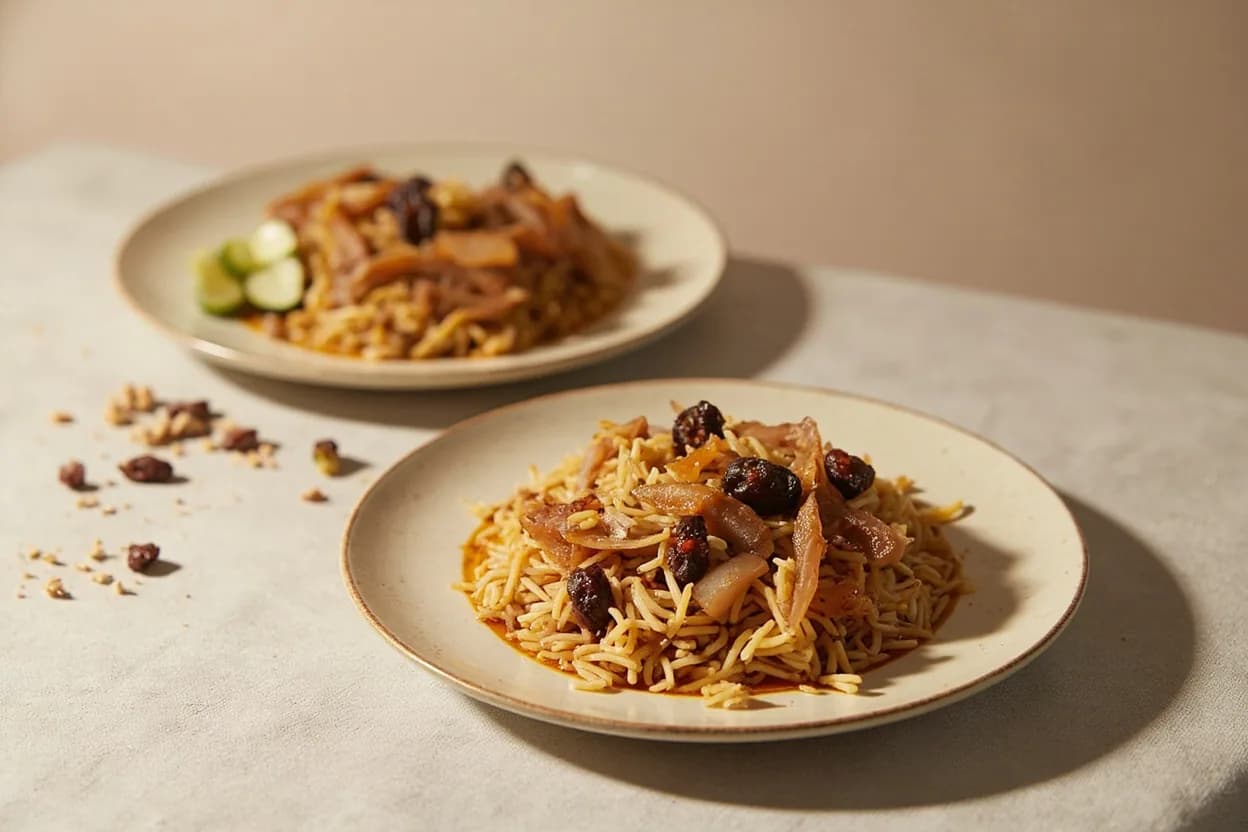
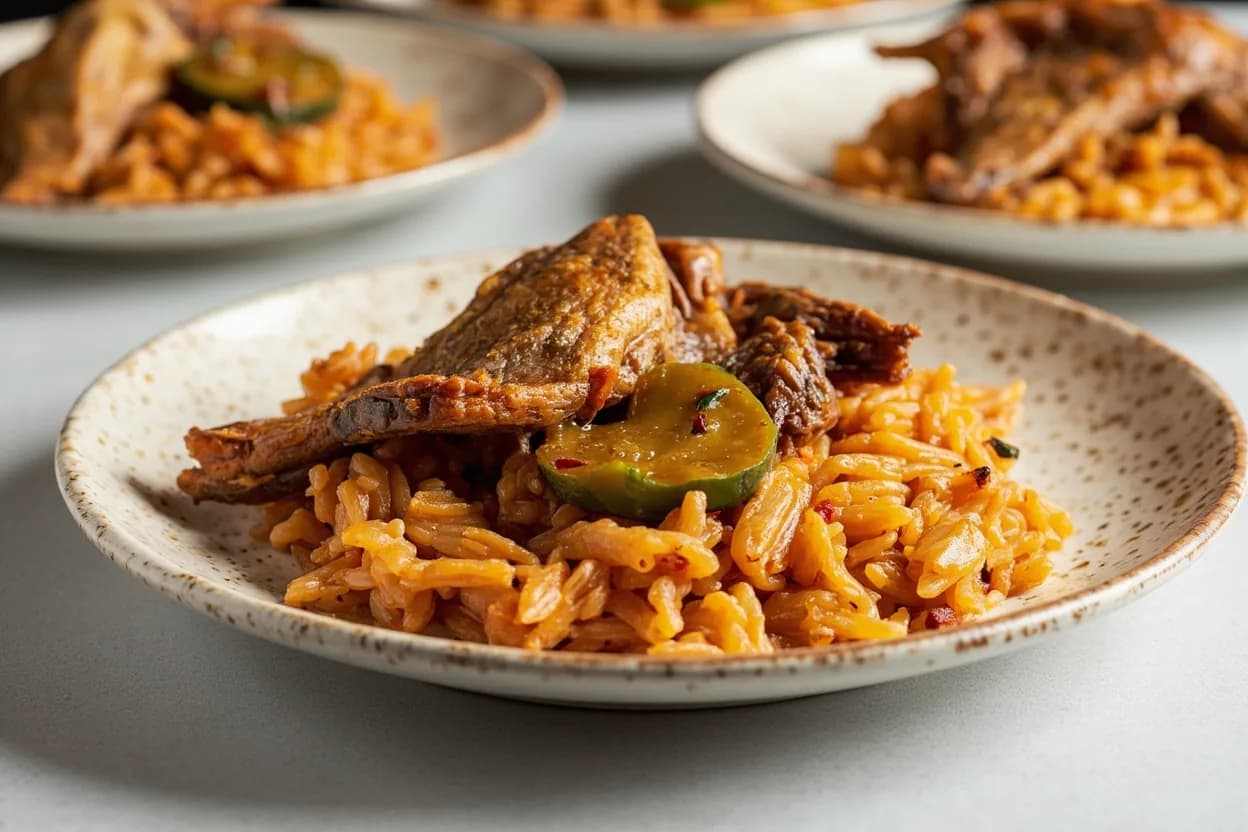
Related

Soy Sauce
Salty, savory umami base for stir-fries and marinades
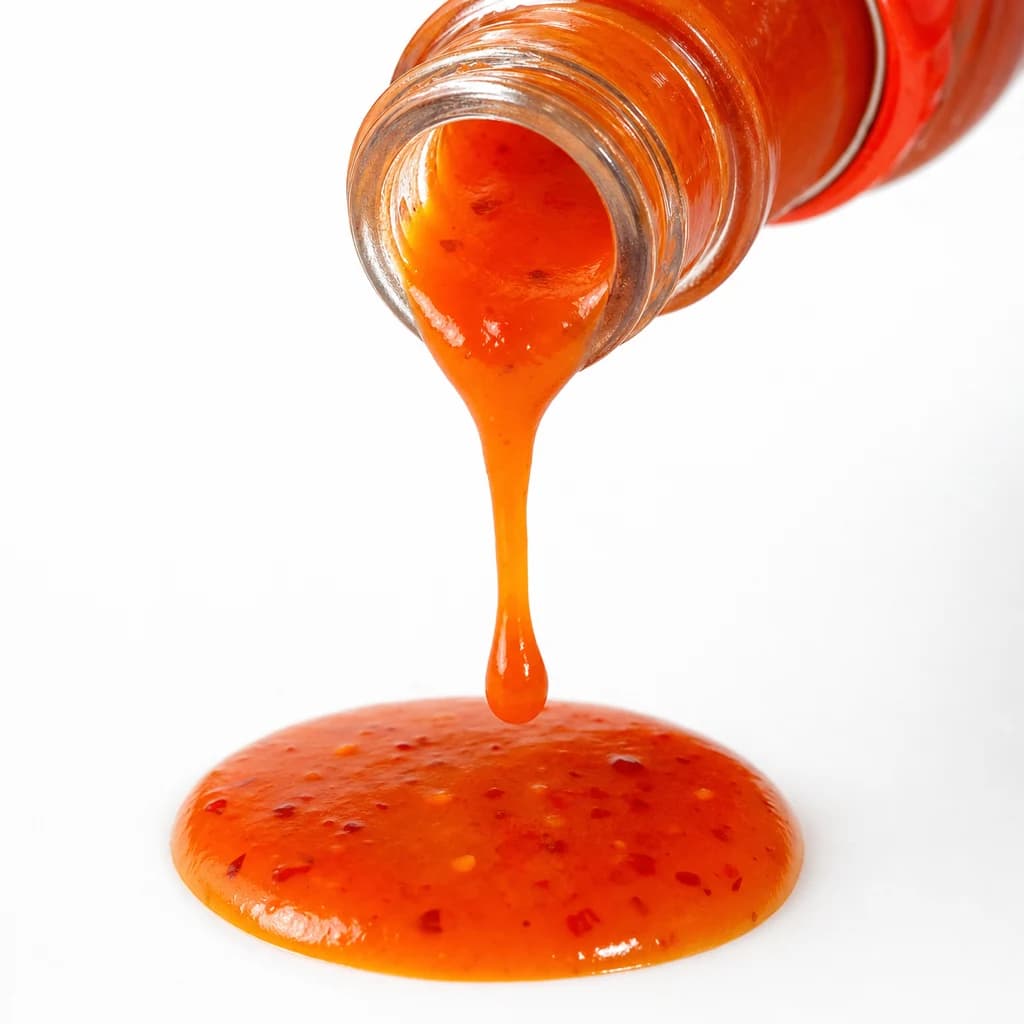
Hot Sauce
Tangy, fiery splash for eggs, tacos, and anything dull
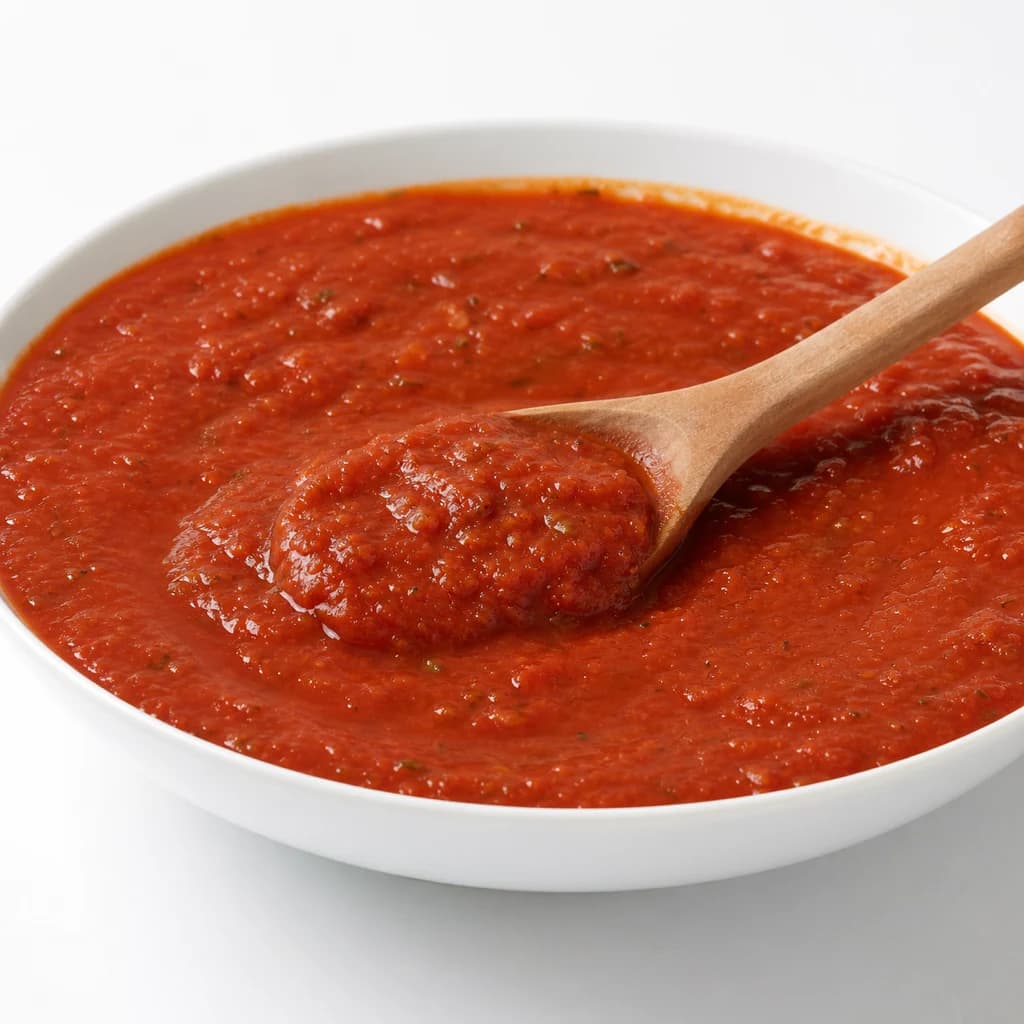
Tomato Sauce
Simmered tomato base for pasta, pizza, and braises
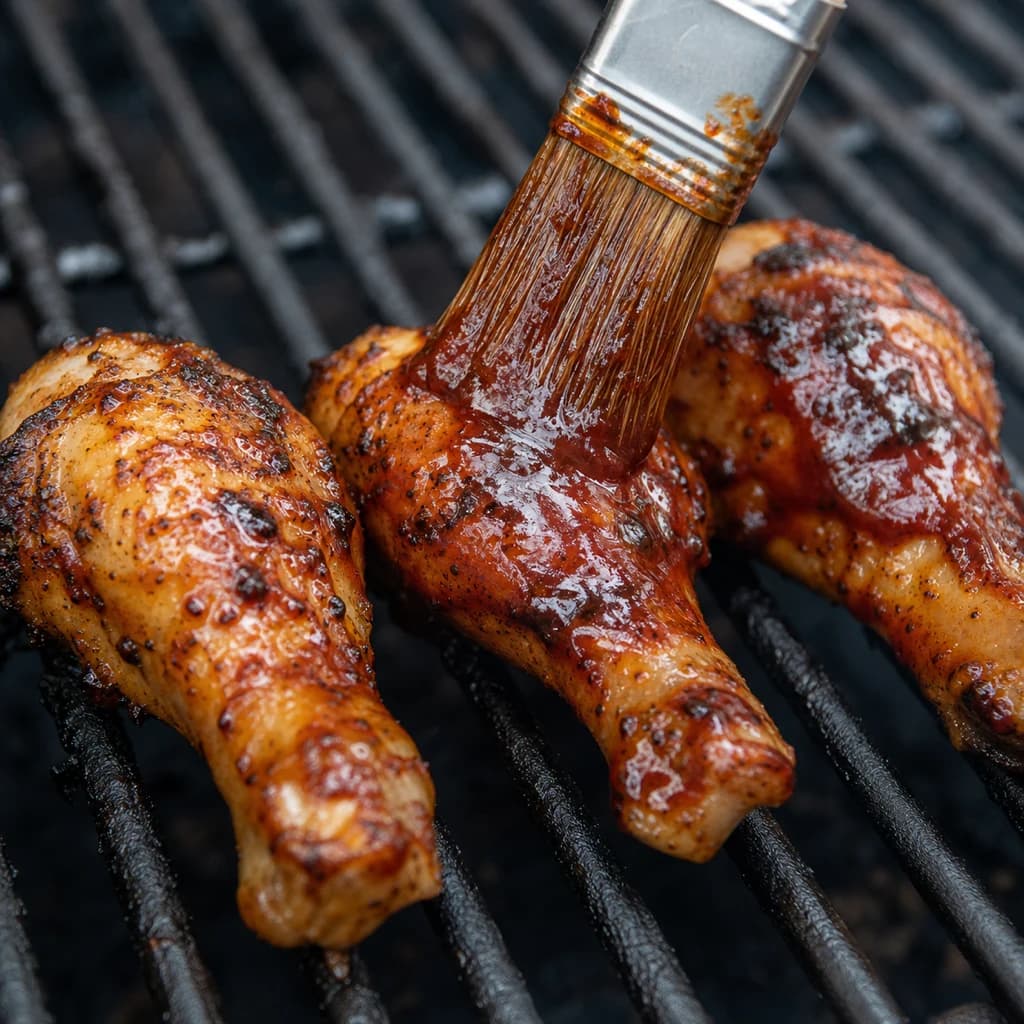
Barbecue Sauce
Smoky-sweet sauce for grilling, glazing, and dipping
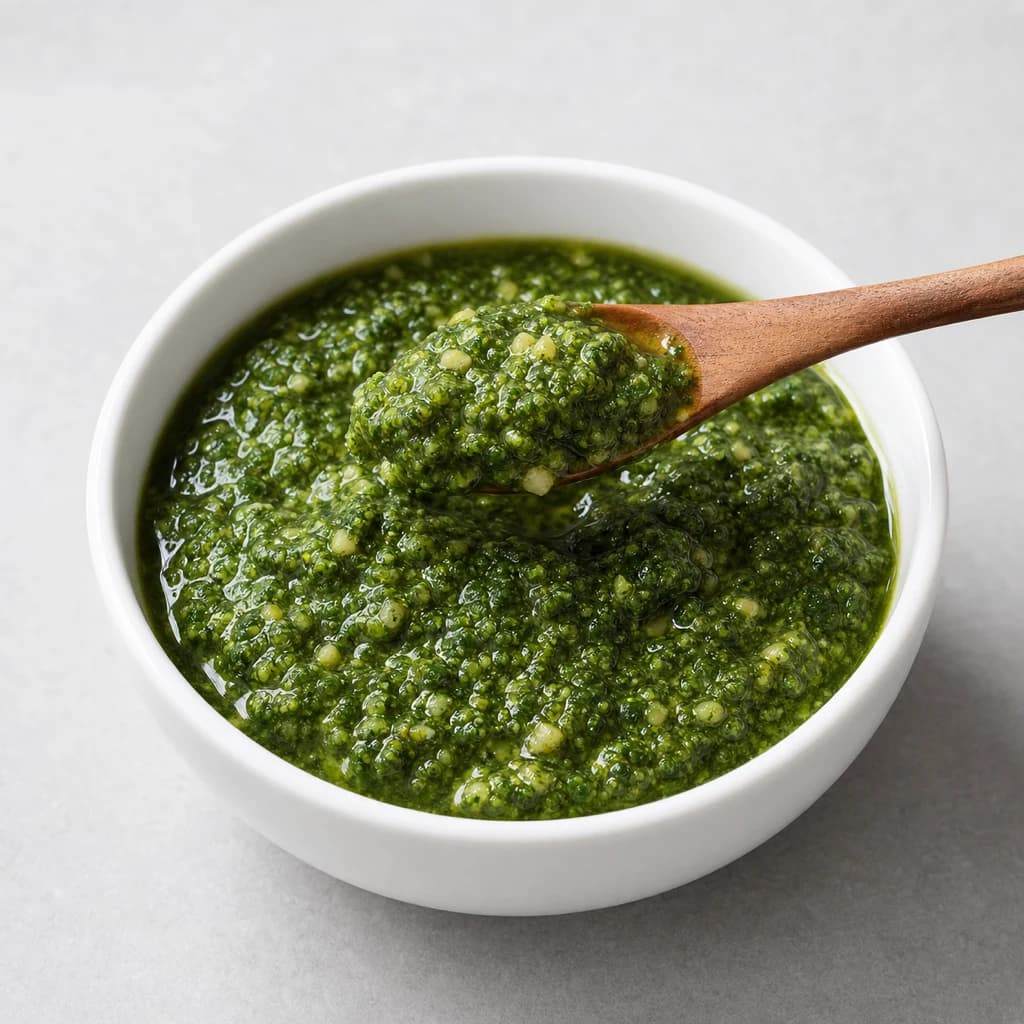
Pesto
Vibrant basil-and-pine-nut sauce for pasta and beyond

Fish Sauce
Funky, salty essence that brings deep umami to SE Asian dishes
Worcestershire Sauce
Tangy, savory umami splash for marinades, stews, and Caesar

Sriracha
Garlicky chili sauce with sweet heat for drizzling and dipping