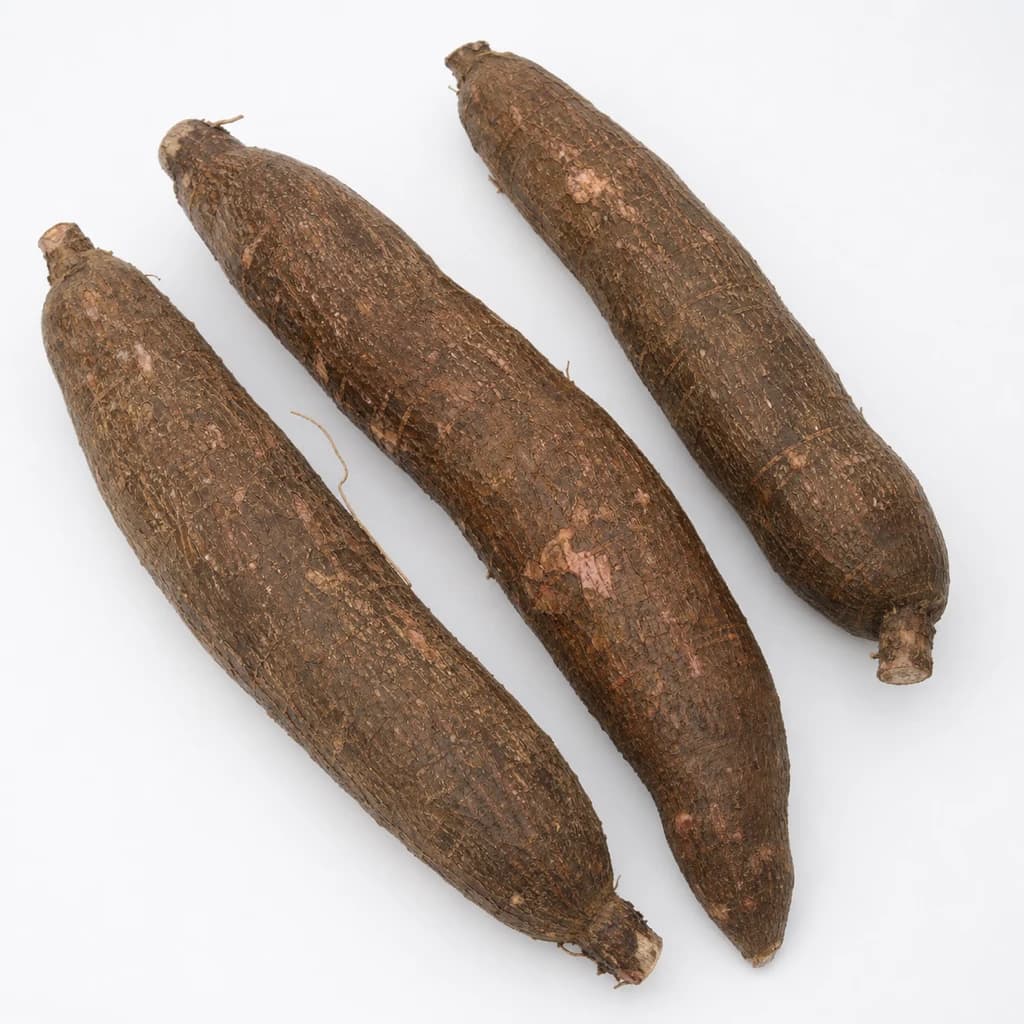
Natural form
Whole cassava roots showing rough brown bark and tapering cylindrical shape.
Establishes the root's distinctive exterior appearance, size, and form so readers can identify it in markets or fields.
Produce
Cassava
Starchy tropical root boiled, fried or ground into flour and tapioca; a major staple crop.
Cassava is a long, starchy tuber with rough brown bark and dense white flesh, a dietary staple across Africa, Latin America and Asia. It is boiled, fried, mashed, or processed into flour, fufu and tapioca. The root must be peeled and cooked to neutralize natural cyanogenic compounds — never eaten raw.
Cassava (Manihot esculenta) is one of humanity's oldest cultivated crops, domesticated in the Amazon basin over 10,000 years ago and now feeding hundreds of millions across the tropics. The plant produces massive tuberous roots—typically 30–100 cm long and weighing 2–6 kg—with a tough brown exterior and white to cream-colored flesh that is dense, starchy, and mildly sweet with a subtle nutty character when roasted. Unlike potatoes, cassava has a distinct grainier texture and higher starch content, which makes it exceptionally good at absorbing bold flavors while holding its shape during cooking. Its remarkable caloric density (600–1200 calories per kilogram raw) and ability to thrive in poor soils have made it a cornerstone food security crop, particularly in West Africa, Brazil, and Southeast Asia. The root behaves quite differently from most common tubers: it must always be cooked before eating due to cyanogenic compounds, it browns quickly when peeled, and its starch granules behave uniquely in thickening applications, making it more heat-stable than cornstarch for acidic liquids.
- Measured in
- g
- Storage
- Pantry
Types & varieties
Lower cyanogenic content (~20 mg/kg); can be eaten after simple boiling; common in the Caribbean and Central America
Higher cyanogenic content (~200+ mg/kg); requires grating, soaking, and pressing to remove toxins; base for commercial tapioca starch and garri
Orange-fleshed varieties with higher beta-carotene; cultivated in Brazil and Africa for improved nutrition
Short, thick roots prized for frying; common in Southeast Asian markets
Understanding Cassava Toxicity
Raw cassava contains cyanogenic glycosides, primarily linamarin, which can release hydrogen cyanide when the root is damaged or chewed. Bitter varieties contain enough cyanide to be lethal if eaten raw; sweet varieties have lower levels but still require cooking. The concentration is highest in the brown skin and the pinkish layer directly beneath it—complete peeling is essential. When you cut cassava, the flesh should have a faint sweet smell. Any bitter, chemical, or astringent odor indicates dangerous cyanide levels; discard the root. In Brazilian Portuguese, the plant is called aipim or macaxeira depending on the region.
- Never eat cassava raw, regardless of variety
- Peel completely—the brown skin and pink layer beneath carry the highest toxin concentration
- Sweet smell when cut is a good indicator; bitter or chemical odors mean dangerous cyanide levels
- Bitter cassava requires extensive processing: grating, soaking 3–5 days, then pressing before use
Fresh Root vs. Tapioca Products
Cassava enters Western kitchens in two distinct forms that behave very differently. The fresh root is prepared like a potato—boiled, fried, or mashed. Tapioca refers to the refined starch extracted from the root, not the whole root itself. Tapioca flour (or tapioca starch) is excellent for gluten-free baking and creates a unique chewy texture in breads and pie crusts that wheat flour cannot replicate. Tapioca pearls are the gelatinous spheres used in bubble tea and puddings. Farinha de mandioca, by contrast, is whole-root flour with a sandy texture and distinct flavor, used differently in cooking. These products are not interchangeable—substituting one for another will yield drastically different results.
- Tapioca flour ≠ cassava flour—verify which product a recipe calls for
- Tapioca starch is more heat-stable than cornstarch for thickening acidic liquids
- Farinha de mandioca has a sandy texture suited for breading and coating, not for thickening
Common uses
Tips & pitfalls
- Always peel cassava completely—the brown skin and pinkish layer directly beneath contain the highest concentration of cyanogenic compounds
- Cut the root into sections first; the core can be woody and should be discarded if very hard
- After peeling, cook cassava before freezing; raw cassava deteriorates rapidly and changes texture negatively
- When frying cassava, parboil until just tender (about 10 minutes), then fry at high heat (180°C/350°F) for crispy results without a raw center
- To test doneness when boiling, insert a skewer—it should pass through with little resistance
- Cassava starch (tapioca) is more heat-stable than cornstarch for thickening acidic liquids; use a 1:1 ratio
- Do not confuse cassava with yuca (Joshua tree)—common mispronunciation but entirely different plants
- Refrigerate peeled, raw cassava in water for up to 24 hours; add a squeeze of lemon to prevent browning
- For cassava fries, cut into uniform batons and soak in cold water for 30 minutes before parboiling to remove excess starch
- Bitter cassava requires extensive processing (grating, soaking 3–5 days, pressing) before it is safe—only attempt if you are certain of the variety and preparation method
Nutrition
Energy
669 kJ · per 100 g
Where the calories come from
Protein
1.4g
3% DV
Carbs
38.1g
14% DV
Fat
0.3g
0% DV
Fiber
1.8g
6% DV
Sugars
1.7g
of which
Sodium
14mg
1% DV
Source · USDA FoodData Central · Cassava, raw
View on FDC →In the shops
Matched grocery products
No matched grocery products for Cassava yet.
Good to know
- Scientific name
- Manihot esculenta
- Family
- Euphorbiaceae (spurge family)
- Origin
- South America, domesticated in Brazil/Paraguay over 10,000 years ago
- Major producers
- Nigeria, Thailand, Indonesia, Brazil, Democratic Republic of Congo
- Toxicity
- Contains cyanogenic glycosides; must be cooked before eating—never consume raw
- Yield
- Approximately 65–70% edible after peeling and cooking
- Color
- Brown woody exterior; white to cream-colored flesh
- Shelf life
- 1–2 weeks at room temperature; up to 3 weeks wrapped in newspaper in cool, dark place
Substitutes
- Sweet potato — Similar starchy texture and mild flavor; not a direct substitute for fried applications but works well for boiling and mashing
- Potato — Comparable cooking applications; lacks cassava's distinct grainier texture; use 1:1 in most preparations
- Taro — Similar dense, starchy character; requires longer cooking; works as a 1:1 substitute for boiled or fried uses
- Arrowroot flour — Direct substitute for tapioca flour in gluten-free baking and as a thickener (1:1 ratio)
- Yam — Comparable size and starchy quality; slightly sweeter; acceptable 1:1 substitute for most cooked applications
Pairs with
Also called
Cassava Root · Mandioca · Manioc · Yuca · Cassava Tuber
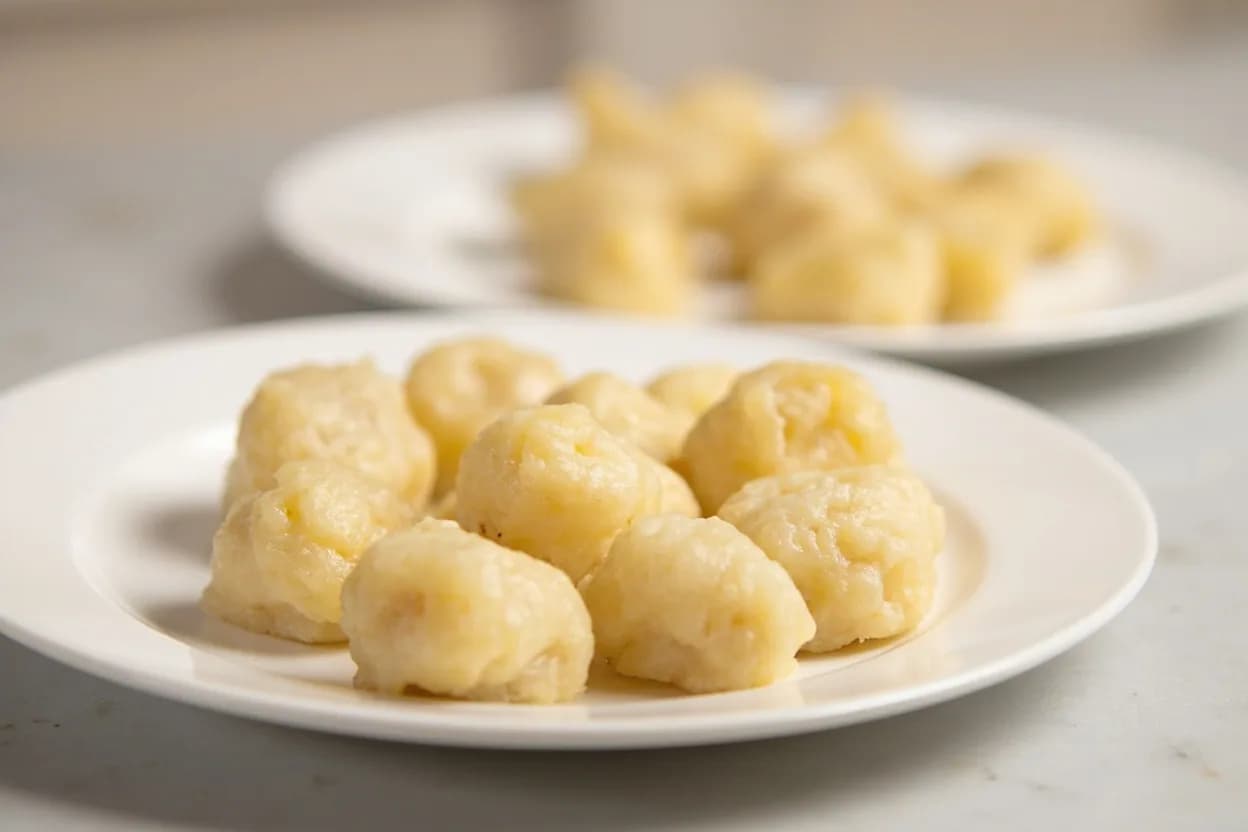
Appears in these dishes
Related
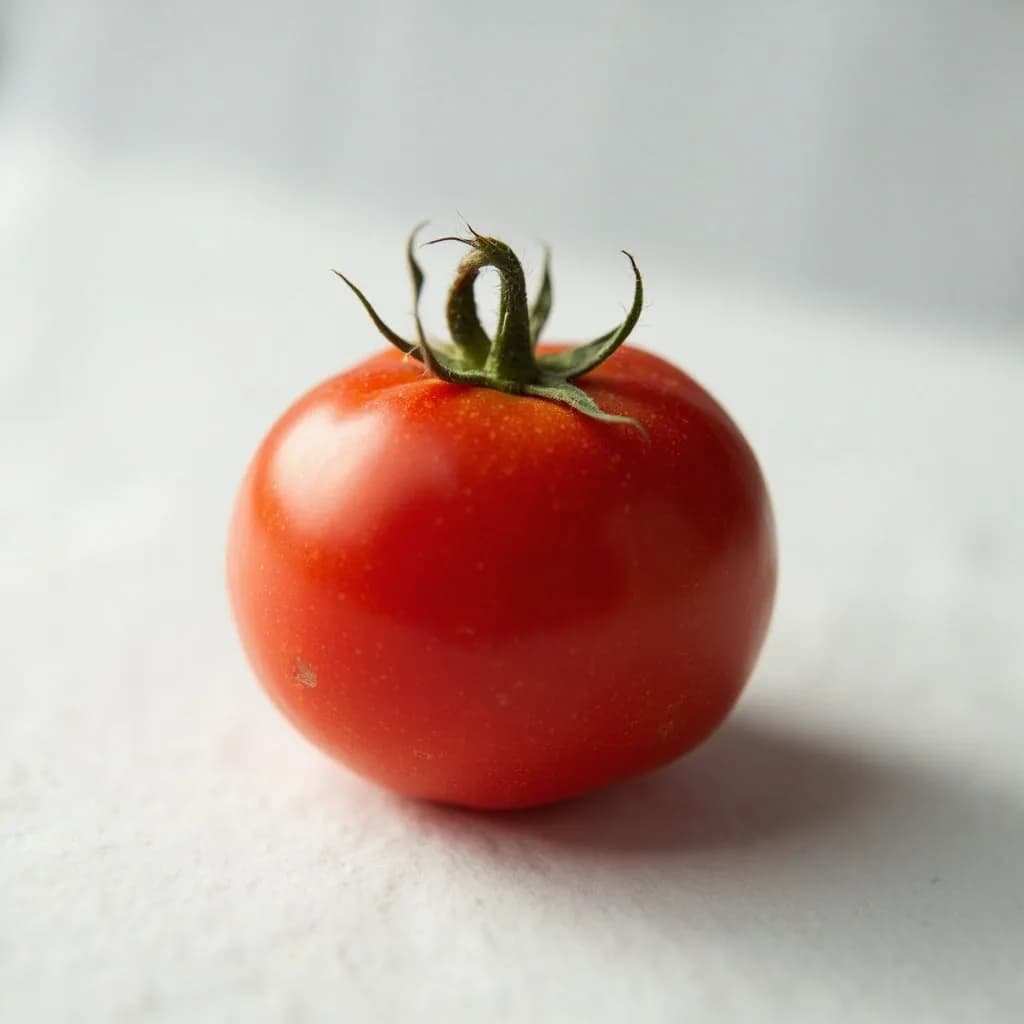
Tomato
Juicy, sun-sweet fruit for sauces, salads, and slow-cooked depth
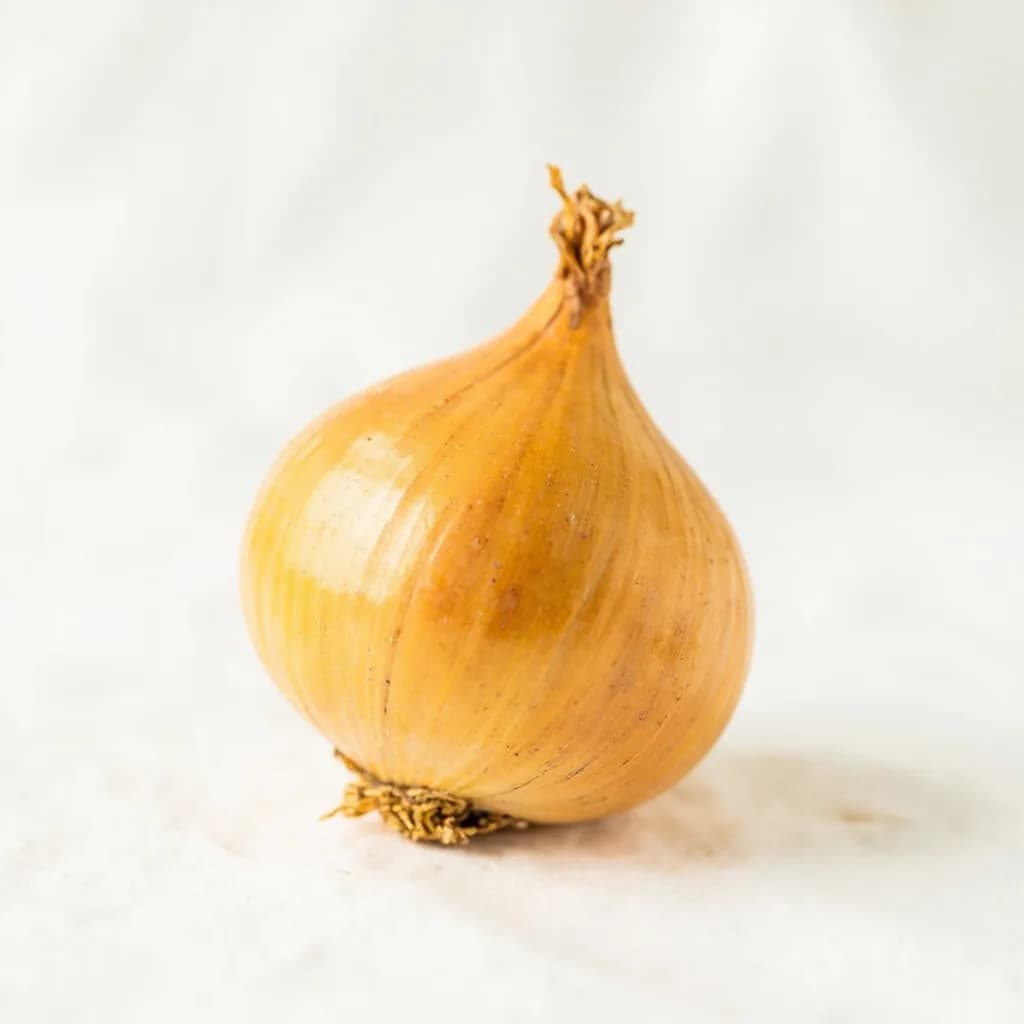
Yellow Onion
The aromatic backbone of soups, sofritos, and braises
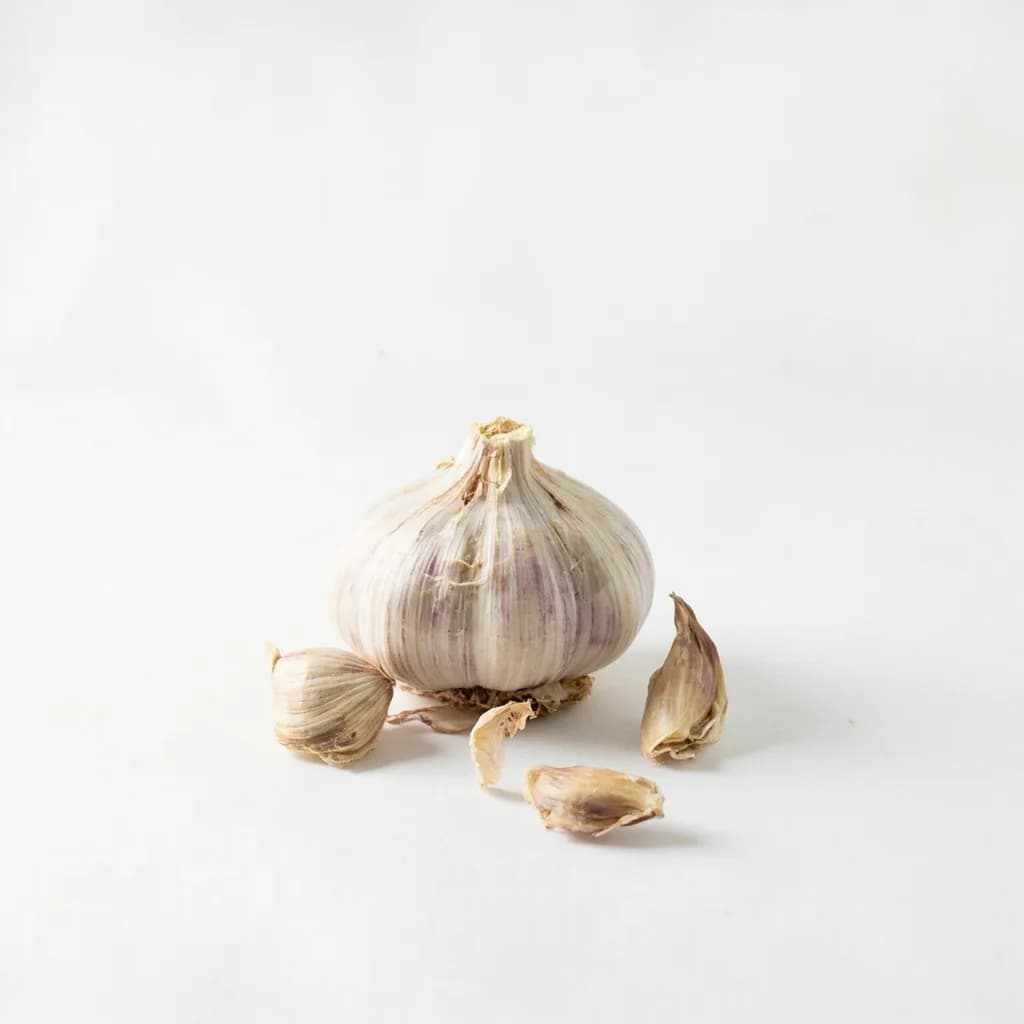
Garlic
Pungent cloves that perfume nearly every savory dish
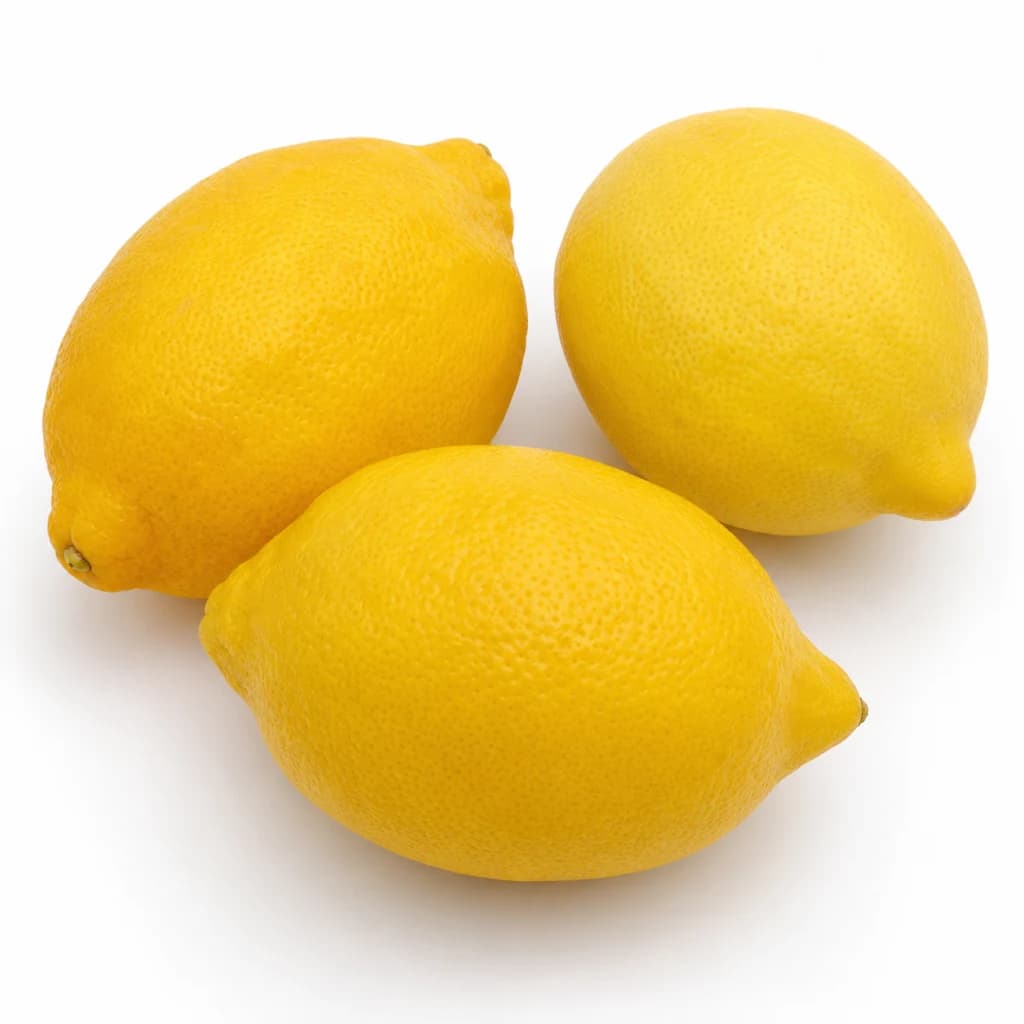
Lemon
Bright, acidic citrus that wakes up almost any dish
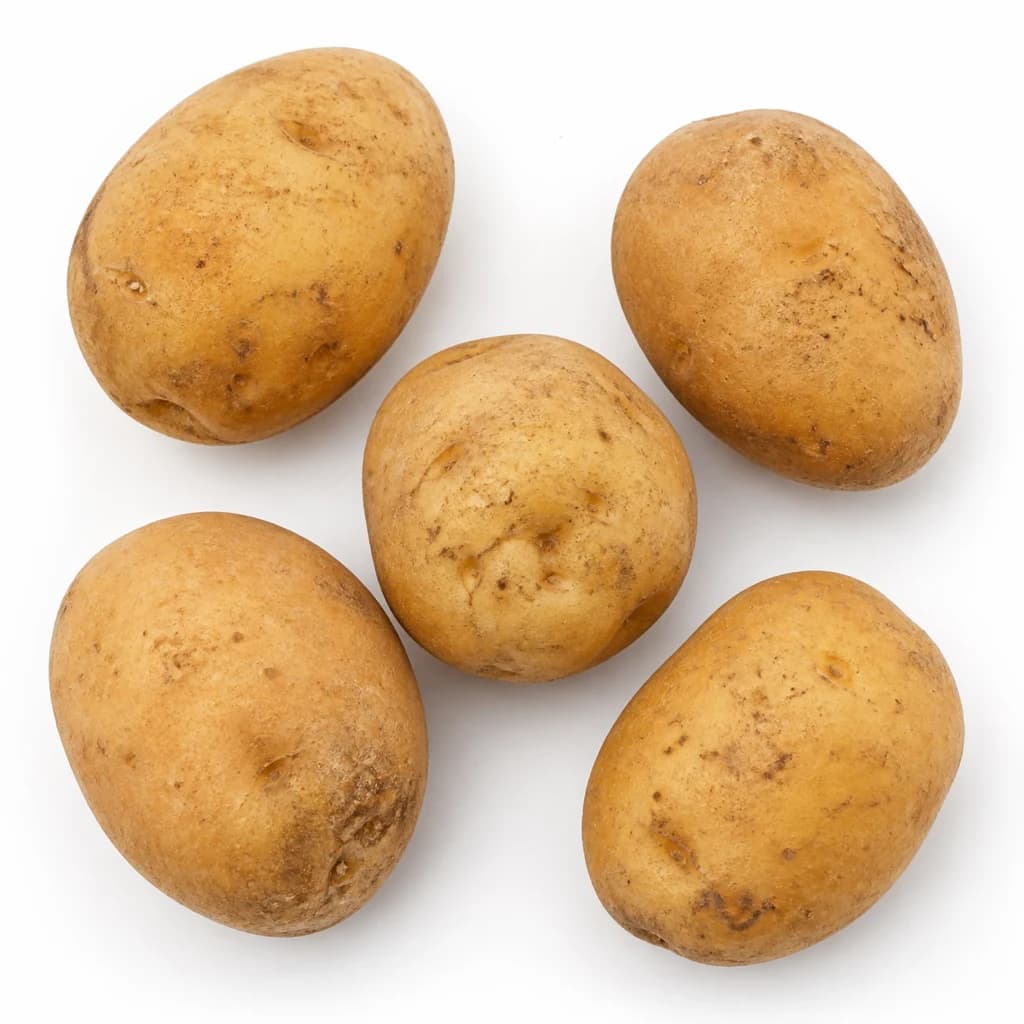
Potato
Humble, hearty staple — roast, mash, fry, or boil
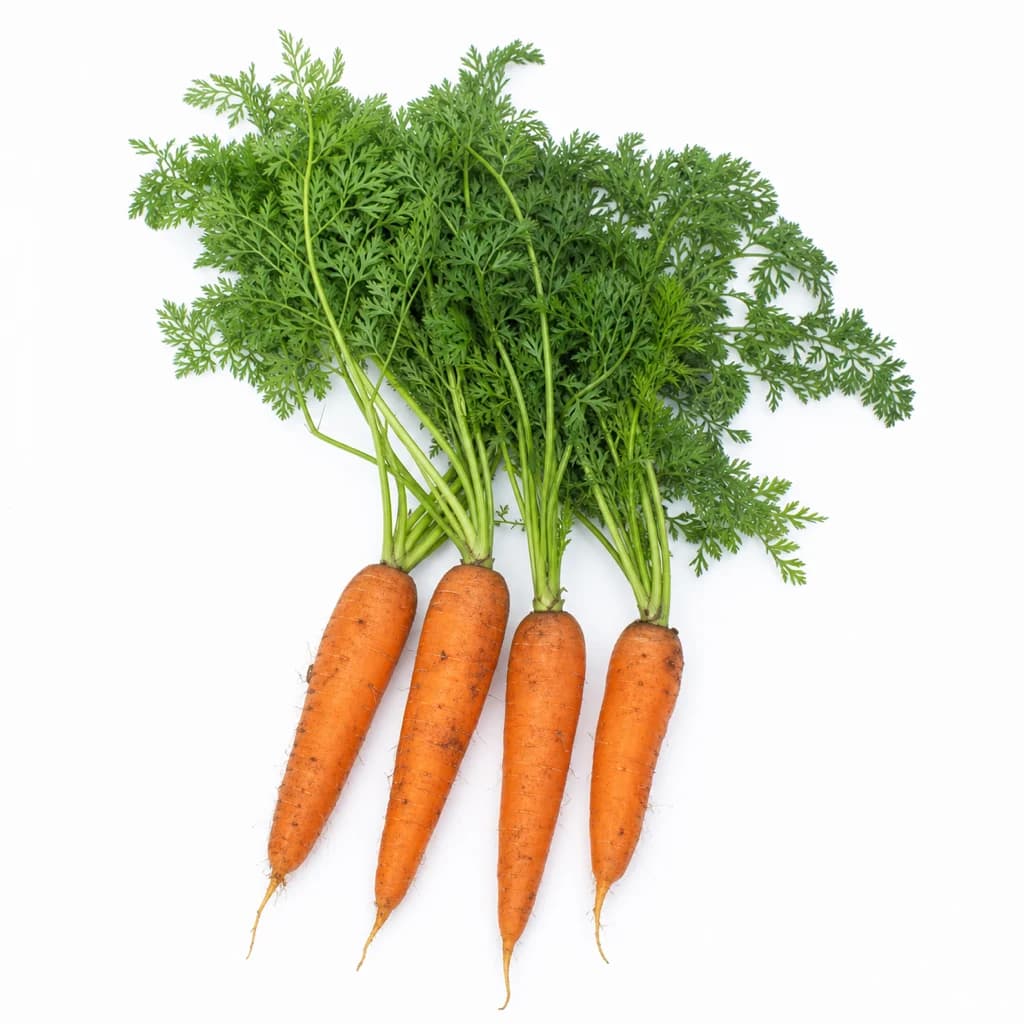
Carrot
Sweet, crunchy root — raw, roasted, or the base of a sofrito
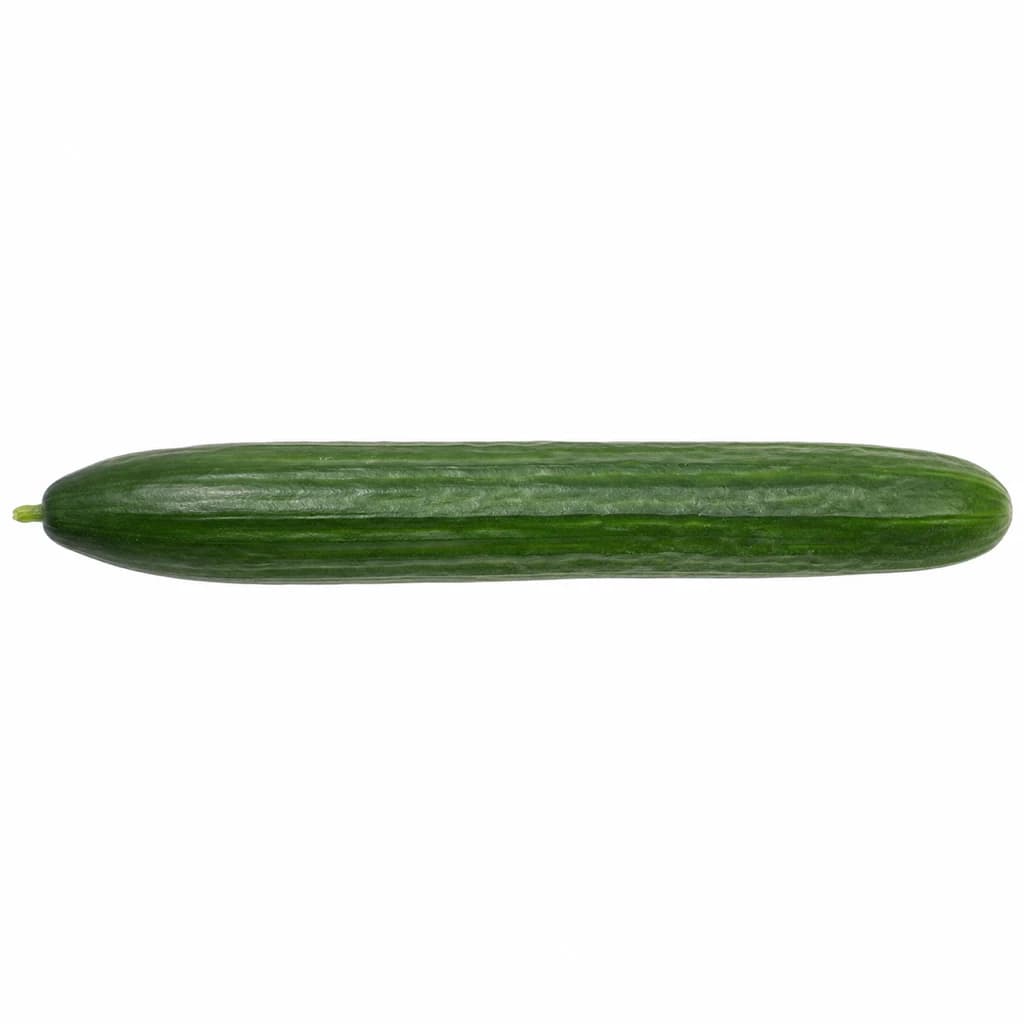
Cucumber
Cool, crisp, and watery — for salads, pickles, and tzatziki

Lettuce
Crisp leaves for salads, wraps, and a fresh crunch