Proteins
Cecina Enchilada
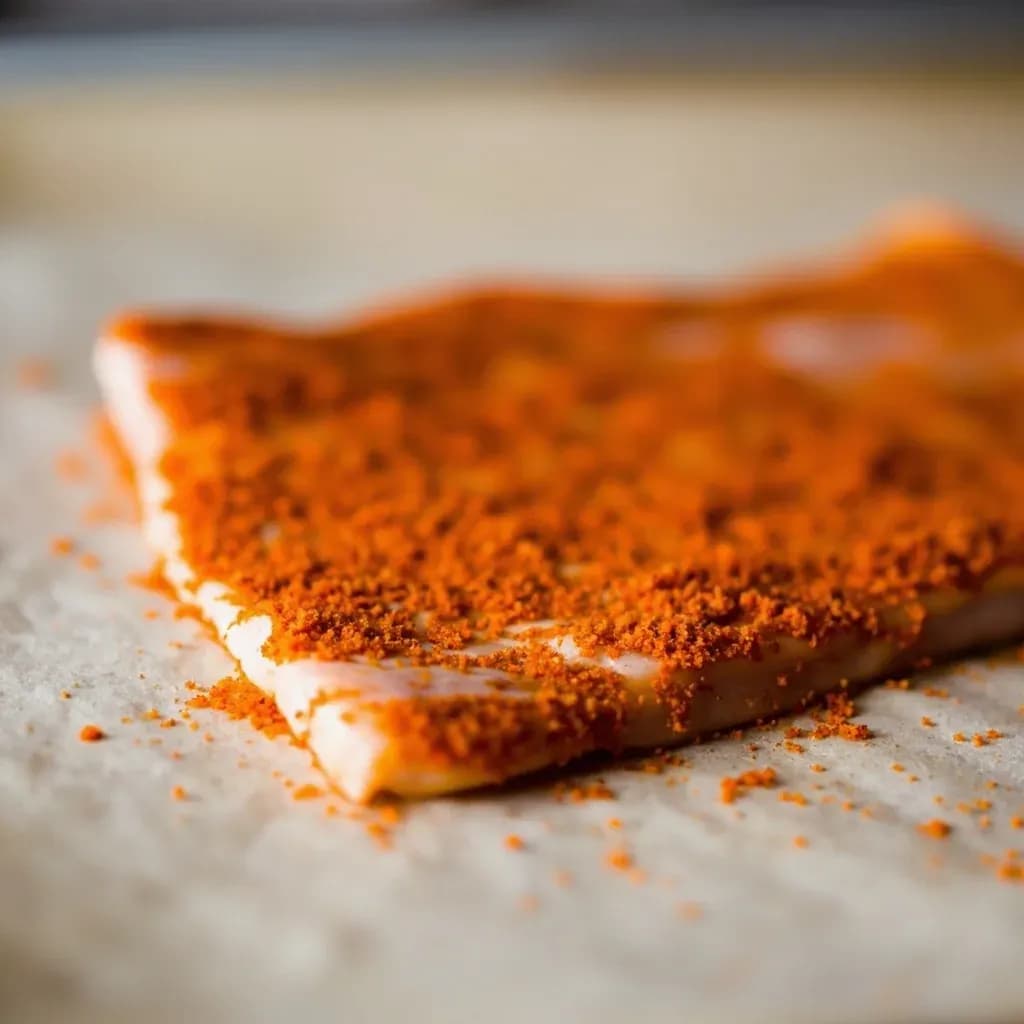
Thin chile-rubbed pork, brick-red and slightly spicy, grilled fast for tacos.
Cecina enchilada is a Mexican preparation of pork (or sometimes beef) sliced into thin sheets and coated in a paste of dried red chiles, giving it a brick-red color and gentle heat. It is grilled or seared quickly over high heat and chopped for tacos and platters. 'Enchilada' here means chile-rubbed, not the rolled-tortilla dish.
Cecina enchilada is a traditional Mexican cured meat: pork loin rubbed with a paste of ancho chiles, salt, and sometimes garlic, then air-dried for three to five days until it develops a deep brick-red color and a pliable, semi-translucent texture. Unlike fully cured country hams, the curing process stops short of cooking the meat through, so cecina requires brief high-heat cooking before serving. The ancho chile coating gives it a mild, fruity heat and a subtle smokiness that distinguishes it from unseasoned dried pork. In Tocumbo, Michoacán—widely considered the epicenter of cecina production—the product hangs in open-air drying rooms and the technique has been passed down through generations of artisan producers. When grilled quickly over high heat, cecina contracts slightly, caramelizes at the edges, and becomes pleasantly firm while retaining its characteristic chew. The result is an intensely savory, slightly spiced protein that shreds easily against the grain and forms the centerpiece of some of the most satisfying tacos in Mexican street cooking. Cecina should not be confused with the Spanish word cecina, which broadly denotes any dried, salted meat and in Spain often refers to a beef jerky-style product. Mexican cecina is specifically air-dried pork that must be cooked before consumption.
- Measured in
- g
- Storage
- Fridge
Types & varieties
Chile-rubbed pork; the most common variety and the standard in most markets
Salted and dried pork without the ancho chile coating; allows for seasoning at the table
Beef loin version; leaner and slightly more fibrous in texture, still rubbed with ancho chiles
Smoked variant; adds mesquite or oak smoke character during the drying process
The Regional Heritage of Tocumbo
Tocumbo, a small town in the tierra fría of western Michoacán, has built its reputation almost entirely on cecina. Local families have refined the curing technique over generations, and the product from this region carries the same kind of geographic identity as prosciutto di Parma or cheddar from Cheddar. The high altitude and dry air of the Michoacán highlands create ideal conditions for controlled, even drying. When you encounter cecina from Tocumbo at a market or taquería, you are tasting a product shaped by climate, tradition, and a specific craft culture—not a manufactured commodity. Artisans often dry the pork in open-sided rooms called tendederos, where the meat hangs for days, slowly losing moisture while developing flavor from the chile rub.
- Look for products labeled with Tocumbo origin when authenticity matters for your dish
- Small-batch artisanal cecina may have slightly irregular coloring, which can indicate natural air-drying rather than industrial processing
- The texture should be pliable, not brittle or rock-hard; brittleness indicates over-drying and a compromised product
Common uses
Tips & pitfalls
- Inspect for even brick-red coloring and a pliable, slightly tacky texture; avoid pieces with gray spots, white bloom, or any rancid or ammonia-like smell
- If the cecina tastes too salty before cooking, soak it in cold water for 10–15 minutes and pat completely dry—this tempers the cure without washing away the chile flavor
- Always pat the surface dry after any soaking or rinsing; surface moisture prevents proper caramelization and steams the meat instead of searing
- Grill on maximum heat—cast iron, comal, or charcoal grill—for 2 minutes per side maximum; the meat is already cured and cooks quickly
- Let the grilled cecina rest off heat for 1 minute before slicing so juices redistribute; cutting immediately sheds the flavorful juices
- Leftover grilled cecina crisps excellently in a dry skillet and crumbles well over soups, salads, or tostadas for textural contrast
- Do not mistake Mexican cecina for Spanish cecina (cured beef jerky) or for fully cooked country ham; Mexican cecina requires cooking and has a distinct chile profile
Nutrition
Energy
3397 kJ · per 100 g
Where the calories come from
Protein
2.9g
6% DV
Carbs
0g
0% DV
Fat
88.7g
114% DV
Fiber
0g
0% DV
Sugars
0g
of which
Sodium
11mg
0% DV
Source · USDA FoodData Central · approx. Pork, fresh, backfat, raw
View on FDC →In the shops
Matched grocery products
No matched grocery products for Cecina Enchilada yet.
Good to know
- Origin
- Michoacán, Mexico; Tocumbo is the most renowned production town
- Type
- Cured, air-dried pork with ancho chile rub
- Curing Duration
- 3–5 days of salting and air-drying
- Appearance
- Brick-red from ancho chile coating; thin and pliable when raw, semi-translucent when sliced
- Flavor
- Savory, mildly spicy, subtle dried chile and smoke notes; not aggressively hot
- Doneness
- Cured but not fully cooked; requires 2–4 minutes of grilling before serving
- Typical Weight
- Sold whole in 2–4 kg pieces or presliced packages
- Shelf Life
- Refrigerated: 2–3 weeks; frozen: up to 6 months
Substitutes
- Chicharrón prensado — Fried pork skin with meat attached; offers similar savory richness but a different textural profile—crispy rather than chewy
- Machaca — Dried, shredded beef; acceptable in tacos but lacks the ancho chile flavor and brick-red color of cecina
- Carne seca — Mexican air-dried beef; substitute 1:1 by weight and apply a homemade ancho chile rub to approximate the flavor profile
Pairs with
Also called
Chile-Rubbed Pork · Cecina Roja
Related
Egg
The kitchen's everything ingredient — bind, leaven, enrich, or fry
Chicken Breast
Lean, quick-cooking white meat for everyday dinners

Ground Beef
Versatile minced beef for burgers, ragù, tacos, and meatballs
Pork Loin
Lean, tender roasting cut that stays juicy with care
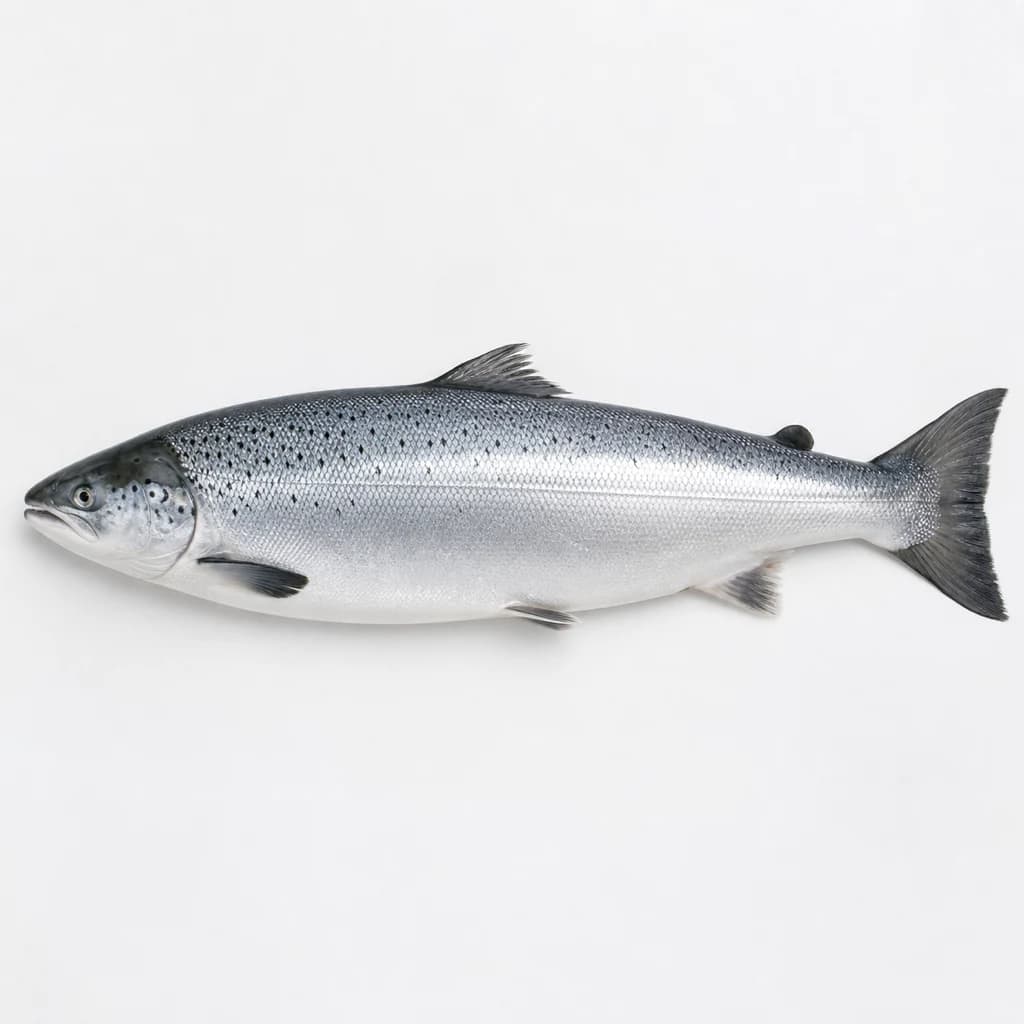
Salmon
Rich, rosy fish that roasts, grills, or cures beautifully

Egg White
Pure protein that whips to airy peaks for meringue and more
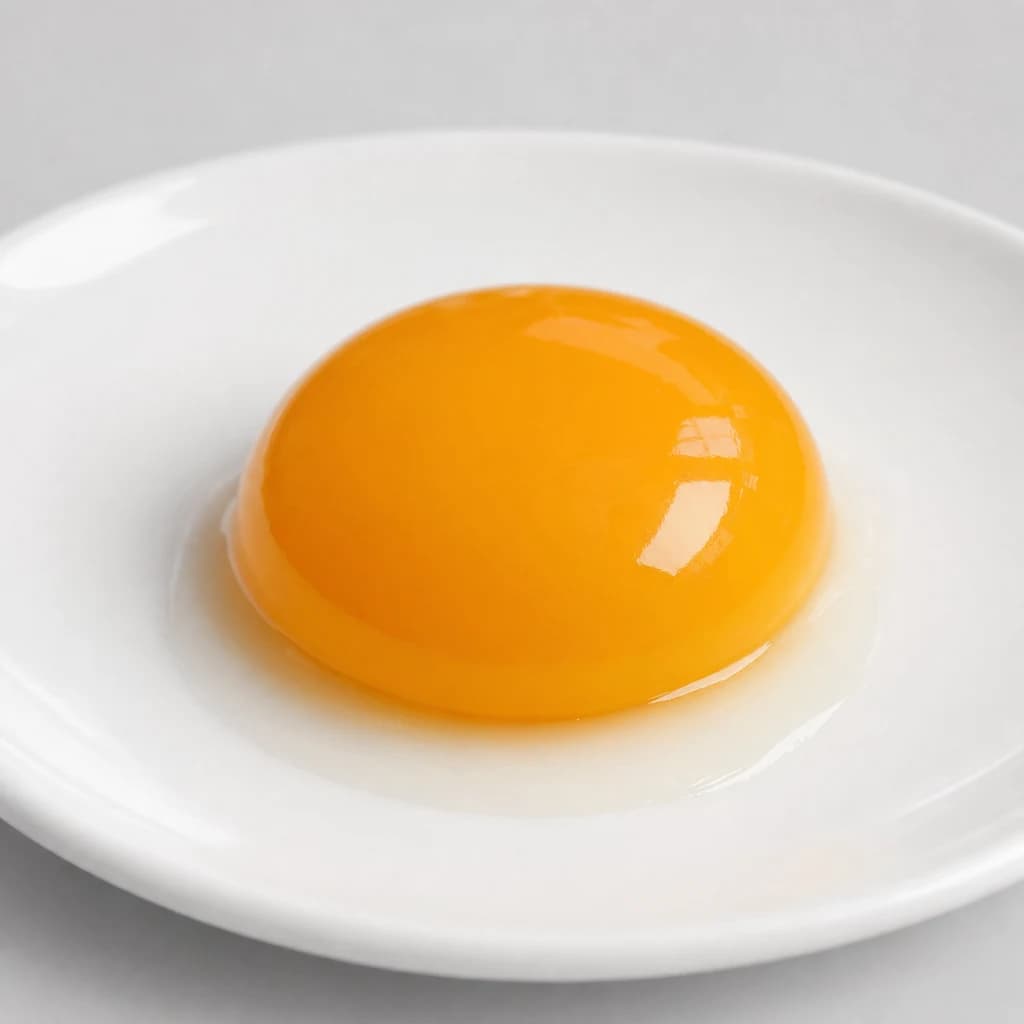
Egg Yolk
Rich, golden yolk for custards, mayonnaise, and pasta

Quail Egg
Tiny, speckled eggs for garnishing and elegant bites