Produce
Chicken-of-the-Woods
Bright orange shelf mushroom with a meaty, chicken-like texture when cooked.
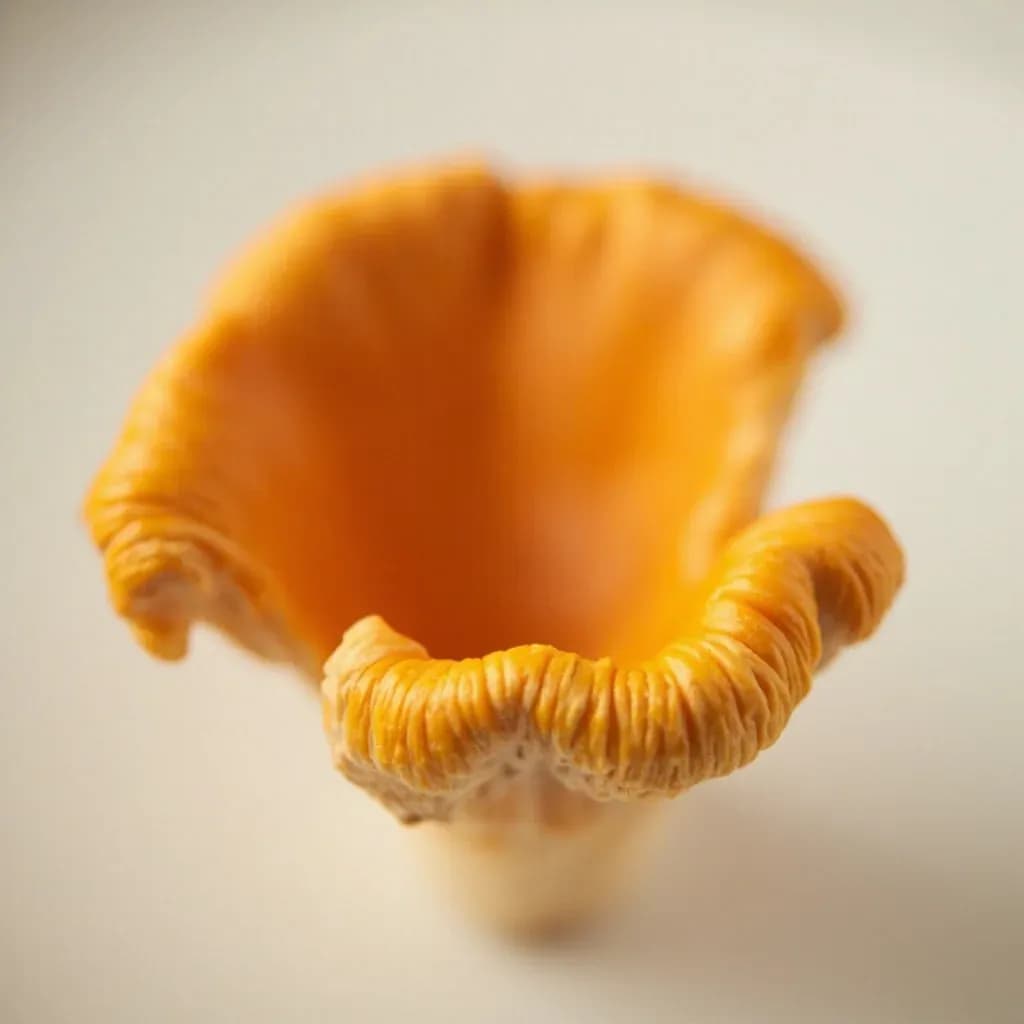
Chicken-of-the-woods is a vivid orange-and-yellow bracket mushroom that grows in shelves on trees, prized by foragers for its dense, meaty texture and mild flavor reminiscent of chicken. It is sautéed, fried, or used as a plant-based meat substitute in tacos, stir-fries, and stews. It must be cooked thoroughly and only young, tender specimens are eaten.
Chicken-of-the-woods is a wild bracket fungus that erupts in vivid orange-and-yellow shelf formations from the trunks of deciduous trees, most commonly oak, cherry, and willow. Its common name is earned honestly: when young and properly cooked, the flesh develops a firm, fibrous texture and savory, umami-rich flavor that genuinely recalls cooked poultry—making it one of the most satisfying textural substitutes for meat in the wild mushroom arsenal. The mushroom fruits in dramatic clusters that can weigh several pounds, with individual shelves ranging from fist-sized to dinner-plate diameter. What distinguishes excellent from disappointing specimens is freshness: young caps have supple, pliable edges that bend without resistance, while older growth becomes tough, rubbery, and bitter regardless of how it's prepared. The underside displays yellow-to-white pores rather than gills, and the flesh ranges from pale yellow to cream depending on the species and maturity. Foraging novices can approach this species with confidence because its distinctive appearance—bright orange, stacked shelves—is difficult to confuse with toxic lookalikes, though proper identification and attention to host tree species remain essential. Cooked applications are where this mushroom truly shines: high heat caramelizes surface sugars, concentrates flavor, and transforms the mild raw flesh into something genuinely meaty and satisfying.
- Measured in
- g
- Storage
- Fridge
Types & varieties
The classic orange-and-yellow chicken of the woods found across North America and Europe; the most widely recognized and foraged species.
Distinguished by its white-pored underside and more reddish-orange cap; common in eastern North America; tends to fruit at the base of trees.
Regional populations may show subtle flavor differences depending on host tree species; generally considered equally edible when properly identified.
Identification and Harvest Safety
While chicken-of-the-woods is considered one of the safer wild mushrooms to forage, responsible identification practices remain non-negotiable. The bright orange, shelf-like growth pattern is distinctive, but novice foragers should verify with an experienced guide before consuming any wild mushroom. The host tree matters: specimens growing on oak, cherry, and other fruit trees are preferred. Avoid those found on yew, locust, or other toxic trees, as the fungus may absorb compounds that cause gastrointestinal distress. Some sources recommend avoiding all conifer-associated specimens due to potential adverse reactions in sensitive individuals. When harvesting, take only young, tender portions from the outer edges of the cluster—the inner, older growth will be tough and unpalatable regardless of cooking technique. If you cannot positively identify the host tree or the freshness of the specimen, leave it in the woods.
- Verify host tree species before harvesting—oak, cherry, and willow are preferred; avoid toxic trees
- Collect only young outer shelves with soft, pliable edges; discard tough inner portions
- Use the bend test: a fresh cap bends easily without cracking or resistance
- Start with a small portion if trying for the first time; some individuals experience sensitivities
Preparing for Cooking
Proper preparation separates excellent chicken-of-the-woods dishes from disappointing ones. The mushroom does not require soaking or elaborate cleaning—a soft brush or damp cloth to remove debris from the pore surface is all that is needed, as submerging in water leads to soggy, waterlogged flesh that won't brown properly. Tear the mushroom along its natural fiber lines rather than cutting with a knife; this yields cleaner texture and better mouthfeel. For thick, large caps, a brief parboil of 3–5 minutes before further cooking ensures even doneness throughout the dense flesh. After parboiling, squeeze out excess water gently before proceeding with your chosen cooking method. Raw consumption is not recommended; the mushroom must be cooked thoroughly to develop its characteristic flavor and texture and to ensure food safety.
- Brush clean—never soak—the mushroom absorbs water readily and becomes soggy
- Tear rather than cut for cleaner texture along natural fiber lines
- Parboil thick caps 3–5 minutes before other cooking methods
- Always cook thoroughly; raw chicken-of-the-woods is not recommended
Common uses
Tips & pitfalls
- Harvest only young, tender specimens: the edges should be soft and pliable, not tough or leathery. Older mushrooms become rubbery and bitter regardless of cooking method.
- Clean by brushing off debris with a soft brush or cloth—avoid soaking in water, as mushrooms absorb liquid and become soggy during cooking.
- Tear or slice rather than cut; the natural fibrous structure tears along cleaner lines and yields better texture in finished dishes.
- Parboil or blanch thick, large caps for 3–5 minutes before other cooking methods; this shortens overall cooking time and ensures even doneness.
- Season generously—this mushroom has a mild flavor that benefits from bold seasoning. Garlic, soy sauce, smoked paprika, and fresh herbs are reliable choices.
- If uncertain about tree species, avoid consuming. Some Laetiporus species growing on certain conifers or toxic trees may cause gastrointestinal upset in sensitive individuals.
- Freeze cleaned mushrooms in single-use portions; frozen mushrooms can be cooked directly from frozen in stir-fries and soups.
Nutrition
Energy
134 kJ · per 100 g
Where the calories come from
Protein
1.5g
3% DV
Carbs
6.9g
2% DV
Fat
0.5g
1% DV
Fiber
3.8g
14% DV
Sugars
1.2g
of which
Sodium
9mg
0% DV
Source · USDA FoodData Central · approx. Mushrooms, Chanterelle, raw
View on FDC →In the shops
Matched grocery products
No matched grocery products for Chicken-of-the-Woods yet.
Good to know
- Scientific Name
- Laetiporus sulphureus (classic orange-yellow species); Laetiporus cincinnatus (white-pored variant)
- Season
- Late summer through fall; occasionally into early winter in mild climates
- Habitat
- Grows in shelf-like clusters on deciduous trees, especially oak, cherry, and willow; also found on conifers in some regions
- Color
- Bright orange caps with yellow-to-white pores on underside
- Size
- Individual shelves range from 2 to 15+ inches wide; clusters can weigh several pounds
- Flavor
- Mild and faintly sweet raw; develops deep savory, umami character when cooked
- Texture
- Firm and meaty when young; becomes tough and rubbery with age
- Key Harvest Rule
- Edges must be soft and pliable—a fresh cap bends easily; a stiff, resistant cap is too old
- Storage
- Refrigerate unwashed in paper bag for 1–3 days; slice and freeze raw or cooked for longer storage; can also be dried or pickled
- Yield
- Virtually 100% usable when young; discard older, woody portions
Substitutes
- King Oyster Mushroom — Has a meaty, dense texture and mild flavor; excellent when sliced and grilled or roasted; one of the closest textural matches for chicken-of-the-woods.
- Lion's Mane — Subtle chicken-like quality with a seafood edge; shreds well for vegan applications; slightly more delicate flavor than chicken-of-the-woods.
- Oyster Mushroom — Good when young; softer texture than chicken of the woods but works well in sautéed applications; mild flavor absorbs seasonings readily.
- Hen of the Woods (Maitake) — Meaty and savory; excellent in the same fried or roasted preparations; different visual form but similar culinary function.
- Seitan — For pure protein replacement in dishes; not a mushroom, but provides the chewy, meaty bite that chicken-of-the-woods offers.
Pairs with
Also called
Chicken-of-the-Woods · Chicken Mushroom · Sulphur Shelf
Related
Tomato
Juicy, sun-sweet fruit for sauces, salads, and slow-cooked depth
Yellow Onion
The aromatic backbone of soups, sofritos, and braises
Garlic
Pungent cloves that perfume nearly every savory dish
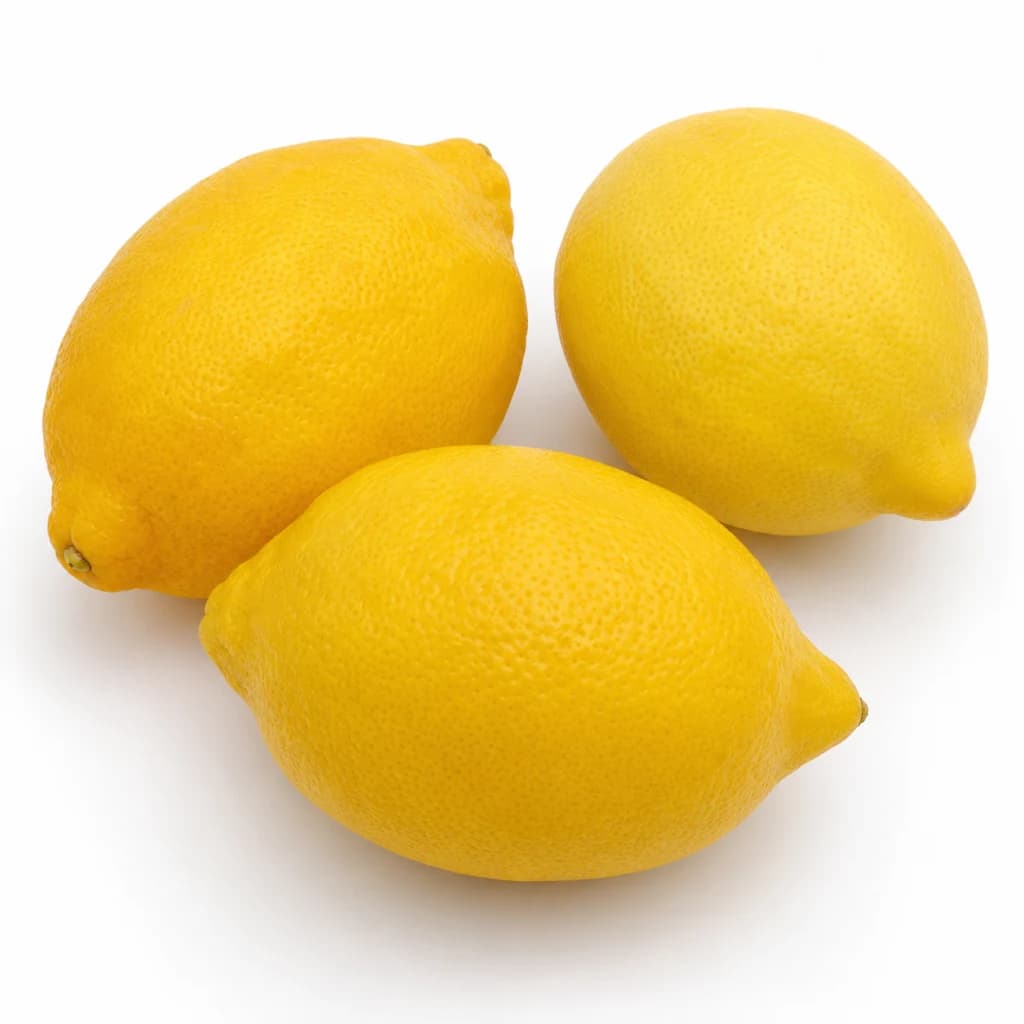
Lemon
Bright, acidic citrus that wakes up almost any dish
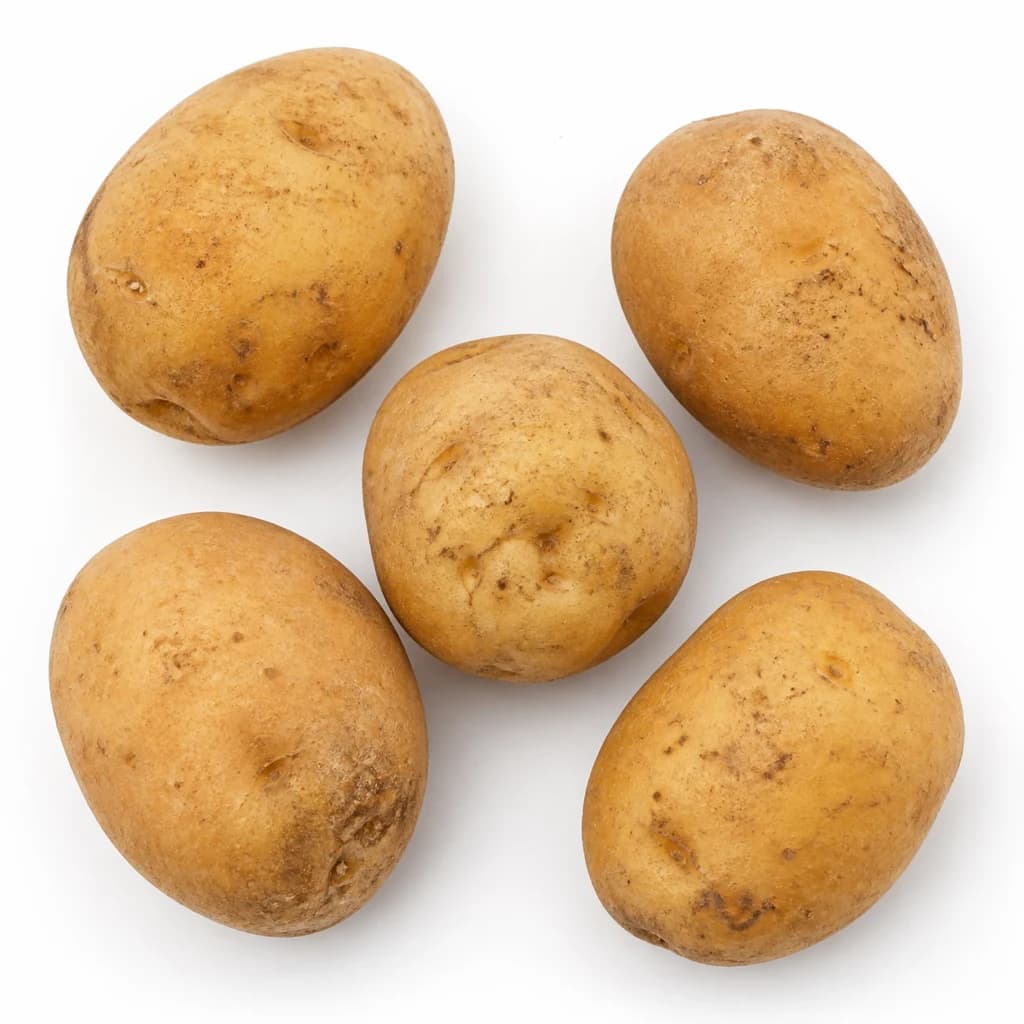
Potato
Humble, hearty staple — roast, mash, fry, or boil
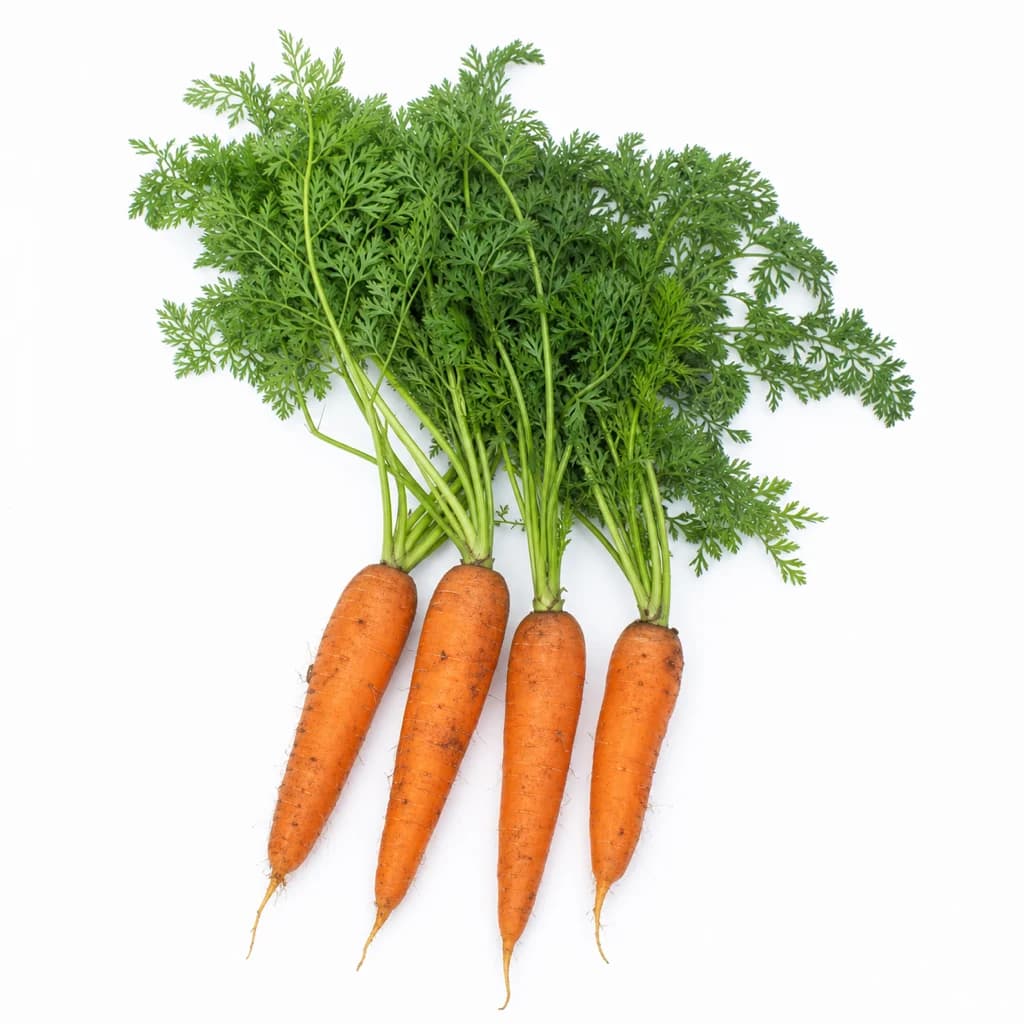
Carrot
Sweet, crunchy root — raw, roasted, or the base of a sofrito
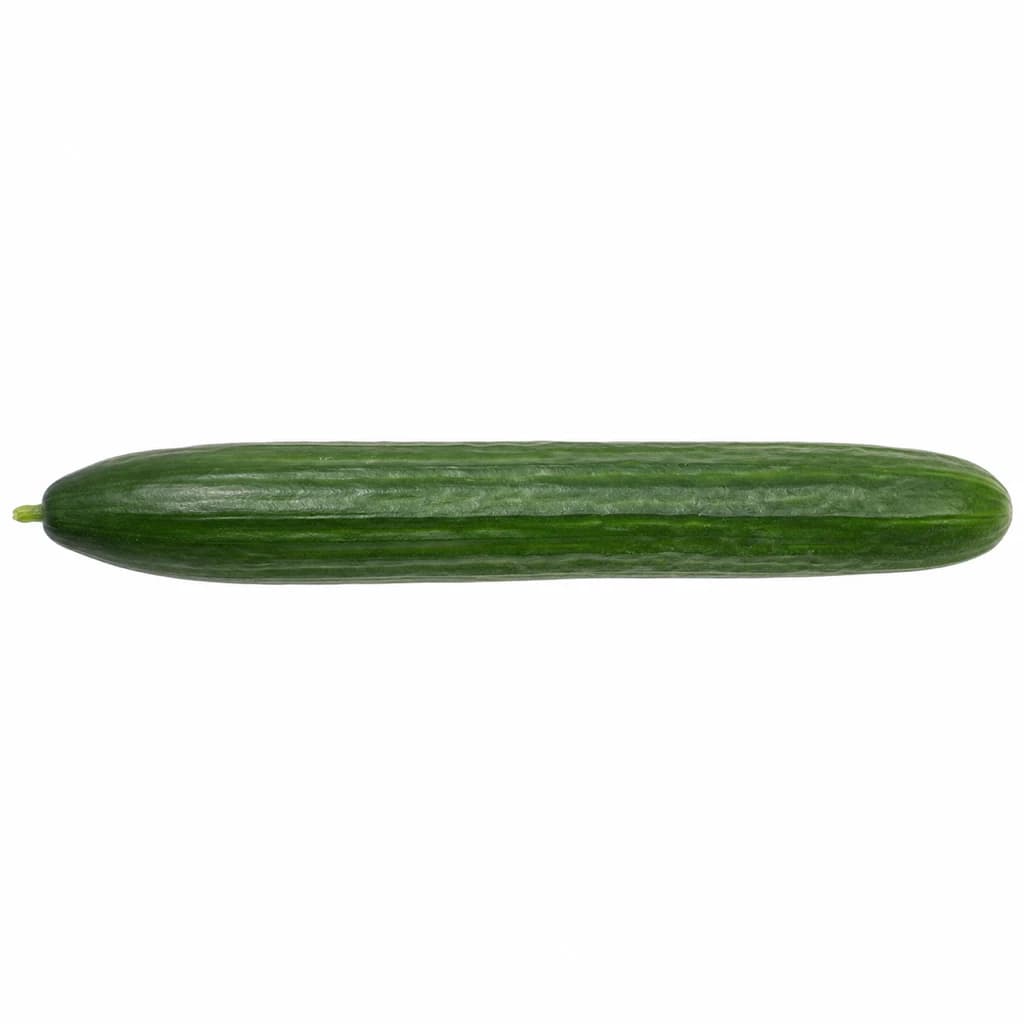
Cucumber
Cool, crisp, and watery — for salads, pickles, and tzatziki

Lettuce
Crisp leaves for salads, wraps, and a fresh crunch