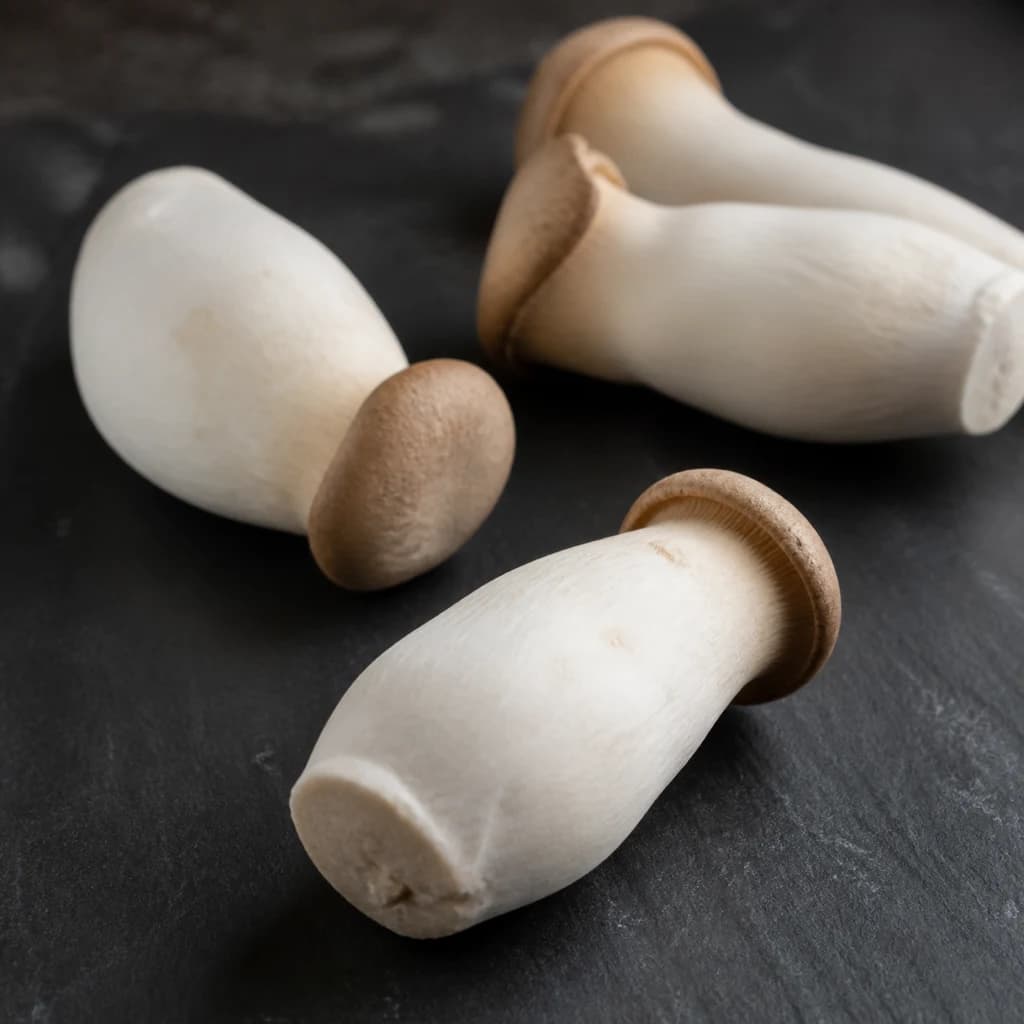
Natural form
Whole king oyster mushrooms showing the thick white stem and small brown cap.
Establishes the mushroom's defining form — the dramatically oversized white stem relative to its tiny brown cap — so readers can identify it at market.
Produce
King Oyster Mushroom
Thick-stemmed meaty mushroom with a firm bite, great seared or sliced.
King oyster mushroom has a thick, dense white stem and a small brown cap, with a firm, meaty texture and mild savory flavor. The substantial stem is sliced into rounds or scored and seared like scallops, and it is widely used in Korean and Chinese stir-fries and as a vegan meat substitute. It holds its shape and texture well when cooked.
King Oyster Mushroom (Pleurotus eryngii) stands apart from most cultivated mushrooms in a fundamental way: the stem is the prize. Where other mushrooms are valued for their caps, this species develops thick, chunky stems up to 6 inches long that behave like a vegetable steak in the pan. The flesh is dense and firm with a subtle nutty sweetness that deepens dramatically when caramelized, building genuine umami rather than relying on added ingredients. This unusual structure makes it uniquely suited to high-heat applications where lesser mushrooms would steam, shrink, or turn rubbery.
Commercially cultivated across China, Japan, Korea, and increasingly in the US and Europe, these mushrooms grow year-round on straw, sawdust, and agricultural byproducts. The caps remain edible but secondary to the substantial stems, which maintain their structure through searing, grilling, and braising without becoming slimy or releasing excessive liquid. This characteristic makes them unusually forgiving for a mushroom and opens genuine possibilities for vegan mains, steak substitutes, and any dish requiring meaty texture and body.
Select firm, pale specimens that feel heavy for their size with no soft spots. The lilac spore print is a useful identification marker if you encounter this species wild, though commercial cultivation has produced optimized strains with thicker, more uniform stems than wild specimens. Store unwashed in a paper bag in the refrigerator for 7–10 days; plastic accelerates decay.
- Measured in
- g
- Storage
- Fridge
Types & varieties
Australian cultivar; larger, darker cap, slightly earthier flavor
Common in European markets; robust stems, pronounced nutty flavor
Korean-bred variety known for particularly thick, uniform stems
Selecting and Storing
Choose mushrooms that feel heavy for their size—light weight indicates water loss and age. The surface should be pale and dry without dark spots, bruises, or excessive moisture. Avoid any with slimy patches or a strong off smell. Store unwashed in a single layer in a paper bag or loosely wrapped in breathable material; never sealed in plastic, which traps humidity and accelerates spoilage. If you must freeze mushrooms, slice and par-cook them first to preserve texture.
- Select firm, heavy specimens with pale, dry surfaces
- Store in paper bag or loosely wrapped—not sealed plastic
- Refrigerate immediately; do not leave at room temperature
Preparing the Mushroom
Do not peel—King Oyster Mushroom has a thin, edible skin that adds texture when seared. Trim the base if woody, but otherwise use the mushroom whole or cut as needed. Separate stems from caps for dishes requiring different cooking times, since stems are denser and need longer exposure to heat. Pat everything dry with paper towels before cooking.
- Never peel—skin is thin and fully edible
- Separate stems and caps for uneven cooking times
- Always dry surfaces before cooking
Common uses
Tips & pitfalls
- Pat mushrooms completely dry with paper towels before cooking—moisture prevents browning and searing
- Use high heat and resist stirring; allow one side to develop a deep golden crust before flipping
- Separate stem and cap cooking times; stems are denser and need longer cooking
- Save caps for quicker-cooking applications; the stems are the prized portion
- Do not soak in water to clean—wipe gently with a damp cloth or rinse quickly and dry immediately
- Cut perpendicular to the stem fibers for maximum tenderness in medallions
- When grilling whole, score the cut face in a crosshatch pattern to prevent curling
- For maximum umami development, cook until edges begin to turn crispy and dark
- Store in a paper bag or loosely wrapped in breathable material; plastic causes sogginess and rapid decay
Nutrition
Energy
138 kJ · per 100 g
Where the calories come from
Protein
3.3g
7% DV
Carbs
6.1g
2% DV
Fat
0.4g
1% DV
Fiber
2.3g
8% DV
Sugars
1.1g
of which
Sodium
18mg
1% DV
Source · USDA FoodData Central · Mushrooms, oyster, raw
View on FDC →In the shops
Matched grocery products
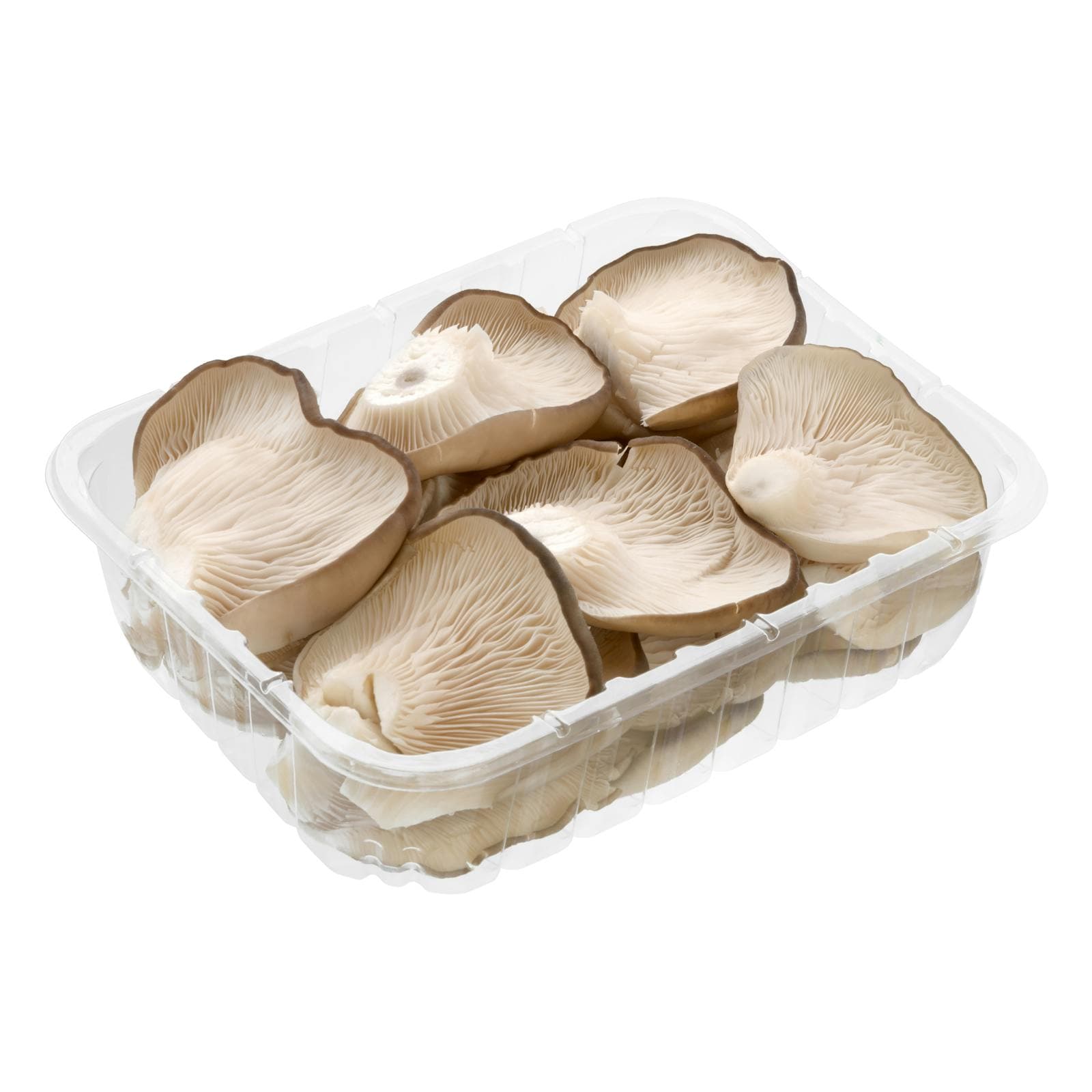 €2.05
€2.05Mushrooms
250 g · Mercadona
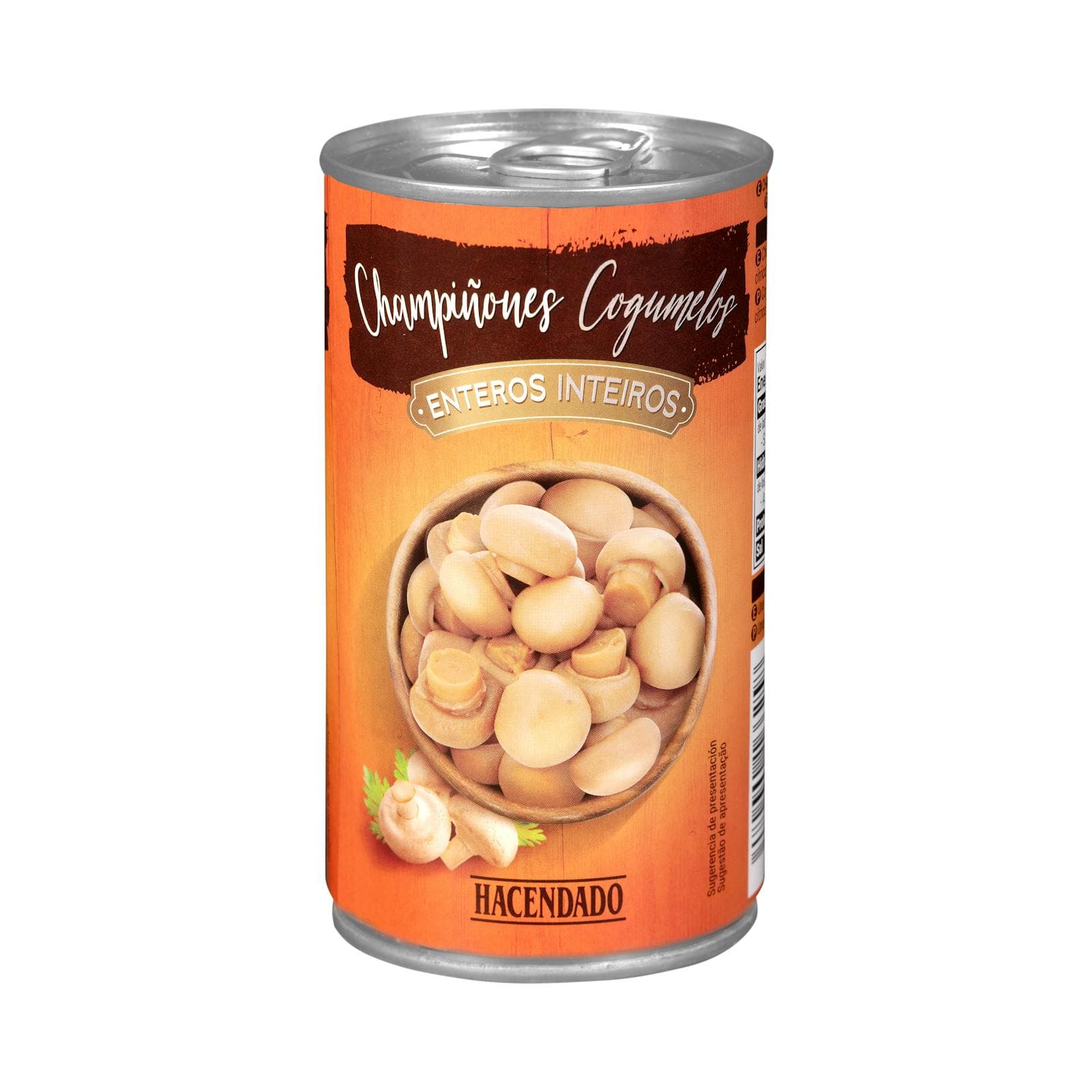 €1.45
€1.45Whole Mushroom
Hacendado · 355 g · Mercadona
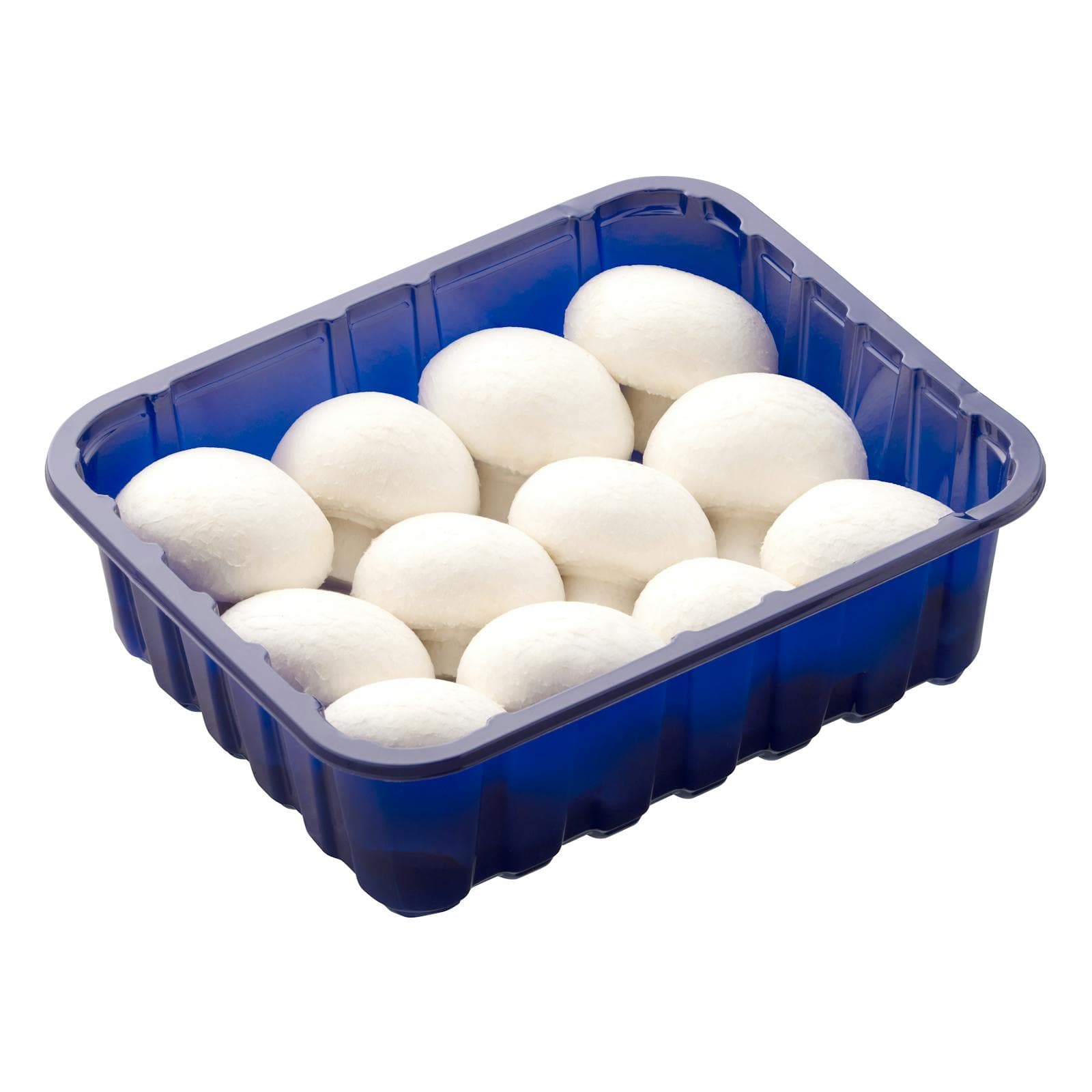 €1.50
€1.50White Mushrooms
300 g · Mercadona
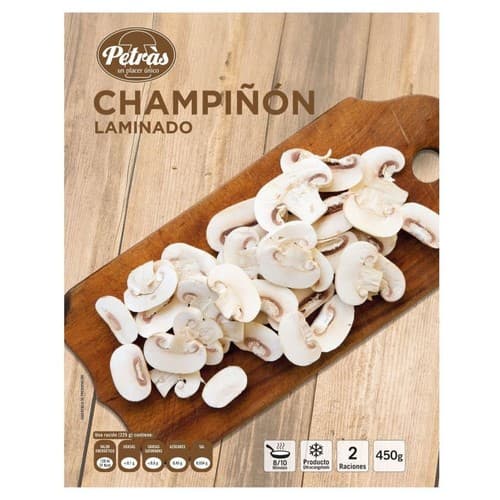 €1.99
€1.99Sliced Mushrooms
PETRAS · kg · Bonpreu
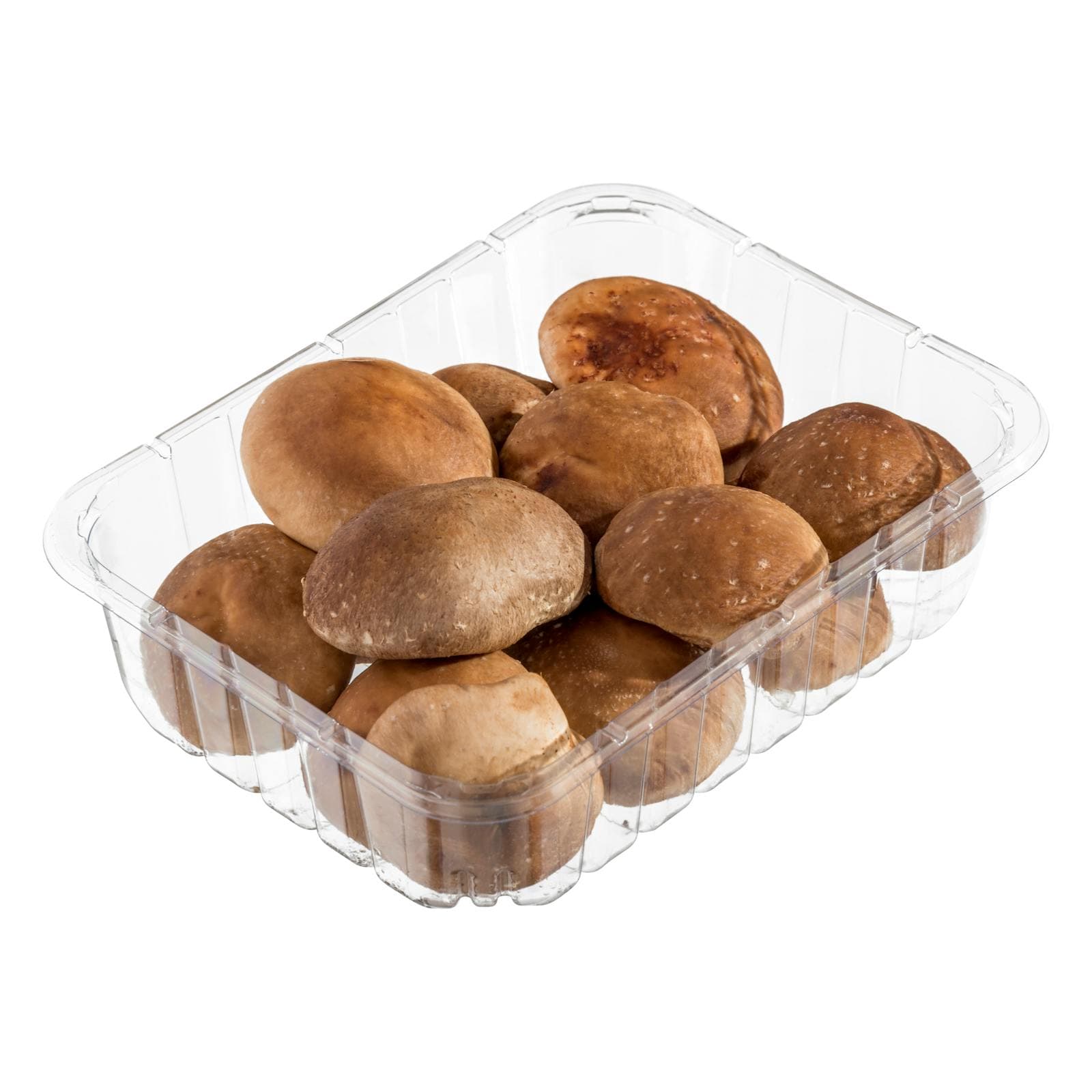 €3.96
€3.96Shiitake Mushrooms
300 g · Mercadona
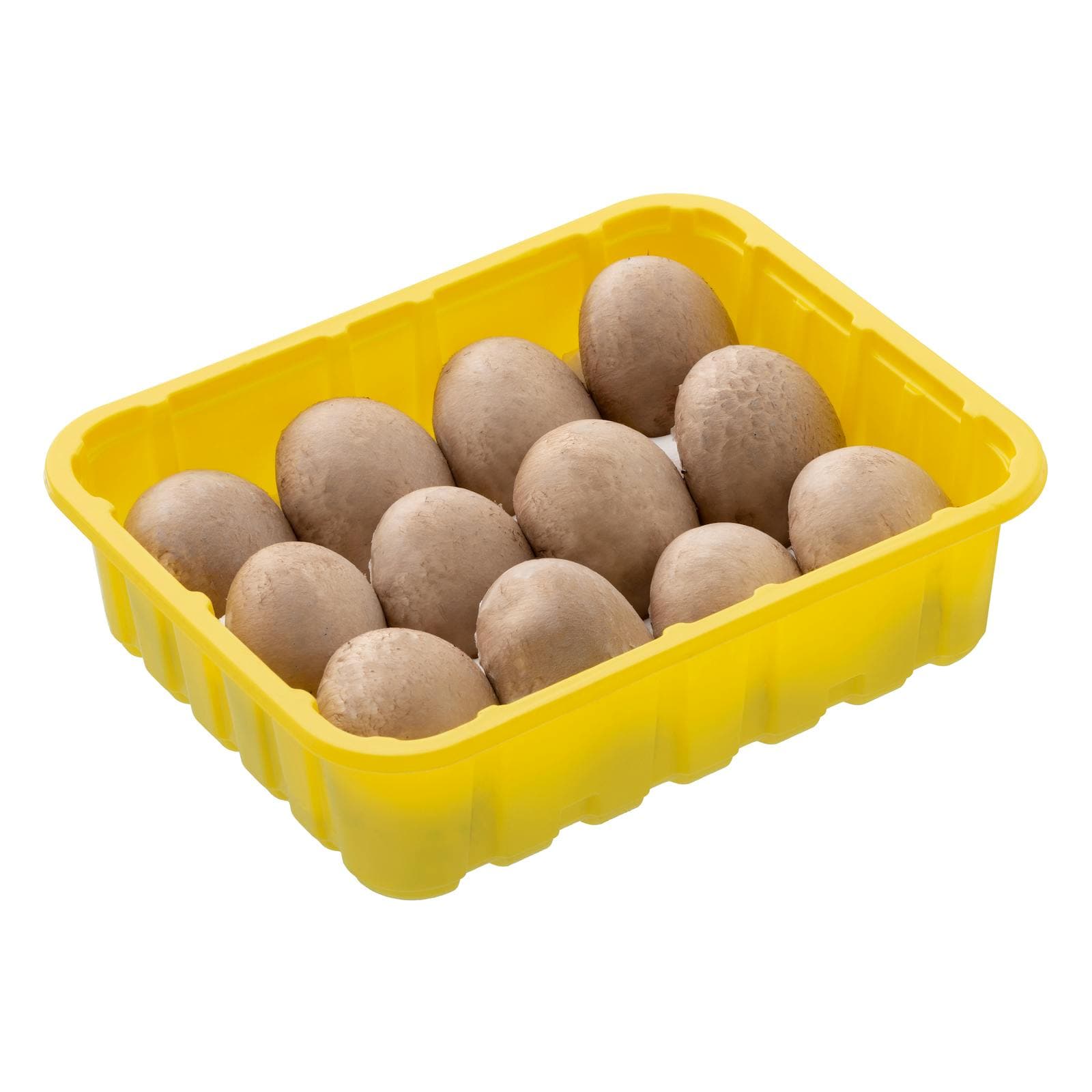 €2.16
€2.16Portobello Mushrooms
300 g · Mercadona
Good to know
- Scientific name
- Pleurotus eryngii
- Origin
- Mediterranean region, Middle East, Central Asia
- Peak season
- Year-round from cultivation; best fall through early spring
- Primary edible part
- Thick, chunky stems (caps are edible but smaller)
- Texture
- Firm, dense, meaty; remains chewy when cooked; does not become slimy
- Flavor
- Mild, slightly nutty, subtly savory; develops deep umami when caramelized
- Spore print
- Lilac to pale purple
- Shelf life
- Refrigerated in paper bag, 7–10 days
Substitutes
- Portobello mushroom — Larger caps with meaty texture; stems are tough—remove and use caps only
- Oyster mushroom — Similar savory profile but flimsier texture; better for quick-cooking applications
- Eringi (Japanese cultivar) — Same species, often smaller; direct substitute with identical results
- Chestnut mushroom — Comparable density and mild flavor; may need longer cooking to develop equivalent texture
Pairs with
Also called
Saesongi · 새송이 · King Trumpet Mushroom · Eryngii
Related
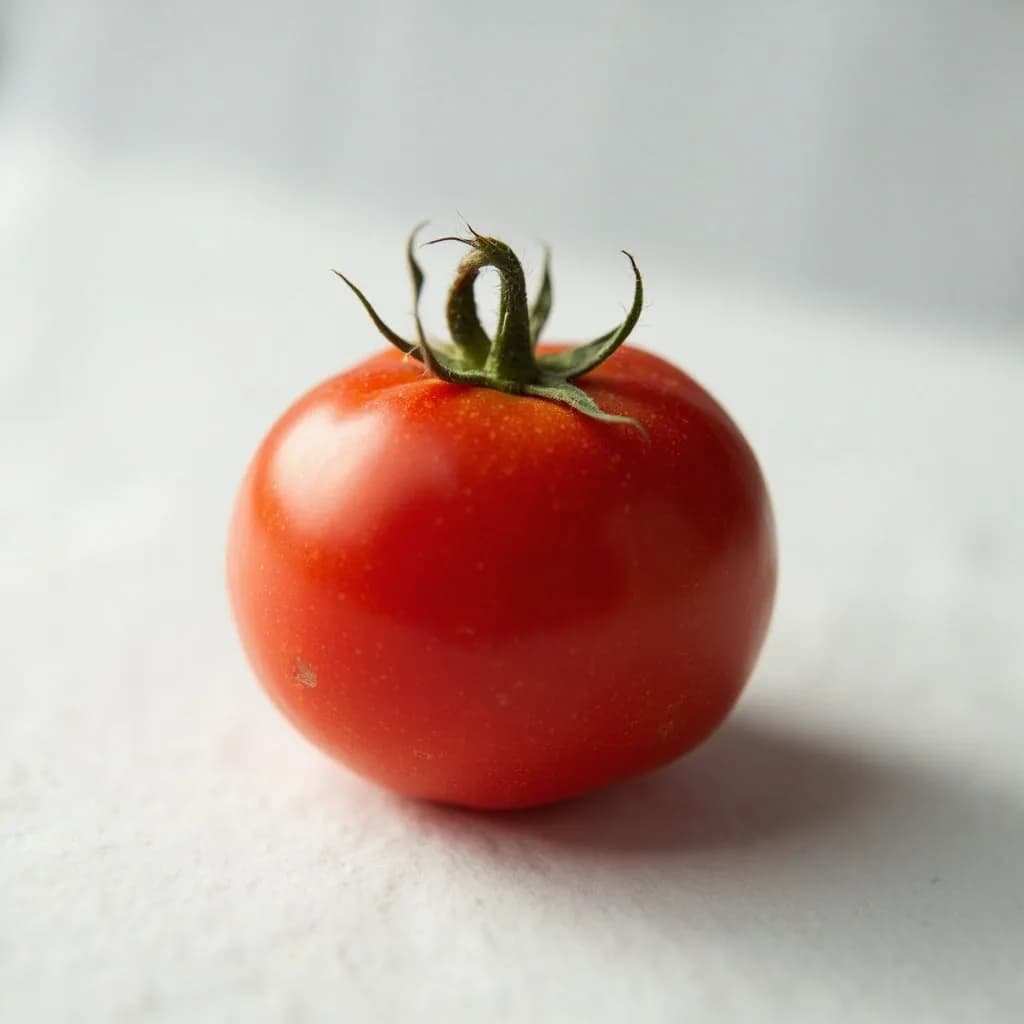
Tomato
Juicy, sun-sweet fruit for sauces, salads, and slow-cooked depth
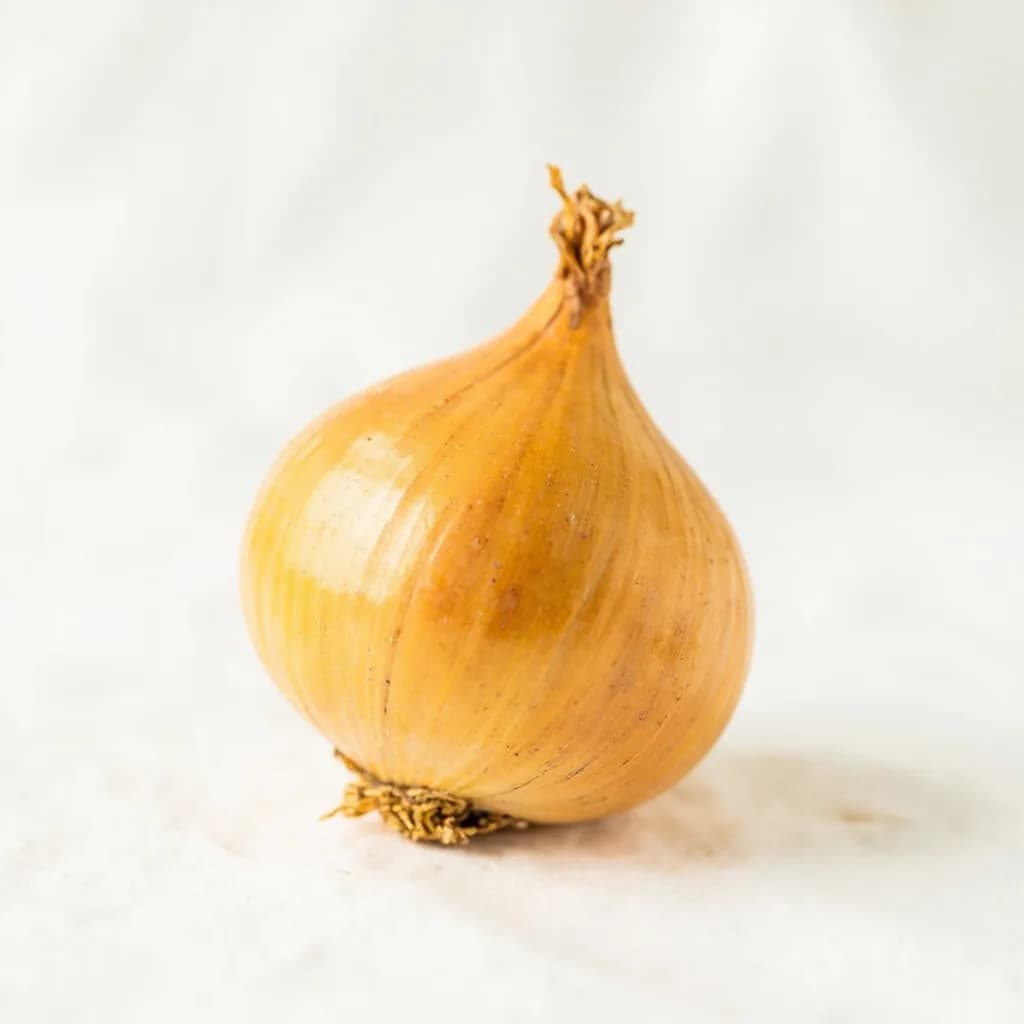
Yellow Onion
The aromatic backbone of soups, sofritos, and braises
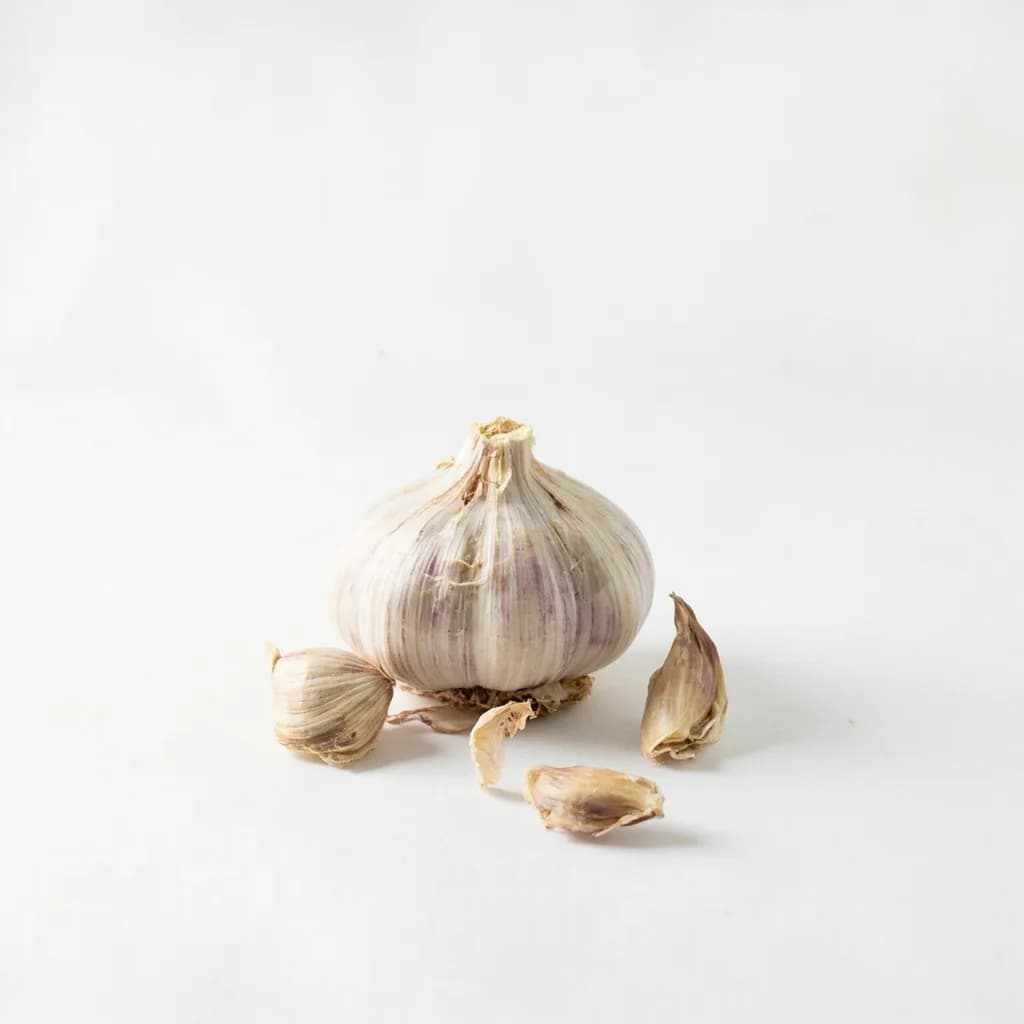
Garlic
Pungent cloves that perfume nearly every savory dish
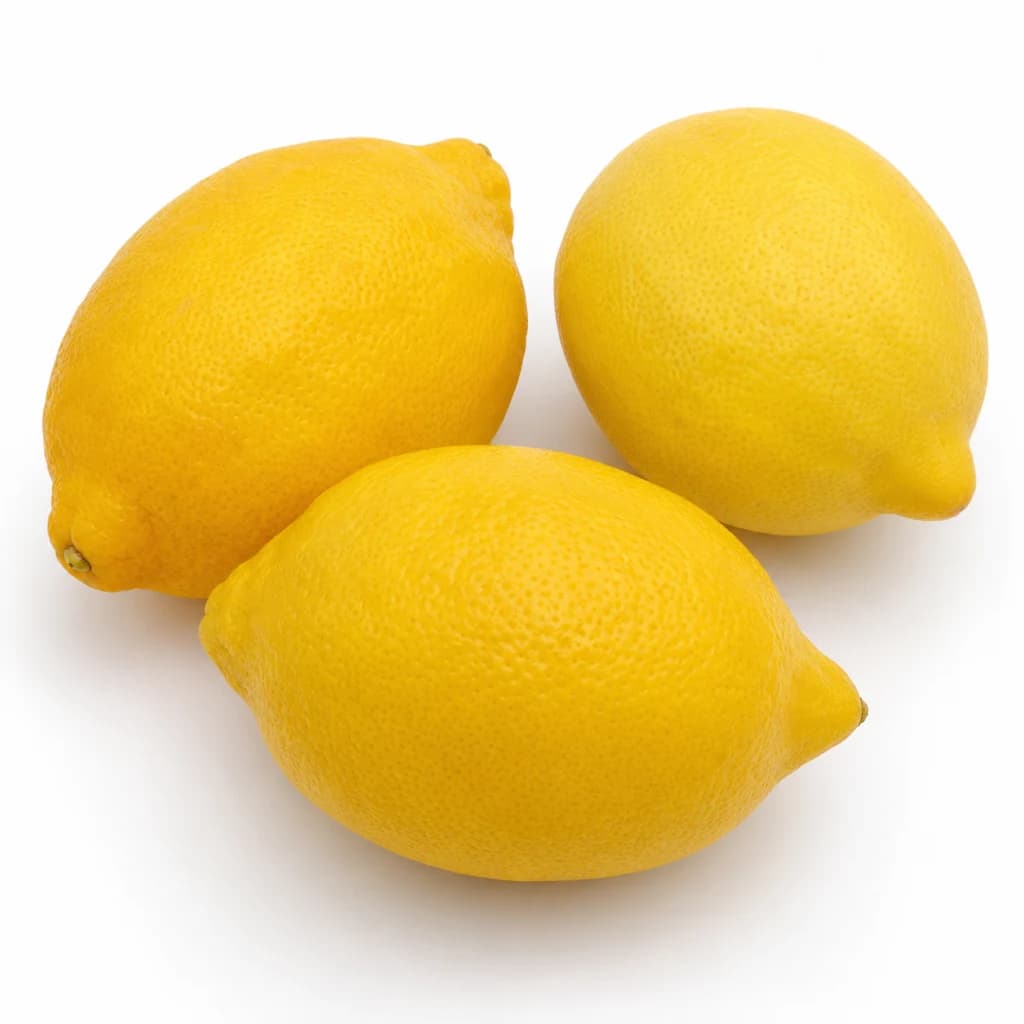
Lemon
Bright, acidic citrus that wakes up almost any dish
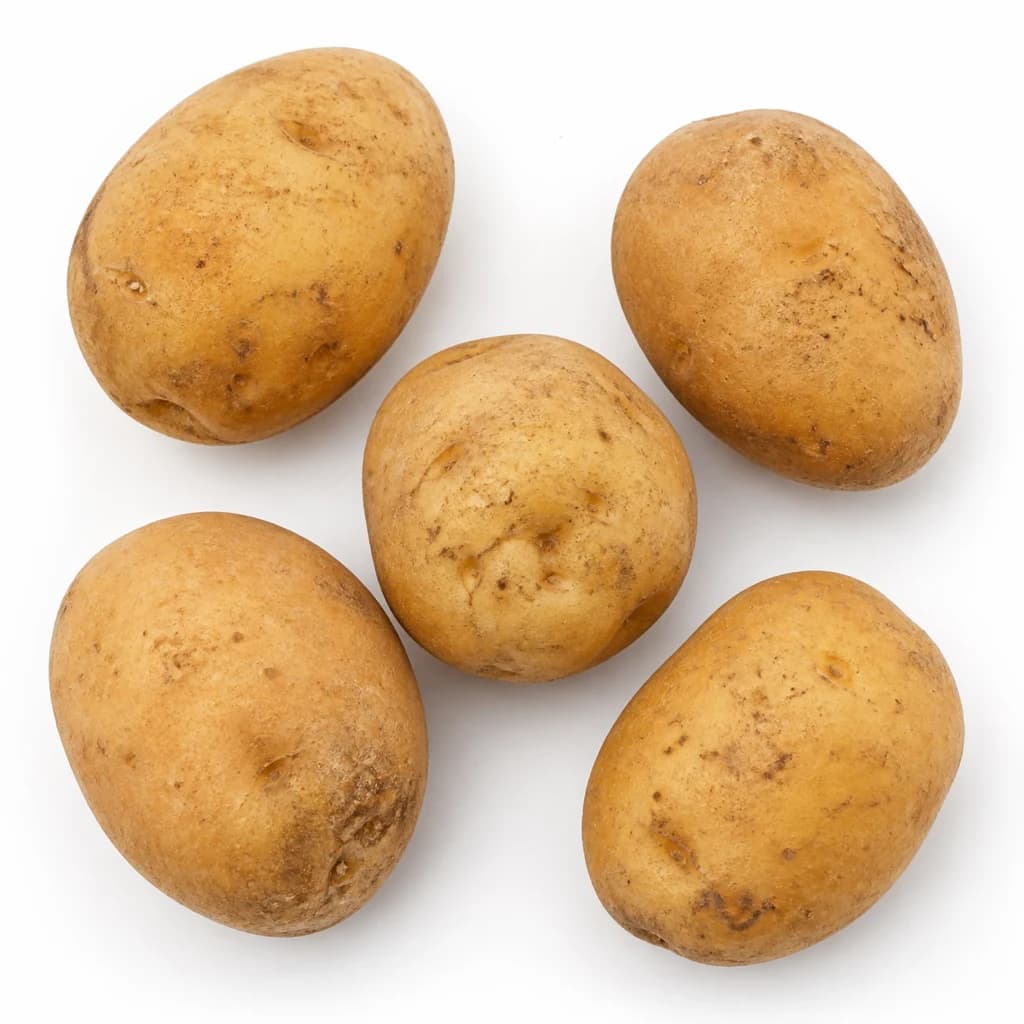
Potato
Humble, hearty staple — roast, mash, fry, or boil
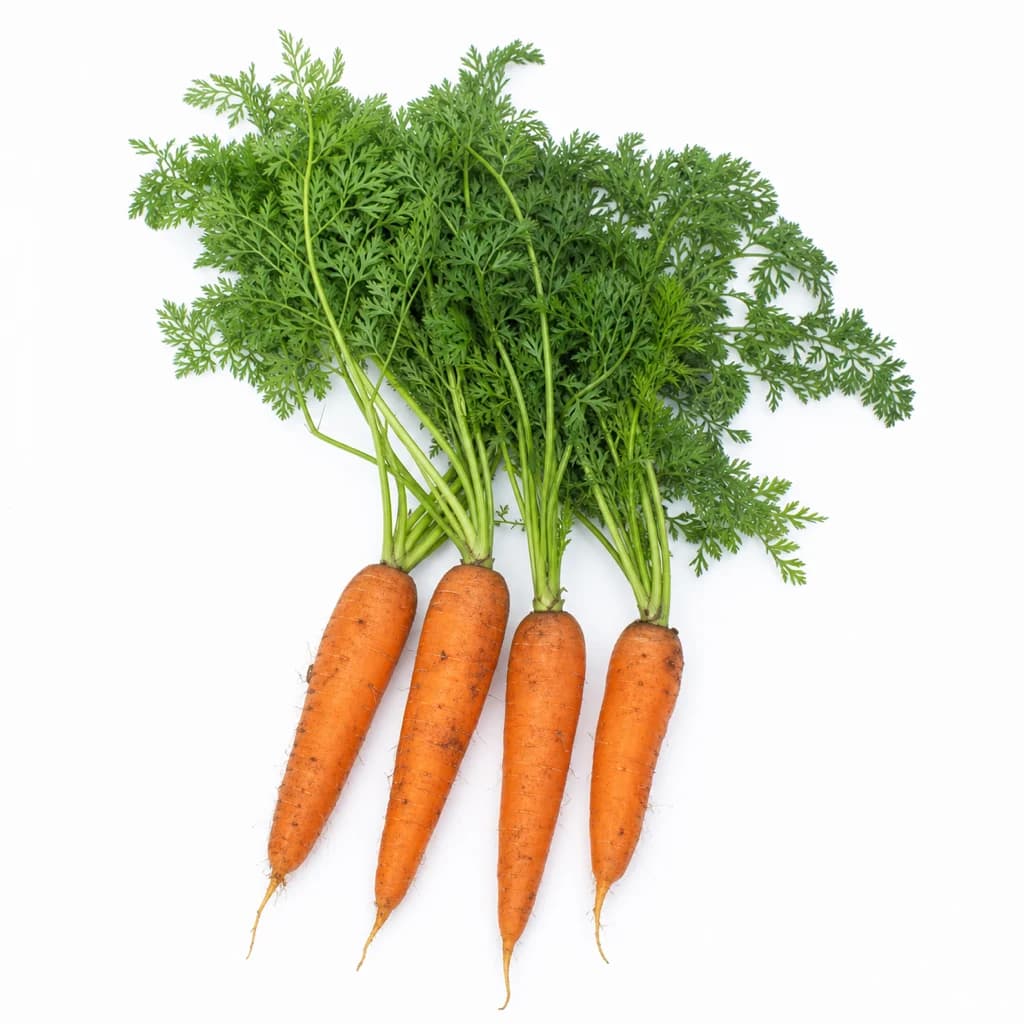
Carrot
Sweet, crunchy root — raw, roasted, or the base of a sofrito
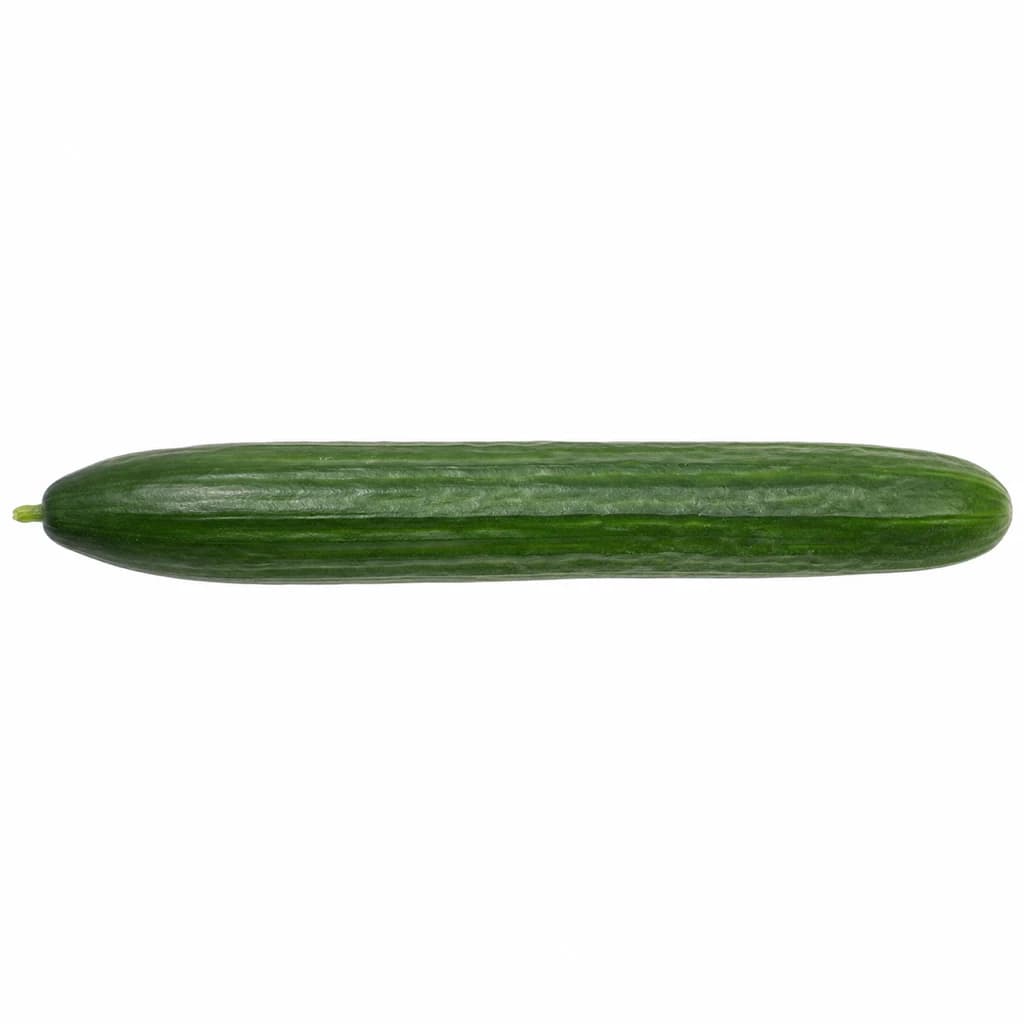
Cucumber
Cool, crisp, and watery — for salads, pickles, and tzatziki

Lettuce
Crisp leaves for salads, wraps, and a fresh crunch