
Natural form
Fresh button mushrooms whole, showing smooth white caps and closed gills.
Shows the mushroom's defining appearance — smooth round caps, pale color, and closed underside that readers will see at the market.
Produce
Button Mushroom
Common cultivated white mushroom, mild and versatile for everyday cooking.
Button mushrooms are the young, immature form of the common cultivated Agaricus mushroom, with smooth white or pale-brown caps and a mild, earthy flavor. They are the most widely used mushroom worldwide, sliced into stir-fries, sauces, soups, omelets and pizzas, or sautéed whole. Their flavor deepens as they brown.
Button mushrooms (Agaricus bisporus) are the young, harvested form of the common cultivated mushroom, picked before the caps fully open and spores develop. This immature state is why they remain small and white with tightly closed or barely open caps. Compared to their mature relatives—cremini and portobello—they offer a milder, more delicate flavor and a tender, almost spongy texture that makes them exceptionally versatile in the kitchen.
While their flavor is subtle, button mushrooms are prized for their ability to absorb and amplify other flavors, making them an excellent vehicle for garlic, butter, herbs, and umami-rich sauces. They contain compounds that, when cooked, develop a pleasantly earthy, faintly nutty character. Their high water content (85–90%) means they release moisture when heated, but also allows them to absorb marinades and braising liquids effectively.
Commercially, button mushrooms dominate supermarket shelves worldwide, representing the vast majority of cultivated mushroom sales. They are grown year-round in controlled indoor environments, making them consistently available and affordable. Despite their everyday status, they are a genuine kitchen workhorse—capable of standing alone as a simple side dish or playing a supporting role in everything from soups to stuffings. Always cook button mushrooms; while technically edible raw, cooking concentrates their flavor, improves digestibility, and reduces trace gastrointestinal compounds present in all raw cultivated mushrooms.
- Measured in
- g
- Storage
- Fridge
Types & varieties
The standard variety; harvested young with caps closed or barely open. Most common in supermarkets.
Smaller cremini mushrooms; same species but slightly more mature than white buttons, offering deeper flavor and firmer texture.
Same Agaricus bisporus species at a more mature stage than white buttons; tan to brown coloring with earthier flavor. Sold at medium maturity.
Fully mature A. bisporus with caps 4–6 inches wide, gills fully exposed. Savory, robust flavor; caps can be grilled, stuffed, or roasted.
Common uses
Tips & pitfalls
- Wipe mushrooms clean with a damp cloth or paper towel; never submerge in water—they absorb liquid and steam instead of browning.
- Slice or quarter uniformly for even cooking; tear rather than slice for rustic texture in salads.
- Use high heat and a dry pan or add a small amount of fat; button mushrooms release moisture during cooking.
- Season with salt during the last 30–60 seconds of cooking to prevent excess moisture release and ensure proper browning.
- For deeper flavor, cook until the moisture evaporates completely and the mushrooms begin to brown and caramelize slightly.
- The stems are edible; slice thinly and include them or save for stocks. Trim only the gritty base.
- If mushrooms smell musty or appear slimy, discard them—these are signs of age.
Nutrition
Energy
92 kJ · per 100 g
Where the calories come from
Protein
3.1g
6% DV
Carbs
3.3g
1% DV
Fat
0.3g
0% DV
Fiber
1g
4% DV
Sugars
2g
of which
Sodium
5mg
0% DV
Source · USDA FoodData Central · Mushrooms, white, raw
View on FDC →In the shops
Matched grocery products
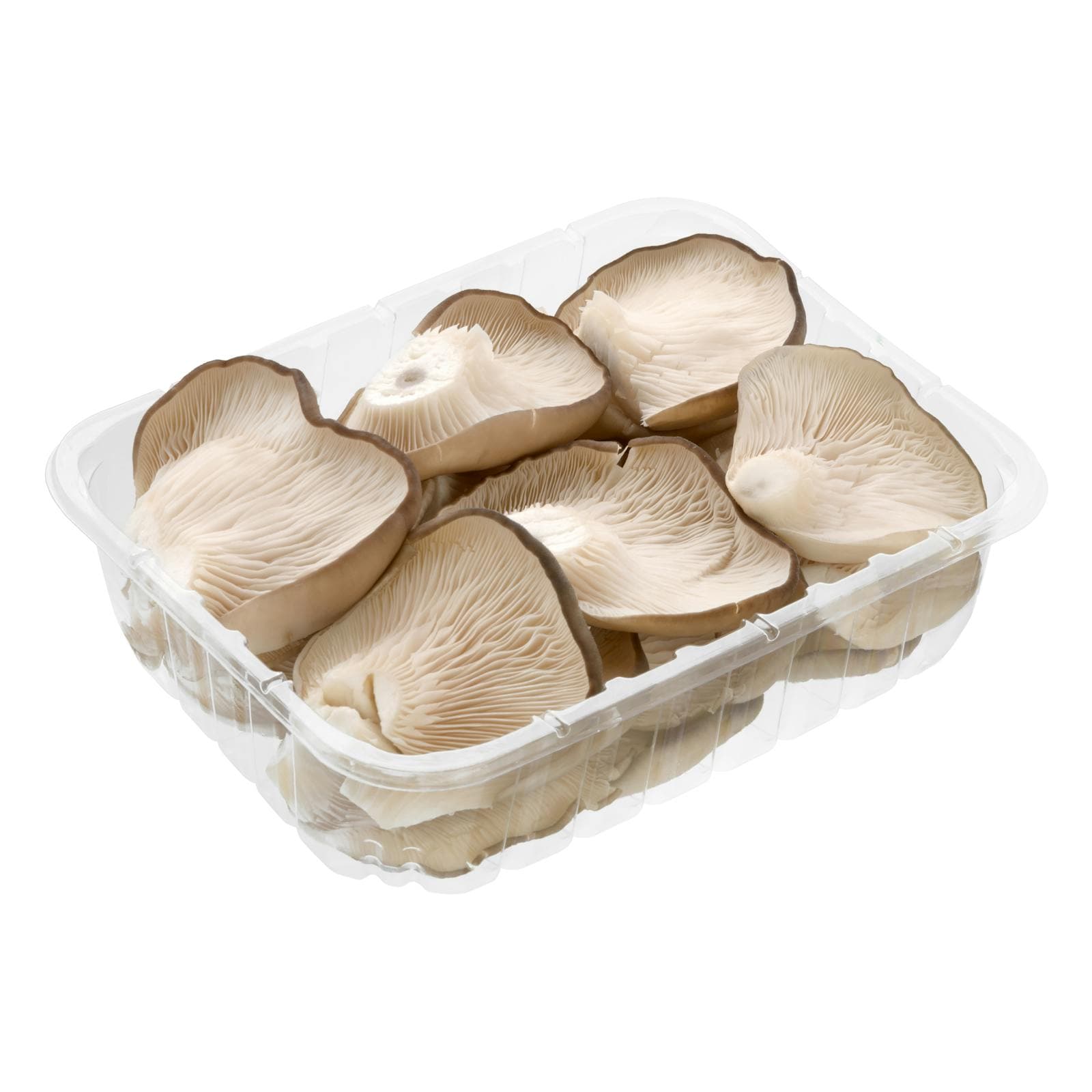 €2.05
€2.05Mushrooms
250 g · Mercadona
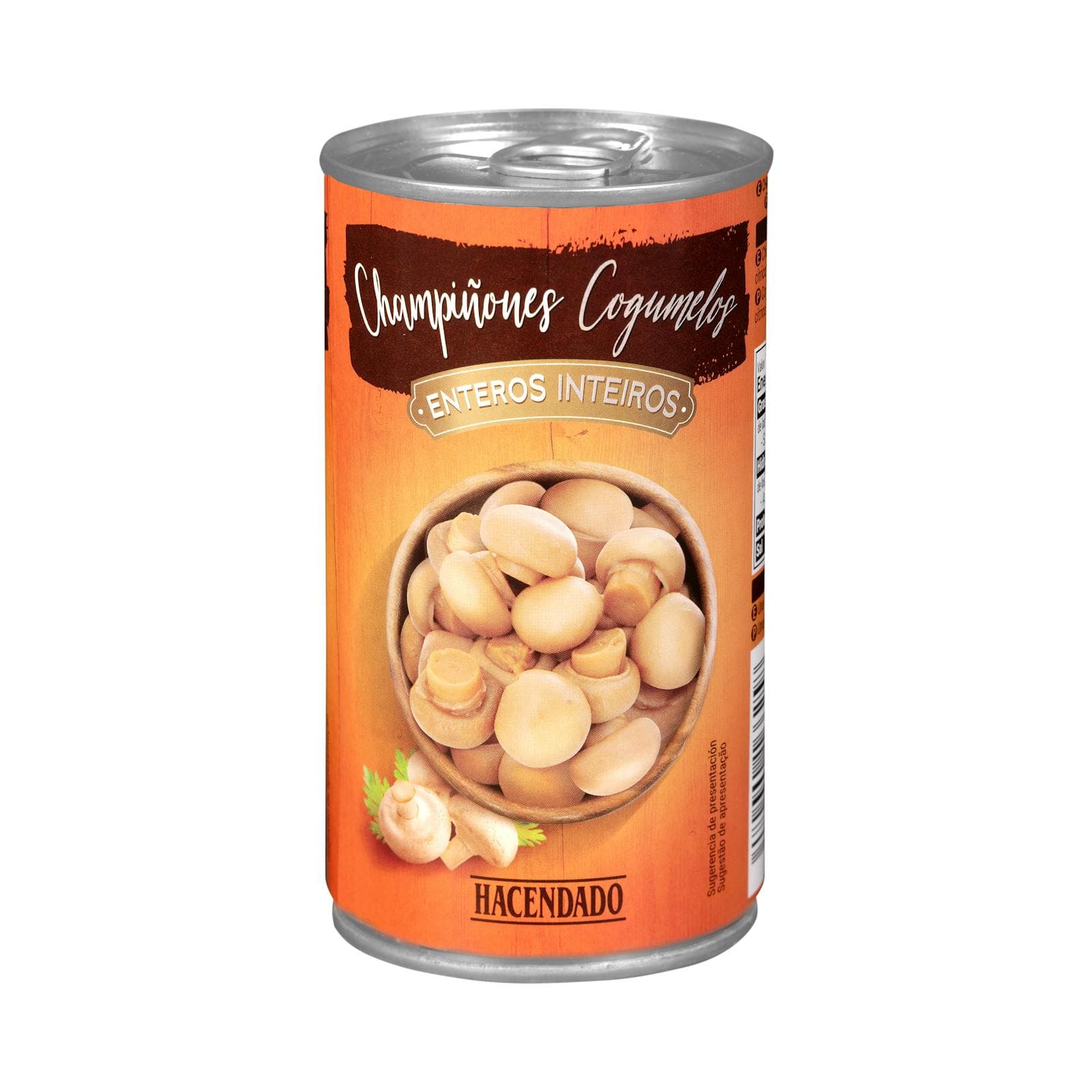 €1.45
€1.45Whole Mushroom
Hacendado · 355 g · Mercadona
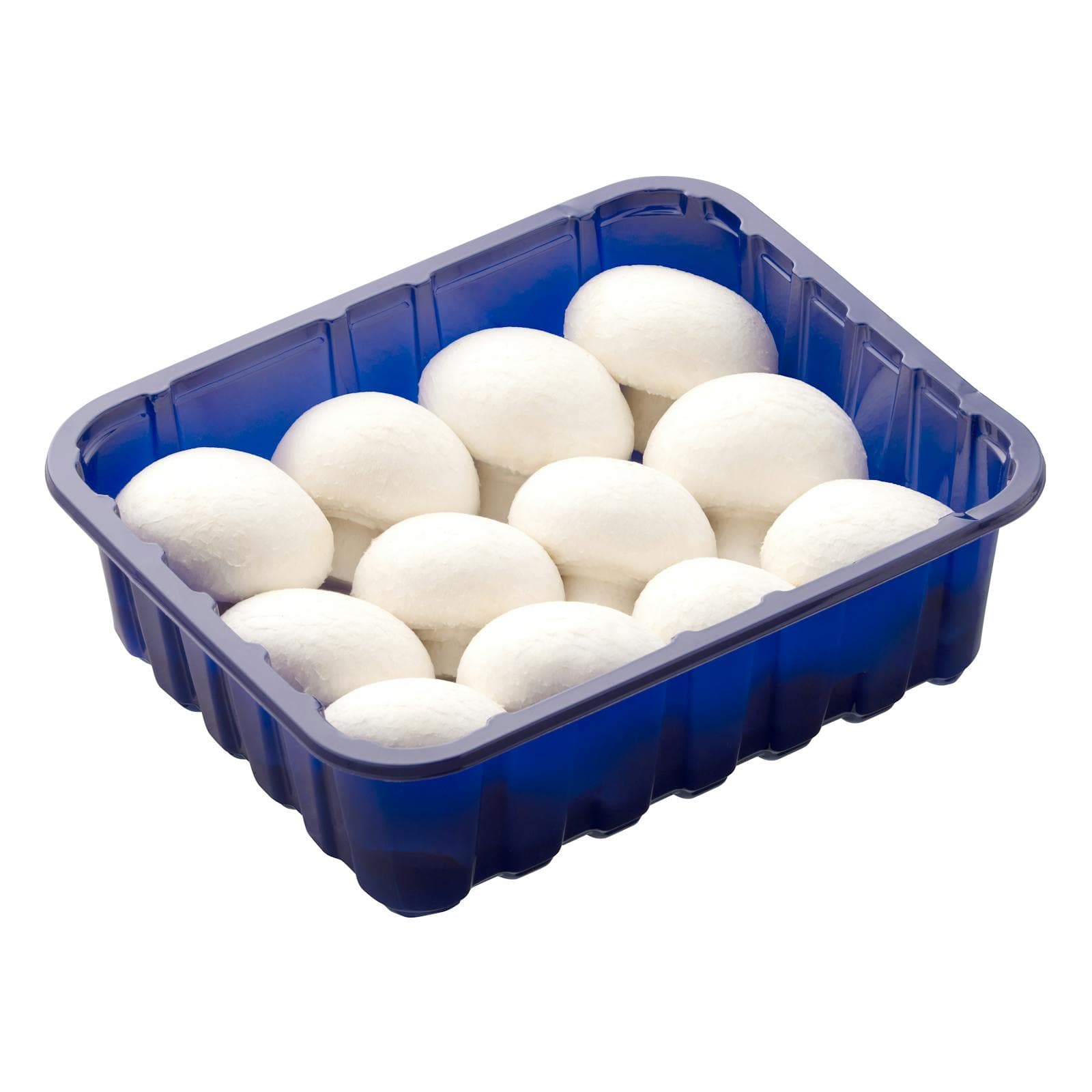 €1.50
€1.50White Mushrooms
300 g · Mercadona
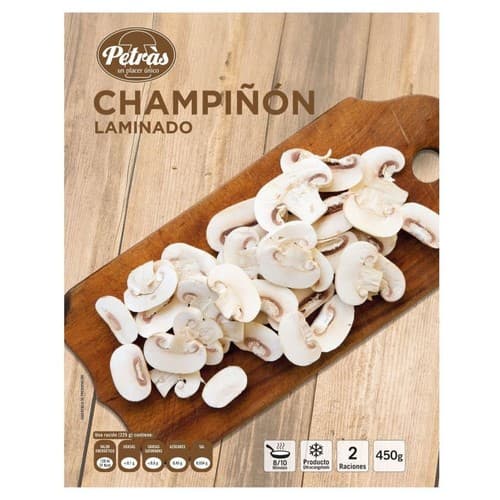 €1.99
€1.99Sliced Mushrooms
PETRAS · kg · Bonpreu
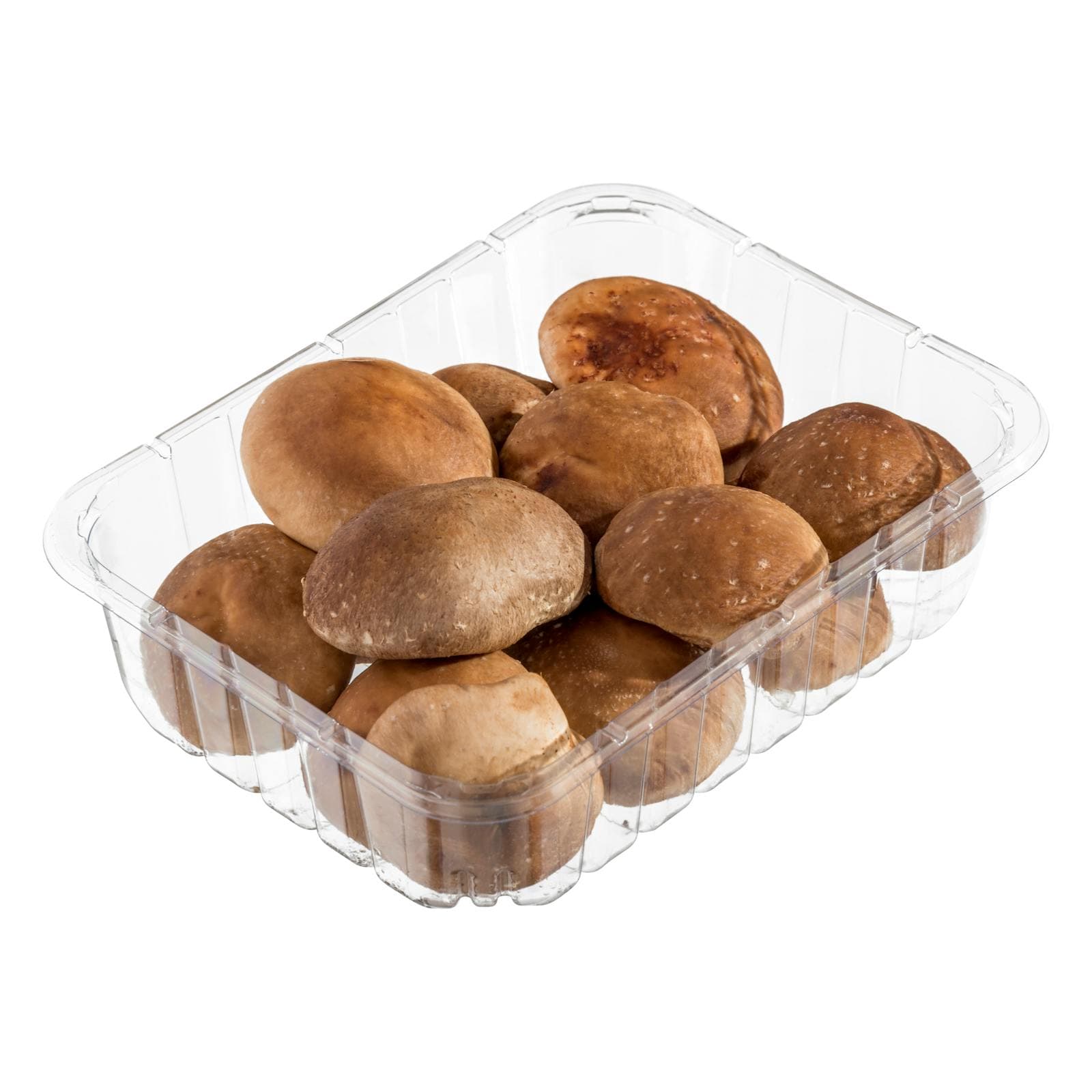 €3.96
€3.96Shiitake Mushrooms
300 g · Mercadona
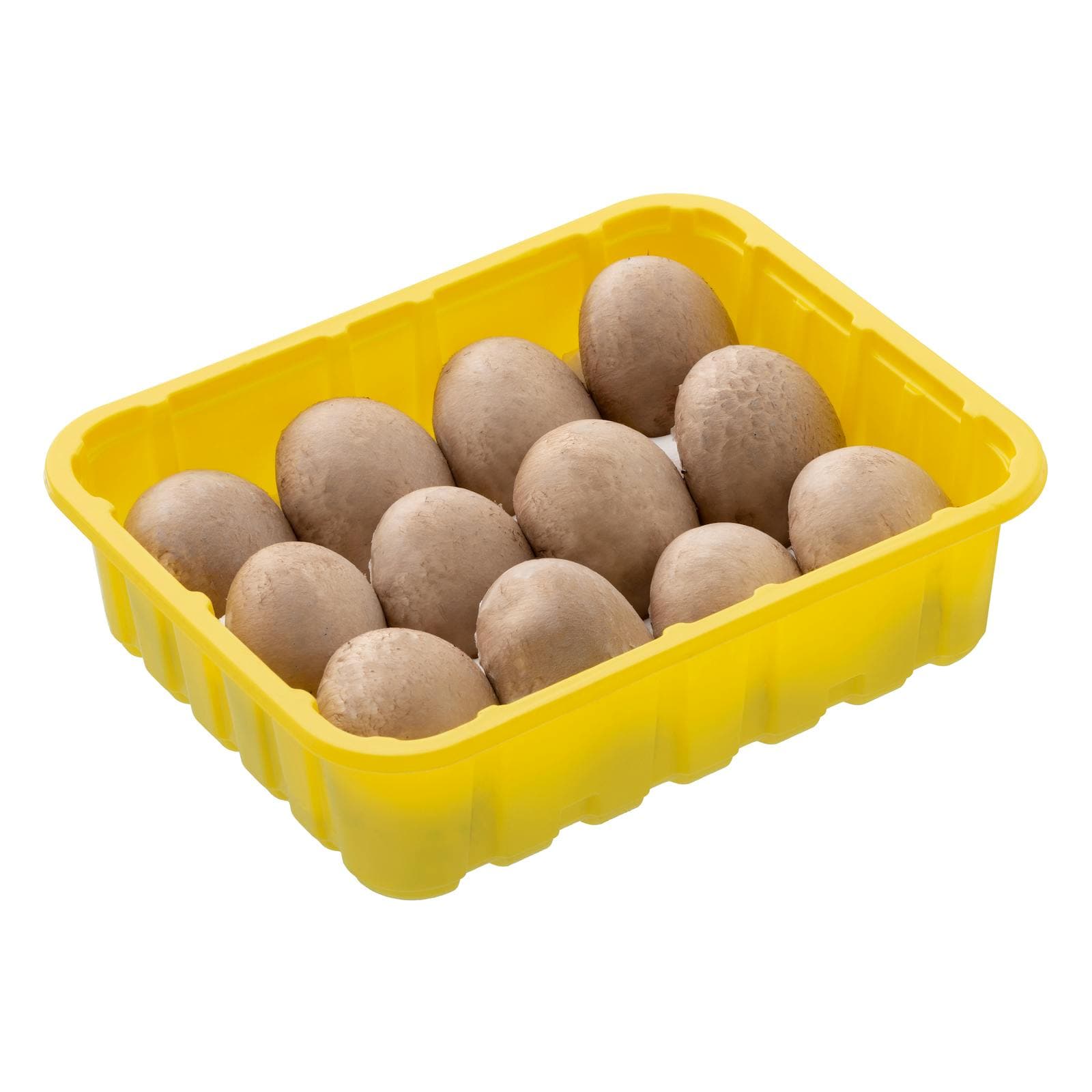 €2.16
€2.16Portobello Mushrooms
300 g · Mercadona
Good to know
- Scientific Name
- Agaricus bisporus
- Origin
- First cultivated in France in the 17th century; commercial production began in the 1880s in the United States
- Color
- White to cream when young; turns tan as it matures
- Flavor
- Mild, subtle, faintly earthy; slightly nutty when cooked
- Typical Size
- 1–3 inches in diameter; stems about 1–1.5 inches long
- Season
- Year-round (cultivated indoors)
- Storage
- Refrigerate unwashed in a paper bag; use within 5–7 days
- Per 100g
- 22 calories, 3.1g protein, 3.3g carbs, 0.1g fat, 2.2g fiber
- Key Nutrients
- B vitamins (riboflavin, niacin), selenium, potassium, copper
- Water Content
- Approximately 85–90%
Substitutes
- Cremini Mushroom — Nearly identical; slightly more mature so flavor is marginally deeper and texture a touch firmer.
- White Mushroom — Same as button; the terms are used interchangeably in most markets.
- Shiitake — Different species with meatier texture and more assertive earthy flavor; good for cooked applications, less ideal raw.
- Oyster Mushroom — Delicate texture and mild flavor; cook quickly; not a direct substitute for texture in meat dishes.
- White Bean — Use in vegetarian recipes where mushrooms add body; beans provide similar bulk with different flavor.
Also called
Champiñón · Seta · Chestnut Mushroom · White Mushroom
Appears in these dishes
Related
Tomato
Juicy, sun-sweet fruit for sauces, salads, and slow-cooked depth
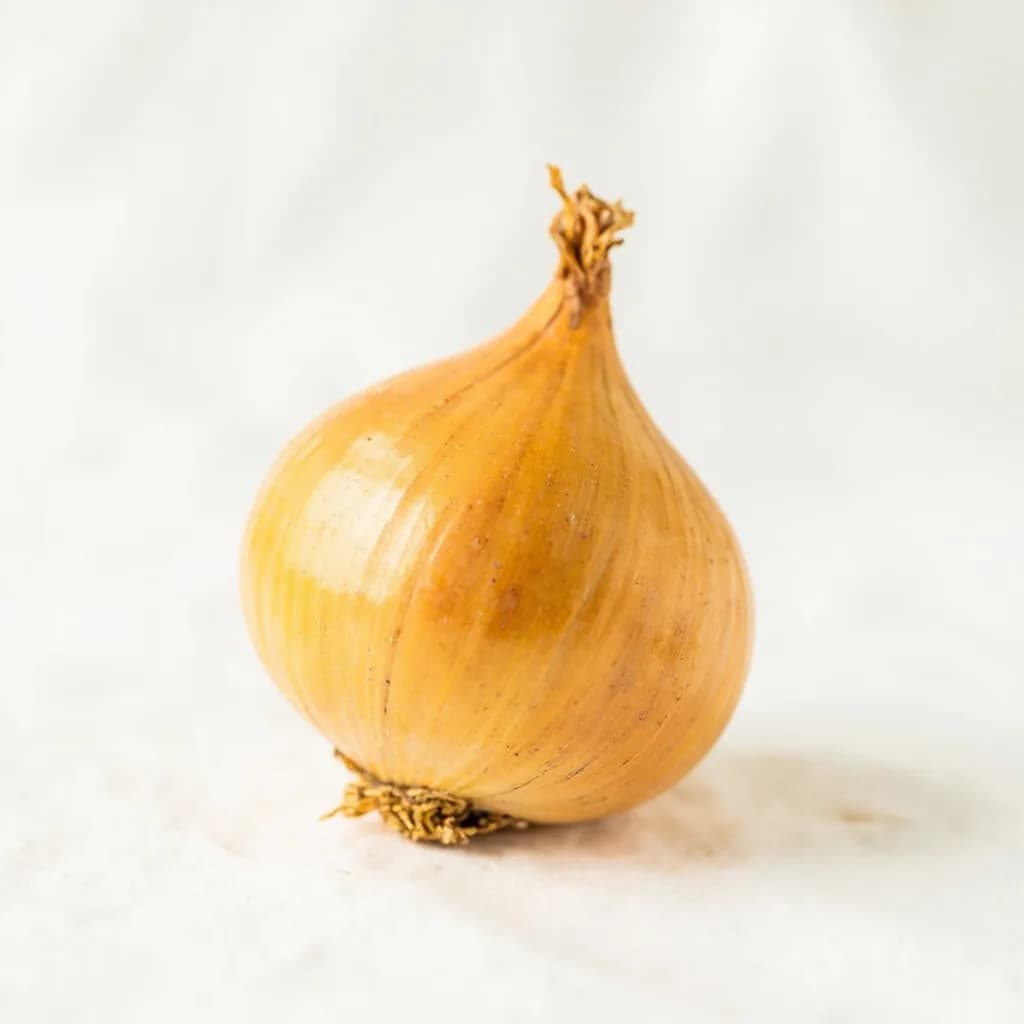
Yellow Onion
The aromatic backbone of soups, sofritos, and braises
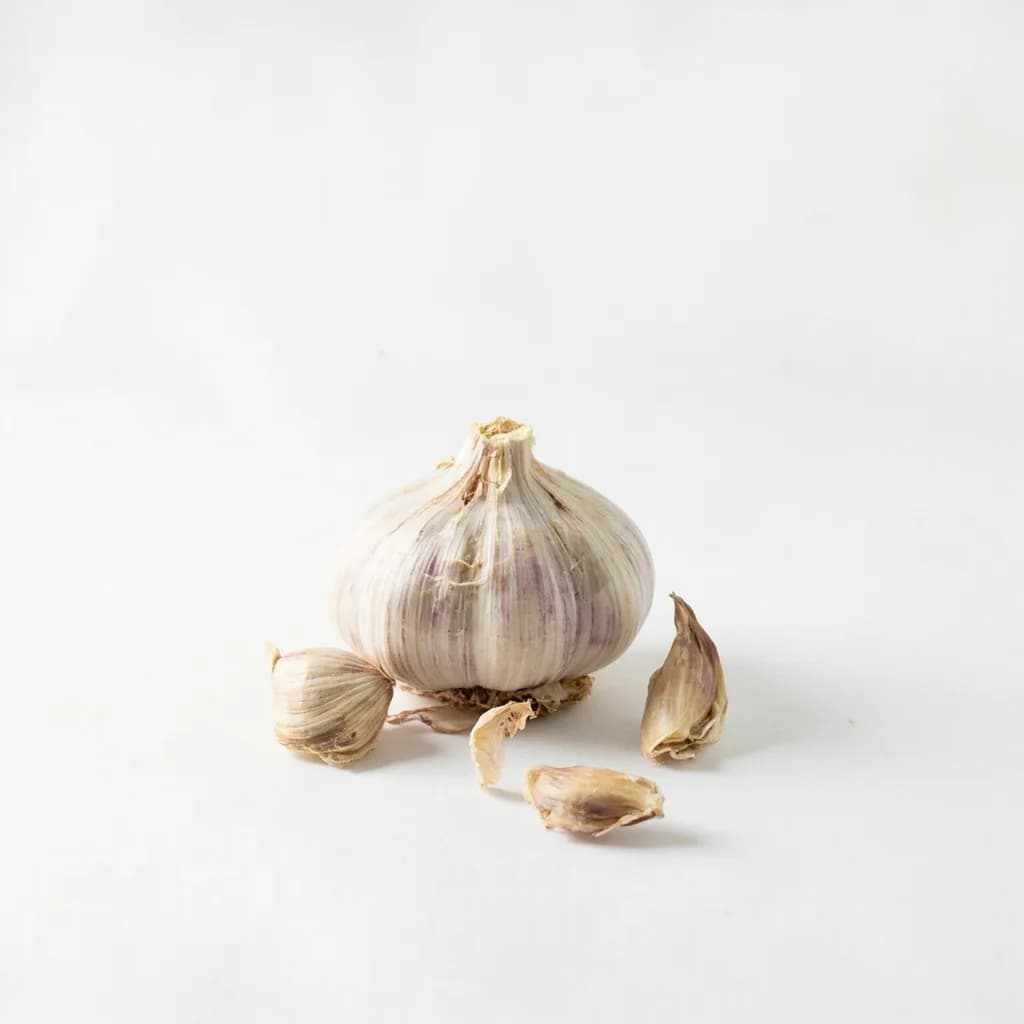
Garlic
Pungent cloves that perfume nearly every savory dish
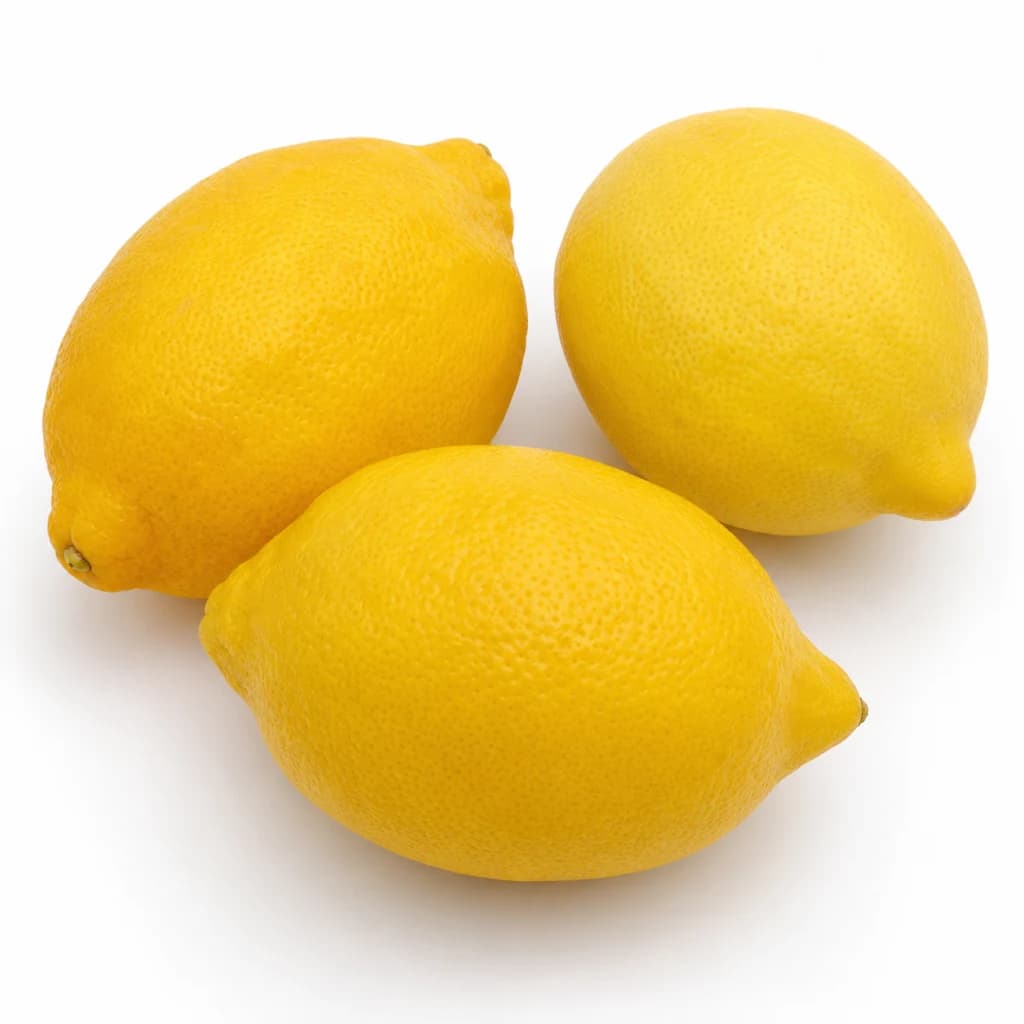
Lemon
Bright, acidic citrus that wakes up almost any dish
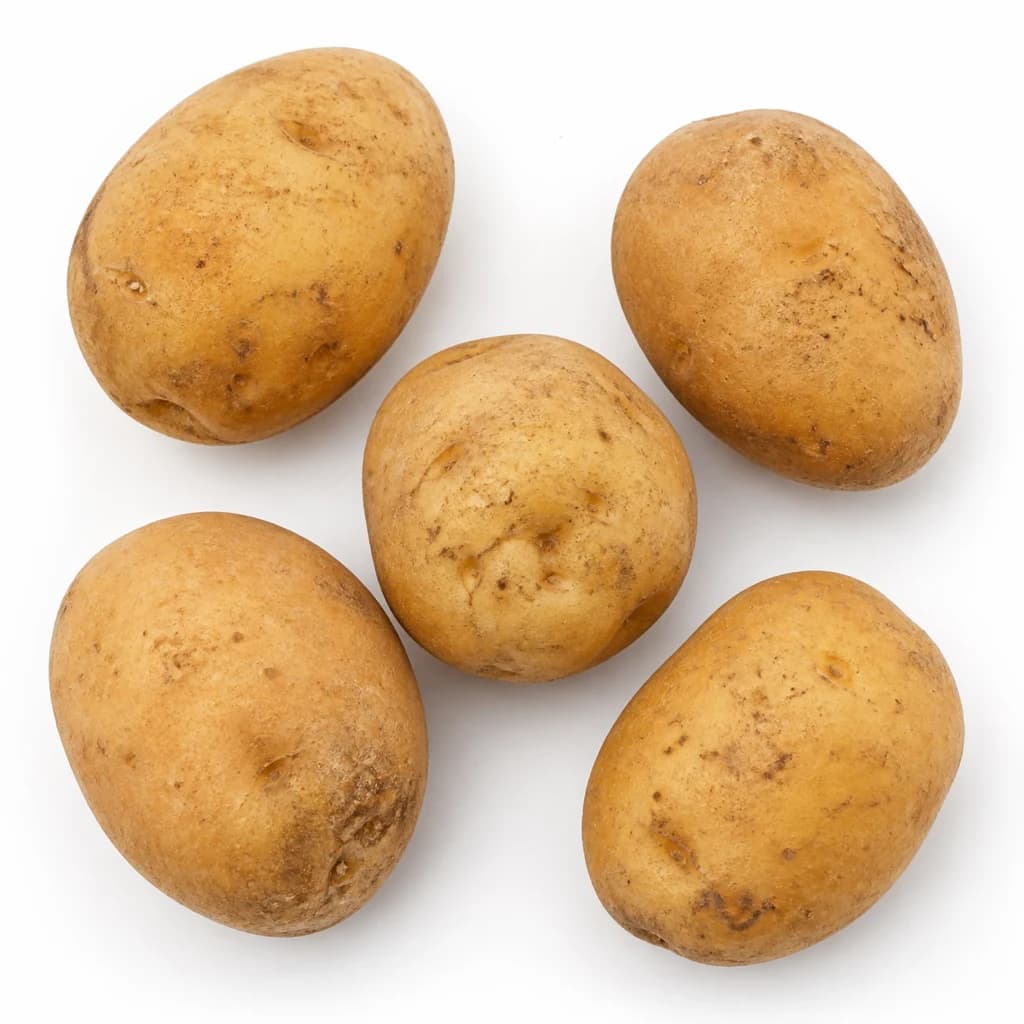
Potato
Humble, hearty staple — roast, mash, fry, or boil
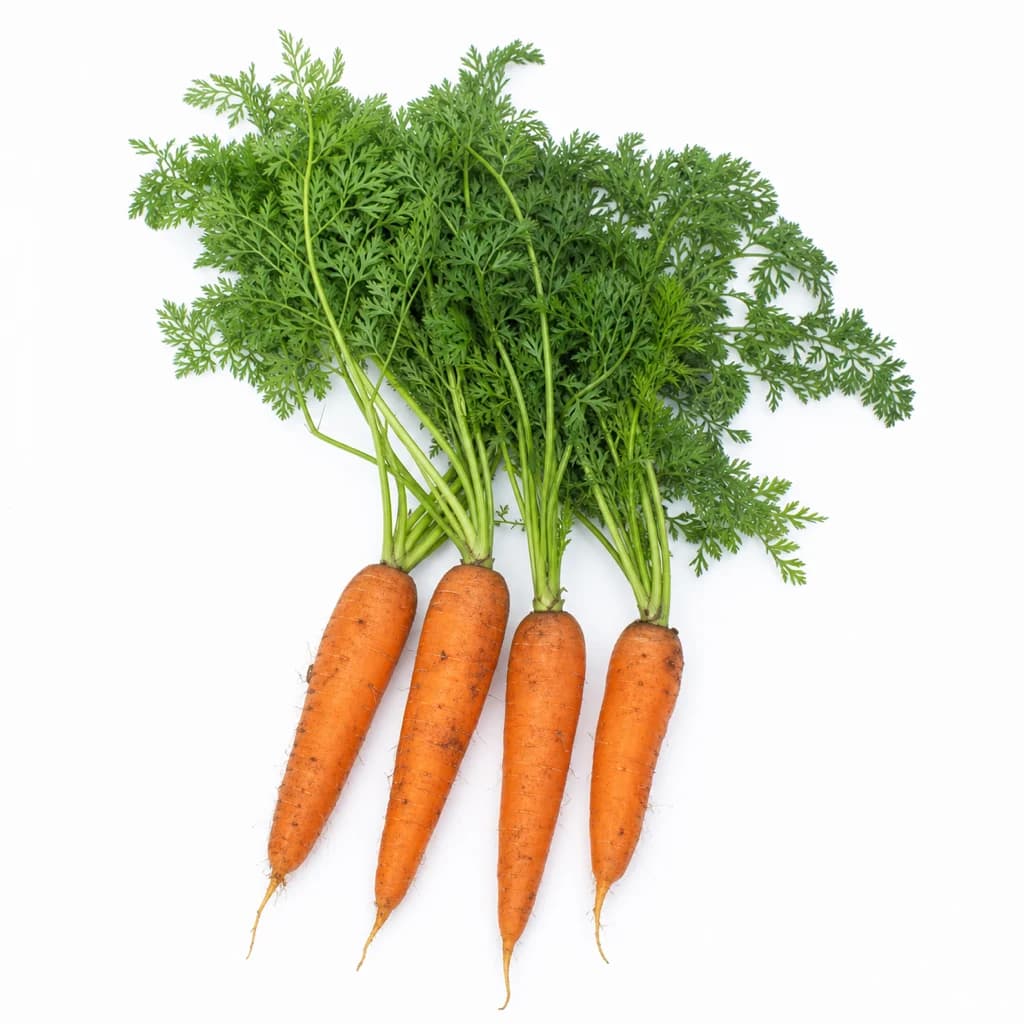
Carrot
Sweet, crunchy root — raw, roasted, or the base of a sofrito
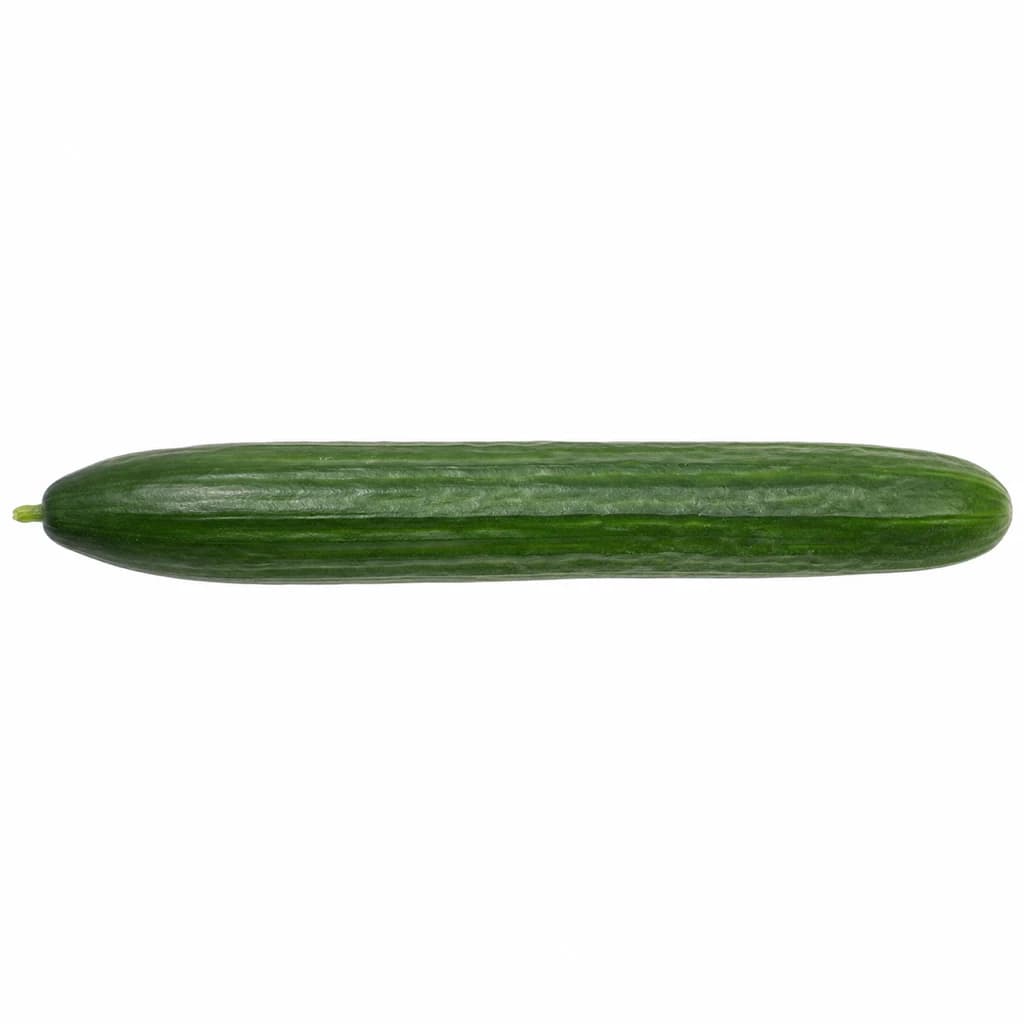
Cucumber
Cool, crisp, and watery — for salads, pickles, and tzatziki

Lettuce
Crisp leaves for salads, wraps, and a fresh crunch