Produce
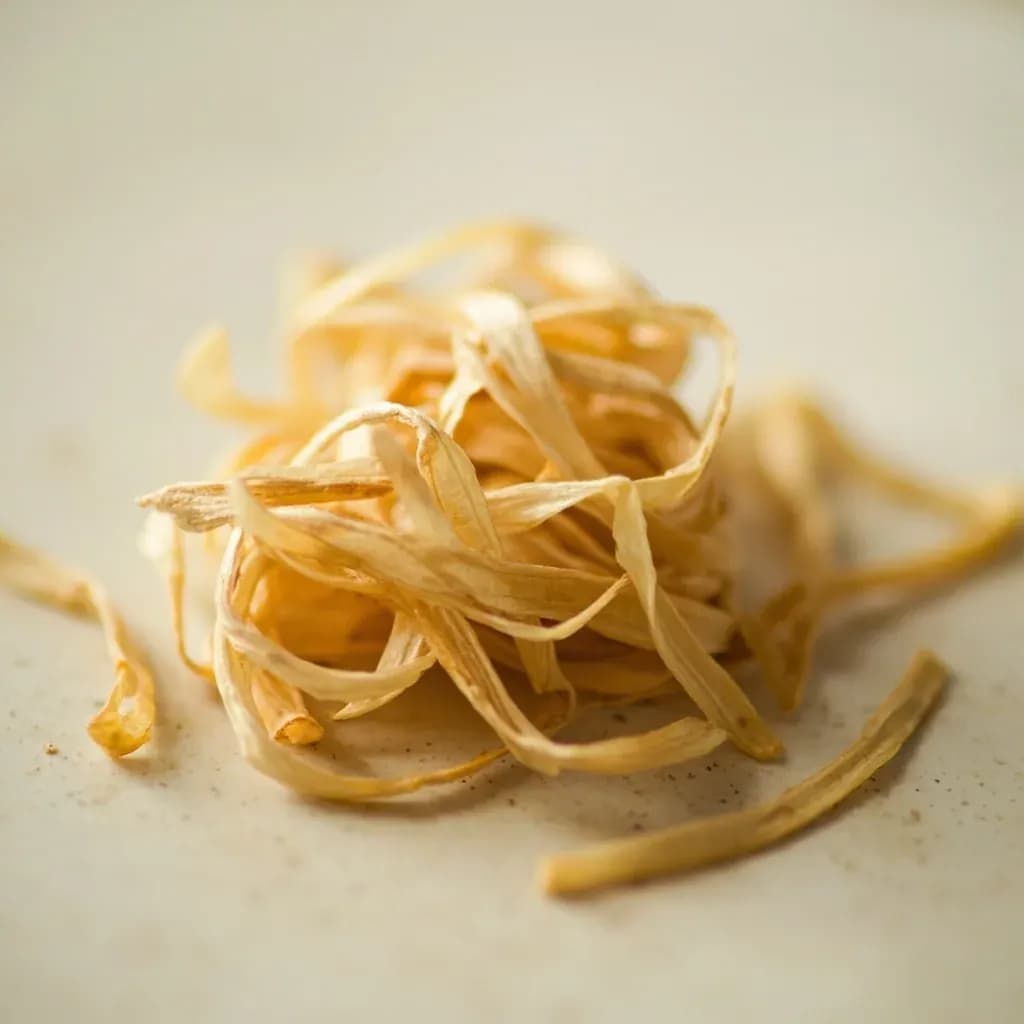
Dried Bamboo Shoot
Sun-dried bamboo shoots that rehydrate into chewy, savory strips for Asian braises and soups.
Dried bamboo shoots are young bamboo sprouts that have been boiled and sun-dried, concentrating their earthy, umami flavor. They must be soaked and simmered to rehydrate before use in Chinese and Southeast Asian braises, stir-fries, and soups, where they add a distinctive chewy bite. The drying gives them a more intense, almost smoky taste than fresh shoots.
Dried bamboo shoots are one of East Asia's most time-honored preservation techniques, transforming the brief spring harvest of young Phyllostachys or Bambusa shoots into a pantry staple that lasts up to two years. The process—peeling, slicing lengthwise, and sun-drying for several days until moisture drops below 10 percent—concentrates natural sugars and glutamates into a potent umami source. When rehydrated, the shoots regain a meaty, fibrous texture distinctly different from fresh bamboo shoots: denser, chewier, and with an extraordinary ability to absorb and hold surrounding flavors.
The distinction between dried and fresh bamboo shoots matters in the kitchen. Fresh shoots are tender and grassy with a short season; dried shoots offer year-round availability, a pronounced chew, and a more neutral base that takes on whatever braising liquid or seasoning it meets. In Sichuan and Hunan provinces, dried shoots are prized for stir-fries with pork and chili bean paste; in Japan, Hoshi Takenoko appears in ceremonial dishes and everyday braises alike. The textural contrast they provide—firm against soft, yielding against fatty—makes them irreplaceable in dishes built around richness and depth.
Safety processing is non-negotiable. Raw dried bamboo shoots contain cyanogenic glycosides, primarily taxiphyllin, which converts to toxic hydrogen cyanide when metabolized. Traditional soaking with multiple water changes, followed by parboiling, removes these compounds reliably. Skipping or shortening this step produces bitter, potentially unsafe results. Modern quick-soak methods can reduce processing to under two hours for fresher product, but older, darker shoots may require twenty-four hours or more of soaking and multiple parboiling cycles.
- Measured in
- g
- Storage
- Pantry
Types & varieties
Japanese sun-dried bamboo shoots, traditionally from Kyoto and Nara regions; considered a delicacy; lighter color, more delicate flavor, thinner strips when rehydrated
Generic Chinese term for dried bamboo shoots; varieties include maozhu (毛竹) and danzhu (淡竹); darker color, stronger flavor, more fibrous texture
From Dendrocalamus latiflorus; common in Taiwan and southern China; wider, flatter strips when dried; mild flavor with good absorption
Phyllostachys heteroclada; used in Japan; thinner strips, tender when rehydrated; excellent for simmered dishes
Some Sichuan varieties are lightly smoked after drying; adds a subtle smoky note to braises and stir-fries
Common uses
Tips & pitfalls
- Change soaking water every 2–3 hours during rehydration to extract bitterness and cyanogenic compounds; never use the soaking liquid in food—it contains the toxins you are trying to remove
- After soaking, parboil the shoots in fresh water for 10–15 minutes, drain, and rinse before cooking; this step is non-negotiable for safety and must not be shortened
- Older dried bamboo shoots—identifiable by gray-brown color and very light weight—may require 24+ hours soaking and multiple parboiling cycles to become safe
- Test doneness by bending a shoot; properly processed pieces bend without snapping and have no bitter or raw smell; bitter crunch means insufficient processing
- Store dried bamboo shoots with silica gel packets or in vacuum-sealed bags to prevent moisture absorption and mold; even small amounts of moisture cause spoilage
- In Japanese cuisine, simmer rehydrated shoots in dashi, shoyu, and mirin before adding to other dishes; reserve the cooking liquid as a mild umami stock for soups or sauces
- For Sichuan dishes, blanched and cooled shoots can be quick-pickled with Sichuan peppercorn oil for a numbing, sour side dish
- Common mistake: using insufficient soaking time results in bitter, crunchy shoots that are unsafe; when in doubt, soak longer—over-processing improves texture, under-processing creates danger
- If rehydrated texture is too fibrous, slice shoots thinly against the grain before stir-frying; this shortens the fibers and improves mouthfeel
- Use fat-rich cooking liquids or proteins with dried bamboo shoots; the fat balances their lean, fibrous character and makes the final dish feel more complete
Nutrition
Energy
113 kJ · per 100 g
Where the calories come from
Protein
2.6g
5% DV
Carbs
5.2g
2% DV
Fat
0.3g
0% DV
Fiber
2.2g
8% DV
Sugars
3g
of which
Sodium
4mg
0% DV
Source · USDA FoodData Central · approx. Bamboo shoots, raw
View on FDC →In the shops
Matched grocery products
No matched grocery products for Dried Bamboo Shoot yet.
Good to know
- Origin
- China, Japan, Korea, and Southeast Asia; documented in Chinese medicine texts from the Tang Dynasty (618–907 CE)
- Processing
- Young bamboo shoots (Phyllostachys or Bambusa species) harvested in spring, peeled, sliced lengthwise, and sun-dried for several days until moisture content drops below 10%
- Flavor
- Concentrated umami with earthy, slightly bitter notes when dried; rehydrated form is mild and absorbs surrounding flavors
- Rehydration
- 4–12 hours in cold water or 1–2 hours in warm water; older product requires longer soaking; dried shoots increase 4–5× in weight
- Safety
- Contains cyanogenic glycosides (taxiphyllin) removed through soaking and parboiling—this step is essential, not optional
- Shelf Life
- 12–24 months in airtight containers in a cool, dark place; vacuum-sealed packages last up to 2 years
- Texture
- Rehydrated strips measure 3–8 cm long, 1–2 cm wide; chewy and fibrous, slicing thinly against the grain softens the bite
- Key Flavor Affinity
- Pairs exceptionally well with fatty proteins; fat renders into the lean shoots, making them succulent while balancing any residual bitterness
Substitutes
- Fresh Bamboo Shoots — Best substitute when in season (spring); trim, peel, and parboil 3–5 minutes before use; different texture—more tender and less chewy—and requires less processing time
- Dried Shiitake Mushrooms — Soak and use the soaking liquid as a flavor booster; similar umami depth and chewy texture; use 2:1 ratio by volume to match bamboo shoot quantity
- Dried Wood Ear Mushrooms (Muer/Xuemeigu) — Comparable chewy texture and sauce-absorbing ability; different flavor profile but acceptable substitute in stir-fries and soups
- Dried Daqu (Preserved Radish) — Provides saltiness and chewy texture; rinse well before use and reduce added salt in recipe to compensate for its inherent salinity
- Cellophane Noodles (Mung Bean Noodles) — Can substitute for texture in soups and stir-fries; completely different flavor but similar mouthfeel and cooking behavior
Pairs with
Also called
笋干 · Sun Gan
Related
Tomato
Juicy, sun-sweet fruit for sauces, salads, and slow-cooked depth
Yellow Onion
The aromatic backbone of soups, sofritos, and braises
Garlic
Pungent cloves that perfume nearly every savory dish
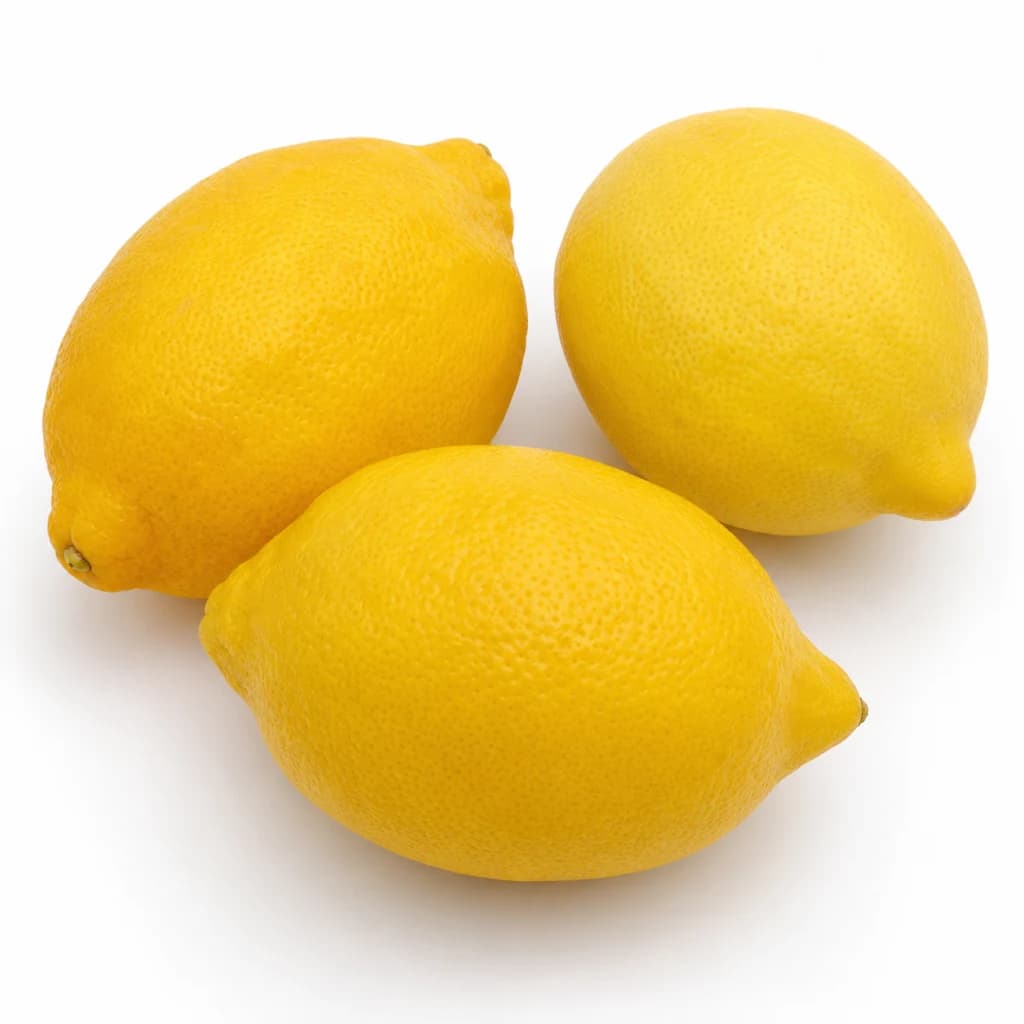
Lemon
Bright, acidic citrus that wakes up almost any dish
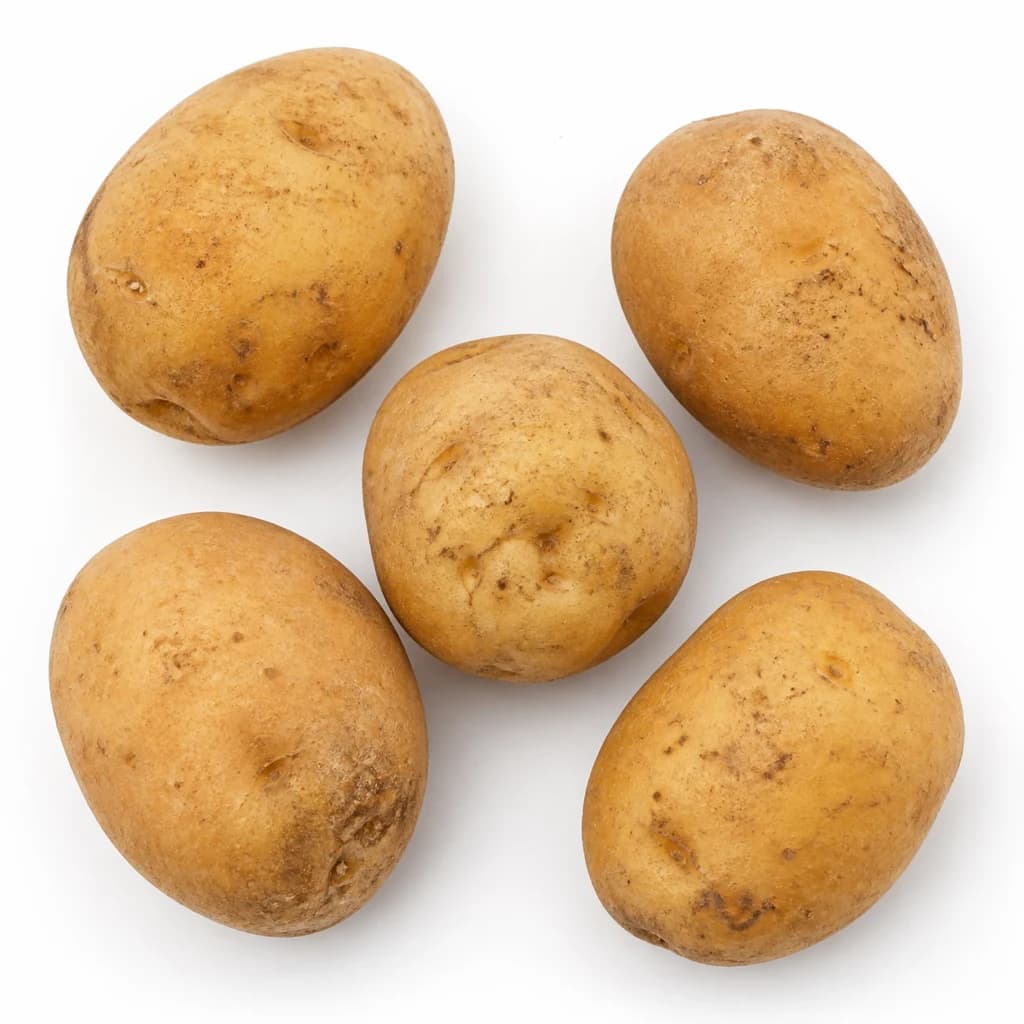
Potato
Humble, hearty staple — roast, mash, fry, or boil
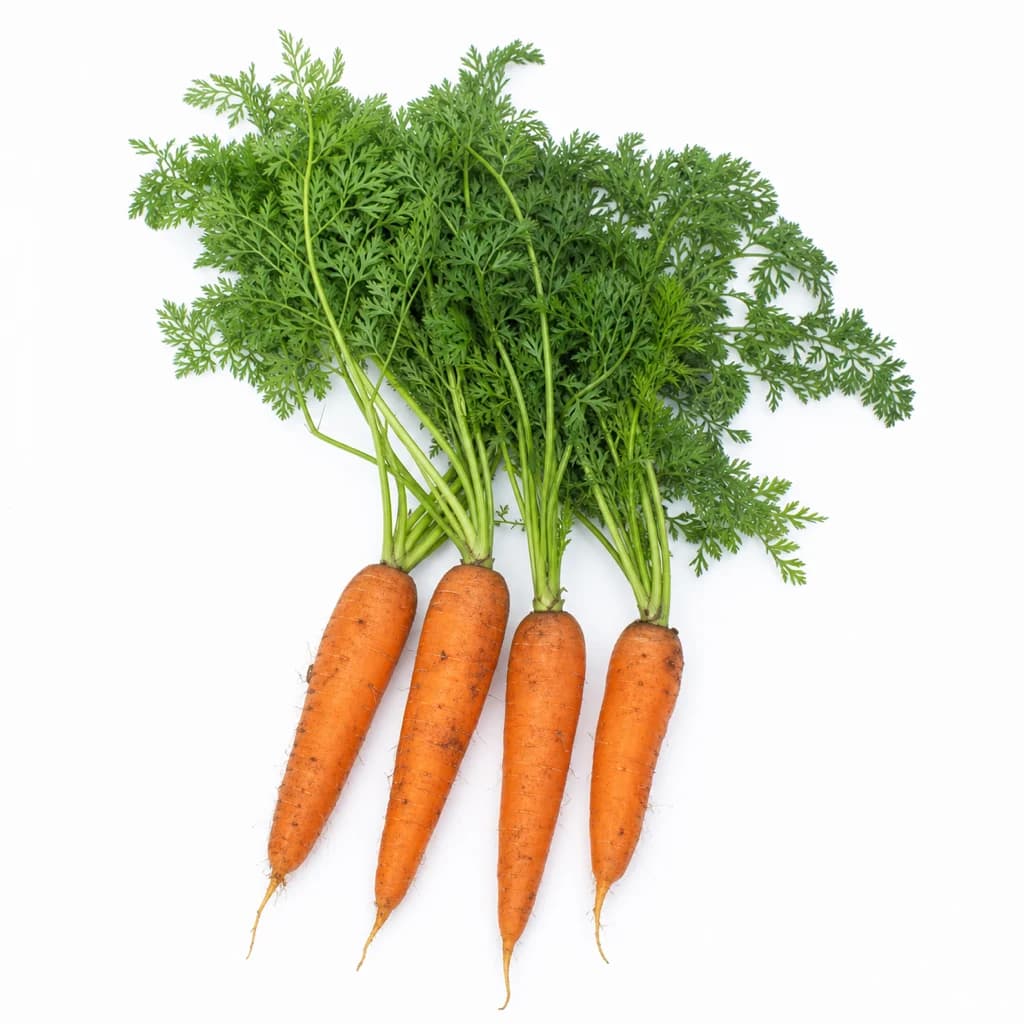
Carrot
Sweet, crunchy root — raw, roasted, or the base of a sofrito
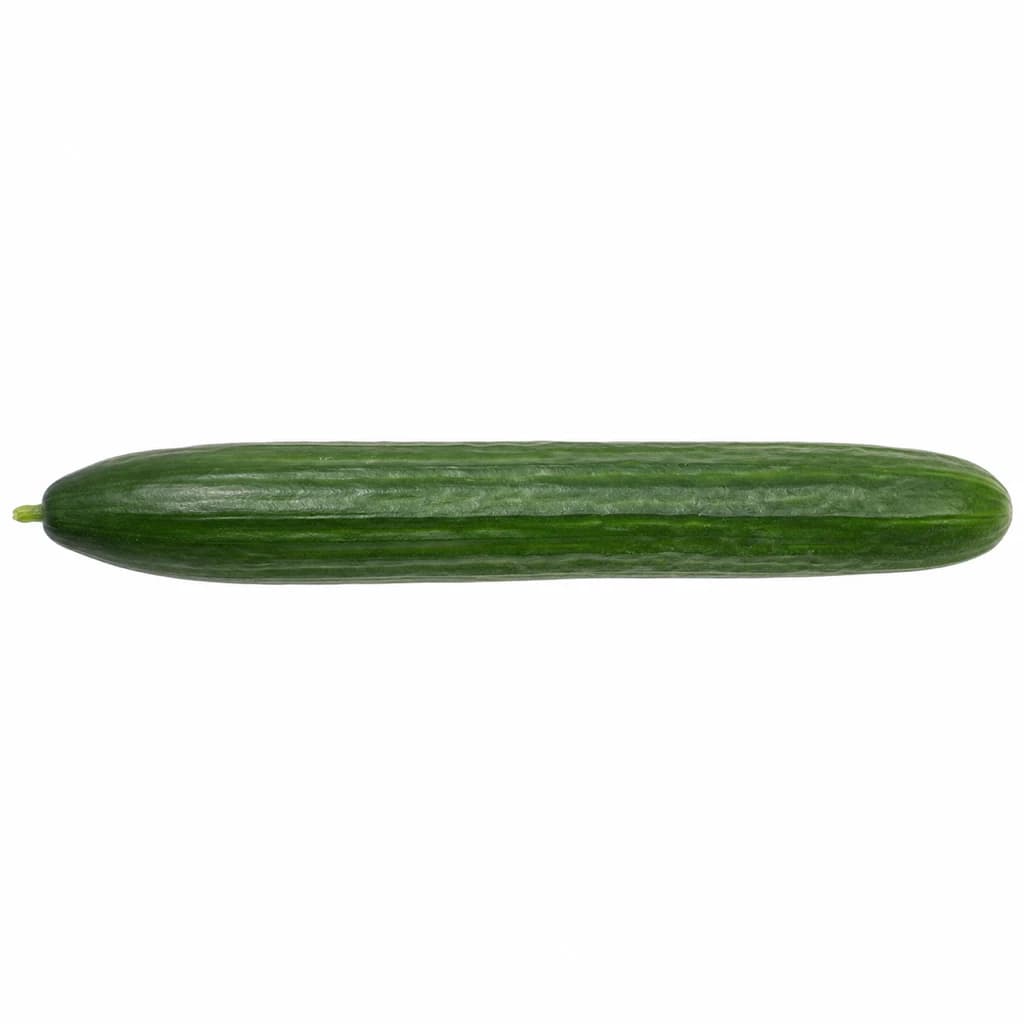
Cucumber
Cool, crisp, and watery — for salads, pickles, and tzatziki

Lettuce
Crisp leaves for salads, wraps, and a fresh crunch