Grains & Rice
Durum Wheat
Extra-hard, high-protein wheat milled into semolina for pasta and couscous.
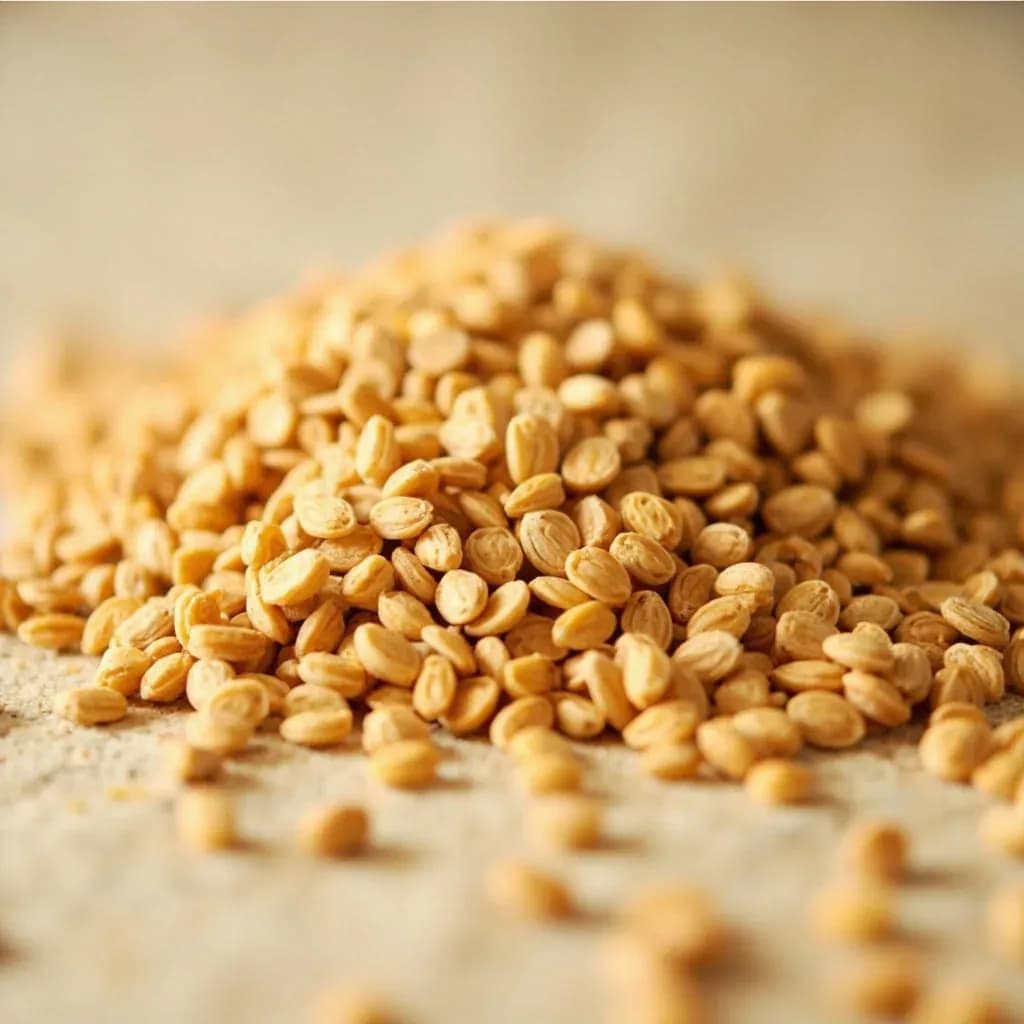
Durum is the hardest of all wheat species, with a high protein and gluten content and a golden, glassy endosperm. Milled into semolina, it is the standard grain for dried pasta and couscous because it holds shape and gives a firm bite. It is also used in some breads.
Durum wheat (Triticum durum) is the hardest commercial wheat variety, developed over millennia in the Mediterranean region where it remains central to the culinary traditions of Italy, North Africa, and the Levant. Unlike common bread wheat, durum is prized not for bread-making but almost exclusively for semolina—the coarse, granular flour produced when the amber-colored kernel is milled under high pressure. This granular texture is essential: semolina is not a fine powder but a sand-like product that behaves entirely differently in recipes. The wheat's exceptionally high protein content (12–15%) and strong but relatively inelastic gluten create pasta with the firm, resilient bite known as al dente. Its golden color comes from carotenoid pigments concentrated in the endosperm, and the low starch content means durum pasta holds its shape during cooking rather than turning soft and mushy. While the kernel can be ground into a finer durum flour, true semolina preserves the granular structure that defines quality dried pasta, couscous, and traditional Mediterranean breads.
- Measured in
- g
- Storage
- Pantry
Allergens
Types & varieties
Most common commercial variety; bright golden color, highest carotenoid content
Darker kernel, slightly lower carotenoids; used in some traditional applications
Canadian variety; widely used for premium pasta production
High-yielding Canadian durum with excellent semolina quality
Canadian variety bred for strong gluten and intense golden color
Low-cadmium accumulating variety developed for health and safety
Semolina vs. Durum Flour
These are not interchangeable. Semolina is the coarse fraction separated during milling—the granular product that makes quality dried pasta. Durum flour is the finer portion, still coarser than pastry flour but lacking the gritty texture essential for pasta structure. When a recipe calls for 'semolina,' it means the coarse granular product. Fine durum flour works for certain breads and pastries but will not produce authentic dried pasta texture. On pasta boards, use semolina grits (coarser than semolina flour) for dusting, not the fine flour, which creates a gummy surface.
- Semolina: coarse granular particles, essential for pasta structure
- Durum flour: finer ground, suitable for some breads and pastries
- Semolina grits: coarser than flour, used for dusting pasta boards
Why Durum Pasta Stays Firm
The secret lies in the protein composition and low starch content. Durum gluten is strong but less elastic than common wheat gluten—it forms a rigid network that resists overcooking rather than stretching. Meanwhile, the high milling extraction means semolina contains less of the starch that causes pasta to turn soft and gluey. When dried properly (slowly, at low humidity), durum pasta develops a smooth, slightly waxy surface that holds sauces while maintaining a firm bite even when reheated.
- Strong gluten: rigid rather than stretchy, resists collapse during cooking
- Low starch content: prevents gluey, overcooked texture
- Proper surface texture: holds sauces without becoming mushy
Common uses
Tips & pitfalls
- Use 1 part semolina to 2.5–3 parts water by weight for pasta dough — durum absorbs more liquid than common wheat flour
- Knead pasta dough at least 10 minutes to develop gluten strands properly; rest 30 minutes before rolling to relax gluten and prevent spring-back
- Extruded pasta made from durum semolina cooks in 8–12 minutes; maintain a gentle boil or pasta will fracture and release starch cloud
- If sauce slides off pasta, the dough was under-kneaded or dried too quickly — slow drying (24–48 hours at low humidity) develops proper surface texture
- For couscous: use fine semolina specifically labeled for couscous and roll with wet hands over groats to create characteristic pellets
- Do not substitute common wheat semolina (farina) — result is softer, mushier pasta that breaks apart in boiling water
- Check stored semolina for yellow spots or sour smell — signs of moisture damage or rancidity; discard if present
- Semolina grits (coarser than semolina flour) are correct for dusting pasta boards and making certain puddings; fine durum flour is not
Nutrition
Energy
1418 kJ · per 100 g
Where the calories come from
Protein
13.7g
27% DV
Carbs
71.1g
26% DV
Fat
2.5g
3% DV
Sodium
2mg
0% DV
Source · USDA FoodData Central · Wheat, durum
View on FDC →In the shops
Matched grocery products
No matched grocery products for Durum Wheat yet.
Good to know
- Scientific name
- Triticum durum
- Origin
- Mediterranean region; one of the first domesticated wheat species
- Protein content
- 12–15% (higher than common bread wheat)
- Gluten type
- Strong but less elastic than common wheat gluten
- Primary milled product
- Semolina — coarse, granular flour, not fine powder
- Kernel color
- Amber/golden due to carotenoid pigments
- Hardness
- Hardest wheat variety; requires greater milling pressure
- Shelf life
- 6–12 months in airtight container; up to 2 years frozen
- Semolina yield
- 65–75% extraction from whole kernel
- Major producers
- Canada (largest exporter), USA (North Dakota), Italy, Turkey, Morocco, Algeria
Substitutes
- Common wheat semolina (farina) — Softer texture; pasta will be less firm and may become mushy during cooking
- Spelt semolina — Similar hardness to durum; slightly nuttier flavor, works acceptably for pasta and couscous
- Kamut semolina — Ancient wheat variety; similar milling properties with mild buttery flavor
- Emmer (farro) semolina — Ancient wheat; coarser texture, earthier flavor; acceptable for rustic pasta shapes
- Fine bulgur — Only for bulgur dishes; already parcooked so cooking times differ significantly
- Coarse cornmeal (polenta) — Gluten-free alternative for breading and certain pasta shapes, but flavor is very different
Pairs with
Also called
Durum · Pasta Wheat
Appears in these dishes

Related

White Rice
Fluffy long-grain rice — the neutral base for almost any meal

White Bread
Soft sandwich loaf for toast, sandwiches, and crumbs
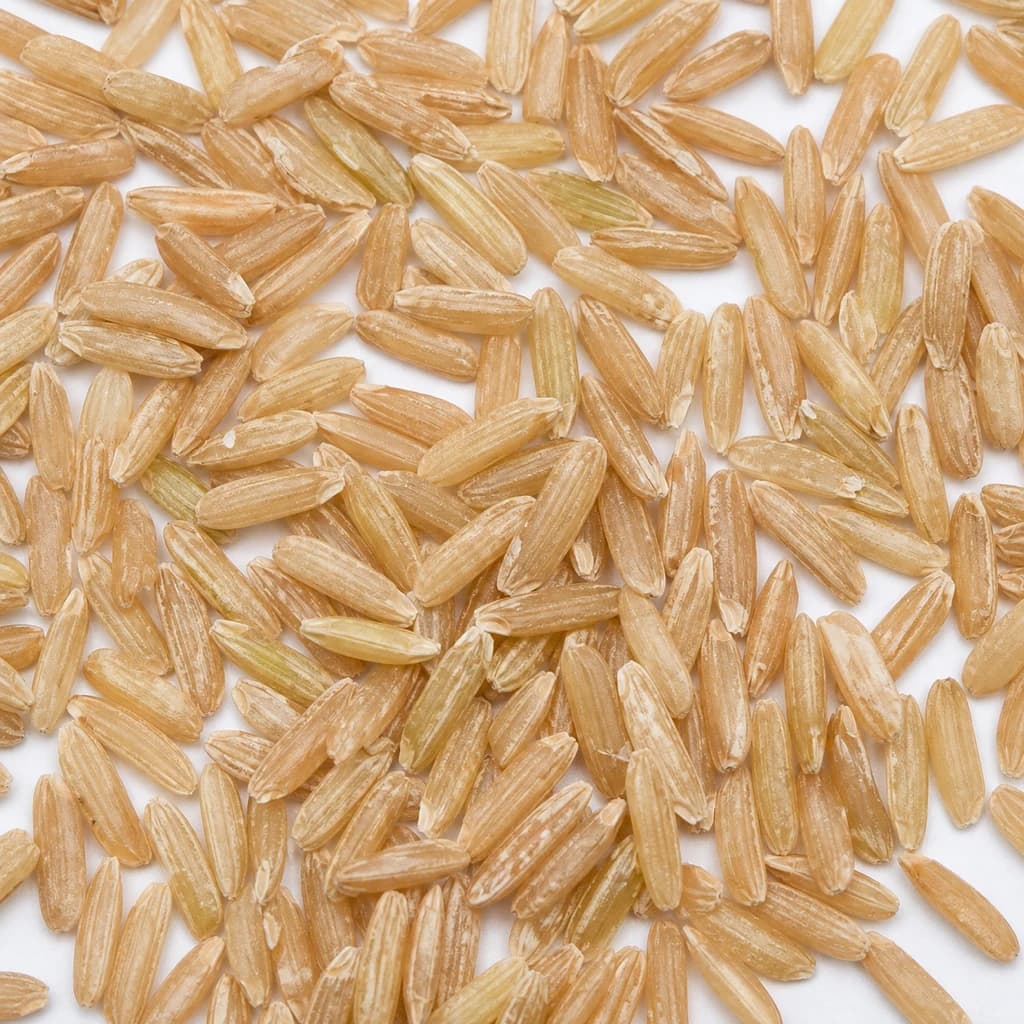
Brown Rice
Nutty, whole-grain rice with chew and extra fiber

Basmati Rice
Fragrant, long-grain rice that cooks up light and separate
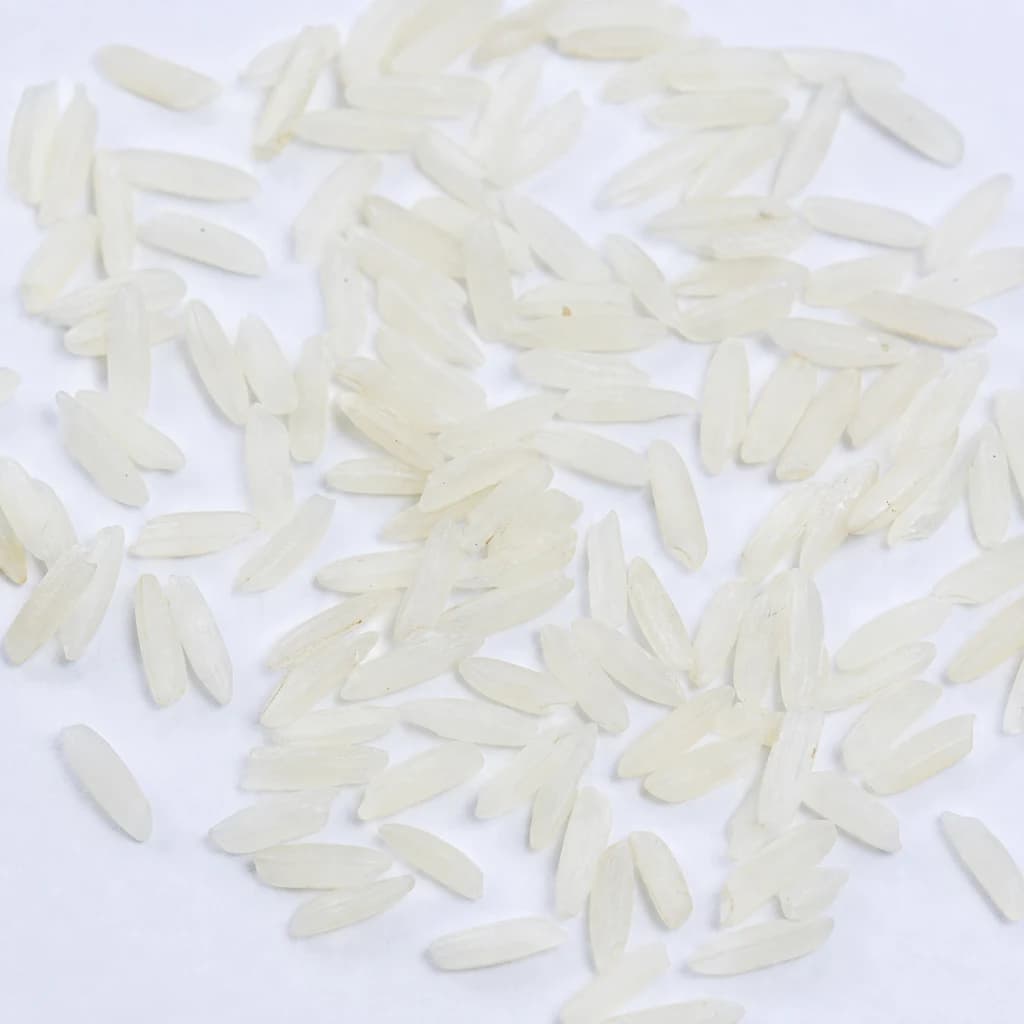
Jasmine Rice
Soft, floral-scented rice that's the pillar of Thai meals
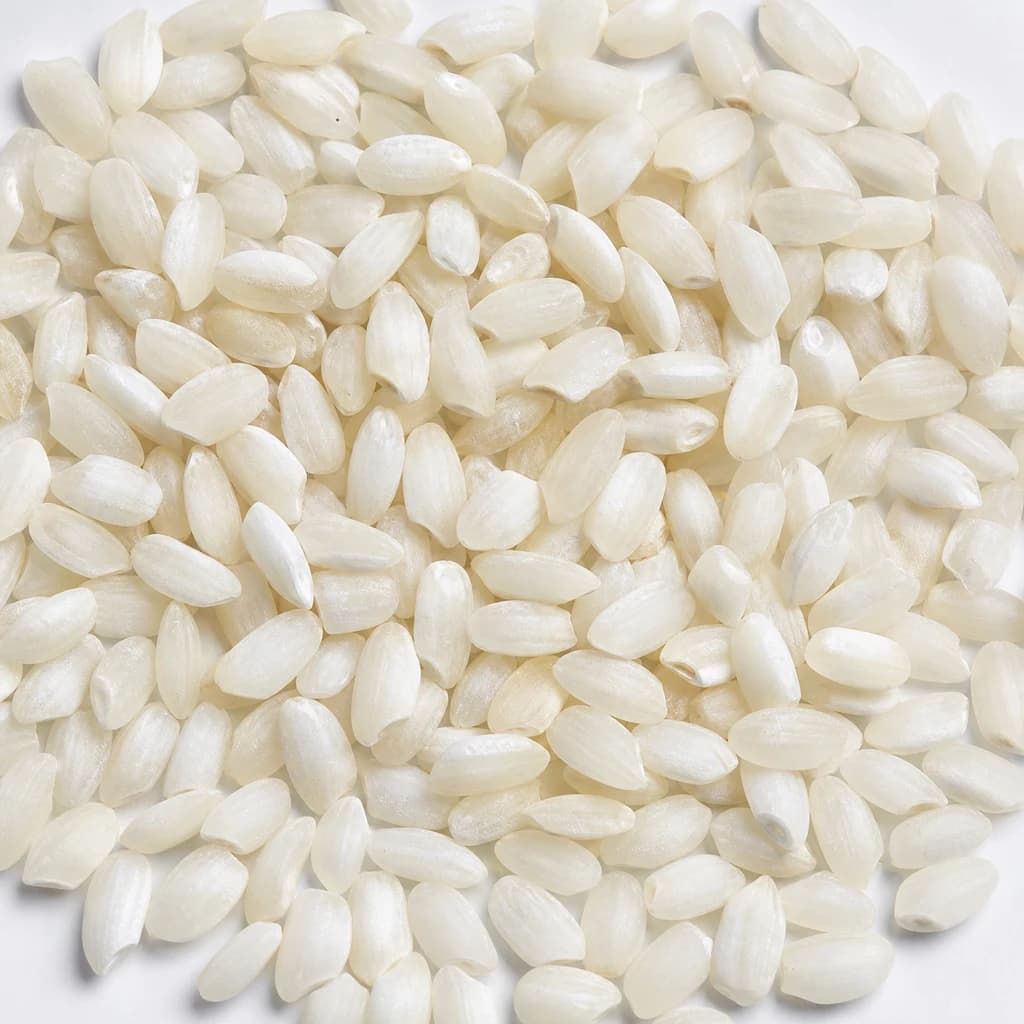
Arborio Rice
Plump, starchy rice that makes risotto creamy
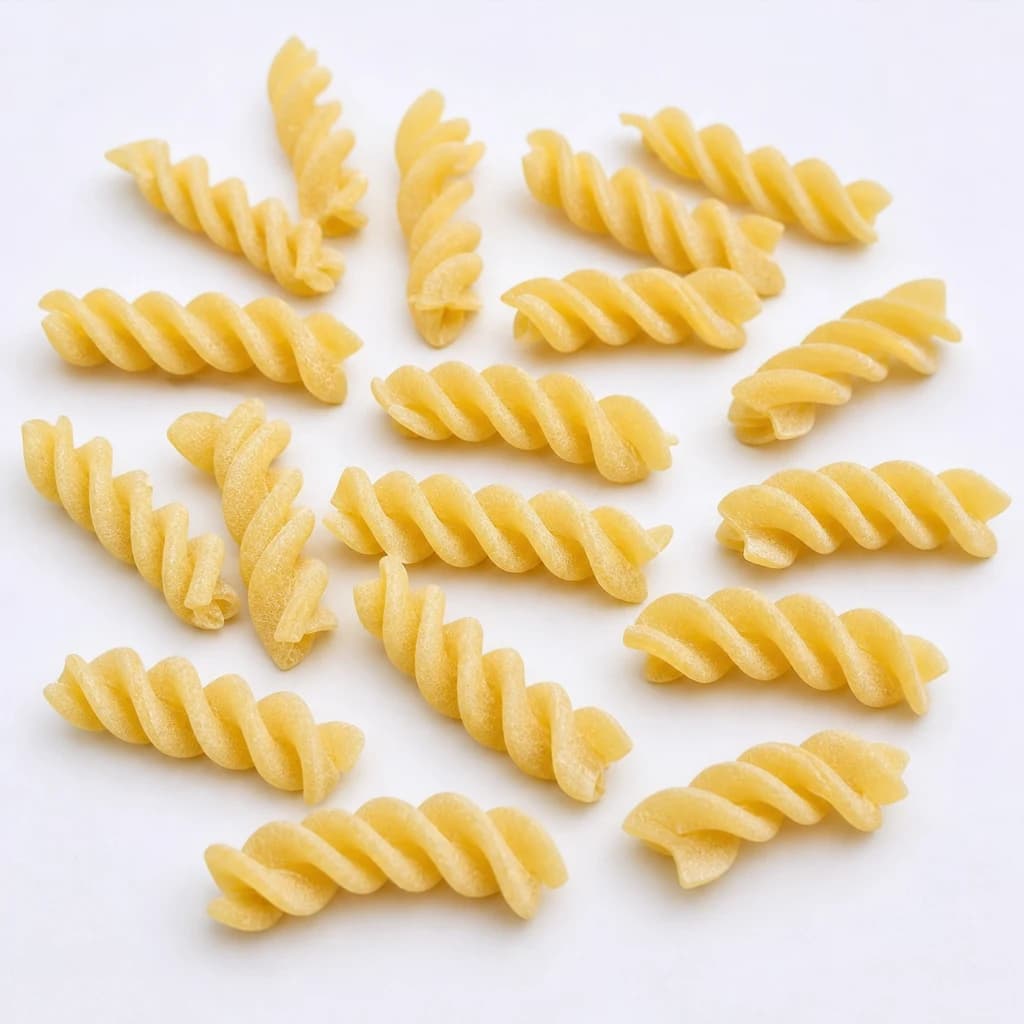
Fusilli
Spiraled pasta that twirls up sauce and dresses cold salads
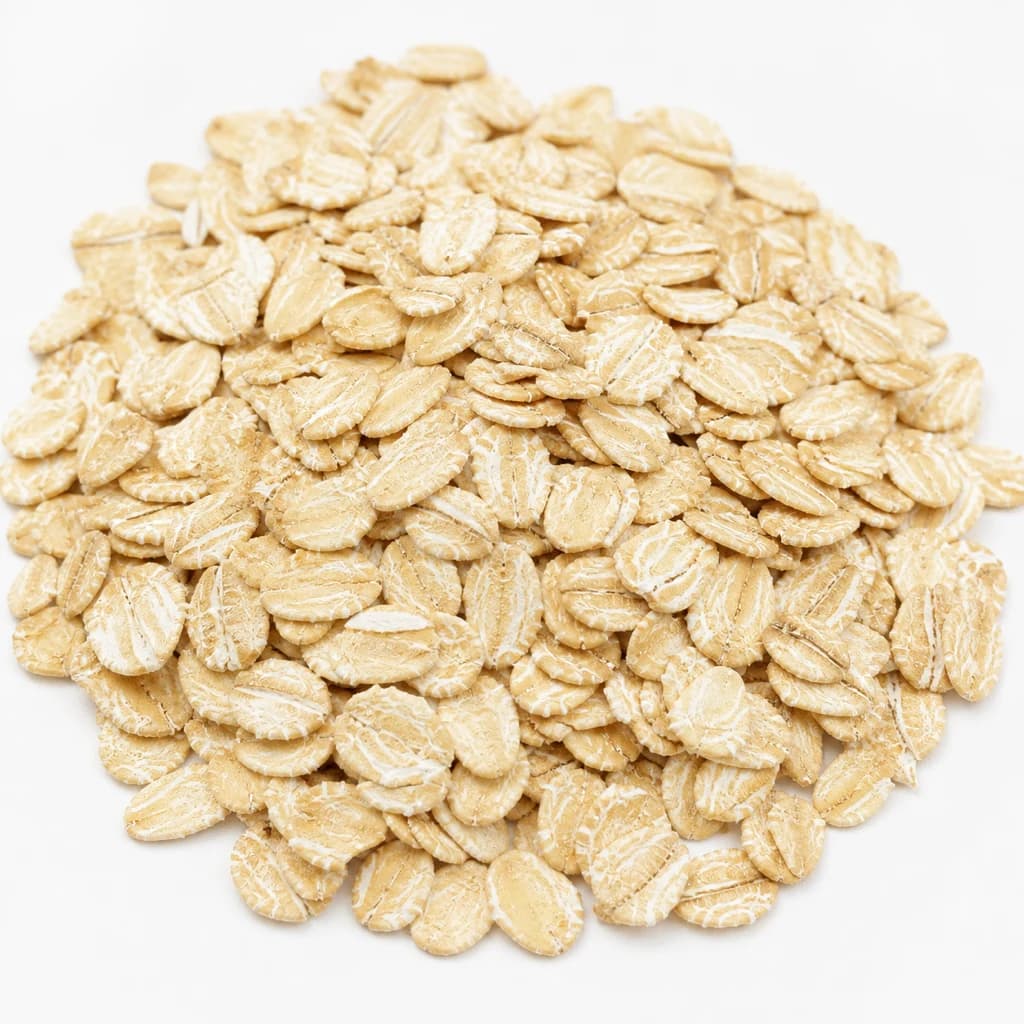
Rolled Oats
Hearty flakes for porridge, granola, and chewy cookies