
Stored
Dried sinki sticks: the shelf-stable fermented radish preserve used throughout the Himalayan off-season.
The dried storage form is how sinki is most commonly found and traded; showing it teaches readers to recognize the ingredient as purchased or stored.
Produce
Fermented Radish (Sinki)
Lacto-fermented dried radish taproot, sour and pungent, cooked into Himalayan soups and pickles.
Sinki is a Nepali preparation of radish taproots that are buried and lacto-fermented, then sun-dried into a tangy, pungent preserve. It is rehydrated and cooked into sour soups or made into a relish, prized as a tart vegetable through the off-season in the Himalayas. The fermentation gives it a sharp, acidic depth distinct from fresh radish.
Sinki is a traditional lacto-fermented preparation of dried radish taproot that forms one of the foundational souring agents across Himalayan cuisine. Unlike fresh radishes or quick pickles, sinki develops its complex, intensely sour flavor through weeks of controlled fermentation, during which Lactobacillus bacteria convert sugars into lactic acid. The dried root structure allows fermentation to penetrate deeply, yielding a product that is simultaneously tangy, pungent, and deeply savory—a combination that fresh acidulants cannot replicate. Historically produced in earthenware vessels in rural Nepal, Sikkim, Darjeeling, Bhutan, and parts of Tibet, sinki represents a sophisticated preservation technique that transforms a humble root vegetable into a pantry staple with remarkable shelf stability and flavor impact. It is distinct from gundruk (fermented leafy greens) and should not be conflated with it, though both occupy similar roles as souring agents in the region. Whether used as a background souring note in a lentil dal or foregrounded as a pungent pickle, sinki brings a funky complexity that defines authentic Himalayan flavors. Commercial production now supplies packaged sinki, but traditional village production in earthen pots remains common in rural areas and produces a distinctly different product with greater depth and variability.
- Measured in
- g
- Storage
- Pantry
Types & varieties
Fermented with Timur (Sichuan pepper) for added heat and complexity; common in Nepal and the most widely recognized variety
Prepared with mustard oil and additional spices; popular in Sikkim and Darjeeling regions
May incorporate tsampa (roasted barley flour) or other regional grains during fermentation for added body and sweetness
Understanding the Fermentation Process
The fermentation of sinki relies on wild Lactobacillus strains naturally present on the dried radish and in the fermentation environment. Salt content during fermentation (typically 2–5% by weight) suppresses unwanted pathogens while allowing beneficial bacteria to dominate. The dried texture of the radish is critical: residual moisture invites mold rather than lactic fermentation. Traditional vessels are unglazed earthenware (matka), which provide a porous surface that houses beneficial bacteria and help regulate humidity. Some traditional preparations add wood ash, which moderates acidity and contributes to the characteristic dark color through alkaline action on the radish pigments. Fermentation proceeds slowly at cool temperatures, developing layers of sour, funky complexity that quick fermentation cannot achieve. A white film on the surface during fermentation is normal and indicates healthy lactobacillus activity; discard any product showing black, green, or fuzzy growth.
- Completely dry radish is essential—any moisture leads to mold rather than fermentation
- Unglazed earthenware provides beneficial bacteria inoculation from the environment
- Wood ash (traditional) or a pinch of baking soda darkens color and moderates acidity
- Cool fermentation (15–20°C) develops more nuanced flavor than warm conditions
Sourcing and Selecting Sinki
Authentic sinki is available at South Asian grocery stores, particularly those serving Nepali, Sikkimese, or Tibetan communities. Look for uniformly dark, wrinkled strips or chunks with a clean, sour aroma—no ammonia or putrid notes. Avoid product that feels damp or shows any discoloration beyond brown. Traditionally made sinki from specialty importers or Asian markets will have more complex flavor than mass-produced versions, though industrial sinki is serviceable for most culinary purposes. When purchasing, smell the product: it should be intensely sour and pungent without any musty or moldy undertones. If possible, buy in small quantities from sources with high turnover to ensure freshness within the product's long shelf life.
- Seek product with uniform dark brown color and clean sour aroma
- Avoid any damp or soft pieces—indicates improper drying before fermentation
- Small quantities from high-turnover sources are preferable to bulk industrial product
- Authentic imported sinki has more depth than mass-produced alternatives
Common uses
Tips & pitfalls
- Start with completely dry radish strips—any residual moisture promotes mold rather than desired lactic fermentation
- Use non-chlorinated water for any adjustments—chlorine inhibits lactobacillus growth
- Ferment at cool room temperature (15–20°C/59–68°F); warmer temperatures accelerate fermentation but can produce off-flavors
- Press down firmly during initial fermentation to eliminate air pockets and ensure anaerobic conditions
- A layer of white film on the surface during fermentation is normal; black, green, or fuzzy growth indicates spoilage—discard
- Rehydrate in warm water for 15–30 minutes before use in soups for even flavor distribution
- Toast briefly in a dry pan to intensify and concentrate flavor before adding to dishes
- Store dried sinki away from direct sunlight to preserve flavor compounds
Nutrition
Energy
67 kJ · per 100 g
Where the calories come from
Protein
0.7g
1% DV
Carbs
3.4g
1% DV
Fat
0.1g
0% DV
Fiber
1.6g
6% DV
Sugars
1.9g
of which
Sodium
39mg
2% DV
Source · USDA FoodData Central · Radishes, raw
View on FDC →In the shops
Matched grocery products
 €1.69
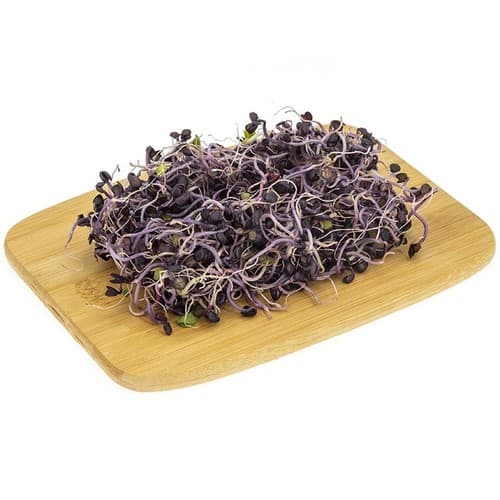
€1.69Organic Purple Radish Sprouts in 50g Tray
BROT D'OR · kg · Bonpreu
Good to know
- Common Name
- Sinki (also spelled Sinkhi)
- Type
- Lacto-fermented vegetable
- Primary Ingredient
- Dried radish taproot (Raphanus sativus)
- Origin
- Himalayan region: Nepal, Sikkim, Darjeeling, Bhutan, and parts of Tibet
- Traditional Fermentation Vessel
- Earthenware pots (matka)
- Fermentation Duration
- 2–6 weeks at cool room temperature (15–20°C)
- Salt Content
- Typically 2–5% salt by weight during fermentation
- Primary Flavor
- Sour and tangy from lactic acid; pungent; moderately salty
- Color
- Yellowish-brown to dark brown after fermentation and drying
- Shelf Life
- Months to years when stored in cool, dark conditions
- Common Form
- Dry, wrinkled strips or chunks
Substitutes
- Salted plums (umbera) — Provides similar sour-salty punch; use sparingly as the flavor is more fruity than funky
- Tamarind paste — Offers sourness but lacks the pungency and funk of sinki; use half the amount and add a pinch of miso for depth
- Fermented black beans — Different flavor profile but offers umami depth; rinse before use
- Dried fermented shrimp (pac kapi) — Closer in funk and intensity; excellent substitute in Southeast Asian contexts; rinse to reduce saltiness
Pairs with
Also called
Sinki
Related
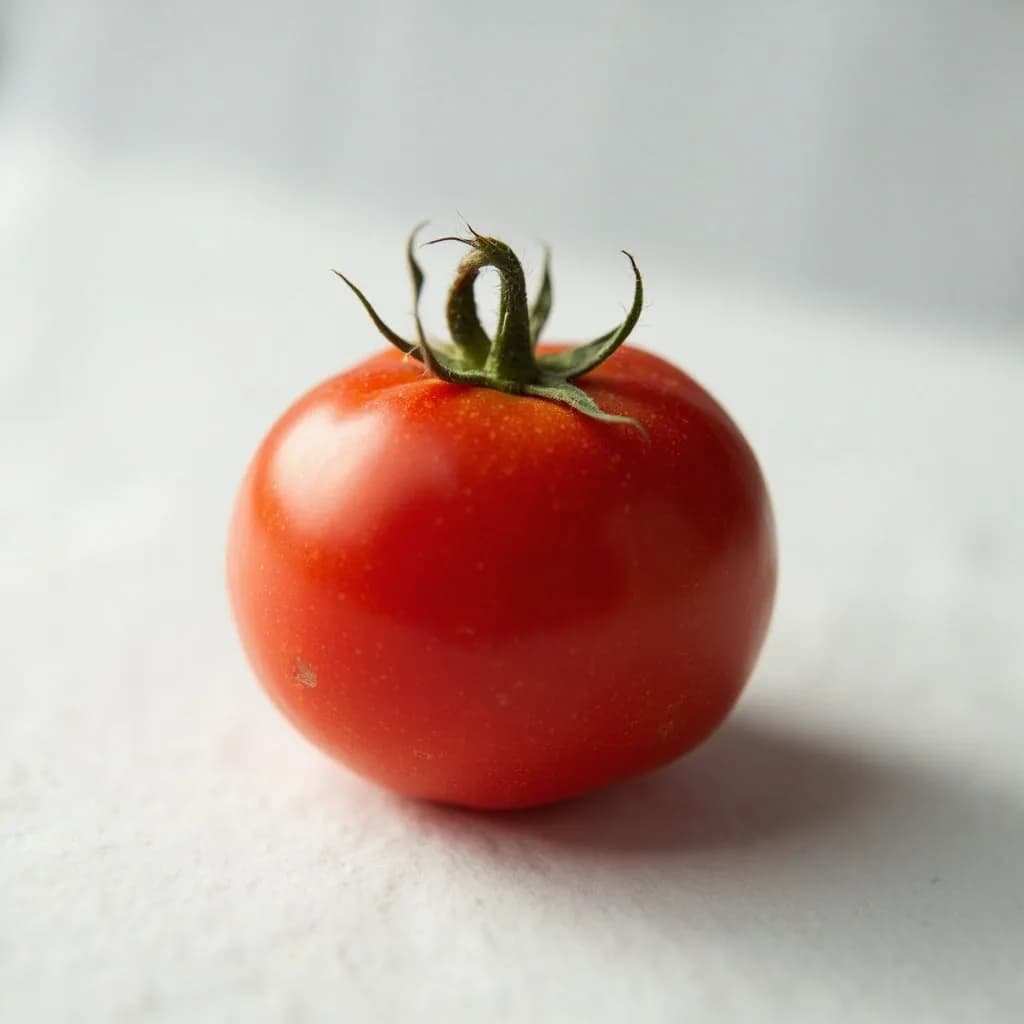
Tomato
Juicy, sun-sweet fruit for sauces, salads, and slow-cooked depth
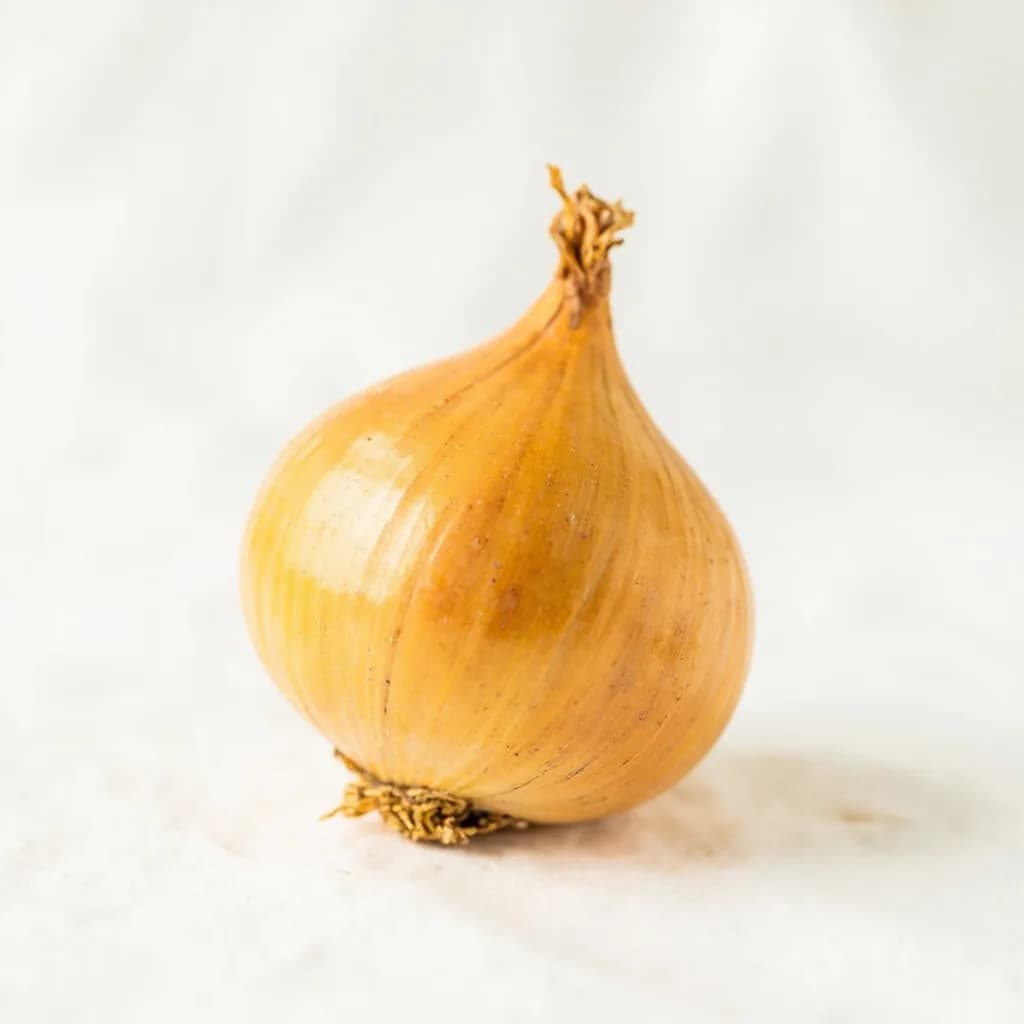
Yellow Onion
The aromatic backbone of soups, sofritos, and braises
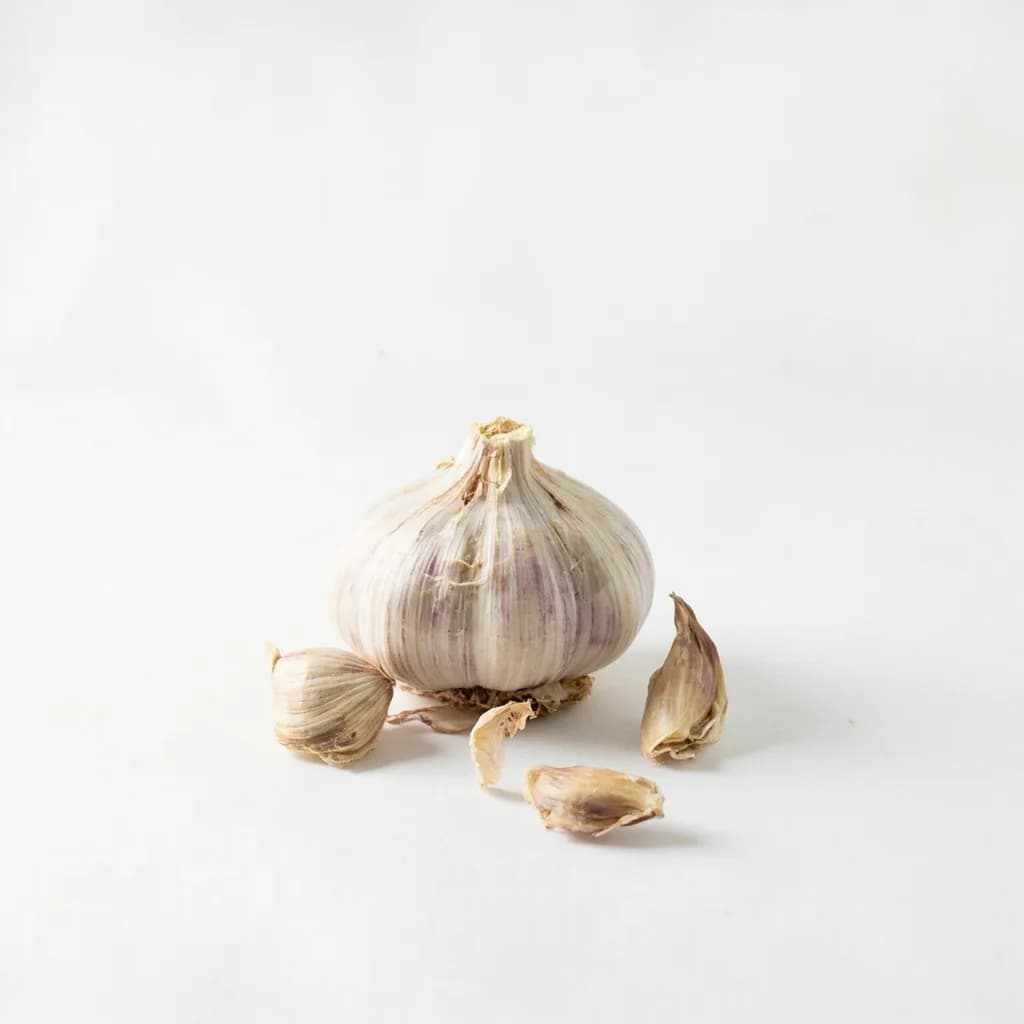
Garlic
Pungent cloves that perfume nearly every savory dish
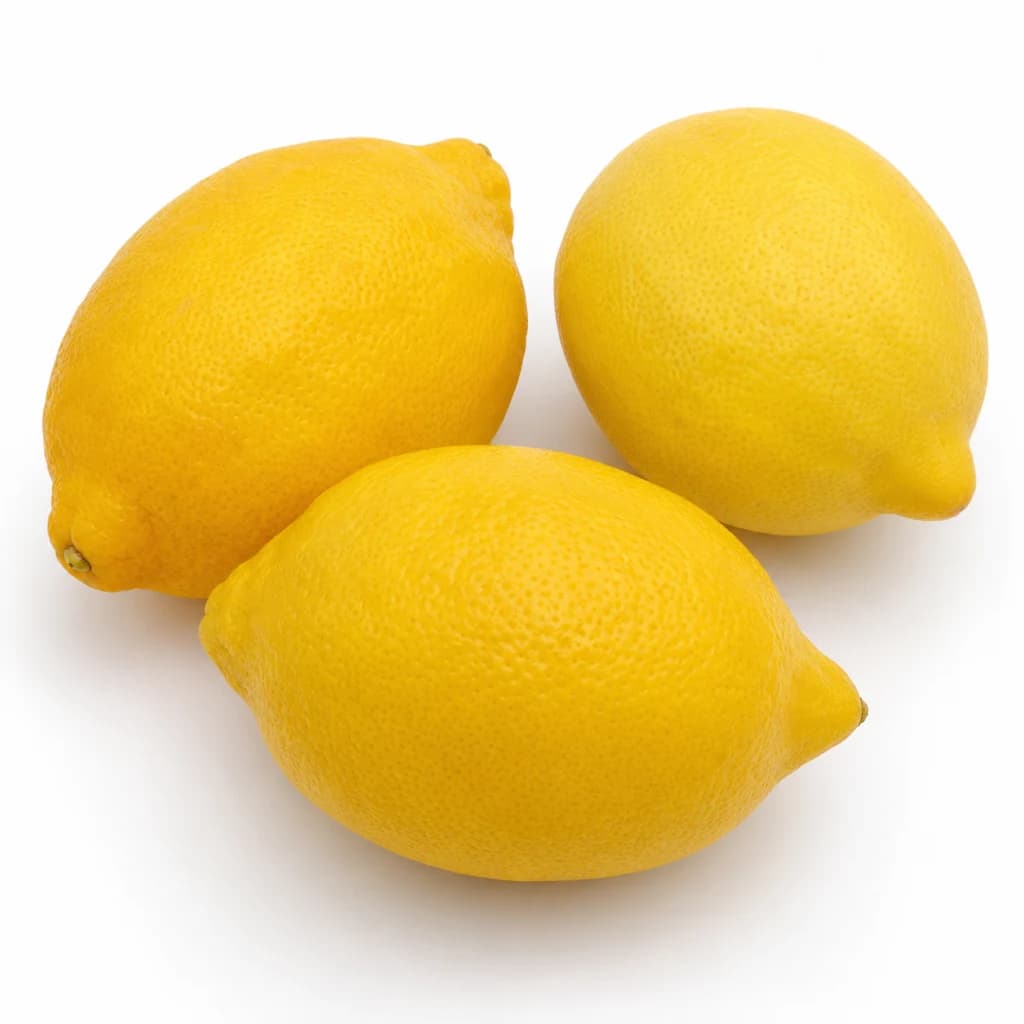
Lemon
Bright, acidic citrus that wakes up almost any dish
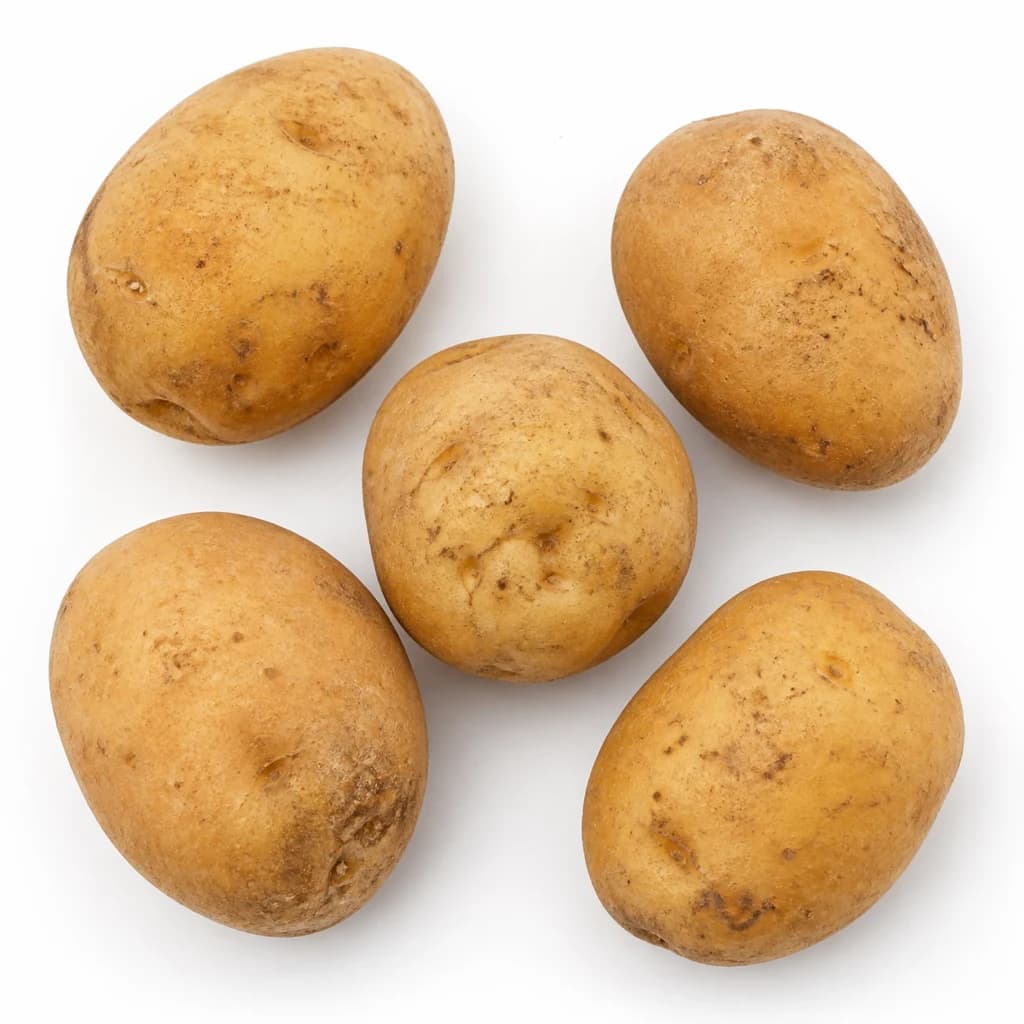
Potato
Humble, hearty staple — roast, mash, fry, or boil
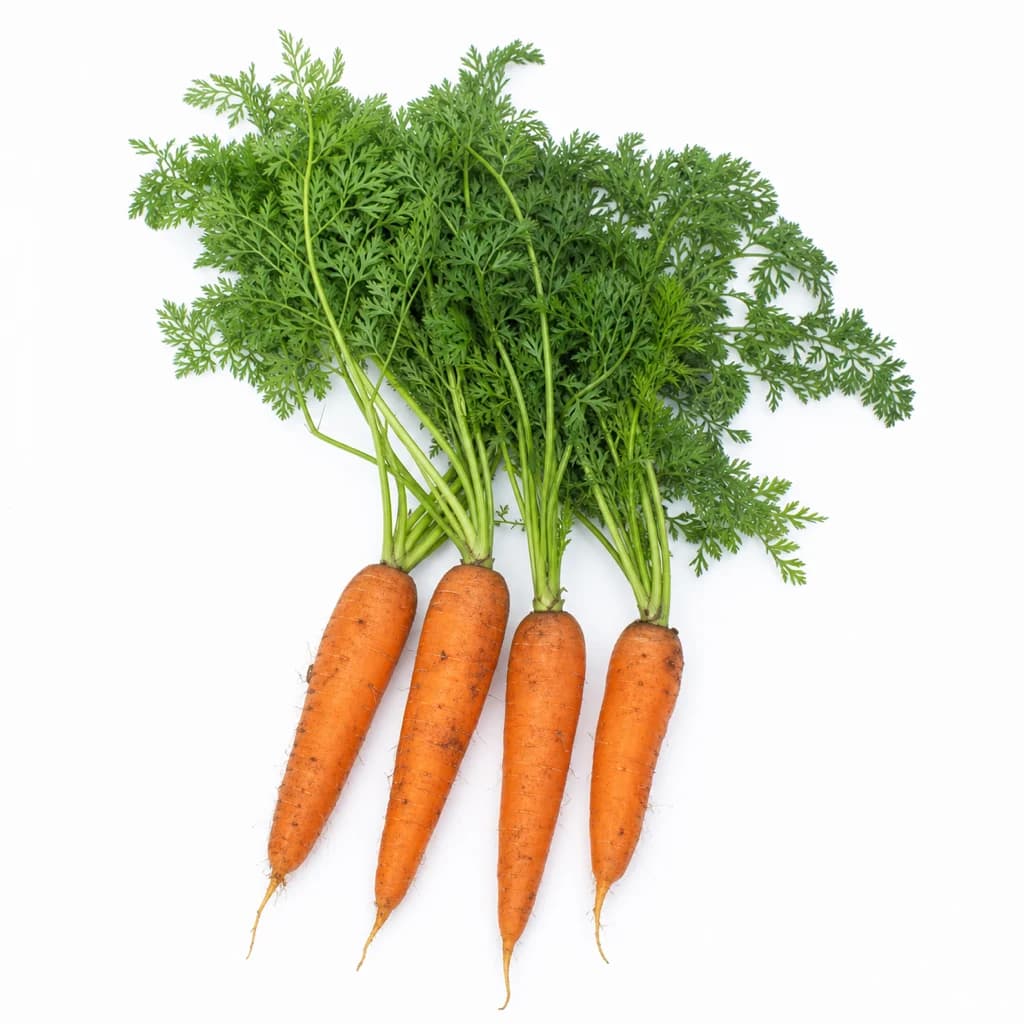
Carrot
Sweet, crunchy root — raw, roasted, or the base of a sofrito
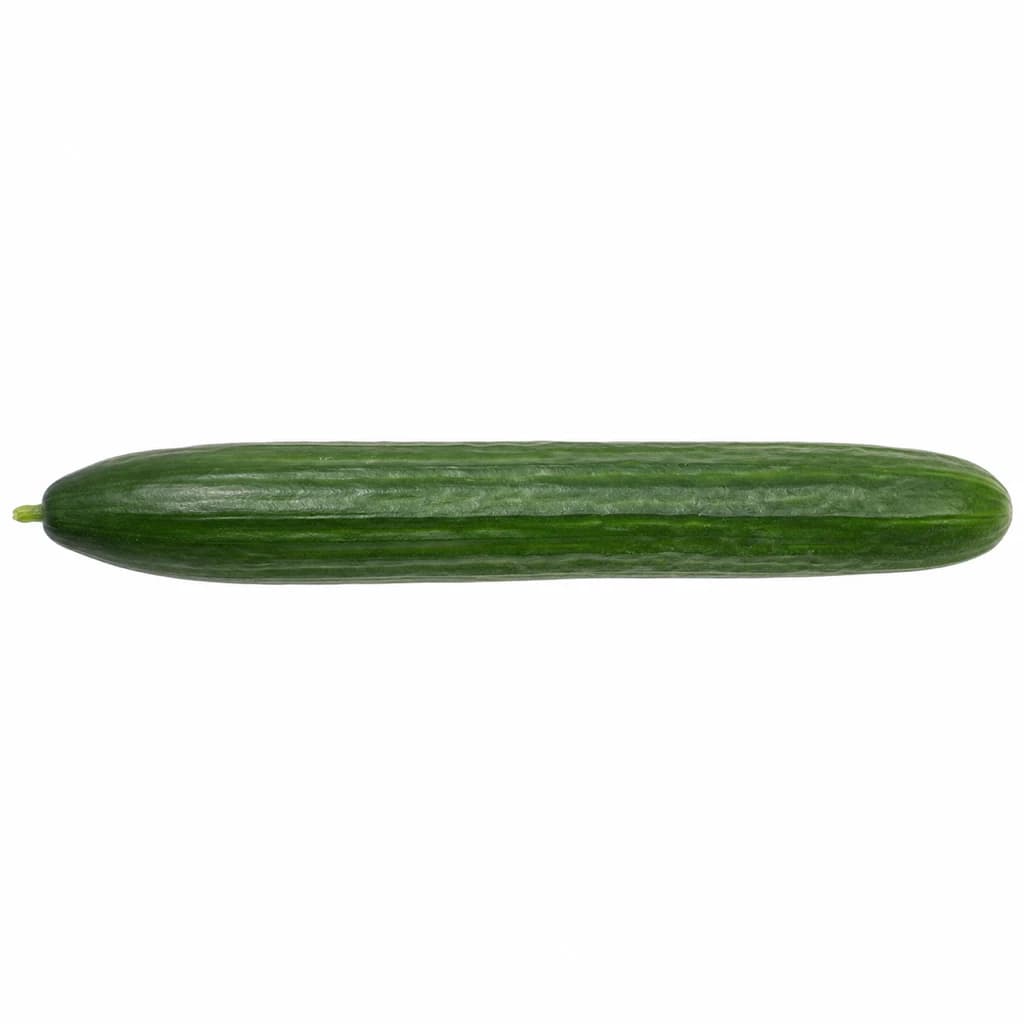
Cucumber
Cool, crisp, and watery — for salads, pickles, and tzatziki

Lettuce
Crisp leaves for salads, wraps, and a fresh crunch