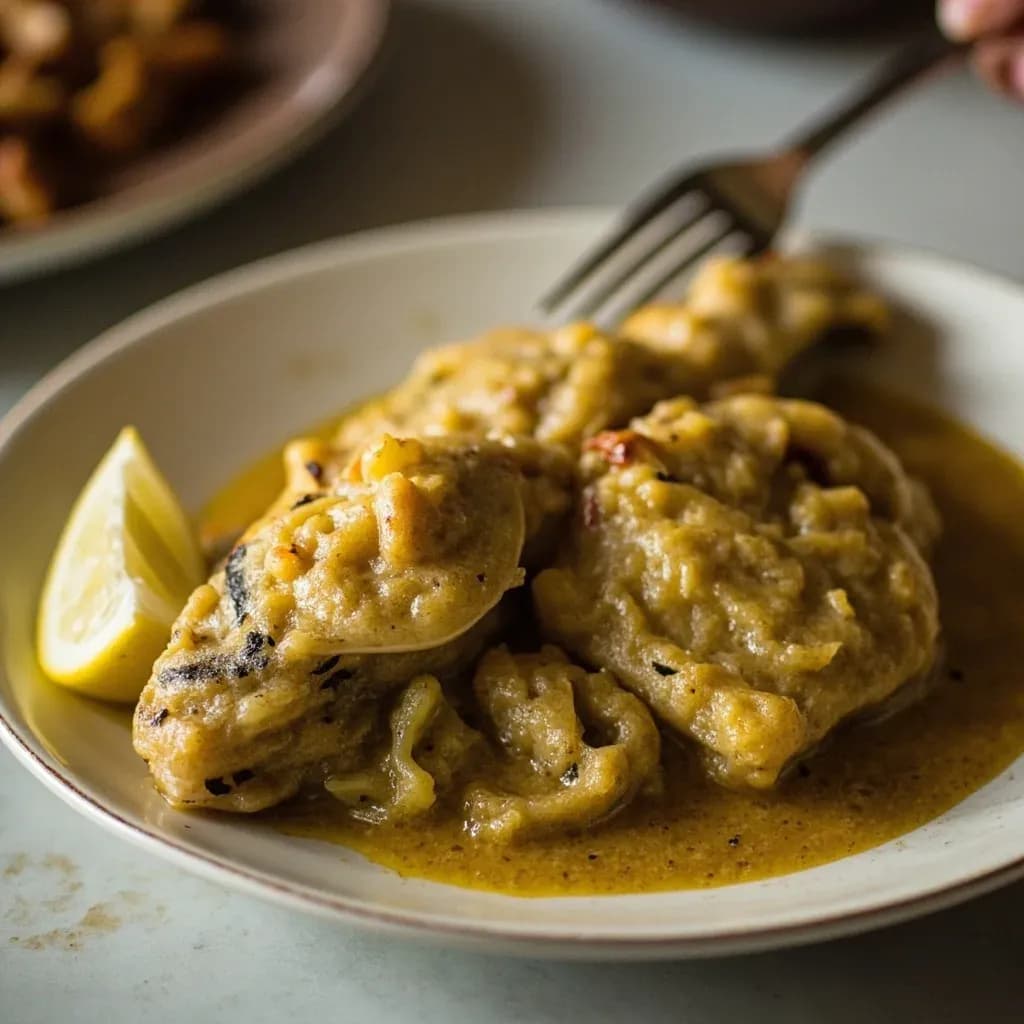
Proteins
Fish Head
Collagen-rich fish head for curries, soups, and steamed dishes.
Fish heads are prized in many cuisines for the gelatinous, tender flesh in the cheeks and collar. They star in dishes like Singaporean fish head curry, Chinese steamed fish head, and rich fish soups. Their cartilage and skin give broths body and a deep flavor.
Fish head is the collagen-rich front section of a dressed fish, encompassing the skull, cheeks, collar (neck), jowls, and gill plates. While dismissed as offal in much of Western commercial cooking, it represents some of the most prized and flavorful portions of the fish across Asian, Caribbean, Latin American, and African cuisines. The meat surrounding the skull—particularly the cheeks and collar—has a texture distinct from fillet: more silken and gelatinous when properly cooked, with a richness that fillets simply cannot match. The bones and cartilage release gelatin during simmering, yielding stocks of extraordinary body and mouthfeel.
The gills are the only non-negotiable removal before cooking; they contain bitter compounds and harbor bacteria that would ruin any preparation. Everything else—the eyes (considered a delicacy in some traditions for their tender, slightly briny content), the meaty cheek pads, the collagen-rich collar, and the jaw meat—is edible and valuable. Sustainability makes this cut compelling: using the head significantly reduces fish waste, making it both economically and environmentally sound. When purchasing, ask your fishmonger to saw or cleave larger heads in half for easier storage and even cooking; this also exposes the cheeks for inspection. Fish heads from oily, dark-meat fish (salmon, mackerel) yield richer, more flavorful results than white fish for stocks, while firm-fleshed heads like snapper, red snapper, and sea bass hold up better to braising and steaming.
- Measured in
- piece
- Storage
- Fridge
Allergens
Types & varieties
Large, meaty cheeks; ideal for chowders, soups, and stocks
High fat content; prized for stocks, terrines, and steaming; cheeks are particularly fatty and delicate
Classic for Caribbean and Southeast Asian curries; sweet, firm flesh
Clean flavor; popular in Chinese steamed preparations
Firm, mild flesh; traditional in Southern US and Vietnamese cooking
Thick, meaty collar; excellent for grilling or stock
Mild flavor; common in Chinese and Southeast Asian recipes
French cuisine staple; cheeks are a delicacy with dense, lobster-like texture
Widely used in Singapore, Malaysia, and Caribbean fish head curry
Traditional in Eastern European Jewish cooking, particularly for gefilte fish
Common uses
Tips & pitfalls
- Rinse the head thoroughly under cold water, paying attention to the gill cavity and eye sockets where blood and debris collect
- Always remove the gills entirely—they release bitter, cloudy compounds and harbor bacteria
- For stock, simmer gently for 30–45 minutes only; boiling creates murky stock and extracts bitter compounds from bones
- The cheeks and collar (neck meat) are the most prized portions—aim to preserve them intact when breaking down the head
- If steaming whole, score the thickest parts of the head (cheeks and jaw) to ensure even cooking throughout
- Add a splash of vinegar or wine to the cooking liquid to help extract minerals and mellow fishiness
- When buying whole fish for head-only use, negotiate a discount or request it free—processors often throw them away
- Fish heads from oily, dark-meat fish (salmon, mackerel) yield richer, more flavorful stock than white fish
- For curry, briefly pan-fry or sear the head before braising to caramelize surface proteins and build depth
- Do not overcook the cheeks—they turn mealy and dry within minutes past done
Nutrition
Nutrition
No USDA FoodData Central match for Fish Head yet. We surface a per-100 g profile once a generic whole-food entry is matched and verified.
In the shops
Matched grocery products
No matched grocery products for Fish Head yet.
Good to know
- Collagen content
- Very high; yields gelatinous stock when simmered
- Key nutrients
- Omega-3 fatty acids, vitamin B12, niacin, selenium, phosphorus
- Best parts
- Cheeks, collar (neck), and jowls yield the most tender meat
- Freshness sign
- Clear, bright eyes; bright red gills; firm flesh; mild ocean scent
- Storage (fresh)
- Use within 1–2 days, refrigerated on ice or buried in salt
- Storage (frozen)
- Up to 3 months, well-wrapped
- Gills
- Always remove before cooking; contain bitter compounds and bacteria
- Common cuts
- Whole head; split head (butterflied); head-on rack for smoking
Substitutes
- Fish frames (framesque) — The bony skeleton leftover after filleting; lacks the cheek meat but provides good flavor for stocks and broths
- Whole small fish (pan-dressed) — A 1–2 lb whole fish with head and tail still on works for most recipes calling for fish head; adjust cooking time accordingly
- Fish stock concentrate — Commercial or homemade; acceptable for stock bases but lacks the gelatin and depth of a true head-based stock
- Shrimp shells — For adding shrimp flavor to a stock; not a true substitute for fish head's collagen or texture contribution
Pairs with
Also called
鱼头 · Yu Tou
Related
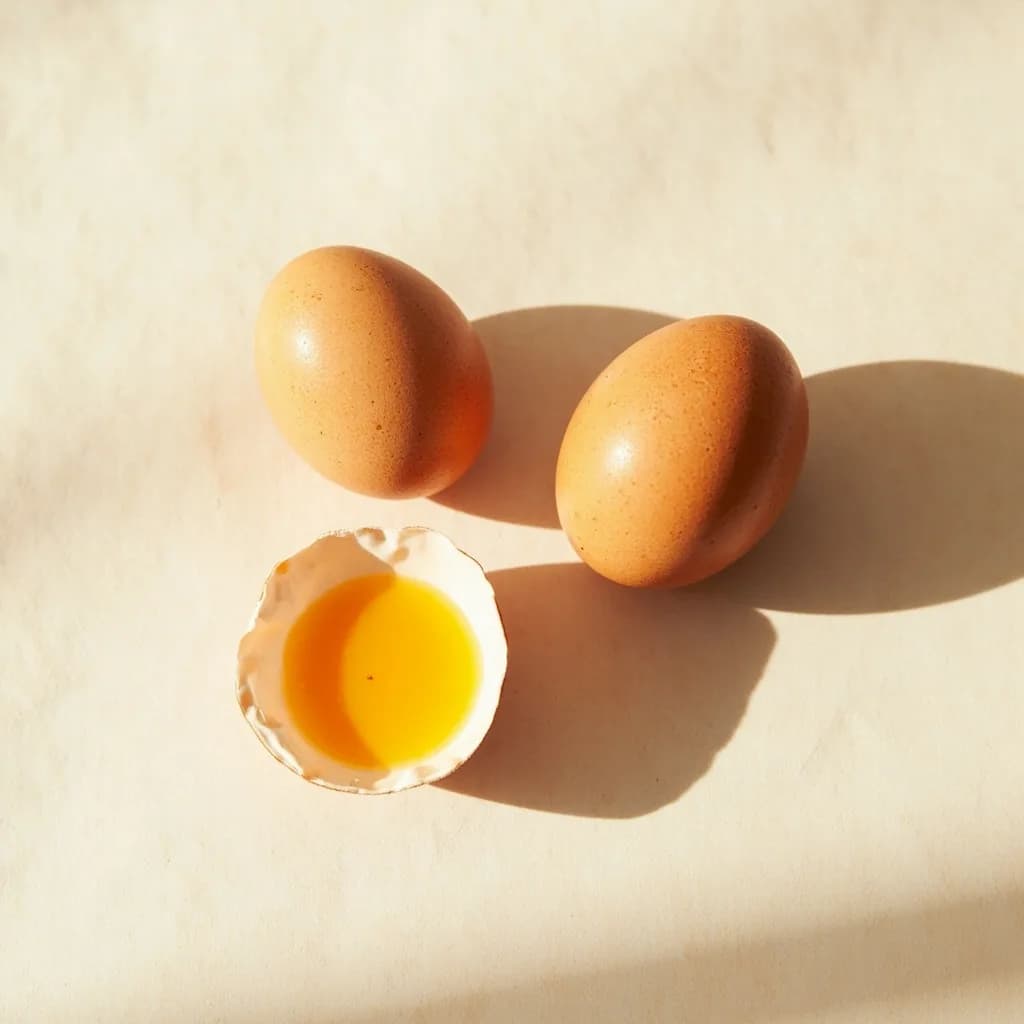
Egg
The kitchen's everything ingredient — bind, leaven, enrich, or fry
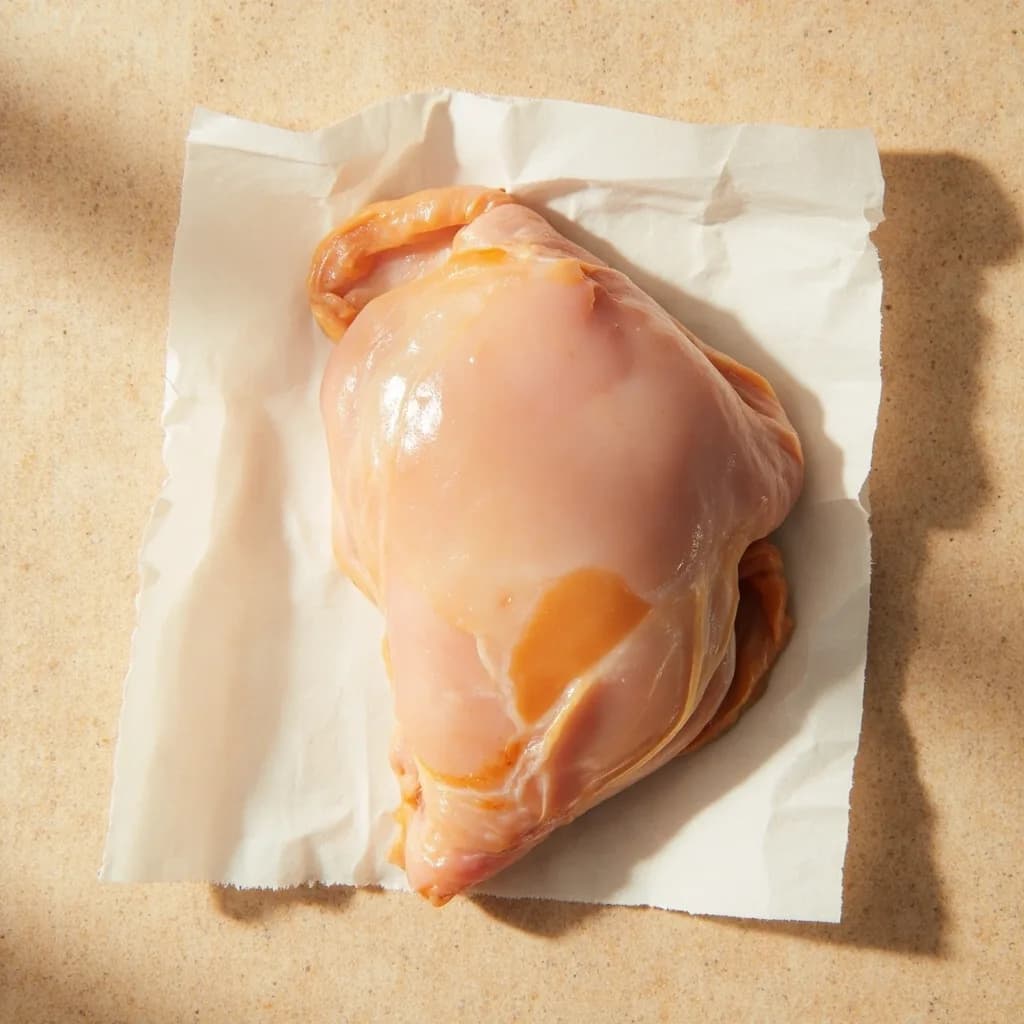
Chicken Breast
Lean, quick-cooking white meat for everyday dinners

Ground Beef
Versatile minced beef for burgers, ragù, tacos, and meatballs
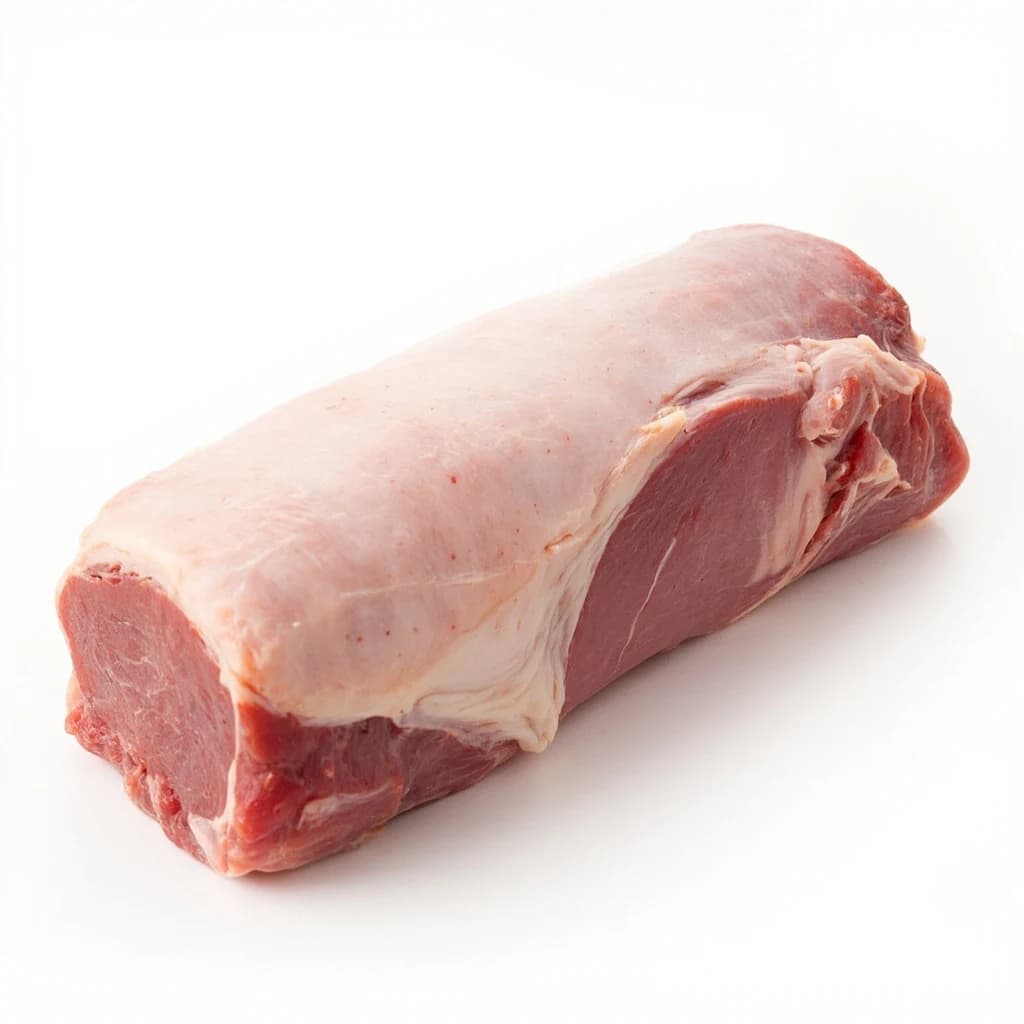
Pork Loin
Lean, tender roasting cut that stays juicy with care
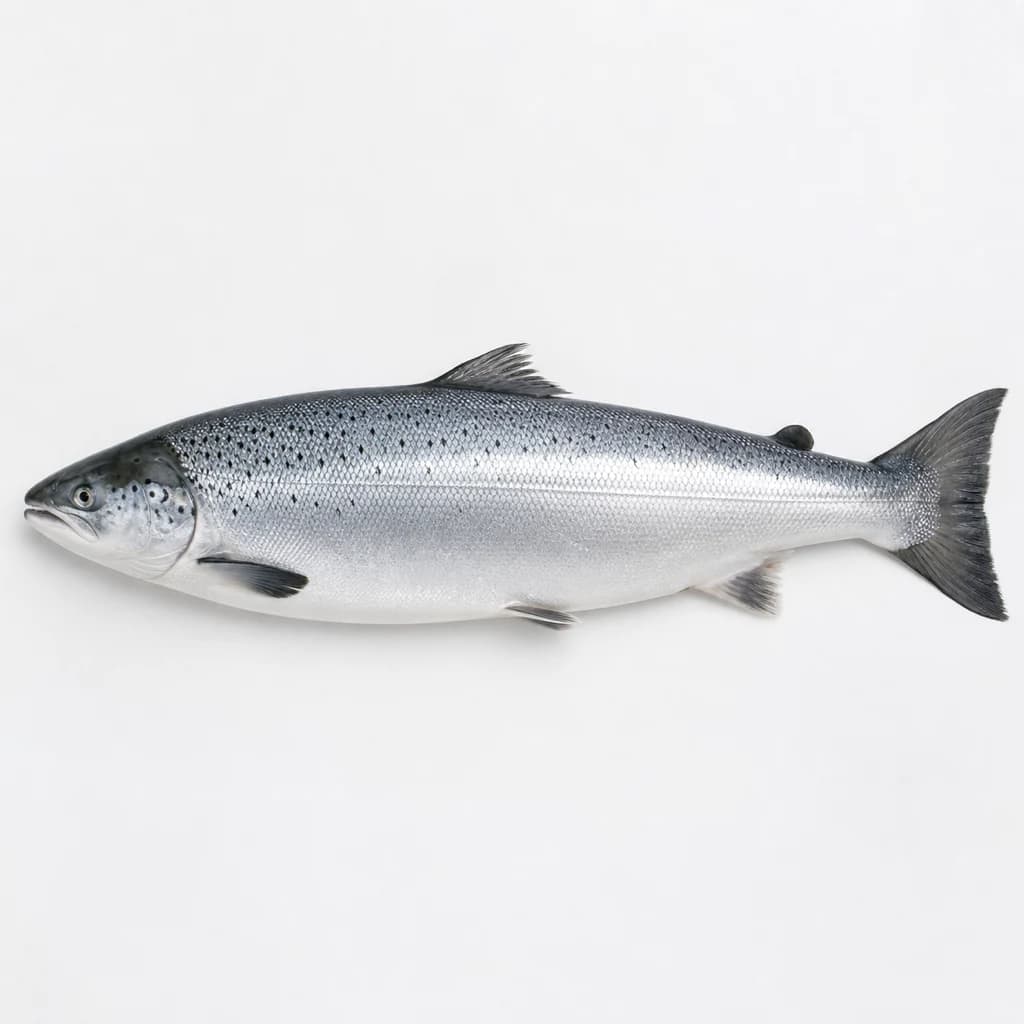
Salmon
Rich, rosy fish that roasts, grills, or cures beautifully

Egg White
Pure protein that whips to airy peaks for meringue and more

Egg Yolk
Rich, golden yolk for custards, mayonnaise, and pasta

Quail Egg
Tiny, speckled eggs for garnishing and elegant bites