
Natural form
Raw shrimp shells and heads arranged on a plain white background showing their translucent pink-grey color.
Shows the reader exactly what the raw material looks like — color, translucency, and mixed head-plus-body-shell composition — so they can recognize it before use.
Proteins
Shrimp Shells
Shrimp shells and heads simmered or roasted to make rich seafood stock and bisque.
Shrimp shells are the discarded heads and shells of shrimp, prized for the deep seafood flavor they release when simmered or roasted. They are the base for stocks, bisques, and shellfish-infused oils and sauces. Toasting the shells first intensifies their sweet, briny aroma.
Shrimp shells are the exoskeleton of shrimp, composed primarily of chitin reinforced with calcium carbonate, and contain the pigment astaxanthin that gives them their characteristic color. When roasted or simmered, these shells release their stored glutamates and aromatic compounds into liquid, creating one of the most intensely flavored seafood foundations available. The shells themselves do not dissolve during cooking—their chitin structure remains intact—which is why proper straining is essential to achieve a clean, refined stock or bisque.
Heads, when attached, dramatically amplify the flavor profile. The hepatopancreas (tomalley) in shrimp heads contains concentrated fats and flavor compounds that produce a stock with 3–4 times the intensity of shells alone. This is why professional kitchens prioritize head-on, shell-on shrimp for stock-making whenever possible. Gulf brown shrimp shells tend to yield the deepest, most complex results due to higher natural pigment and mineral content from their briny environment.
The trim that many home cooks discard is precisely what industrial seafood stock manufacturers seek—the same shells and heads that seem like waste become the foundation for restaurant-quality bisques, fumets, and sauces. Making stock from scratch at home gives you fresher, more vibrant results than any commercial product, and takes only minutes of active preparation before a gentle simmer does the work.
- Measured in
- g
- Storage
- Freezer
Allergens
Types & varieties
Mildest, most versatile; ideal for delicate bisques and clear stocks
Slightly sweeter; traditional for Louisiana-style étouffée and gumbos
From cocktail shrimp; usable but yields thinner, less vibrant stock—better for quick applications
Highest intensity; heads contain hepatopancreas with concentrated flavor and fat—prioritize these when available
Larger, tougher; need longer cooking; excellent for robust Southeast Asian-style stocks
Choosing and Storing Shrimp Shells
The quality of your shells directly determines the quality of your stock. Fresh, raw shells from head-on shrimp yield the most flavorful results. If buying whole shrimp specifically for shells, select the freshest available—smell should be clean and briny, never fishy or sour. Avoid shells that have been sitting in display cases too long or show signs of discoloration beyond their natural pink or orange hue.
- Ask your fishmonger to peel shrimp on the spot for the freshest shells
- Rinse shells only if visibly dirty; do not soak them as you will lose precious juices
- Store fresh shells on ice or in the coldest part of the refrigerator and use within 24 hours
- For longer storage, flash-freeze shells in a single layer on a sheet pan, then transfer to freezer bags
- Label bags with date and approximate weight for easy portioning later
Common uses
Tips & pitfalls
- Roast shells in oven at 400°F (200°C) for 10–15 minutes or in pot until they turn bright orange and fragrant—this deepens color and intensifies flavor via Maillard reaction
- Rinse shells only if visibly dirty; do not soak as you will lose precious juices
- Add heads first if available and cook 5 minutes longer than shells alone for maximum extraction
- For clear stock: simmer gently, never boil aggressively—vigorous boiling clouds the liquid and releases bitter compounds
- Strain through fine-mesh strainer lined with cheesecloth twice; press shells firmly to extract all liquid
- Season stock only at final use, not during cooking—adjust concentration and salt at the end
- Freeze shells in recipe-portioned bags for instant stock on demand
- Do not overcook stock beyond 45 minutes—shells release bitterness and the liquid reduces to syrup
- For bisque: roast shells, then add tomato paste and cook until brick-red before deglazing with white wine
Nutrition
Nutrition
No USDA FoodData Central match for Shrimp Shells yet. We surface a per-100 g profile once a generic whole-food entry is matched and verified.
In the shops
Matched grocery products
 €3.95
€3.95Shrimp Gyoza
ORIENTAL MARKET · kg · Bonpreu
 €6.95
€6.95Cooked Shrimp
300 g · Mercadona
 €1084.05
Cooked Shrimp
kg · Mercadona
 €6.30
€6.30Cooked Prawn
600 g · Mercadona
 €4.89
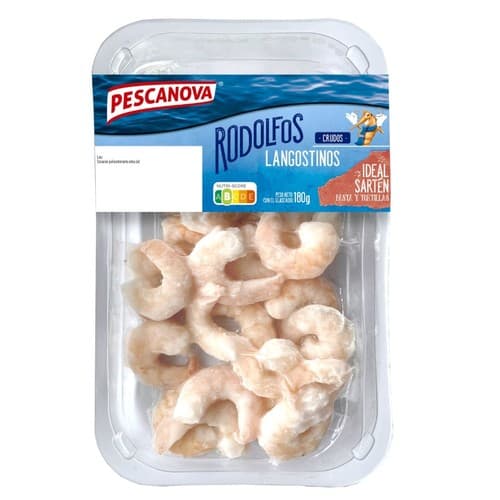
€4.89Peeled Raw Shrimp
PESCANOVA · kg · Bonpreu
 €10.95
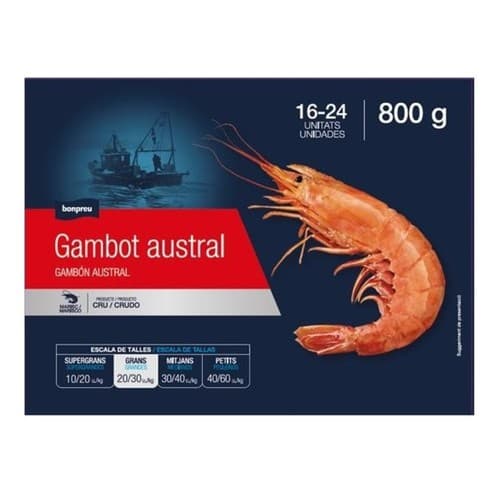
Australian Prawn
BONPREU · kg · Bonpreu
Good to know
- Shelf life (refrigerated)
- 1–2 days after peeling
- Shelf life (frozen)
- Up to 3 months in sealed freezer bag
- Yield
- 1–1.5 lbs shells yields 4–6 cups stock
- Primary compounds
- Chitin, astaxanthin, glucosamine, calcium carbonate
- Stock cook time
- 20–45 minutes maximum; longer yields bitterness
- Shells-to-liquid ratio
- 1 quart water per 1 lb shells
- Equipment needed
- Heavy-bottomed pot, fine-mesh strainer, spider or slotted spoon
Substitutes
- Lobster shells — Closest flavor match; use 1:1 ratio; cook no longer than 30 minutes
- Crab shells — Good substitute; slightly sweeter; excellent for Chesapeake-style preparations
- Commercial seafood base — Instant substitute but not equivalent to homemade; use sparingly as it can taste artificial
- Fish bones and heads — Weaker flavor; acceptable for lighter seafood stocks but noticeably different
Pairs with
Also called
Prawn Shells
Appears in these dishes
Related
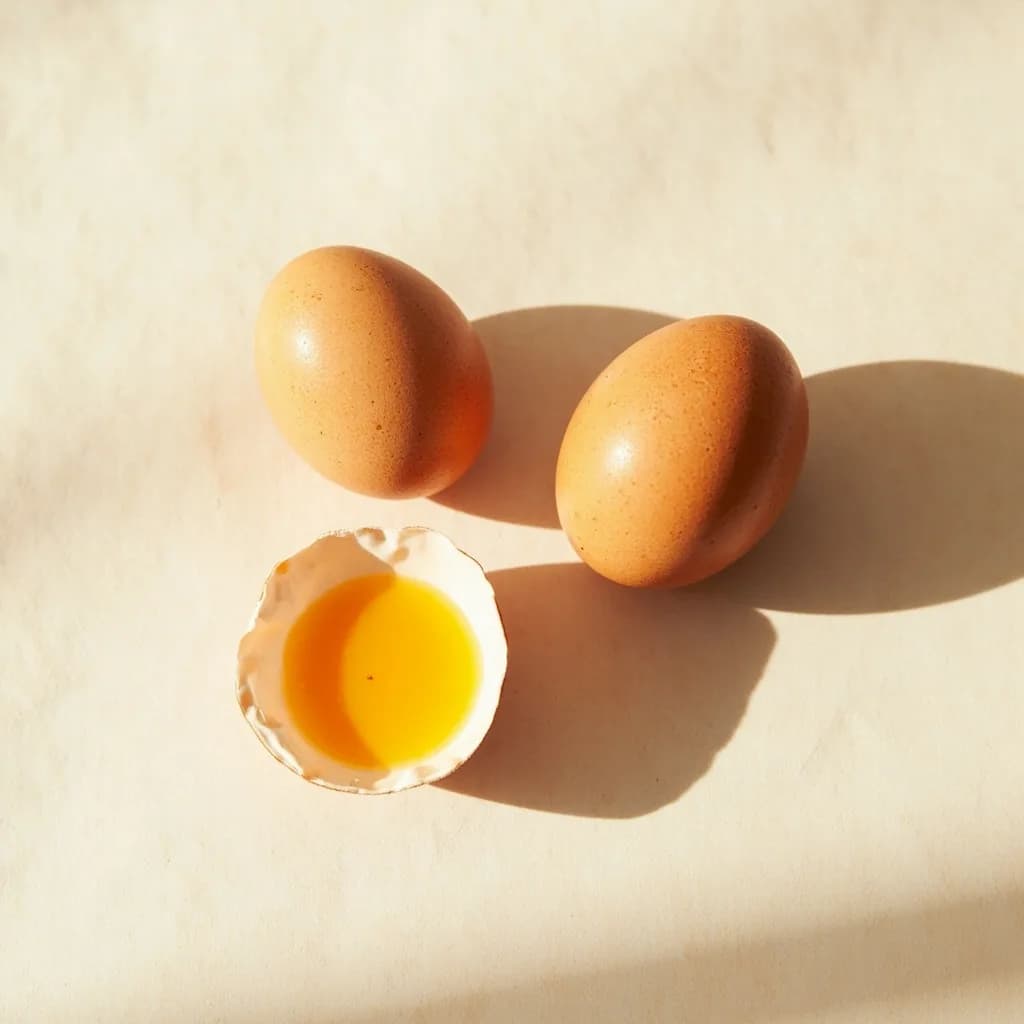
Egg
The kitchen's everything ingredient — bind, leaven, enrich, or fry
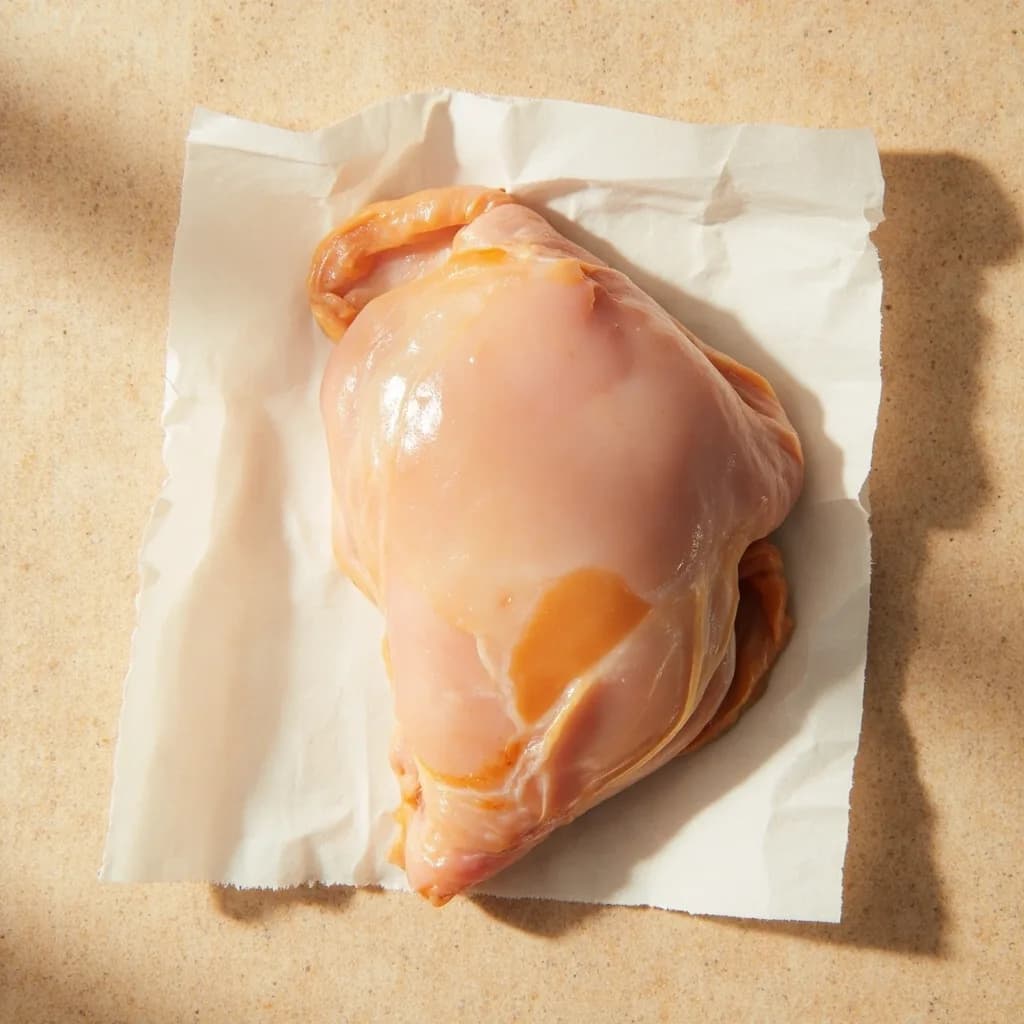
Chicken Breast
Lean, quick-cooking white meat for everyday dinners

Ground Beef
Versatile minced beef for burgers, ragù, tacos, and meatballs
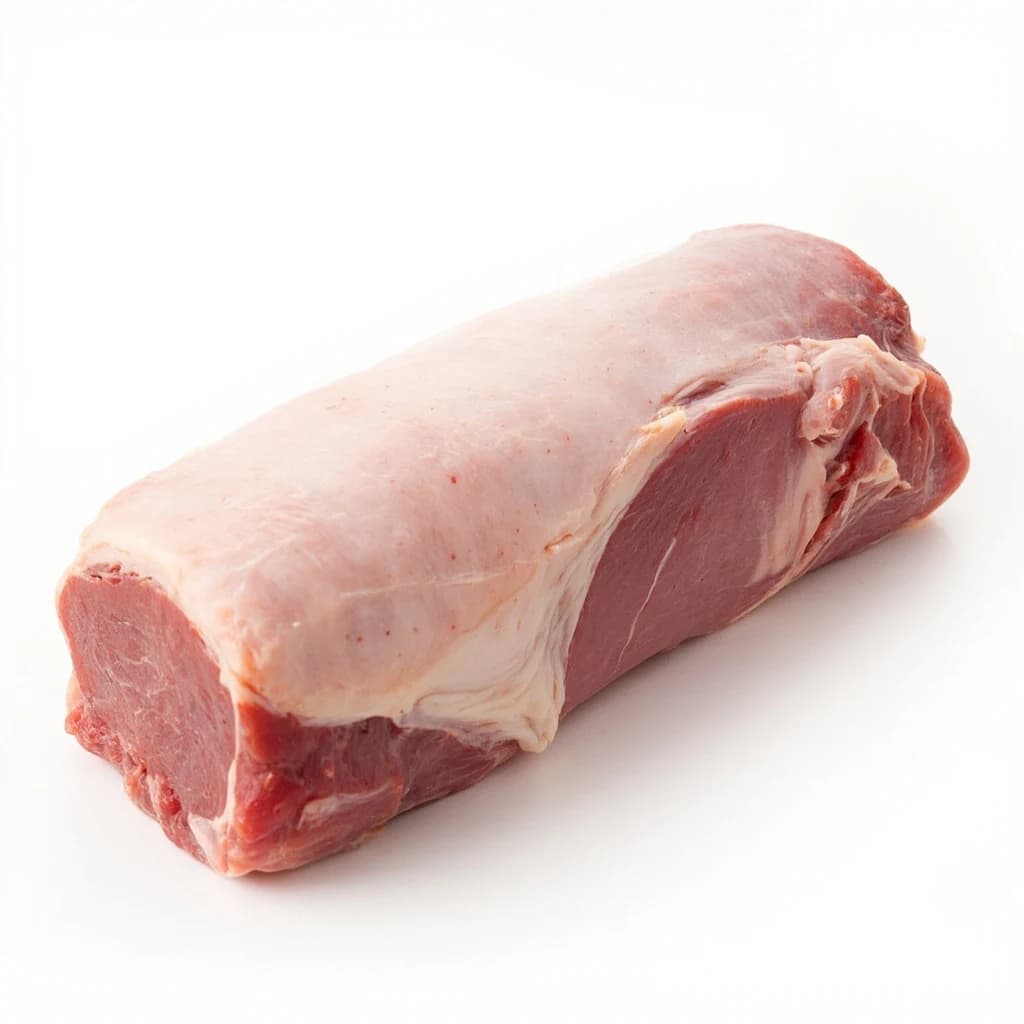
Pork Loin
Lean, tender roasting cut that stays juicy with care
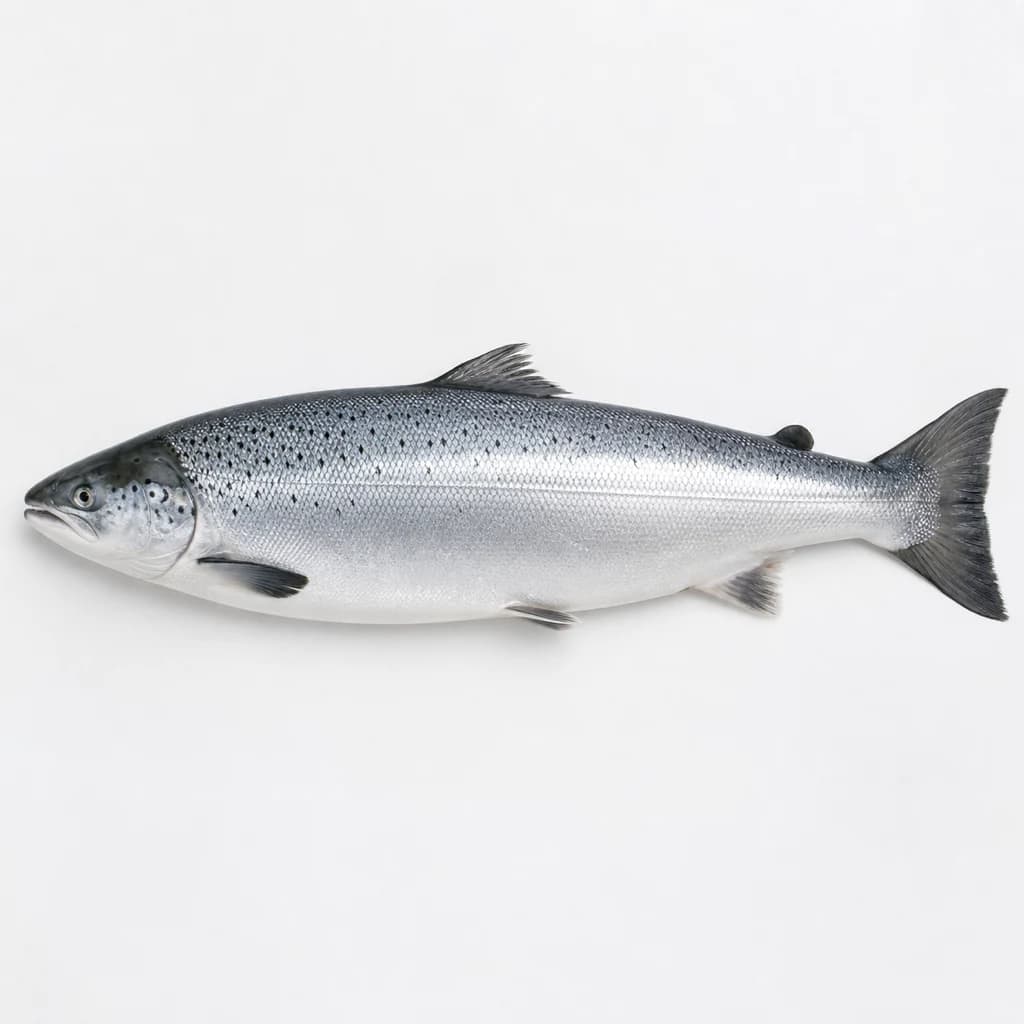
Salmon
Rich, rosy fish that roasts, grills, or cures beautifully

Egg White
Pure protein that whips to airy peaks for meringue and more
Egg Yolk
Rich, golden yolk for custards, mayonnaise, and pasta

Quail Egg
Tiny, speckled eggs for garnishing and elegant bites