Proteins
Frankfurter Sausage
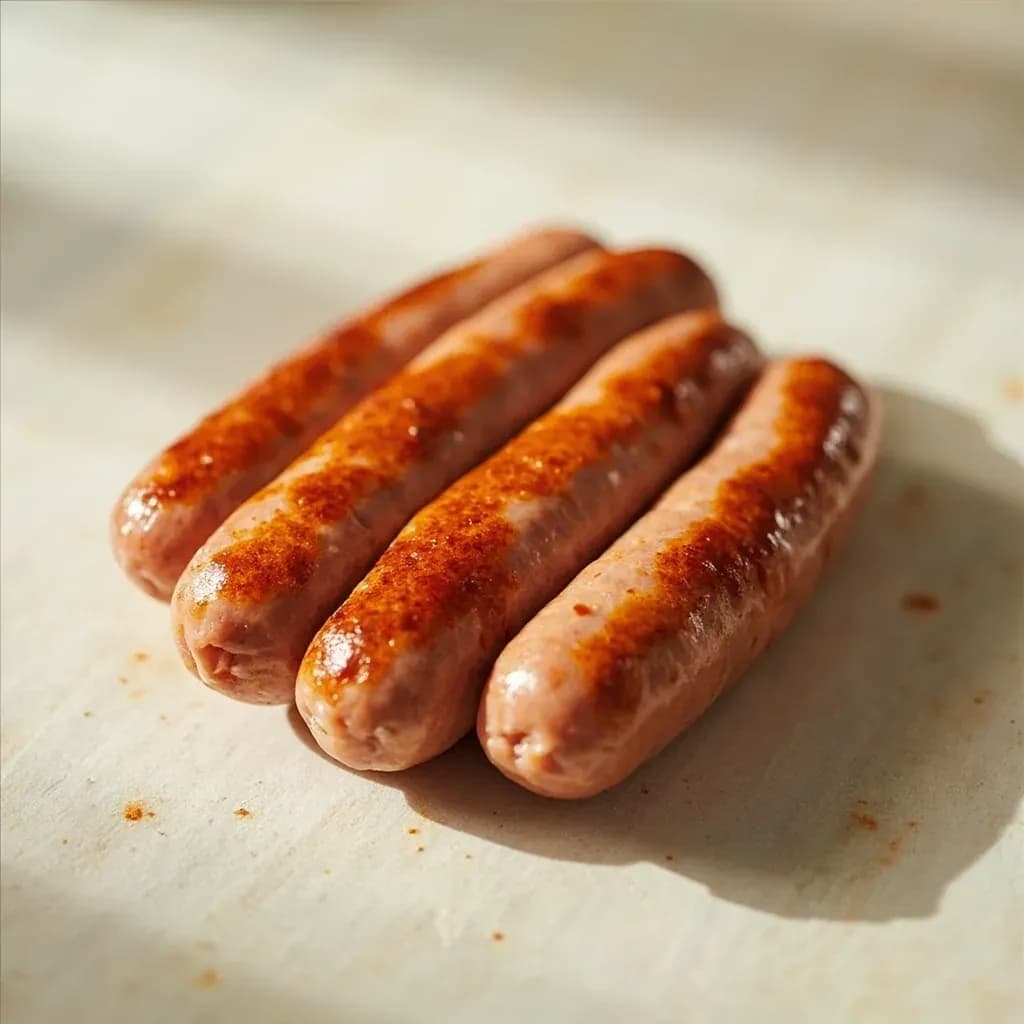
Smooth, smoked pork-and-beef sausage in a thin casing — the original hot dog, poached or grilled.
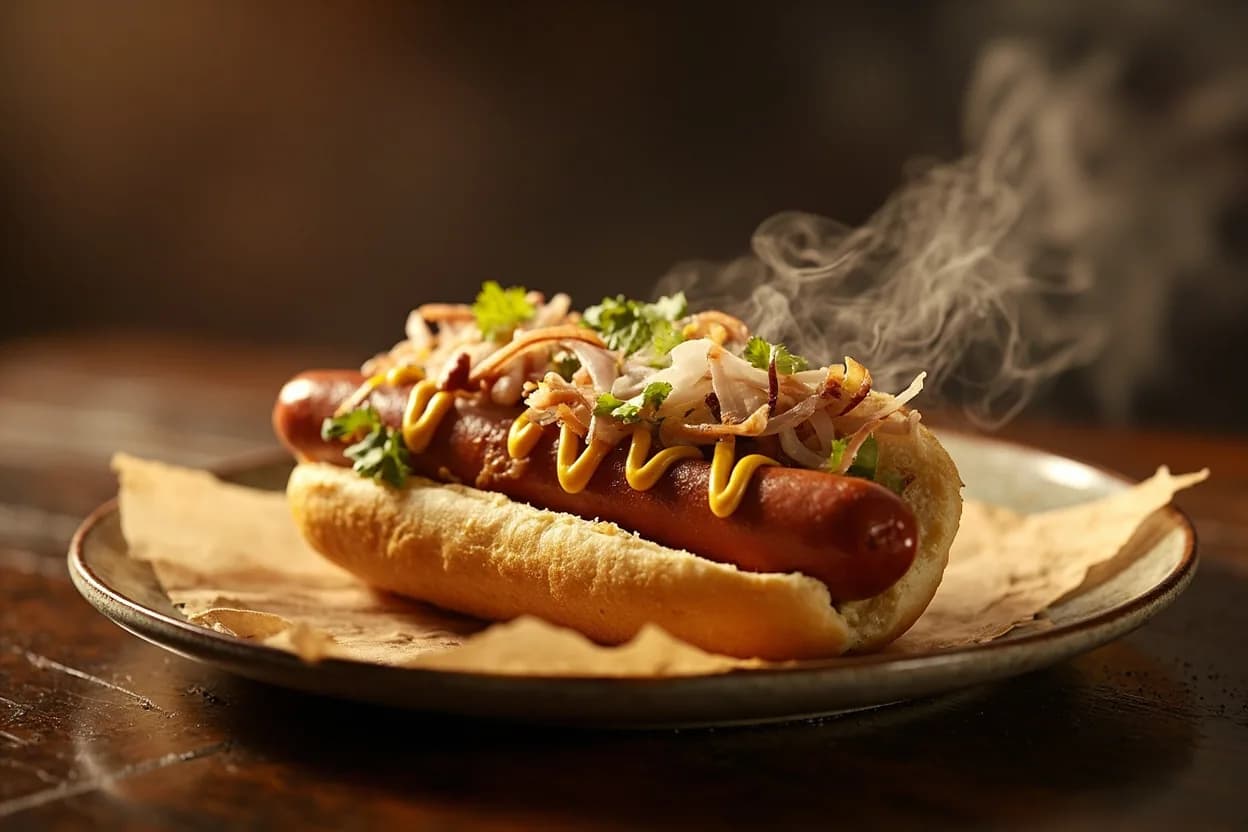
The frankfurter is a finely emulsified, smoked sausage of pork and/or beef in a slender casing, originating in Frankfurt, Germany. It is gently poached or grilled and served in a bun as a hot dog or alongside mustard, sauerkraut, and potato salad. Its mild, smoky flavor and snappy bite come from the fine grind and light smoking.
The frankfurter — often called the wiener or simply hot dog — traces its roots to Frankfurt am Main, Germany, in the mid-1800s. While its precise origin is disputed, the smoked sausage formula using pork and beef stuffed into natural casing became established in German charcuterie. Originally known as "Frankfurter Würstchen," it was a fully cooked, link-style sausage that traveled well, making it a staple for travelers and eventually migrating with German immigrants to the United States, where it became the defining street food of Coney Island and New York. Today, USDA regulations require any product labeled "frankfurter" in the United States to be fully cooked, distinguishing it from fresh sausages like bratwurst that require heat application. The frankfurter's defining characteristic is its firm snap when bitten — that satisfying resistance from the casing — and a tender, fine-textured interior that holds moisture due to its emulsion-like preparation. Its behavior in cooking is forgiving: already cooked, it needs only reheating, making it an ideal weeknight protein. The casing will burst under high dry heat if not pierced, and excessive boiling can make it rubbery, so understanding this duality is key to achieving the best texture.
The classic German frankfurter traditionally uses a higher pork content, giving it a richer flavor than many American counterparts. Natural sheep or pork casing provides that distinctive snap, though collagen casings and skinless varieties dominate U.S. retail for practical reasons — skinless links are easier to peel, and collagen casings allow for consistent, automated production. The diameter of approximately 26–28 mm (about 1 inch) fits perfectly in a standard split-top hot dog bun, though shorter lengths of 10–15 cm make for a neater eating experience. The smoking process imparts a deep amber color and characteristic smoky aroma that defines the flavor profile. Beyond the classic, the frankfurter family has expanded considerably: all-beef versions satisfy kosher requirements, poultry-based varieties appeal to lower-fat diets, and specialty versions incorporate cheese, bacon, or regional spice blends.
- Measured in
- g
- Storage
- Fridge
Types & varieties
Pork and beef, smoked, natural casing; coarser texture, deeper smoke flavor than American versions
Austrian counterpart; often finer in texture, though names are used interchangeably
No casing; smoother surface, easier to peel, popular in U.S. retail
All-beef formulation; kosher varieties fall here
Chicken or turkey based; lower fat, milder flavor
Contains chunks or flecks of cheese (cheddar, blue, pepper jack)
Casing wrapped in bacon strips before smoking
Beef-heavy, finer grind, heavier smoke; specific to regional U.S. traditions
Common uses
Tips & pitfalls
- Pierce the casing before grilling or pan-frying to prevent bursting — two or three small slits with a paring knife are sufficient
- Use simmering liquid, not boiling water, for poached frankfurters — vigorous boiling makes the casing split and the sausage rubbery
- For best texture, grill or pan-fry after parboiling/steaming to develop a browned, slightly crisp exterior
- Natural casings give a superior snap when bitten compared to collagen or skinless varieties; check packaging if casing preference matters
- When buying, look for frankfurters with visible meat texture — overly smooth, pale, and soft products indicate high water content and less flavor
- Leftover frankfurters should be refrigerated within two hours of cooking; reheat thoroughly before consuming again
- Do not cook from frozen in boiling water — thaw first or use a gentle simmer from frozen, extending cooking time accordingly
- For beer-braised frankfurters, use a dark lager or pilsner; add sliced onions to the liquid for added sweetness and depth
Nutrition
Energy
649 kJ · per 100 g
Where the calories come from
Protein
18.8g
38% DV
Carbs
0.5g
0% DV
Fat
8.1g
10% DV
Fiber
0g
0% DV
Sugars
0g
of which
Sodium
593mg
26% DV
Source · USDA FoodData Central · approx. Sausage, turkey, fresh, raw
View on FDC →In the shops
Matched grocery products
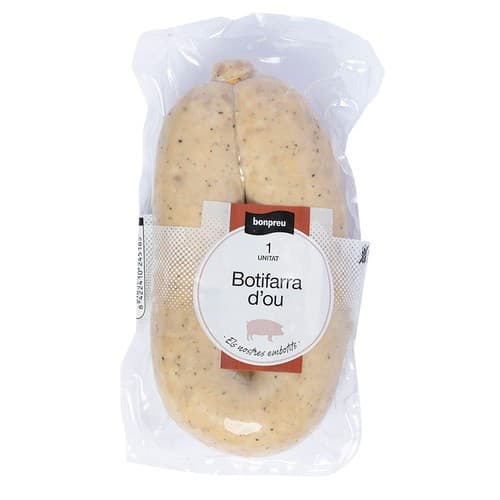 €3.79
€3.79Egg Sausage
BONPREU · kg · Bonpreu
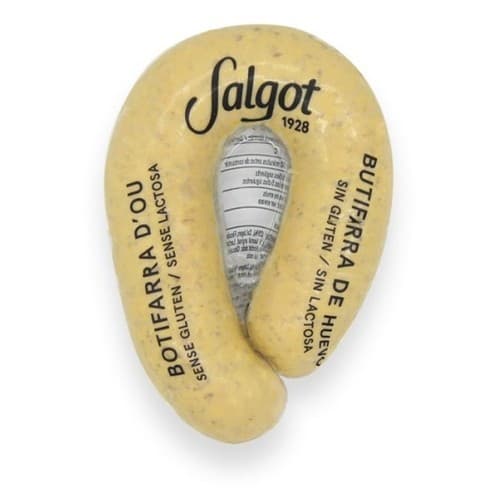 €4.99
€4.99Egg Sausage
SALGOT · kg · Bonpreu
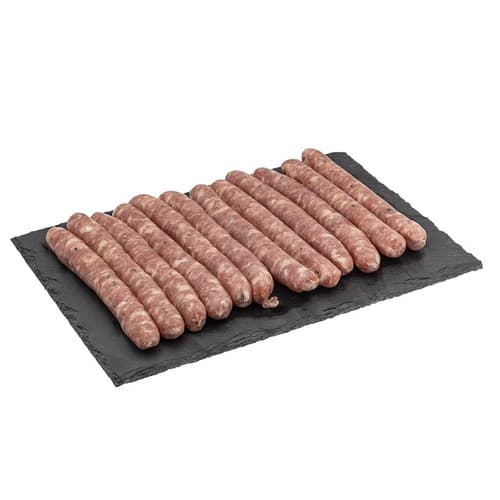 €5.99
€5.99Pork Sausage
BONPREU DE L'ERA · kg · Bonpreu
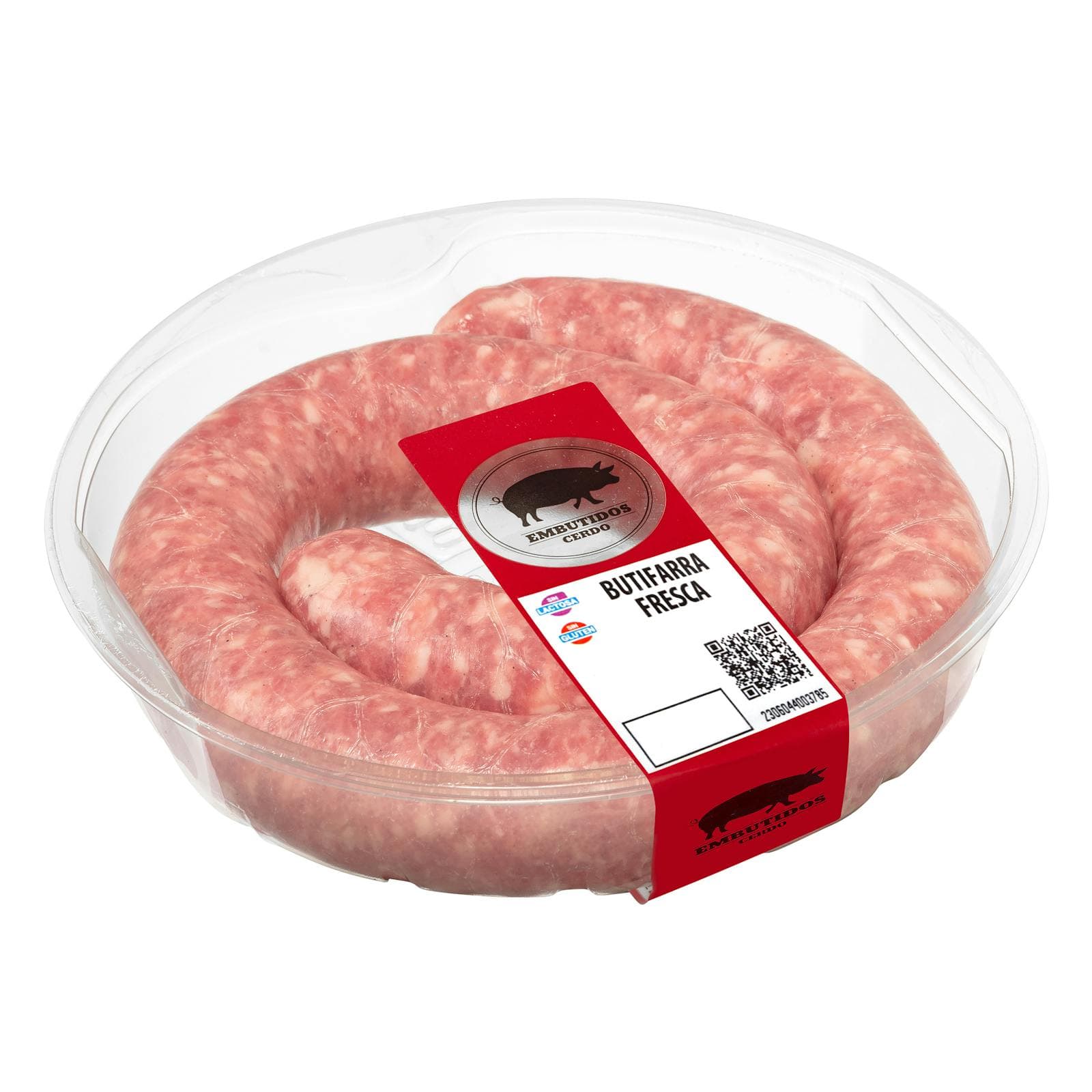 €3.62
€3.62Fresh Sausage
640 g · Mercadona
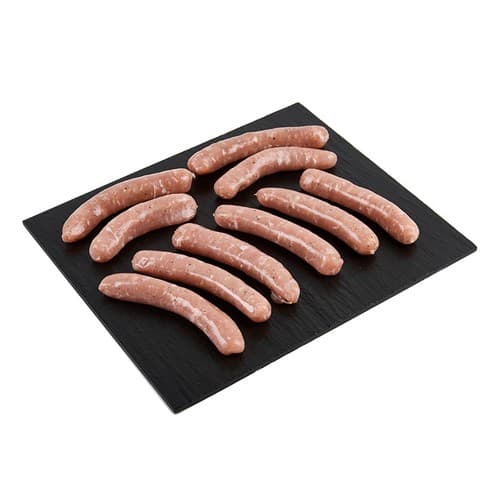 €6.75
€6.75Rabbit Sausage
BONPREU · kg · Bonpreu
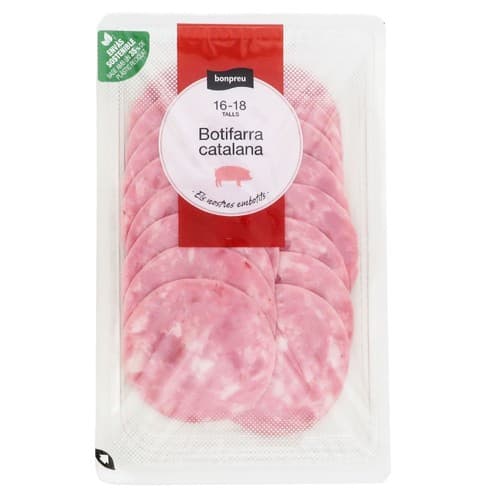 €1.89
€1.89Catalan Sausage
BONPREU · kg · Bonpreu
Good to know
- Origin
- Frankfurt am Main, Germany, mid-1800s; exact inventor disputed
- Traditional Formula
- Typically higher pork content than U.S. versions; 4:1 pork to beef ratio cited for classic German production
- Casing
- Natural sheep or pork casing; collagen casing; also available skinless
- Diameter
- Approximately 26–28 mm (about 1 inch)
- Length
- Typically 10–15 cm (4–6 inches)
- State
- Fully cooked and smoked; requires only reheating
- U.S. Regulation
- USDA requires frankfurters labeled as such to be fully cooked; water content regulated
- Storage (refrigerated)
- Unopened, 2 weeks; opened, 1 week
- Storage (frozen)
- Up to 1–2 months in freezer
- Reheating Temperature
- Should reach 74°C (165°F) for food safety
Substitutes
- Bratwurst — Fresh, uncooked sausage; must be grilled or pan-fried; milder pork flavor, no smoke
- Bockwurst — German sausage made primarily of veal and pork; also fully cooked, similar texture but often flavored with chives
- Knockwurst (Knackwurst) — Shorter, thicker, garlicky; intense flavor, good snap when bitten
- Polish Kielbasa — Coarser grind, stronger garlic, smoked; can be used raw or cooked depending on type
- Fresh Italian Sausage — Not cooked or smoked; requires full cooking; different flavor profile with fennel and pepper
- Vienna Sausage (in cans) — Smaller, thinner, fully cooked; less structural integrity for grilling applications
Pairs with
Also called
Frankfurter Sausage (Frankfurter) · Wiener Sausage (Wiener Würstchen) · Hot Dog
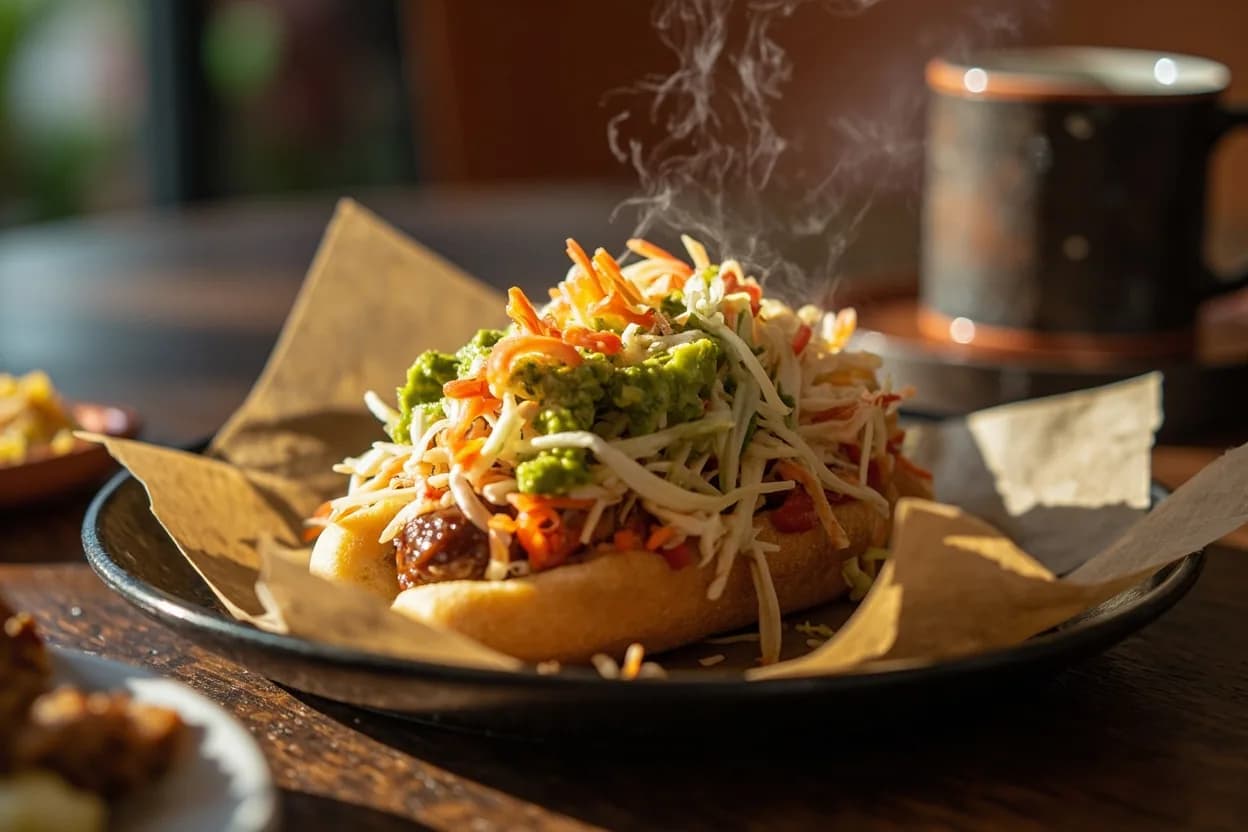
Appears in these dishes
Related

Egg
The kitchen's everything ingredient — bind, leaven, enrich, or fry
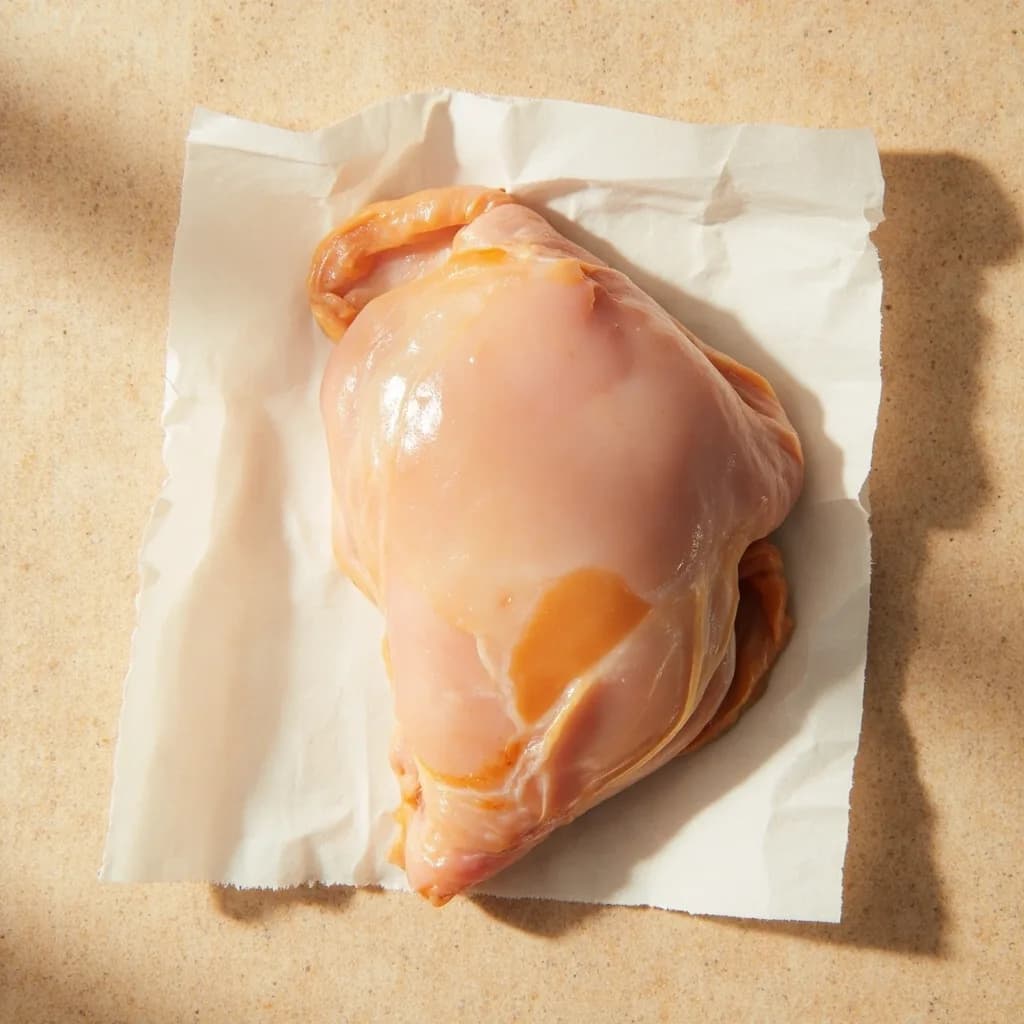
Chicken Breast
Lean, quick-cooking white meat for everyday dinners

Ground Beef
Versatile minced beef for burgers, ragù, tacos, and meatballs
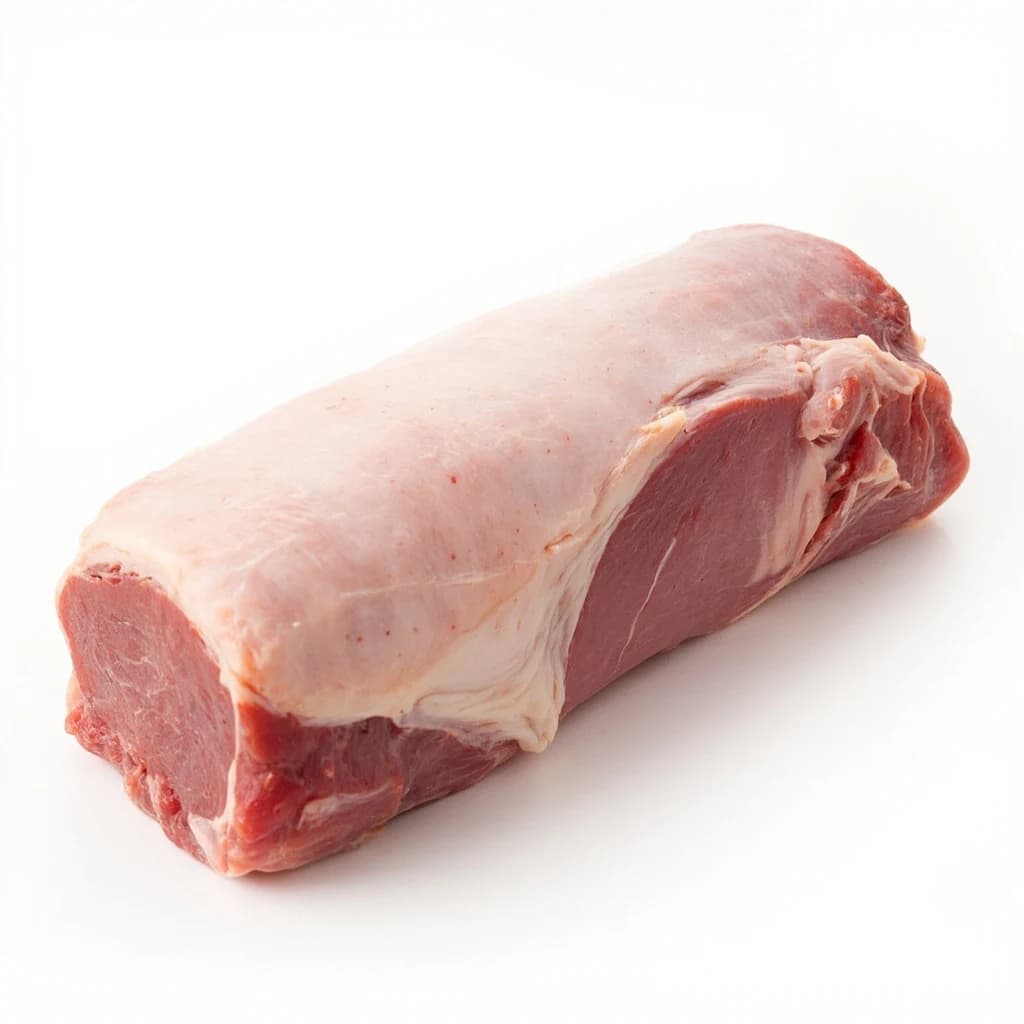
Pork Loin
Lean, tender roasting cut that stays juicy with care
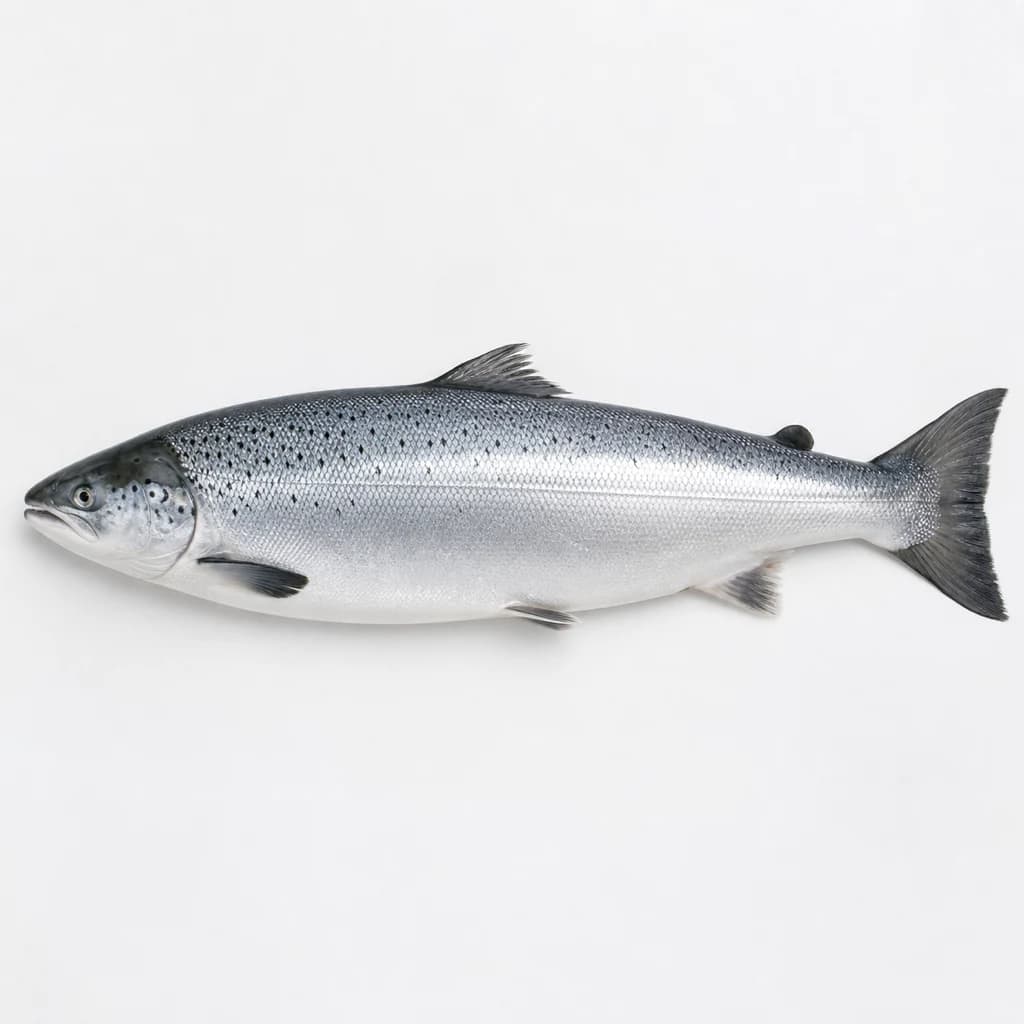
Salmon
Rich, rosy fish that roasts, grills, or cures beautifully

Egg White
Pure protein that whips to airy peaks for meringue and more

Egg Yolk
Rich, golden yolk for custards, mayonnaise, and pasta

Quail Egg
Tiny, speckled eggs for garnishing and elegant bites