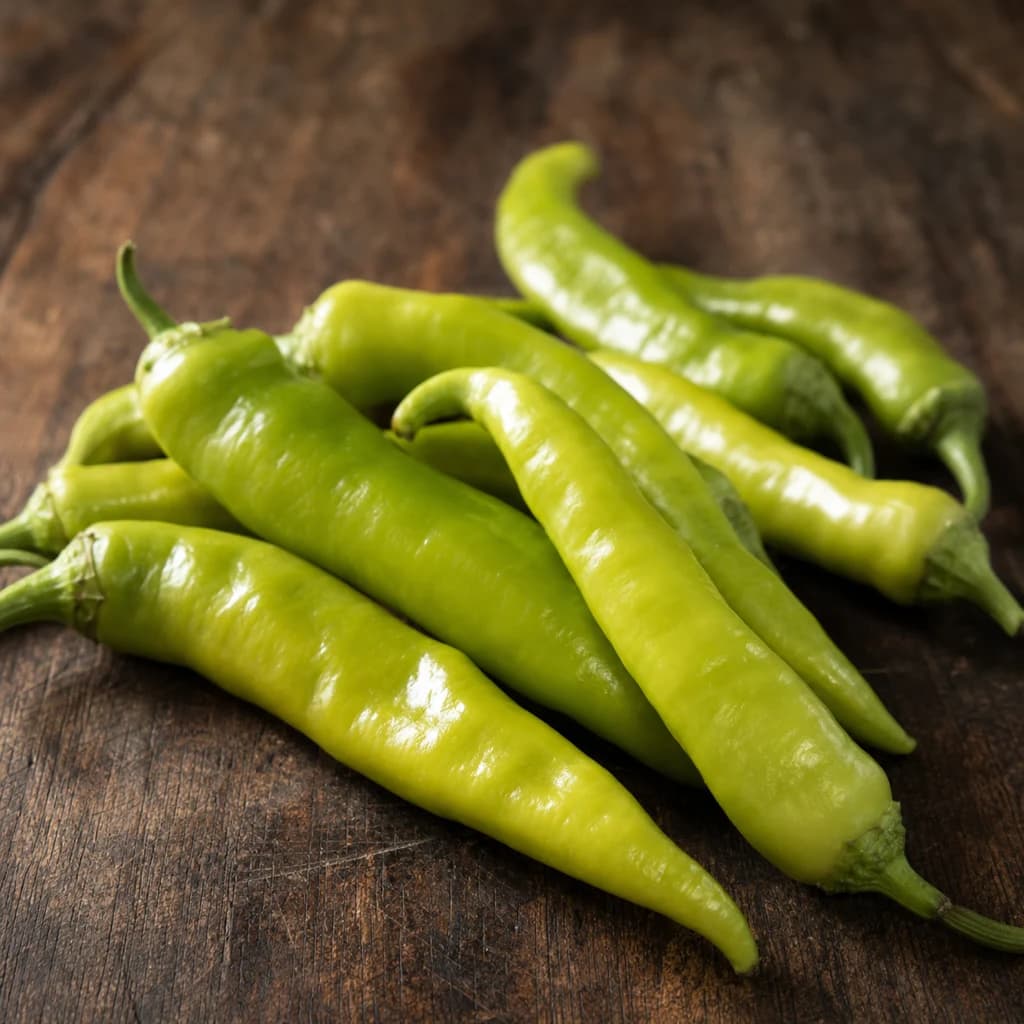
Natural form
Fresh Gernika peppers as harvested: slender, light-green, and tender.
Shows the raw ingredient in its recognizable whole form so readers can identify it at a market or shop.
Produce
Gernika Pepper
Slender Basque green pepper, fried whole in olive oil for a mild, occasionally spicy tapa.
Gernika peppers are slim, light-green peppers from the Basque Country, traditionally fried whole in olive oil and sprinkled with coarse salt. Most are mild and sweet, though the odd one carries a surprising kick, making them a beloved tapa similar to padrón peppers. They are picked young and tender for the best frying texture.
The Gernika pepper is the defining frying pepper of Basque Country cuisine — a slender, thin-walled Capsicum annuum variety grown in the region around the town of Gernika (Gernika-Lumo) in Bizkaia province. Unlike the thick-walled bell peppers found in most kitchens, this pepper is built for high, dry heat: its thin flesh blisters and caramelizes in minutes, turning tender and slightly sweet with a gentle, vegetal bitterness that cuts through the oil. The pepper is most famously fried whole in abundant olive oil until blistered and soft, then finished with a drizzle of the cooking oil and coarse salt — a tapa called piparrak in Basque. What makes the Gernika distinctive is its variability: peppers from the same plant can range from nearly heatless to moderately spicy (500–2,500 SHU), a characteristic that experienced Basque cooks account for by tasting one or two before preparing a batch. The Eusko Label certification protects authentic Piparra de Gernika, guaranteeing traditional small-plot cultivation and varietal purity. Beyond the iconic fried preparation, these peppers appear in piperade stews, are pickled in vinegar for bar snacks, and slice raw into salads for a clean, bright crunch. In Basque cooking, the Gernika pepper is not an afterthought — it is a cornerstone of the region's identity on the plate.
- Measured in
- piece
- Storage
- Fridge
Types & varieties
The canonical variety from Bizkaia province; Eusko Label certification ensures traditional small-plot cultivation and varietal purity; sold fresh at market in summer
Essentially the same pepper variety under a different regional name; elongated, thin-fleshed; widely used throughout La Rioja for frying and pickling
From Álava province; identical characteristics to the Bizkaia variety; most commonly found pickled in vinegar at bars and markets
Why Heat Varies on the Same Plant
This inconsistency puzzles first-time cooks, but it is completely normal for this variety. The genetic expression of capsaicin (the compound that creates heat) fluctuates based on where the pepper develops on the plant, how much sun it receives, and soil conditions. Peppers from the sunny outer branches tend to be hotter; those sheltered in the interior are often mild. Always taste the first pepper from any batch raw (or after a quick blistering) before seasoning the entire serving — if it has kick, you may want to reduce the salt or serve with a dairy side like Idiazábal to balance the heat.
- Cut a tiny piece from the stem end of one pepper, taste raw — adjust seasoning accordingly
- If the first pepper is mild, the batch will likely be mild; if it's spicy, the others probably are too
- Do not rely on appearance: green color tells you nothing about heat level in this variety
The Oil Is Part of the Dish
In Basque taverns, the olive oil used for frying is considered an ingredient, not just a cooking medium. After the peppers are drained, the oil — now infused with their grassy, slightly spicy essence — is drizzled back over them. Some cooks add a sliced garlic clove to the oil during frying to perfume it. Never discard this oil; sop it up with bread, use it to finish a grilled steak, or drizzle it over a fried egg.
- Use a decent extra-virgin olive oil — you will taste it
- Add a smashed garlic clove to the oil for the last 2 minutes of frying
- Reserve leftover oil for dressing grilled meats or vegetables
Common uses
Tips & pitfalls
- Prick each pepper 2–3 times with a fork near the stem end before frying to prevent oil splatter from trapped moisture
- Heat olive oil in a heavy skillet (cast iron is ideal) to 180°C (350°F) before adding peppers; test with a flick of water — it should sizzle immediately
- Fry in batches without crowding the pan; overlapping peppers drops the oil temperature and causes steaming instead of blistering
- Turn peppers occasionally with tongs; total cooking time is 8–12 minutes until the skin is blistered and charred in spots and the flesh feels soft when pressed
- Do not salt the peppers before frying — salt draws out moisture and prevents proper blistering; salt only after they are drained
- For softer, more collapsed peppers, cover the pan for the last 2 minutes to steam them gently
- If buying pickled guindillas, taste for firmness — they should have some bite, not be mushy from over-brining
- When roasting these peppers, the charred skin is desirable and traditional; do not try to peel Gernika peppers for frying — the blistered skin is the point
Nutrition
Energy
84 kJ · per 100 g
Where the calories come from
Protein
0.9g
2% DV
Carbs
4.6g
2% DV
Fat
0.2g
0% DV
Fiber
1.7g
6% DV
Sugars
2.4g
of which
Sodium
3mg
0% DV
Source · USDA FoodData Central · Peppers, sweet, green, raw
View on FDC →In the shops
Matched grocery products
No matched grocery products for Gernika Pepper yet.
Good to know
- Origin
- Basque Country, Spain (town of Gernika, Bizkaia province)
- Botanical Name
- Capsicum annuum
- Type
- Thin-walled frying pepper, elongated and slender
- Scoville Range
- 500–2,500 SHU (heat varies significantly even on same plant)
- Season
- June through September (peak summer)
- Primary Preparation
- Fried whole in olive oil until blistered and tender
- Traditional Serving
- Fried whole, drizzled with oil, sprinkled with coarse sea salt
- Storage
- Refrigerate in a paper bag up to 1 week; best used the day of purchase
Substitutes
- Shishito peppers — Japanese frying pepper; similar thin walls and mild, occasionally spicy flavor; best blistered in dry or oily heat; slightly shorter than Gernika but interchangeable in most preparations
- Padrón peppers — Galician frying pepper; comparable size, thin flesh, and mild-to-spicy variability; the traditional Galician preparation (blistered in oil and sea salt) is nearly identical to the Basque method
- Guindilla de La Rioja — Same pepper variety under a different regional name; sold fresh in La Rioja and increasingly available at Spanish specialty grocers; completely interchangeable in any recipe
- Friggitello (Italian pepperoncino) — Small Italian frying pepper; similar texture and mild heat profile; useful substitute in the United States where Basque peppers may be unavailable; also excellent pickled
Pairs with
Also called
Gernika Green Pepper · Pimiento de Gernika
Related
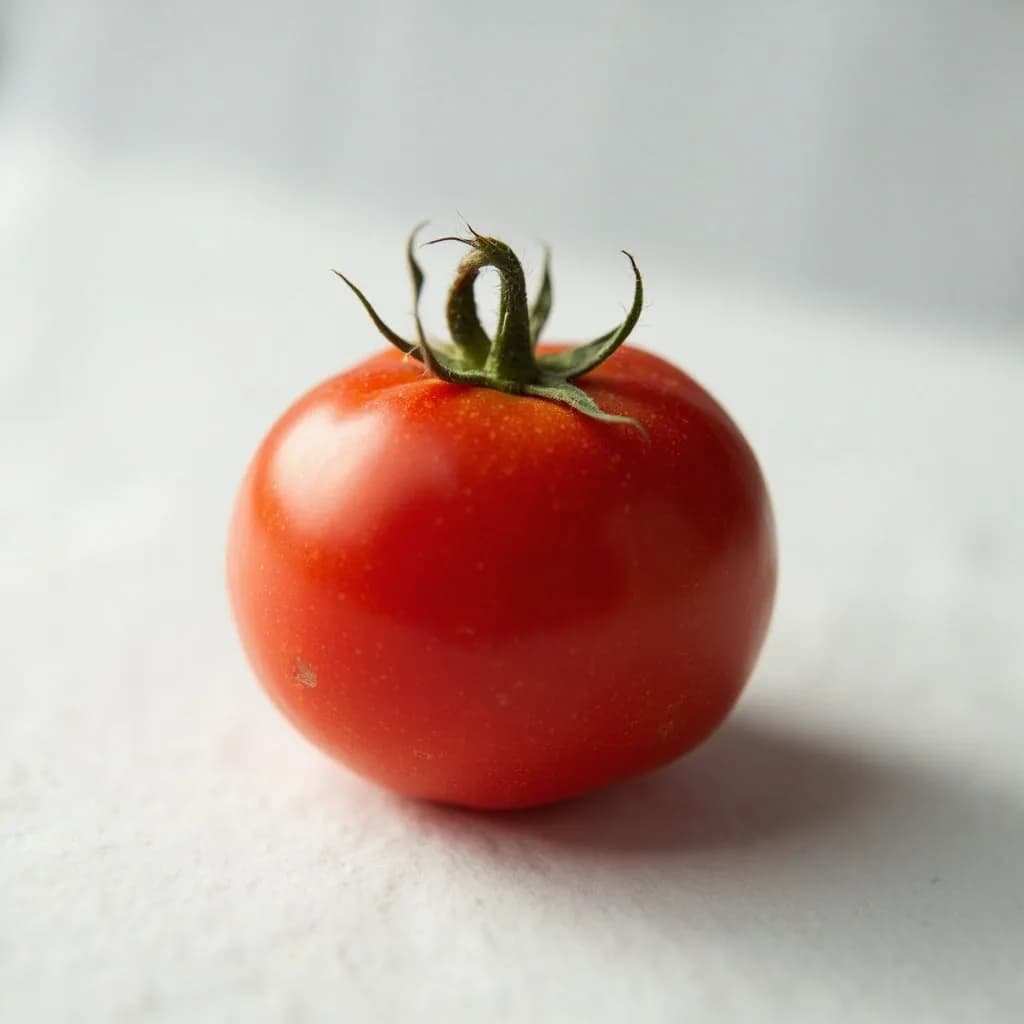
Tomato
Juicy, sun-sweet fruit for sauces, salads, and slow-cooked depth
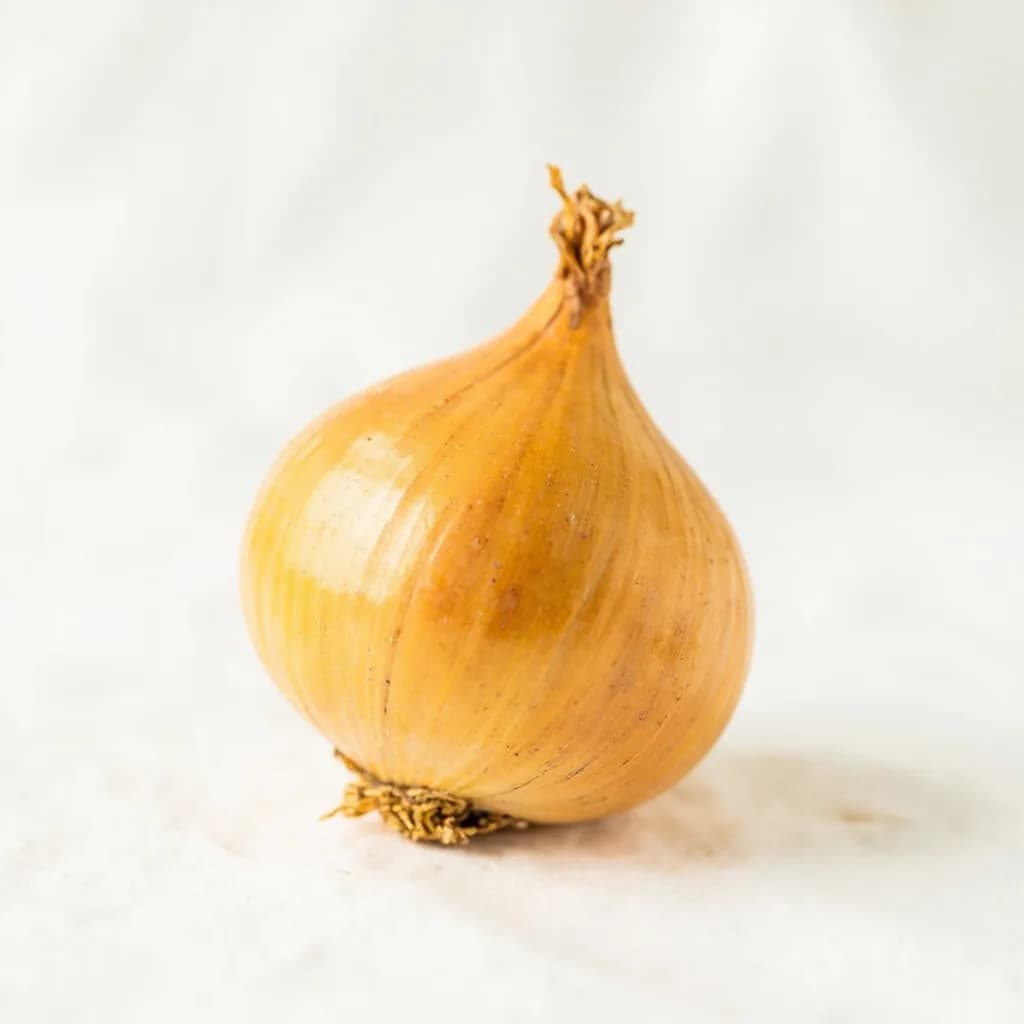
Yellow Onion
The aromatic backbone of soups, sofritos, and braises
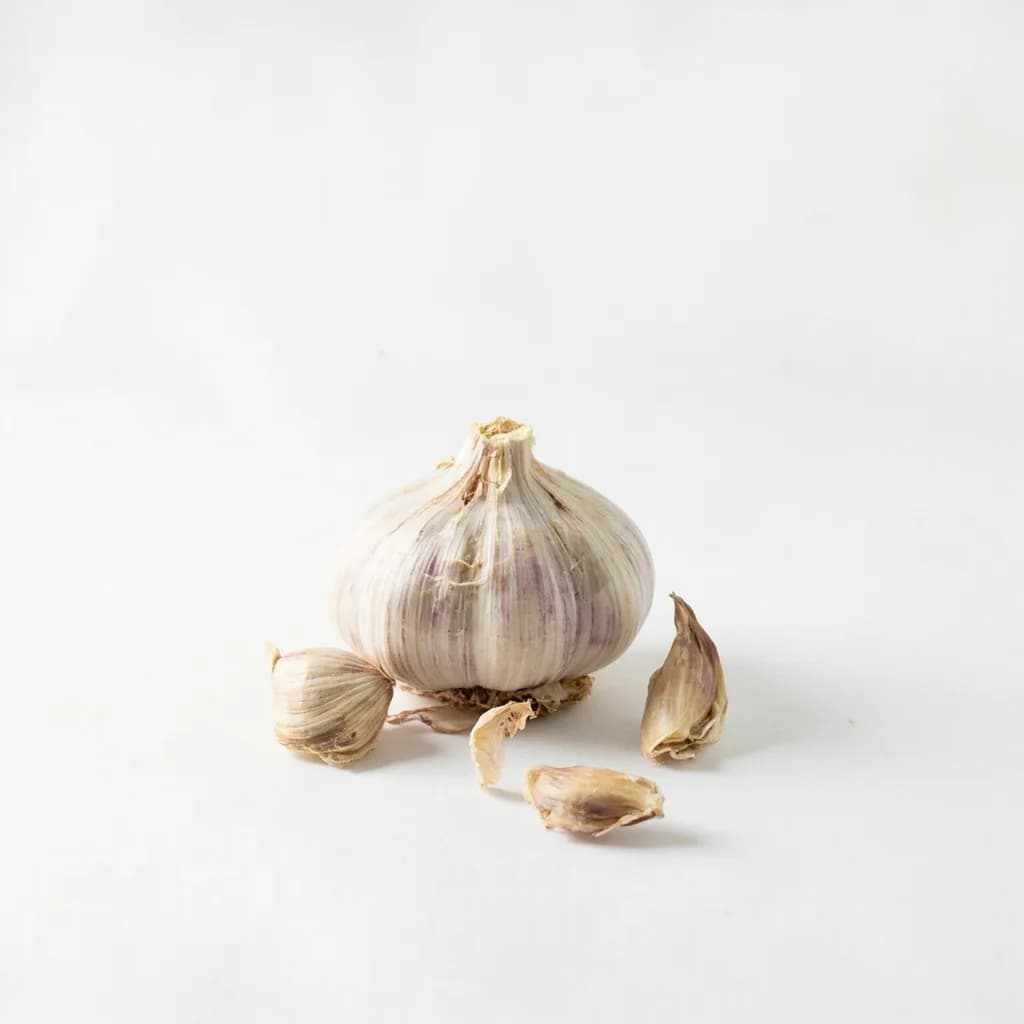
Garlic
Pungent cloves that perfume nearly every savory dish
Lemon
Bright, acidic citrus that wakes up almost any dish
Potato
Humble, hearty staple — roast, mash, fry, or boil
Carrot
Sweet, crunchy root — raw, roasted, or the base of a sofrito
Cucumber
Cool, crisp, and watery — for salads, pickles, and tzatziki

Lettuce
Crisp leaves for salads, wraps, and a fresh crunch