Grains & Rice
Gobindobhog Rice
Aromatic short-grain Bengali rice prized for sweets, khichuri, and offerings.
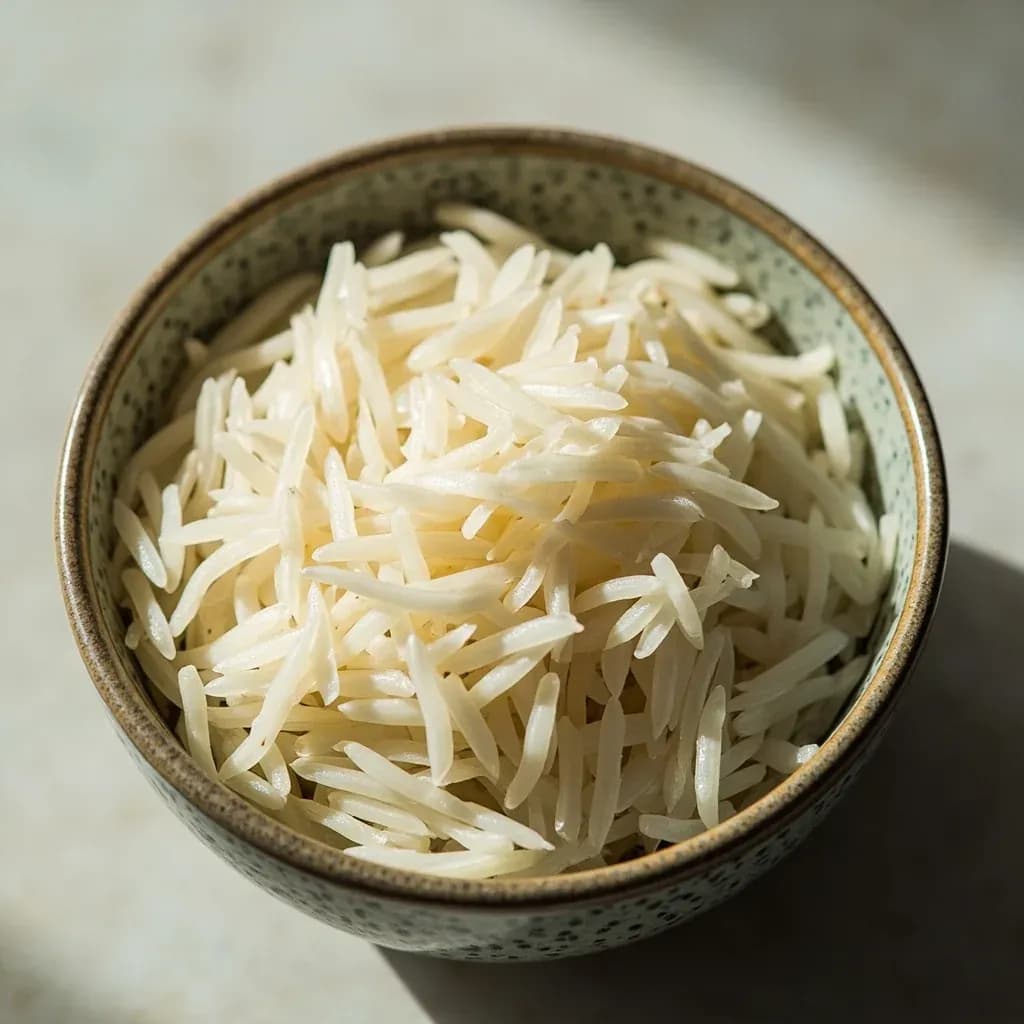
Gobindobhog is a small-grained, aromatic white rice from West Bengal with a buttery, slightly sweet fragrance and sticky texture when cooked. It is the classic rice for Bengali sweets like payesh, for bhog khichuri, and for temple offerings. Its short grains cook soft and clingy rather than fluffy.
Gobindobhog is a heritage short-grain rice from West Bengal, India, prized above all other rices in Bengali cooking for its exceptional ability to transform into creamy, cohesive textures when cooked. Its name derives from Govinda (Krishna) and bhog (offering), reflecting centuries of use as sacred rice for temple offerings and festival meals. The grain is small, translucent white with a subtle pearlescent quality, and when cooked releases a distinctive nutty, faintly sweet aroma that has become synonymous with Bengali home cooking. The rice's low amylose content (18–22%) gives it the sticky, tender quality essential for Bengali sweets—where other rices would remain grainy or fall apart, Gobindobhog dissolves into smooth, creamy consistencies that hold together beautifully. In 2017, authentic Gobindobhog from Bardhaman district received GI (Geographical Indication) tag protection, underscoring that authenticity matters: many commercial products are inferior hybrids. True Bardhamani Gobindobhog has a characteristic slight curve to the grain and intensifies in sweetness when cooked.
- Measured in
- g
- Storage
- Pantry
Types & varieties
The original landrace from Bardhaman region; look for the characteristic slight curve to the grain and intensified sweetness when cooked.
The primary named variety most commonly available; retains traditional characteristics suitable for sweets and bhog.
A refined cultivar with similar cooking properties and fragrance.
Common uses
Tips & pitfalls
- Rinse gently only 2–3 times; excessive washing strips away surface starch needed for stickiness and ruins the creamy texture in sweets.
- Soak for 15–30 minutes maximum; prolonged soaking dulls the aroma and makes the grains mushy.
- Use 1.5:1 to 1.75:1 water-to-rice ratio; excess water makes the cooked rice gluey and unsuitable for sweets.
- Cook covered on low heat after bringing to boil to preserve the volatile aromatic compounds; high heat disperses the fragrance.
- Use immediately for sweets; leftovers lose texture and fragrance within hours—the delicate aroma is fleeting.
- Store in airtight containers away from strong odors—rice acts as a flavor absorber and will pick up off-notes.
- For maximum fragrance and sweetness, use within 6 months of purchase; older harvests lose aromatic intensity.
- When buying, look for the slight curve to the grain characteristic of authentic Bardhamani Gobindobhog; straight grains suggest hybrid varieties.
Nutrition
Energy
1536 kJ · per 100 g
Where the calories come from
Protein
7.5g
15% DV
Carbs
76.3g
28% DV
Fat
3.2g
4% DV
Fiber
3.6g
13% DV
Sugars
0.7g
of which
Sodium
5mg
0% DV
Source · USDA FoodData Central · approx. Rice, brown, long-grain, raw (Includes foods for USDA's Food Distribution Program)
View on FDC →In the shops
Matched grocery products
No matched grocery products for Gobindobhog Rice yet.
Good to know
- Origin
- West Bengal, India (primarily Bardhaman district)
- Grain Type
- Short-grain, translucent white, slightly pearlescent
- Amylose Content
- Low (18–22%), creating sticky, cohesive texture
- Aroma
- Distinctive nutty, faintly sweet fragrance released during cooking
- Texture When Cooked
- Tender, cohesive, slightly sticky; grains cling together
- Protein Content
- Approx. 7–8% (higher than many long-grain varieties)
- Shelf Life
- 6–12 months in airtight container in cool, dark place
- Harvest Season
- November–December (Boro season)
Substitutes
- Kalijira (Black Rice) — Similar small grain and sticky texture, but lacks the nutty sweetness of Gobindobhog; use 1:1 ratio.
- Basmati (aged) — Long-grain alternative; crush partially to mimic texture, but the flavor profile differs significantly and it won't cream properly for sweets.
- Jasmine Rice — Comparable sticky cooked texture; less aromatic, acceptable for khichuri, use 1:1 ratio.
- Moti Miniket — Another Bengali short-grain rice; slightly less sticky, acceptable for khichuri and everyday cooking.
- Sushi Rice — Comparable stickiness and texture; neutral flavor lacks the characteristic sweetness, use 1:1.
Pairs with
Also called
Gobindobhog · Govind Bhog Rice
Appears in these dishes
Related

White Rice
Fluffy long-grain rice — the neutral base for almost any meal

White Bread
Soft sandwich loaf for toast, sandwiches, and crumbs
Brown Rice
Nutty, whole-grain rice with chew and extra fiber

Basmati Rice
Fragrant, long-grain rice that cooks up light and separate
Jasmine Rice
Soft, floral-scented rice that's the pillar of Thai meals
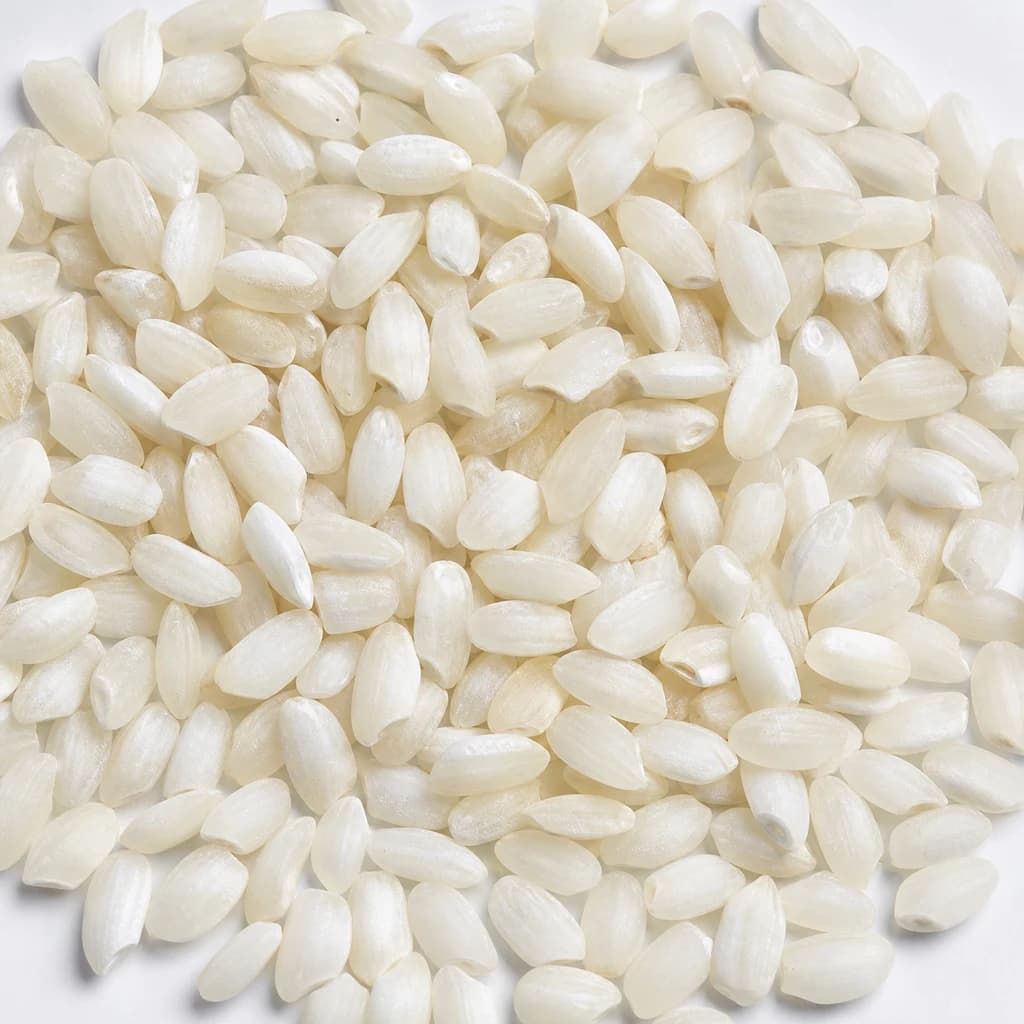
Arborio Rice
Plump, starchy rice that makes risotto creamy
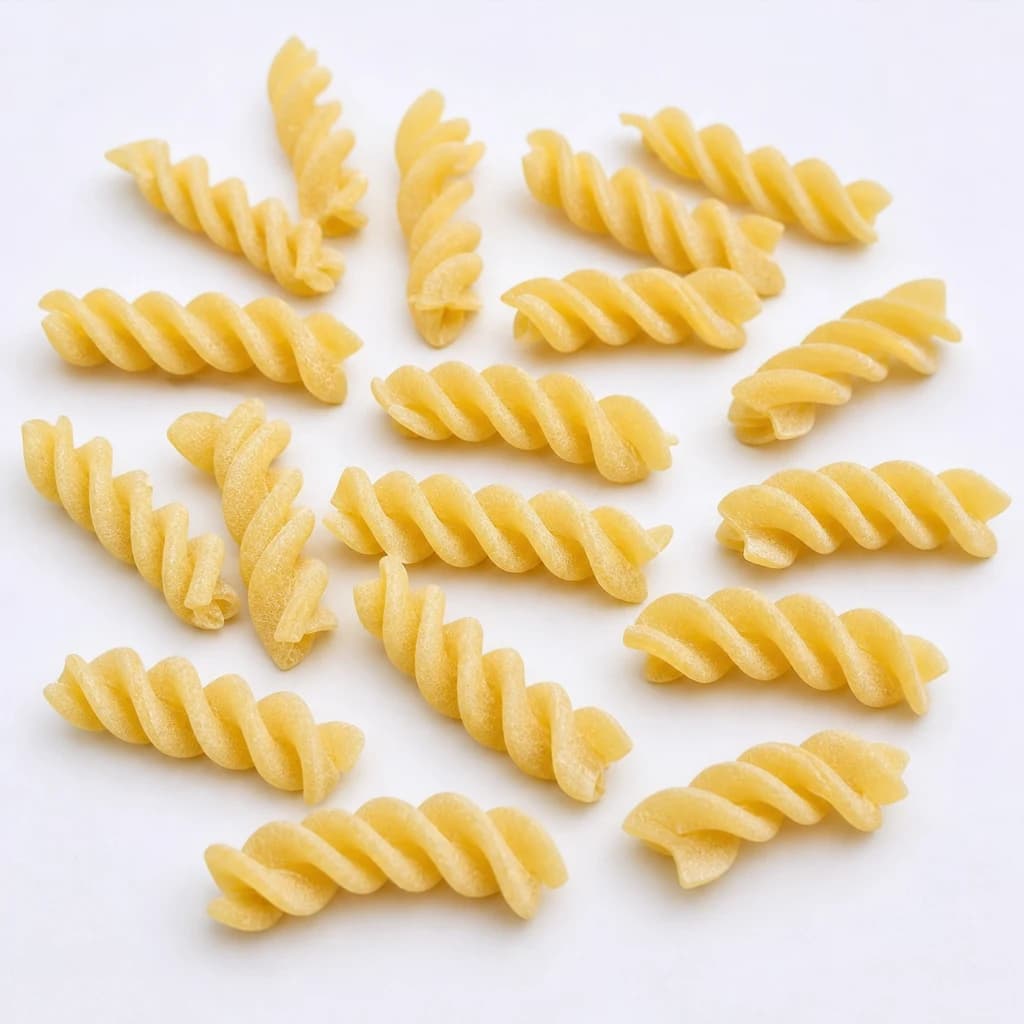
Fusilli
Spiraled pasta that twirls up sauce and dresses cold salads
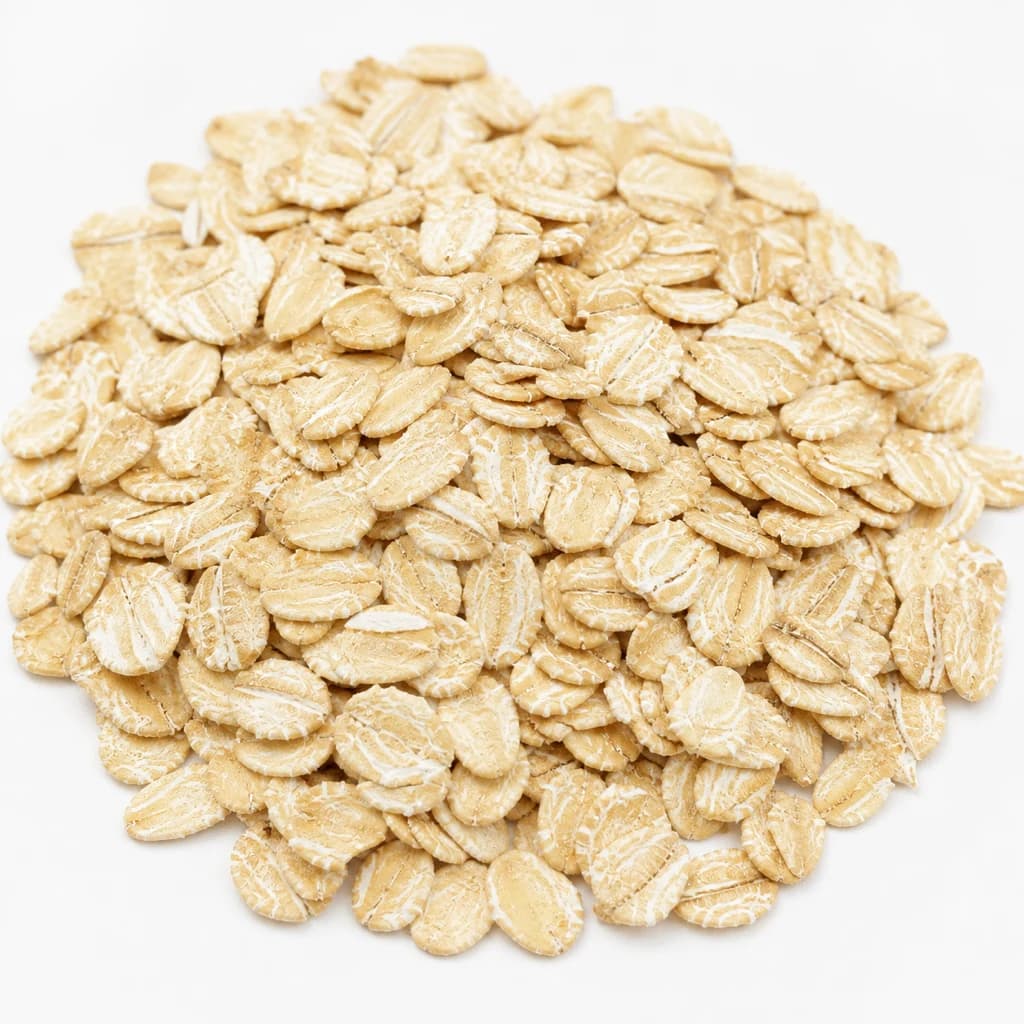
Rolled Oats
Hearty flakes for porridge, granola, and chewy cookies