
Natural form
A wedge of aged Graviera cut from a large wheel, showing its golden-amber rind and pale interior.
Shows the cheese's distinctive hard rind, color, and firm paste that distinguishes it from softer Greek cheeses.
Dairy & Eggs
Graviera Cheese
Greek hard, nutty Gruyère-style cheese, grated, fried as saganaki, or eaten plain.
Graviera is one of Greece's most popular hard cheeses, made from sheep's, goat's, or cow's milk and aged to a firm, slightly sweet, nutty flavor reminiscent of Gruyère. It is sliced for the table, grated over pasta, or fried as saganaki. Cretan graviera from sheep's milk is especially prized.
Graviera is Greece's answer to Swiss Gruyère—a firm, nutty, semi-hard cheese that has become indispensable in Greek cooking since the early 20th century. Greek cheesemakers developed it using local cow's milk (at least 50%), often blended with sheep or goat milk, aged for a minimum of two months to develop its characteristic sweetness and small, irregular holes. The result is a cheese that melts gracefully when heated, holds its shape when fried, and grates cleanly without clumping. Its flavor deepens with age, moving from mildly sweet and buttery to intensely nutty—a quality that makes aged wheels (3–5 months) particularly prized for the table.
Three varieties carry Protected Designation of Origin status, each reflecting its region's terroir and milk traditions. Graviera Kritis from Crete relies primarily on sheep's milk, lending herbal, slightly tangy notes. Graviera Naxou from Naxos is cow's milk-dominant and notably sweeter, making it the preferred choice for saganaki. Graviera Argos from the Peloponnese is firmer and more neutral, excelling as a grating cheese. A non-PDO variety, Graviera Agrafon, often incorporates goat's milk for a tangier profile. All varieties share the same national standard: minimum 50% cow's milk, minimum two months aging, and wheels weighing 3–5 kg with a hard, inedible rind that must be removed before use.
In the kitchen, Graviera's versatility is its defining virtue. It melts smoothly into omelets and pasta dishes, grates cleanly over spanakopita and tiropita, fries to a golden crust as saganaki, and stands proudly on a cheese board alongside honey and walnuts. Its fat content (40–45% in dry matter) ensures rich, silky melts, while its firm texture means it won't turn rubbery or break into oily pools when heated. Understanding which variety to reach for—Naxou for frying, Argos for grating, Kritis for the table—elevates any dish that features this quintessentially Greek cheese.
- Measured in
- g
- Storage
- Fridge
Allergens
Types & varieties
PDO; primarily sheep's milk; most common commercial variety; distinctive herbal notes
PDO; cow's milk dominant; slightly sweeter; the preferred choice for saganaki
PDO; cow's milk; firmer texture; excellent for grating
Non-PDO variety from Agrafa region; often uses goat's milk; tangier flavor
Common uses
Tips & pitfalls
- Bring Graviera to room temperature 30–60 minutes before serving to fully release its aroma and flavor—cold cheese tastes muted and flat.
- For grating, use the large holes of a box grater; slightly frozen cheese (20–30 minutes in the freezer) grates more cleanly without clumping.
- When frying as saganaki, ensure the oil reaches 180°C (350°F) before adding the cheese—insufficient heat causes it to melt through rather than form a golden crust.
- Dredge saganaki slices lightly in flour or semolina before frying for a crispier, more even coating that seals the exterior.
- Look for wheels with a natural rind, not wax-coated—wax indicates a younger, milder cheese that hasn't developed full flavor.
- Store wrapped in cheese paper or loosely in plastic with a damp paper towel underneath to maintain humidity without promoting mold; use within 2–3 weeks.
- Avoid pre-grated Graviera sold in bags—commercial shredders expose too much surface area, and the cheese loses its fresh, nutty character rapidly.
- Quality Graviera should feel firm but give slightly under pressure; reject any cheese that feels rubbery, dense, or completely odorless—taste before buying if the shop allows.
Nutrition
Energy
1628 kJ · per 100 g
Where the calories come from
Protein
25.6g
51% DV
Carbs
1.6g
1% DV
Fat
31.1g
40% DV
Fiber
0g
0% DV
Sugars
1.6g
of which
Sodium
800mg
35% DV
Source · USDA FoodData Central · approx. Cheese, fontina
View on FDC →In the shops
Matched grocery products
No matched grocery products for Graviera Cheese yet.
Good to know
- Origin
- Greece, early 20th century (adapted from Swiss Gruyère traditions)
- Primary Milk
- Cow's milk (minimum 50%); sheep or goat milk often blended in
- Aged
- Minimum 2 months; premium wheels aged 3–5 months
- Fat Content
- 40–45% fat in dry matter
- Texture
- Firm, compact; small irregular holes; slightly oily surface when cut
- Color
- Pale yellow to light amber
- Flavor
- Mildly sweet and nutty when young; intensifies with extended aging
- Wheel Size
- 3–5 kg wheels, approximately 10–15 cm tall
- PDO Varieties
- Graviera Kritis (Crete), Naxou (Naxos), Argos (Peloponnese)
Substitutes
- Gruyère — Closest flavor and texture match; Swiss origin with a similar nutty, sweet profile and excellent melting properties
- Comté — French Alpine cheese; comparable nutty sweetness and smooth melt; an excellent substitute in most applications
- Emmental — Milder flavor with larger holes; acceptable for melting but less aromatic than Graviera
- Mild Aged Gouda — Dutch cheese with similar texture and buttery notes; works well in sandwiches, salads, and mild gratins
- Young Pecorino Romano — Saltier and tangier with a sharper bite; use sparingly as a substitute for grating applications
Related

Whole Milk
Rich, full-fat milk for drinking, coffee, sauces, and baking
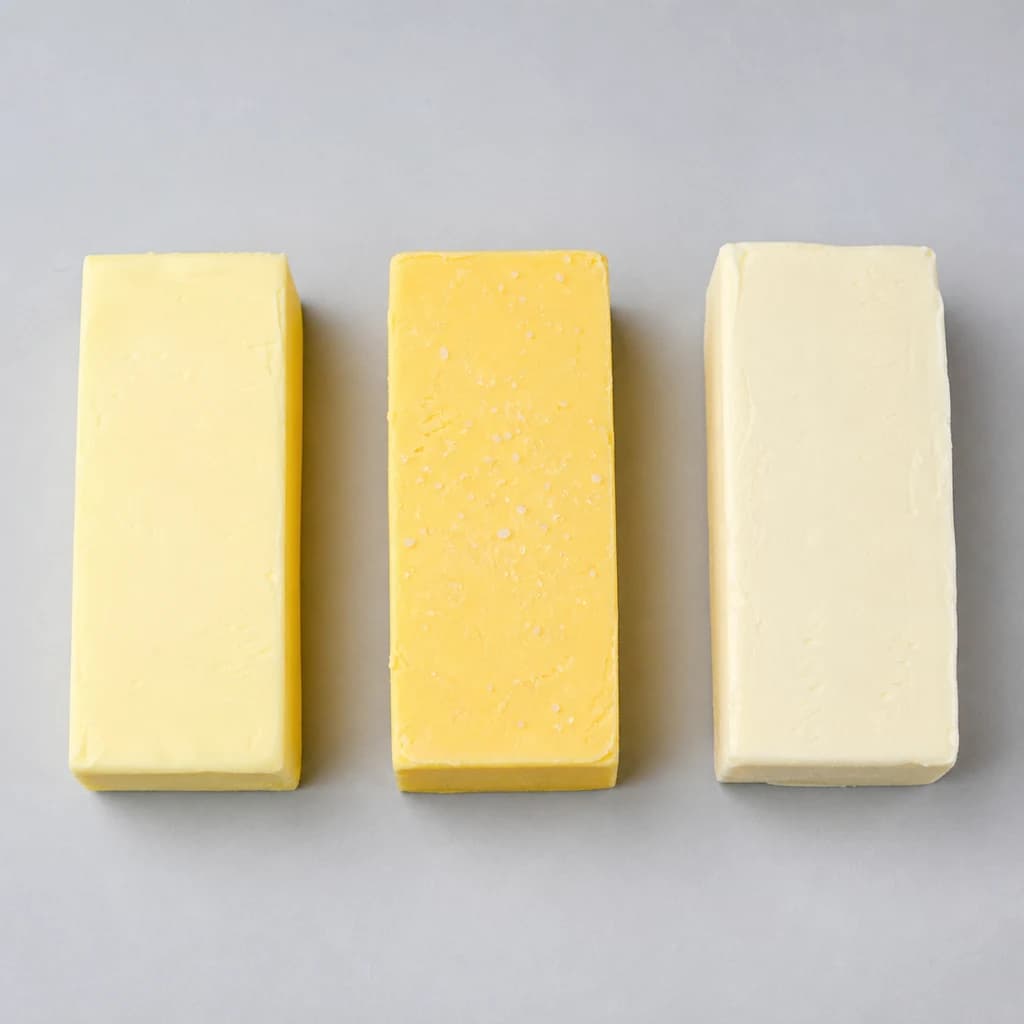
Butter
Golden fat for searing, baking, and finishing a sauce
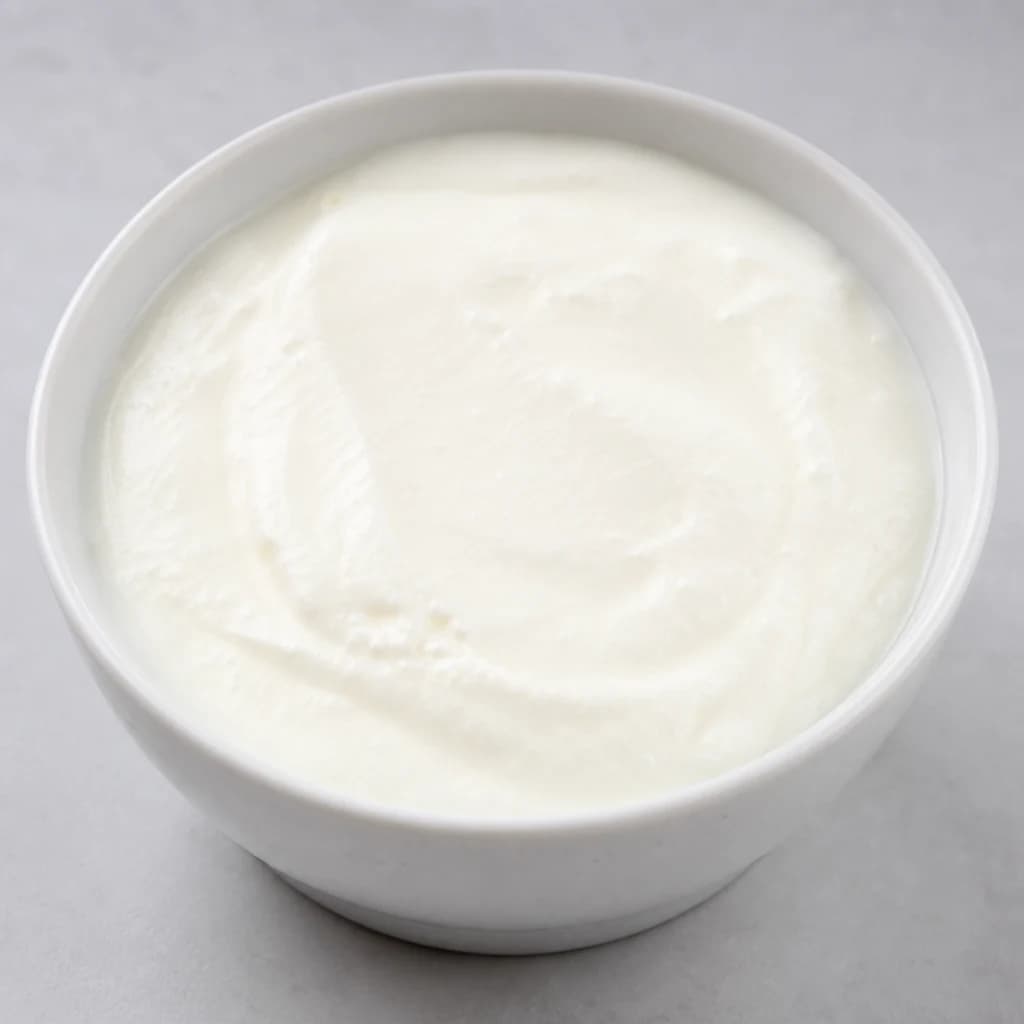
Yogurt
Tangy, creamy culture for breakfast, sauces, and marinades
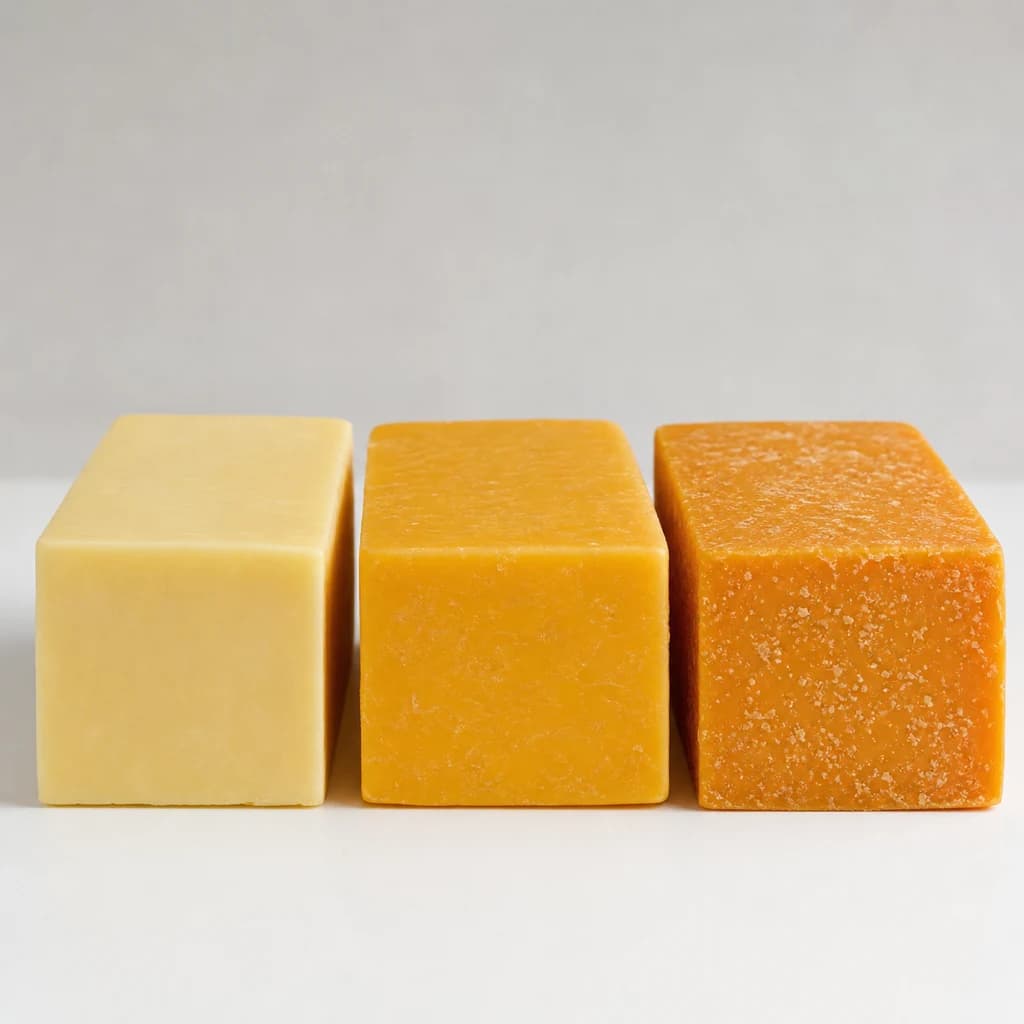
Cheddar Cheese
Sharp, melty cheese for sandwiches, gratins, and grating
Skim Milk
Fat-free milk for lighter drinking, coffee, and cooking
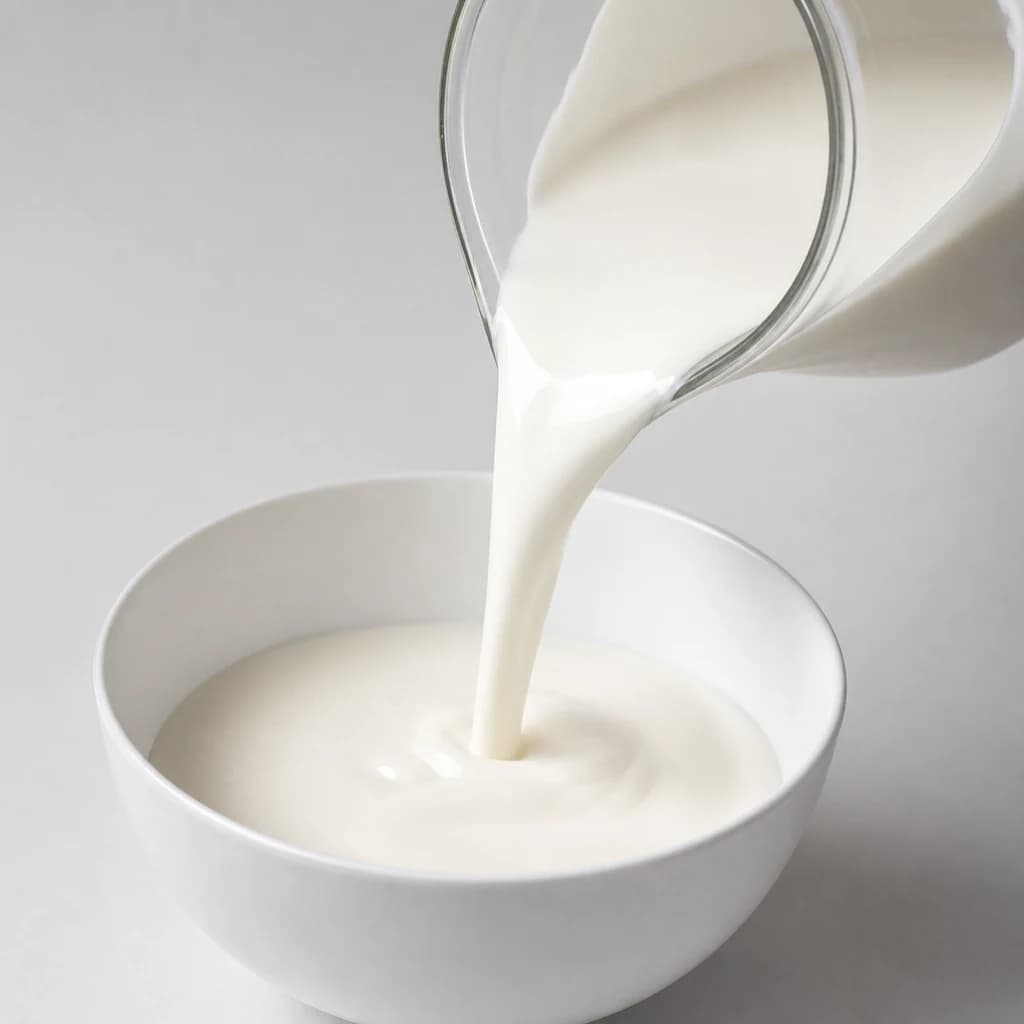
Heavy Cream
Rich cream that whips, enriches sauces, and sets ganache

Sour Cream
Tangy, thick cream for dolloping, baking, and dips
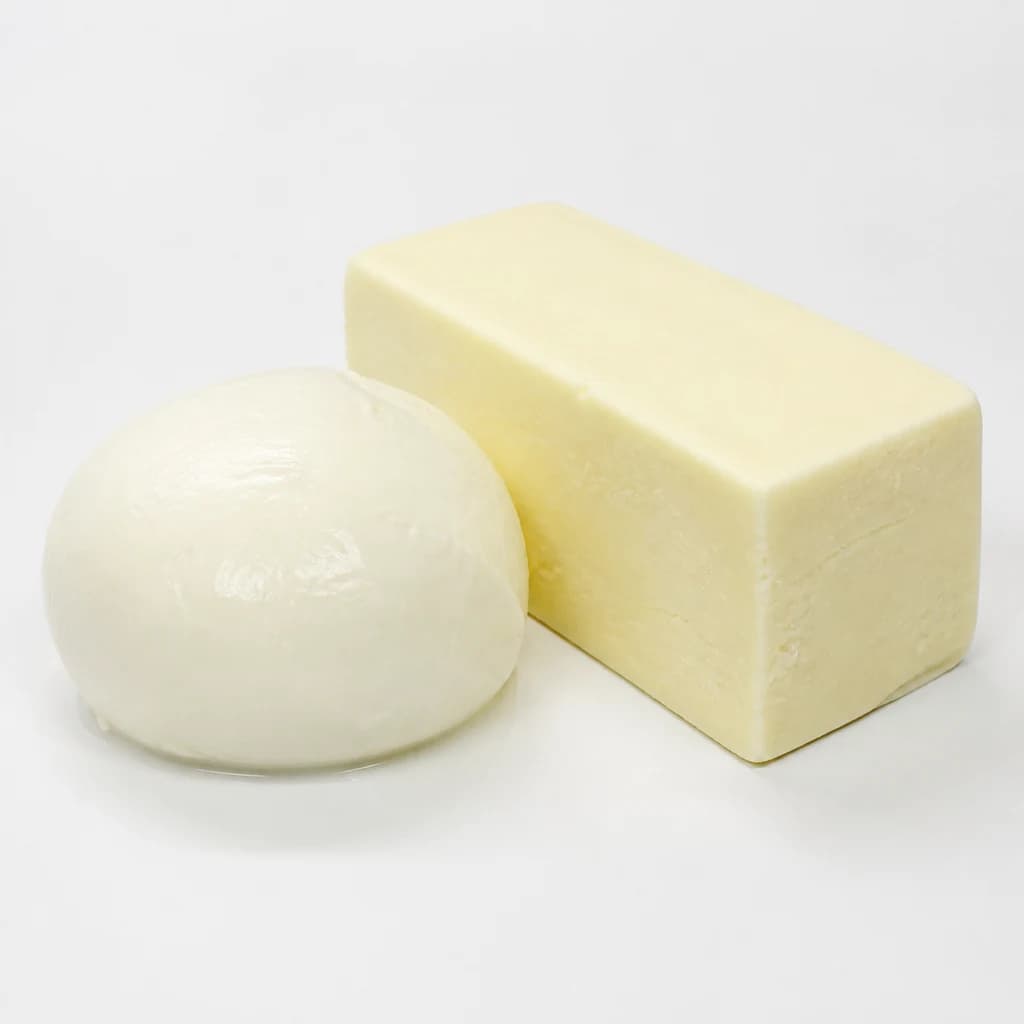
Mozzarella
Soft, milky cheese that melts into stretchy pizza pulls