Natural form
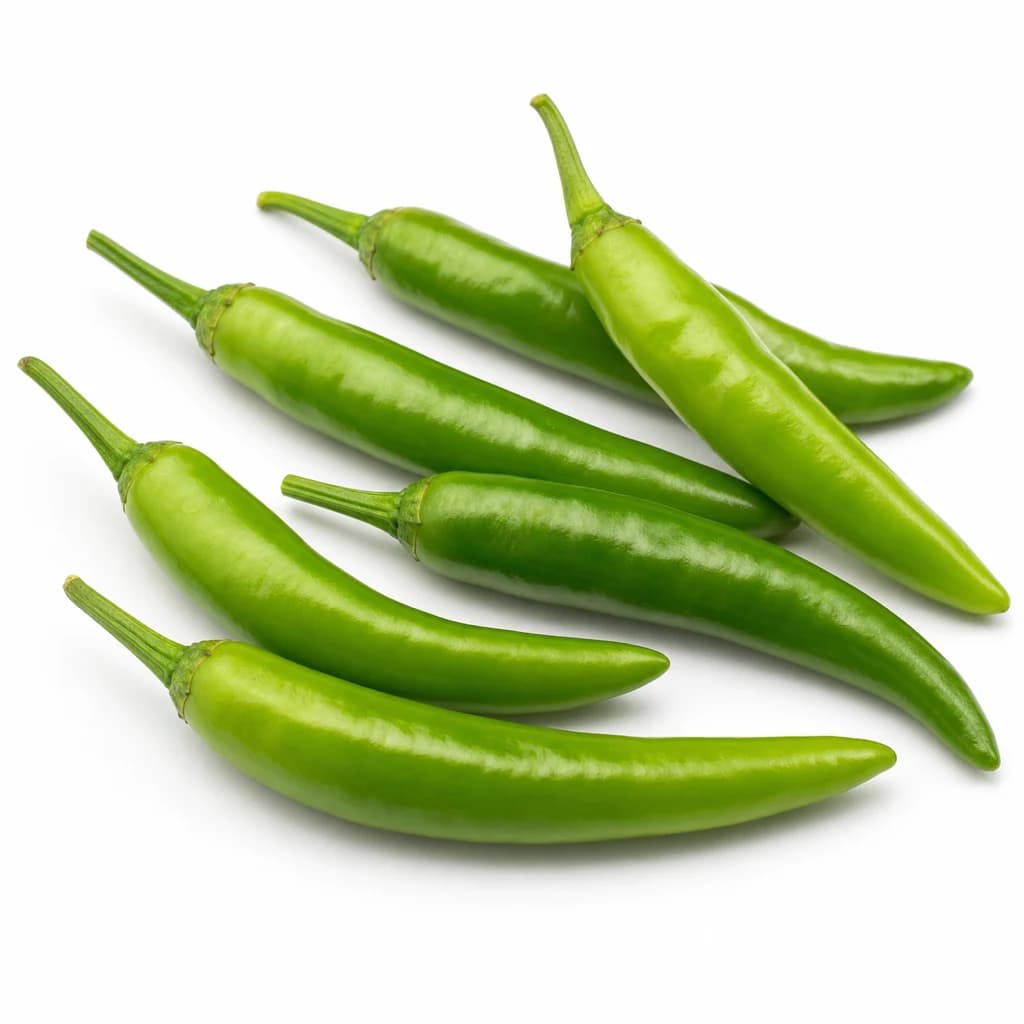
Whole fresh green chilies showing slender elongated shape and glossy bright-green skin.
Shows the reader the unmistakable appearance of unripe green chilies in their whole, uncut state.
Produce
Green Chili
Fresh unripe chili adding sharp, grassy heat to curries, salsas, chutneys and stir-fries.
Green chilies are unripe hot peppers with a bright, grassy heat that is sharper and less sweet than their ripe red form. They are slit, sliced or blended into Indian curries, Latin American salsas verdes, and countless chutneys and pickles. Heat varies widely by variety, concentrated in the seeds and ribs.
Green chilies are the unripe fruit of Capsicum annuum and Capsicum frutescens cultivars, picked before the fruits reach full maturity. This unripe state is crucial: green chilies have a bright, grassy, vegetal character with clean heat that differs fundamentally from their ripened counterparts, which develop sugars and deeper, sometimes fruity or smoky complexity. The green color signals chlorophyll retained in the unripe fruit—not a variety, but a stage. As chilies ripen, they turn red, orange, yellow, or brown depending on the cultivar, becoming sweeter and often more complex in flavor.
Their culinary role varies by cuisine but centers on building layers of heat and savory depth. In Mexican and Southwestern cooking, they appear roasted and charred in salsas, simmered into sauces for enchiladas, and stuffed whole as chiles rellenos. Across South Asian and Southeast Asian cuisines, green chilies are added early to curries and braises, their heat infusing the cooking liquid, or served fresh as condiments. They also pickle well, their firm flesh absorbing vinegar and spices while holding texture.
Heat levels span a wide range—from the mild poblano around 1,000–1,500 Scoville units to the fiery serrano at 10,000–23,000—meaning green chilies can serve everything from subtle background warmth to assertive, palate-igniting spice. Their thick walls make them excellent for roasting (which loosens the skin and adds smoky depth) while remaining firm enough for raw applications like fresh salsas. Understanding which variety you have—and its likely heat level—determines how and when to add it to a dish.
- Measured in
- g
- Storage
- Fridge
Types & varieties
Large, heart-shaped, very mild (often 0–2 heat level out of 10); ideal for chiles rellenos and stuffing; turns dark reddish-brown when fully ripe (ancho when dried)
Medium heat, elongated, bright green; the standard for green chile sauce; named after the California city where seeds were popularized in the early 1900s
The most widely known green chili globally; thick-walled, medium heat; turns red when ripe (called chipotle when smoked and dried)
Small, slender, 1–2 inches; significantly hotter than jalapeño; holds firm when cooked; common in Mexican fresh salsas
Sweet, almost no heat; elongated, pale yellow-green; common in Puerto Rican and Dominican cooking; turns red when ripe
Heirloom Anaheim-type grown in Hatch, New Mexico; popular at the annual Hatch Chile Festival
Mild, slightly sweet; elongated and pale yellow-green; common in pickled preparations and sandwiches
New Mexico heirloom; medium heat with complex, fruity flavor; traditionally sun-dried or used fresh in regional cuisine
Long, narrow, dark green; mild with slight berry and cocoa notes; dried form is the pasilla chile
Very small, round-oval, bright green; tinny heat; most commonly found pickled in jars
Buying and Storing Green Chilies
Select firm, glossy chilies with taut skin and no soft spots, wrinkles, or dark blemishes. Stem should be green and fresh-looking. Avoid any with mold or moisture in the bag, which leads to rapid spoilage. For recipes requiring specific heat levels (chiles rellenos need mild poblanos; fresh salsas may call for hot serranos), buy a few extra and taste a small piece raw to gauge heat before committing to a dish.
Store unwashed in a paper bag in the refrigerator's crisper drawer. Plastic bags trap moisture and accelerate decay. Whole fresh chilies keep 1–2 weeks; check periodically and use any showing soft spots first. Cut chilies should be used within 2–3 days. For long-term storage, flash-freeze whole chilies on a sheet pan until solid, then transfer to freezer bags—they'll keep 6 months and work fine for cooking applications where texture isn't critical (sauces, braises, soups).
- Refrigerate unwashed in a paper bag, not plastic
- Use within 1–2 weeks for best quality
- Freeze whole on a sheet pan first, then bag for up to 6 months
- Buy extras and taste raw to confirm heat level before cooking
Common uses
Tips & pitfalls
- Always wear gloves when cutting hot varieties like serrano or habanero; the capsaicin oil lingers on skin and can burn eyes if you touch your face
- Char whole chilies directly over a gas flame or under a broiler until the skin blisters and blackens—this makes peeling easy and adds smoky depth to the final dish
- Seed the membranes and ribs to reduce heat significantly without losing the green chile flavor; the heat concentrates in the placental tissue holding the seeds
- Add milder varieties like poblano or Anaheim at the start of cooking so their flavor melds into the dish; save hotter varieties for raw applications or last-minute addition to control their punch
- Never add oil to a pan and walk away—green chilies cook fast and burn quickly, turning acrid rather than fragrant
- If a dish is too spicy, dairy (cream, yogurt, cheese) or a touch of sugar help neutralize the heat; acid alone won't reduce the burn
- Frozen green chilies are fine for cooked applications but avoid using them where the vegetable's firm texture is essential, like chiles rellenos
- Assume nothing about heat based on color alone; a pale green Anaheim can be much hotter or milder than a dark green jalapeño depending on growing conditions and individual fruit
Nutrition
Energy
84 kJ · per 100 g
Where the calories come from
Protein
0.9g
2% DV
Carbs
4.6g
2% DV
Fat
0.2g
0% DV
Fiber
1.7g
6% DV
Sugars
2.4g
of which
Sodium
3mg
0% DV
Source · USDA FoodData Central · Peppers, sweet, green, raw
View on FDC →In the shops
Matched grocery products
No matched grocery products for Green Chili yet.
Good to know
- Botanical origin
- Capsicum annuum (most common) and Capsicum frutescens; green chilies are the unripe state of various cultivars
- Flavor profile
- Bright, grassy, vegetal with clean heat that varies by variety from mild to fiery
- Heat range
- 500–30,000 Scoville Heat Units depending on variety (poblano being mildest common, serrano hottest)
- Heat data
- Jalapeño 2,500–8,000 SHU; Serrano 10,000–23,000 SHU; Poblano 1,000–1,500 SHU; Anaheim 500–2,500 SHU
- Typical size
- 2–6 inches long depending on variety
- Peak season
- Late summer through early fall for fresh; available year-round in most markets
- Shelf life
- Refrigerated whole, 1–2 weeks; cut chilies 2–3 days; frozen up to 6 months
- Primary growing regions
- Mexico, New Mexico (USA), California, India, Southeast Asia
Substitutes
- Jalapeño — Good all-around substitute for most recipes; omit seeds and ribs for milder results
- Anaheim or New Mexico chile — Best substitute when a recipe calls for larger green chilies like poblano; milder heat, similar firm texture
- Hatch or Chimayó — If available, these heirloom New Mexico varieties are nearly identical to Anaheim for green chile sauce and roasting
- Serrano — Use half the amount if substituting for jalapeño; significantly hotter and smaller, so adjust accordingly
- Fresh green bell pepper + a small jalapeño — For recipes requiring mild green chile flavor without significant heat, this combination approximates the vegetal character
Pairs with
Also called
Murch Sabz · Ají Verde · Green Aji Pepper · Hari Mirch
Appears in these dishes
Related
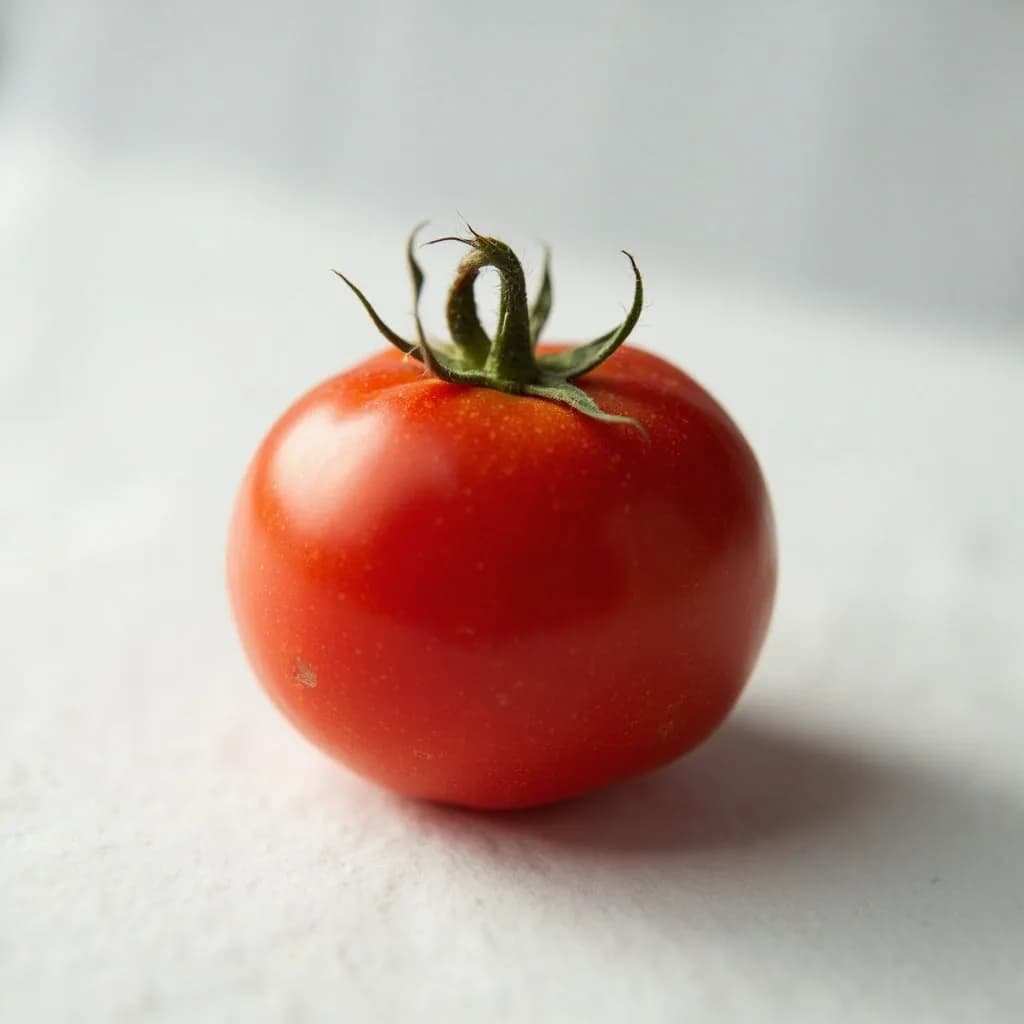
Tomato
Juicy, sun-sweet fruit for sauces, salads, and slow-cooked depth
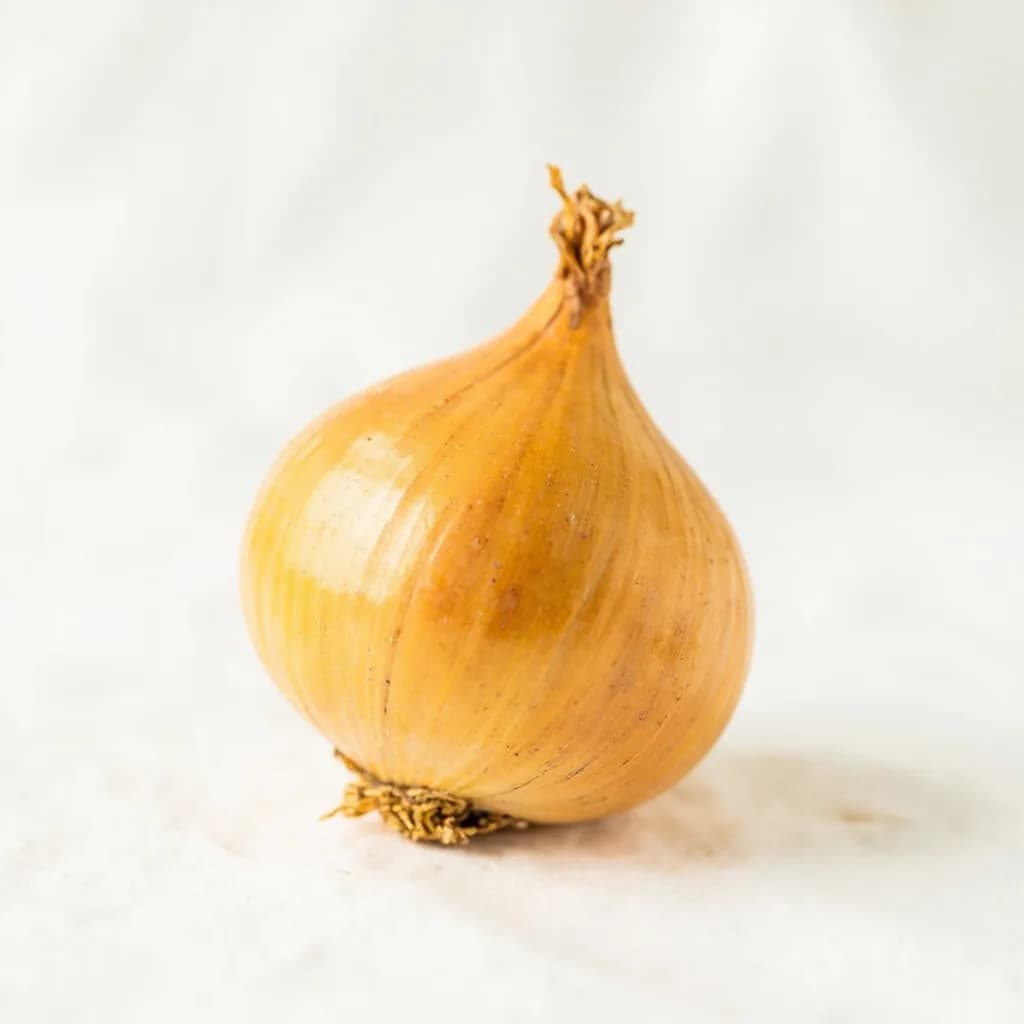
Yellow Onion
The aromatic backbone of soups, sofritos, and braises
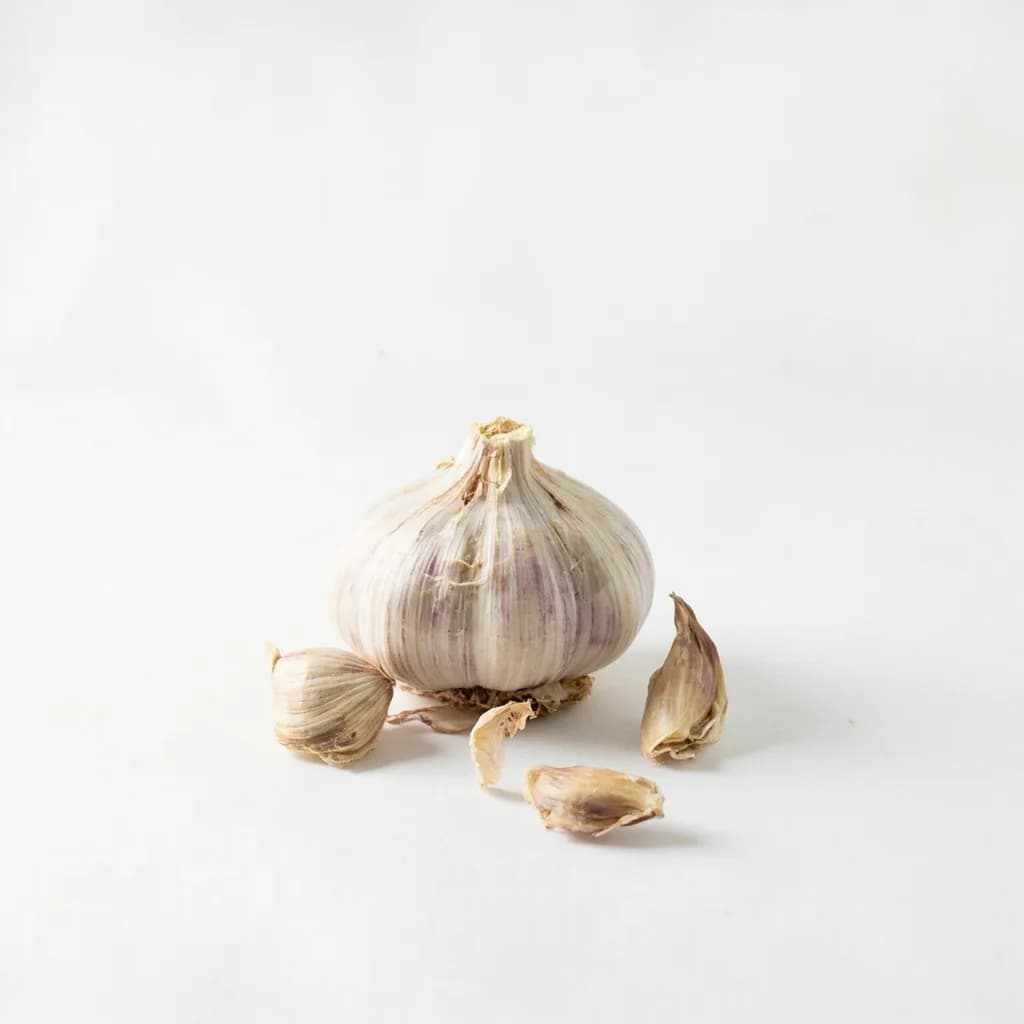
Garlic
Pungent cloves that perfume nearly every savory dish
Lemon
Bright, acidic citrus that wakes up almost any dish
Potato
Humble, hearty staple — roast, mash, fry, or boil
Carrot
Sweet, crunchy root — raw, roasted, or the base of a sofrito
Cucumber
Cool, crisp, and watery — for salads, pickles, and tzatziki

Lettuce
Crisp leaves for salads, wraps, and a fresh crunch