
Natural form
Whole green radishes show their pale green skin and leafy tops as harvested.
Shows the reader exactly how to identify a green radish by its distinctive coloring and shape at point of purchase.
Produce
Green Radish
Mild, sweet-peppery radish with green flesh, eaten raw, pickled, or stir-fried.
Green radish, sometimes called Chinese green radish, has a pale green skin and crisp green-tinged flesh that is milder and sweeter than the red salad radish. It is sliced raw into salads, julienned for pickles, or stir-fried in Asian cooking. Its juicy crunch and gentle pepperiness make it a refreshing addition to cold dishes.
Green radish is a cylindrical to oblong root vegetable distinguished by green shoulders fading to white or pale green flesh. It is most developed in Korean cuisine, where it is a cornerstone of kimchi and banchan, but also features prominently in Chinese and Japanese cooking. Unlike its sharp, peppery red radish cousin, green radish offers a mild, faintly sweet flavor with minimal bite, making it unusually versatile — it can stand alone raw with satisfying crunch or disappear into bold, spiced preparations without assertiveness.
The green shoulders are the sweetest, most tender part of the root, and the flesh is notably denser and less watery than daikon. This firmer texture gives green radish a significant advantage in cooked applications: it holds its structure in stir-fries and soups where daikon would turn soft. The dense, crisp flesh also shreds cleanly without becoming mealy, which is why it is preferred for Korean kkakdugi (cubed radish kimchi) and Japanese namasu.
Despite its excellent keeping quality — two to three weeks refrigerated when dry — green radish remains underutilized outside East Asian markets. This is a shame, because its mildness and structural integrity make it one of the most adaptable root vegetables available. It readily absorbs acidic and seasoned dressings when pickled, provides clean crunch in raw preparations, and adds body to brothy soups without diluting them.
- Measured in
- piece
- Storage
- Fridge
Types & varieties
The standard green-shouldered variety; white flesh, mild and sweet. The most widely available green radish in markets and the standard for Korean kimchi.
Chinese green radish; similar to Korean variety but often more tapered. Widely used in Northern Chinese cuisine for soups, stir-fries, and preserved preparations.
The term used in Korean markets; virtually identical to Green Meat Radish. Essential for authentic kkakdugi and traditional namul.
Often grouped with green radishes in markets due to its green exterior, but visually distinct with magenta-pink flesh. Milder and slightly sweeter than standard green radish; best used raw for color impact.
Selecting and Storing Green Radish
Quality green radish is firm and heavy for its size — lightness indicates dehydration and a woody, less crisp interior. Examine the shoulders for even, bright green coloring; this is where the sugars concentrate. Avoid any with cracks, soft spots, or blemishes, as these indicate age or internal decay. The leaves, if still attached, should look fresh and green; they can be trimmed and used in soups or sautéed like other tender greens.
Store unwashed radishes in a loose plastic bag in the crisper drawer. Do not seal the bag completely — some airflow prevents moisture buildup that leads to rot. Properly stored, green radish keeps 2–3 weeks, far longer than most fresh produce. Before use, rinse briefly and pat completely dry; surface moisture accelerates spoilage and dilutes seasoning in pickles.
- Choose firm, heavy radishes with bright green shoulders
- Avoid cracks, soft spots, or hollow-sounding specimens
- Store unwashed in a loose plastic bag in the crisper drawer
- Pat dry before use; wash just before preparing
- Refrigerated shelf life: 2–3 weeks when dry
Preparing Green Radish for Kimchi (Kkakdugi)
Kkakdugi demands precise cutting technique. Cut the radish into 3/4-inch cubes — large enough to maintain texture through fermentation, small enough to pickle evenly. Salt aggressively, distributing the grains on all cut surfaces. Let drain in a colander for 30 minutes; this critical step removes excess water that would dilute the seasoning and weaken the fermentation. Rinse briefly only if the radish tastes bitter after salting. Season with gochugaru, fish sauce or saeujeot (salted shrimp), minced garlic, and sesame seeds. Toss thoroughly to coat every surface. Pack tightly into a jar or container, pressing down to eliminate air pockets. Ferment at room temperature for 1–3 days depending on desired sourness, then refrigerate.
The green shoulders can be cut separately and incorporated at a lower ratio for extra sweetness, or reserved entirely for namul preparations where their delicate flavor shines.
- Cut into 3/4-inch cubes for proper fermentation and texture
- Salt aggressively and drain 30 minutes before seasoning
- Rinse only if bitter after salting
- Season with gochugaru, fish sauce, garlic, and sesame
- Pack tightly to eliminate air pockets during fermentation
Common uses
Tips & pitfalls
- Choose firm, heavy radishes; avoid soft spots or cracks which indicate age
- Store unwashed in a plastic bag in the refrigerator crisper drawer
- Pat dry before use if wet from market washing to prevent spoilage
- For pickling, salt lightly and let drain 20–30 minutes before seasoning to remove excess water and reduce bitterness
- Cut or grate just before serving raw to maintain crisp texture
- Do not overcook: add to stir-fries in the last 2–3 minutes to retain structure
- When selecting for kimchi, look for dense, heavy roots with bright green tops
Nutrition
Energy
67 kJ · per 100 g
Where the calories come from
Protein
0.7g
1% DV
Carbs
3.4g
1% DV
Fat
0.1g
0% DV
Fiber
1.6g
6% DV
Sugars
1.9g
of which
Sodium
39mg
2% DV
Source · USDA FoodData Central · Radishes, raw
View on FDC →In the shops
Matched grocery products
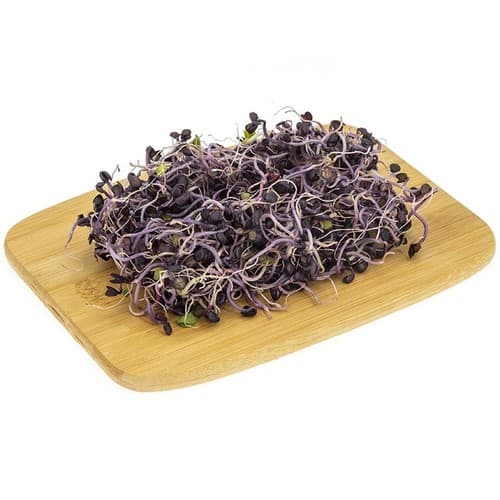 €1.69
€1.69Organic Purple Radish Sprouts in 50g Tray
BROT D'OR · kg · Bonpreu
Good to know
- Origin
- East Asia (Korea, China, Japan); most developed in Korean cuisine
- Peak Season
- Fall through early spring; available year-round in markets
- Shape
- Cylindrical to oblong, 4–8 inches long
- Flesh Color
- White to pale green; exterior shows green shoulders
- Flavor Profile
- Mild, faintly sweet, low bite compared to red radishes
- Texture
- Firm, dense, crisp; holds structure when cooked
- Shelf Life
- 2–3 weeks refrigerated when dry
- Common Names
- Green Meat Radish, Korean Green Radish, Sang Dau (Chinese markets), Cheonggyeong (Korean)
- Primary Uses
- Pickling (Korean-style kimchi); raw in salads; cooked in soups and stir-fries
Substitutes
- Daikon — Milder and larger; use 1:1 but daikon is wetter and may require salting and draining first. It becomes softer than green radish when cooked.
- Red Radish — Sharper, more peppery flavor but same satisfying crunch; works well raw or for pickling. Loses vibrant color when cooked.
- Turnip — Similar mild sweetness and crisp texture when raw; slightly earthier note. Best substitute for cooked applications.
Pairs with
Also called
Turp · Chinese Green Radish
Related
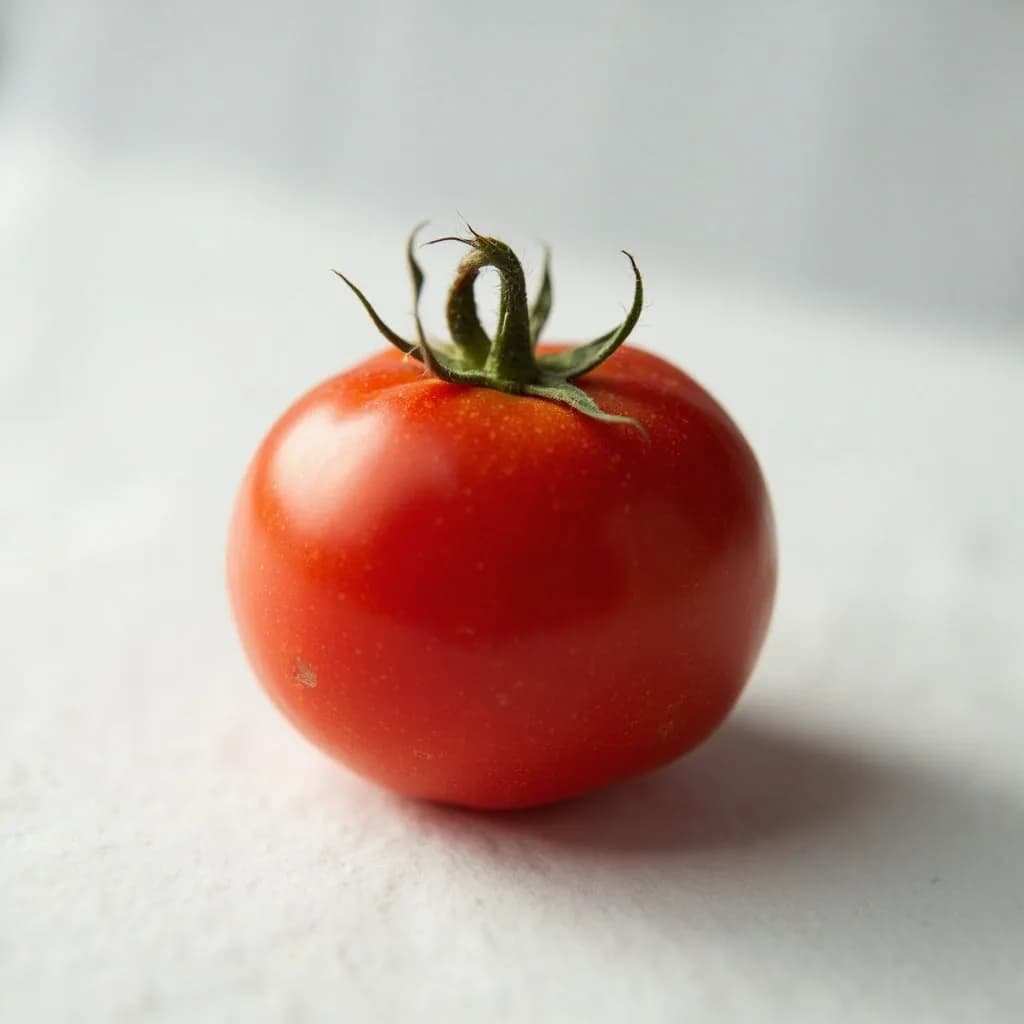
Tomato
Juicy, sun-sweet fruit for sauces, salads, and slow-cooked depth
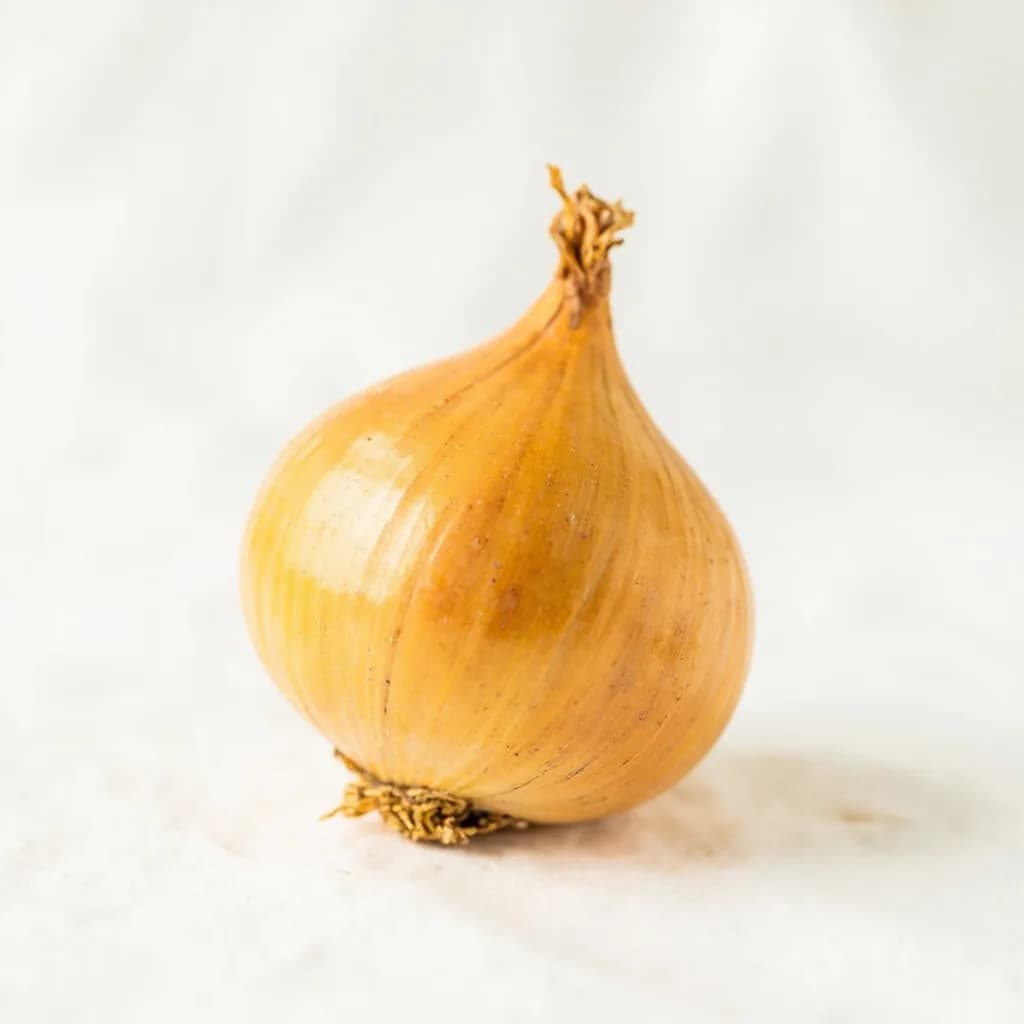
Yellow Onion
The aromatic backbone of soups, sofritos, and braises
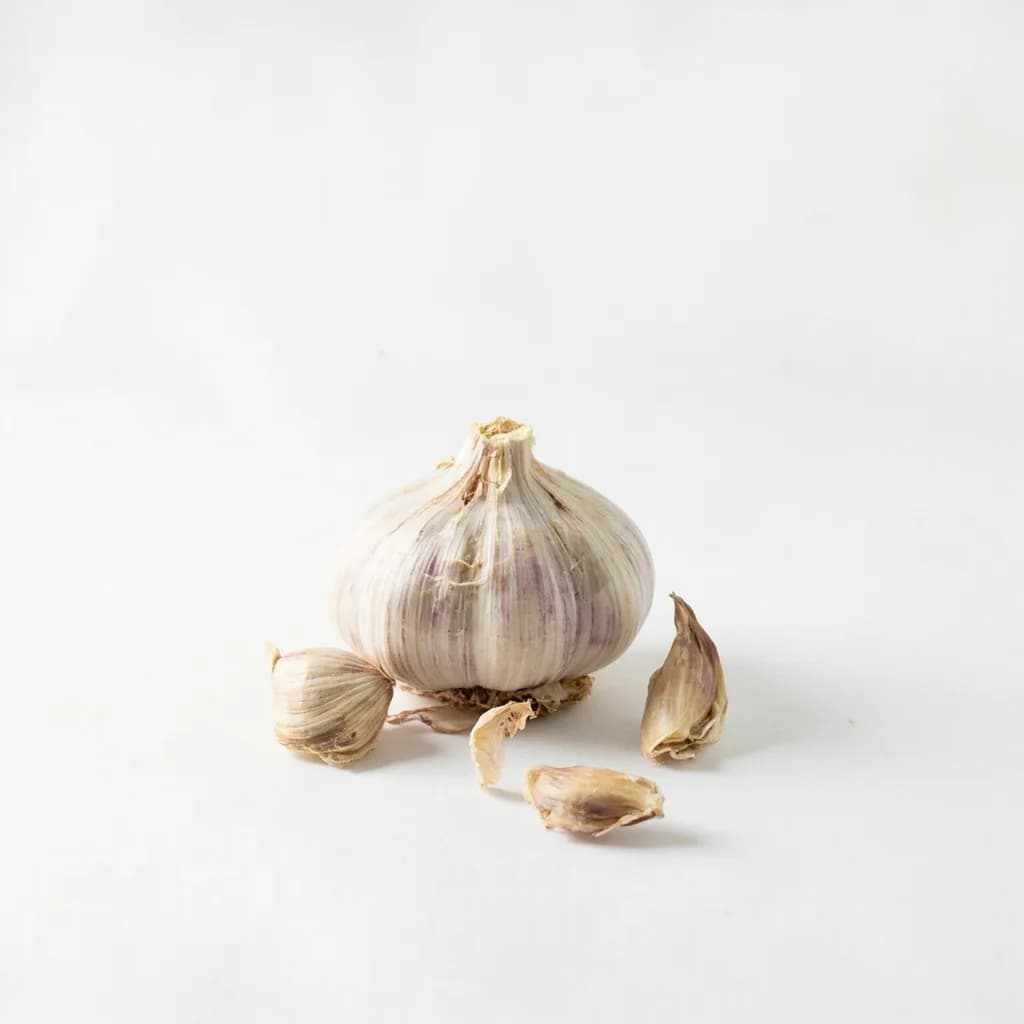
Garlic
Pungent cloves that perfume nearly every savory dish
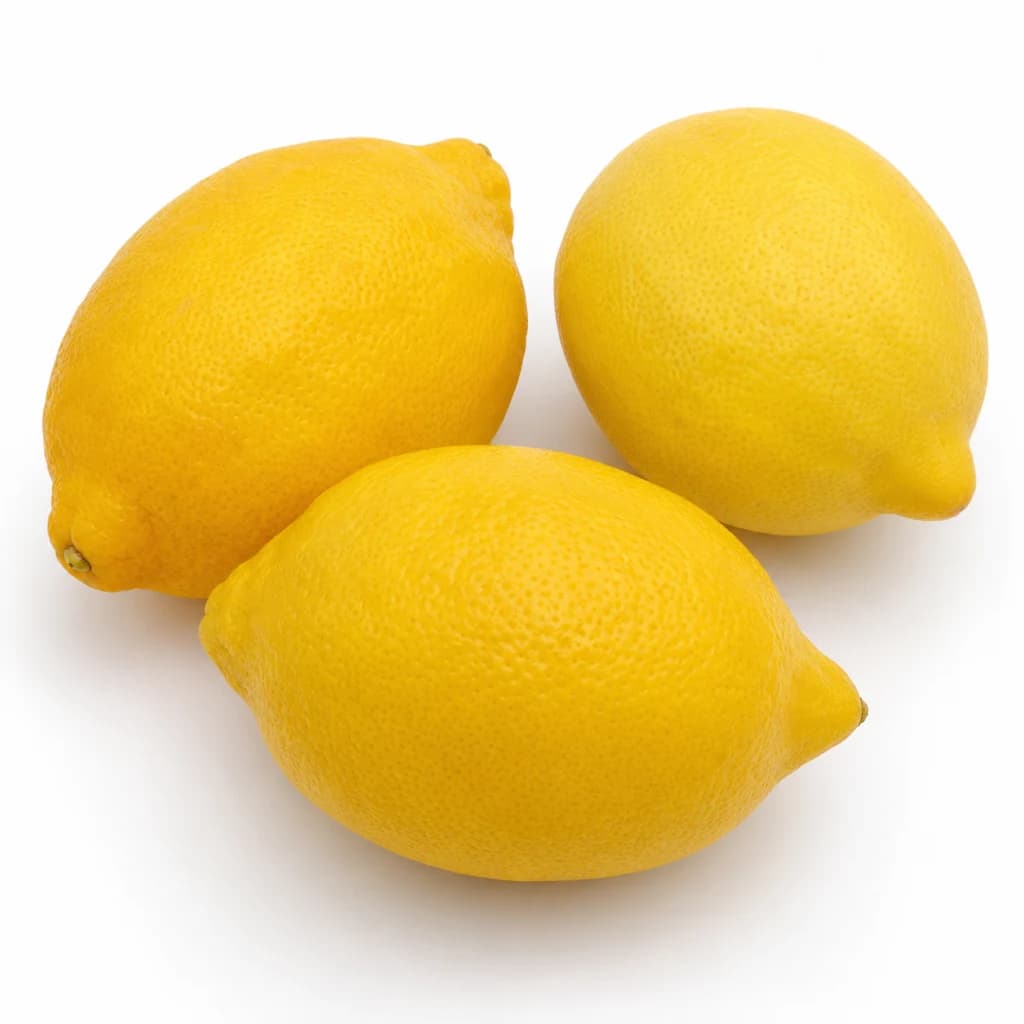
Lemon
Bright, acidic citrus that wakes up almost any dish
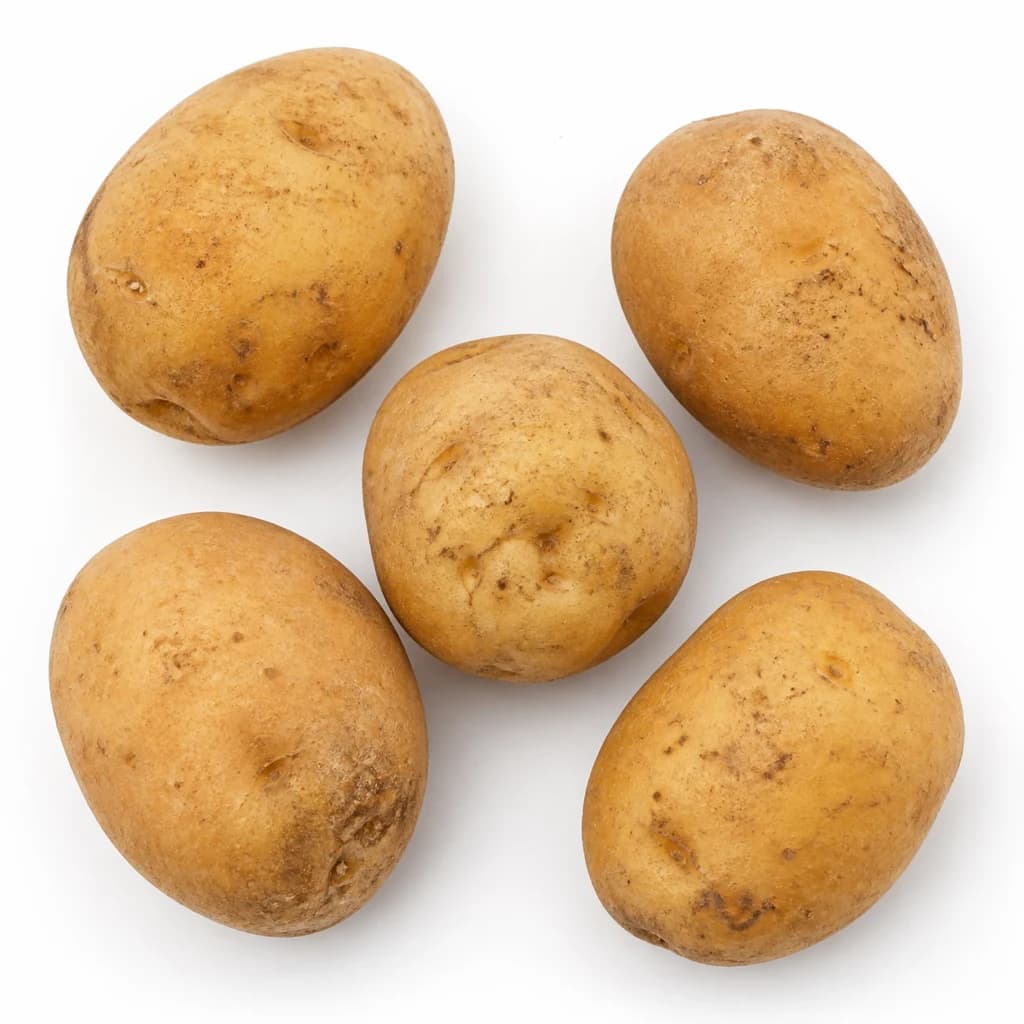
Potato
Humble, hearty staple — roast, mash, fry, or boil
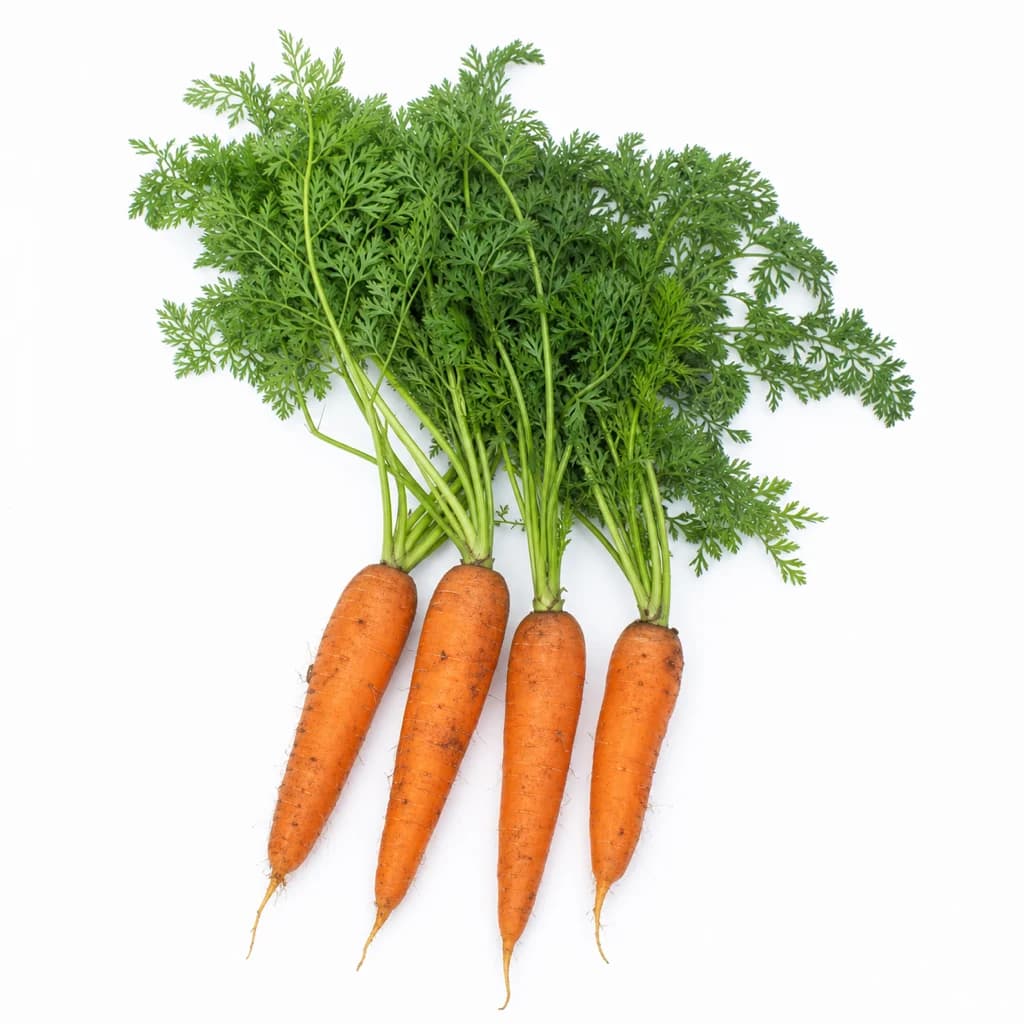
Carrot
Sweet, crunchy root — raw, roasted, or the base of a sofrito
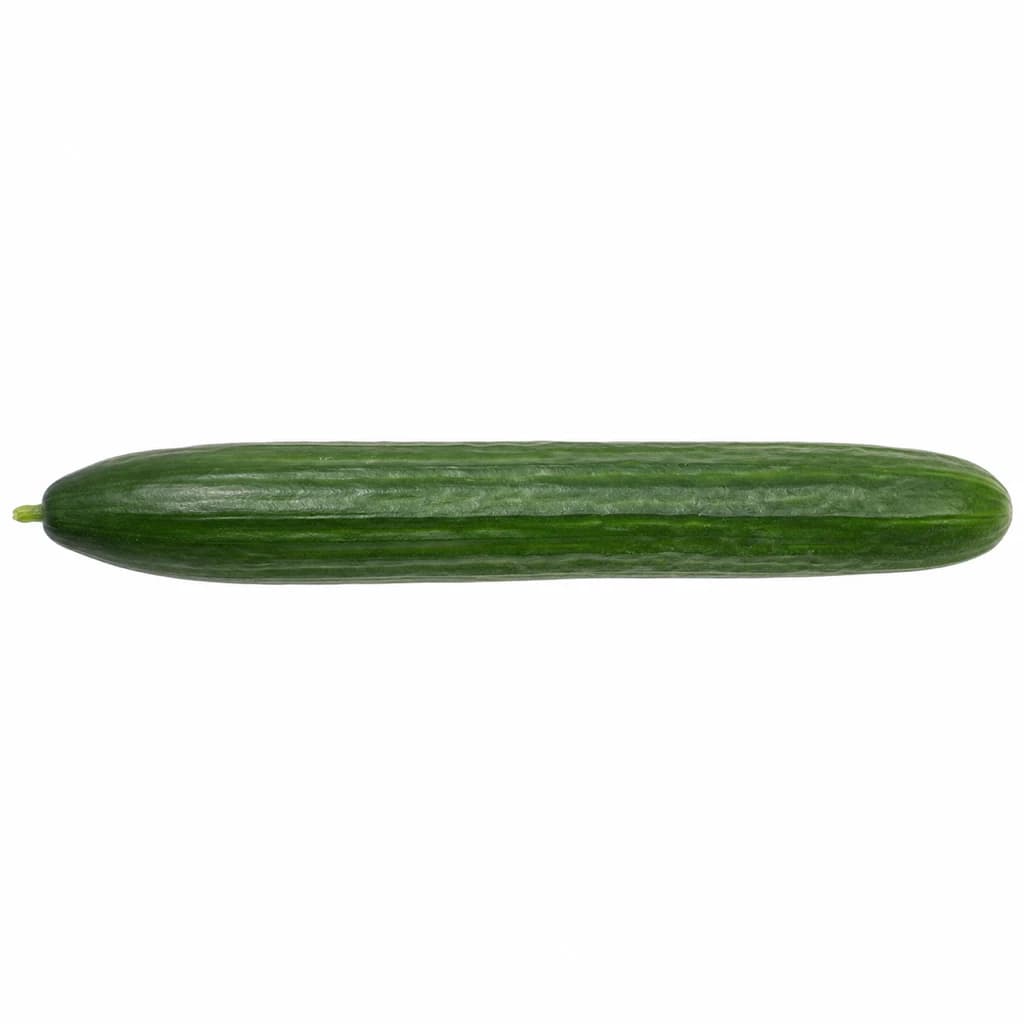
Cucumber
Cool, crisp, and watery — for salads, pickles, and tzatziki

Lettuce
Crisp leaves for salads, wraps, and a fresh crunch