
Natural form
Fresh mixed ground beef and pork, showing the pale pink two-meat blend straight from the package.
Establishes the distinctive mixed color and texture that distinguishes this two-meat blend from pure beef or pure pork.
Proteins
Mixed Ground Meat
A blend of ground beef and pork used for meatballs, burgers and Bolognese.
Mixed ground meat is a combination of ground beef and ground pork, popular across Europe (Swedish blandfärs) for its balance of beef flavor and pork fat. It is the standard base for meatballs, meatloaf, stuffed cabbage and ragù. The pork keeps the mixture moist and tender while the beef provides body.
Mixed ground meat — typically a blend of beef and pork — is one of the most versatile protein preparations in any kitchen. The combination is not merely convenient; it is purposeful. Beef provides bold, iron-rich flavor and a firm structure that holds its shape during cooking. Pork contributes rendered fat and natural sugars that keep the mixture moist and tender, preventing the dryness that plagues very lean all-beef grinds. Together, they brown more evenly and develop more complex flavor than either meat alone.
The specific ratio of beef to pork varies by tradition and intent. A 70/30 blend (beef to pork) offers enough fat for juicy burgers and well-structured meatballs without being greasy. A 50/50 blend leans softer and richer, ideal for saucy Italian-American meatballs that melt in your mouth. Lighter preparations may push toward 80/20 beef for a firmer texture. What matters most is that the fat content stays between 15–30% — below that, the meat will seize and dry out; above it, the blend becomes difficult to handle and overwhelmingly rich.
You can purchase pre-packaged ground beef-pork mix at most grocery stores, but these often contain extenders like textured vegetable protein. Requesting a custom grind from a butcher gives you control over meat quality, fat content, and which specific cuts go into the blend. For homemade grinding, use beef chuck and pork shoulder or butt, keep everything ice-cold, and grind twice for the smoothest, most cohesive texture.
- Measured in
- g
- Storage
- Fridge
Types & varieties
The most common commercial ratio; adequate fat for burgers, meatballs, and meatloaf without excess greasiness
Leaner blend; better for saucy dishes like Bolognese where added moisture comes from the sauce anyway
Equal parts; very moist and savory; traditional for Italian-American meatballs and some meatloaf recipes
Ground to specification by a butcher; can specify particular cuts for deeper flavor, such as adding brisket trimmings for beef or jowl meat for pork
Common uses
Tips & pitfalls
- Keep all equipment and meat ice-cold before grinding — room-temperature fat renders out during grinding, leaving you with a greasy, mealy mixture
- Do not overwork the mixture when forming meatballs or patties; use a light hand and let the meat fall together gently, or the result will be dense and tough
- Add 1–2 tablespoons of ice water per pound to the mixture before forming — this improves binding, moisture retention, and creates a smoother texture
- Season more than you think necessary — ground meat needs about 1 teaspoon of kosher salt per pound to taste properly seasoned
- For burgers, never press or flatten while cooking — this forces out the very fat that makes them juicy and leaves you with a dry, compressed result
- Brown in small batches with adequate space between pieces — crowding causes steaming rather than searing, and you lose the fond that builds flavor
- Rest formed meatballs in the refrigerator for 20–30 minutes before cooking to firm them up, making them less likely to fall apart in the pan
- When using raw onion in meatballs, always sauté it first until soft and translucent — raw onion stays gritty when mixed in uncooked
Nutrition
Energy
1301 kJ · per 100 g
Where the calories come from
Protein
41.7g
83% DV
Carbs
34.7g
13% DV
Fat
3g
4% DV
Fiber
17.5g
63% DV
Sodium
10mg
0% DV
Source · USDA FoodData Central · approx. Meat extender
View on FDC →In the shops
Matched grocery products
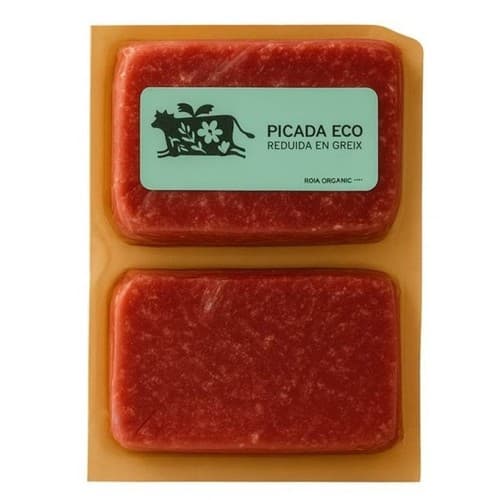 €9.99
€9.99Pirineus Organic Ground Beef
PIRINEUS · kg · Bonpreu
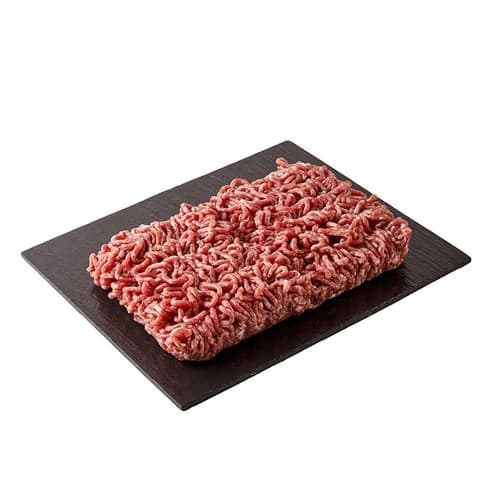 €10.48
BONPREU DE L'ERA Ground Beef
BONPREU DE L'ERA · kg · Bonpreu
Good to know
- Typical ratio
- 70% beef to 30% pork by weight; 50/50 is also common for Italian-style preparations
- Fat content
- 15–30%, depending on the leanness of the starting cuts
- Shelf life (refrigerated)
- 1–2 days from purchase date; observe the use-by date on the package
- Shelf life (frozen)
- 3–4 months at 0°F (−18°C) or below
- Safe internal temperature
- 160°F (71°C) for all ground beef-pork mixtures
- Typical cuts used
- Beef chuck and brisket trimmings; pork shoulder and pork butt
- Homemade equipment
- Meat grinder attachment for stand mixer, or a hand-cranked grinder; keep all parts cold
Substitutes
- All ground beef (80/20) — Works but will be leaner and less moist; compensate with additional binders like egg and soaked breadcrumbs
- All ground pork — Too fatty for most applications; acceptable only for rustic country-style patties where richness is desired
- Ground turkey or chicken — Much leaner and milder; dries out faster and lacks the savory depth of pork; add pork fatback if available for better results
- Italian sausage (bulk, mild) — Already seasoned with fennel and spices; may be too fatty depending on brand; reduces your control over final seasoning
- Ground lamb with pork — Traditional in Greek and Middle Eastern cuisines; yields a stronger, more aromatic result; reduce added fat when using lamb
Pairs with
Also called
Blandfärs · Ground Beef and Pork Blend
Related
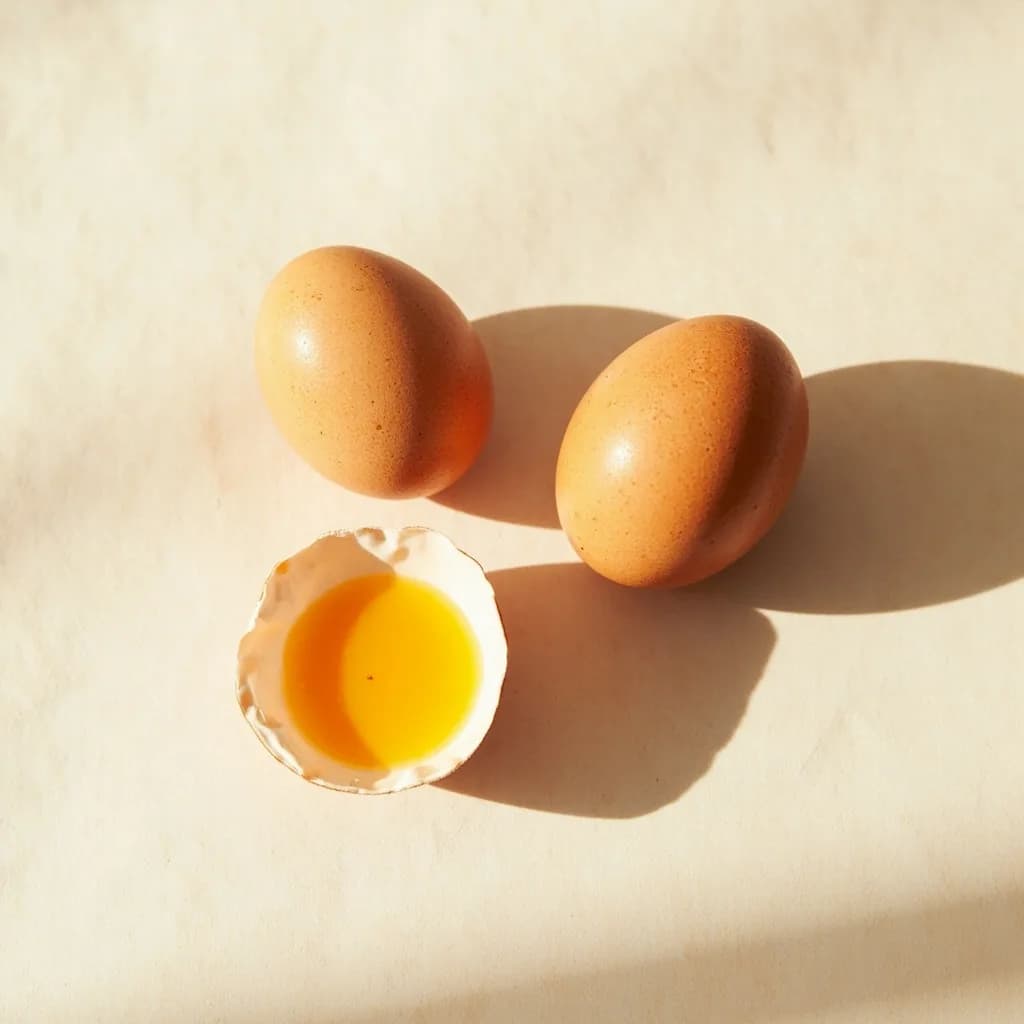
Egg
The kitchen's everything ingredient — bind, leaven, enrich, or fry
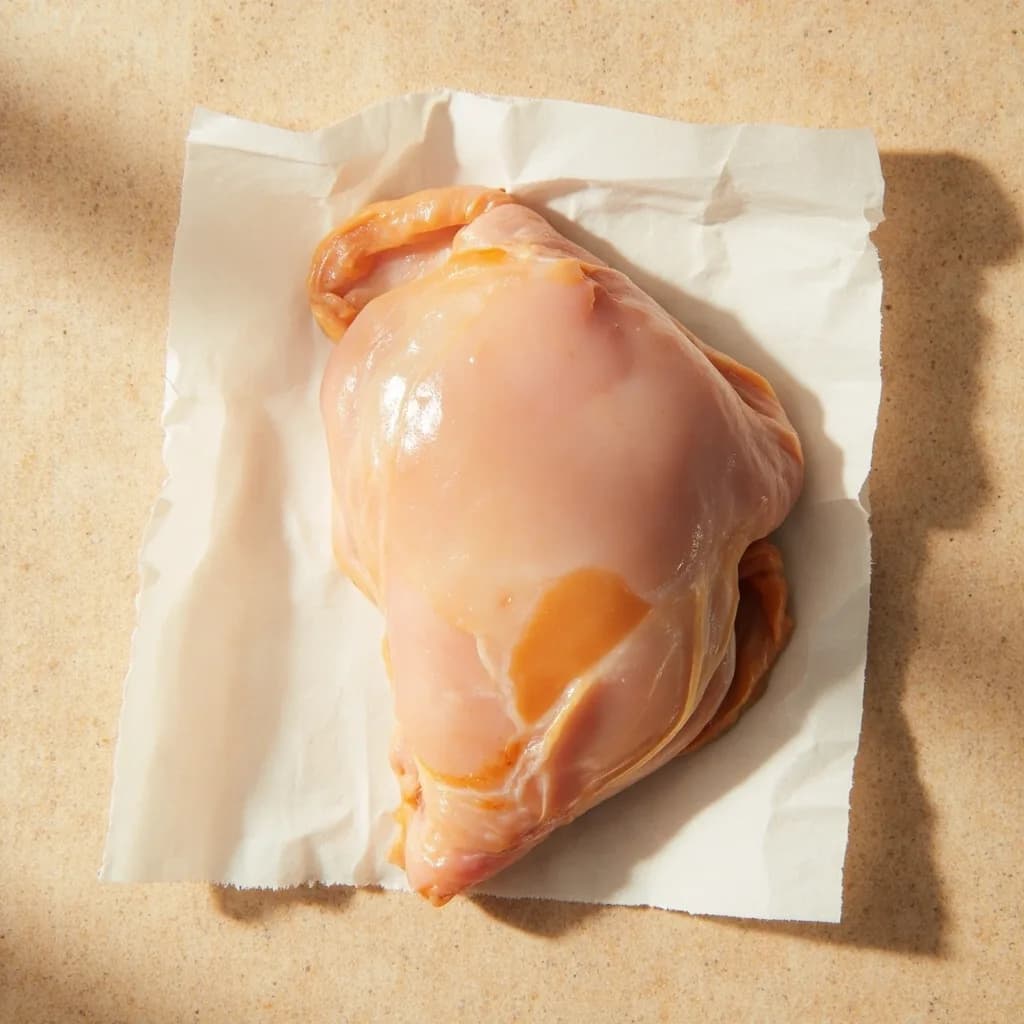
Chicken Breast
Lean, quick-cooking white meat for everyday dinners

Ground Beef
Versatile minced beef for burgers, ragù, tacos, and meatballs
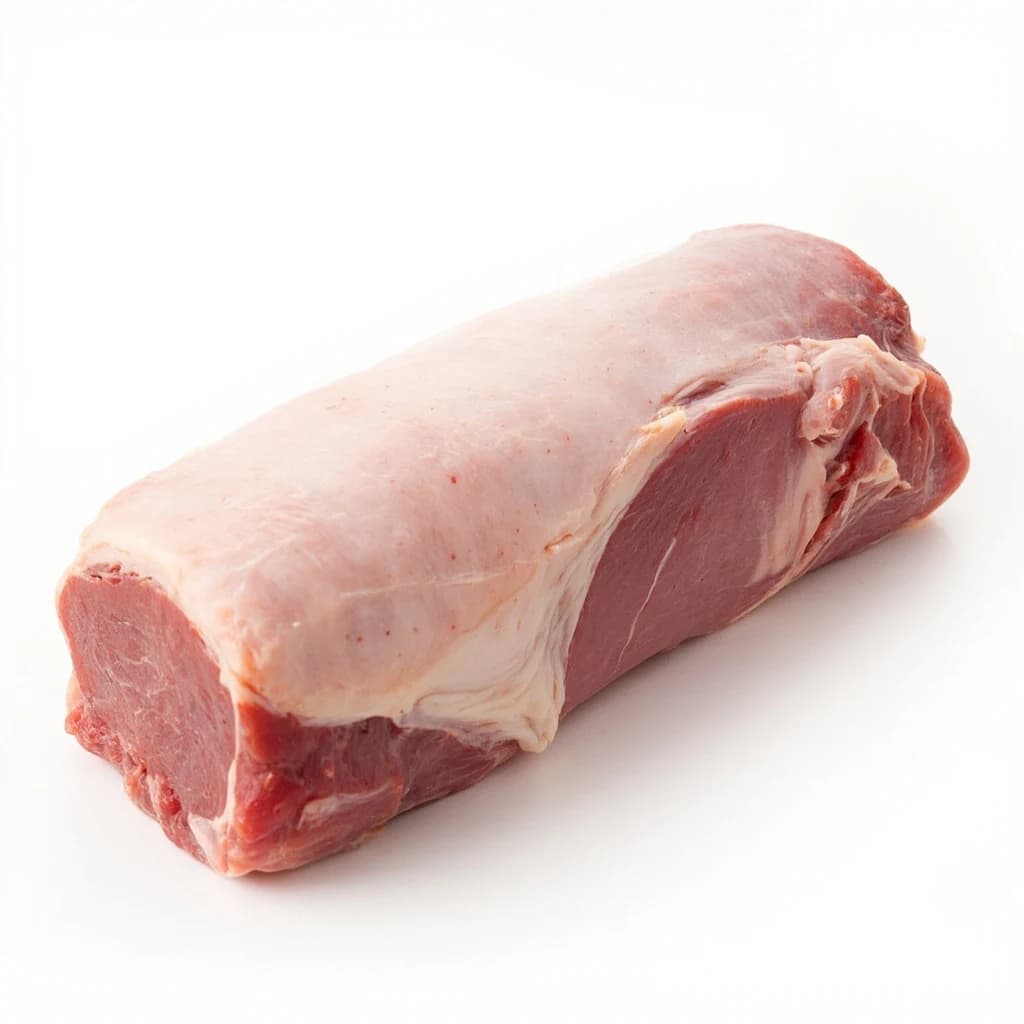
Pork Loin
Lean, tender roasting cut that stays juicy with care
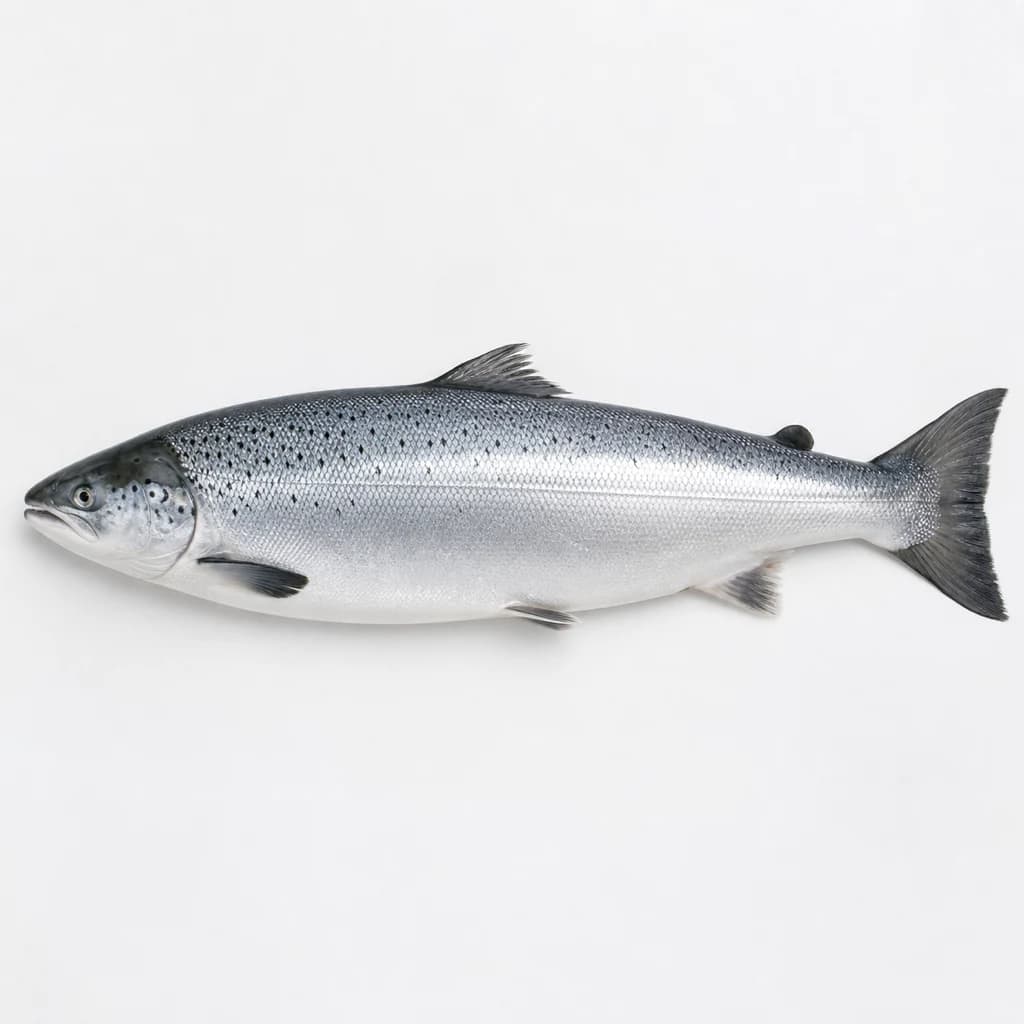
Salmon
Rich, rosy fish that roasts, grills, or cures beautifully

Egg White
Pure protein that whips to airy peaks for meringue and more
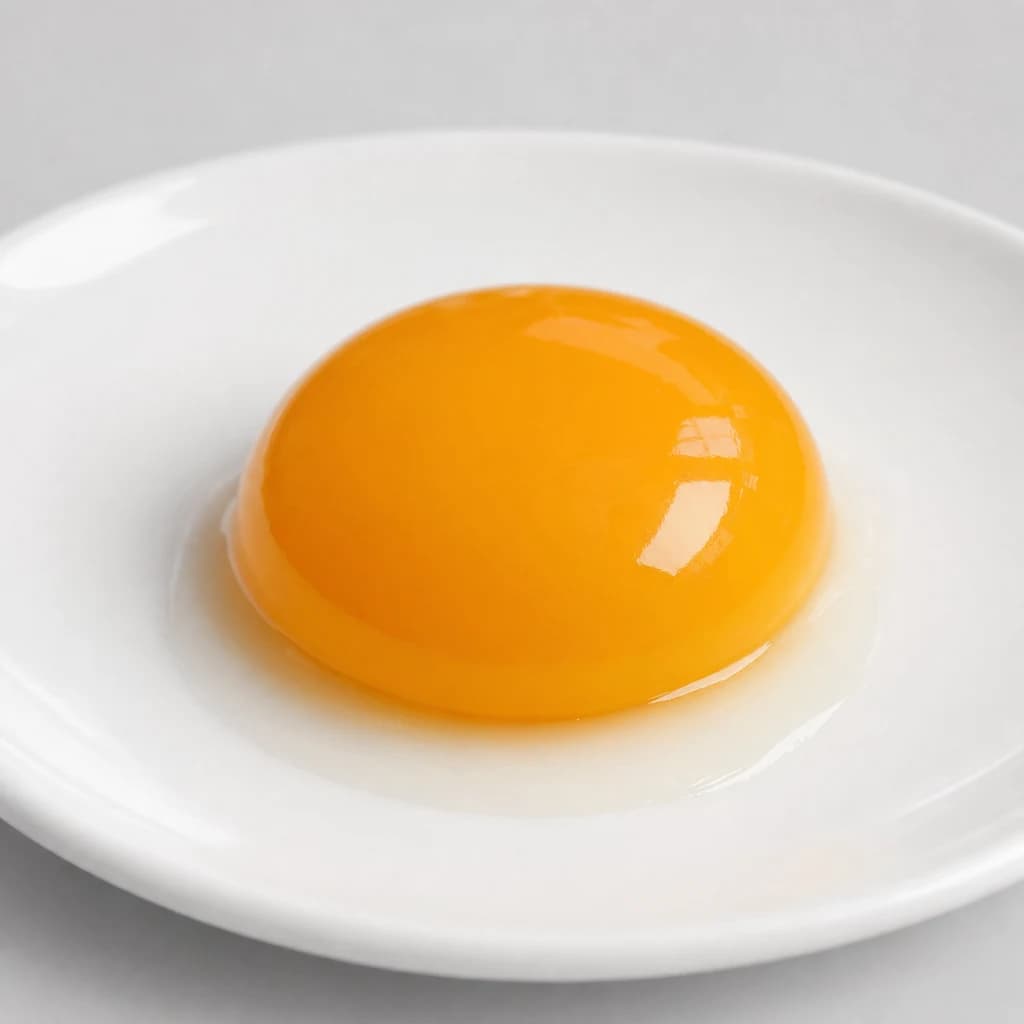
Egg Yolk
Rich, golden yolk for custards, mayonnaise, and pasta

Quail Egg
Tiny, speckled eggs for garnishing and elegant bites