
Natural form
Fresh haricots verts: slender, bright green, harvested before fibrous maturity.
Shows the defining physical characteristic — extreme slenderness and vivid color — that distinguishes haricots verts from common snap beans.
Produce
Haricot Vert
Slim, tender French green beans, quickly blanched or sauteed as a side.
Haricots verts are thin, tender French-style green beans, more delicate and less fibrous than common snap beans. They are blanched briefly to keep their bright color and crispness, then sauteed with butter or shallots, or served cold in salads like the classic salade nicoise. Their slender shape cooks fast, so they are best kept crisp-tender.
Haricot vert—literally 'green bean' in French—refers specifically to the slender, tender filet-type varieties that form the backbone of French bistro cuisine. These beans are bred for a reduced seed cavity and thin diameter, which translates to faster cooking and a melt-in-the-mouth texture absent in standard green beans. Their virtue lies in delicate freshness, not seasoning or sauce volume. The term appears on English-language menus as a marker of quality, signaling the French tradition of simple, ingredient-driven preparation where the bean itself is the star. Because of their delicate nature, haricot vert demand quick, high-heat cooking and restraint in seasoning—a heavy hand will overwhelm rather than enhance their sweet, grassy character.
- Measured in
- g
- Storage
- Fridge
Types & varieties
Classic French market variety, very thin, stringless, excellent tenderness
Widely grown French filet bean, dark green, 6–7 inches, good disease resistance
Hybrid variety bred for thin profile and sweet flavor, common in US markets
Italian variety, similar slender profile, slightly more robust flavor
Not a true haricot vert but often substituted; thicker, takes longer to cook
Why Thickness Matters
The defining characteristic of true haricot vert is not merely length but proportionality—the seed cavity remains small relative to the pod wall, giving the bean a consistent, tender texture throughout rather than a tough center seam. Standard green beans have a larger seed cavity that can become fibrous as the bean matures. This structural difference means haricot vert cook more evenly and quickly, making them forgiving for quick weeknight preparations but demanding respect for proper timing.
- Look for beans that are uniformly thin from tip to stem
- Avoid any bean that bulges noticeably in the center
- True filet types snap cleanly; beans that bend rather than snap have a large seed cavity
Buying and Selecting
Select beans that are firm, bright green, and snap when bent. Avoid beans with visible seeds bulging through the pod, dry or wrinkled surfaces, or yellowing—signs of age or improper storage. The stem end should be fresh-cut, not brown or dried. Because the thin profile makes freshness obvious, inspect carefully: any dullness or softness indicates the beans have lost moisture and will cook up mealy rather than crisp-tender.
- Look for consistent color with no brown spots or blemishes
- Choose beans that feel light for their size—heavy beans may have large seeds
- Buy from a high-turnover source; haricot vert deteriorate quickly at room temperature
Common uses
Tips & pitfalls
- Always salt the blanching water generously—beans absorb seasoning during the brief cook and it makes a significant difference in flavor
- Shock blanched beans immediately in ice water to preserve bright green color and stop cooking; drain thoroughly before tossing with fat
- When sautéing, ensure the pan is genuinely hot before adding beans; they should sizzle audibly on contact
- Do not crowd the pan—overlapping beans steam rather than brown and lose their bright color
- Discard the stem ends if beans are not clearly stringless; bite into one raw to test tenderness
- For a clean presentation, line beans up and slice all stem ends at once rather than snapping individually
- Carryover cooking is real—remove from heat when beans still have a slight crunch; residual heat will finish them
- Taste one bean plain before serving to check seasoning—the subtle flavor is easily lost under heavy seasoning
Nutrition
Energy
130 kJ · per 100 g
Where the calories come from
Protein
1.8g
4% DV
Carbs
7g
3% DV
Fat
0.2g
0% DV
Fiber
2.7g
10% DV
Sugars
3.3g
of which
Sodium
6mg
0% DV
Source · USDA FoodData Central · Beans, snap, green, raw
View on FDC →In the shops
Matched grocery products
No matched grocery products for Haricot Vert yet.
Good to know
- Origin
- France; thin green bean variety selected for tenderness and small seed cavity, central to French bistro cuisine
- Season
- Peak late summer through early fall; available year-round from warmer climates
- Typical Length
- 4–6 inches; significantly longer and thinner than standard green beans
- Texture
- Delicate, crisp-tender when properly cooked; smaller seed cavity than conventional varieties
- Flavor
- Sweet, grassy, bright; absorbs accompanying flavors without dominating
- Storage
- Refrigerate unwashed in a plastic bag up to 5 days; keep away from ethylene-producing fruits
- Cook Time
- Blanch 2–3 minutes; sauté 3–5 minutes; undercook slightly as carryover heat finishes cooking
Substitutes
- Standard green beans — Thicker and take 1–2 minutes longer to cook; texture is less delicate but acceptable
- French fillet beans — Virtually identical—same slender profile and tenderness; often sold under this name interchangeably
- Wax beans — Same size and shape, replaceable in most preparations; visual difference only
- Sugar snap peas — Completely different flavor and texture; acceptable only in salads or raw applications, not for cooked dishes
- Asparagus — Different flavor but similar cooking behavior; cut on bias to comparable length
Pairs with
Also called
French Green Beans · Filet Beans
Related
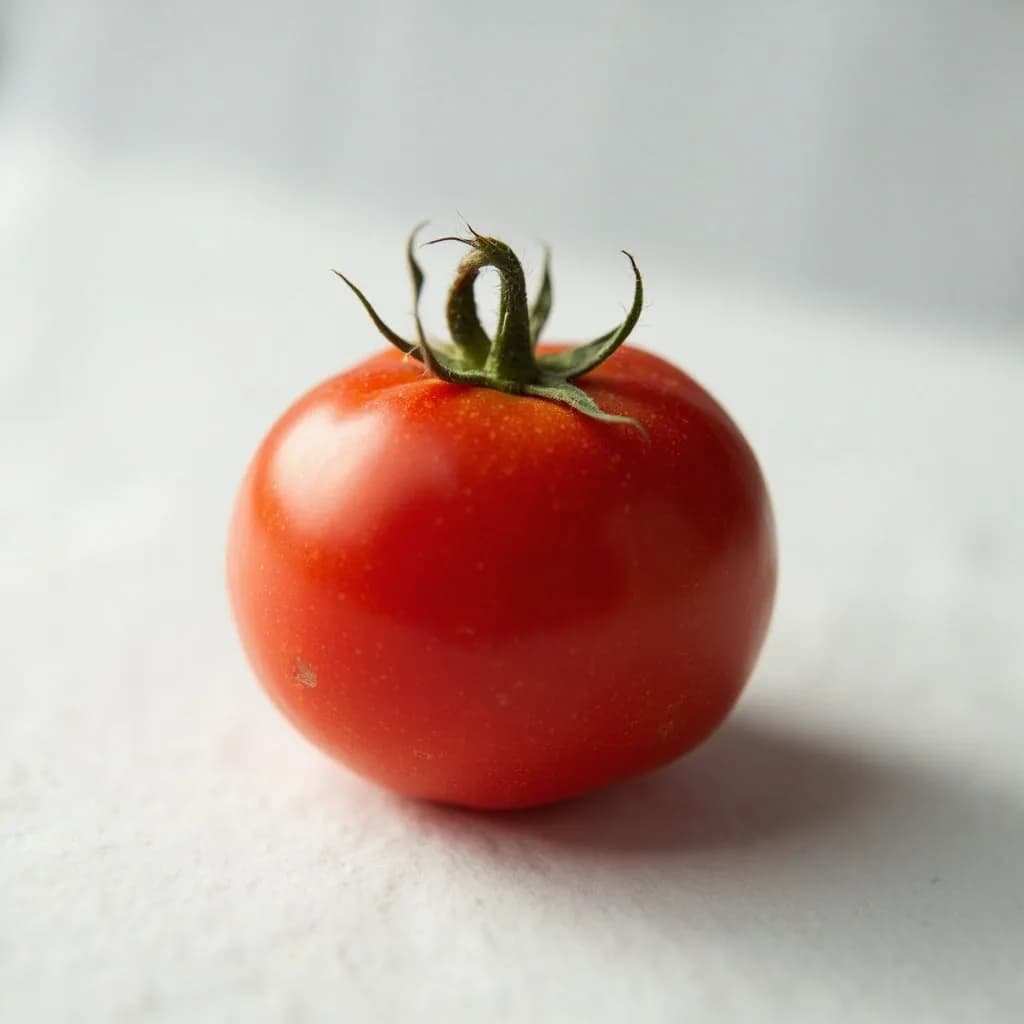
Tomato
Juicy, sun-sweet fruit for sauces, salads, and slow-cooked depth
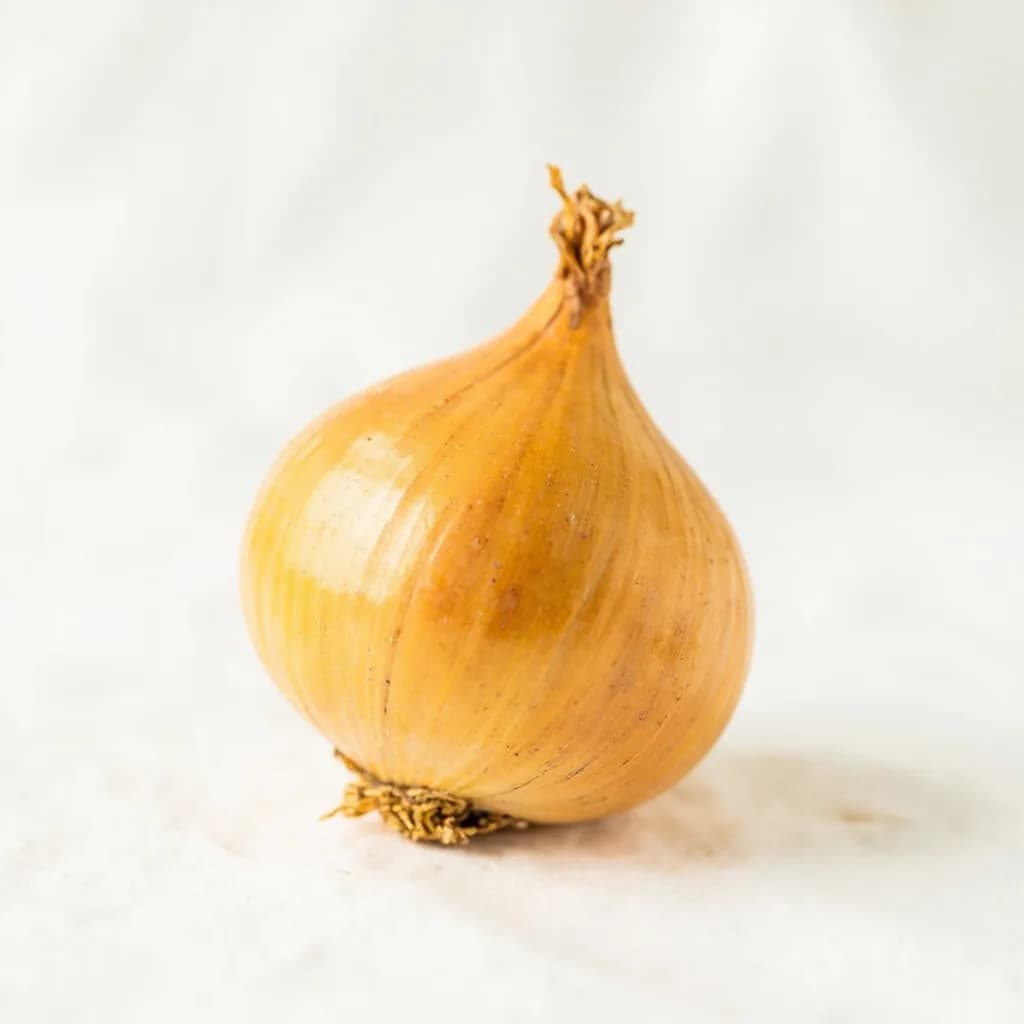
Yellow Onion
The aromatic backbone of soups, sofritos, and braises
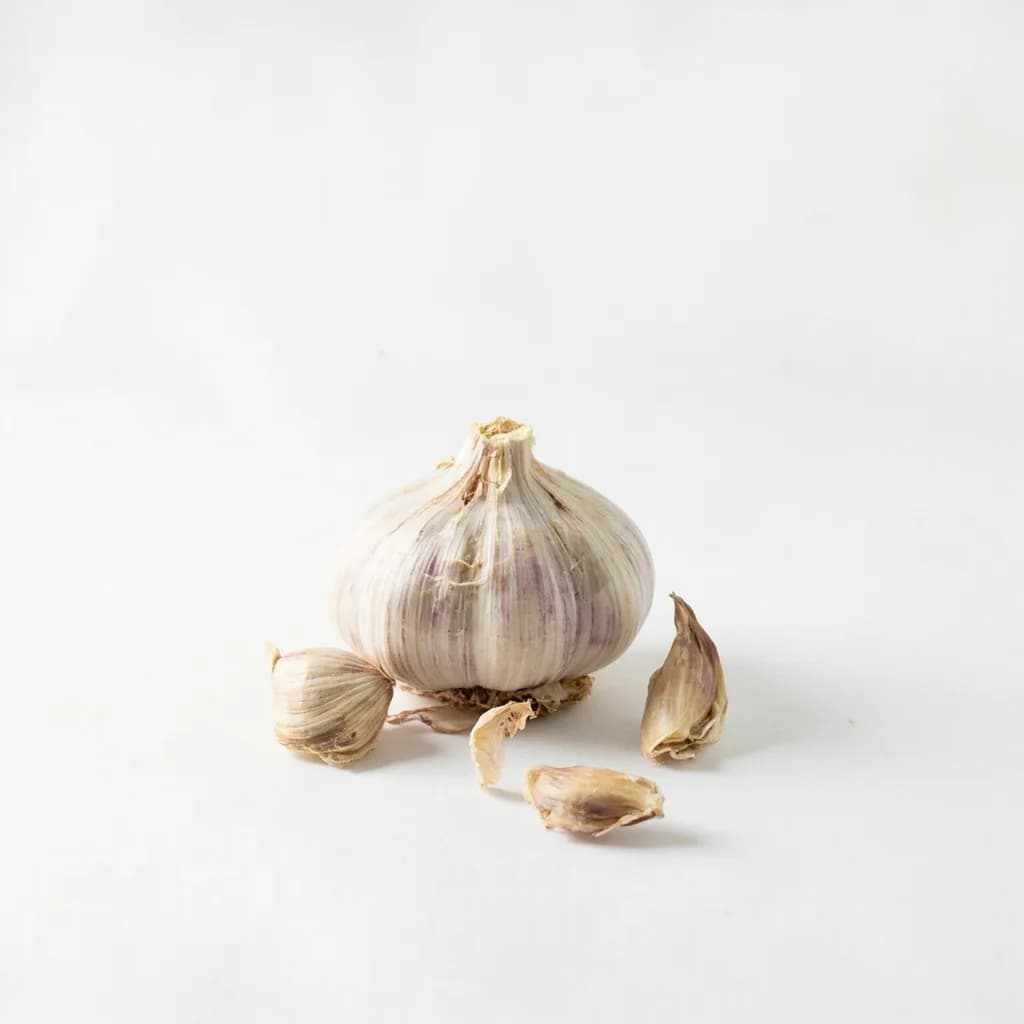
Garlic
Pungent cloves that perfume nearly every savory dish
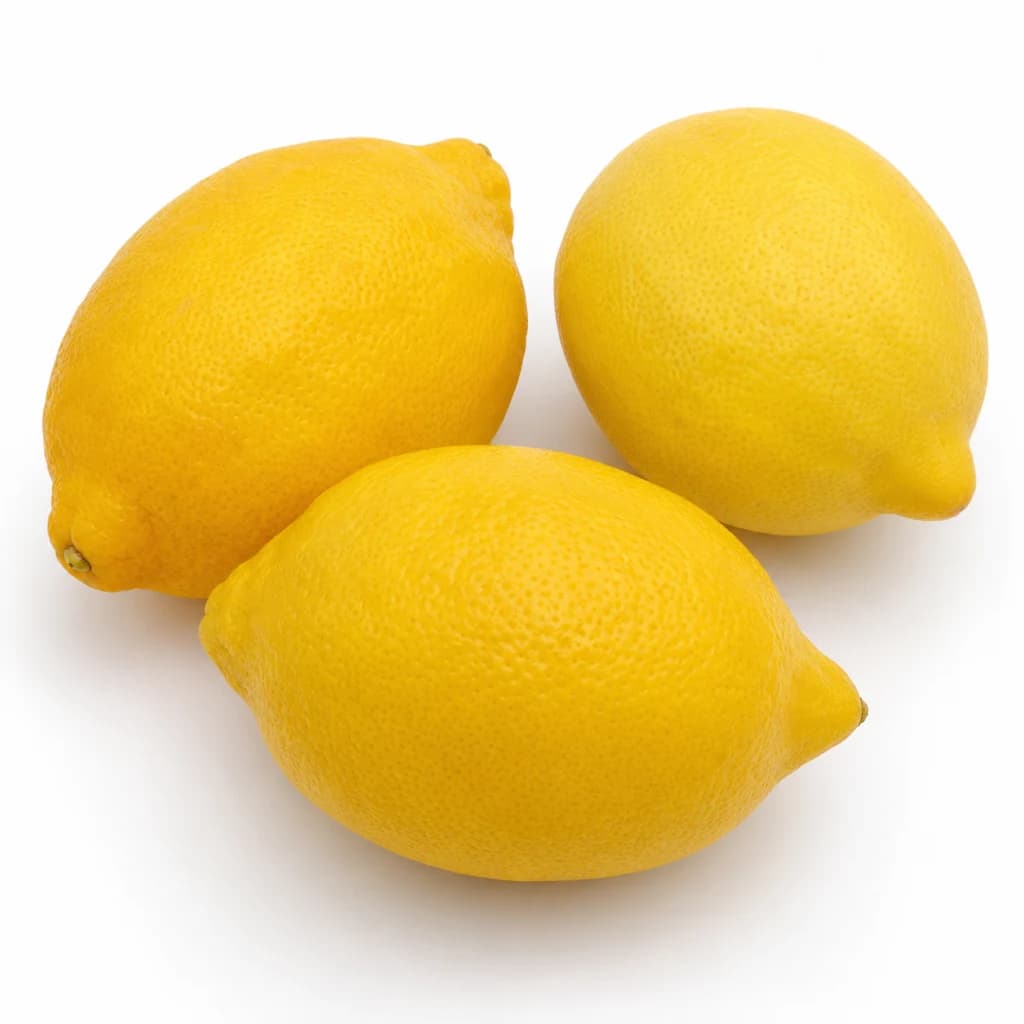
Lemon
Bright, acidic citrus that wakes up almost any dish
Potato
Humble, hearty staple — roast, mash, fry, or boil
Carrot
Sweet, crunchy root — raw, roasted, or the base of a sofrito
Cucumber
Cool, crisp, and watery — for salads, pickles, and tzatziki

Lettuce
Crisp leaves for salads, wraps, and a fresh crunch