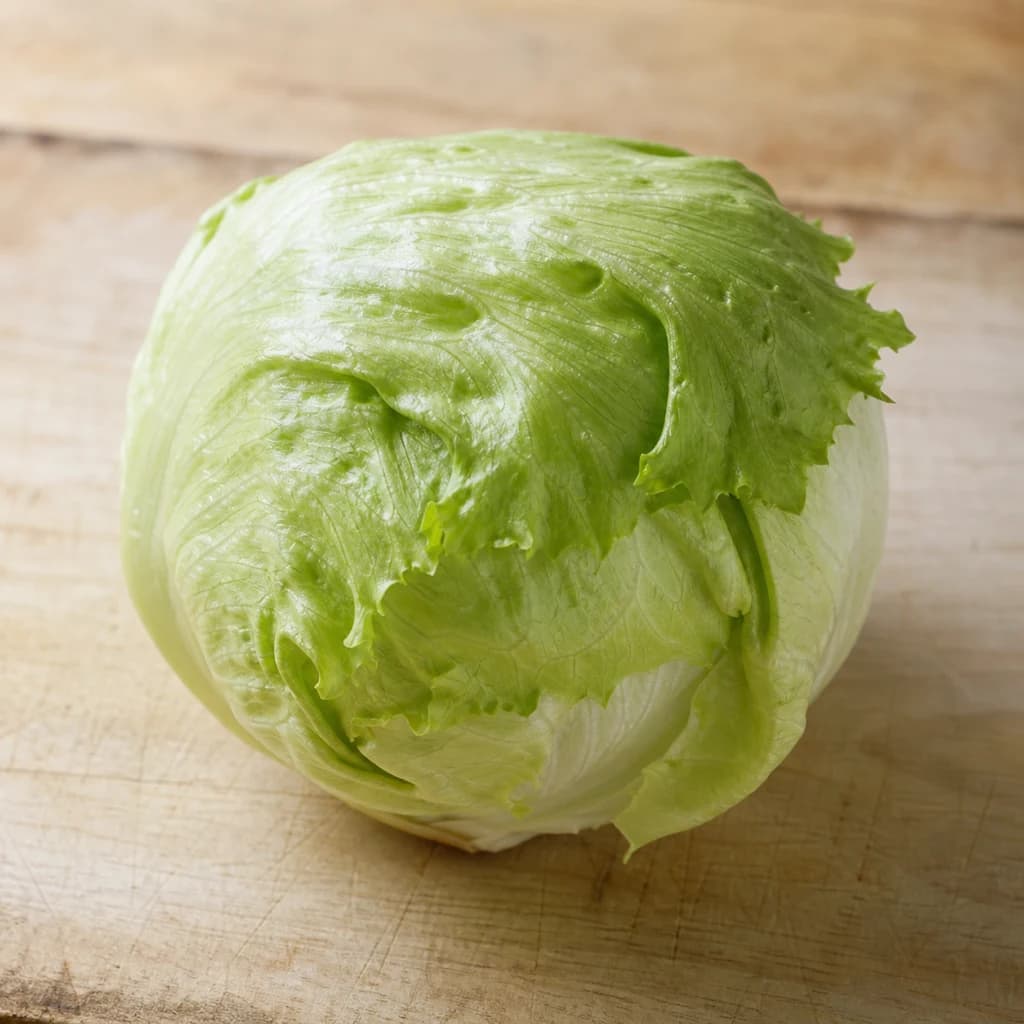
Natural form
A whole iceberg lettuce head showing its compact round shape and pale green outer leaves.
Shows the reader exactly what to look for when selecting iceberg lettuce at a market — the tight, round, densely packed head with slightly ruffled pale-green outer leaves.
Produce
Iceberg Lettuce
Crisp, mild, pale-green head lettuce prized for crunch in salads, wraps, and burgers.
Iceberg lettuce is a tightly packed, round head lettuce with very crisp, watery, mild-flavored leaves. It is most often shredded for tacos and burgers or quartered into wedge salads, valued more for its snappy texture and cooling crunch than for flavor. It keeps its crispness well even when dressed or chilled.
Iceberg lettuce (Lactuca sativa var. capitata) is a head-forming lettuce developed in the United States in the late 19th century and distributed nationally via railroad refrigeration. It descends from French Batavian lettuces introduced to American growers in the 1860s and acquired its enduring name from a Waltham, Massachusetts mail-order company that shipped heads packed in crushed ice around 1900. The variety's cultural peak came with mid-century American salad bars and fast-food chains, where its reliable crunch and neutral flavor made it a universal canvas for bold dressings and toppings. Though often dismissed as nutritionally inert due to its high water content (95–96%) and modest vitamin levels, it earns its place in the kitchen for one irreplaceable quality: when the cell structure of its tightly packed leaves remains intact, it delivers a snap and crunch no other lettuce consistently provides. The innermost leaves near the core are the sweetest; outer leaves are more bitter and typically trimmed away. A standard head weighs 1–2½ lbs and yields roughly 50% usable leaves after trimming and coring.
What makes iceberg behave as it does is its architecture. The leaves grow in a dense, overlapping head that seals the interior from light and air, keeping inner leaves pale, tender, and mild. That same sealed structure is why coring before washing matters: removing the core punctures the base of the head, opening a direct pathway for water to flood the interior spaces between the leaves. Once torn or cut, the high water content becomes a liability—cells release liquid rapidly, leaves wilt, and cut edges brown within hours. This is why iceberg demands respect for timing: it goes on the plate last, gets dressed at the table, and is served ice-cold. When handled correctly, it is the most reliable crunch agent in the produce drawer.
Iceberg's reputation has shifted in recent decades as nutrition-conscious diners rejected it for darker, leafier greens. But texture is its own kind of value. In a wedge salad, a burger, or a lettuce wrap, structure matters as much as nutrition. A balanced diet includes both roles.
- Measured in
- piece
- Storage
- Fridge
Types & varieties
The most common commercial cultivar; released in 1944, tolerant of heat and tipburn.
Slightly larger heads with good wrapper leaves; bred for bolt resistance.
West Coast variety; compact, well-filled heads with dark green outer leaves.
Eastern variety; round heads with excellent internal quality.
Choosing and Storing
Select heads that feel heavy for their size—lightness signals loose, open growth and poor crunch. Leaves should be a vibrant pale green without brown edges or visible bruising. A tight, dense center is preferable to a loose, sprawling head. Once home, do not wash until just before serving. Store the whole head in a loose produce bag in the crisper drawer. Refrigerated and unwashed, a good head holds for 5–7 days. Wilted outer leaves can be stripped away; if the inner core still feels firm and the leaves snap rather than bend, the head is still usable. To refresh slightly wilted leaves, submerge them in ice water for 15–30 minutes, then spin or pat completely dry before use.
- Choose heavy, dense heads with tightly packed leaves
- Store unwashed in a loose produce bag; wash only before serving
- Wilted outer leaves are normal—check the core for firmness to judge freshness
- Refrigerated shelf life: 5–7 days
Prep Techniques
The core removal technique matters more than most cooks realize. Holding the stem end up, strike the base of the head firmly against a countertop—this loosens the core from the surrounding leaf attachment. Then twist and lift the core out in one piece. Do this before washing. If you wash an uncored head, water cannot enter the sealed interior easily. But if you core first and then wash, water can flood the interior spaces between the leaves, turning the lettuce soggy from the inside out. Once cored, separate the leaves and rinse under cold running water. Shake or spin dry. The critical step: tear leaves by hand rather than cutting with a knife. Metal crushes cells at the cut edge, creating bruised tissue that oxidizes and browns within 30 minutes. Hand-tearing produces clean breaks that stay white and fresh-looking far longer. If a recipe calls for shredded iceberg, use a sharp chef's knife and work quickly—slice just before serving, never in advance.
- Core before washing to prevent waterlogging the interior
- Strike the stem end firmly on a countertop, then twist out the core
- Rinse under cold water and spin or pat dry immediately
- Tear by hand—knife cuts cause rapid browning at the edges
Common uses
Tips & pitfalls
- Core it by holding the stem end up and striking the bottom firmly against a countertop, then twist and lift out; this avoids tearing the leaves.
- Remove the core before washing, not after—puncturing the base opens a direct pathway for water to flood the interior spaces between the leaves.
- Keep it ice-cold until serving; cold temperature maintains cell turgor and the characteristic crunch.
- Tear leaves by hand rather than cutting with a knife; metal causes bruising at cut edges that brown quickly.
- If leaves are slightly wilted, refresh them in ice water for 15–30 minutes before serving.
- Do not overdress; iceberg's high water content dilutes dressing rapidly, turning the salad soggy.
- Store cut or torn lettuce in a single layer on paper-towel-lined containers; stacking causes condensation and rapid spoiling.
- Select heavy, dense heads—lightness signals loose growth and poor crunch.
Nutrition
Energy
59 kJ · per 100 g
Where the calories come from
Protein
0.9g
2% DV
Carbs
3g
1% DV
Fat
0.1g
0% DV
Fiber
1.2g
4% DV
Sugars
2g
of which
Sodium
10mg
0% DV
Source · USDA FoodData Central · Lettuce, iceberg (includes crisphead types), raw
View on FDC →In the shops
Matched grocery products
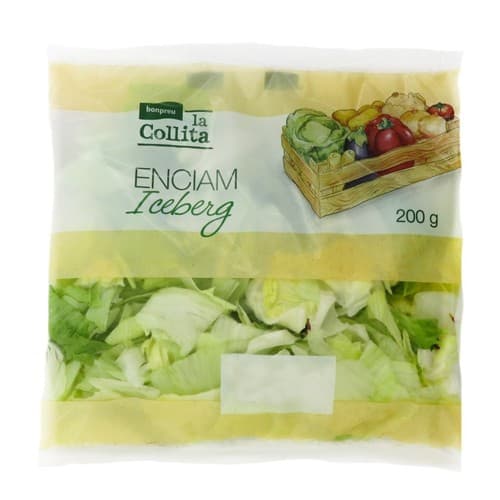 €0.79
€0.79Iceberg Lettuce
LA COLLITA · kg · Bonpreu
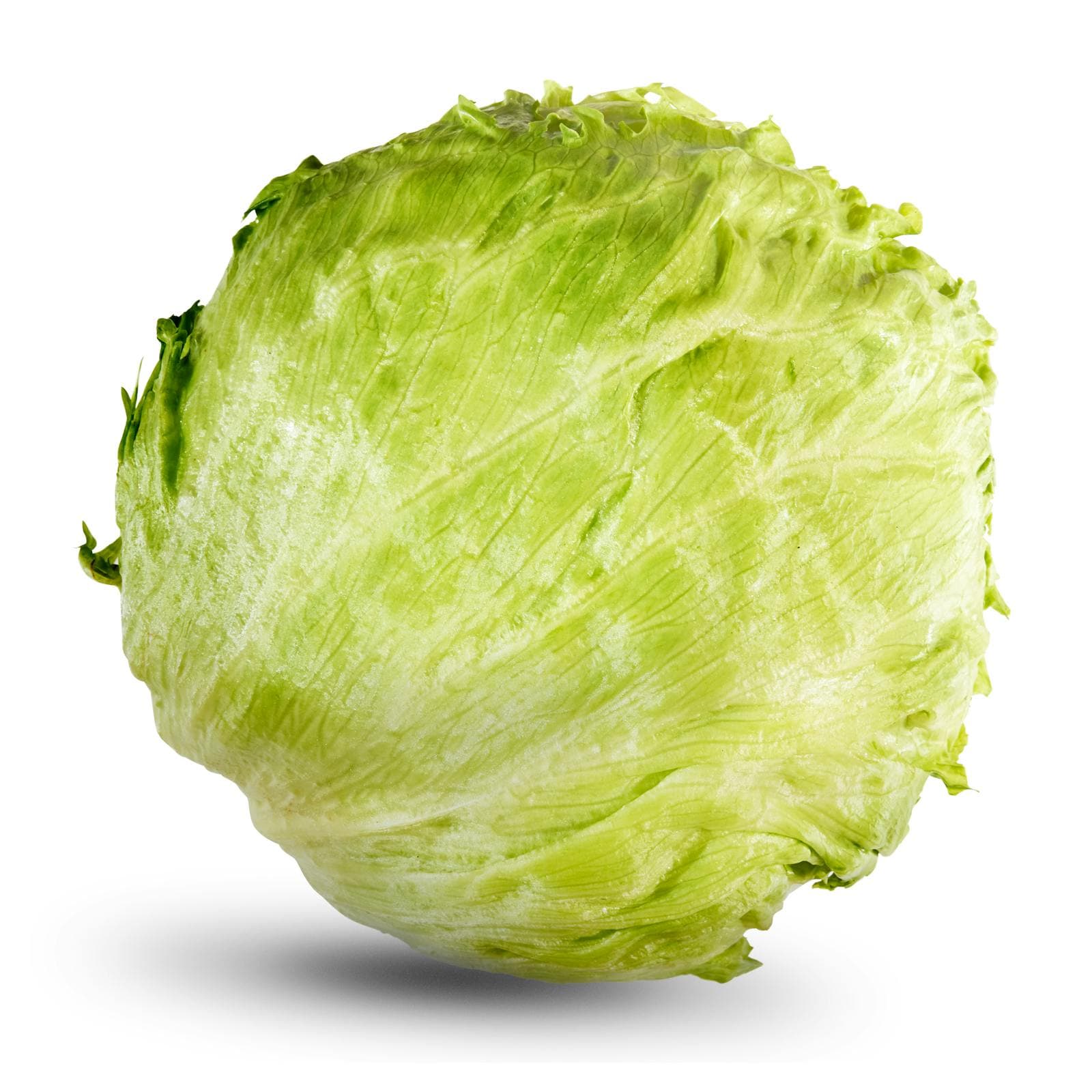 €1.05
€1.05Iceberg Lettuce
1 ud · Mercadona
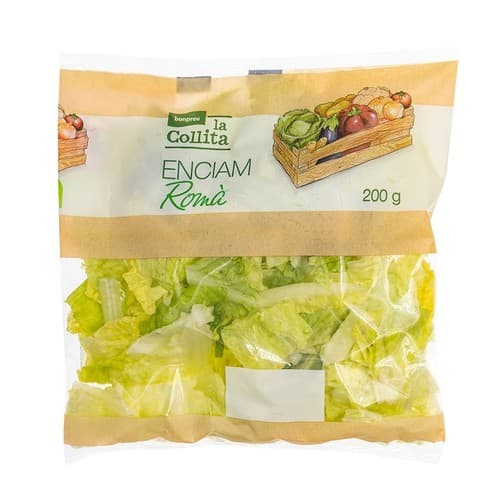 €1.15
€1.15Romaine Lettuce
LA COLLITA · kg · Bonpreu
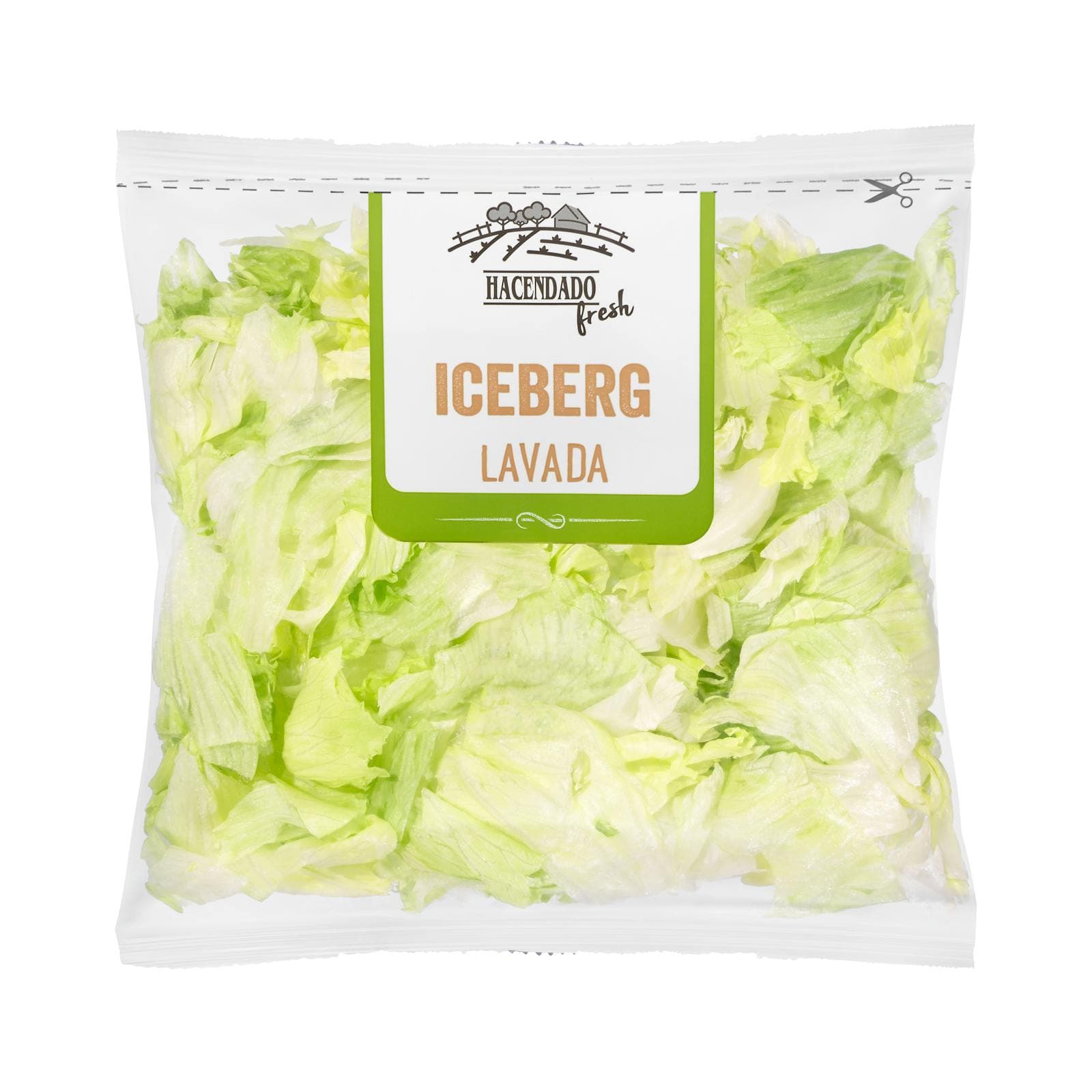 €0.95
€0.95Iceberg Lettuce Cut and Washed
250 g · Mercadona
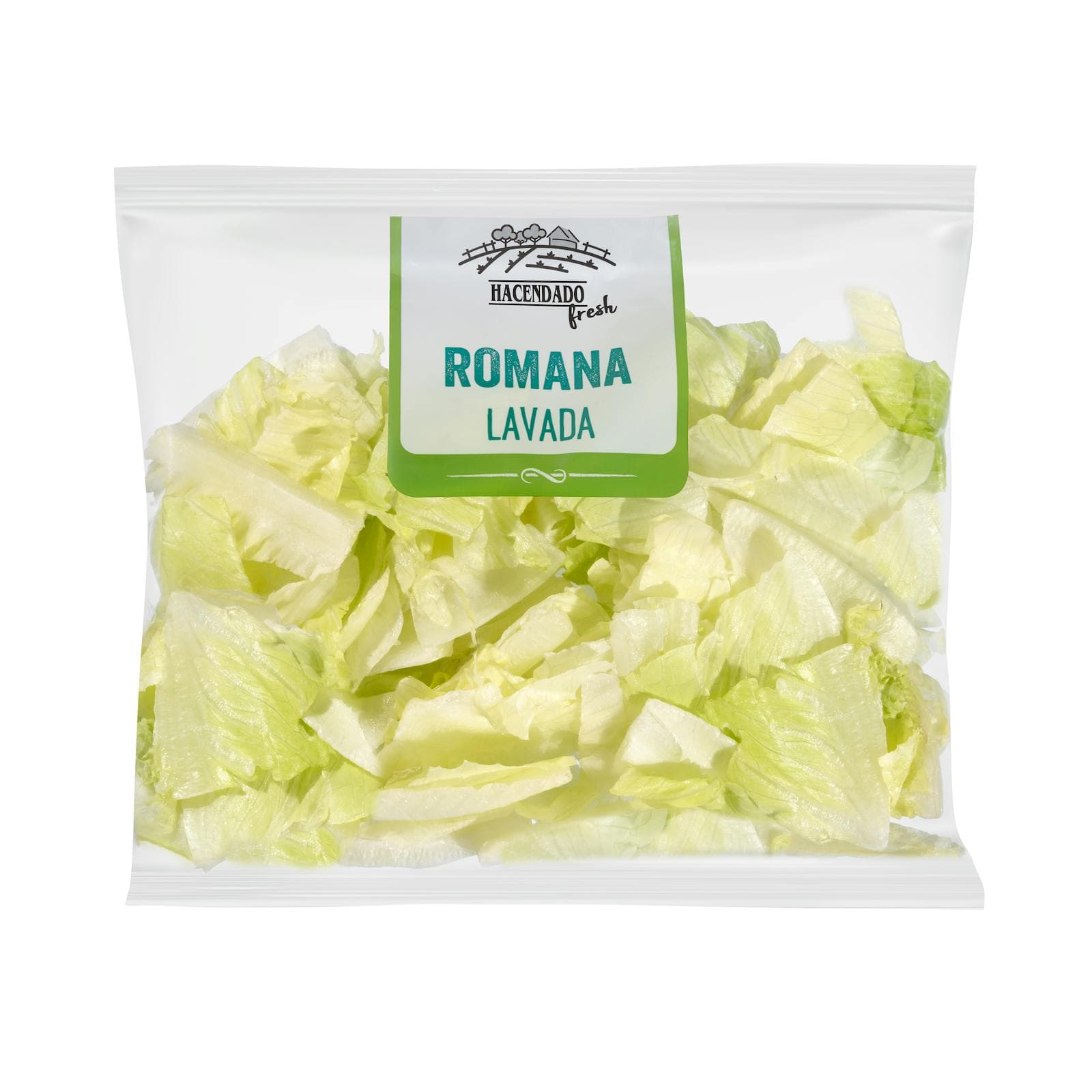 €1.15
€1.15Romaine Lettuce Cut and Washed
200 g · Mercadona
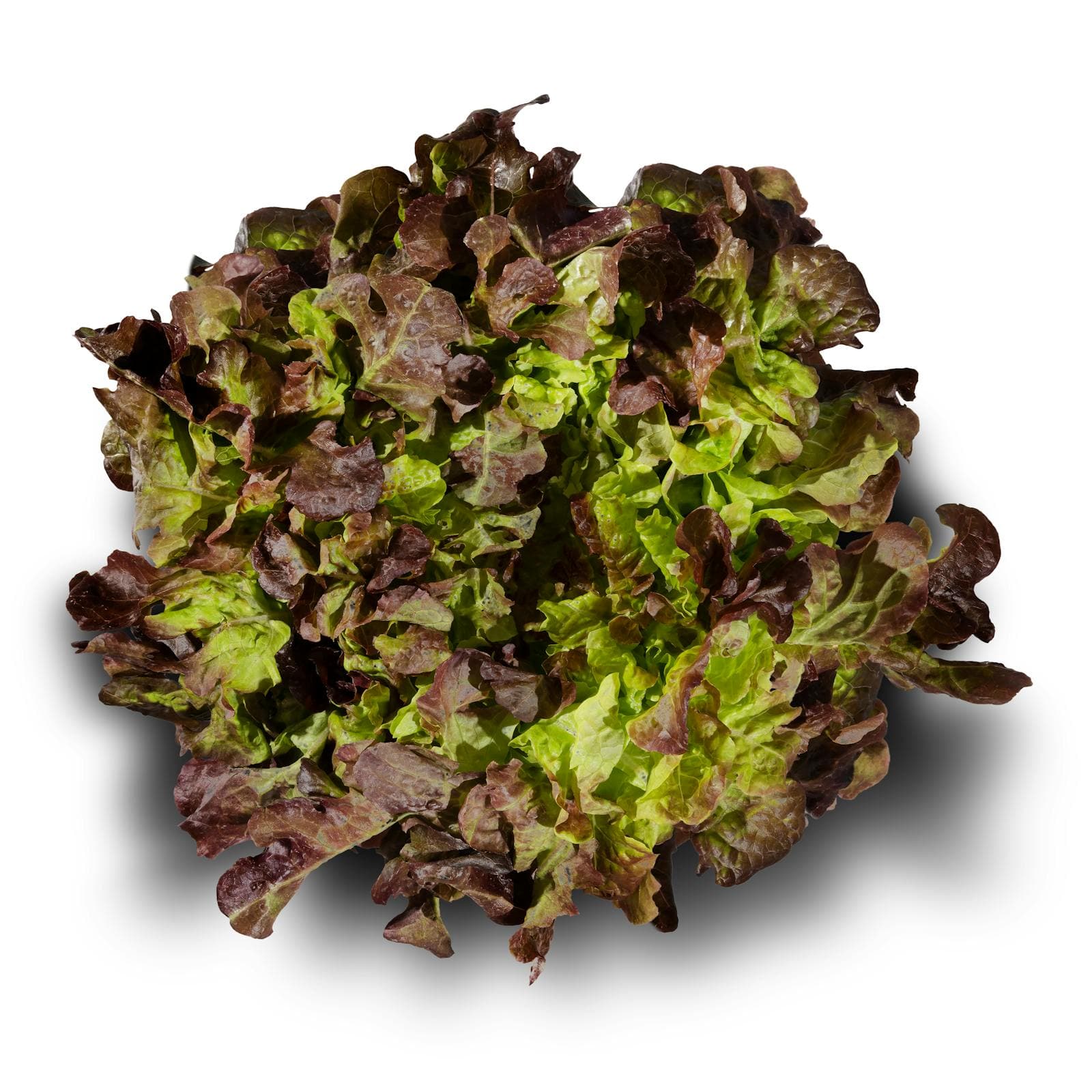 €1.60
€1.60Red Oak Leaf Lettuce
1 ud · Mercadona
Good to know
- Scientific Name
- Lactuca sativa var. capitata
- Origin
- Developed in the United States in the late 19th century; popularized nationally by railroad refrigeration
- Peak Season
- Spring and fall; grown year-round in California and Arizona
- Water Content
- 95–96%
- Typical Weight
- 1–2½ lbs per head
- Yield
- Approximately 50% usable after trimming outer leaves and coring
- Shelf Life
- 5–7 days refrigerated; wilted leaves indicate age
- Primary Flavor
- Mild, slightly sweet; leaves near the core are sweetest
- Key Attribute
- High water content produces characteristic crunch when cells are intact
Substitutes
- Romaine Lettuce — Similar crunch with more robust flavor and significantly higher nutritional content; best 1:1 substitute for most applications.
- Green Cabbage — Much crunchier and longer-lasting; stronger raw flavor requires adjustment; good for wedge salads.
- Butter Lettuce — Softer texture but acceptable mild flavor; use for wraps where crunch is secondary.
- Little Gem Lettuce — Small, crunchy hearts with sweet flavor; excellent substitute where small size is acceptable.
- Belgian Endive — Firm and crunchy but distinctly bitter; better suited to salads with strong dressings.
- Radicchio — Crunchy but bitter; works in composed salads with bold flavors; not a universal substitute.
Pairs with
Also called
Shredded Iceberg Lettuce · Crisphead Lettuce
Appears in these dishes

Related
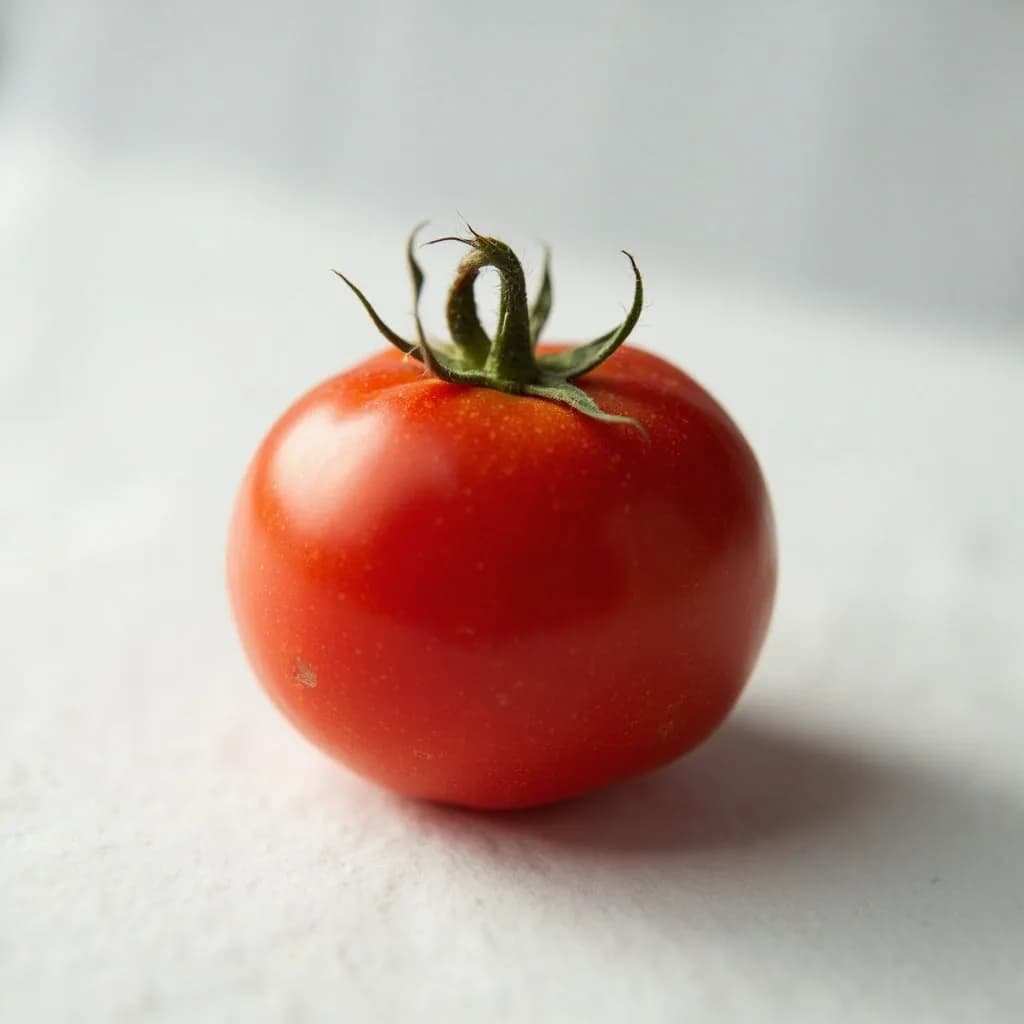
Tomato
Juicy, sun-sweet fruit for sauces, salads, and slow-cooked depth
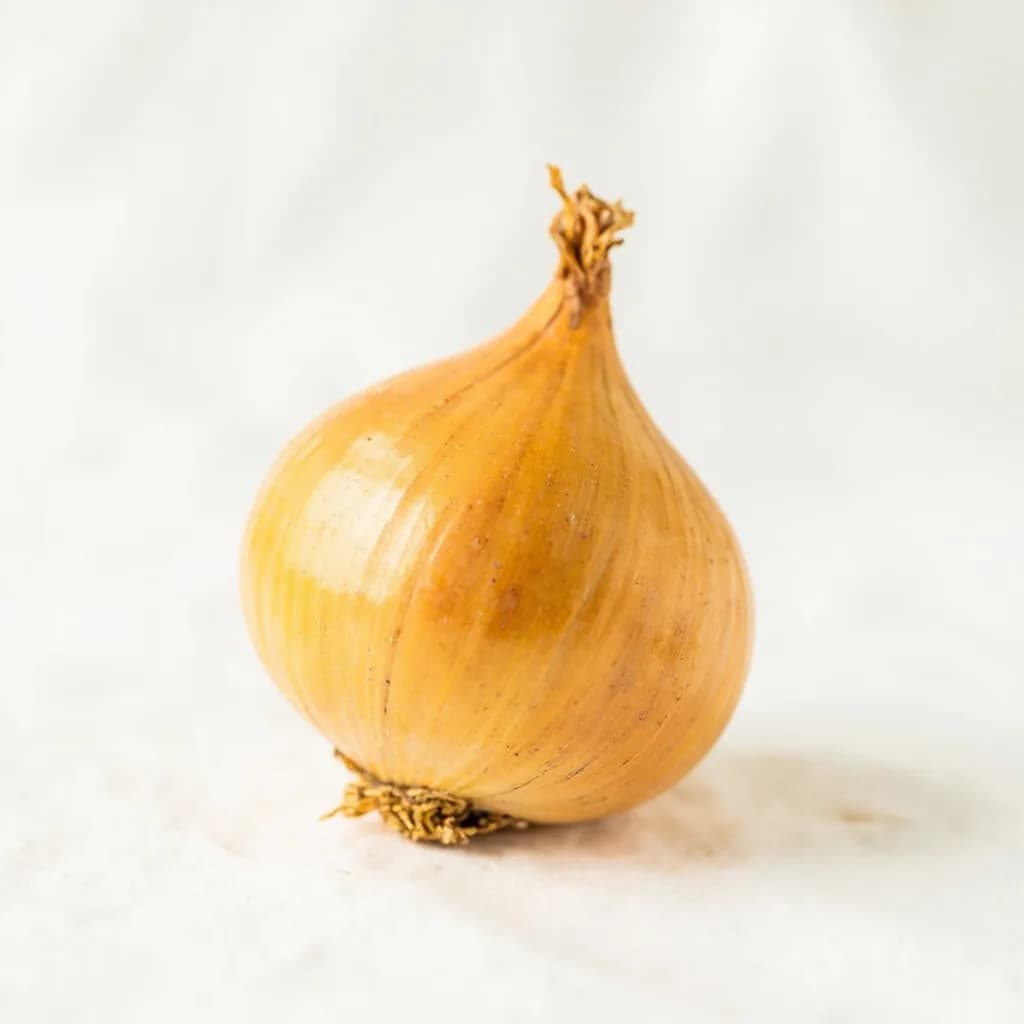
Yellow Onion
The aromatic backbone of soups, sofritos, and braises
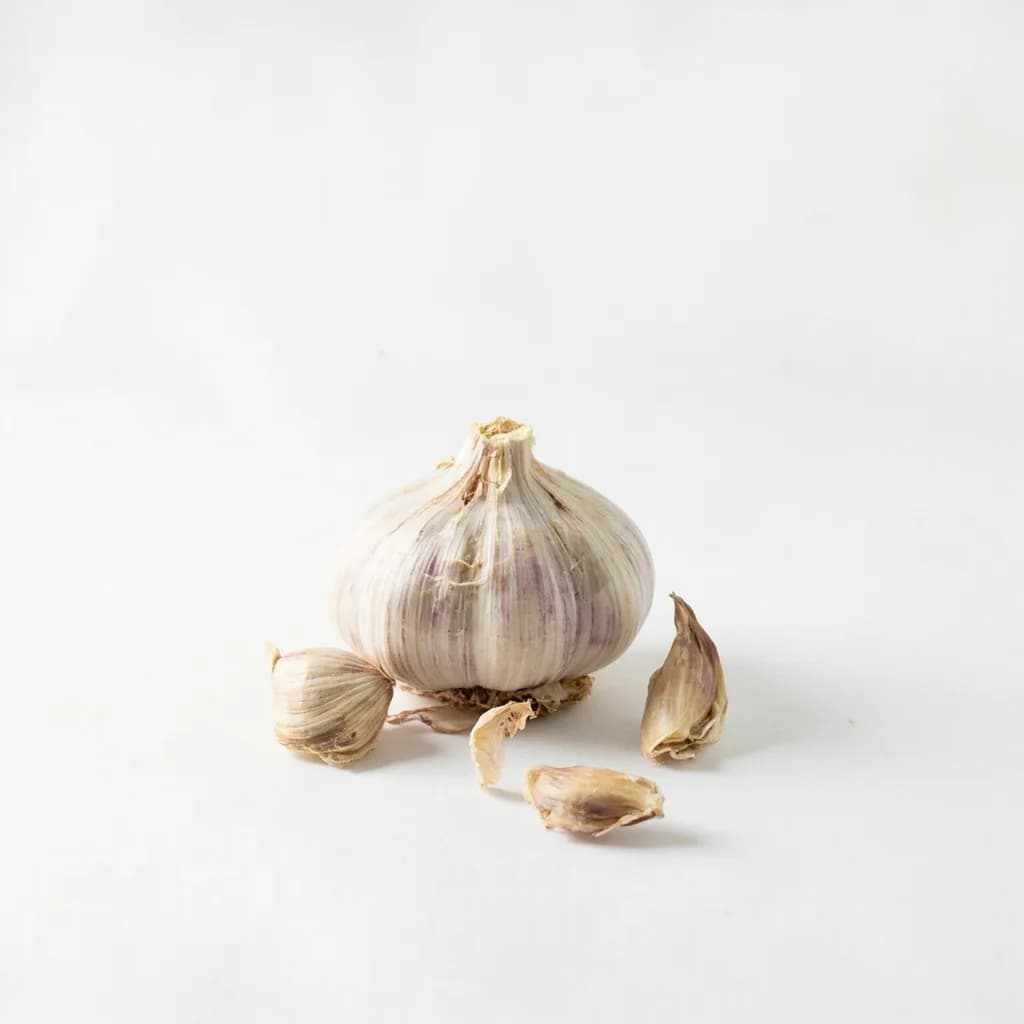
Garlic
Pungent cloves that perfume nearly every savory dish
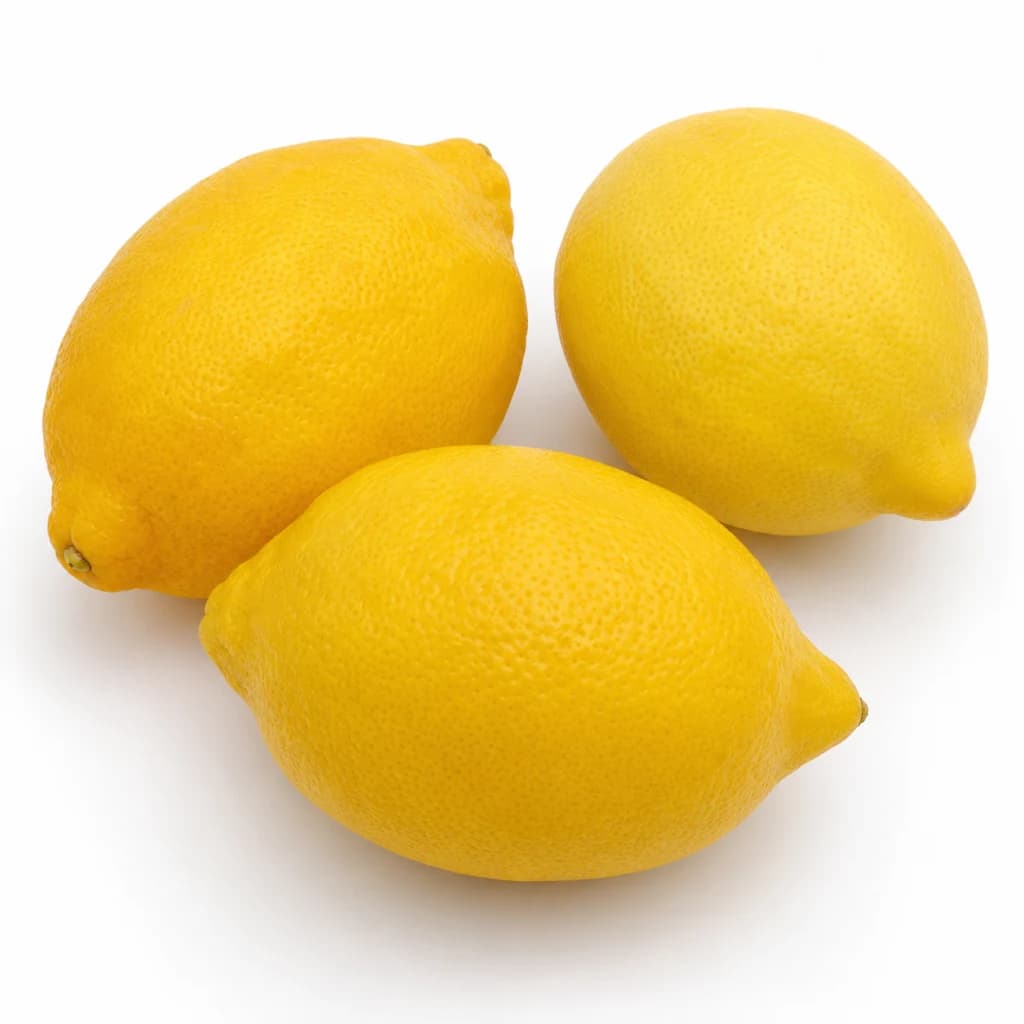
Lemon
Bright, acidic citrus that wakes up almost any dish
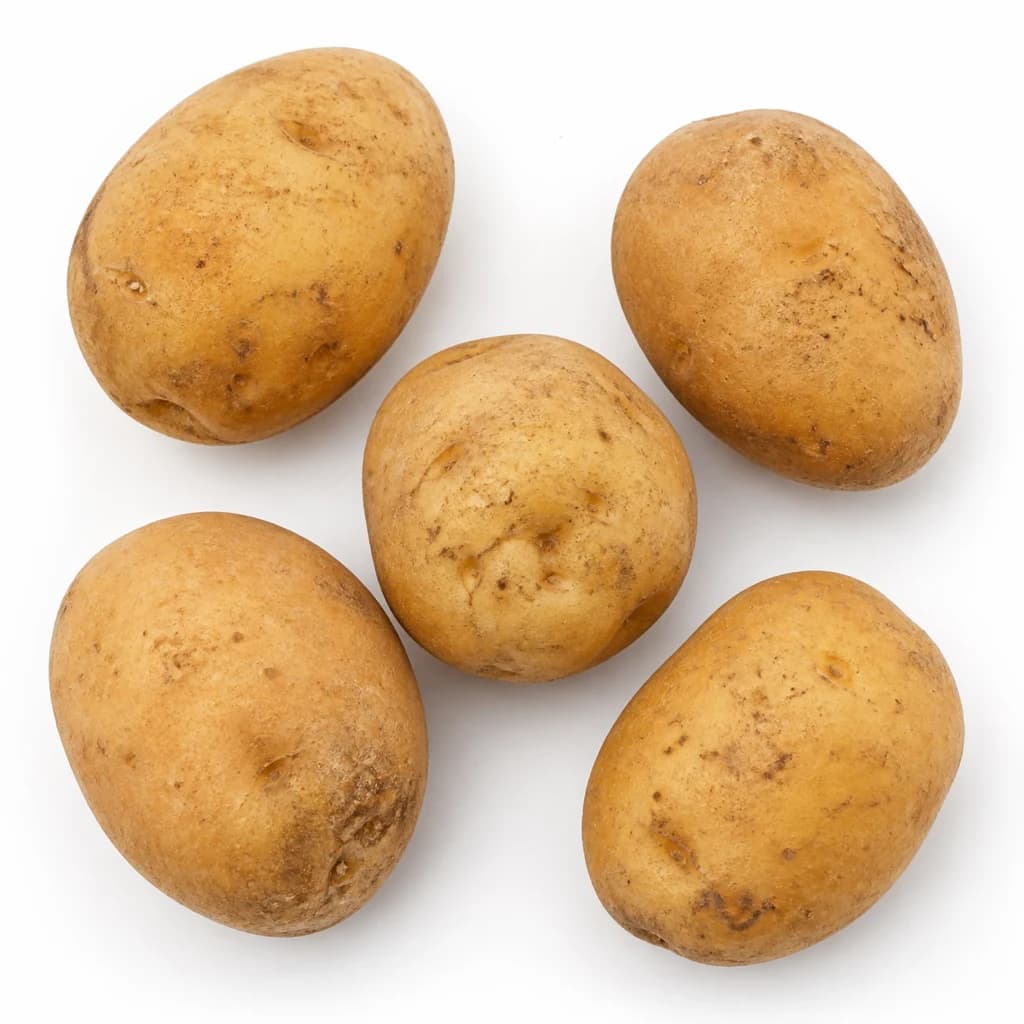
Potato
Humble, hearty staple — roast, mash, fry, or boil
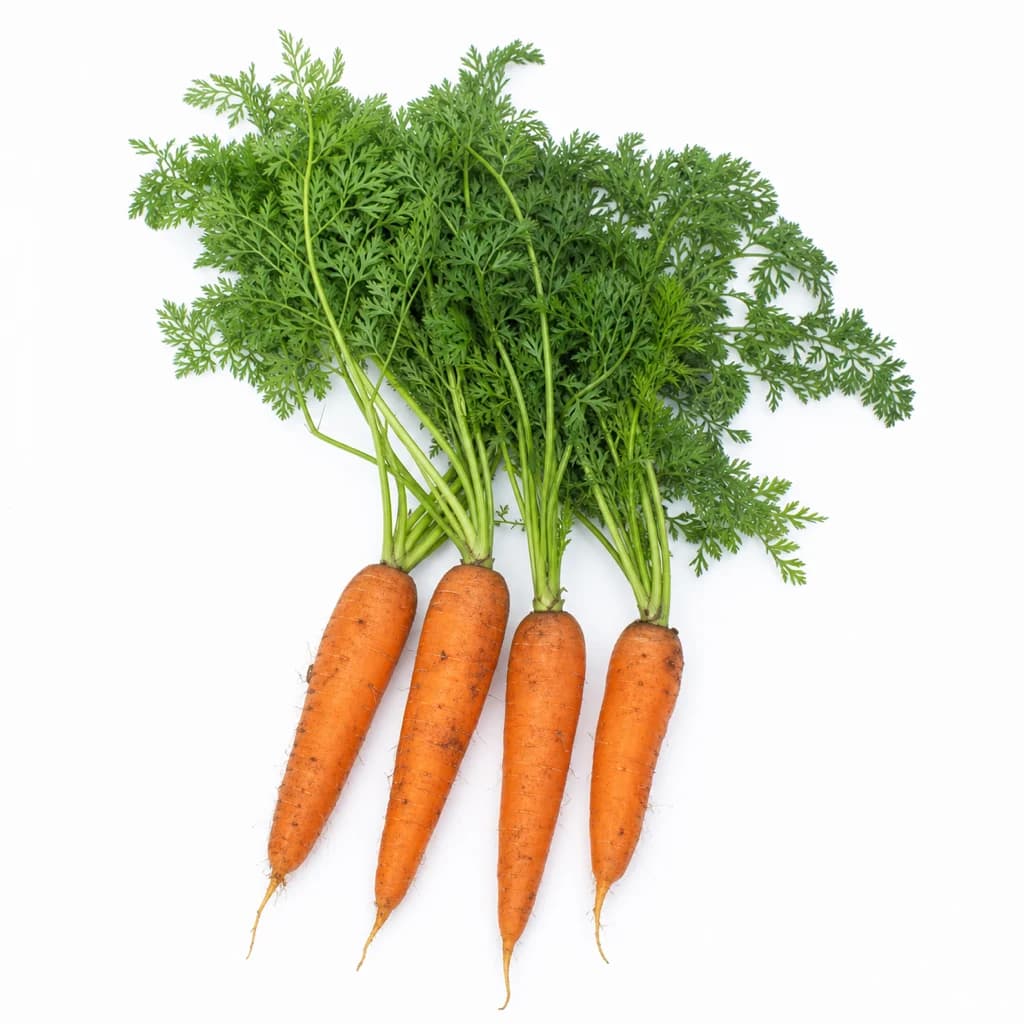
Carrot
Sweet, crunchy root — raw, roasted, or the base of a sofrito
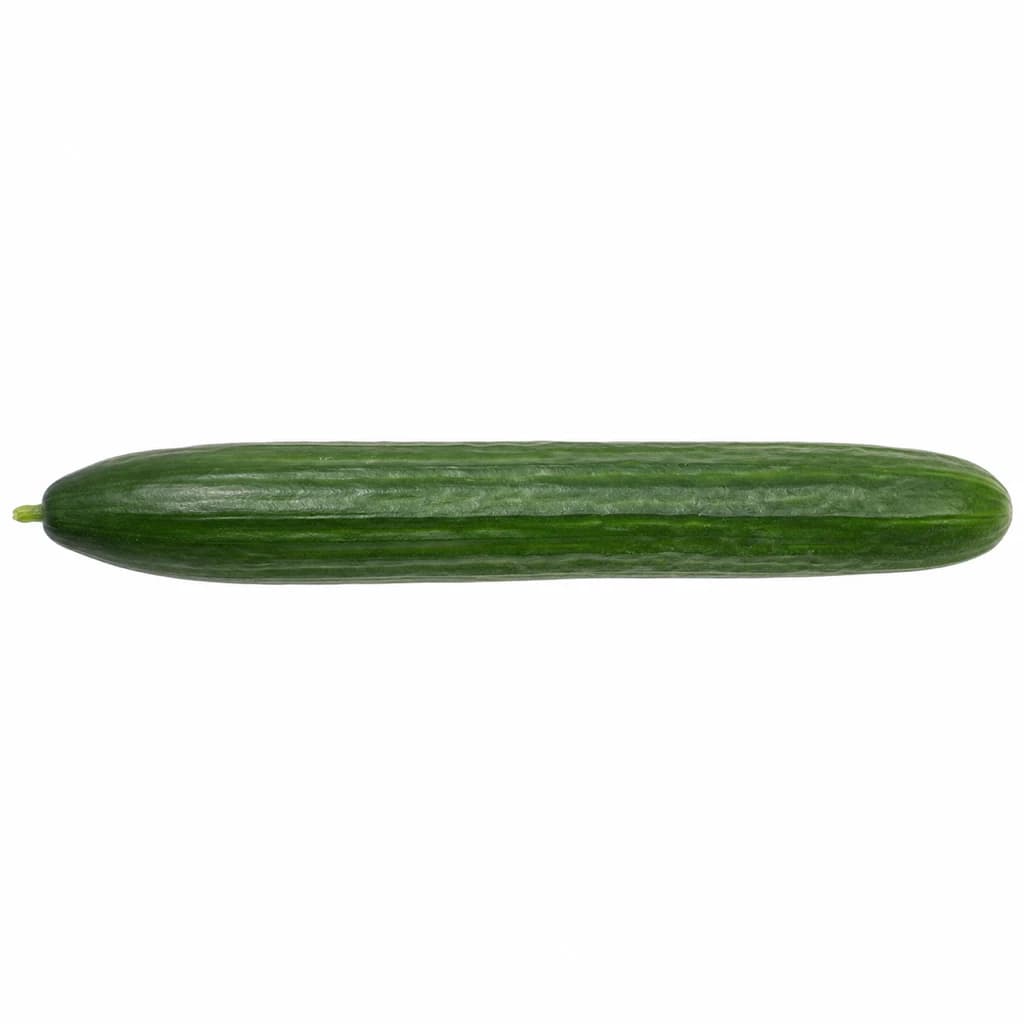
Cucumber
Cool, crisp, and watery — for salads, pickles, and tzatziki

Lettuce
Crisp leaves for salads, wraps, and a fresh crunch