Proteins
Jackfish
Firm, full-flavored saltwater fish from the jack family, grilled, fried or stewed.
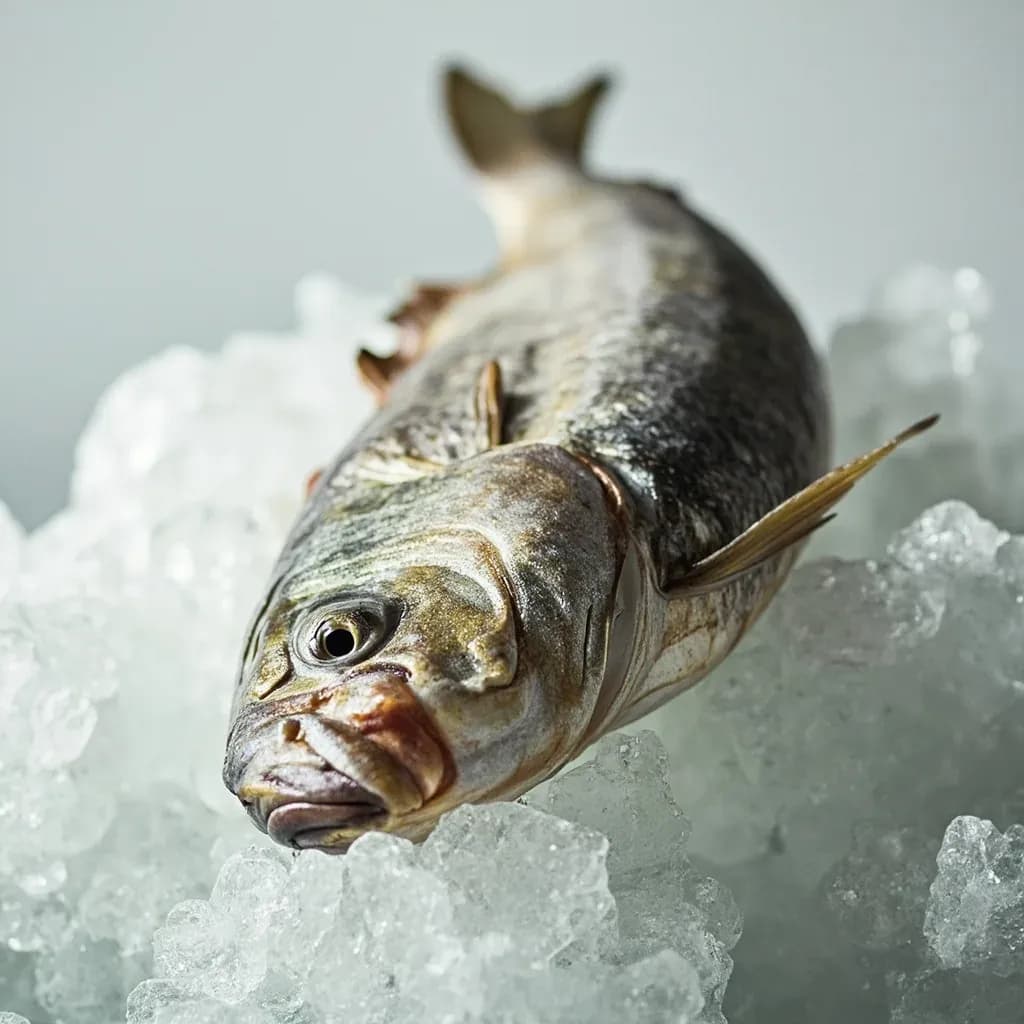
Jackfish refers to fish in the jack family (Carangidae), strong-swimming saltwater fish with firm, darker flesh and a pronounced flavor. They are grilled, fried, smoked or stewed across Caribbean, African and Pacific cooking. The robust flesh stands up to bold spices and marinades.
Jackfish is a common name applied to several species within the Carangidae family—most notably the Pacific jack mackerel (Trachurus symmetricus) and Atlantic jack mackerel (Trachurus trachurus)—as well as, confusingly, to northern pike (Esox lucius) in inland Canada. The term encompasses oily, firm-fleshed fish with a pronounced, savory depth that divides opinion: home cooks often find the flavor too assertive, while traditional cuisines prize exactly this bold character. In Japan, jack mackerel is grilled whole as shioyaki; in Portugal, it appears on every coastal menu, either grilled over charcoal or canned in tomato sauce. The fish's high fat content (8–12%) makes it more forgiving than lean fish—it stays moist longer when cooking—yet prolonged heat will still degrade its texture. Understanding what jackfish is and how to work with its strengths transforms an underused, budget-friendly protein into something genuinely exciting on the plate.
- Measured in
- g
- Storage
- Fridge
Allergens
Types & varieties
Primary commercial species on North American West Coast; greenish-blue back, silvery sides with brassy tint
Smaller than Pacific variety; widely used in European canning and smoking industries
Atlantic and Gulf of Mexico; milder flavor, more prized than common jack mackerel
Atlantic and Gulf; darker flesh, strong flavor; often used for bait
Freshwater species; completely unrelated to true mackerels; white, flaky flesh with Y-bones
The Naming Problem
The term 'jackfish' creates real confusion. On Canadian freshwater lakes, it unambiguously means northern pike—a completely different fish with white, flaky flesh and a mild flavor profile. On Pacific and Atlantic coasts, it means jack mackerel from the Carangidae family. When purchasing, always specify the species you want; ask for 'jack mackerel' or 'pike' rather than relying on the ambiguous common name. The fish you get matters enormously for how you cook it.
- Northern pike has Y-shaped pin bones running along the fillet; remove before cooking
- Jack mackerel has small, fine bones throughout but no Y-bones
- If a recipe specifies one species, the other makes a poor substitute without adjustment
Sustainability
Pacific jack mackerel stocks were overfished in the 1990s but are now considered well-managed under regional quotas and are classified as a sustainable choice on the North American West Coast. Atlantic stocks vary by region. Always check current Monterey Bay Aquarium Seafood Watch guidance or your regional equivalent before purchasing. Jack mackerel ranks among the most affordable oily fish precisely because it lacks the prestige of salmon or tuna, making it an excellent choice for cooks who want to eat well while supporting sustainable fisheries.
- Pacific stocks: well-managed and sustainable
- Atlantic stocks: vary by region—check current advisories
- Lower on the food chain than many alternatives, with lower mercury levels
Common uses
Tips & pitfalls
- Score the skin before grilling to prevent curling and ensure even cooking across the fillet.
- Due to high fat content, jack mackerel stays moist longer than lean fish when cooking—it tolerates heat better, though extended cooking will still degrade texture.
- For a milder flavor, soak fillets in salted water (2–3% brine, approximately 3 tablespoons salt per quart water) for 30 minutes before cooking; drain and pat dry.
- Remove the dark lateral line muscle running along the side of the fish—this is where bitterness and strong flavors concentrate.
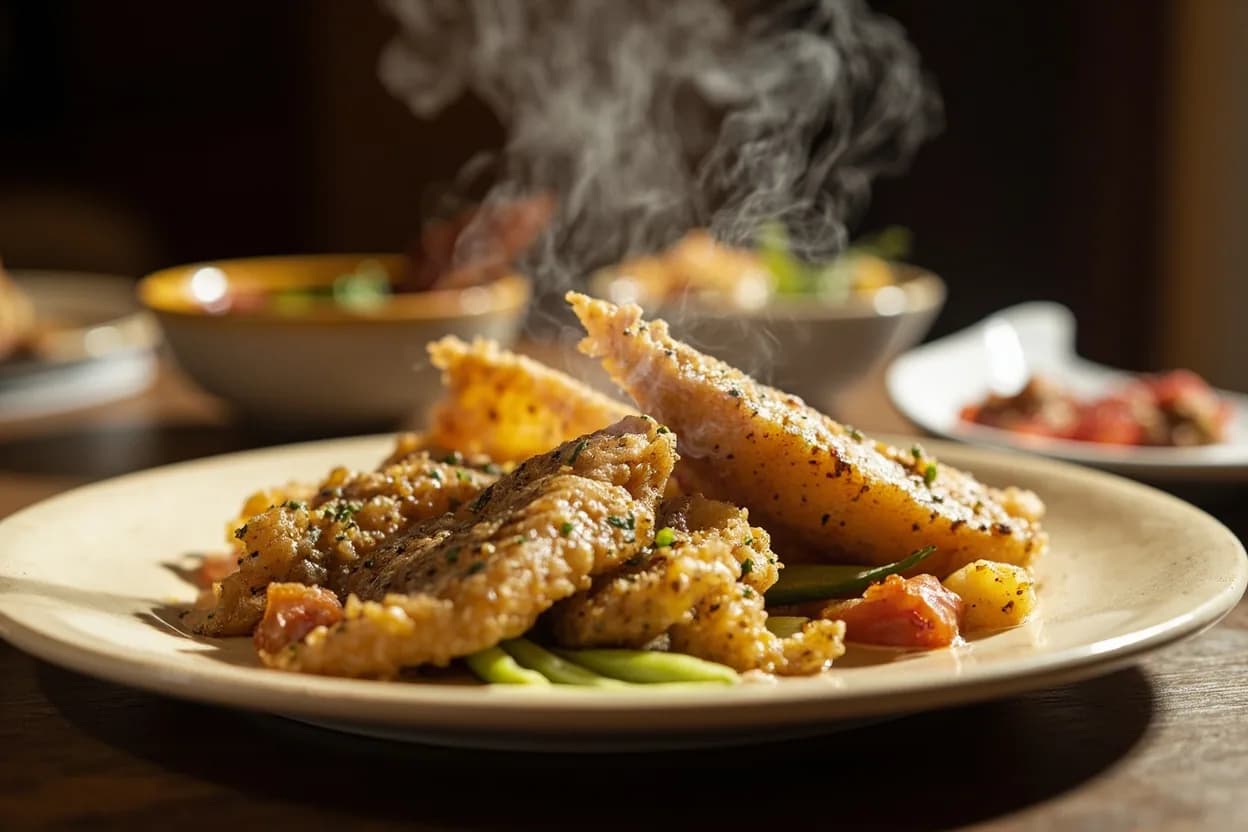
- When frying, coat in a thick batter or cornmeal to create a barrier that retains moisture and balances the strong flavor.
- Canning in oil or tomato sauce is the most reliable home preservation method; follow USDA guidelines for pressure canning to ensure safety.
- Look for clear eyes, bright red or pink gills, and firm flesh that springs back when pressed—avoid fish with sunken eyes or any ammonia odor.
- Northern pike has Y-bones; remove by cutting V-shaped grooves on both sides of the spine before cooking to produce bone-free portions.
Nutrition
Energy
661 kJ · per 100 g
Where the calories come from
Protein
20.1g
40% DV
Carbs
0g
0% DV
Fat
7.9g
10% DV
Fiber
0g
0% DV
Sugars
0g
of which
Sodium
86mg
4% DV
Source · USDA FoodData Central · approx. Fish, mackerel, Pacific and jack, mixed species, raw
View on FDC →In the shops
Matched grocery products
No matched grocery products for Jackfish yet.
Good to know
- Species
- Pacific jack mackerel (Trachurus symmetricus) and Atlantic jack mackerel (Trachurus trachurus); northern pike (Esox lucius) in inland Canada
- Family
- Carangidae (jacks and pompanos)
- Distribution
- Pacific: Vancouver Island to Baja California. Atlantic: Eastern Atlantic from Norway to South Africa, Mediterranean, Black Sea
- Size
- Typically 1–5 lbs; up to 12 lbs and 30 inches
- Flavor
- Strong, oily, rich; bold and savory with pronounced depth; dark flesh
- Texture
- Firm, dense; moisture-retaining due to fat content, but extended cooking will degrade quality
- Fat Content
- Moderate to high (8–12% depending on season and diet)
- Best Season
- Late summer through fall; available year-round from commercial fishery
- Storage
- Refrigerate on ice within 2 hours of catch; use within 1–2 days. Freeze at 0°F for up to 3 months.
- Yield
- Approximately 45–50% usable meat after filleting and skinning
- Common Forms
- Fresh whole, fillets, steaks; also canned, smoked, dried, and salted
Substitutes
- Mackerel (Atlantic or Spanish) — Similar strong flavor, oil content, and price point; the best direct substitute for Pacific jack mackerel in any preparation
- Sardines — Smaller, softer texture; works well in canned or fried preparations where size and structure are flexible
- Bluefish — Comparable bold, oily flavor; cook immediately as it degrades quickly after catch—choose fresh over frozen
- Small Bonito (Tuna) — Firm texture, strong taste; good substitute for grilling or canning applications
- Catfish or Carp — Appropriate only as a substitute for northern pike; milder flavor and readily available at most fish counters
Pairs with
Also called
Jack · Crevalle Jack
Appears in these dishes
Related

Egg
The kitchen's everything ingredient — bind, leaven, enrich, or fry

Chicken Breast
Lean, quick-cooking white meat for everyday dinners

Ground Beef
Versatile minced beef for burgers, ragù, tacos, and meatballs

Pork Loin
Lean, tender roasting cut that stays juicy with care

Salmon
Rich, rosy fish that roasts, grills, or cures beautifully

Egg White
Pure protein that whips to airy peaks for meringue and more

Egg Yolk
Rich, golden yolk for custards, mayonnaise, and pasta

Quail Egg
Tiny, speckled eggs for garnishing and elegant bites