Produce
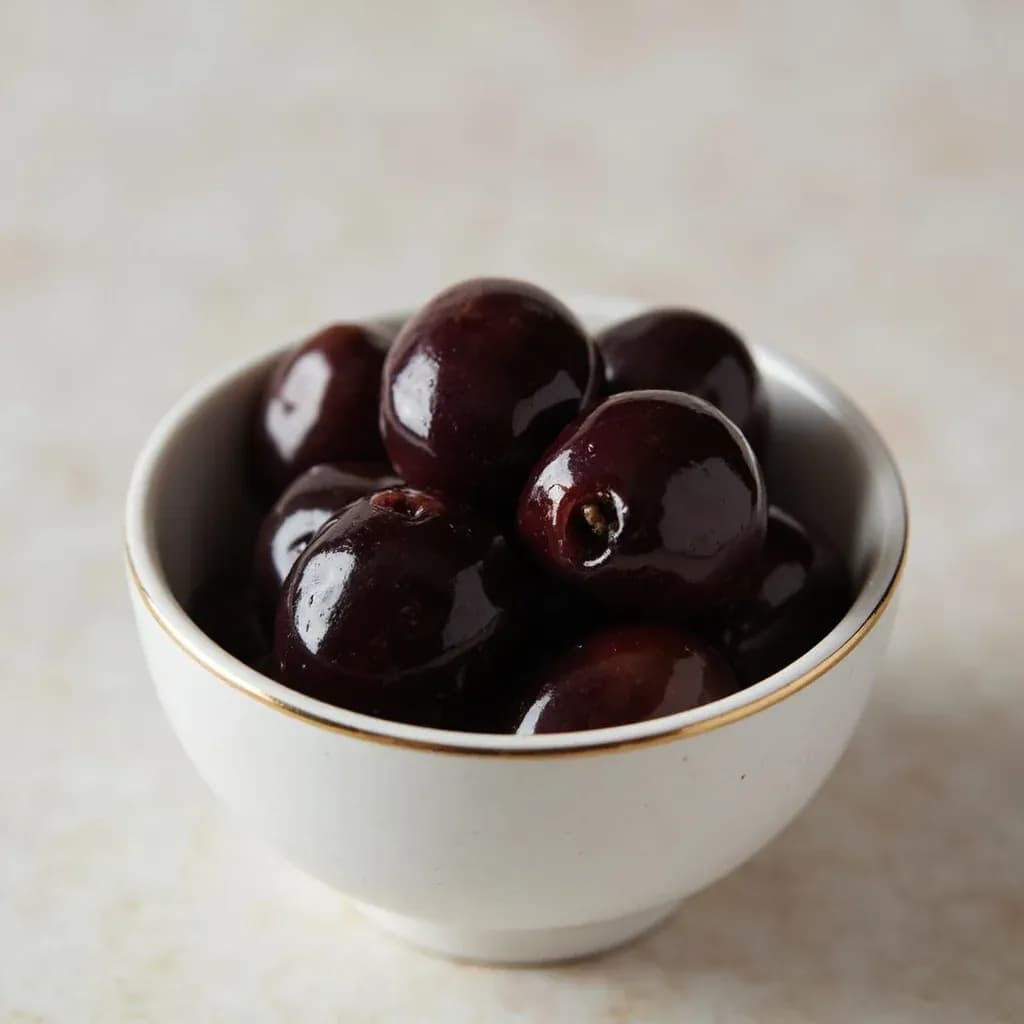
Kalamata Olive
Dark-purple Greek olive with a rich, fruity, slightly briny flavor.
Kalamata olives are large, almond-shaped olives from the Kalamata region of Greece, with deep purple-black skin and firm, meaty flesh. Cured in brine or wine vinegar, they are intensely fruity and savory, and are essential to Greek salad, tapenade, and many Mediterranean dishes. They are usually sold whole with the pit in to preserve flavor.
Kalamata olives are the most celebrated olive variety in Greek cuisine, named for the port city of Kalamata in the Peloponnese region. Their distinctive almond shape, pointed tip, and deep purple-to-black color distinguish them from common canned black olives. Authentic Kalamatas undergo a traditional curing process in red wine vinegar and olive oil, which imparts their characteristic tangy, fruity complexity. The PDO (Protected Designation of Origin) status awarded in 1996 ensures that only olives grown and cured in the Kalamata region can bear the true designation.
In the kitchen, Kalamata olives bring a dual-purpose quality: their 20–24% oil content delivers rich, fruity notes while the vinegar curing adds pleasant acidity that brightens dishes. Their meaty texture holds up well in cooked applications without disintegrating, making them indispensable in Mediterranean cooking. The olives are harvested from October to December, when they reach their peak purple color and optimal flavor development. Quality matters significantly—true PDO-labeled products offer superior depth compared to generic alternatives.
Avoid confusing Kalamatas with common canned black olives, which are typically California-style with a blander, less complex flavor profile. The distinctive purple-black color, almond shape, and vinegar-cured tang are non-negotiable identifiers. When purchasing, inspect the jar carefully: whole olives should appear plump and firm, never shriveled or mushy. The infused oil and vinegar in the jar is itself a valuable ingredient worth preserving rather than draining away.
- Measured in
- g
- Storage
- Fridge
Types & varieties
Authentic variety from Kalamata region; only true designation meets EU standards for flavor and production method
Made similarly but not from the PDO region; common in commercial production and acceptable for everyday cooking
Easier to use in cooking; check firmness before buying as pitting can damage flesh and create mushy texture
Often filled with feta, almonds, sweet peppers, or pimientos; best used for appetizers and cheese boards
Ready-to-use for salads, pizzas, and sandwiches; choose firm, intact slices rather than crushed-looking pieces
The PDO Distinction
The Protected Designation of Origin status awarded to Kalamata olives in 1996 means strict regulations govern cultivation, harvest, and curing methods. Olives must be grown in the Kalamata region, harvested by hand or mechanical means that protect the fruit, and cured using the traditional vinegar-oil method. This legal protection ensures consumers receive a product with authentic regional character. Many supermarket brands labeled 'Kalamata' are Greek-style alternatives—similar but not identical. For the most complex, fruity flavor in salads and mezze, seek bottles specifically marked with the PDO seal.
- Look for PDO seal on imported Greek products
- Greek-style varieties work well for cooked dishes where slight flavor differences matter less
- Italian or Spanish 'Kalamata-style' olives are not true substitutes and lack the regional character
Beyond the Olive: Using the Infused Oil
The oil and vinegar in a jar of Kalamata olives carries concentrated olive and tangy flavors from the curing process. This infused liquid is too valuable to discard. Drizzle it over grilled bread for a quick appetizer, whisk it into salad dressings, or use it to marinate roasted vegetables. The vinegar-oil mixture also works excellently as a finishing sauce for grain bowls or grilled fish. Refrigerate this infused oil separately and use within two weeks for best quality.
- Collect the oil in a separate jar for controlled dosing
- Mix with additional olive oil for a larger batch of dressing
- The vinegar tang cuts through rich proteins like lamb and salmon
Common uses
Tips & pitfalls
- Always taste before using—brands vary significantly in saltiness and acidity; rinse briefly under cold water if the flavor overwhelms your dish.
- Buy whole olives whenever possible; pre-sliced and pitted varieties frequently have damaged, mushy flesh that disintegrates in cooking.
- Serve Kalamatas at room temperature for appetizers and mezze—the fruity, complex flavor opens up far better than when chilled.
- Never discard the olive oil from the jar; strain it through a fine sieve and reserve it for dressings, bread dipping, or finishing cooked dishes.
- Add olives to cooked dishes in the final 10–15 minutes—prolonged heat breaks down their meaty texture and creates mushiness.
- To pit a whole Kalamata cleanly, place it on a stable surface and press firmly with the flat of a chef's knife blade; the pit will loosen without crushing the flesh.
- Seek out PDO-labeled products for the most authentic, complex fruity flavor—this matters most when the olives are a starring ingredient.
- Avoid Kalamatas packed in water or plain brine; the vinegar-oil curing is essential to their characteristic flavor profile.
Nutrition
Energy
983 kJ · per 100 g
Where the calories come from
Protein
11.8g
24% DV
Carbs
9.2g
3% DV
Fat
16.5g
21% DV
Fiber
0g
0% DV
Sugars
0g
of which
Sodium
964mg
42% DV
Source · USDA FoodData Central · approx. Olive loaf, pork
View on FDC →In the shops
Matched grocery products
No matched grocery products for Kalamata Olive yet.
Good to know
- Origin
- Kalamata region, Peloponnese, Greece; PDO protected since 1996
- Scientific Name
- Olea europaea 'Kalamata'
- Color When Ripe
- Dark purple to black, often described as eggplant
- Shape
- Almond-shaped with a pointed tip
- Curing Method
- Cured in red wine vinegar and olive oil, not traditional brine
- Average Size
- 4–6 grams per olive, 22–28mm length
- Oil Content
- Approximately 20–24% oil content, considered a dual-purpose olive
- Available Forms
- Whole in oil/vinegar, pitted in oil, sliced, or with stuffings
- Shelf Life
- 12–18 months sealed; 2 weeks refrigerated after opening
- Storage
- Cool, dark pantry sealed; refrigerate after opening in olive oil
- Primary Producing Season
- October to December harvest
- Typical Brands
- Melissa, Terra Delica, Divina, and Greek specialty brands
Substitutes
- Gaeta Olives — Italian purple-black olives with similar fruity, mild flavor and gentle acidity; reduce cooking time as they are smaller
- Alfonso Olives — Spanish purple olives with comparable depth and complexity; excellent in salads and mezze where Kalamatas are unavailable
- Moroccan Oil-Cured Olives — Use sparingly—more intensely flavored and saltier; rinse thoroughly and reduce quantity by half
- Cerignola Olives — Larger Italian green-black olives; different shape but acceptable stand-in for salads and antipasti platters
Related
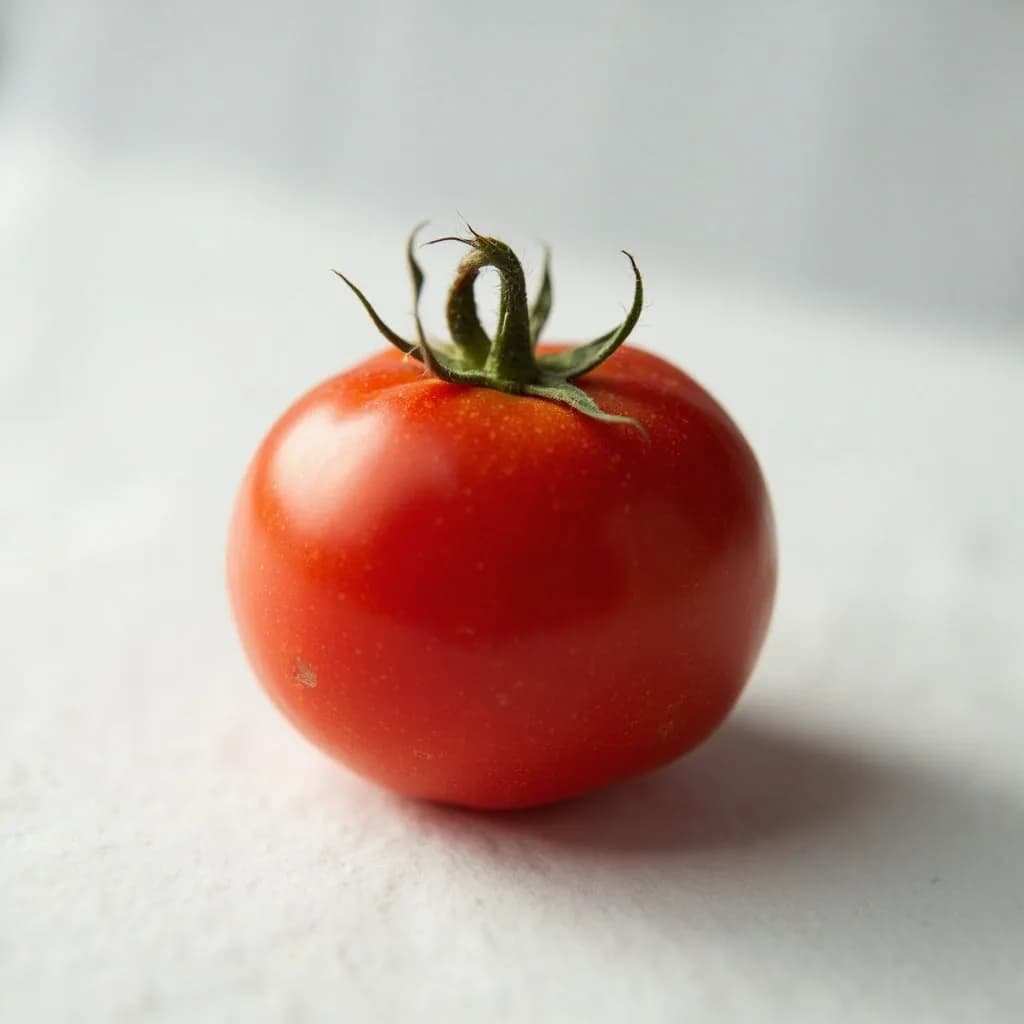
Tomato
Juicy, sun-sweet fruit for sauces, salads, and slow-cooked depth
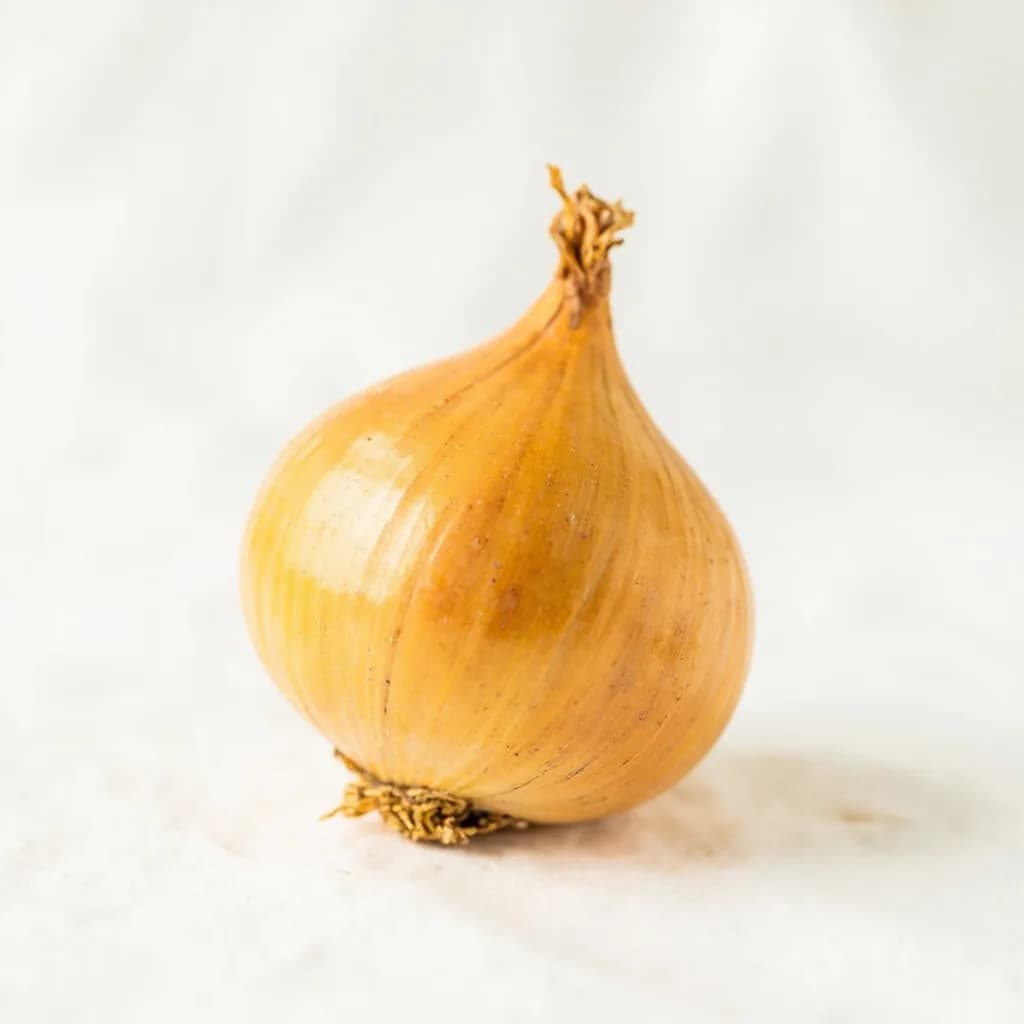
Yellow Onion
The aromatic backbone of soups, sofritos, and braises
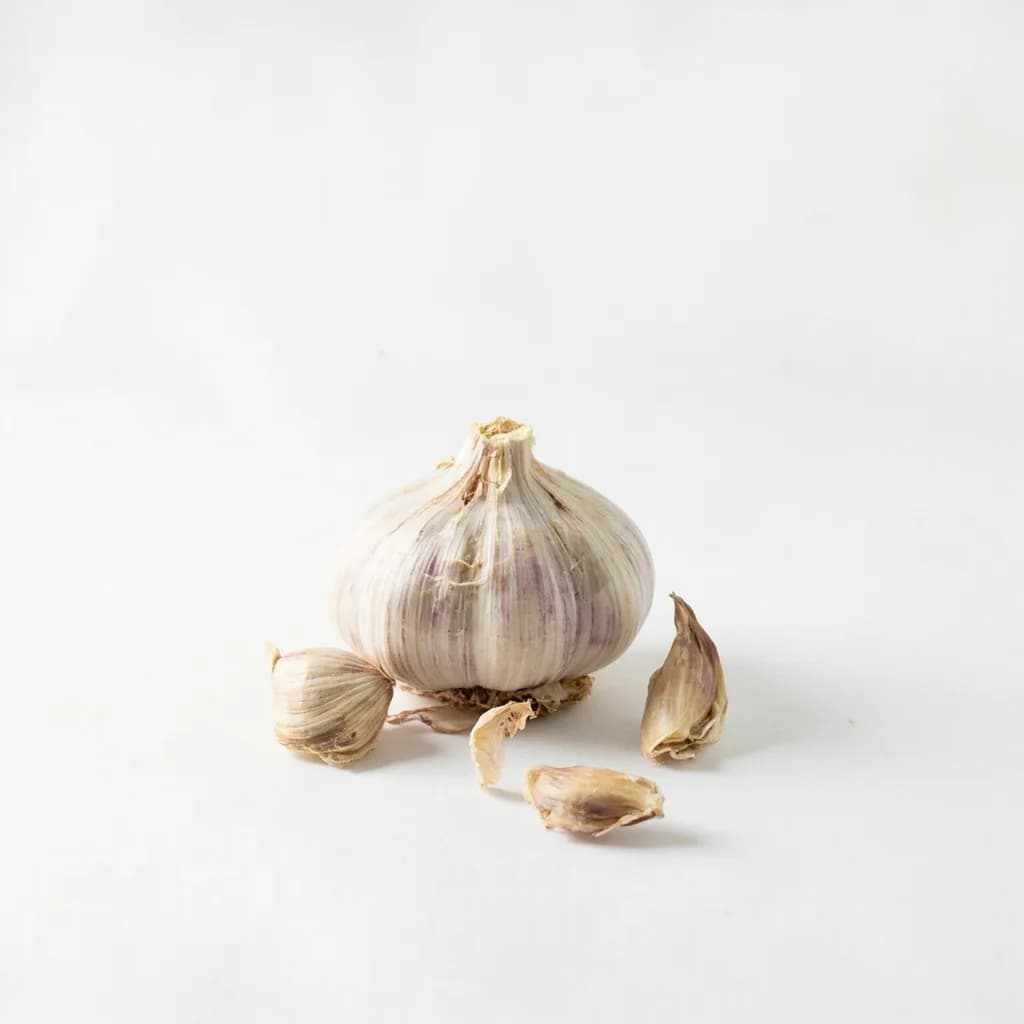
Garlic
Pungent cloves that perfume nearly every savory dish

Lemon
Bright, acidic citrus that wakes up almost any dish
Potato
Humble, hearty staple — roast, mash, fry, or boil
Carrot
Sweet, crunchy root — raw, roasted, or the base of a sofrito
Cucumber
Cool, crisp, and watery — for salads, pickles, and tzatziki

Lettuce
Crisp leaves for salads, wraps, and a fresh crunch