Proteins
Landjäger
Semi-dried, smoked Alpine pork-and-beef snacking sausage, flat and chewy like a salami stick.
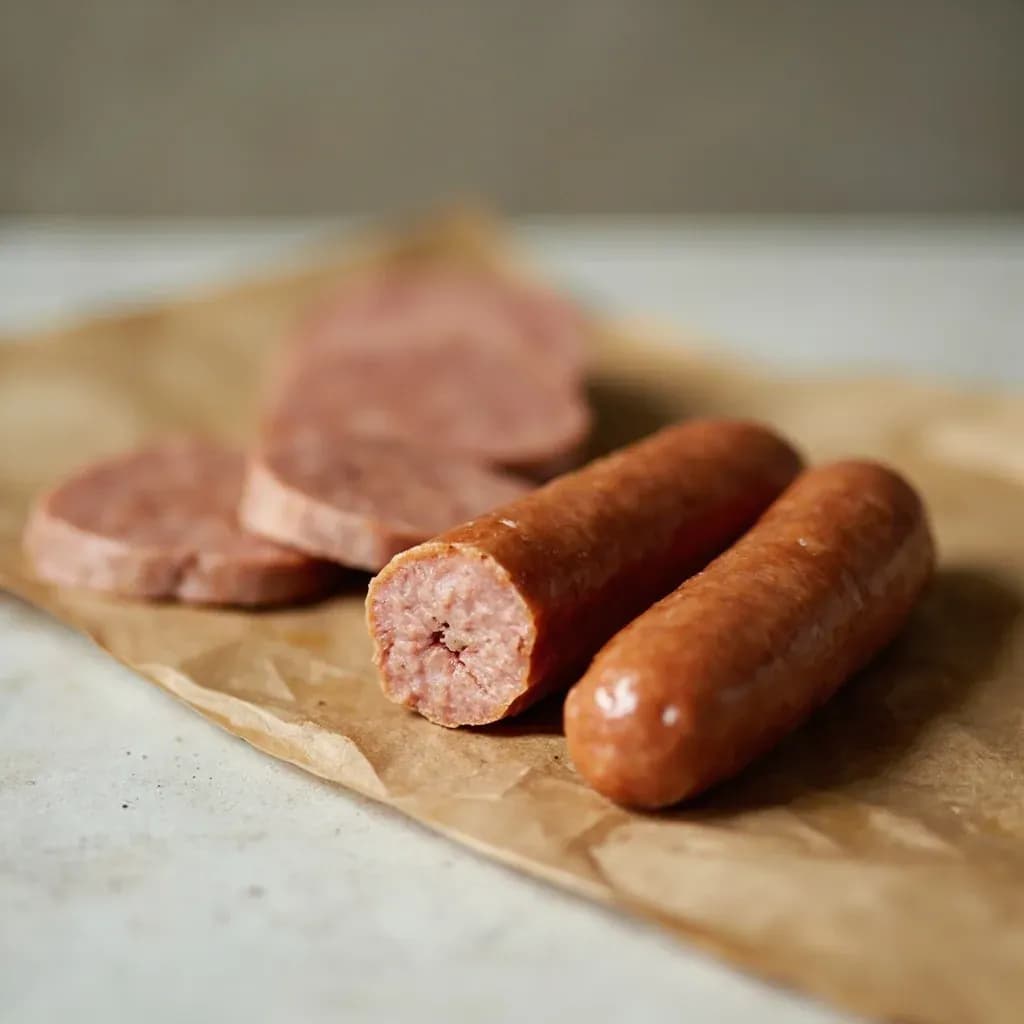
Landjäger is a smoked, semi-dried sausage from the Alpine regions of Germany, Switzerland and Austria, made from beef and pork pressed into a flat rectangular shape. It is cured and air-dried until firm and chewy, with a tangy, smoky flavor that keeps well without refrigeration. It is a classic hiking and travel snack eaten out of hand.
Landjäger is a fully cooked, cold-smoked dried sausage from the Swiss and Bavarian Alpine regions, traditionally made from pork and beef with origins in hunting culture—the name combines 'Land' (country) and 'Jäger' (hunter). Its defining flat rectangular shape, typically 10–15 cm long and 3–4 cm wide, developed from the practical need to hang sausages flat for more even drying and smoking in mountain huts. The sausage is dense and chewy, with a deep reddish-brown color imparted by cold smoking, and contains approximately 15–25% fat. Unlike fresh sausages or fully cured salamis, Landjäger occupies a middle ground: it is technically cooked during production, making it safe to eat without further preparation, yet it is dried and smoked enough to develop concentrated flavor and exceptional keeping quality. This combination of portability, long shelf life without refrigeration, and bold flavor made it the standard ration for Alpine hunters, herders, and hikers for centuries. Today it remains the quintessential trail food in German-speaking regions, found at train stations, mountain refuges, and petrol stations alike.
- Measured in
- piece
- Storage
- Pantry
Types & varieties
Often slightly sweeter with more prominent pepper; traditional in cantons of Bern and Lucerne
Tighter casing, more garlicky; common in Upper Bavaria and Allgäu
May include minor game content; slightly different smoking regime
Italian Alpine influence; sometimes spicier; sold as 'Landi' locally
Selection and Storage
When purchasing Landjäger, select sausages with deep, even reddish-brown coloration and a slight sheen from internal fat. A light white bloom (natural casing crystallization) is acceptable and does not indicate spoilage. Avoid any sausages with pronounced drying cracks or an uneven color distribution. For immediate consumption, gently squeeze the sausage—it should feel firm with slight give, not rock-hard or mushy. Store sealed packages in a cool, dark pantry away from direct heat and sunlight. Once opened, wrap tightly in plastic wrap or place in an airtight container and refrigerate; use within 2–3 weeks. For hiking provisions, keep whole until ready to eat—slicing exposes more surface area to air and accelerates drying.
- Light white bloom on casing is natural and harmless
- Press gently: firm with slight give indicates proper texture
- Avoid cracks, uneven color, or mushy spots when buying
Preparation Before Eating
The fibrous casing of Landjäger is inedible and must always be removed before eating, regardless of how you plan to serve it. The easiest method is to cut a thin slice off one end, then peel the casing away like a wrapper as you squeeze the sausage through. Alternatively, slice the sausage into rounds first, then peel the casing from each slice. For thin sandwich slices, a sharp chef's knife or deli slicer works best. For thicker slices to serve on a board, a serrated knife may help grip the firm sausage. Never attempt to eat the casing—it will be tough and unpleasant regardless of cooking.
- Always remove casing before serving or cooking
- Peel from cut end, squeezing sausage through
- Use sharp knife for clean slices; serrated helps grip firm texture
Common uses
Tips & pitfalls
- The fibrous casing is inedible—always peel or slice it off before eating, whether serving cold or hot
- Because it is already cooked and smoked, reheat only to your desired serving temperature; extended cooking makes it tough and renders out fat unnecessarily
- Slice thin for sandwiches to manage the intense salt and smoke flavor and improve textural balance
- When packing for hiking, keep whole until ready to eat; once sliced, wrap tightly to prevent drying and preserve moisture
- If using in cooking (soups, pastas), add in the last 10 minutes to warm through without overcooking
- Pair with acidic condiments like sharp mustard, pickled vegetables, or sauerkraut to balance the richness and salt
- Do not confuse with Lebanon bologna (similar color but straight cylindrical shape) or cervelat (different texture and casing)
- Select sausages with deep, even coloration and slight sheen; avoid any with pronounced drying cracks
Nutrition
Nutrition
No USDA FoodData Central match for Landjäger yet. We surface a per-100 g profile once a generic whole-food entry is matched and verified.
In the shops
Matched grocery products
No matched grocery products for Landjäger yet.
Good to know
- Origin
- Swiss and Bavarian Alpine region (Switzerland, Austria, South Tyrol); name from 'Land' (country) and 'Jäger' (hunter)
- Meat Content
- Pork and beef; pork typically predominates; traditionally contained venison or game
- Shape
- Flat, rectangular sticks (distinctive feature); typically 10–15 cm long, 3–4 cm wide, 1–2 cm thick
- Fat Content
- Approximately 15–25% fat
- Texture
- Firm and chewy; denser than fresh sausage, less hard than fully cured salami
- State
- Pre-cooked and cold-smoked; safe to eat without further preparation
- Shelf Life
- Weeks at room temperature when sealed; 2–3 weeks refrigerated once opened
- Traditional Spices
- Black pepper, garlic, sometimes coriander; regional variations in intensity
- Color
- Deep reddish-brown from cold smoking
Substitutes
- Cervelat — Swiss cured dried sausage; similar Alpine origin, slightly leaner, round cross-section; best available substitute
- Lebanon bologna — Smoked, uncooked dried sausage; comparable flavor and chewiness but different shape and spice profile
- Summer sausage — American equivalent; milder spice, courser grind; acceptable for sandwiches and cold service
- Bündnerfleisch — Cured, air-dried beef; much leaner with different texture; not suitable for hot applications
Pairs with
Also called
Landjager
Related

Egg
The kitchen's everything ingredient — bind, leaven, enrich, or fry
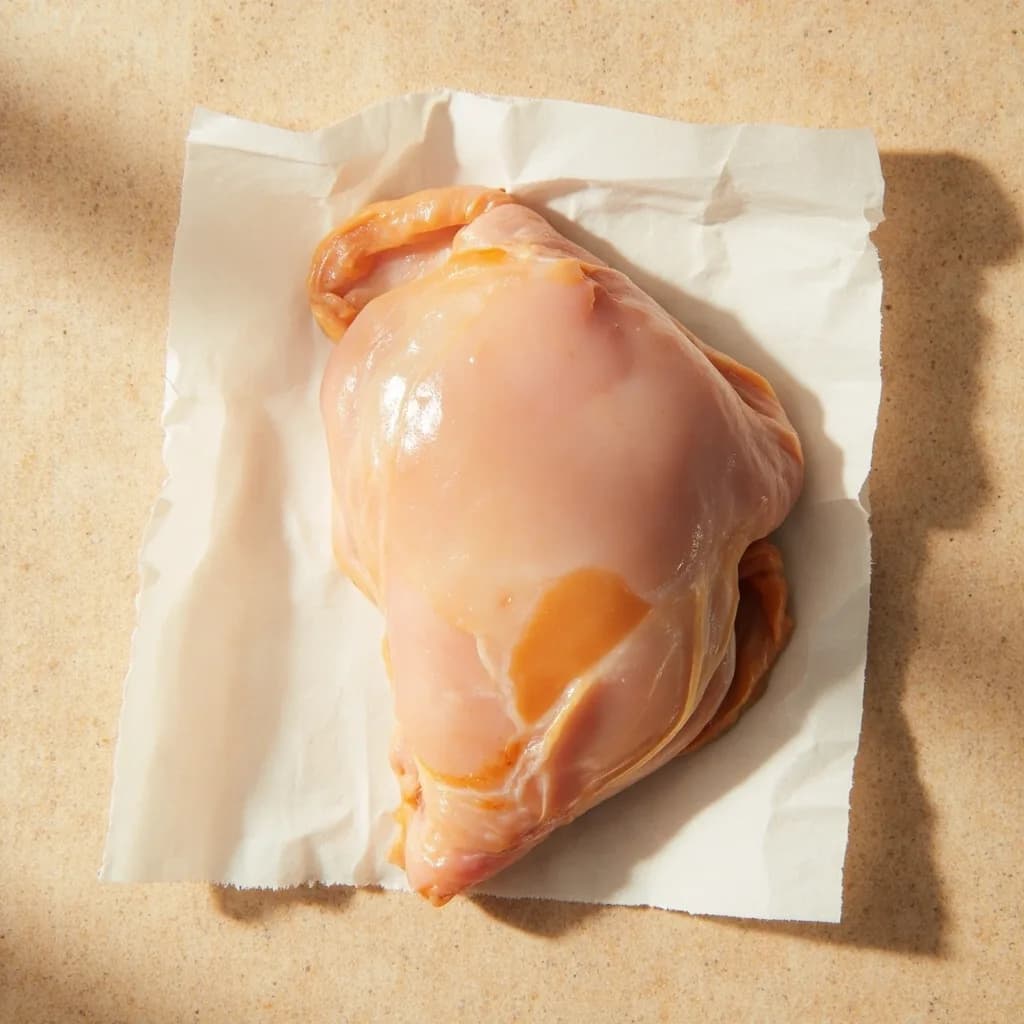
Chicken Breast
Lean, quick-cooking white meat for everyday dinners

Ground Beef
Versatile minced beef for burgers, ragù, tacos, and meatballs
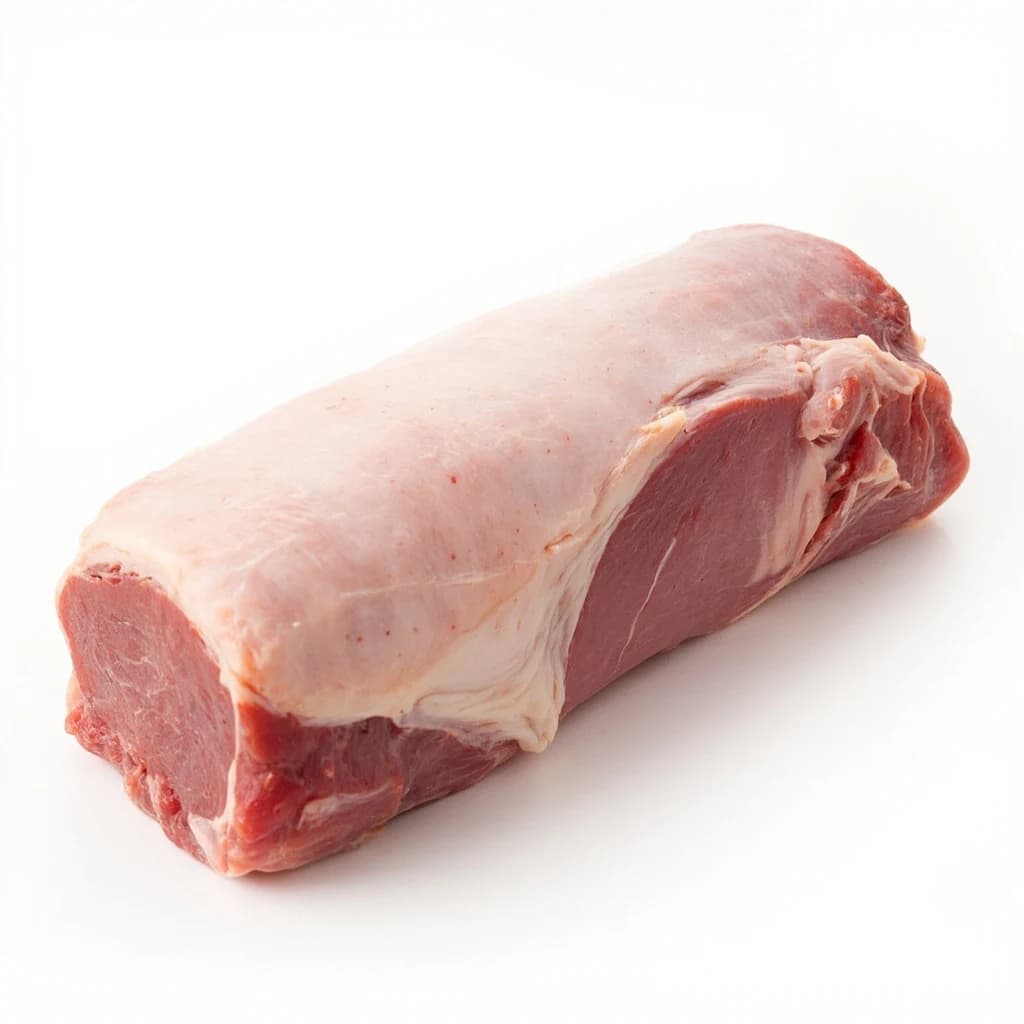
Pork Loin
Lean, tender roasting cut that stays juicy with care
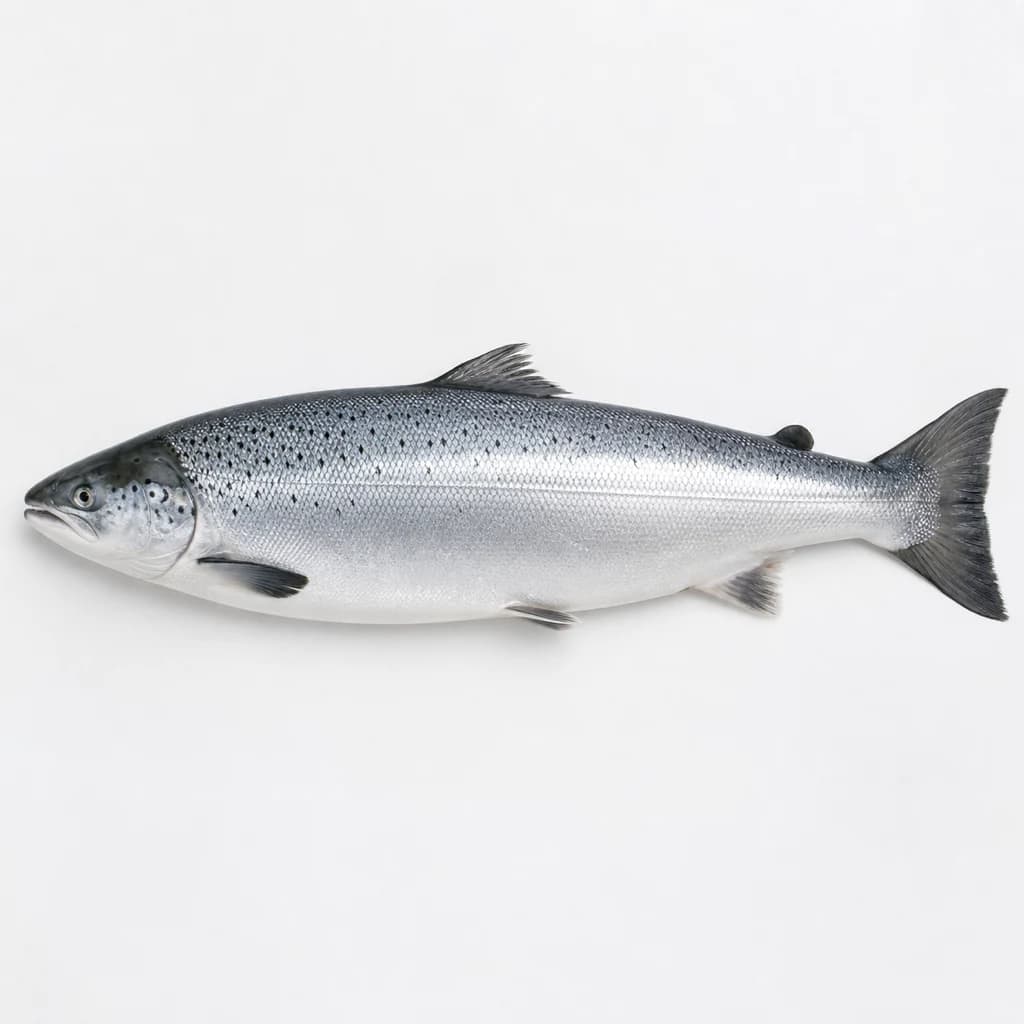
Salmon
Rich, rosy fish that roasts, grills, or cures beautifully

Egg White
Pure protein that whips to airy peaks for meringue and more

Egg Yolk
Rich, golden yolk for custards, mayonnaise, and pasta

Quail Egg
Tiny, speckled eggs for garnishing and elegant bites