Proteins
Bündnerfleisch
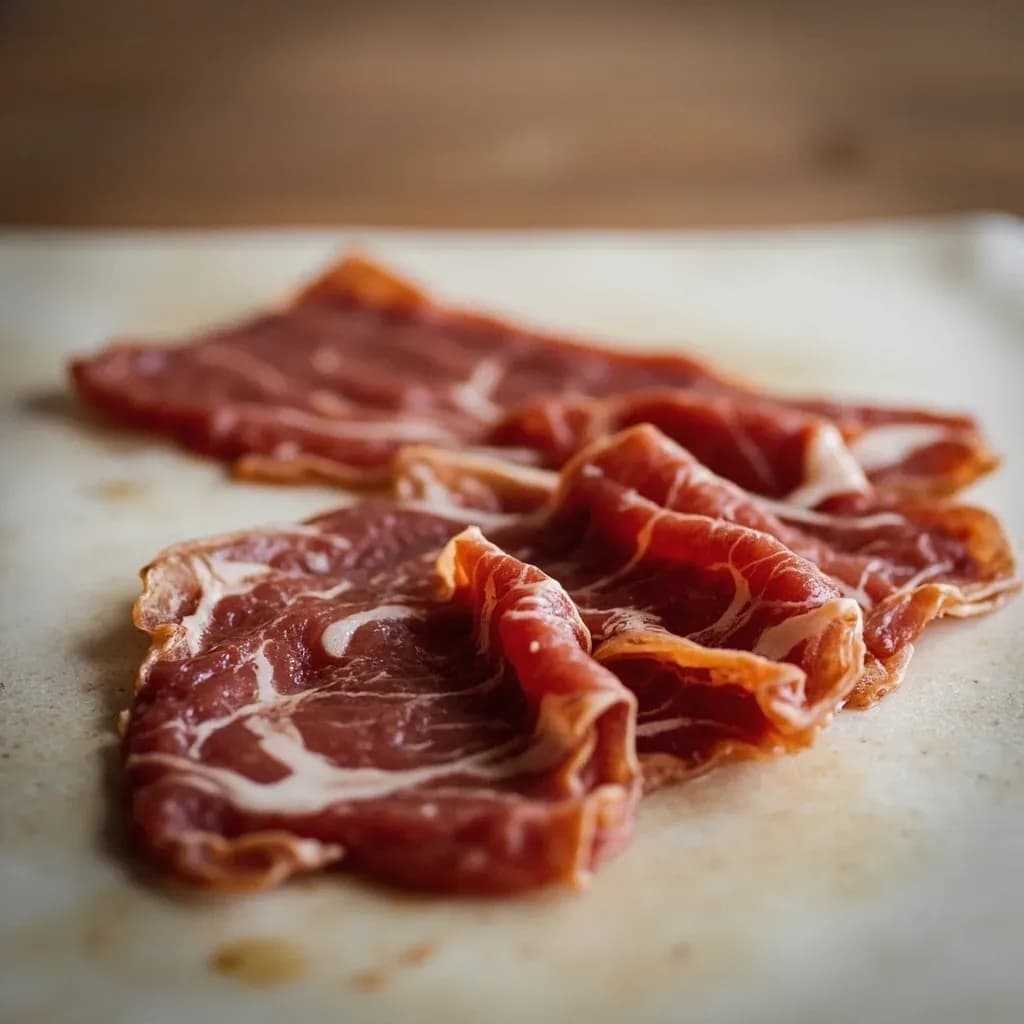
Swiss air-dried beef pressed into a block and sliced paper-thin as a charcuterie.
Bündnerfleisch is a Swiss specialty of lean beef cured with salt and Alpine herbs, then air-dried in the dry mountain air of Graubünden. It is pressed into a rectangular block during drying and served sliced almost transparently thin. Deep red and intensely savory, it is eaten as an antipasto or with bread and pickles.
Bündnerfleisch is Switzerland's most celebrated air-dried beef, produced in the Graubünden canton where the dry Alpine climate and elevation create ideal conditions for the long curing process. Unlike simpler dried meats, Bündnerfleisch undergoes a distinctive pressing step that compresses the beef into a rectangular block, producing a denser, more uniform texture than hung-dried alternatives. The beef—typically from the round or top round of grass-fed cows or oxen—is dry-cured with salt and an aromatic blend of garlic, juniper, pepper, bay leaves, and cloves, then air-dried for three to six months. The result is a deeply concentrated, savory meat with a firm, dense structure and the characteristic deep reddish-brown color visible when sliced paper-thin. This is a charcuterie meant for deliberate appreciation: the thin slicing is not merely aesthetic but essential, unlocking the meat's texture and allowing its subtle spice notes to emerge on the palate. In Switzerland, it carries protected designation status under an IGP/PDO application, and the best examples come from small artisan butchers in the Grisons who maintain traditional methods. The product represents a specific technique and terroir that cannot be easily replicated elsewhere, making authentic Bündnerfleisch a reference point for understanding what long, slow air-drying can achieve with quality beef.
- Measured in
- g
- Storage
- Fridge
Types & varieties
Made from beef round; seasoned with salt, garlic, pepper, juniper, bay leaves, and cloves in the traditional blend
French-language name for the same product; identical preparation and quality standards
Flavor varies subtly between artisan butchers due to slight differences in spice ratios, aging duration, and individual technique; worth seeking out reputable small producers
Common uses
Tips & pitfalls
- Slice against the grain for the most tender mouthfeel; a deli slicer or sharp long knife is essential for achieving paper-thin, translucent cuts
- Bring the block to room temperature for 10–15 minutes before slicing—the fats soften and the slices become more pliable and aromatic
- If the block feels very hard, wrap it in a damp cloth for 30 minutes before slicing to slightly soften the exterior without compromising the cure
- Store sliced pieces between sheets of waxed paper in a sealed container to prevent drying and absorption of odors from other refrigerator contents
- When purchasing, look for uniform reddish-brown color without gray or greenish discoloration; avoid pieces with excessive moisture or a wet appearance
- The outer rind is technically edible but chewy—remove it when slicing for guests who may find it unpleasant
- Do not confuse Bündnerfleisch with Bresaola: the Italian equivalent uses beef from the rear of the animal, is not pressed into a block, and is seasoned without the juniper-heavy blend characteristic of the Swiss product
- Quality varies significantly by producer; whole pre-sliced packages from reputable Swiss sources are preferable to uncertain retail cuts of unknown origin
Nutrition
Energy
640 kJ · per 100 g
Where the calories come from
Protein
31.1g
62% DV
Carbs
2.8g
1% DV
Fat
1.9g
2% DV
Fiber
0g
0% DV
Sugars
2.7g
of which
Sodium
2790mg
121% DV
Source · USDA FoodData Central · approx. Beef, cured, dried
View on FDC →In the shops
Matched grocery products
No matched grocery products for Bündnerfleisch yet.
Good to know
- Origin
- Graubünden (Grisons) canton, Switzerland
- Type
- Air-dried, raw beef charcuterie; not smoked or cooked
- Primary Cut
- Beef from the round or top round, typically from grass-fed cows or oxen
- Curing Method
- Dry-curing with salt and spices, then air-dried for 3–6 months
- Texture
- Firm, dense block; sliced paper-thin when served (1–2 mm, translucent)
- Flavor
- Concentrated beefy, mildly salty, with subtle spice notes of garlic, juniper, pepper, and bay leaf
- Shelf Life
- Several weeks refrigerated once sliced; whole block keeps significantly longer in cool, dry conditions
- PDO Status
- IGP/PDO application pending in Switzerland; "Bündnerfleisch" is legally defined by Graubünden producers
Substitutes
- Bresaola — Italian air-dried beef; slightly leaner, not pressed into a block, milder juniper flavor—acceptable in most applications where the structural difference doesn't matter
- Cecina — Spanish air-dried beef from León; similar texture and intensity but often slightly sweeter in profile
- Pastirma — Turkish/Middle Eastern cured beef coated in çemen (fenugreek paste); very different spice profile—use only in dishes where the fenugreek character is compatible
Pairs with
Also called
Air-Dried Beef · Bindenfleisch · Viande Séchée
Related
Egg
The kitchen's everything ingredient — bind, leaven, enrich, or fry
Chicken Breast
Lean, quick-cooking white meat for everyday dinners

Ground Beef
Versatile minced beef for burgers, ragù, tacos, and meatballs
Pork Loin
Lean, tender roasting cut that stays juicy with care
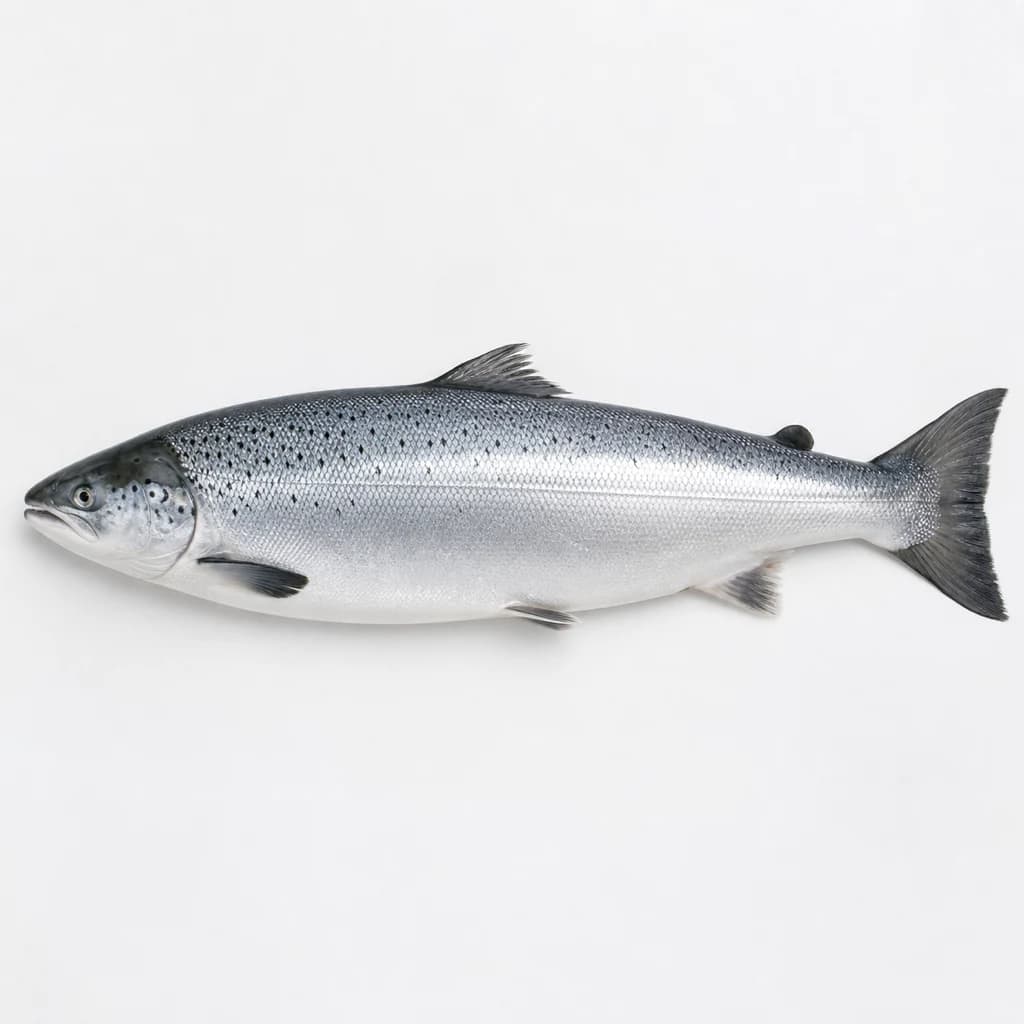
Salmon
Rich, rosy fish that roasts, grills, or cures beautifully

Egg White
Pure protein that whips to airy peaks for meringue and more
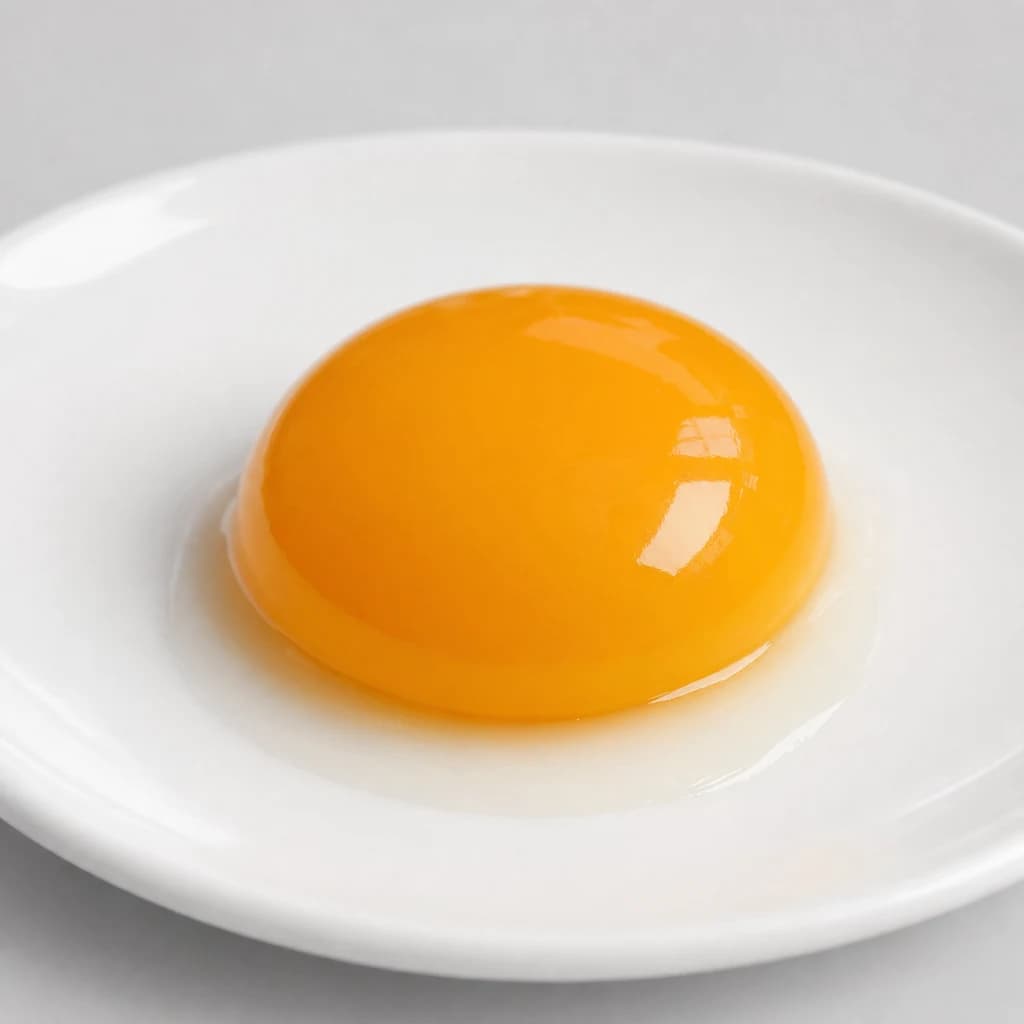
Egg Yolk
Rich, golden yolk for custards, mayonnaise, and pasta

Quail Egg
Tiny, speckled eggs for garnishing and elegant bites