Proteins
Lean Ground Turkey
Low-fat minced turkey used as a lighter substitute in burgers, meatballs, chili and tacos.
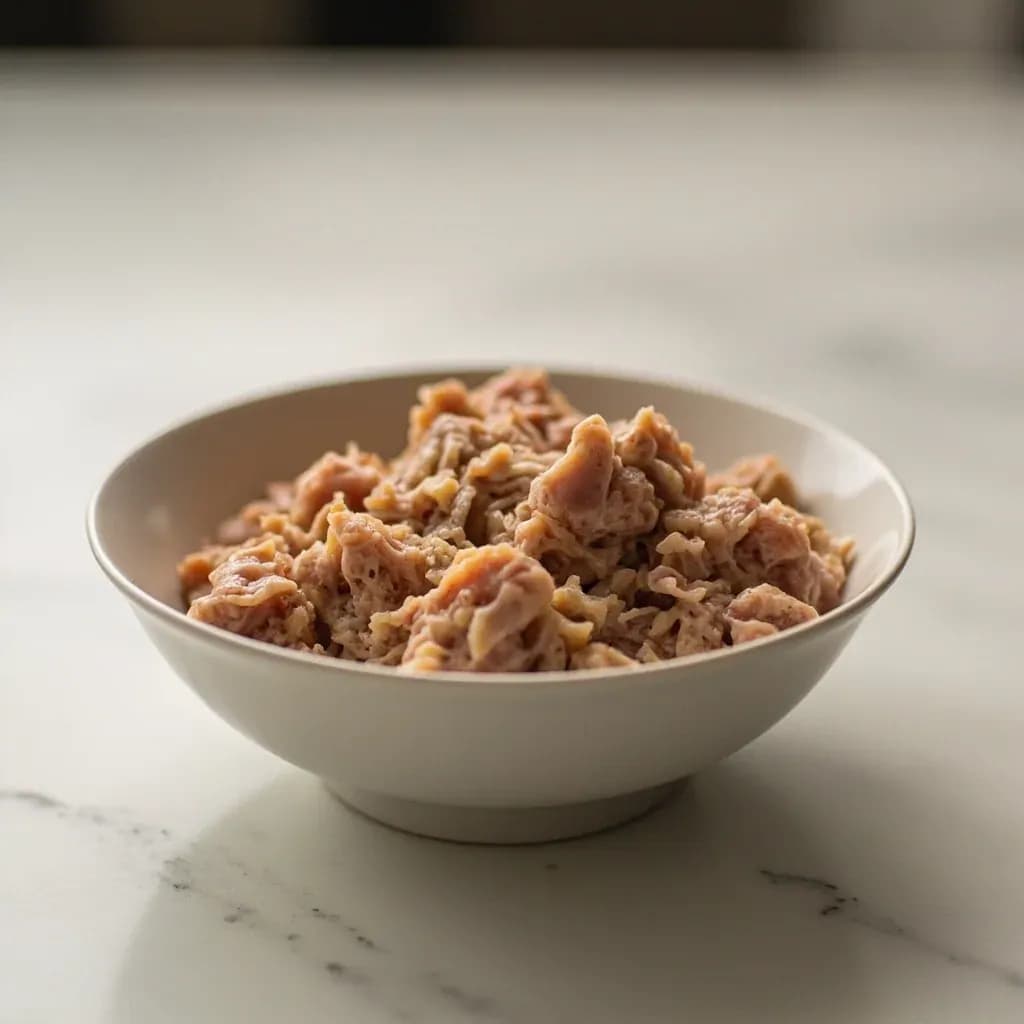
Lean ground turkey is minced turkey breast and meat with little fat, a popular lower-fat alternative to ground beef. It is mild in flavor and used in burgers, meatballs, taco filling, chili and meat sauces, usually boosted with seasoning. Its leanness means it is best not overcooked to keep it moist.
Lean ground turkey is poultry mince made primarily from turkey breast, sold in standardized leanness levels—the most common are 93% lean (7% fat) and 99% lean (1% fat). It delivers the high protein content of turkey (roughly 22–26 grams per 3-ounce cooked serving) with significantly less fat than ground beef, making it a staple in health-conscious kitchens. The trade-off is moisture: turkey lacks the fatty marbling that bastes beef as it cooks, so it demands active moisture management.
The flavor profile is mild and slightly sweet, with none of the gamey edge of dark-meat poultry. This neutrality is an asset—it absorbs spices and aromatics readily—but it also means turkey will not deliver the depth or richness of beef on its own. Cooks must build flavor deliberately through seasoning, browning technique, and supporting ingredients. Raw turkey is noticeably paler than ground beef due to lower myoglobin content, and it browns fully rather than retaining pink interior spots. The leanest variety (99%) dries out most easily; the 93% lean blend, which incorporates some thigh meat, retains moisture better and handles a wider range of applications.
Purchasing requires attention to labeling. Formulations vary by brand; some 93% lean products may include added broth or seasoning for flavor. Always check the label and, when in doubt, select a trusted brand with a consistent leanness percentage. Stored raw in the refrigerator, use within 1–2 days; frozen, it holds well for 3–4 months.
- Measured in
- g
- Storage
- Fridge
Types & varieties
Breast meat only; dries out most easily; best for very low-fat applications where moisture is actively managed
Blend of breast and thigh; better moisture retention; most versatile for everyday cooking
More thigh meat; moister but higher fat; not classified as 'lean' under USDA standards
Why Lean Turkey Behaves Differently Than Beef
Ground beef contains fat that renders and bastes the meat from within as it cooks. Lean turkey has no such self-basting mechanism. Its moisture exists within the muscle fibers themselves, and high heat, excessive cooking time, or pressing the meat squeezes that moisture out irreversibly. The result is a pan full of gray, chewy protein rather than juicy crumbles. Understanding this fundamental difference changes how you approach every recipe.
- Turkey lacks intra-muscular fat to lubricate and baste during cooking
- Moisture loss is cumulative—high heat plus long time equals dry texture
- Unlike beef, turkey does not 'carryover cook' significantly after removal from heat
Seasoning Strategy
The mild flavor of ground turkey is both a strength and a challenge. It readily takes on bold flavors—cumin, chili powder, garlic, sage, fennel, soy sauce—but it will not carry a dish alone. Under-seasoned turkey tastes flat and boring. Build flavor in layers: bloom spices in oil before adding meat, deglaze the pan after cooking to capture fond, and finish with acids, cheeses, or fresh herbs that brighten the finished dish.
- Season at multiple stages: before, during, and after cooking
- Aromatics (onion, garlic, shallot) sweated in fat before adding turkey build a flavor base
- Umami boosters like Worcestershire, soy sauce, or tomato paste compensate for turkey's mildness
- Finish with acid (lemon, vinegar) to brighten flat-tasting dishes
Common uses
Tips & pitfalls
- Add 1–2 tablespoons of olive oil or melted butter per pound when making burgers—without added fat, they turn dry and dense
- Mix 1 egg plus 2 tablespoons of breadcrumbs per pound for meatballs and meatloaf to improve binding and retain moisture
- Cook over medium heat in a preheated pan—high heat accelerates moisture loss before a crust forms
- Never press or mash the meat while it cooks; this forces out the juices you worked to retain
- Use an instant-read thermometer and cook to exactly 165°F in the thickest part—color is unreliable in pale poultry
- Drain cooked turkey in a colander and blot with paper towels before adding to sauces if excess moisture is present
- Season generously and taste as you go; the mild flavor means under-seasoning is a common mistake
- Let cooked patties rest 5 minutes before serving to allow juices to redistribute
- When making chili, tacos, or saucy dishes, add a splash of broth or sauce to finish cooking and prevent drying
- If using 99% lean turkey for burgers, consider mixing in 10–15% ground pork or a tablespoon of rendered bacon fat for moisture
Nutrition
Energy
619 kJ · per 100 g
Where the calories come from
Protein
19.7g
39% DV
Carbs
0g
0% DV
Fat
7.7g
10% DV
Fiber
0g
0% DV
Sugars
0g
of which
Sodium
58mg
3% DV
Source · USDA FoodData Central · Turkey, Ground, raw
View on FDC →In the shops
Matched grocery products
 €2.85
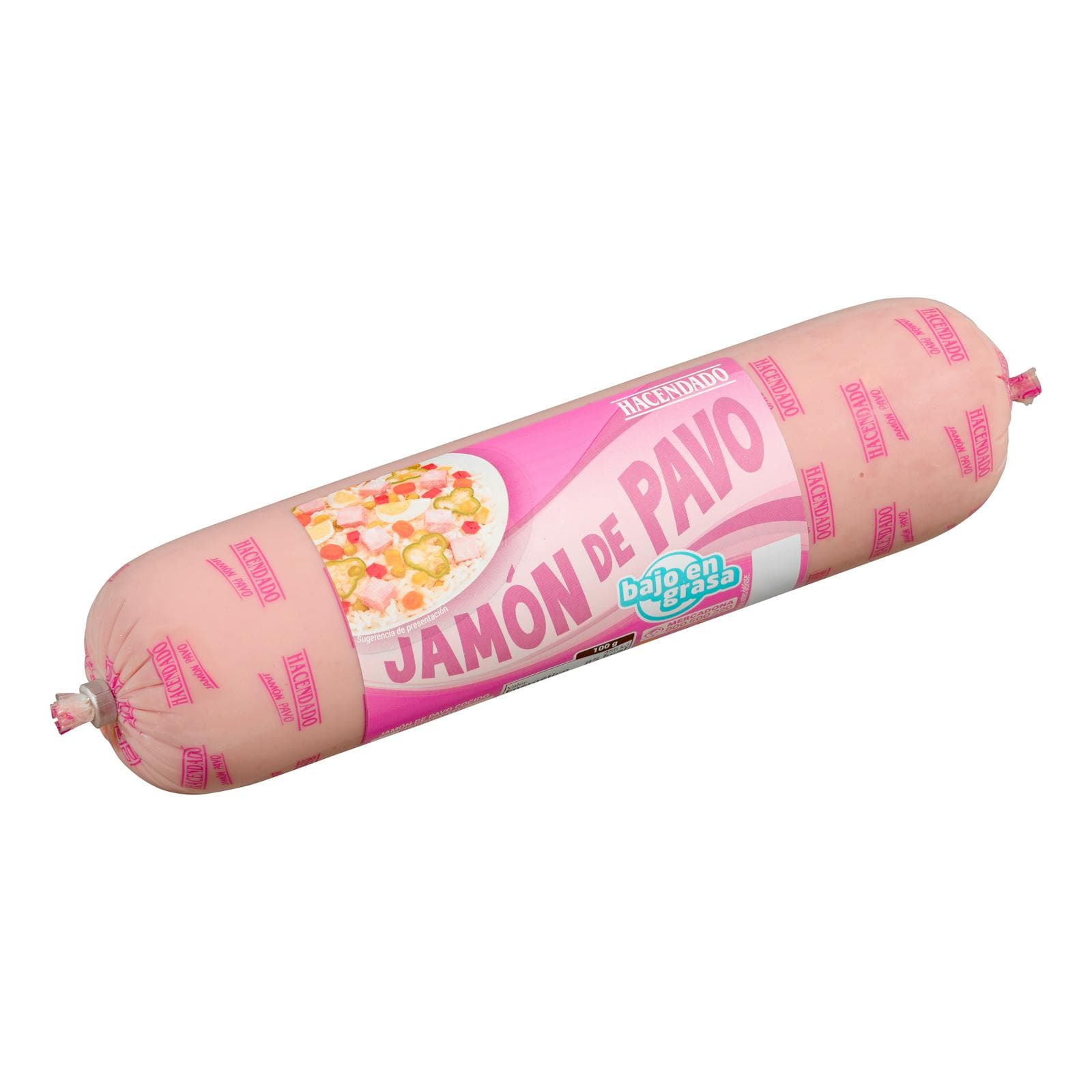
€2.85Turkey Ham
Hacendado · 500 g · Mercadona
 €1.00
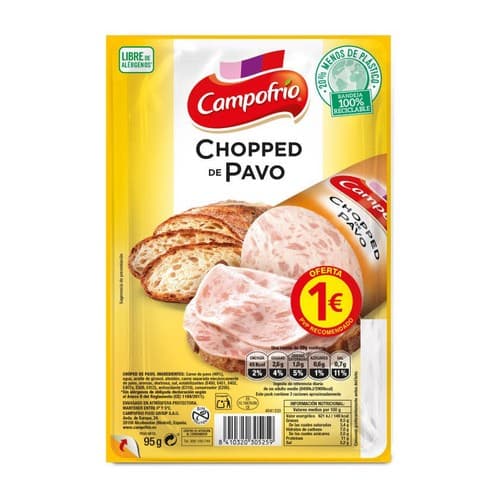
€1.00Turkey Xoped
CAMPOFRIO · kg · Bonpreu
 €3.99
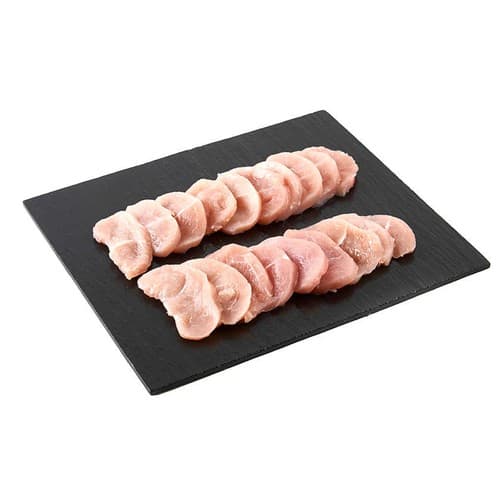
€3.99Turkey Filet
BONPREU · kg · Bonpreu
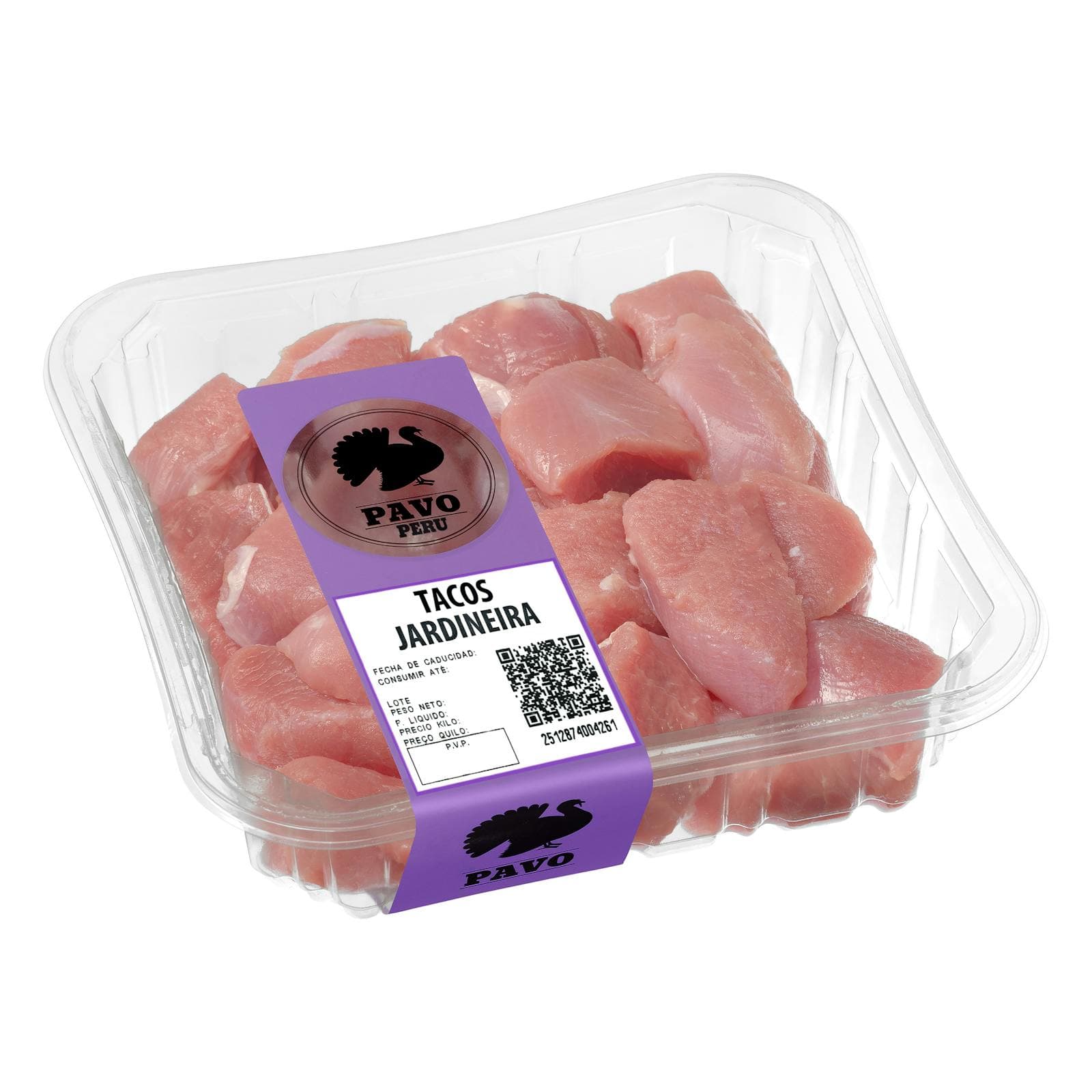 €4.16
€4.16Turkey Tacos
570 g · Mercadona
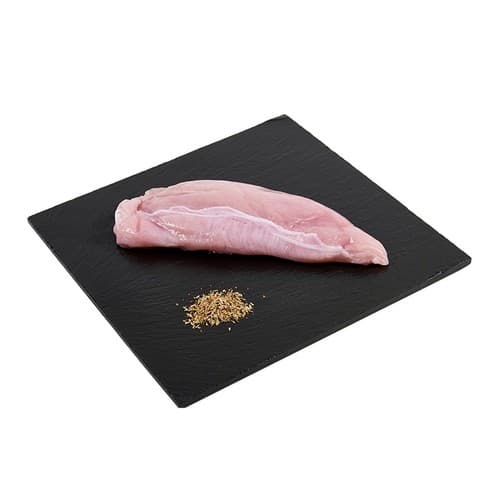 €3.50
€3.50Turkey Fillet
BONPREU · ud · Bonpreu
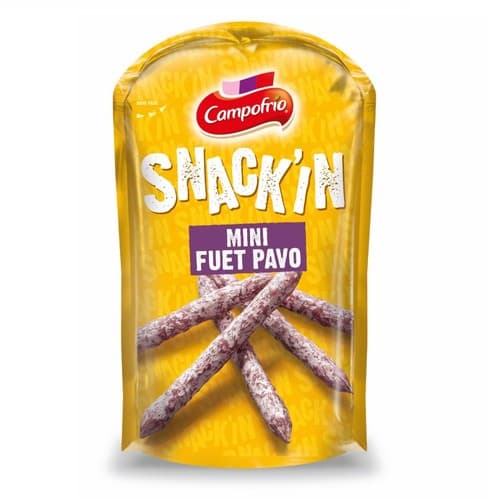 €1.49
€1.49Mini Turkey Fuet
CAMPOFRÍO · kg · Bonpreu
Good to know
- Common Leanness
- 93% lean (7% fat) or 99% lean (1% fat); breast meat yields the leanest product
- Primary Cut
- Turkey breast; 93% lean blends often include thigh for moisture and flavor
- Flavor
- Mild, slightly sweet; less gamey than dark meat; less flavorful than ground beef without seasoning support
- Color (Raw)
- Pale pink—lower myoglobin than beef; turns fully brown when properly cooked
- Protein
- ~22–26g per 3-oz cooked serving depending on leanness
- Fat Content
- 93% lean: ~7g per serving; 99% lean: ~1–2g per serving
- Safe Internal Temp
- 165°F (74°C) measured in thickest part with instant-read thermometer
- Refrigerated Shelf Life
- 1–2 days raw; 3–4 days cooked leftovers
- Frozen Shelf Life
- 3–4 months raw; 2–3 months cooked
- Shrinkage
- Minimal when cooked correctly; up to 20–25% if overcooked
Substitutes
- Extra Lean Ground Beef — Similar leanness but richer, deeper flavor; fat content may be slightly higher depending on blend
- Ground Chicken — Nearly identical leanness and texture; slightly milder flavor; interchangeable in most recipes
- Ground Bison — Leaner than beef, richer than turkey; excellent high-protein alternative with good moisture retention
- Ground Pork (Lean Cuts) — Higher fat than turkey but milder sweetness; adjust cooking time slightly
- Plant-Based Ground — Brands like Beyond Meat or Impossible; similar texture but different fat profiles and browning behavior
Pairs with
Also called
ground turkey · Minced Turkey
Related
Egg
The kitchen's everything ingredient — bind, leaven, enrich, or fry
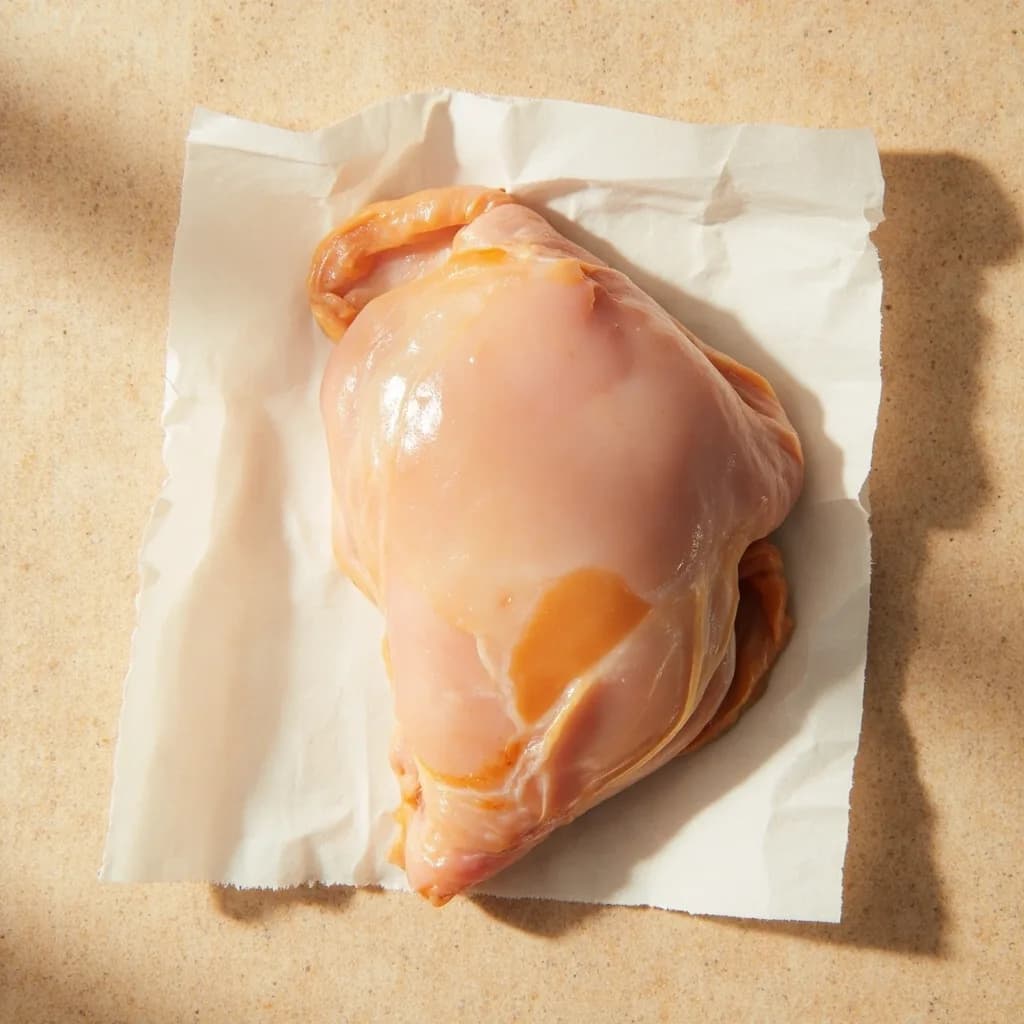
Chicken Breast
Lean, quick-cooking white meat for everyday dinners

Ground Beef
Versatile minced beef for burgers, ragù, tacos, and meatballs
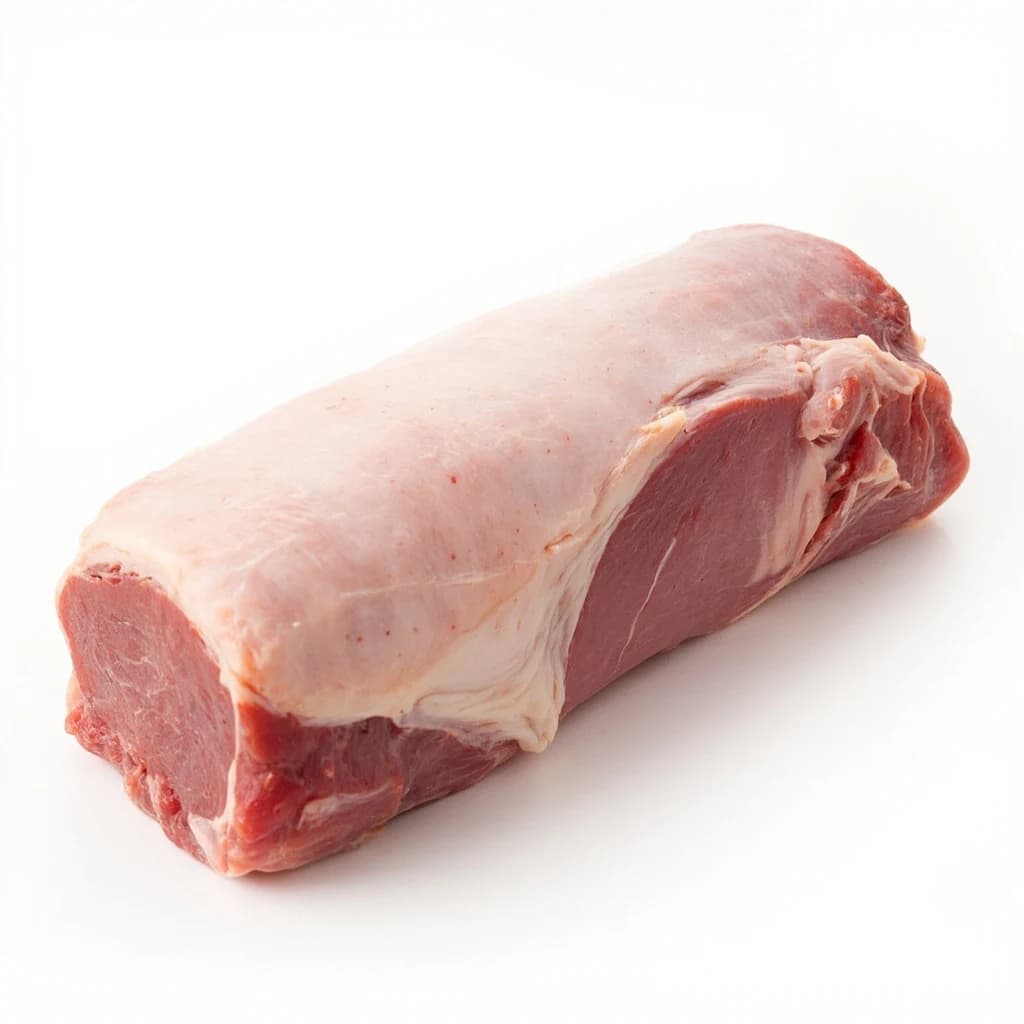
Pork Loin
Lean, tender roasting cut that stays juicy with care
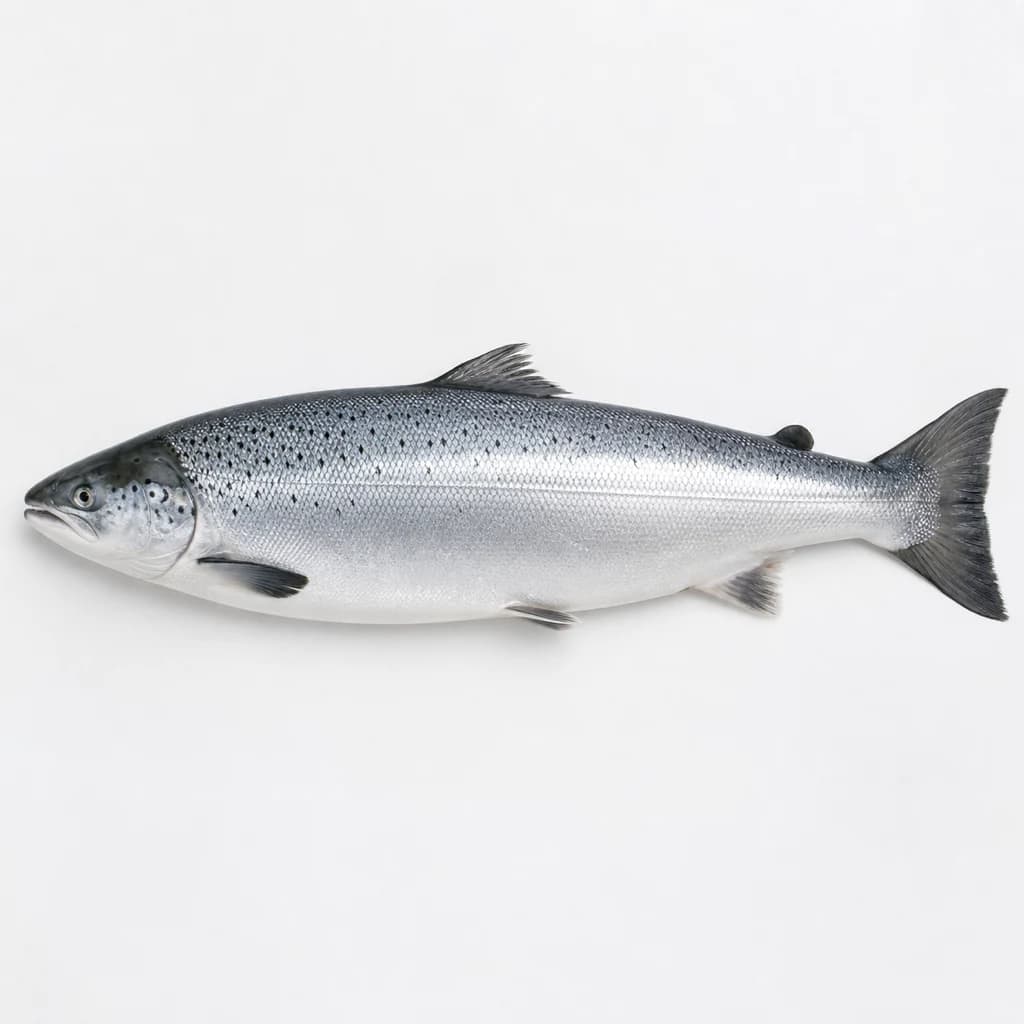
Salmon
Rich, rosy fish that roasts, grills, or cures beautifully

Egg White
Pure protein that whips to airy peaks for meringue and more
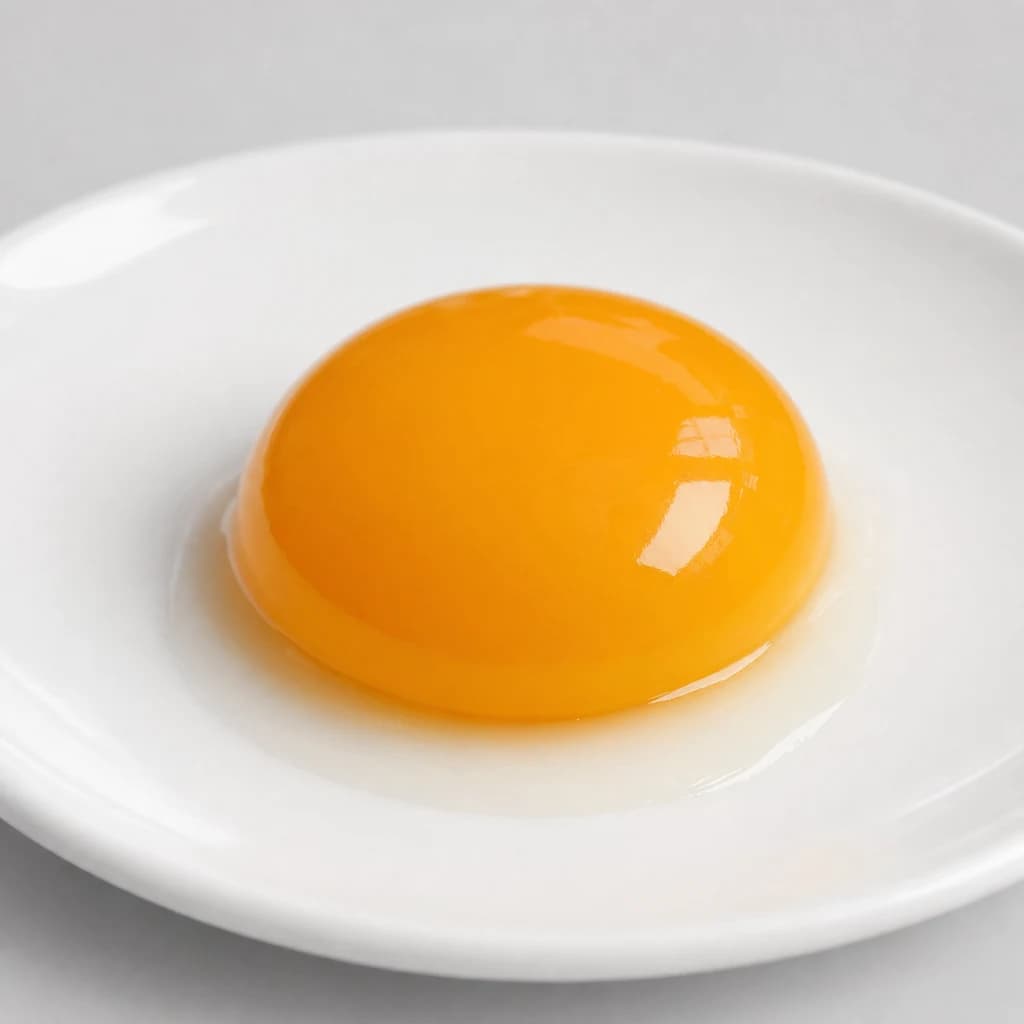
Egg Yolk
Rich, golden yolk for custards, mayonnaise, and pasta

Quail Egg
Tiny, speckled eggs for garnishing and elegant bites