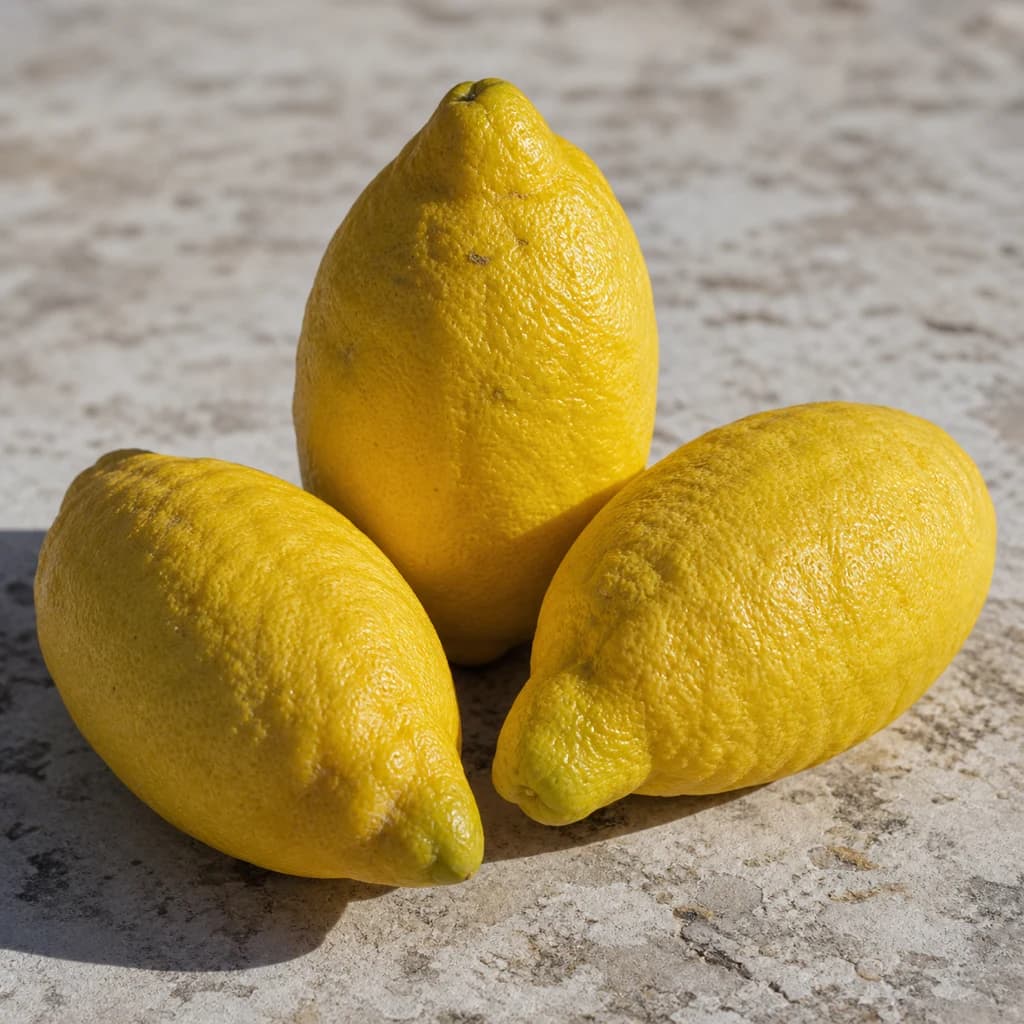
Natural form
Whole Amalfi lemons showing their elongated shape and thick, bumpy golden-yellow rind.
Establishes the distinctive large, tapered form and vivid rind texture that sets Sfusato Amalfitano apart from ordinary lemons.
Produce
Amalfi Lemon
Large, fragrant, thick-rinded sweet lemon from Italy's Amalfi Coast, low in acid.
The Amalfi lemon (Sfusato Amalfitano) is a large, elongated lemon from Italy's Amalfi Coast with a thick, intensely aromatic rind and mild, sweet, low-acid juice. It is the basis of limoncello and is shaved or sliced into salads, desserts, and seafood dishes. Its fragrant zest is the prized part, full of perfumed citrus oils.
The Amalfi Lemon (Limone di Amalfi IGP) is the culinary designation for the Sfusato Amalfitano cultivar grown along Italy's Campania coast, a lemon legally protected under IGP status since 2001. The steep cliffs and mineral-rich terrain of the Amalfi Coast create a unique microclimate—high sun exposure moderated by the Tyrrhenian Sea—that produces lemons with a substantially thicker rind and higher essential oil concentration than common commercial varieties. This is not a lemon you judge by its juice alone; the aromatic rind, yielding bright, floral zest, is the ingredient's most prized component. The flesh carries roughly 4–5% citric acid compared to 5–7% in Eureka or Lisbon varieties, giving it a notably sweeter, less sharp character that behaves differently in both raw and cooked applications. When sourcing outside Italy, explicitly verify 'Limone di Amalfi' or 'Sfusato Amalfitano' on labels—'Amalfi lemon' alone does not guarantee authenticity or IGP compliance.
- Measured in
- piece
- Storage
- Fridge
Types & varieties
The primary cultivar; the name refers to the elongated ('sfusato') shape and is synonymous with true Amalfi lemon in culinary contexts
A local market name for the same cultivar grown in the Ravello area; not a distinct botanical variety
Regional market name for lemons from the Positano growing area; same cultivar, same characteristics
Why the Rind Matters More Than the Juice
Most cooks default to judging a lemon by its juice output, but with Amalfi lemons the ratio is inverted. The thick, bumpy rind contains concentrated essential oils—primarily limonene, with smaller amounts of citral and linalool—that deliver the lemon's signature floral, almost perfume-like aroma. In dishes where zest is called for (pasta al limone, gremolata, salsa verde), a single well-zested Amalfi lemon outperforms two or three commercial lemons. The pith beneath the rind is not bitter like that of thicker-skinned varieties, making wide peel strips feasible for limoncello and candying. When a recipe asks for lemon and you have Amalfi lemons, treat the zest as a primary ingredient and plan accordingly.
- Save trimmings and peel ends in vinegar for natural cleaning or in sugar for lemon-infused sweetener
- Use a vegetable peeler for wide strips; microplane for fine, oily zest
- Never discard the rind—preserve whole in sugar or salt to extend the season
Understanding Its Low-Acid Nature
The reduced acidity of Amalfi lemons changes how they function in cooking. In raw applications—dressings, ceviche, finishing sauces—the sweetness registers as a more rounded, less aggressive brightness. In cooked preparations, the lower acid means they do not 'shut down' sweetness in caramelized onions or balance rich butter sauces the same way a sharper lemon would. This is not a flaw; it is a different tool. Use Amalfi lemons when you want lemon flavor and aroma without the sharp acidic edge, or when the dish already has enough acid and needs fragrance instead.
- Supplement with standard lemon juice when a recipe requires acid for chemical reactions (e.g., preventing avocado browning, activating egg proteins in aioli)
- Reduce or eliminate additional acid (vinegar, wine) in dressings when using Amalfi lemon juice
- Taste and adjust—trust the lemon's natural balance rather than adding more acid to 'correct' it
Common uses
Tips & pitfalls
- Always wash and dry the rind thoroughly before zesting—conventional wax coatings retain pesticide residues that a simple rinse won't remove
- Use a microplane or fine zester on room-temperature lemons for maximum zest yield; cold lemons yield less fragrant, more watery results
- For limoncello, peel the rind in wide strips, avoiding the bitter white pith as much as possible—aim for 15-20 wide strips per 750ml spirit
- When substituting Amalfi for standard lemons in savory applications, use slightly less juice as it is sweeter and less acidic
- If the flesh is too mild for a dish requiring brightness, supplement with a small amount of standard lemon juice rather than using more Amalfi juice
- The thick rind is an asset—preserve it whole in sugar or salt rather than discarding to extend the season beyond peak availability
- Store unwashed in the refrigerator crisper drawer; wash only before using to prevent premature spoilage from moisture
- Common mistake: discarding the rind after juicing—freeze it for later zesting, or infuse it in simple syrup for desserts and cocktails
Nutrition
Energy
197 kJ · per 100 g
Where the calories come from
Protein
1.5g
3% DV
Carbs
16g
6% DV
Fat
0.3g
0% DV
Fiber
10.6g
38% DV
Sugars
4.2g
of which
Sodium
6mg
0% DV
Source · USDA FoodData Central · approx. Lemon peel, raw
View on FDC →In the shops
Matched grocery products
 €0.69
€0.69Lemon
230 g · Mercadona
 €2.70
€2.70Lemons
1 kg · Mercadona
 €0.40
€0.40Lemon 1 unit
ud · Bonpreu
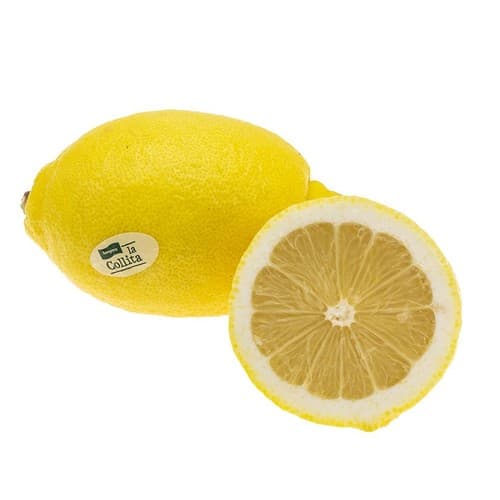 €0.59
€0.59Lemon 1 unit
Bonpreu
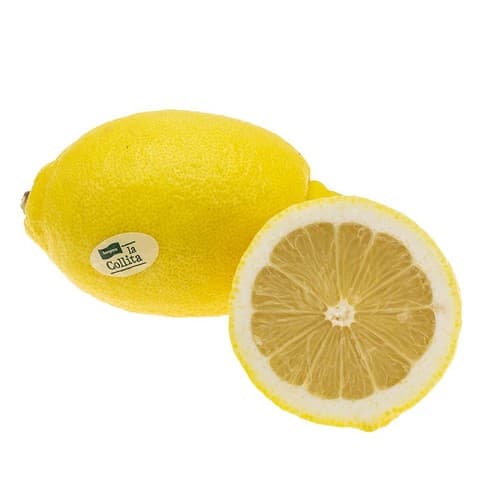 €0.88
€0.88Lemon 1 unit
ud · Bonpreu
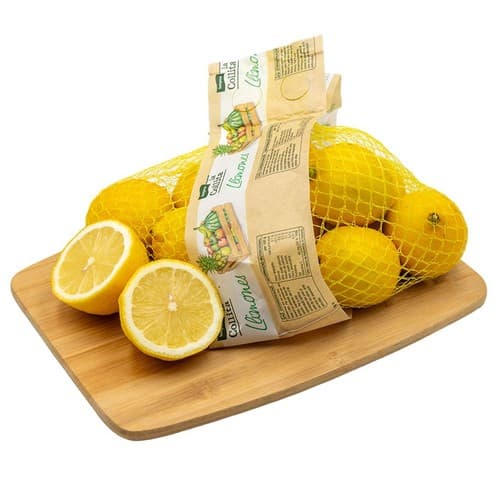 €3.19
€3.19Lemon Mesh Bag 1 kg
LA COLLITA · kg · Bonpreu
Good to know
- Origin
- Amalfi Coast, Campania region, Italy (IGP protected since 2001)
- Cultivar
- Citrus limon (L.) Burm. f., 'Sfusato Amalfitano'
- Season
- October through May; peak December–April
- Size
- Large to very large, 150–300 g; oval to elliptical
- Rind
- Thick, very fragrant, bright yellow; rich in essential oils
- Acidity
- 4–5% citric acid (vs. 5–7% in standard lemons)
- Yield
- 25–30% juice by weight; substantial high-quality zest from thick rind
- Storage
- Refrigerated 2–3 weeks; room temperature 2–3 days
Substitutes
- Sorrento lemon — Also from Campania; very similar low-acid profile and fragrance; the best substitute, though equally hard to source outside Italy
- Meyer lemon — Sweeter and more floral; acceptable for raw applications; adjust for reduced acidity in cooked preparations
- Eureka lemon — Use 25–30% less juice and include zest to approximate the aromatic intensity; the most accessible substitute
- Primofiore lemon — A Spanish variety with relatively low acidity and good fragrance; decent fallback for raw applications
Pairs with
Also called
Sfusato Amalfitano · Amalfi Coast Lemon
Related
Tomato
Juicy, sun-sweet fruit for sauces, salads, and slow-cooked depth
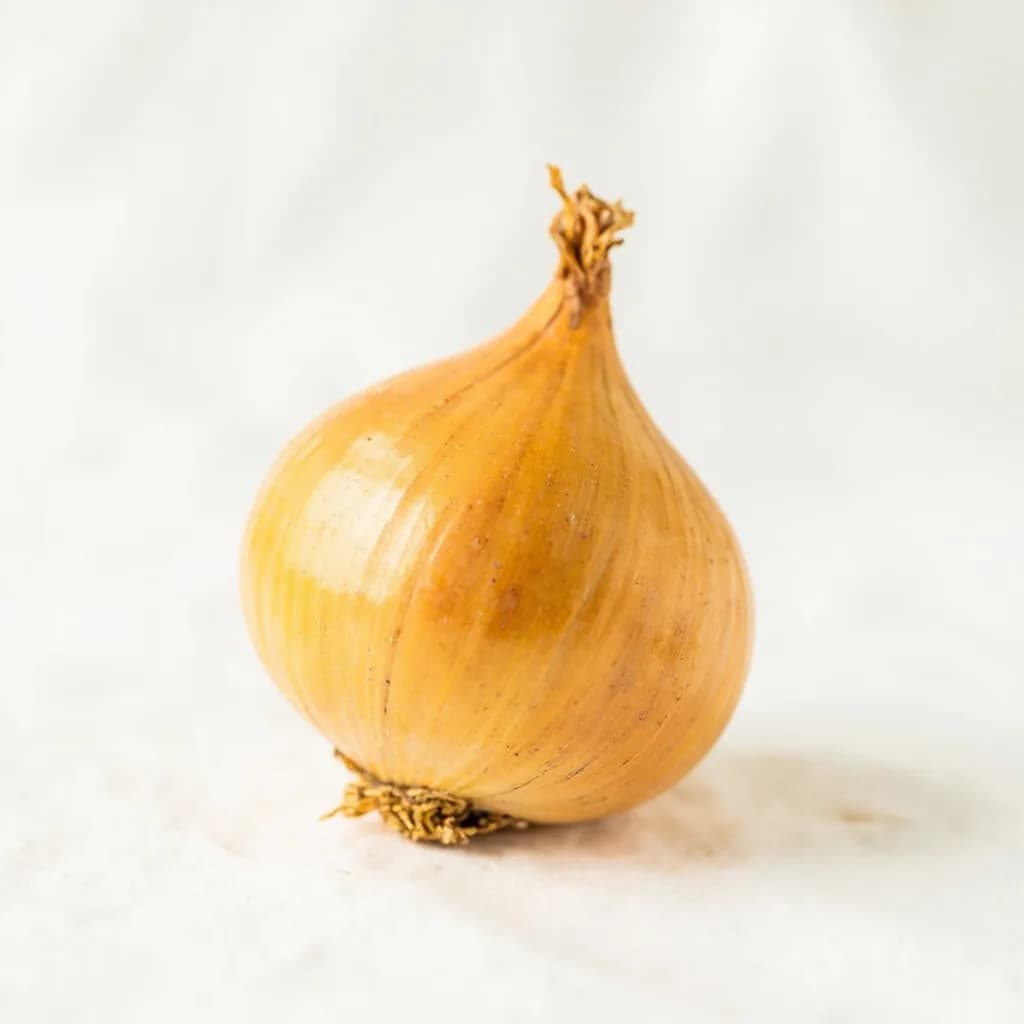
Yellow Onion
The aromatic backbone of soups, sofritos, and braises
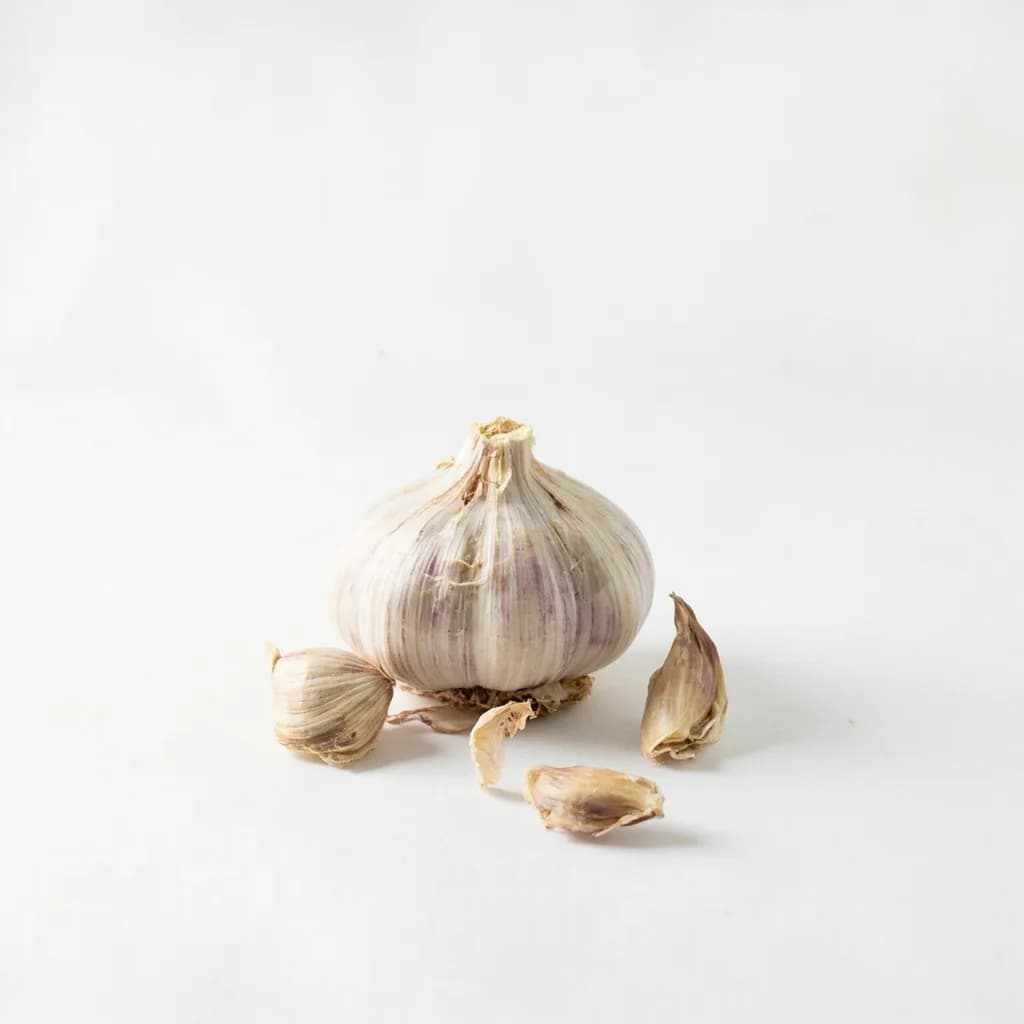
Garlic
Pungent cloves that perfume nearly every savory dish
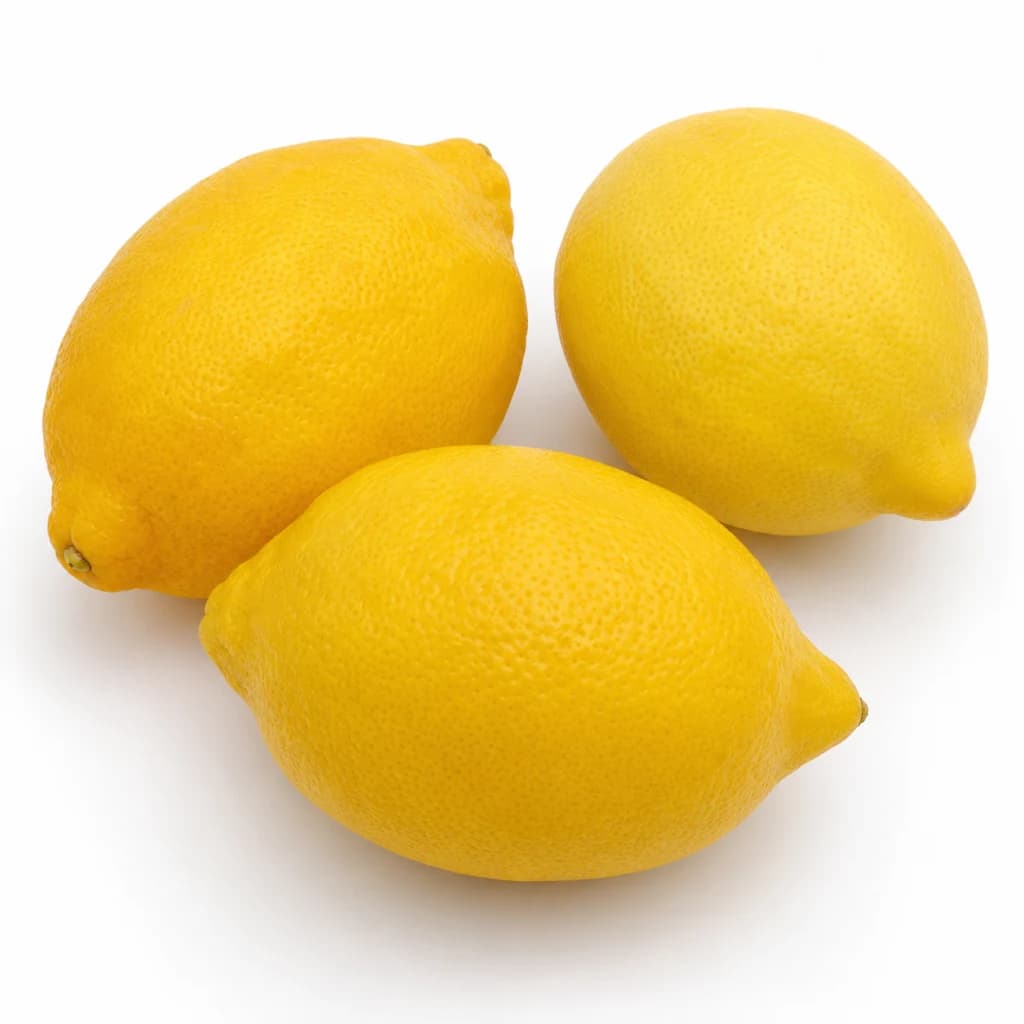
Lemon
Bright, acidic citrus that wakes up almost any dish
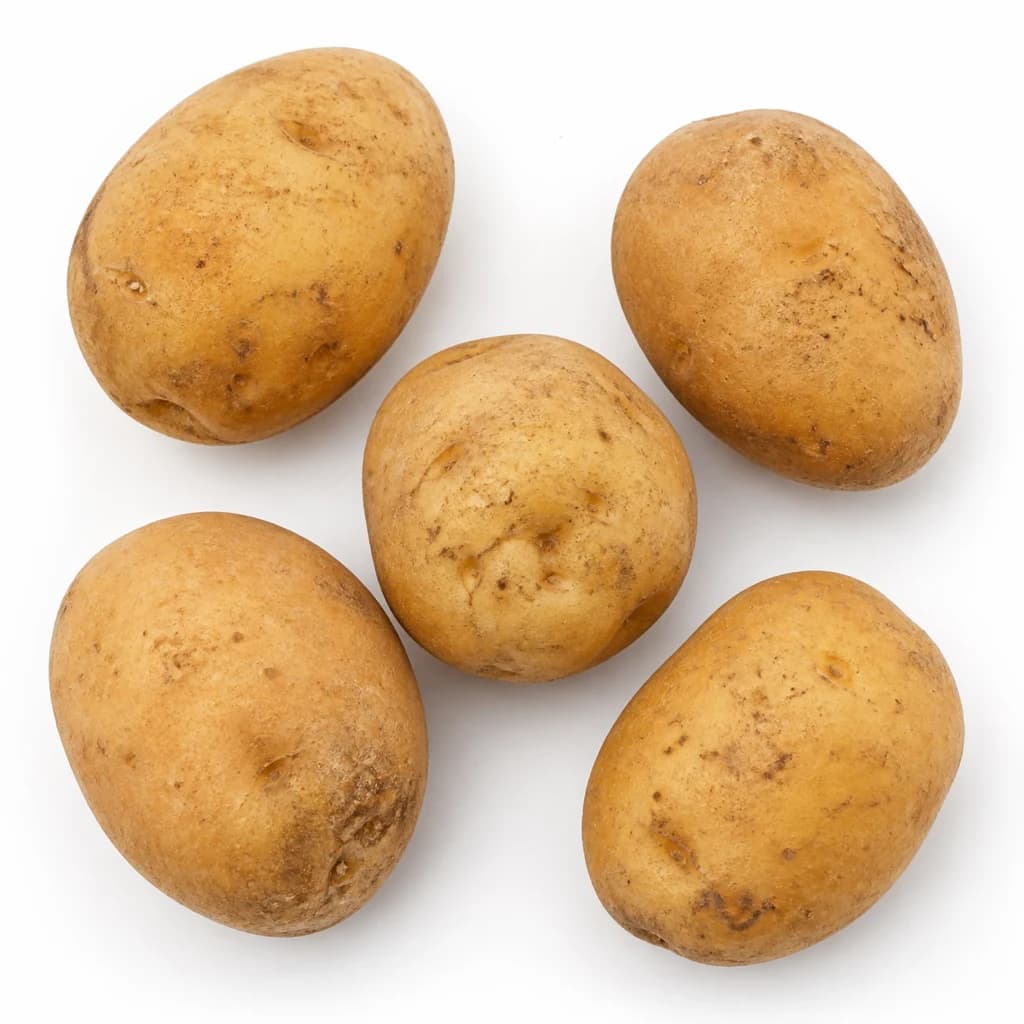
Potato
Humble, hearty staple — roast, mash, fry, or boil
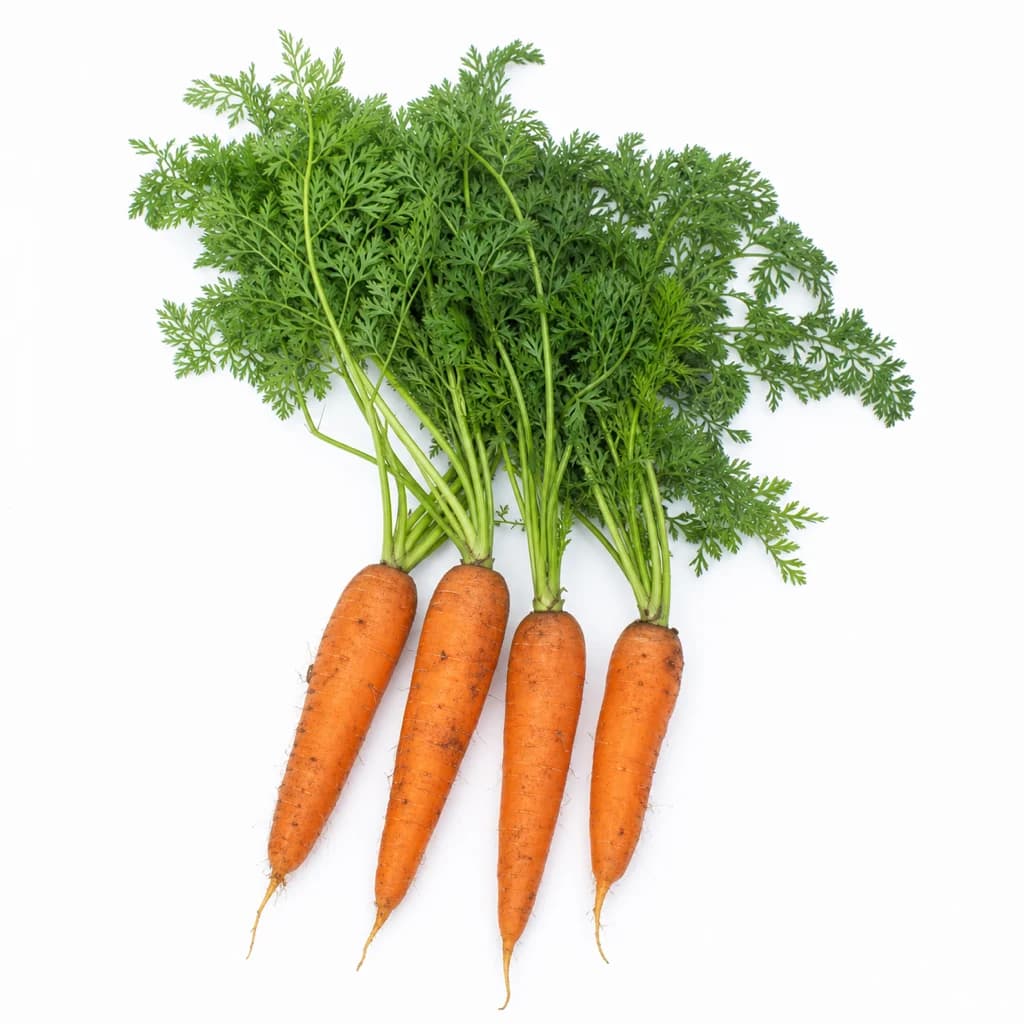
Carrot
Sweet, crunchy root — raw, roasted, or the base of a sofrito
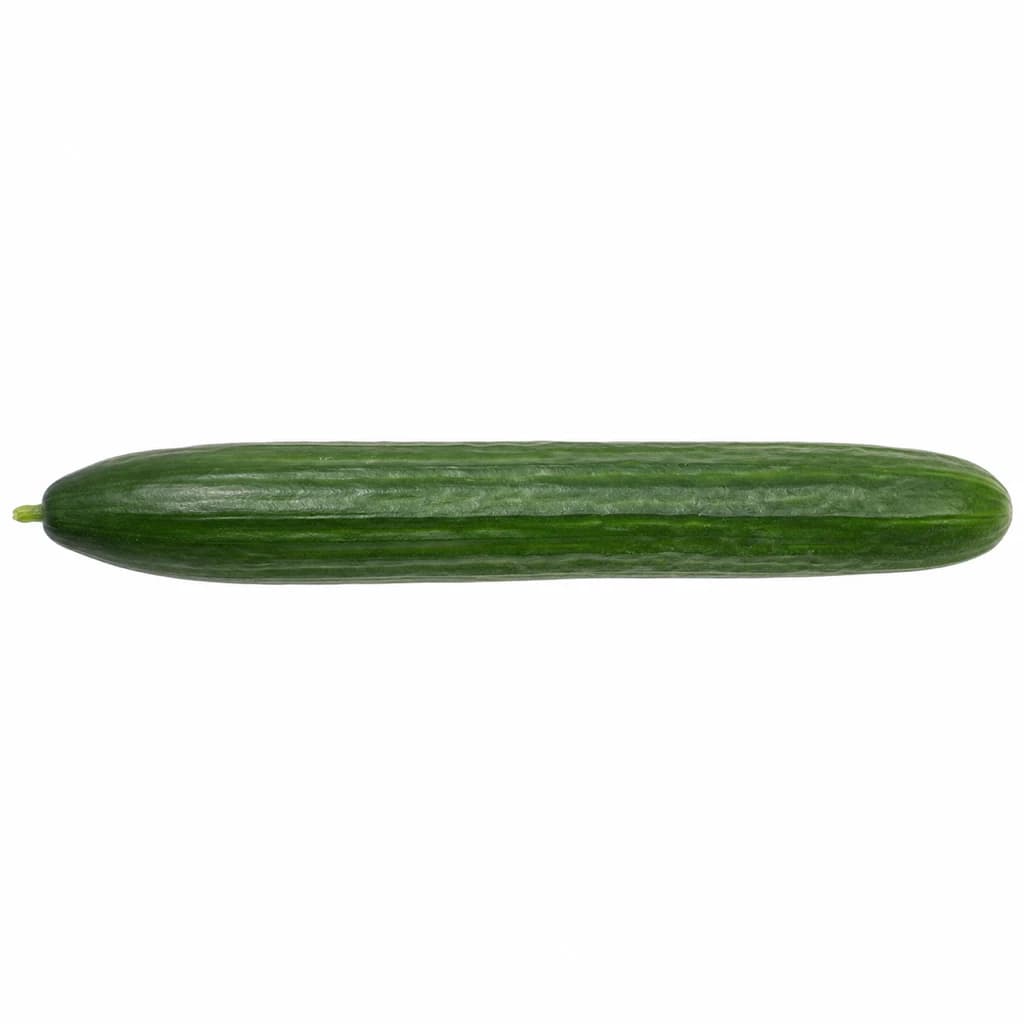
Cucumber
Cool, crisp, and watery — for salads, pickles, and tzatziki

Lettuce
Crisp leaves for salads, wraps, and a fresh crunch