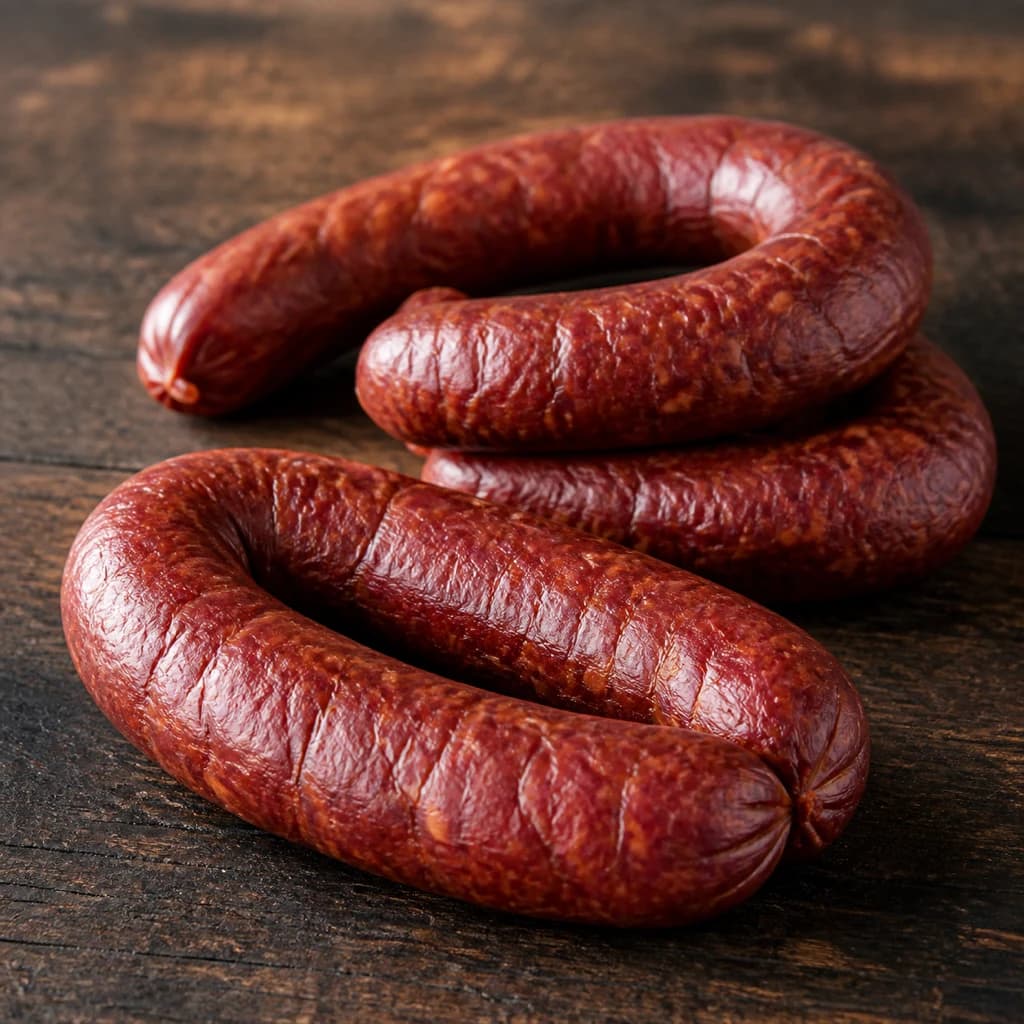
Natural form
Whole linguiça links showing their deep reddish-brown smoked casing and twisted rope form.
Shows the sausage's unmistakable whole form, color, and characteristic casing so readers can identify it at a market or butcher.
Proteins
Linguiça Sausage
Smoky Portuguese pork sausage seasoned with garlic and paprika.
Linguiça is a cured, smoked Portuguese pork sausage flavored with garlic, paprika, and wine. It is sliced and grilled, added to stews, bean dishes, and rice, or served with bread. Its smoky, garlicky paprika flavor is a backbone of Portuguese and Brazilian cooking.
Linguiça is a cured, smoked Portuguese pork sausage seasoned with garlic and sweet or hot paprika, giving it a deep reddish-brown color and a distinctive smoky-sweet-savory character. It differs from many other cured sausages in that it is traditionally fully cooked during the smoking process, meaning it can be eaten immediately without additional cooking, though most preparations involve some form of heat to develop a caramelized exterior and render the fat. The sausage is cased in natural pork intestine and typically sold in thumb-thick links, often twisted into coils or double links. Its flavor profile—smoky, garlicky, and gently spiced with paprika—makes it one of the most versatile and pantry-ready cured meats in the Portuguese and Brazilian kitchen, equally at home sliced cold on a board or sizzling in a pan with eggs.
The sausage traces its deepest roots to the Alentejo region of Portugal, where it has been a staple for centuries, but it has become essential across Portuguese-speaking cuisines, particularly in Brazil and the Azores, where each culture has developed its own variation. Portuguese linguiça is distinguished by its firm cure, hardwood smoke, and balanced garlic-paprika seasoning; it is typically hung to age slightly after smoking, developing a taut casing and concentrated flavor. Brazilian linguiça, by contrast, ranges from fresh (requiring full cooking) to semi-dried, often with a more pronounced vinegar tang that brightens the fat. Understanding this distinction matters enormously in the kitchen: a recipe calling for linguiça without specifying style almost always intends the Portuguese cured variety, while Brazilian preparations typically state "fresh" or describe the cooking method explicitly.
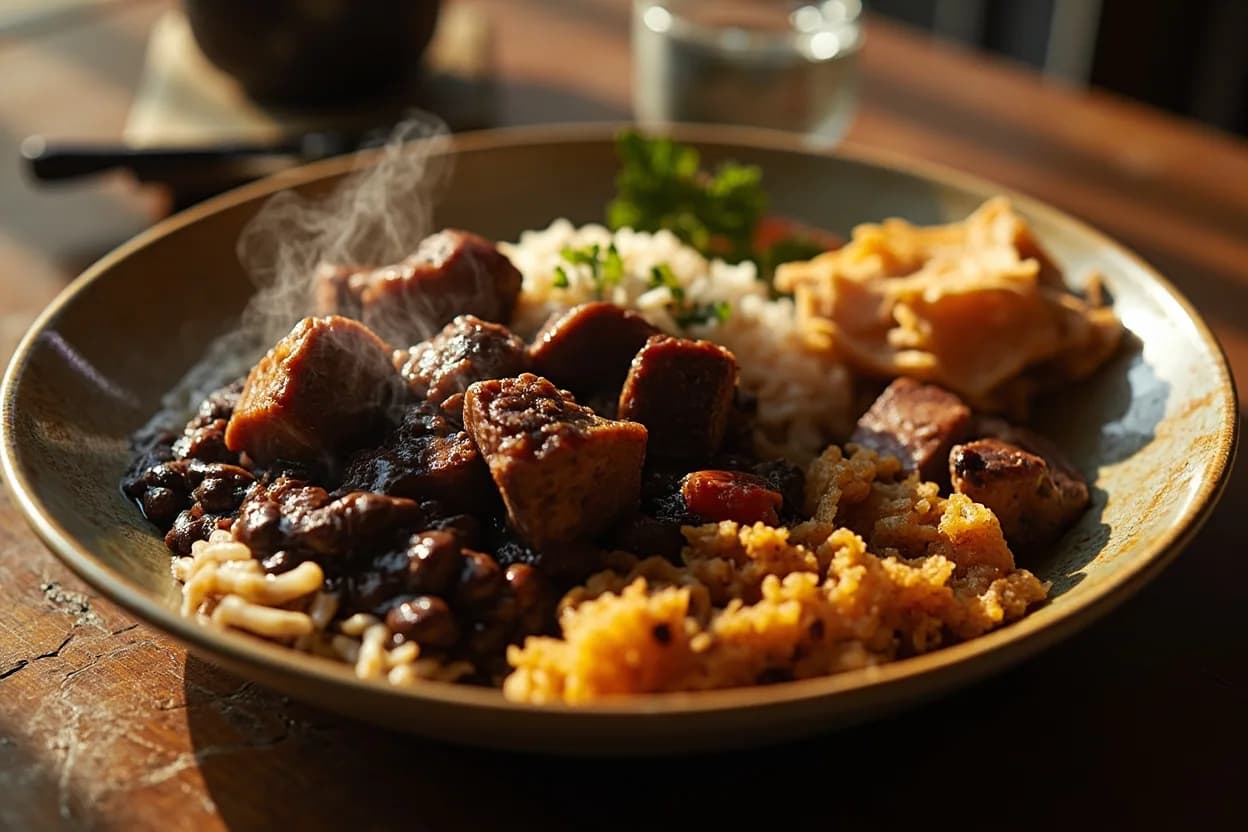
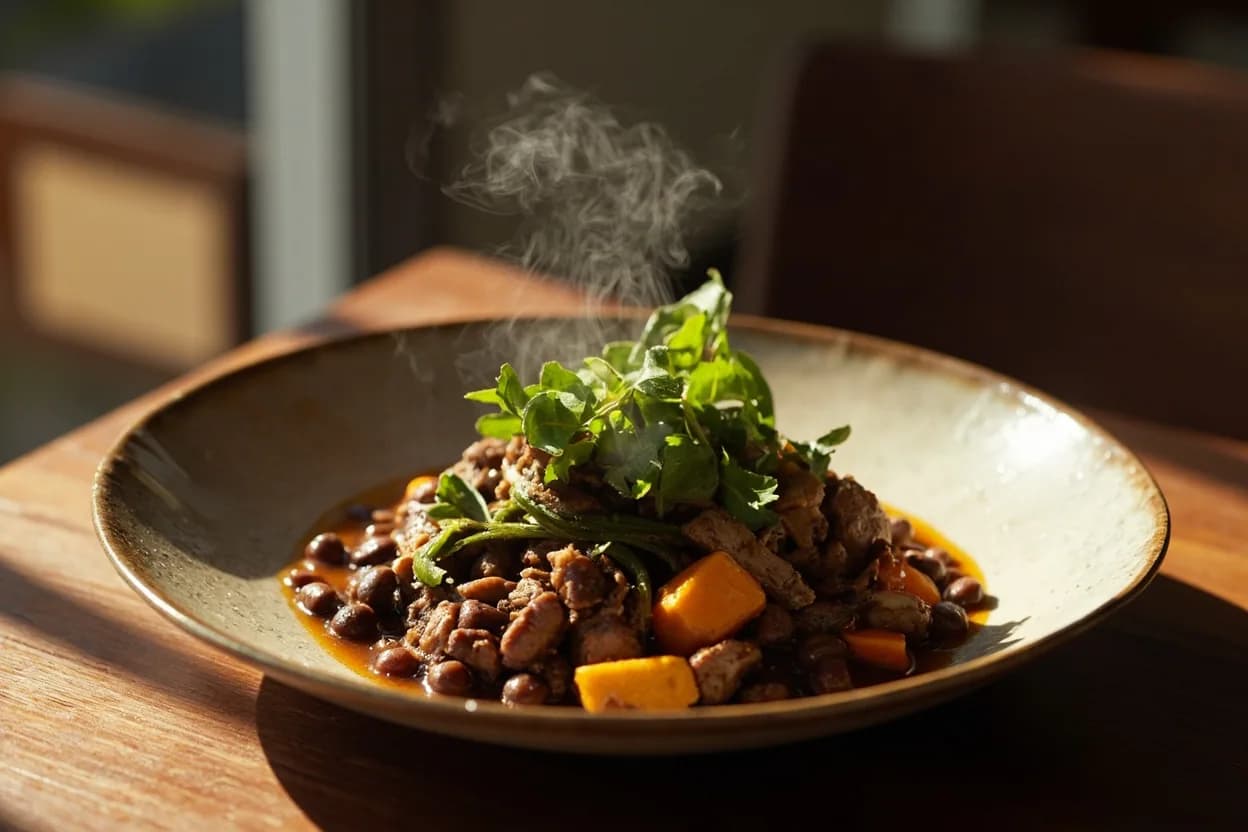
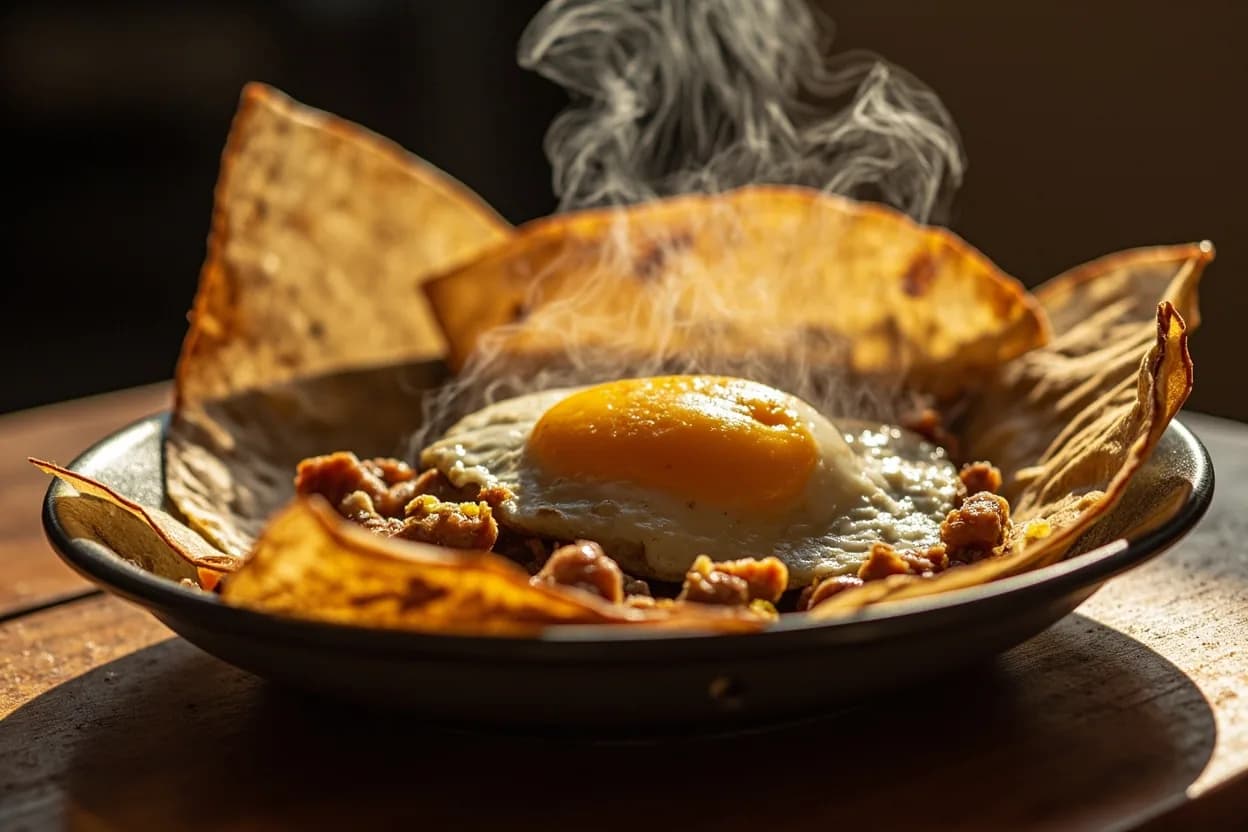
In practice, linguiça behaves like a flavor foundation rather than a centerpiece protein alone. The fat renders generously when cooked, perfuming whatever it touches—beans, onions, eggs, greens—with smoky depth. Because it is already cooked, linguiça needs only enough heat to warm through and brown, making it one of the fastest proteins to work with. The casing, when cooked properly, becomes pleasantly crisp; under high heat without pricking, it will burst and release its fat chaotically into the pan. Once you understand its characteristics, linguiça becomes an irreplaceable tool for building Portuguese and Brazilian flavor quickly, whether you are assembling a weeknight feijoada or a weekend brunch of eggs and linguiça.
- Measured in
- g
- Storage
- Fridge
Types & varieties
Traditional Portuguese cured and smoked sausage; fully cooked; deep smokiness with garlic and paprika; the standard reference type
Regional Alentejo variety; traditionally made with white wine and often includes oregano; sometimes stuffed into larger-diameter casings for a heartier link
Brazilian style; ranges from fresh (requires cooking) to dried; often has a more pronounced vinegar tang; frequently used in feijoada and bean dishes
Portuguese term specifying heavily smoked linguiça; deeper smoky flavor, darker exterior; common in both Portugal and Brazil
Fresh vs. Cured: The Critical Distinction
The single most important thing to understand about linguiça is whether you have the cured Portuguese style or the fresh Brazilian style. Portuguese linguiça is cured, smoked, and fully cooked—it can be sliced and eaten raw like salami. Brazilian linguiça calabresa, by contrast, is a fresh raw sausage that must be cooked through before eating. Recipes will sometimes specify one or the other, but many Portuguese-American recipes simply say "linguiça" and expect the cured variety. When shopping at markets without clear labeling, look at the color (cured is deep reddish-brown throughout; fresh is lighter pink) and texture (cured is firm and dry to the touch; fresh is soft and pliable). If you are unsure, cook a small piece in a skillet until it reaches 160°F (71°C) internally before proceeding—this guarantees food safety even if the sausage was raw.
- Portuguese (cured): deep reddish-brown, firm, can be eaten raw
- Brazilian fresh: lighter pink, soft, must be cooked to 160°F (71°C)
- When in doubt, cook it through—linguiça is always better warm and browned anyway
Buying and Storing Linguiça
Seek linguiça at Portuguese, Brazilian, or well-stocked specialty markets; vacuum-sealed links from quality producers will have the best flavor and longest shelf life. Avoid packages with excessive liquid or a sour odor, which indicates age or improper storage. Once opened, rewrap tightly in butcher paper (not plastic) and store in the refrigerator's coldest section; the slight air circulation allowed by butcher paper prevents excess moisture buildup while discouraging mold. A light surface mold that wipes off cleanly is normal and harmless—simply wipe and continue using. Discard any linguiça with a slimy texture, ammonia-like smell, or deeply sour odor, as these indicate spoilage. For longer storage, freeze well-wrapped links for up to three months; thaw overnight in the refrigerator before using.
- Buy from reputable markets with good turnover
- Refrigerate opened linguiça in butcher paper, not plastic
- Wipe off minor surface mold; discard if slimy or sour-smelling
- Freeze up to 3 months; thaw in refrigerator
Common uses
Tips & pitfalls
- Prick the casing 2–3 times with a fork before high-heat cooking to prevent the sausage from bursting as the interior fats render—failure to do this is the most common mistake.
- Portuguese linguiça is fully cooked and cured—it can be sliced thin and eaten raw like salami, though most prefer it grilled or pan-fried for texture and caramelization.
- If the sausage tastes too aggressively smoky or salty, soak whole links in cold water for 15–20 minutes before cooking, then pat thoroughly dry; this tempers the smoke without losing the garlic-paprika character.
- When pan-frying, render the casing-side down first over medium heat for 3–4 minutes to develop a crisp, deeply browned exterior before flipping; high heat burns the outside before the interior warms through.
- For grinding into beans or stews, remove the casing entirely—the filling crumbles easily once the casing is peeled off, distributing evenly throughout the dish.
- Store opened linguiça wrapped tightly in butcher paper, not plastic, to allow slight air circulation and prevent mold; surface mold that wipes off cleanly is acceptable and harmless.
- Do not overcook cured linguiça once warmed through—extended high heat will render the fat out completely, leaving the sausage dry and mealy; a few minutes per side in a hot pan is sufficient.
Nutrition
Energy
1213 kJ · per 100 g
Where the calories come from
Protein
13.9g
28% DV
Carbs
3g
1% DV
Fat
24.3g
31% DV
Fiber
0g
0% DV
Sugars
1.2g
of which
Sodium
563mg
24% DV
Source · USDA FoodData Central · Sausage, Italian, pork, mild, raw
View on FDC →In the shops
Matched grocery products
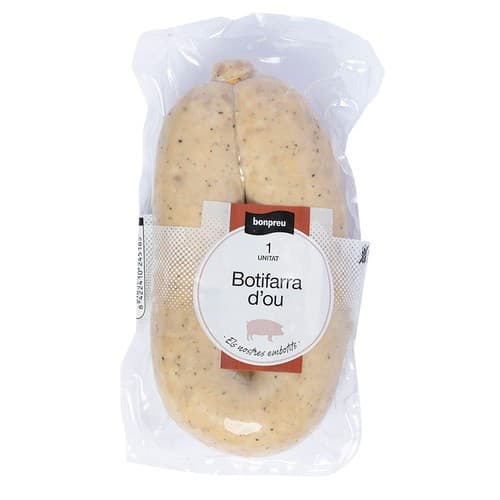 €3.79
€3.79Egg Sausage
BONPREU · kg · Bonpreu
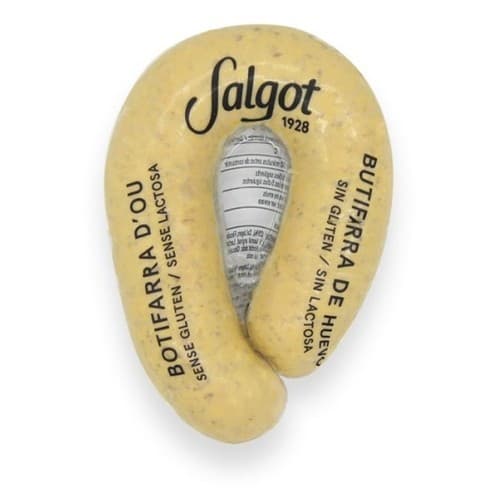 €4.99
€4.99Egg Sausage
SALGOT · kg · Bonpreu
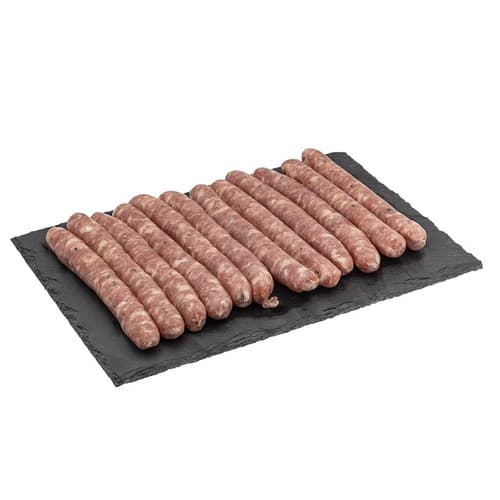 €5.99
€5.99Pork Sausage
BONPREU DE L'ERA · kg · Bonpreu
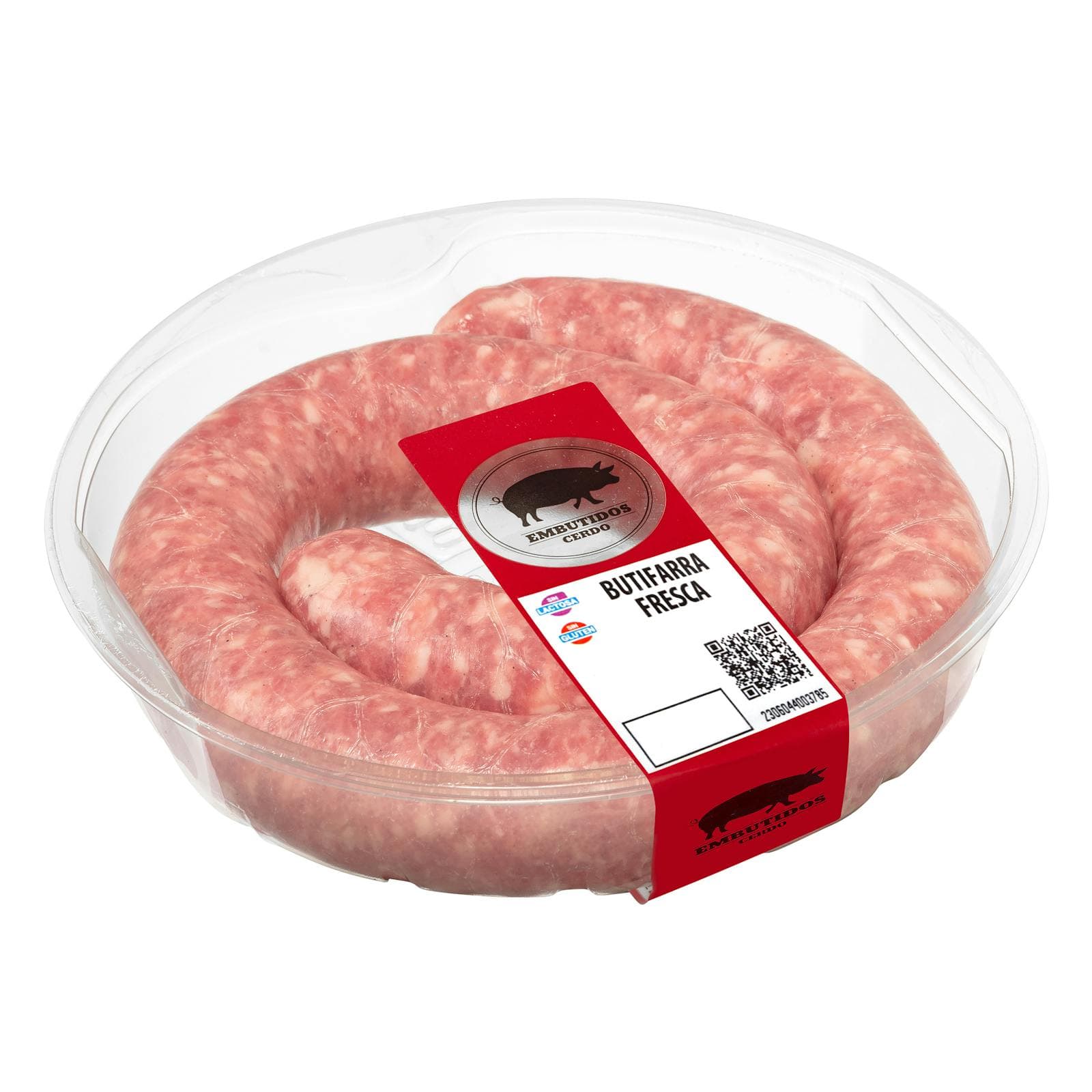 €3.62
€3.62Fresh Sausage
640 g · Mercadona
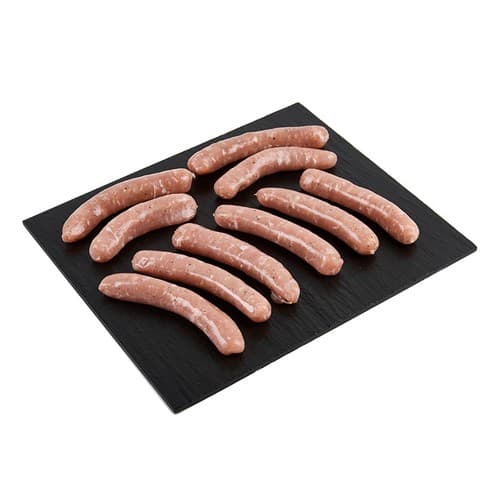 €6.75
€6.75Rabbit Sausage
BONPREU · kg · Bonpreu
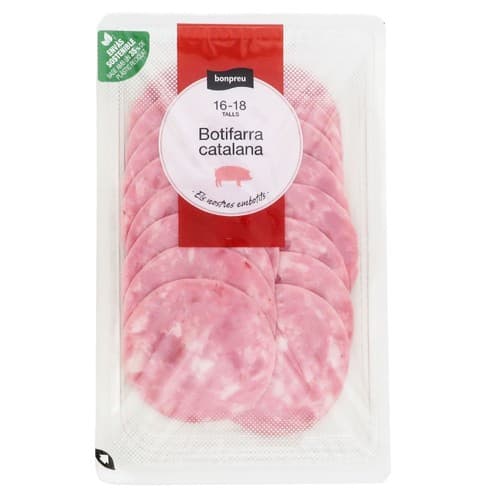 €1.89
€1.89Catalan Sausage
BONPREU · kg · Bonpreu
Good to know
- Origin
- Portugal, particularly the Alentejo region; central to Azorean and Brazilian cuisine
- Primary Seasonings
- Garlic, paprika (sweet and/or hot), salt, vinegar, white wine
- Casing
- Natural pork intestine (hog casings)
- Processing
- Cured and typically hardwood-smoked; Portuguese style is fully cooked and ready to eat
- Diameter
- 2–3 cm (roughly thumb-thick)
- Form
- Cased in links, often twisted into small coils or double links
- Color
- Deep reddish-brown from paprika; exterior darkens further when smoked
- Shelf Life (refrigerated)
- 2–3 weeks sealed; up to 1 month if hung properly
- Freezer Life
- Up to 3 months in airtight packaging
Substitutes
- Chorizo (Spanish or Mexican) — Spanish chorizo is cured and smoked with paprika, making it the closest substitute; use 1:1. Mexican chorizo is fresh and must be cooked—choose this for bean dishes or fried applications.
- Chouriço — The traditional Portuguese-Madeiran sausage; often slightly spicier with more wine; excellent 1:1 substitute in any Portuguese or Brazilian dish.
- Andouille (Cajun) — Heavy smoke and garlic character; works well in bean dishes and gumbo; slightly more herbal and less paprika-forward than linguiça but acceptable in stews.
- Kielbasa (Polish smoked sausage) — Mild garlic and smoke; lacks the paprika depth and wine tang of linguiça; acceptable in soups and sandwiches where those qualities are secondary.
Pairs with
Also called
Pork Sausage · Linguiça
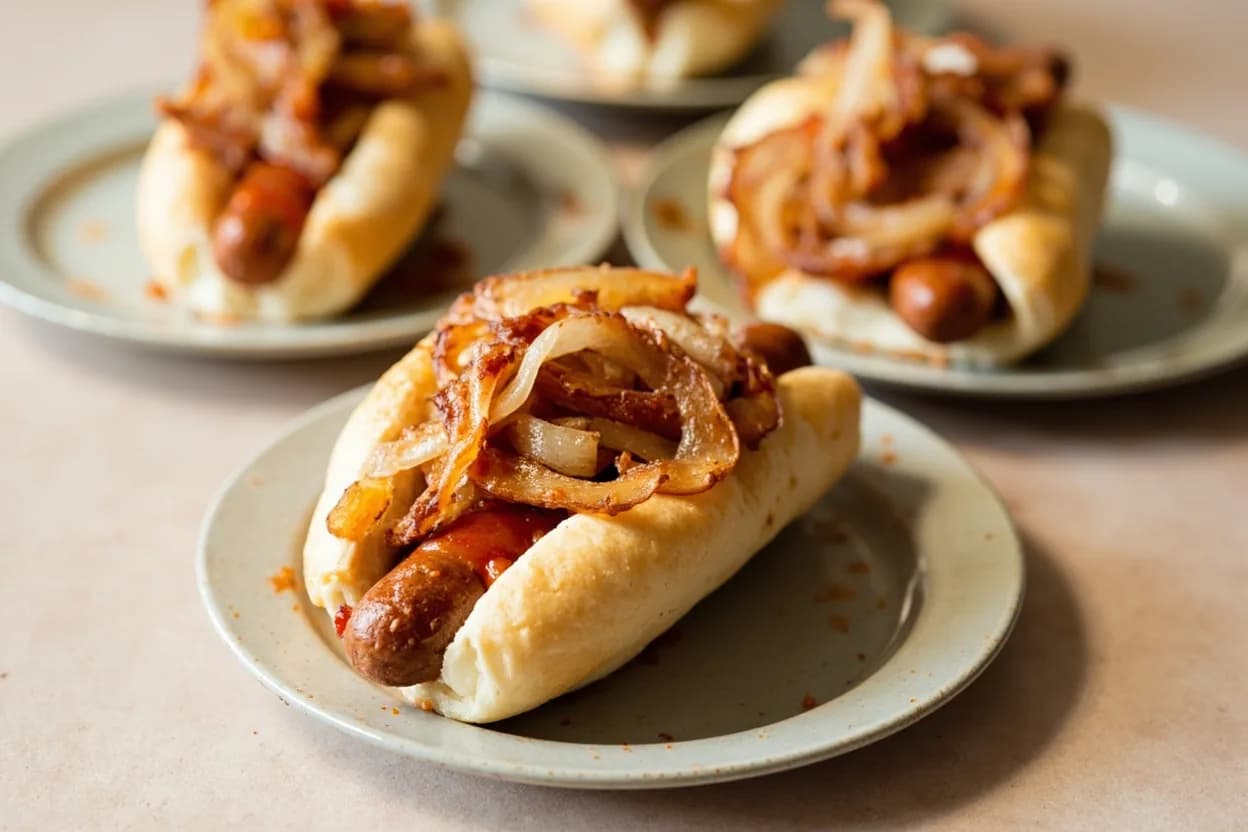
Appears in these dishes
Related
Egg
The kitchen's everything ingredient — bind, leaven, enrich, or fry
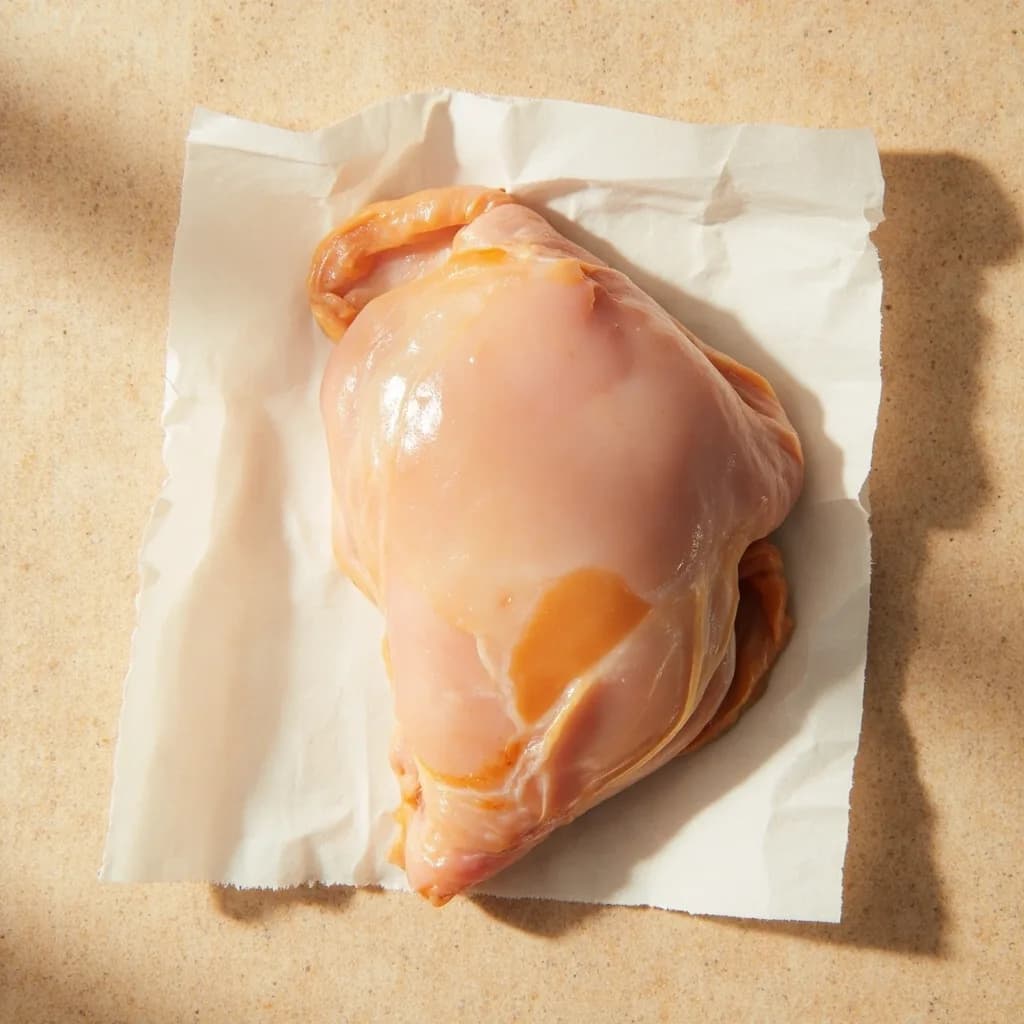
Chicken Breast
Lean, quick-cooking white meat for everyday dinners

Ground Beef
Versatile minced beef for burgers, ragù, tacos, and meatballs
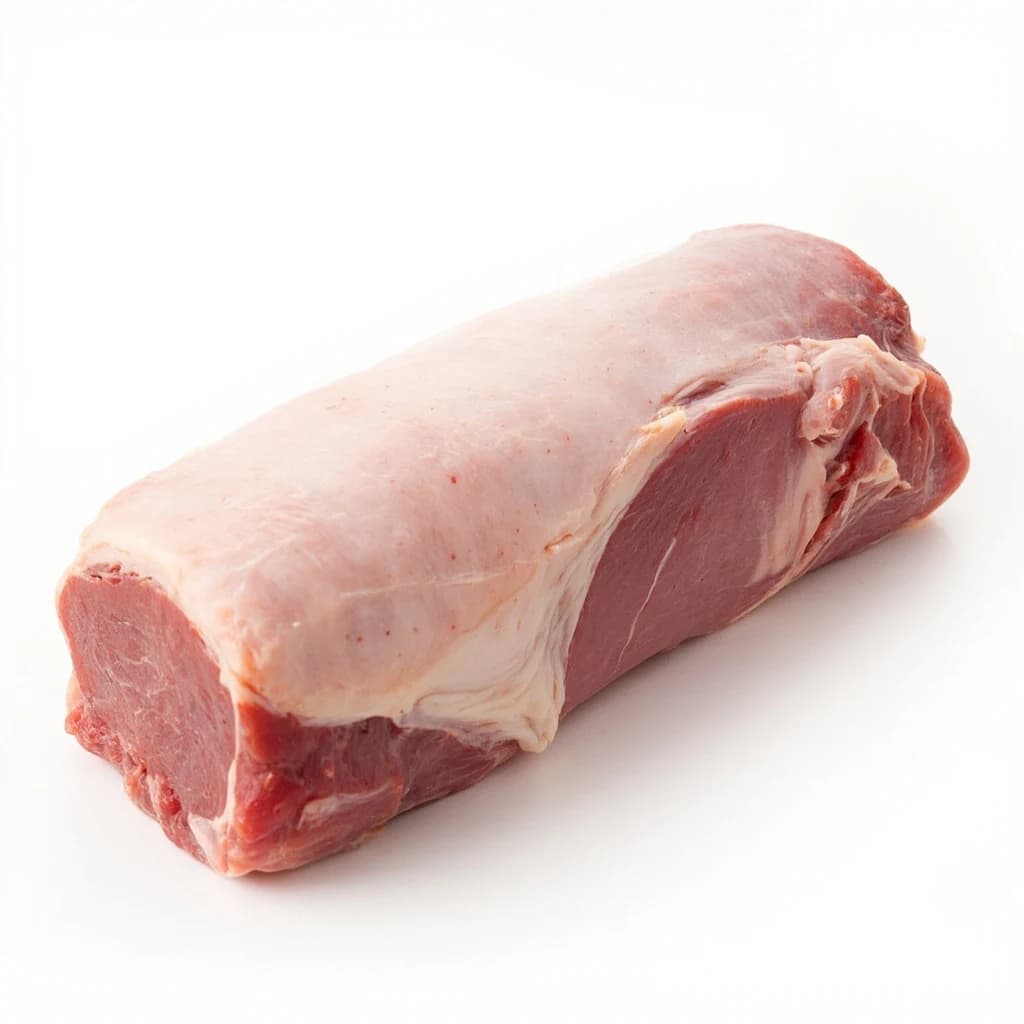
Pork Loin
Lean, tender roasting cut that stays juicy with care
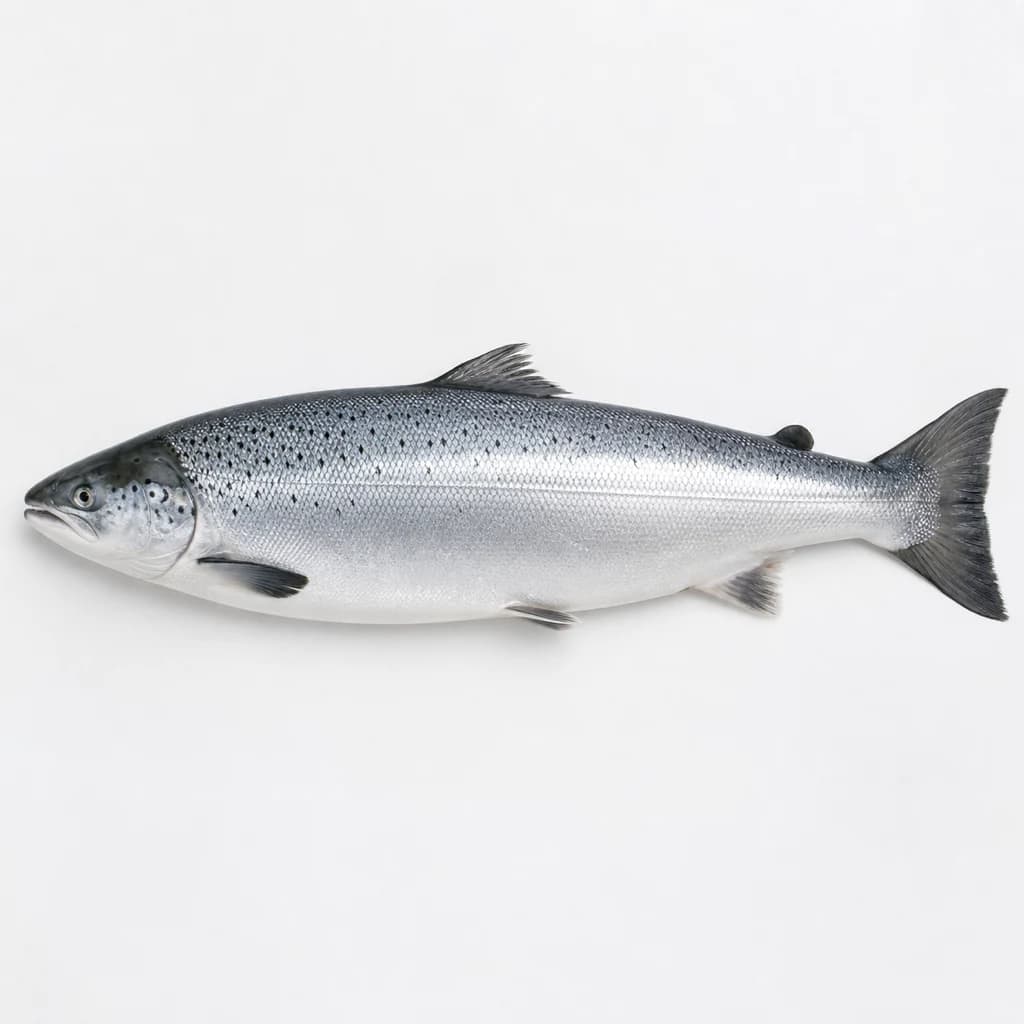
Salmon
Rich, rosy fish that roasts, grills, or cures beautifully

Egg White
Pure protein that whips to airy peaks for meringue and more

Egg Yolk
Rich, golden yolk for custards, mayonnaise, and pasta

Quail Egg
Tiny, speckled eggs for garnishing and elegant bites