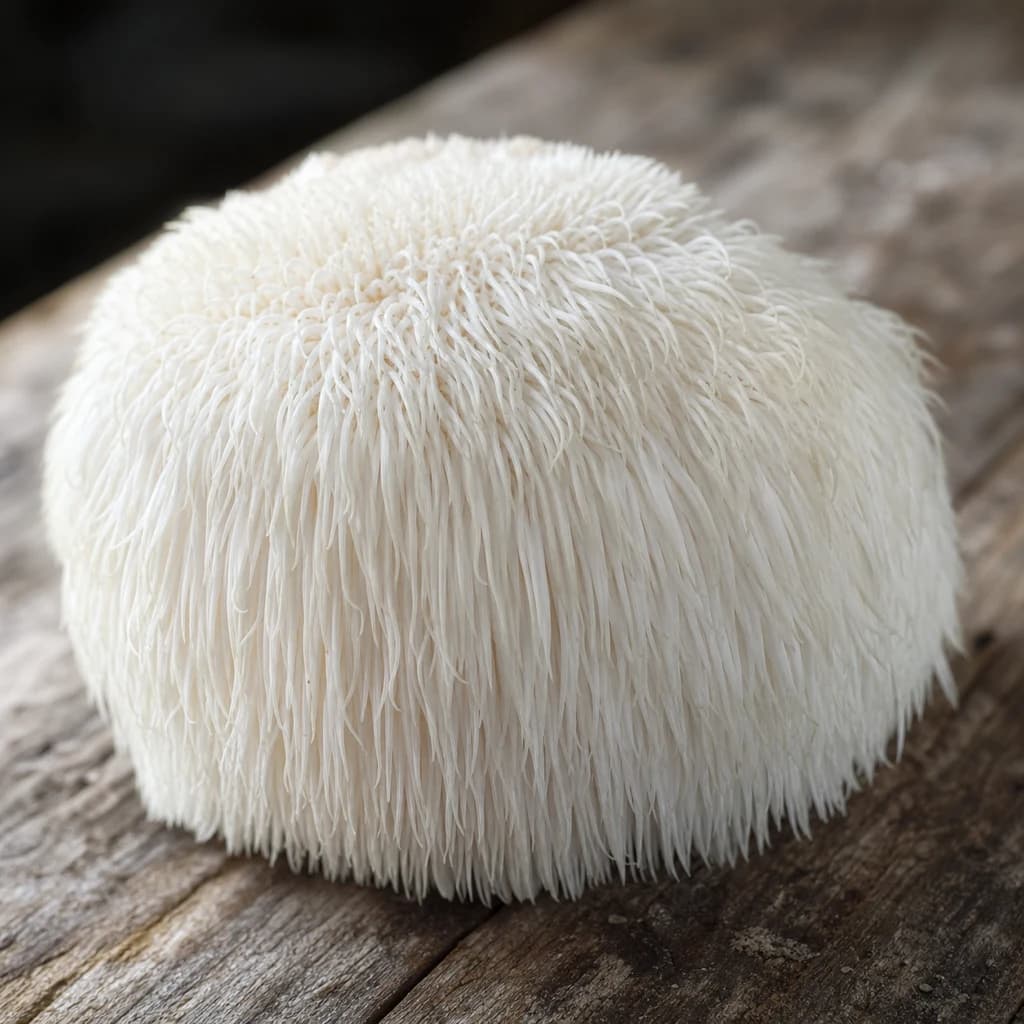
Natural form
A whole fresh lion's mane mushroom showing its characteristic cascading white spines.
Teaches the reader the unmistakable visual identity of the raw, intact mushroom before any preparation.
Produce
Lion's Mane Mushroom
Shaggy white mushroom with seafood-like texture, often pan-seared as a meat substitute.
Lion's mane is a distinctive white, shaggy mushroom resembling a cascade of icicles or a pom-pom. When seared or roasted it develops a tender, stringy texture and mild flavor often compared to crab or lobster, making it a favored vegetarian seafood substitute. It is also valued as a functional food in teas and supplements.
Lion's mane mushroom (Hericium erinaceus) is a striking edible fungus distinguished by its cascading white spines that grow from a central core, resembling a lion's mane. Native to hardwood forests across North America, Europe, and Asia, it grows on dying or wounded trees, particularly oaks and maples. Cultivated year-round on hardwood sawdust blocks, it has moved from wild-foraged delicacy to mainstream specialty produce, appearing at farmers markets and well-stocked grocers. Its most remarkable quality is texture: when cooked properly, lion's mane delivers a firm, tender bite with a subtle seafood sweetness often compared to lobster or crab—making it one of the few mushrooms prized primarily for mouthfeel rather than flavor-absorbing capacity. This unique character has made it invaluable in plant-based cooking, where it genuinely mimics the tactile experience of shellfish without relying on imitation. Fresh specimens should be bright white to cream-colored, heavy for their size, and free of brown spots or any ammonia-like odor, which signals spoilage. The mushroom bruises easily, so handle it gently and store unwashed in a paper bag in the refrigerator for up to a week—never sealed in plastic, which traps moisture and accelerates deterioration.
- Measured in
- g
- Storage
- Fridge
Types & varieties
Classic lion's mane; dense, compact clusters with short, uniform spines; the most reliable cultivated variety for cooking
American lion's mane or bear's head tooth; longer, more pronounced spines; slightly less dense texture but excellent flavor
Coral tooth fungus; branching, coral-like structure; found in cooler climates; less common commercially and best for soups when available
Common uses
Tips & pitfalls
- Clean with a damp cloth or soft brush only—never submerge in water, as the mushroom absorbs moisture readily and becomes soggy during cooking
- Slice perpendicular to the flesh fibers; ½-inch thickness browns evenly and develops the best texture in 3 to 5 minutes per side over high heat
- Do not crowd the pan; lion's mane steams rather than sears when packed together, resulting in a rubbery texture instead of golden crust
- Salt only after cooking; salt draws moisture and inhibits the Maillard reaction, preventing proper browning
- Press gently with a spatula during searing to maximize contact with the hot pan—this creates the meat-like crust that distinguishes great lion's mane
- Stop cooking at 8 to 10 minutes total; beyond this, the fibers tighten irreversibly and the texture turns chewy and unpleasant
- When substituting in seafood recipes, increase seasoning—the mushroom is milder than crab or lobster and needs more assertive flavor to balance the dish
- Choose specimens that feel heavy for their size; lightweight mushrooms have lost moisture and will cook up tough
Nutrition
Energy
134 kJ · per 100 g
Where the calories come from
Protein
1.5g
3% DV
Carbs
6.9g
2% DV
Fat
0.5g
1% DV
Fiber
3.8g
14% DV
Sugars
1.2g
of which
Sodium
9mg
0% DV
Source · USDA FoodData Central · approx. Mushrooms, Chanterelle, raw
View on FDC →In the shops
Matched grocery products
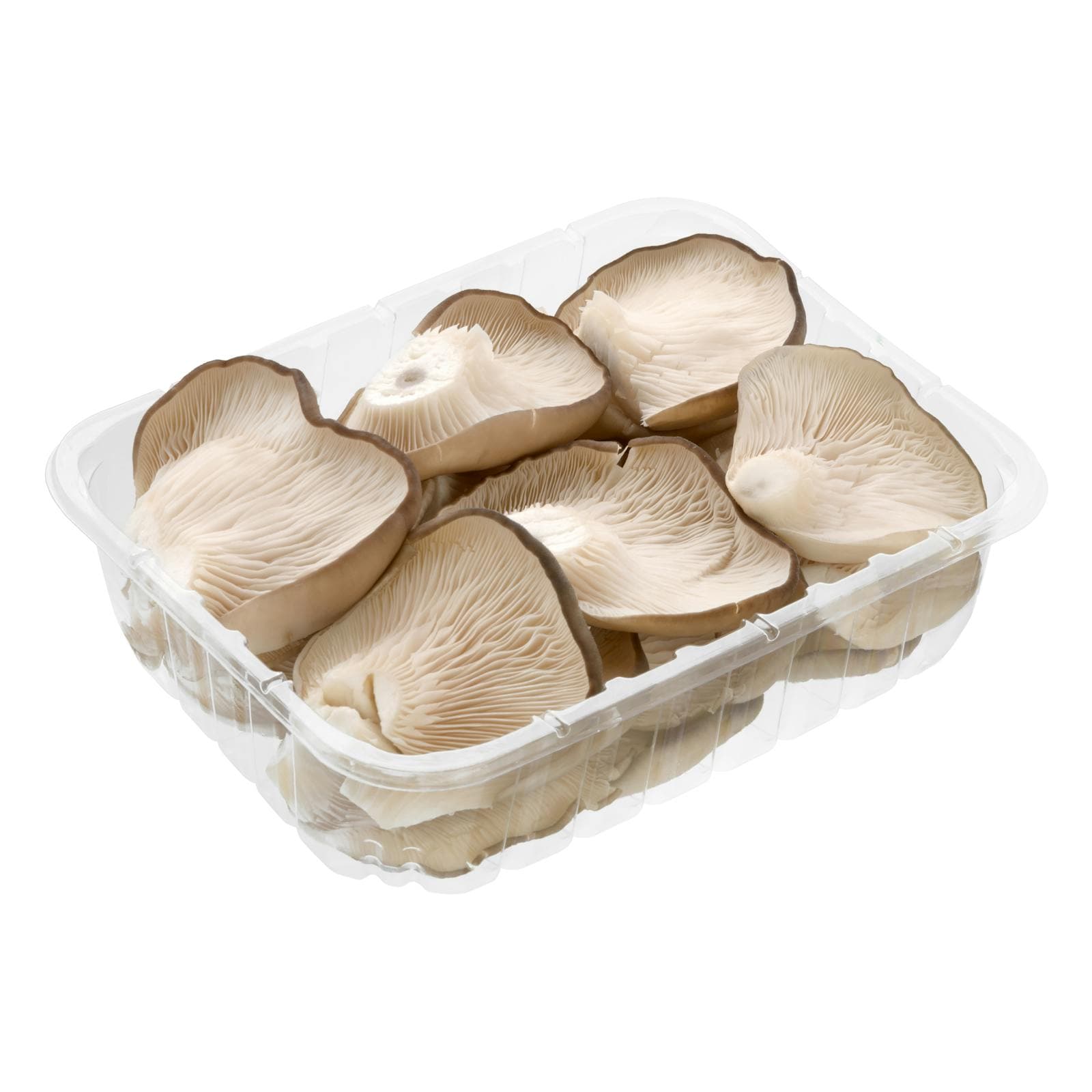 €2.05
€2.05Mushrooms
250 g · Mercadona
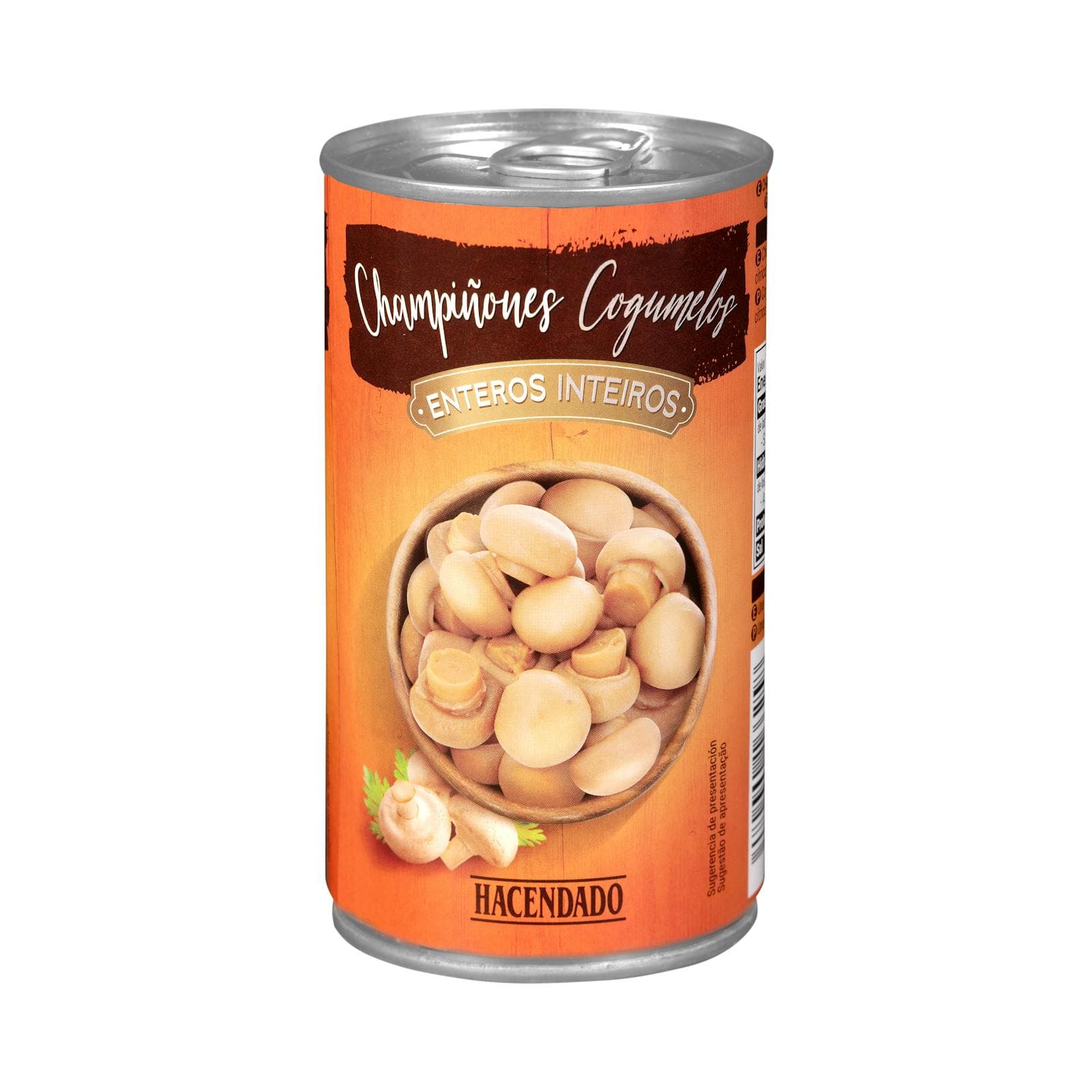 €1.45
€1.45Whole Mushroom
Hacendado · 355 g · Mercadona
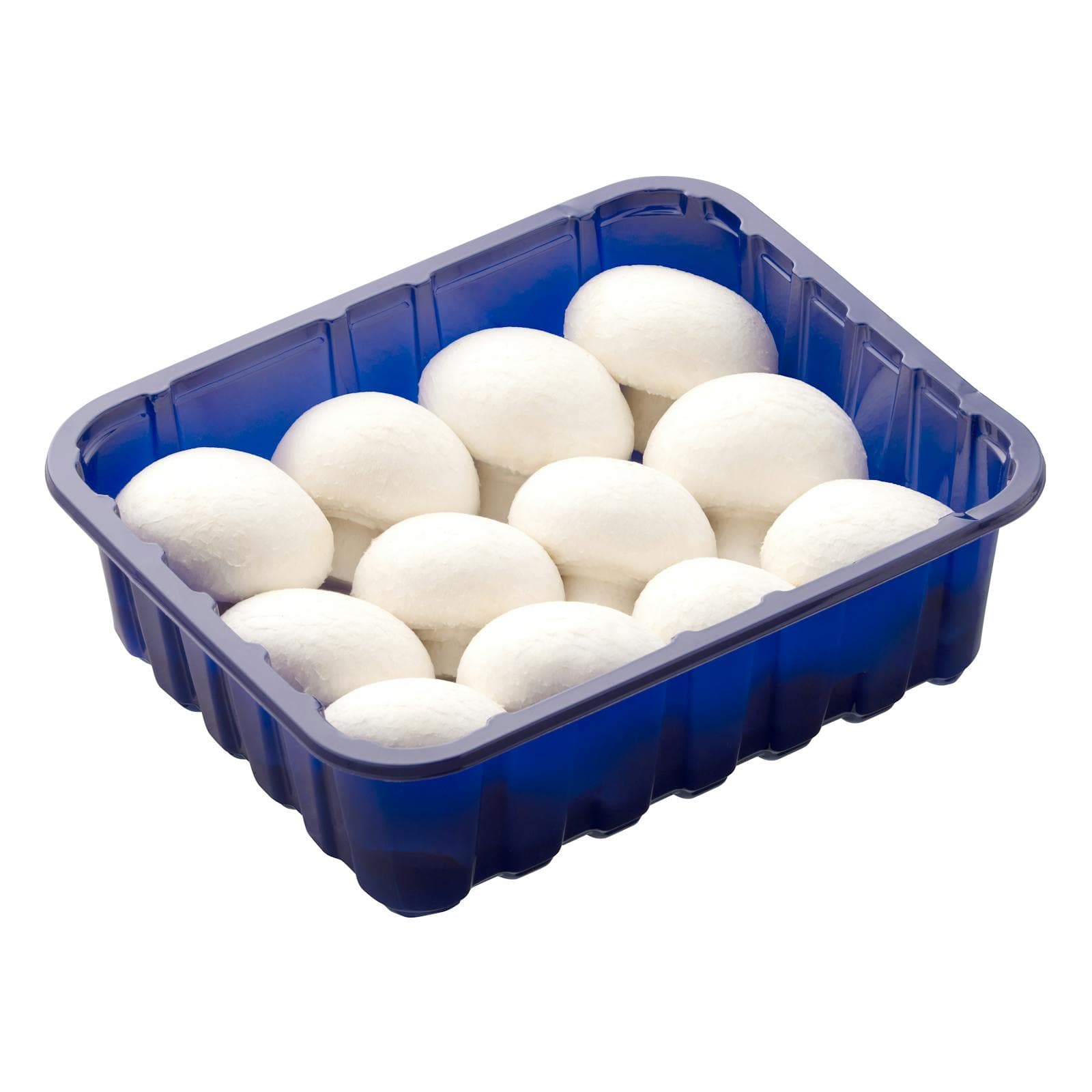 €1.50
€1.50White Mushrooms
300 g · Mercadona
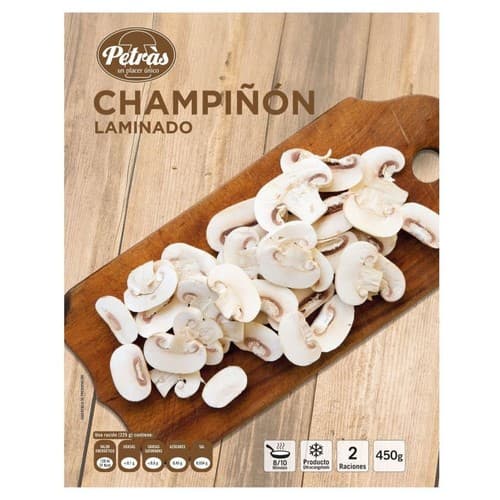 €1.99
€1.99Sliced Mushrooms
PETRAS · kg · Bonpreu
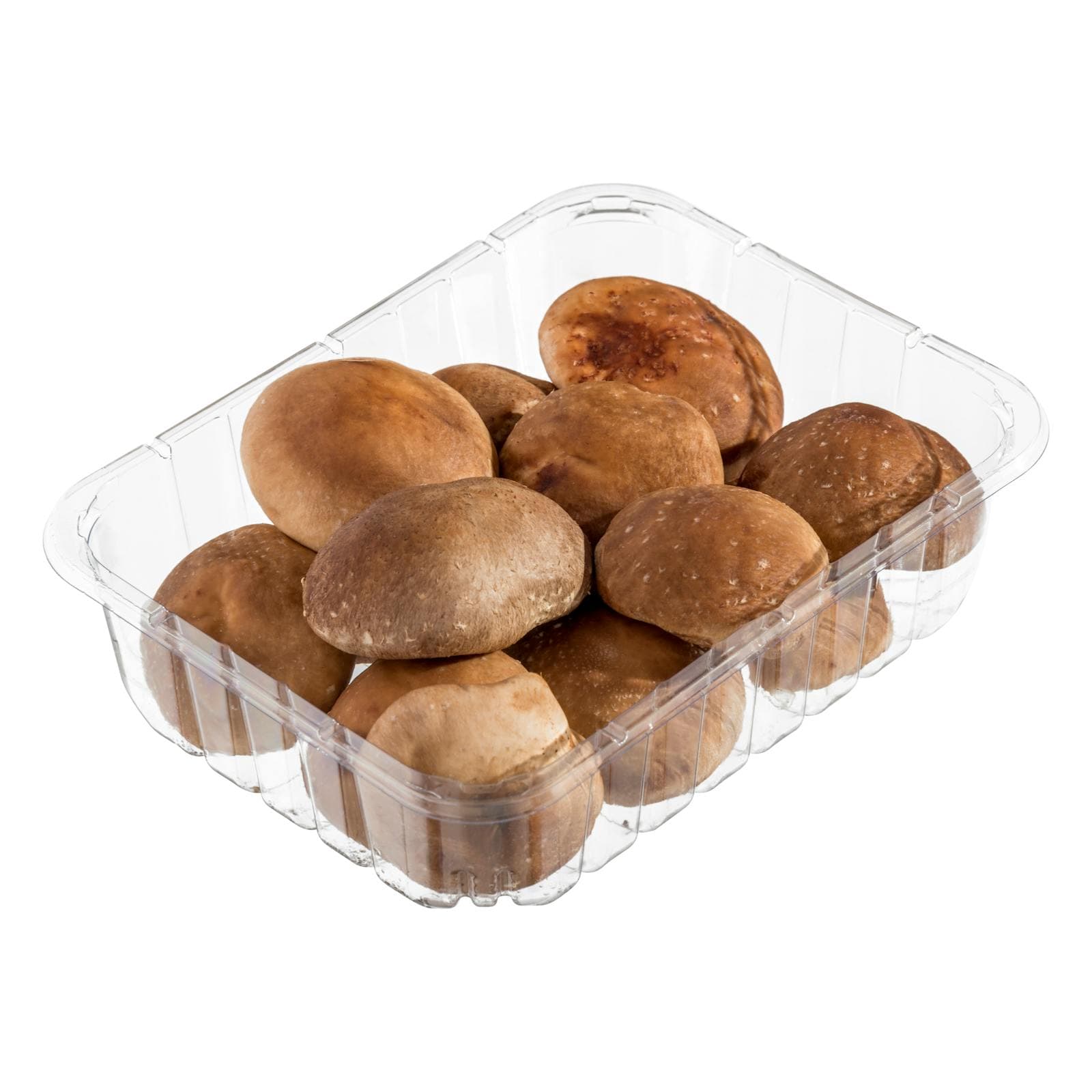 €3.96
€3.96Shiitake Mushrooms
300 g · Mercadona
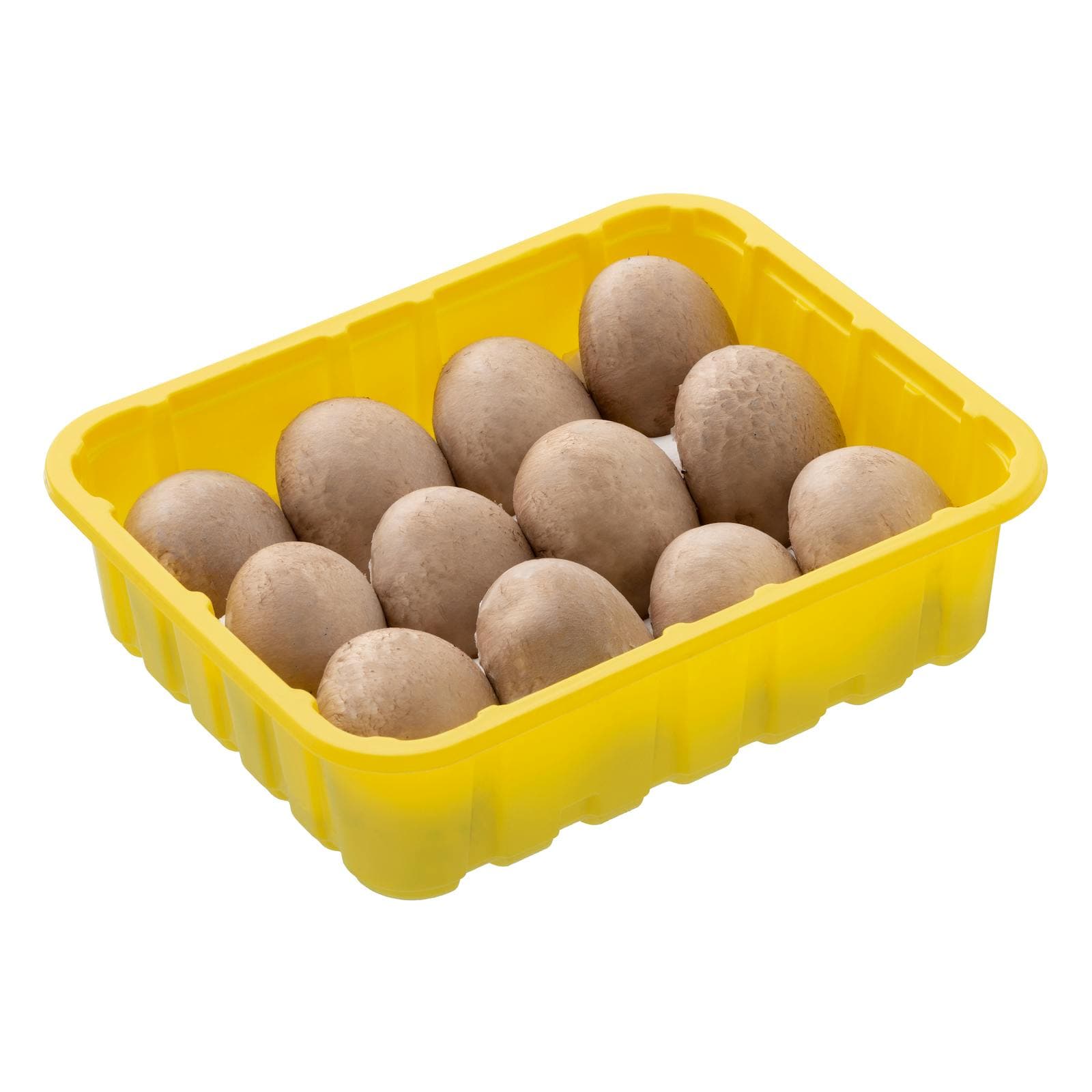 €2.16
€2.16Portobello Mushrooms
300 g · Mercadona
Good to know
- Scientific Name
- Hericium erinaceus
- Origin
- Native to North America, Europe, and Asia; grows on hardwood trees, especially oaks and maples
- Season
- Late summer through fall in the wild; cultivated year-round
- Flavor
- Sweet, briny, often compared to lobster or crab; mild umami
- Texture
- Dense, meaty, and tender when cooked properly; fibrous and rubbery if overcooked
- Typical Size
- 3 to 12 inches in diameter when mature
- Storage
- Refrigerate unwashed in a paper bag for up to 7 days; never seal in plastic
- Yield
- Near 100% edible; minimal waste when fresh
Substitutes
- King Oyster Mushroom — Best structural substitute; thick, meaty stems hold up exceptionally well to searing and grilling; mild flavor takes seasoning readily
- Portobello Mushroom — Acceptable for grilling applications; remove gills and slice thinly for faster, more even cooking
- Cauliflower — Ideal for breaded and fried applications; absorbs similar textures and works with the same cooking methods
- Dungeness Crab — For flavor matching when the taste profile matters more than the mushroom's texture
Pairs with
Also called
Hericium · Bearded Tooth Mushroom
Related
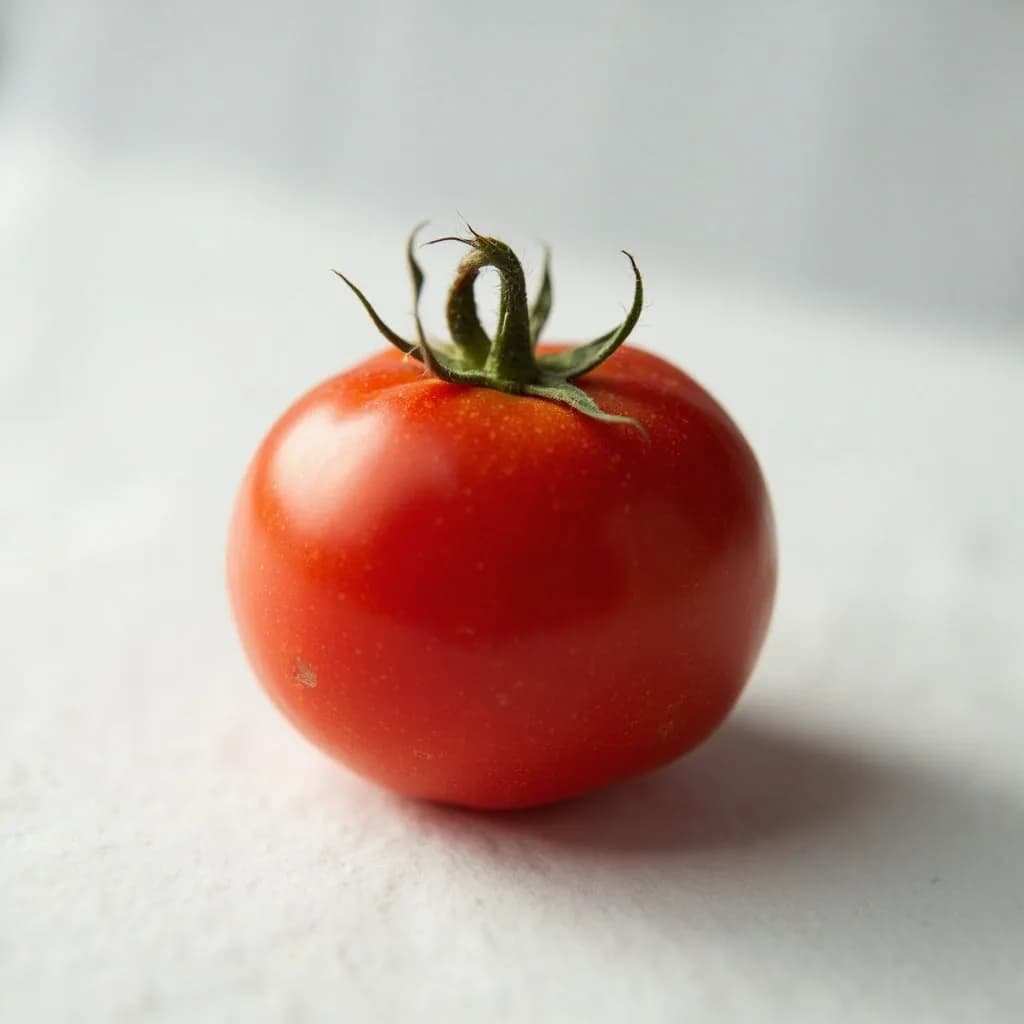
Tomato
Juicy, sun-sweet fruit for sauces, salads, and slow-cooked depth
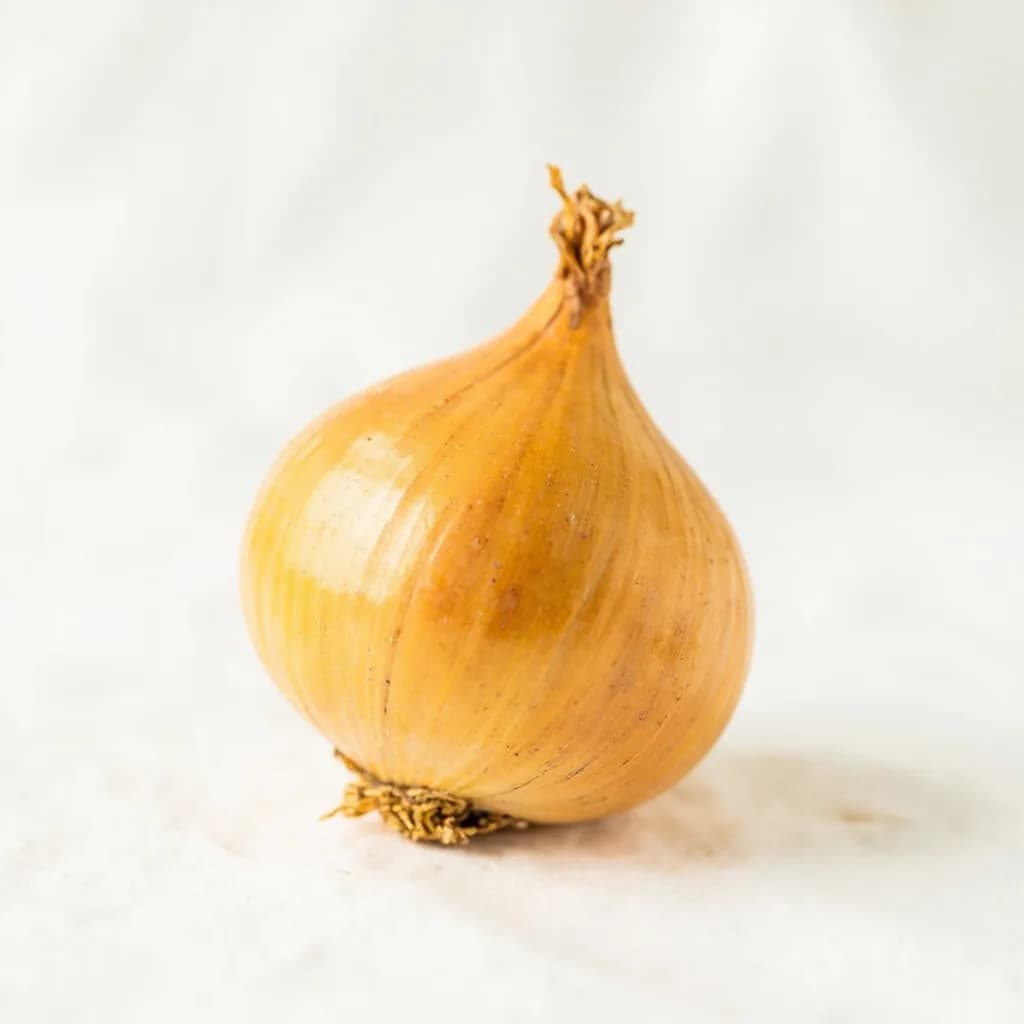
Yellow Onion
The aromatic backbone of soups, sofritos, and braises
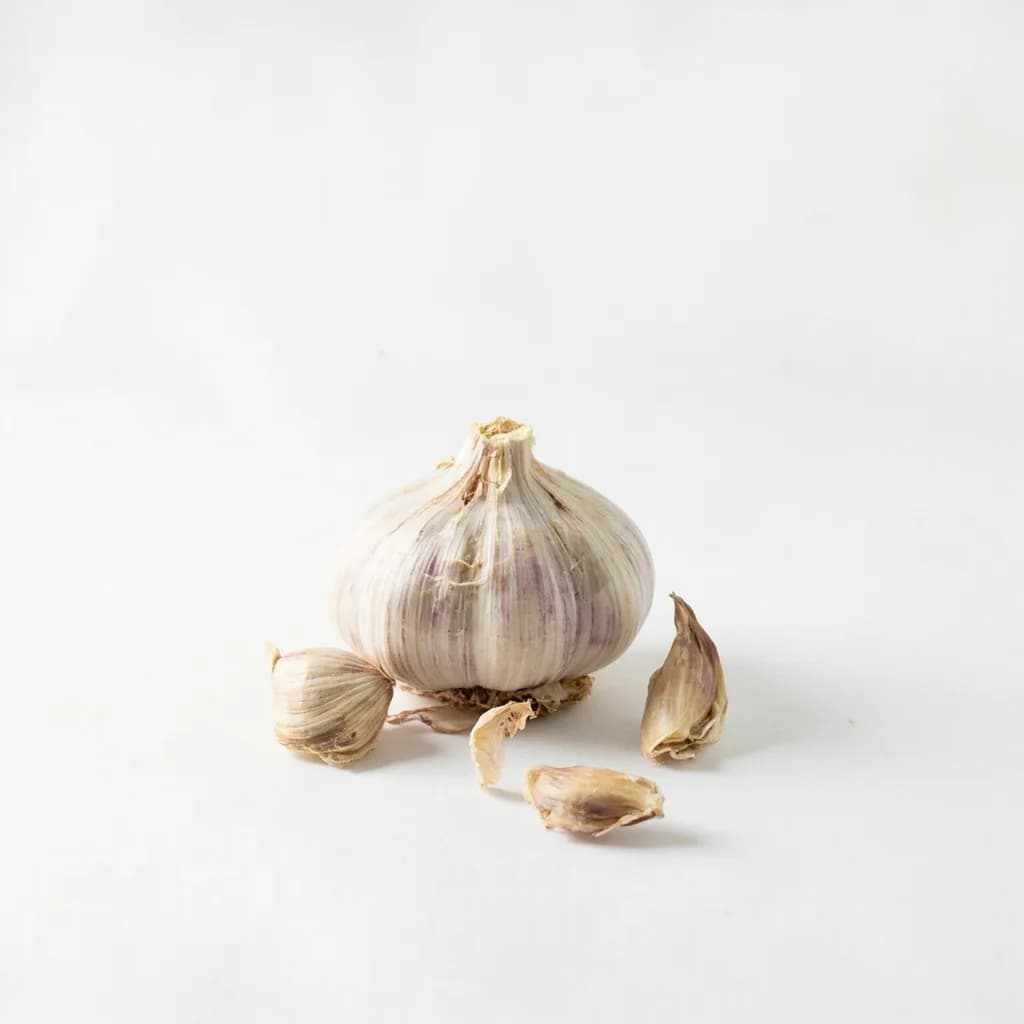
Garlic
Pungent cloves that perfume nearly every savory dish
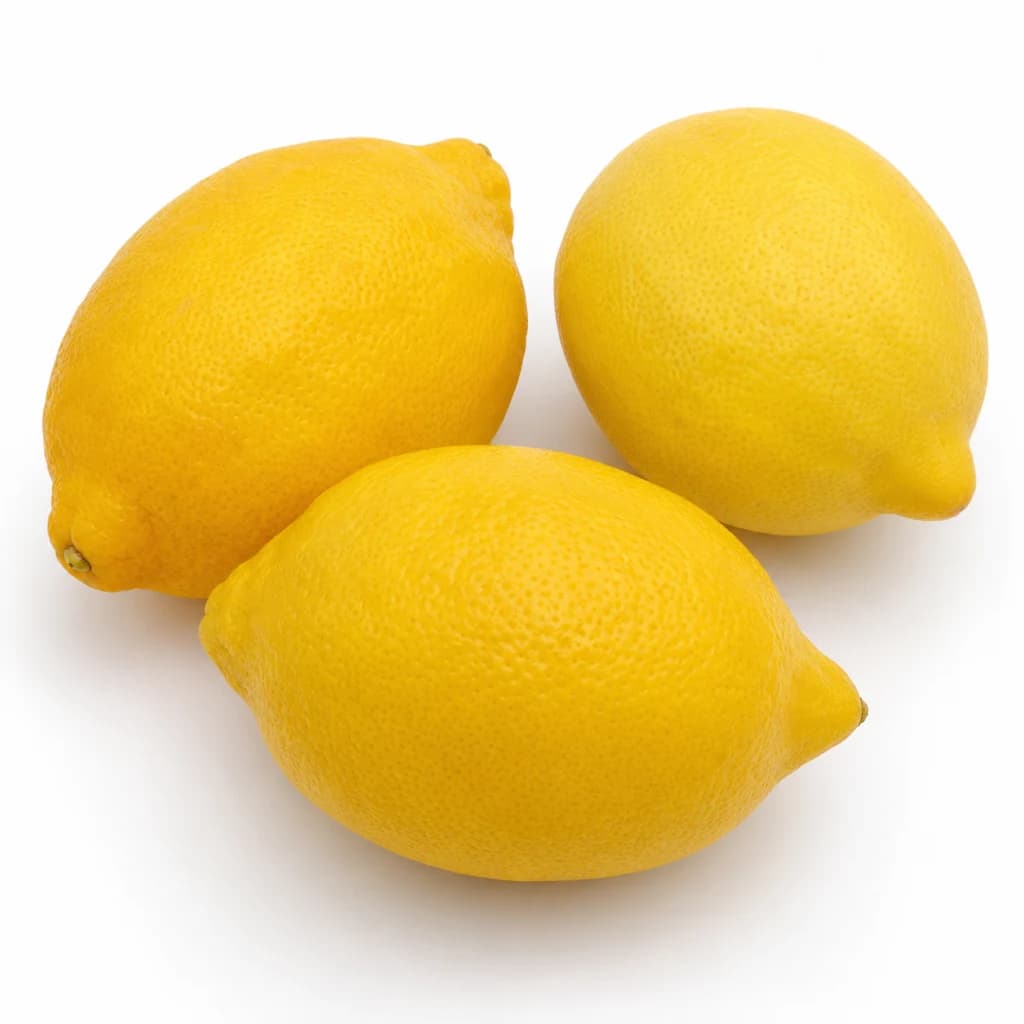
Lemon
Bright, acidic citrus that wakes up almost any dish
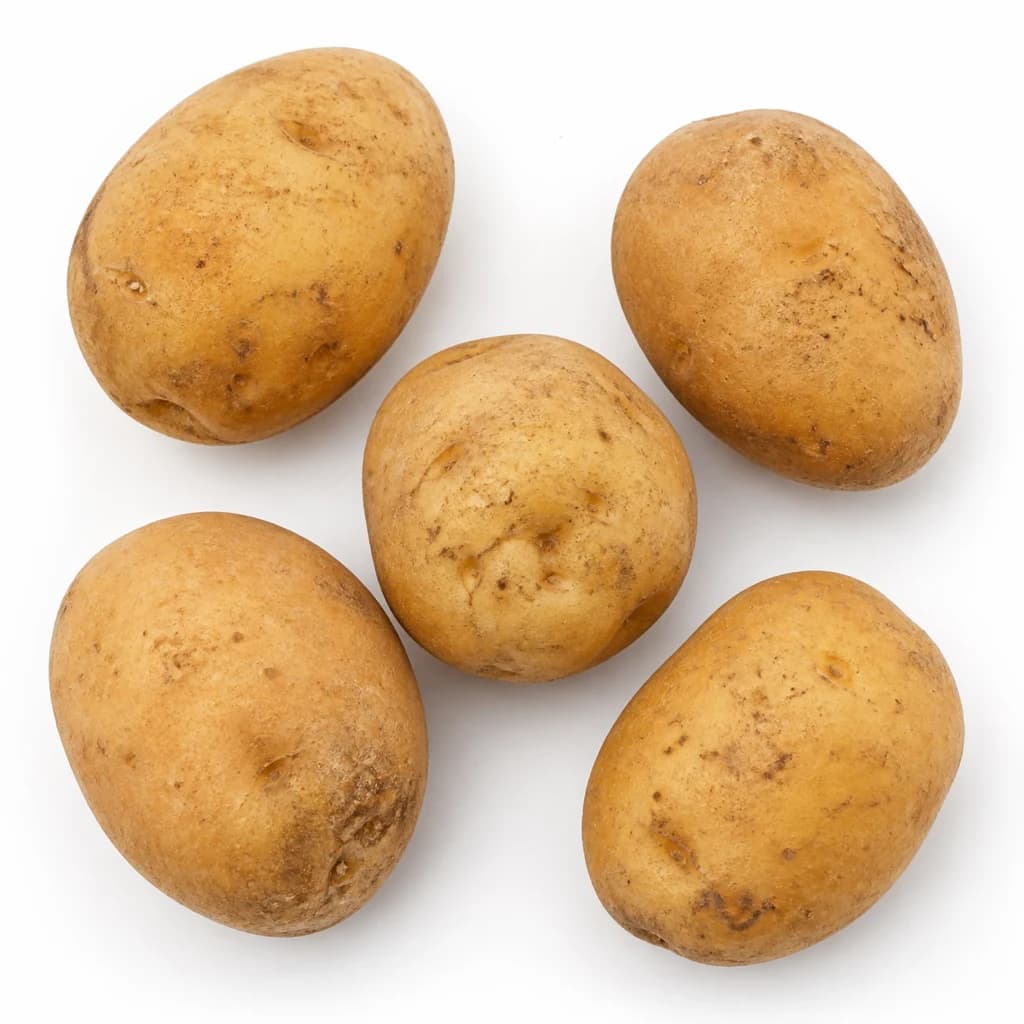
Potato
Humble, hearty staple — roast, mash, fry, or boil
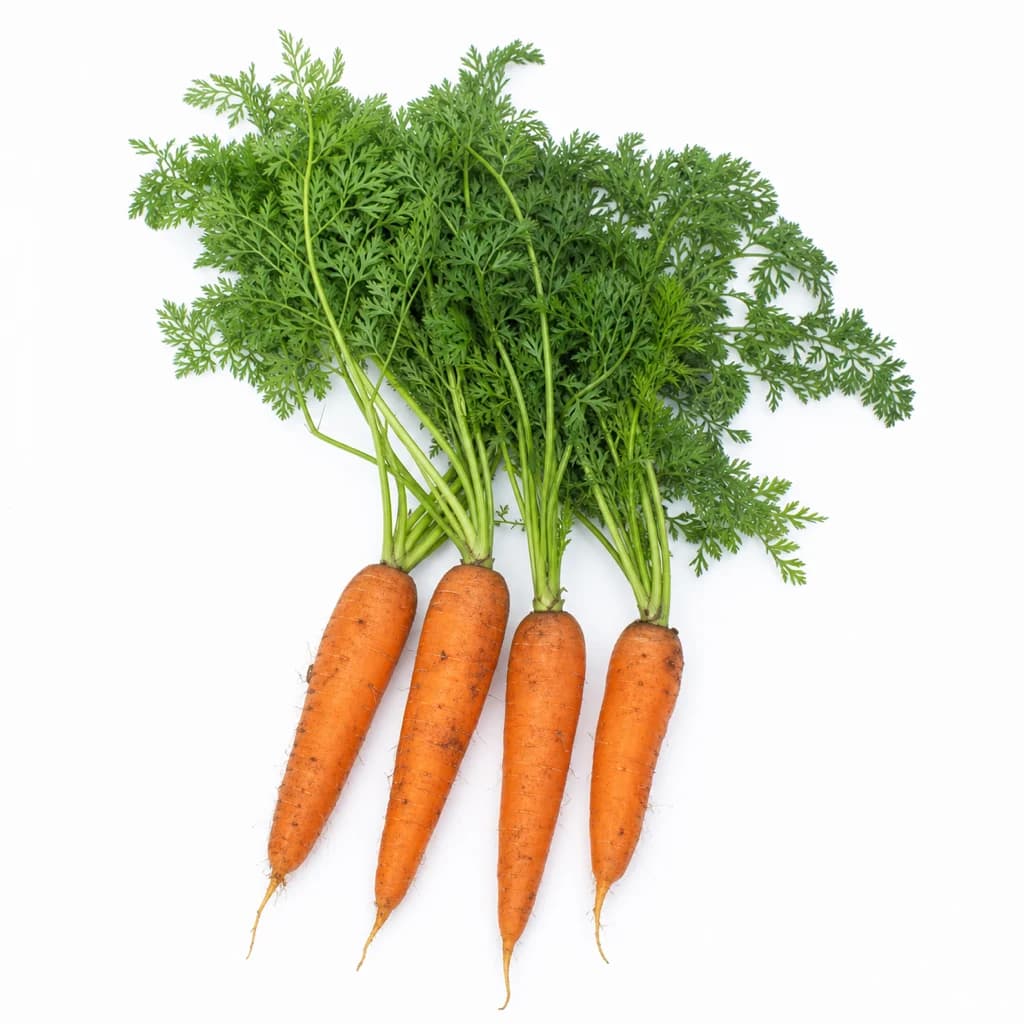
Carrot
Sweet, crunchy root — raw, roasted, or the base of a sofrito
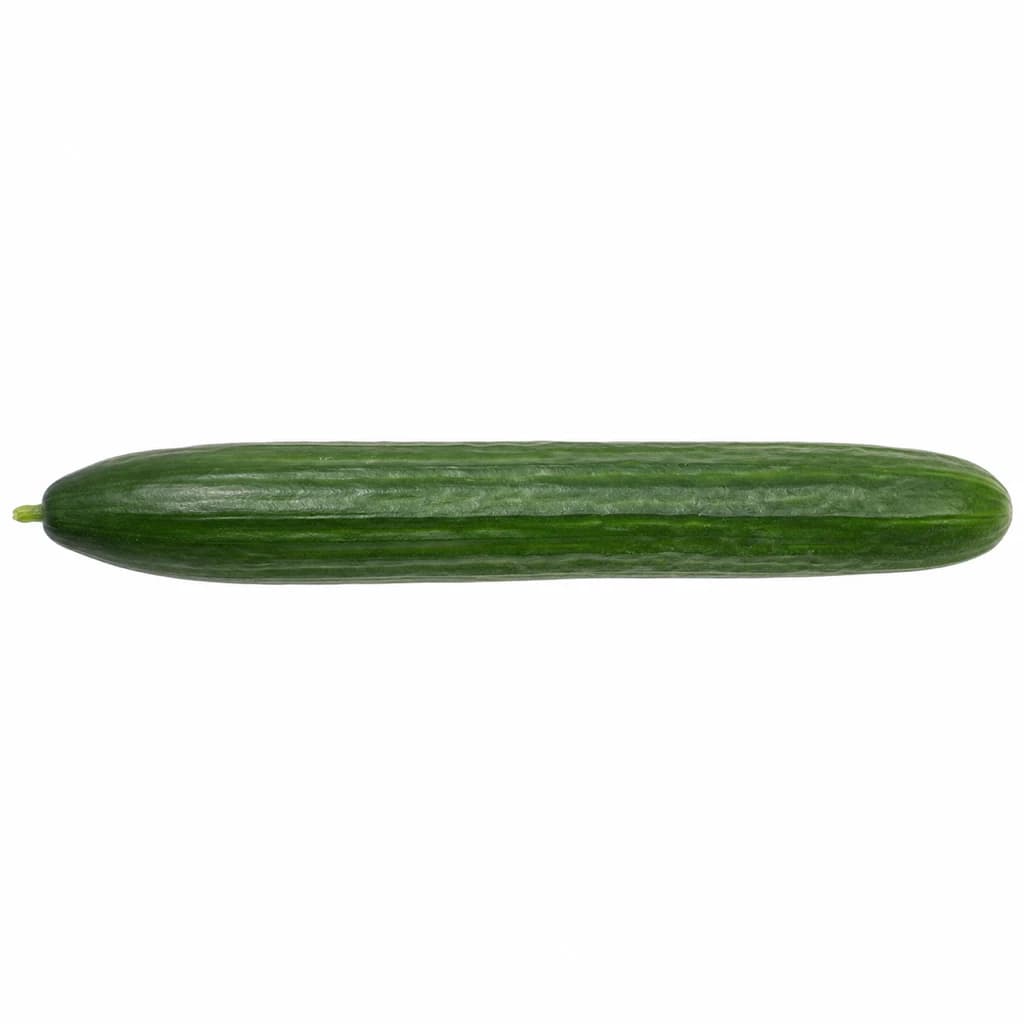
Cucumber
Cool, crisp, and watery — for salads, pickles, and tzatziki

Lettuce
Crisp leaves for salads, wraps, and a fresh crunch