Spices
Mace
Lacy red aril around the nutmeg seed; warmer and more delicate than nutmeg itself.
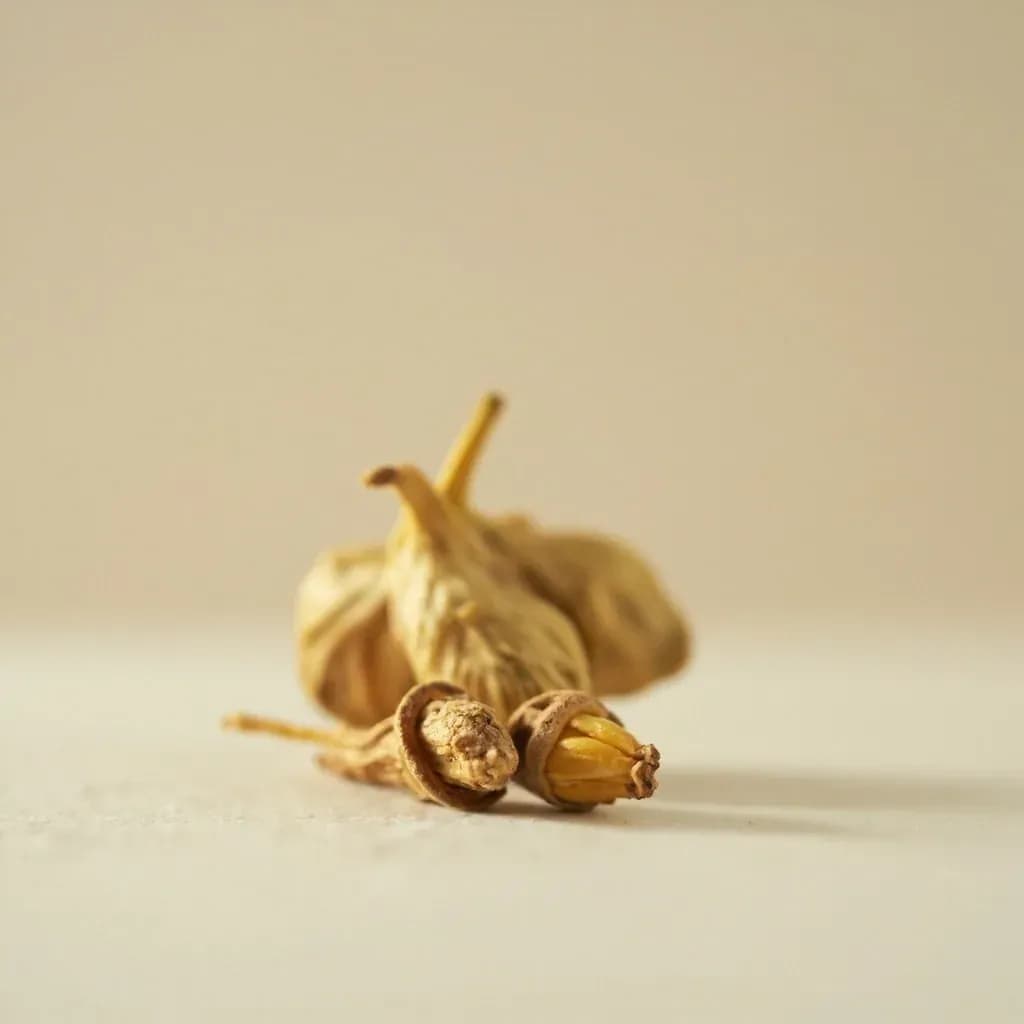
Mace is the lacy crimson covering (aril) that wraps the nutmeg seed, dried to a brittle amber blade. It offers a flavor similar to nutmeg but more delicate and slightly warmer, used in baking, creamy sauces, spice blends and savory dishes. Whole blades infuse braises and milk, while ground mace seasons doughs and rubs.
Mace is the dried aril—the lacy, crimson seed covering—of the Myristica fragrans tree, the same plant that yields nutmeg. Unlike the seed itself, mace grows in delicate, translucent blades that encircle the nut. Historically, mace commanded prices even higher than nutmeg; it was the aril's lower yield and more delicate handling requirements that placed it above nutmeg in the colonial spice trade, even as the seed grabbed more fame. Today, it remains underused in home kitchens, which is a loss: mace delivers warmth and aromatic complexity with a refinement that nutmeg cannot match.
The flavor profile sets mace apart from its fruit-mate. Where nutmeg runs bold and slightly harsh, mace unfolds in gentle waves of pine, citrus, and clove, with a subtle sweetness that lingers without cloying. This delicacy makes it uniquely versatile—it can season a custard without overwhelming the eggs, or perfume a dark braise without competing with the meat. The active compounds (myristicin, elemicin, eugenol) are shared with nutmeg but in different proportions, which explains why the two spices behave differently in the same dish. Mace also holds its character better during prolonged cooking than many fragile spices, making it valuable for stocks, braises, and slow-simmered sauces where you want understated aromatic presence throughout.
Grenadian mace tends toward more pungency, while Moluccan (Banda Island) mace is generally considered more refined. Whole blade mace should appear translucent and lacy with a warm amber color; avoid brittle, scentless product, which signals age or improper storage. When purchasing ground mace, buy small quantities from a reputable source and use quickly—pre-ground spice loses its volatile oils fast.
- Measured in
- g
- Storage
- Pantry
Types & varieties
Dried aril sold in lacy strips; preferred for infusing liquids and stocks; more aromatic than pre-ground
Powdered form; convenient for baking and dry mixes; verify freshness before using
From Pimenta racemosa (bay rum tree); used as a cheaper substitute; distinctly different flavor with bay and clove notes
Common uses
Tips & pitfalls
- Toast whole blades briefly in a dry pan over low heat to revive aroma before grinding or steeping—this intensifies volatile oils
- Use whole blades for infusions (stocks, syrups) and grind only what you need; pre-ground mace loses potency quickly
- Add mace early in long-cooking dishes so flavors integrate fully; for quick-cooking dishes, add near the end to preserve delicacy
- Mace is more expensive than nutmeg and often adulterated with the latter—purchase from reputable spice merchants and verify the distinctive lacy structure in whole form
- When substituting for nutmeg, use roughly half the amount; mace's subtlety can be overwhelmed by nutmeg's intensity
- Pair with other warm spices (cinnamon, clove, cardamom) in sweet applications; with bay leaf, pepper, and thyme in savory ones
Nutrition
Energy
1987 kJ · per 100 g
Where the calories come from
Protein
6.7g
13% DV
Carbs
50.5g
18% DV
Fat
32.4g
42% DV
Fiber
20.2g
72% DV
Sodium
80mg
3% DV
Source · USDA FoodData Central · approx. Spices, mace, ground
View on FDC →In the shops
Matched grocery products
No matched grocery products for Mace yet.
Good to know
- Source plant
- Aril (seed covering) of Myristica fragrans, the same tree that produces nutmeg
- Origin
- Moluccas (Banda Islands), Indonesia; also cultivated in Grenada and other tropical regions
- Form
- Dried lacy blades (whole) or ground powder; orange-red when fresh, turning amber-brown when dried
- Flavor profile
- Warmer, more delicate, and more refined than nutmeg; notes of pine, citrus, and clove with subtle sweetness
- Active compounds
- Myristicin, elemicin, eugenol (similar to nutmeg, but in different proportions)
- Shelf life
- Whole blades: 2–3 years sealed; ground: 1–2 years stored airtight away from light and heat
- Common uses
- Baked goods, pickles, sauces, meat dishes, curries, stocks, liqueurs (Benedictine, Chartreuse)
- Typical ratio
- About half the quantity of nutmeg when substituting in recipes
Substitutes
- Nutmeg (ground) — Use half the quantity; nutmeg is stronger and more aggressive; acceptable in baked goods and savory dishes
- Whole blades + nutmeg combination — Mimics complexity: use a pinch of ground nutmeg with slightly more mace-like flavor depth
- Cinnamon — Only in sweet applications; provides warmth but different character entirely; not a close substitute
- Allspice — Some overlap in warm, fruity notes; use sparingly as a last resort in savory contexts
Pairs with
Also called
mace-blade · ground-mace
Appears in these dishes
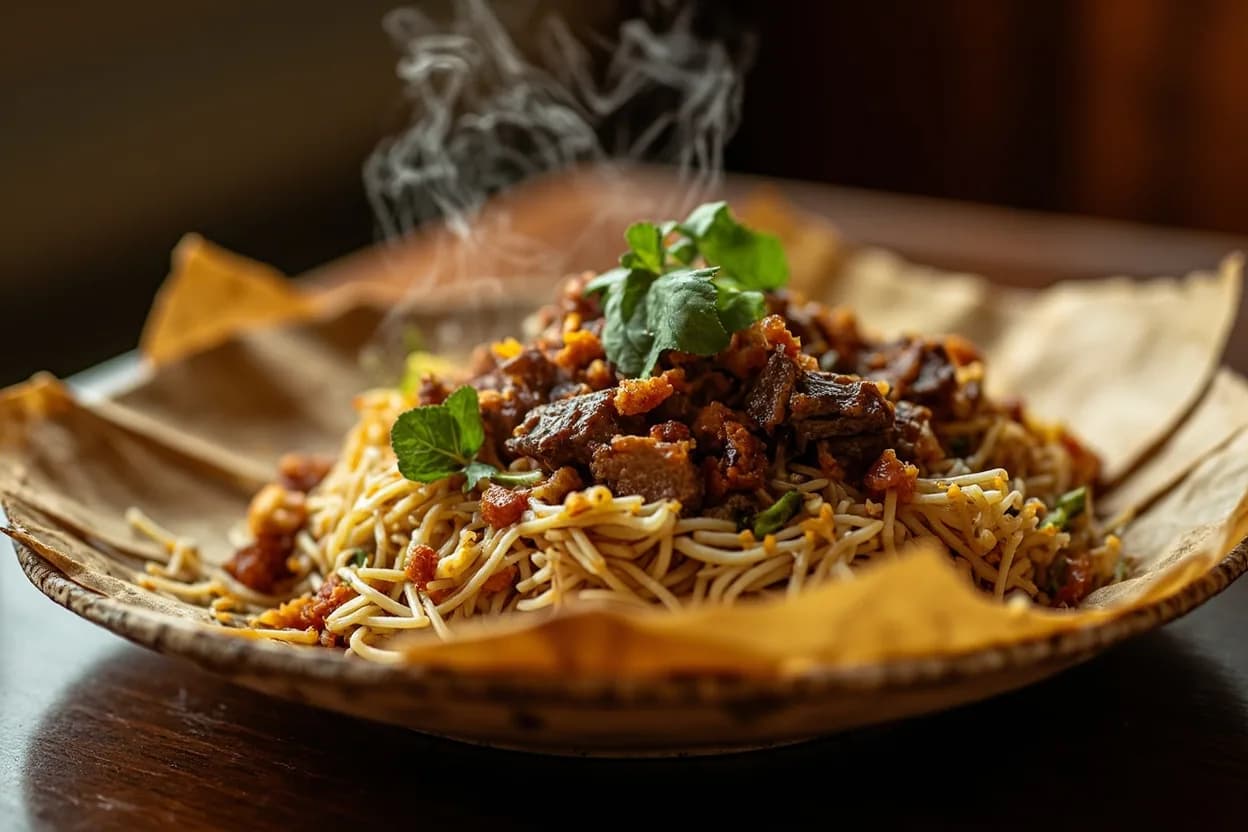
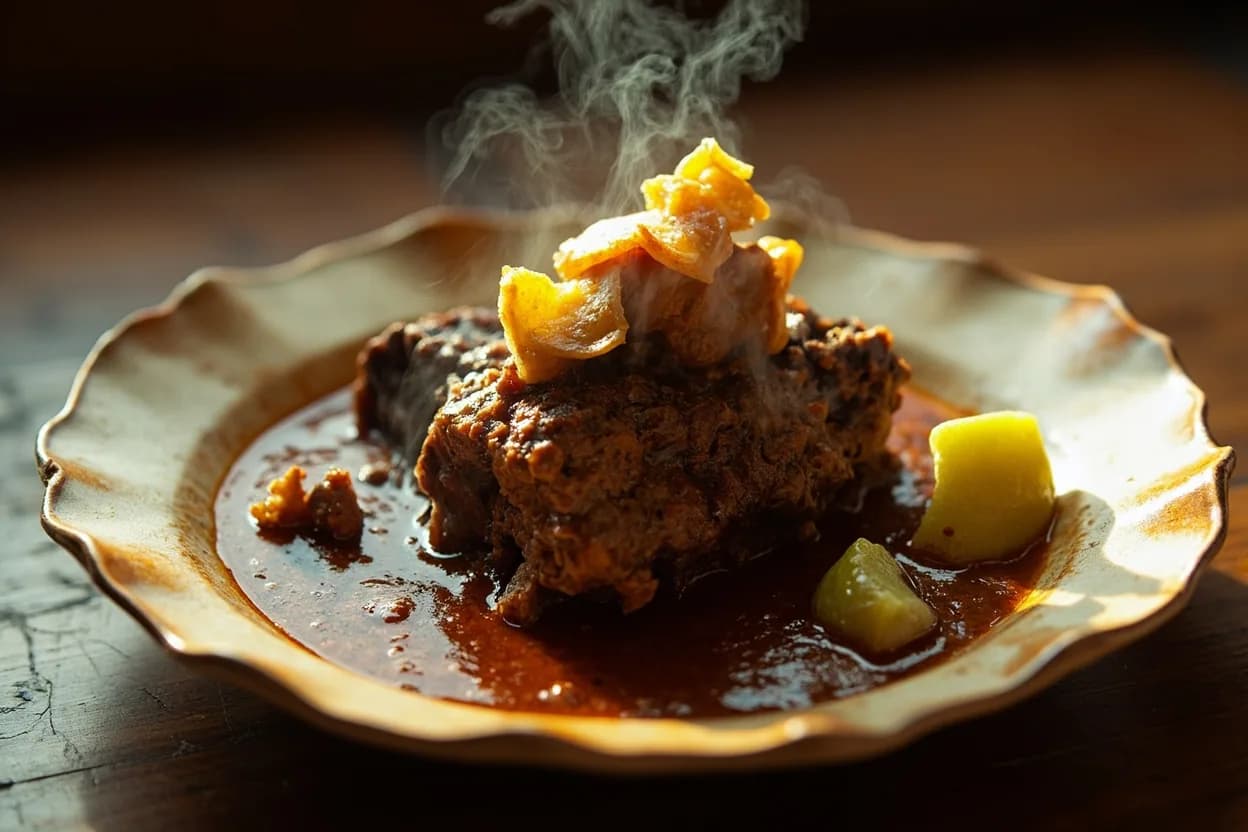


Related
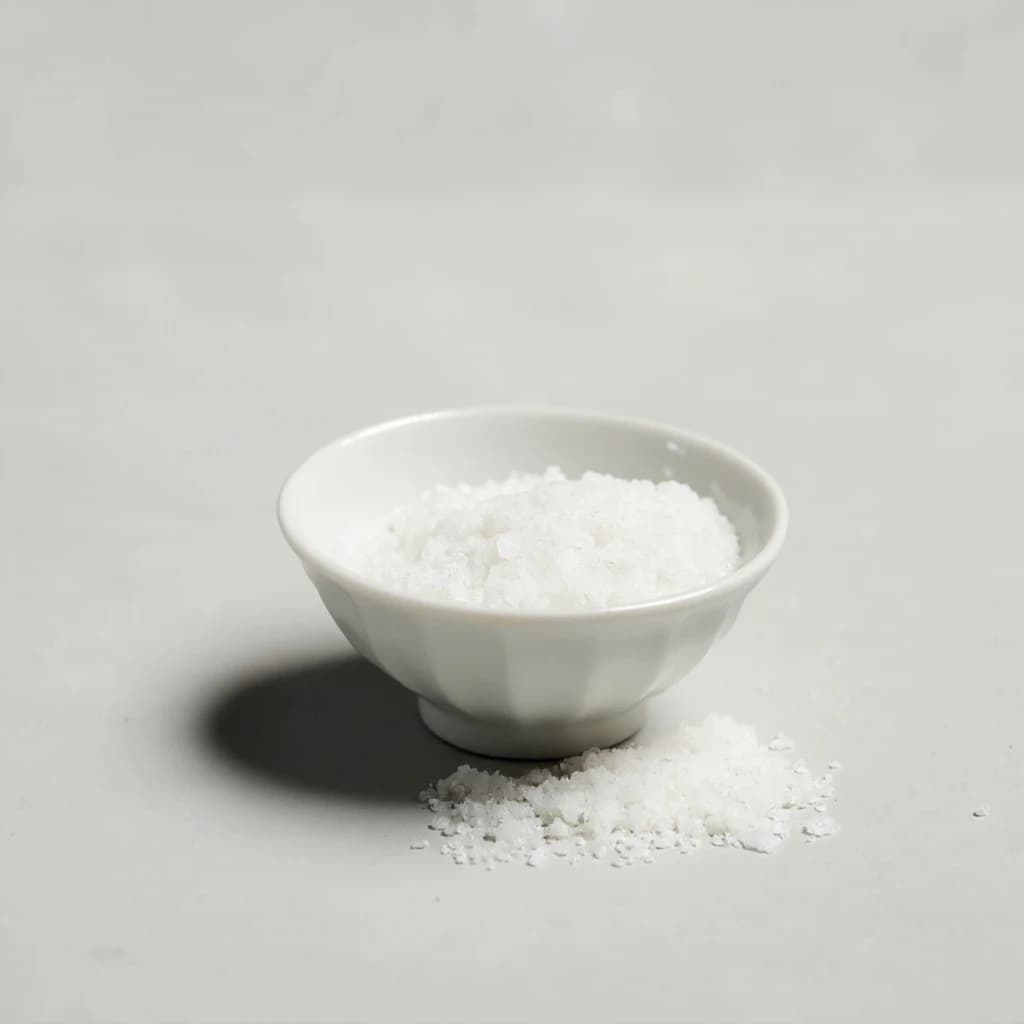
Salt
The one seasoning that makes everything else taste like itself

Black Pepper
Pungent, woody heat — best cracked fresh over anything savory
Amchur
Dried unripe mango ground to a tart, fruity souring powder
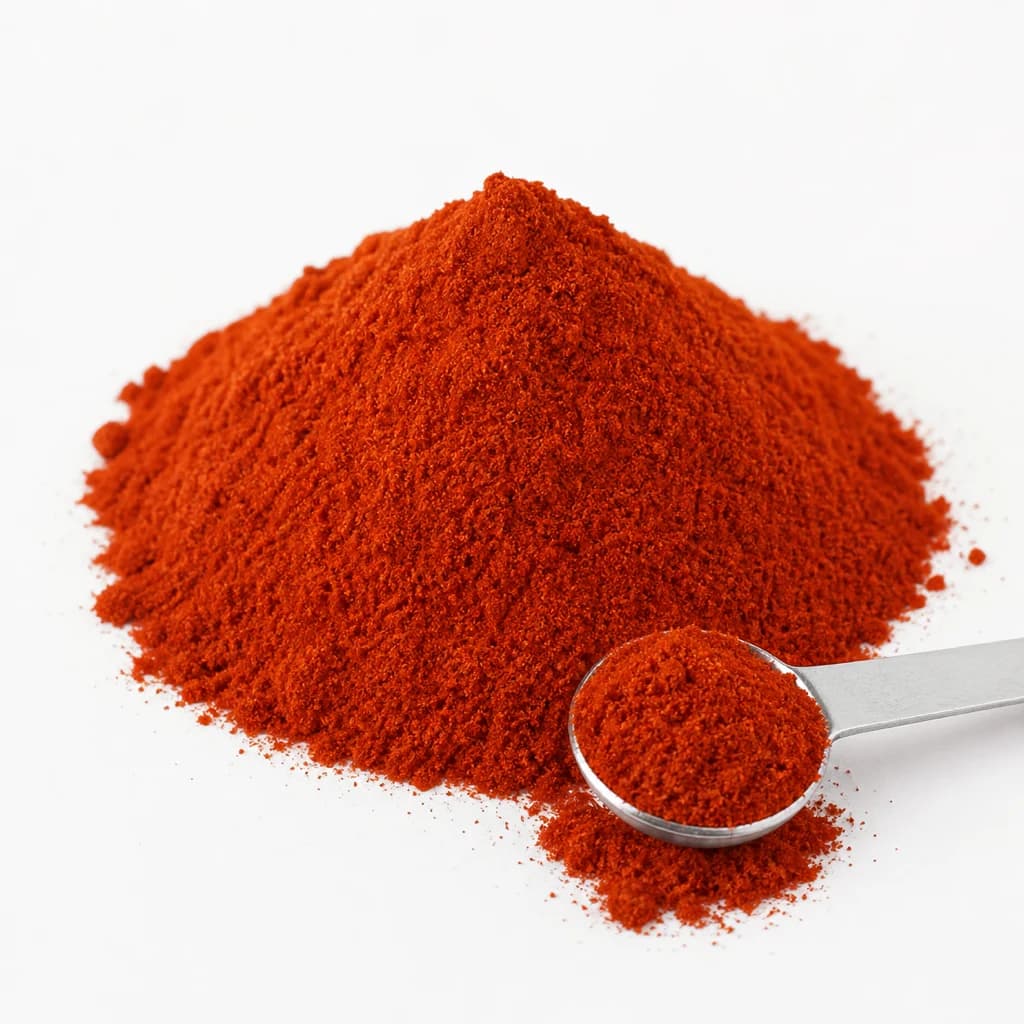
Paprika
Sweet, vivid ground pepper for color and gentle warmth
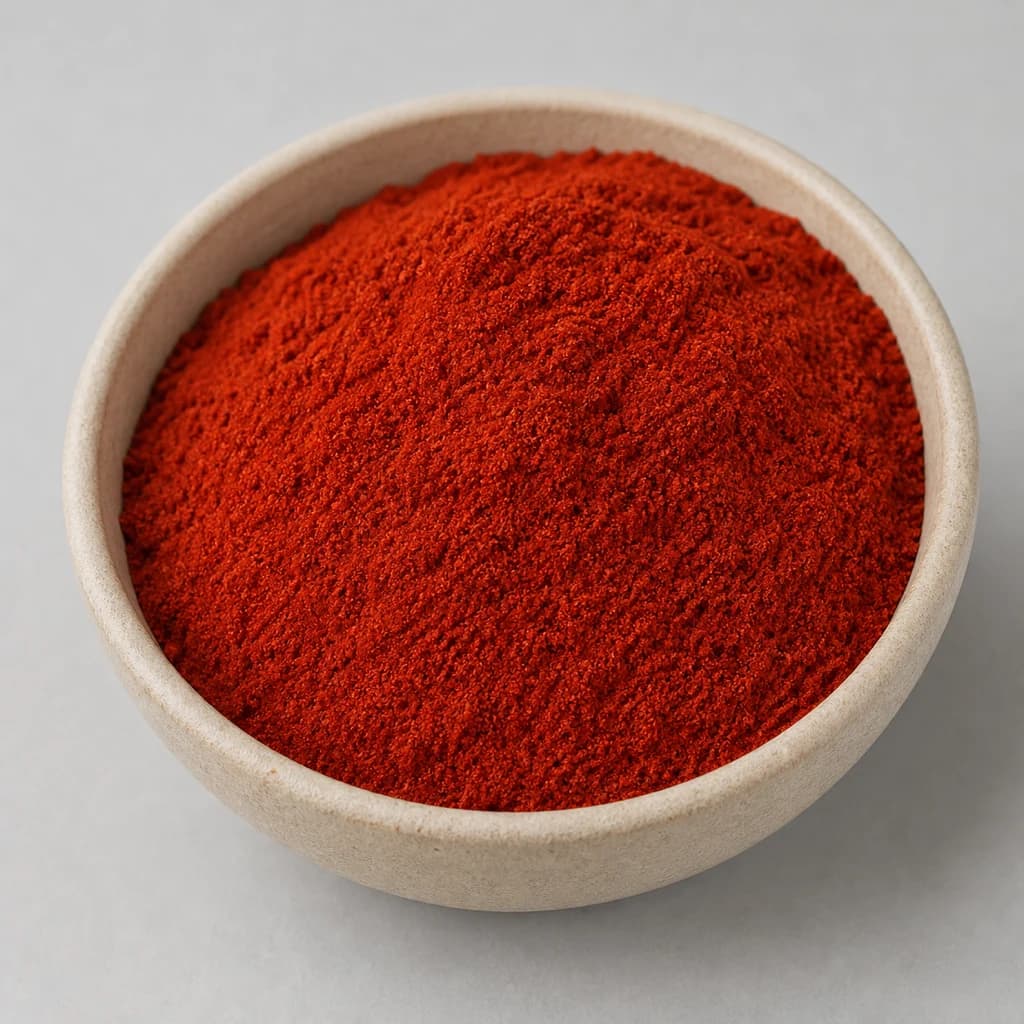
Smoked Paprika
Deep, smoky ground pepper for a campfire warmth
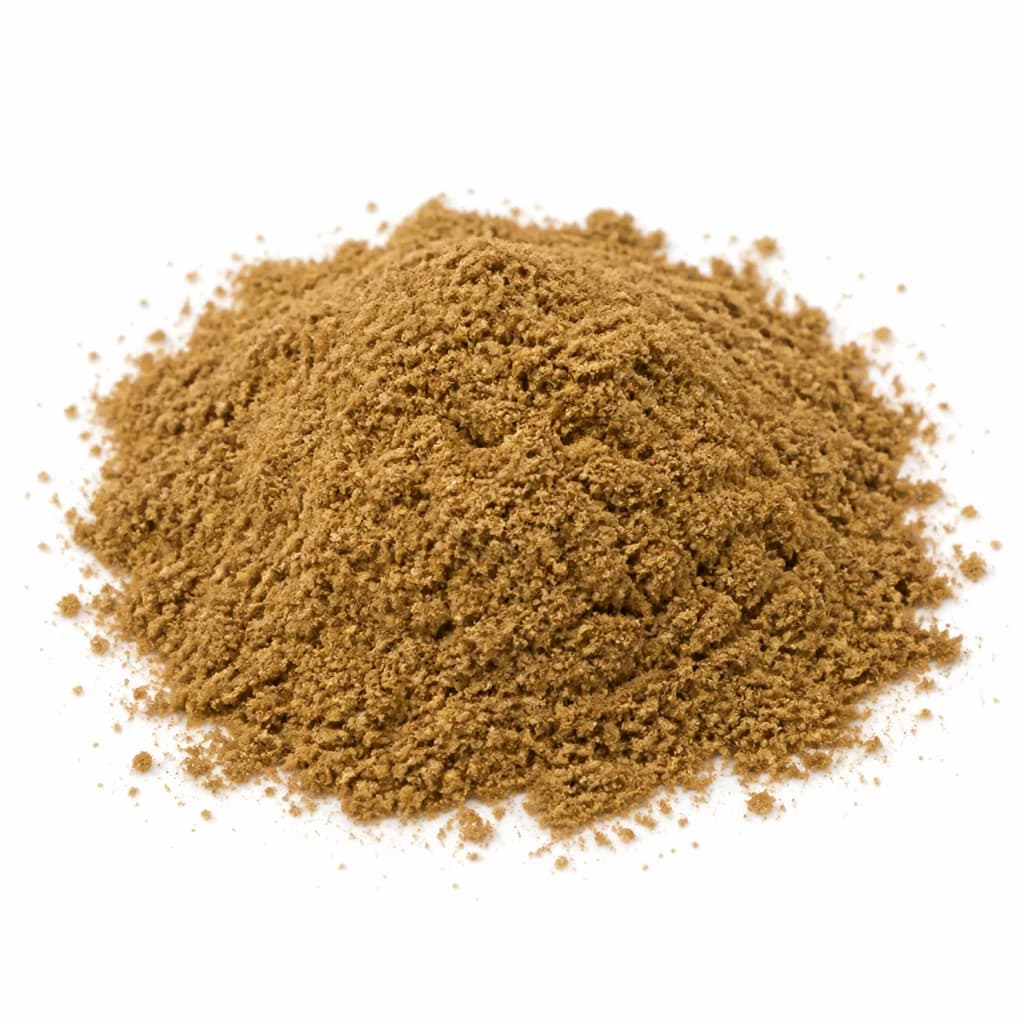
Cumin
Warm, earthy spice central to curries, chili, and tacos
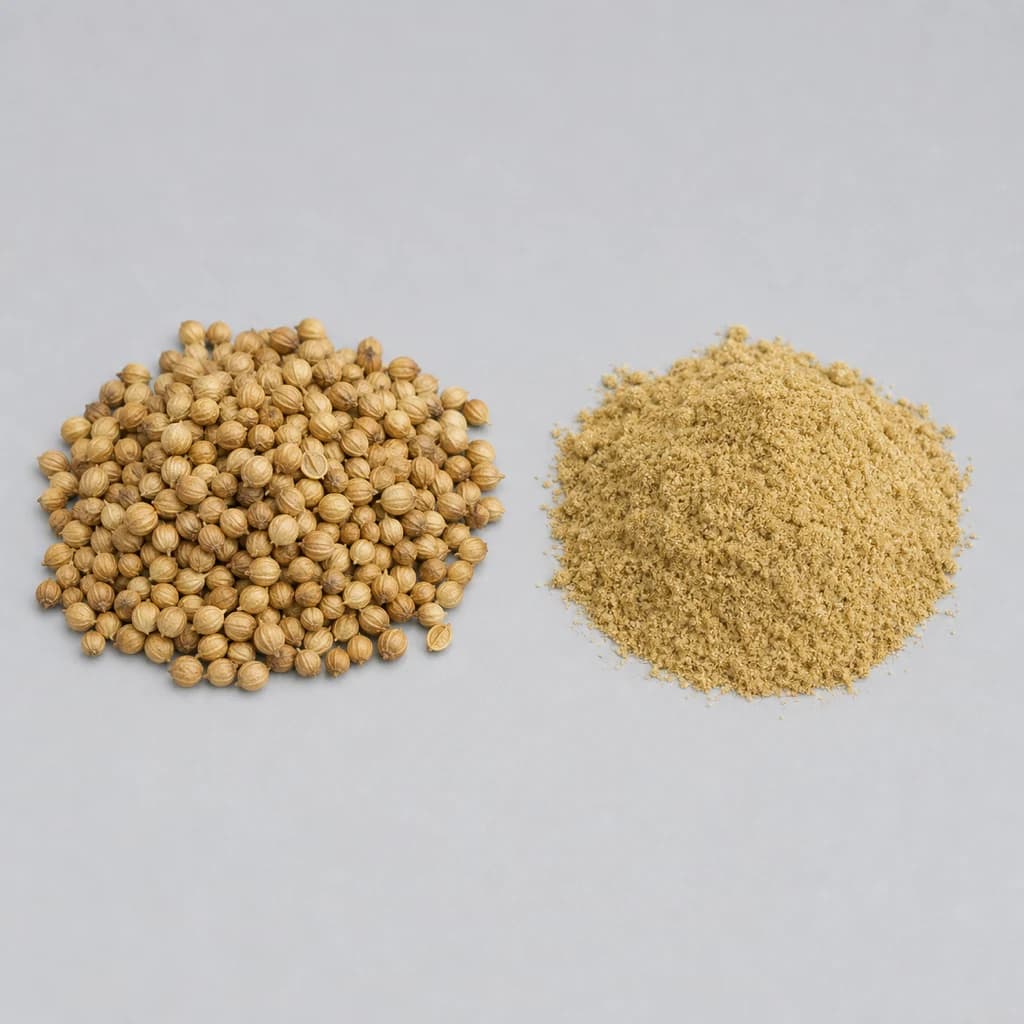
Coriander Seed
Citrusy, warm seed for curries, pickles, and rubs
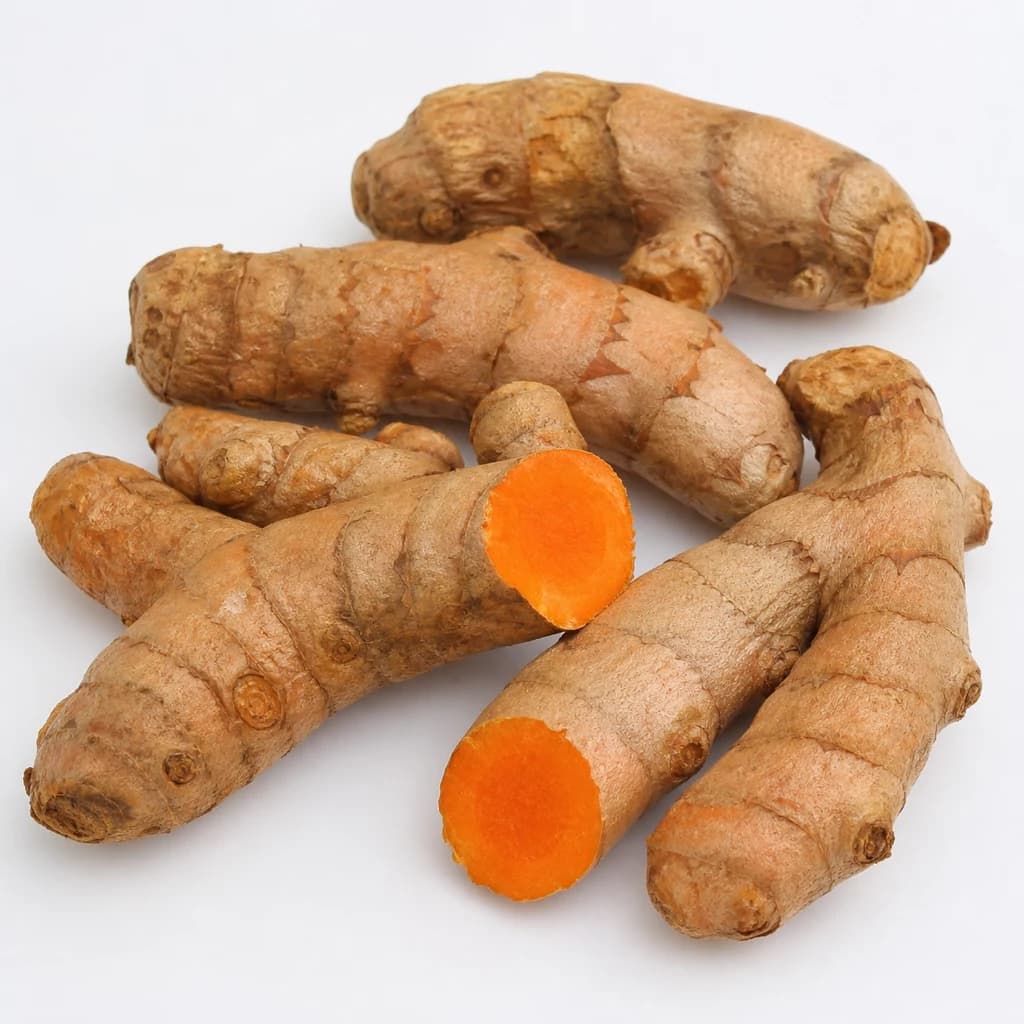
Turmeric
Golden, earthy spice for curries, rice, and color