Stored
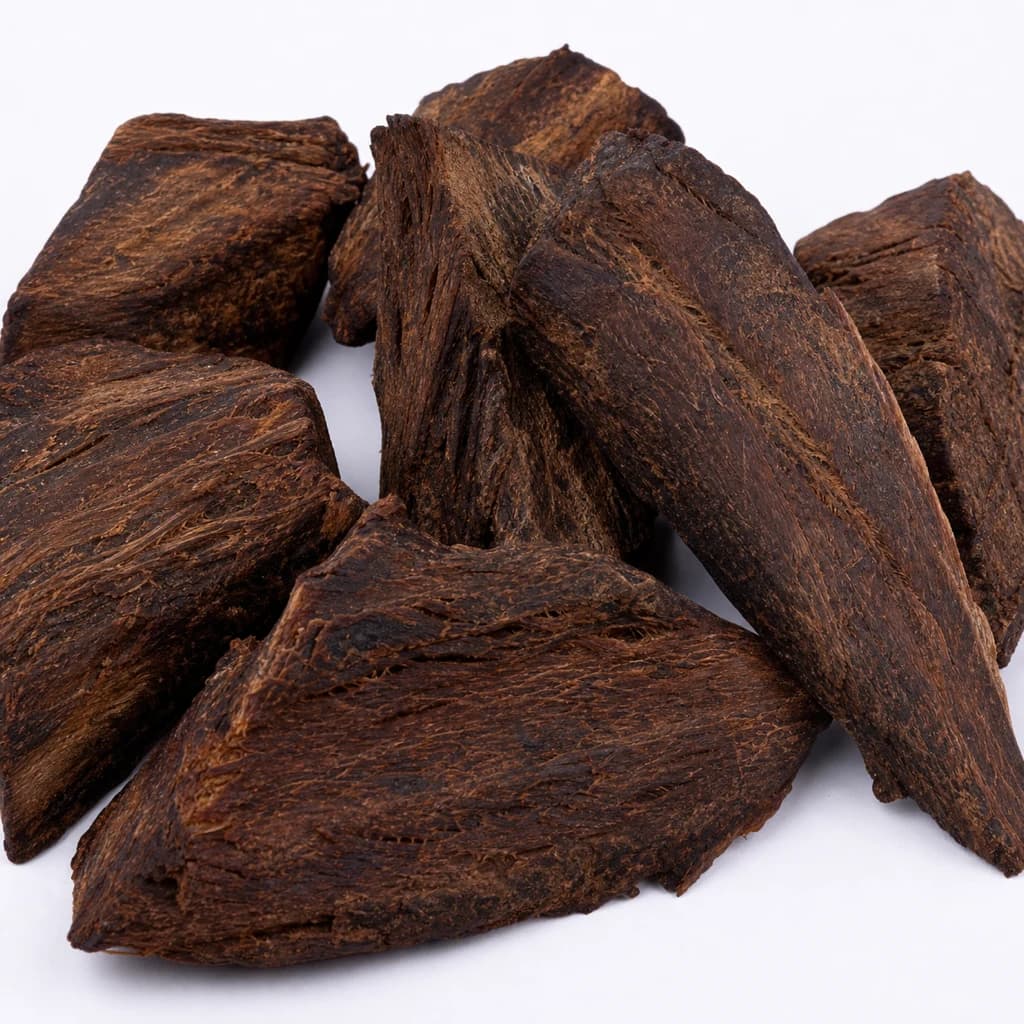
Maldive fish sold as rock-hard dried tuna chunks, ready for the pantry.
Shows the recognizable intact cured form that buyers encounter in shops and pantries.
Proteins
Maldive Fish (Umbalakada)
Hard, smoke-dried cured tuna from the Maldives, flaked into Sri Lankan dishes for umami.
Maldive fish is skipjack tuna that has been boiled, smoked and sun-dried until rock-hard, then flaked or pounded into a coarse powder. It is a cornerstone seasoning in Sri Lankan cooking, added to sambols, curries and lentil dishes for deep savory depth. A little goes a long way thanks to its intense, salty, smoky flavor.
Maldive Fish (Umbalakada) is a cornerstone of Sri Lankan and Maldivian cooking—a smoke-dried, cured skipjack tuna that has been butterfly-cleaned, lightly salted, and dried over low flames for three to five days until it becomes hard, dark, and intensely flavored. The smoking process concentrates the fish's natural glutamates into a potent umami delivery system that rivals dried mushrooms, aged cheeses, or bonito flakes in its ability to add savory depth to otherwise simple preparations. It is rarely, if ever, eaten alone; its purpose is to function as a flavor-building agent, dissolving into dishes to provide the savory backbone that defines Sri Lankan cooking. The product arrives either as hard whole pieces that require soaking and shredding, or as pre-flaked Umbalakada ready to measure and add directly to recipes. In the Maldives and Sri Lanka, it sits in every kitchen pantry just as dried fish and fermented condiments anchor cuisines across Asia—from Japanese katsuobushi to Korean doenjang to Filipino bagoong. The flavor is striking: deeply smoky, assertively salty, with a mineral richness that registers as pure savoriness. Because it is so concentrated, even small amounts transform mild coconut milk, dhal, or vegetable curries into complex, satisfying dishes. Working with Maldive fish requires understanding its intensity—using too much is the single most common mistake—but mastered, it becomes one of the most versatile tools in your pantry.
- Measured in
- g
- Storage
- Pantry
Allergens
Types & varieties
Pre-shredded form, most common in Sri Lankan markets; ready to use directly
Hard pieces requiring 30 minutes soaking then pounding or grating to desired texture
Pre-processed; ready to add directly to dishes
Smaller local dried fish varieties in the Maldives; different tuna species, similar curing process
Common uses
Tips & pitfalls
- Soak flaked Maldive fish 10–15 minutes in warm water before using to remove excess salt and rehydrate slightly
- If using whole pieces, soak 30 minutes then pound or grate to desired texture—work while still slightly damp for even shredding
- Start with small quantities—it is potent; a little goes far and you can always add more
- Toast briefly in a dry pan over medium heat to intensify the smoky aroma before adding to dishes
- Add early in cooking so flavors meld completely; it should dissolve into the dish, not sit as visible chunks
- Store in an airtight container away from moisture—humidity causes clumping and degradation
- For pol sambol, fry the fish in coconut oil first until fragrant before adding the coconut mixture
- The most common mistake: using too much, which makes dishes overwhelmingly salty and fishy rather than savory
Nutrition
Energy
519 kJ · per 100 g
Where the calories come from
Protein
20g
40% DV
Carbs
0g
0% DV
Fat
4.2g
5% DV
Fiber
0g
0% DV
Sodium
60mg
3% DV
Source · USDA FoodData Central · approx. Fish, bluefish, raw
View on FDC →In the shops
Matched grocery products
No matched grocery products for Maldive Fish (Umbalakada) yet.
Good to know
- Origin
- Maldives; central to traditional Sri Lankan cuisine
- Species
- Skipjack tuna (Katsuwonus pelamis)
- Processing
- Butterflied, lightly salted, smoke-dried over low flames 3–5 days
- Form
- Hard whole pieces or pre-flaked/shredded (Umbalakada)
- Flavor Profile
- Intensely smoky, salty, deeply umami; always used as a flavoring, never eaten alone
- Sodium Content
- Very high—always season dishes sparingly when adding
- Shelf Life
- Months airtight in cool, dry place; years if vacuum-sealed
- Typical Purchase
- Pre-flaked preferred; whole pieces require soaking and manual shredding
Substitutes
- Dried shrimp — Similar intensity and funk; different flavor profile but works in the same applications
- Bonito flakes (katsuobushi) — Japanese dried fish; same concept, milder smoky flavor, finer texture
- Anchovy paste — Western substitute; provides fishy umami but lacks the distinctive smoke element
- Fermented shrimp paste (belacan) — Southeast Asian option; similarly pungent and concentrated, though different in taste
- Kombu or nori — For vegetarian umami; seaweed-based, very different taste but provides savory depth
Pairs with
Also called
Umbalakada · Dried Tuna Flakes
Appears in these dishes
Related
Egg
The kitchen's everything ingredient — bind, leaven, enrich, or fry
Chicken Breast
Lean, quick-cooking white meat for everyday dinners

Ground Beef
Versatile minced beef for burgers, ragù, tacos, and meatballs
Pork Loin
Lean, tender roasting cut that stays juicy with care
Salmon
Rich, rosy fish that roasts, grills, or cures beautifully

Egg White
Pure protein that whips to airy peaks for meringue and more
Egg Yolk
Rich, golden yolk for custards, mayonnaise, and pasta

Quail Egg
Tiny, speckled eggs for garnishing and elegant bites