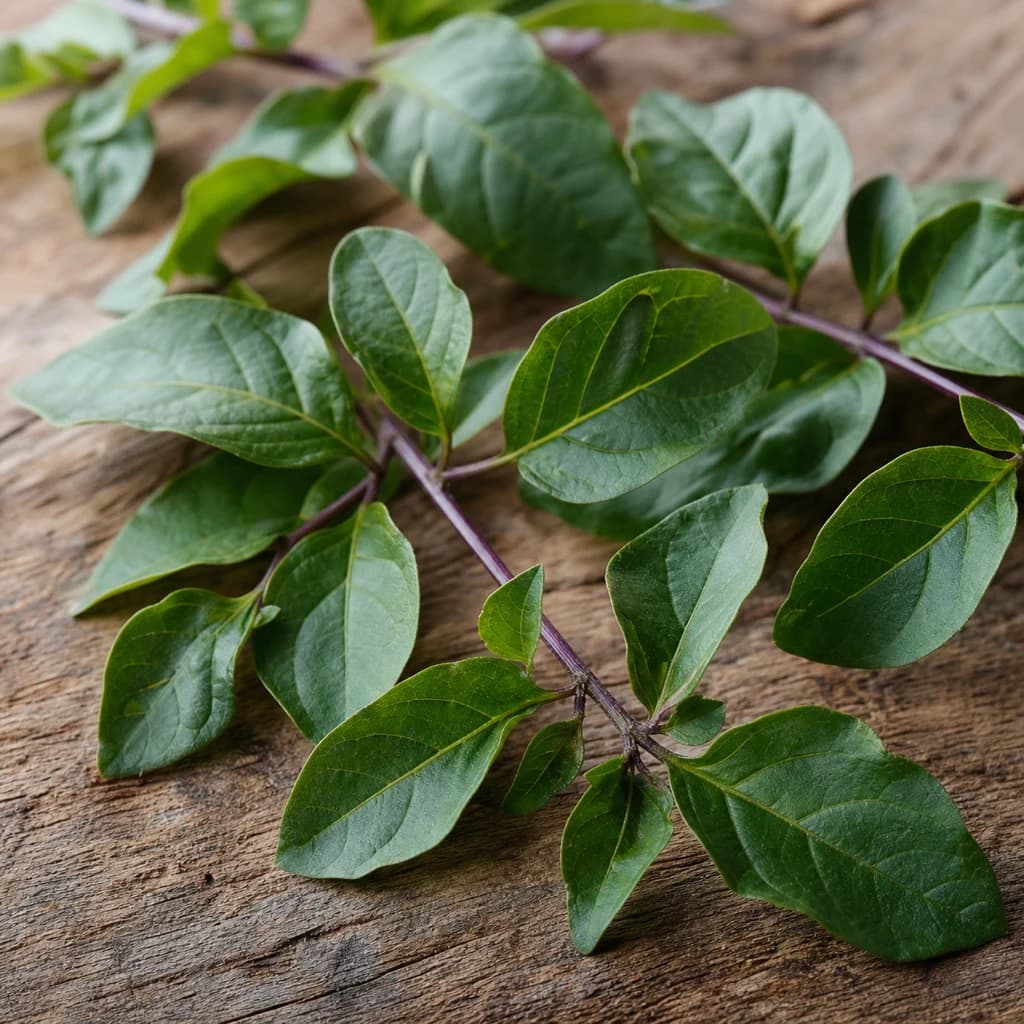
Natural form
Freshly harvested managu branches with dark green leaves still on stems.
Shows the plant as it arrives from garden or market — stem, leaf shape, and dark green color help readers recognize raw managu.
Produce
Managu (African Nightshade)
Slightly bitter East African leafy green boiled and sautéed as a staple side.
Managu is a variety of African nightshade leafy green widely eaten in Kenya and East Africa. The tender leaves are boiled to reduce bitterness, then sautéed with onion and tomato (and sometimes milk) and served with ugali. It has a pleasantly bitter, mineral flavor and is valued as a nutritious traditional vegetable.
Managu, known as African Nightshade or by its Swahili name mnavu, is a staple leafy green across East Africa—particularly in Kenya, Tanzania, and Uganda—where it holds a revered place in everyday cooking and traditional food culture. Unlike milder salad greens, managu is intensely bitter when raw, a quality that deters pests naturally and signals the green's potent chemistry. The bitterness is not a flaw but a feature: it stimulates digestion, provides contrast against bland starches, and marks the green as something to be respected and properly handled. Managu belongs to the Solanaceae family alongside tomatoes and potatoes, yet unlike its relatives, only the young leaves and tender stems are eaten, and only after careful preparation that includes mandatory boiling with the water discarded. This discipline—passed through generations—reflects an understanding of food safety long before the chemistry of saponins and solanine-like alkaloids was formally documented. The cooked green transforms dramatically: the sharp bitterness softens into a pleasant earthiness, the texture becomes yielding without becoming mushy, and the leaves absorb surrounding flavors while retaining their character. For those who grew up with it, this bitterness is not a barrier but a marker of authenticity—a green that has done its job of purifying the body as much as feeding it.
- Measured in
- g
- Storage
- Fridge
Types & varieties
Most widely cultivated variety; higher leaf yield and slightly less bitter than wild types—best choice for beginners
More assertive bitterness; commonly wild-harvested; also called American black nightshade; requires longer boiling
Mixed taxonomy with debated edibility in some regions; East African types are generally considered safe when properly prepared, but exercise caution
The Role of Bitterness in East African Food Culture
In East African cuisine, bitterness is not merely tolerated—it is valued. Managu sits at the intersection of food and folk medicine: the iron content makes it specifically prized for combating anemia in women and children, while the bitterness itself acts as a digestive stimulant. This is a green that works on the body as much as it nourishes it. The contrast between managu's assertive bite and the bland starch of ugali or rice is deliberate and structural—each bite of starchy staple resets the palate, making the meal feel more complete and satisfying. For those unaccustomed to bitter greens, the reaction is often to reach for something to mask the flavor. Traditional cooks do the opposite: they work with the bitterness, taming it just enough through technique while preserving its essential character. Coconut milk rounds it, tomatoes add acidity that cuts through, and a touch of peanut paste or groundnut paste finishes it into something entirely different from the raw leaf. The goal is never to eliminate the bitterness but to integrate it.
- Bitterness signals the green's integrity and digestibility to those who know it
- The contrast with bland staples like ugali is structural, not incidental
- Traditional preparation disciplines reflect generations of accumulated food safety knowledge
Growing and Harvesting at Home
Managu is remarkably undemanding as a crop, which explains its widespread presence in home gardens and semi-wild patches across East Africa. It thrives in poor soils, resists drought once established, and the natural bitterness deters most pests—reducing or eliminating the need for pesticides. This makes it an ideal food security crop for marginal agricultural zones. Harvesting is straightforward: pick young leaves and tender stem tips when the plant is 30–45 days old. Multiple harvests are possible as the plant regrows after cutting, making a single planting productive for weeks. The critical rule is to harvest young: mature leaves become fibrous and excessively bitter, and no amount of cooking will fully tame them. If growing your own, pinch or cut stems rather than pulling leaves—this encourages bushier regrowth and extends the harvest window.
- Young leaves (30–45 days) are tender and manageable; older leaves are fibrous and too bitter
- Multiple harvests possible from single planting if stems are cut, not pulled
- Grows well in poor soil; bitterness itself acts as natural pest deterrent
Common uses
Tips & pitfalls
- Always boil first and discard the water—this is not optional. The solanine-like alkaloids and saponins are water-soluble and concentrate in the cooking liquid.
- For very bitter greens, a second boil in fresh water removes additional bitterness. Add a small pinch of baking soda to the first boil to accelerate the process.
- Use only young, tender leaves. Mature leaves are fibrous, excessively bitter, and no amount of cooking improves them.
- Add coconut milk, peanut paste, or groundnut paste after boiling to balance the bitterness. These enrichments are traditional for good reason—they round and mellow the green's edge.
- Do not overcook after the initial boil. Two to three minutes of sautéing is sufficient; anything longer turns the leaves mushy.
- Combine 50/50 with milder greens like spinach or amaranth if serving to those unfamiliar with bitter flavors. The texture and cooking behavior are nearly identical.
- If wild-harvesting, positively identify the plant. Avoid any specimens with red or purple berries—the white or black-berried types are generally the edible East African varieties.
- Store unwashed in a damp cloth or paper towel inside a plastic bag in the refrigerator for up to 2 days. Wash just before cooking. Freshness matters: the leaves wilt and lose quality rapidly.
Nutrition
Nutrition
No USDA FoodData Central match for Managu (African Nightshade) yet. We surface a per-100 g profile once a generic whole-food entry is matched and verified.
In the shops
Matched grocery products
No matched grocery products for Managu (African Nightshade) yet.
Good to know
- Scientific name
- Solanum scabrum (most cultivated); also Solanum americanum and Solanum nigrum complex
- Family
- Solanaceae (nightshade family)
- Primary origin
- Tropical Africa; widely grown in Kenya, Tanzania, Uganda, and parts of West Africa
- Common names
- Managu (Kikuyu), Namas (Luo), Osuga (Kikuyu), Nakati (Uganda), Mnavu (Swahili)
- Part used
- Young leaves and tender stems only
- Flavor
- Intensely bitter raw; mellows significantly with proper boiling and discarding of water
- Key nutrients
- High in iron, calcium, beta-carotene, vitamin C, protein, and dietary fiber
- Warning
- Contains saponins and solanine-like alkaloids; must be boiled and water discarded before eating
- Peak season
- Rainy seasons: long rains March–May, short rains October–December (Kenya)
- Storage
- Use same day for best quality; refrigerate wrapped in damp cloth for 1–2 days maximum
Substitutes
- Amaranth greens (Terere) — Closest match in texture and cooking behavior; milder flavor makes it a forgiving 1:1 substitute for those new to bitter greens
- Cowpea leaves (Kunde) — Similar cooking method and timing; slightly nutty rather than bitter; widely available across East Africa
- Jute mallow (Murenda/Dec) — Comparable mushy texture when overcooked; used in similar stew and side dish preparations throughout the region
- Swiss chard — Best non-African substitute; thicker leaves stand up to long cooking; blanch briefly before sautéing to reduce oxalates
- Dandelion greens — Shares the assertive bitterness; may require 1–2 additional minutes of blanching to tame the bite
Pairs with
Also called
Managu · African Nightshade · Black Nightshade
Appears in these dishes
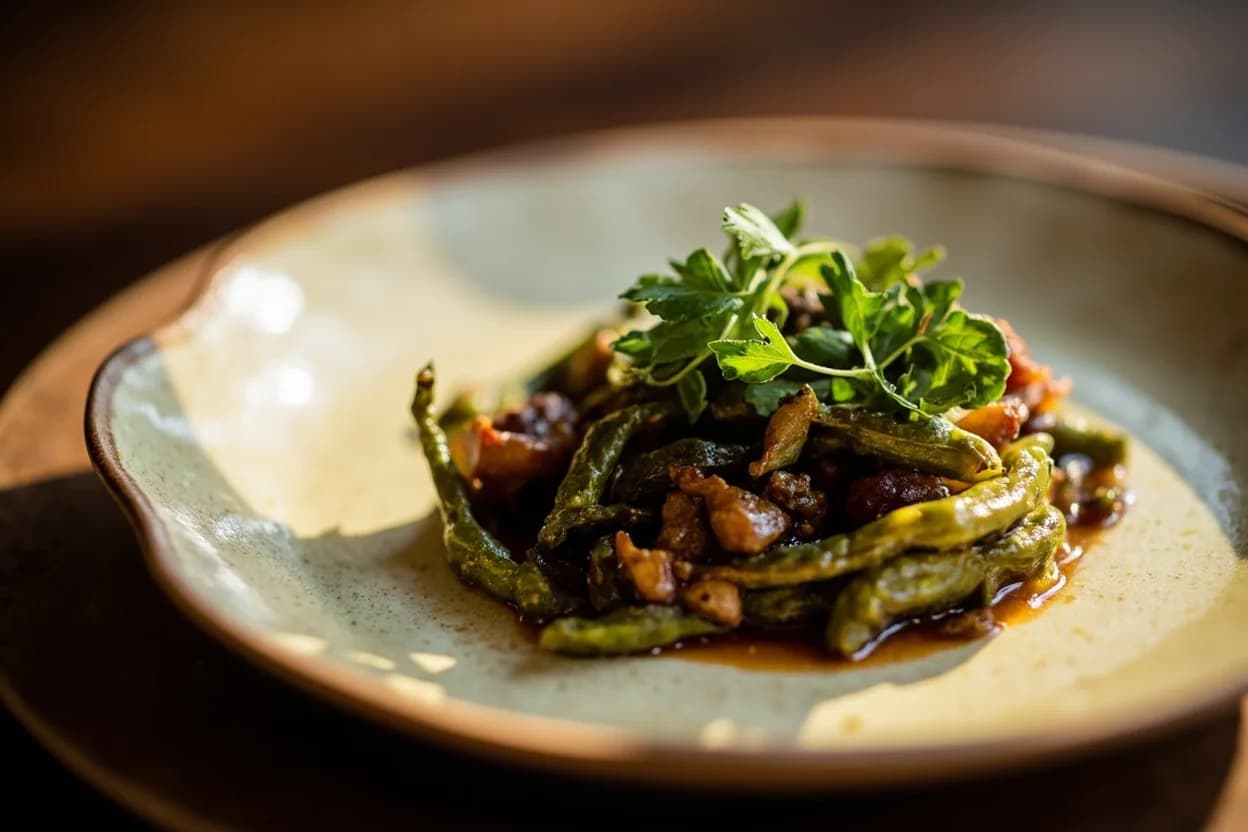
Related
Tomato
Juicy, sun-sweet fruit for sauces, salads, and slow-cooked depth
Yellow Onion
The aromatic backbone of soups, sofritos, and braises
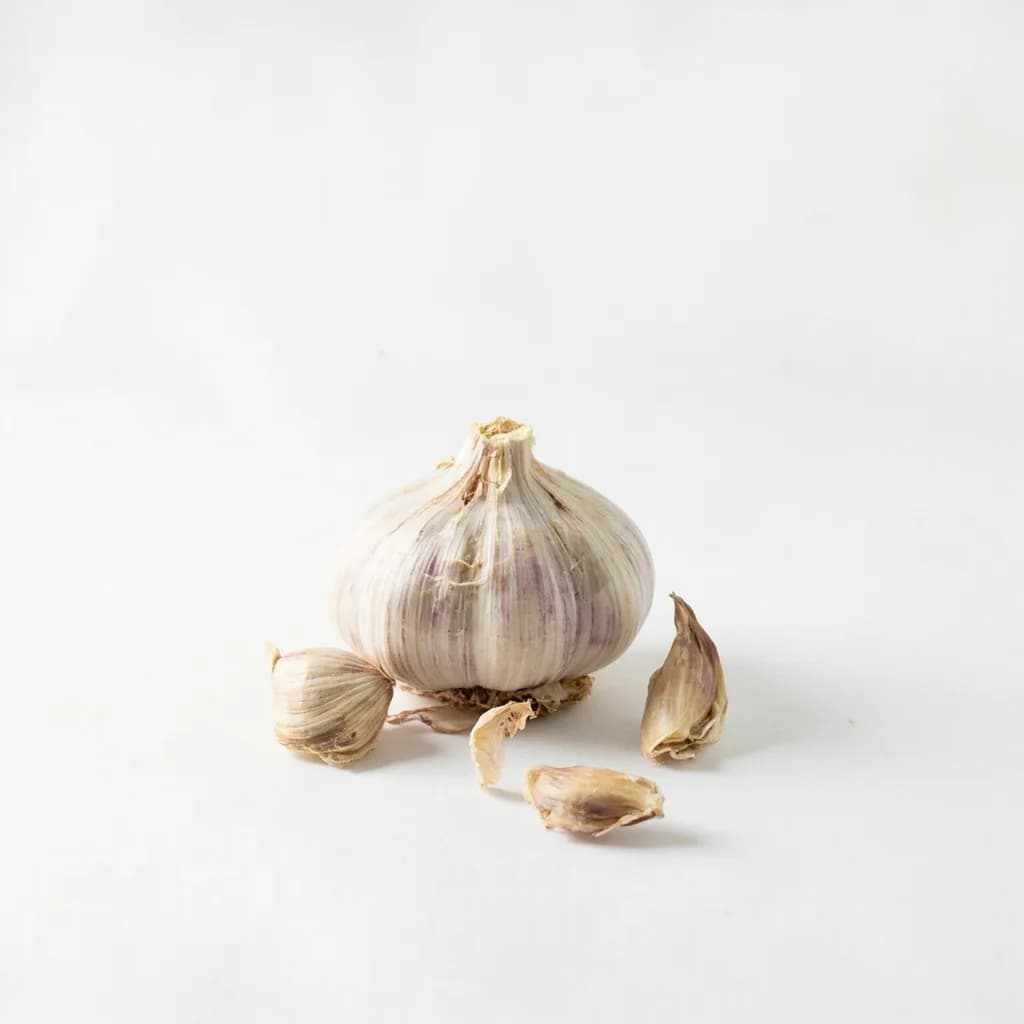
Garlic
Pungent cloves that perfume nearly every savory dish
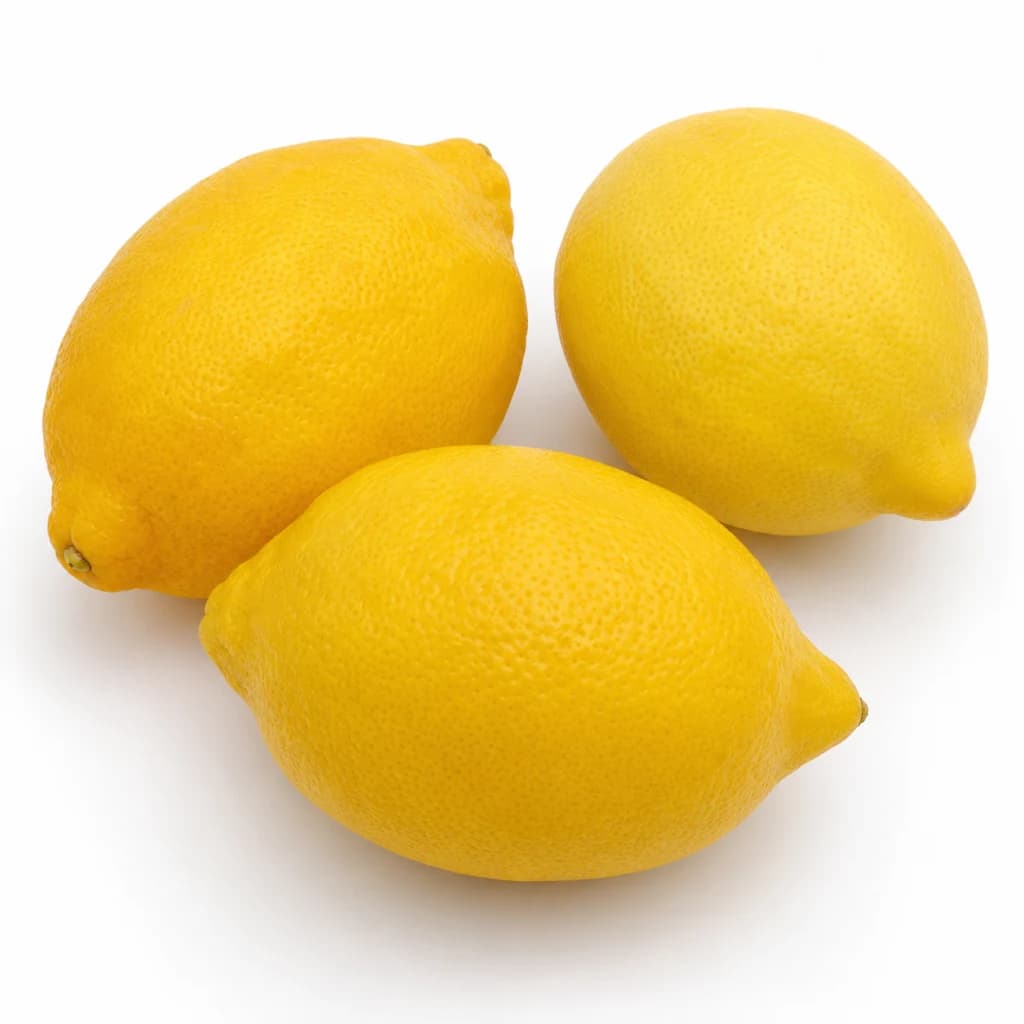
Lemon
Bright, acidic citrus that wakes up almost any dish
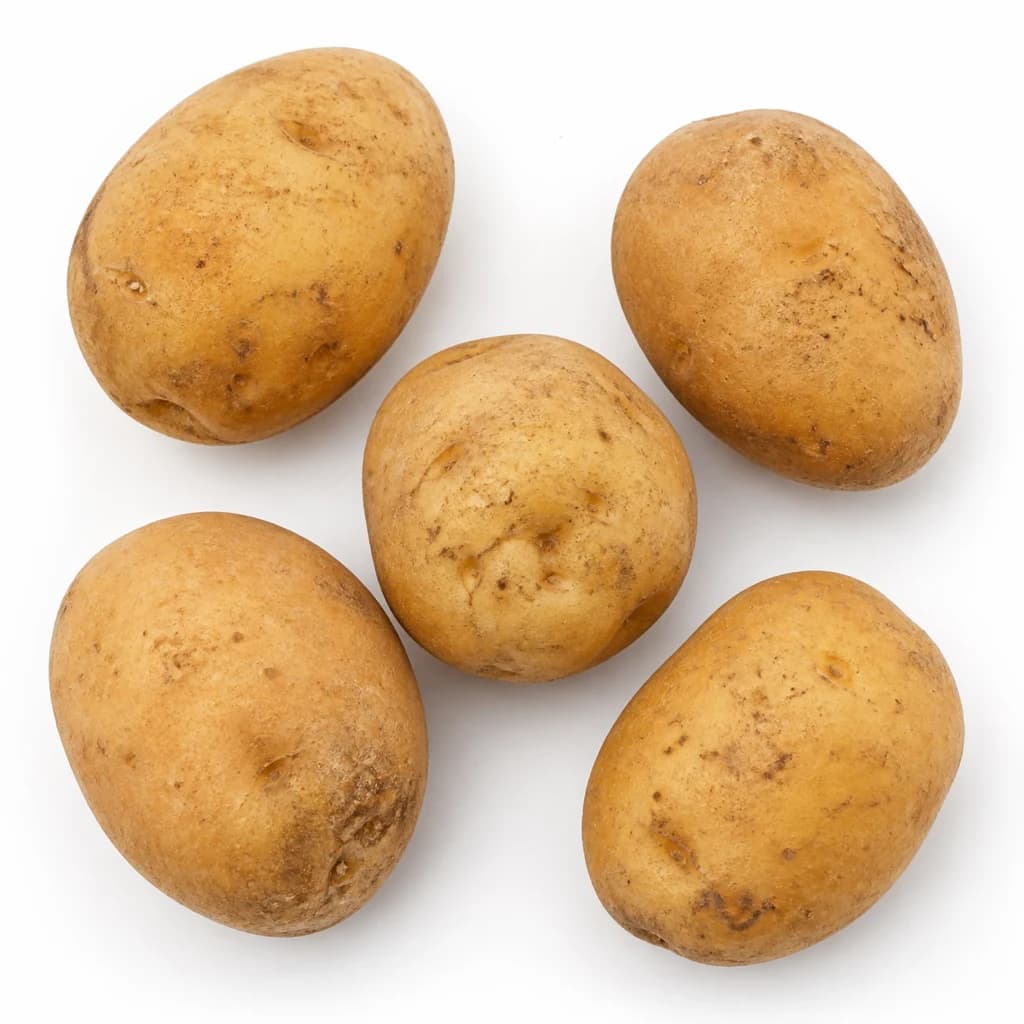
Potato
Humble, hearty staple — roast, mash, fry, or boil
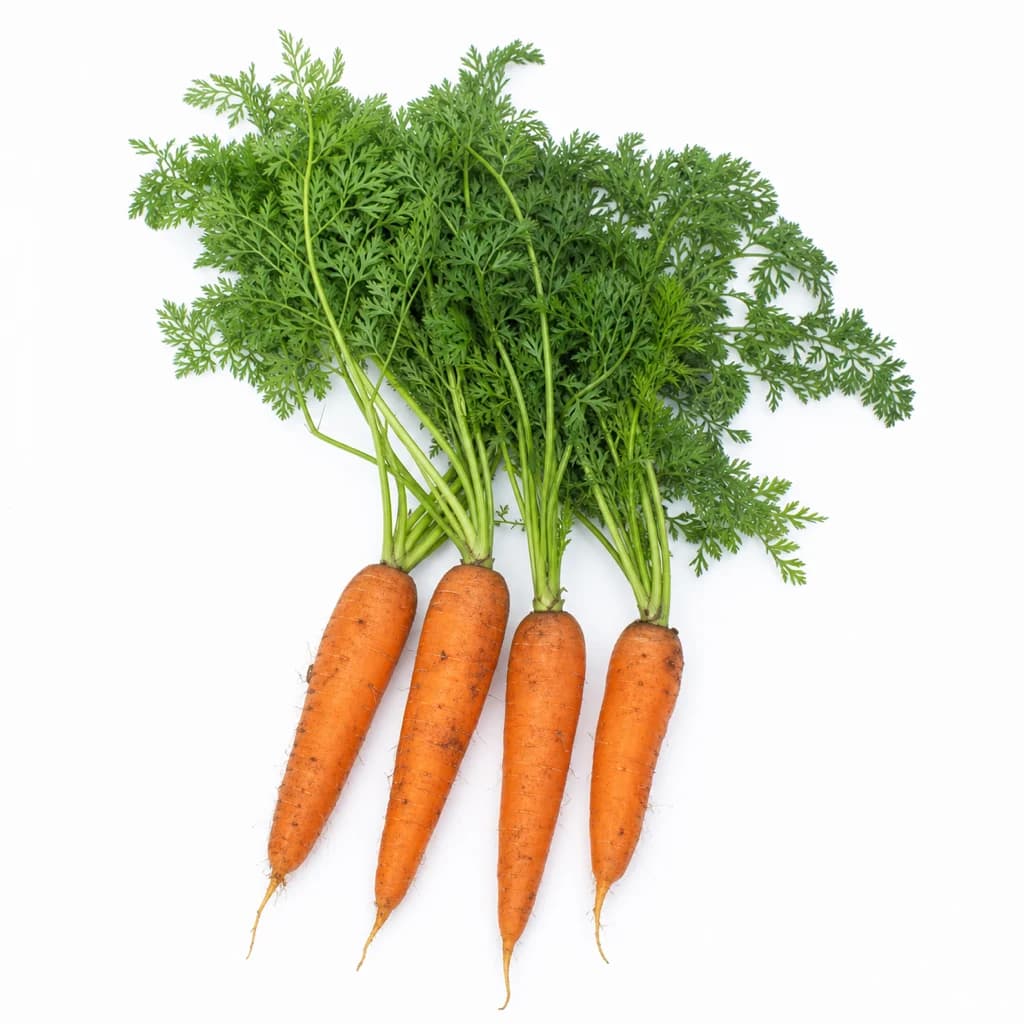
Carrot
Sweet, crunchy root — raw, roasted, or the base of a sofrito
Cucumber
Cool, crisp, and watery — for salads, pickles, and tzatziki

Lettuce
Crisp leaves for salads, wraps, and a fresh crunch