Grains & Rice
Kerala Matta Rice (Rosematta)
Robust red parboiled rice from Kerala with an earthy, nutty flavor and coarse texture.
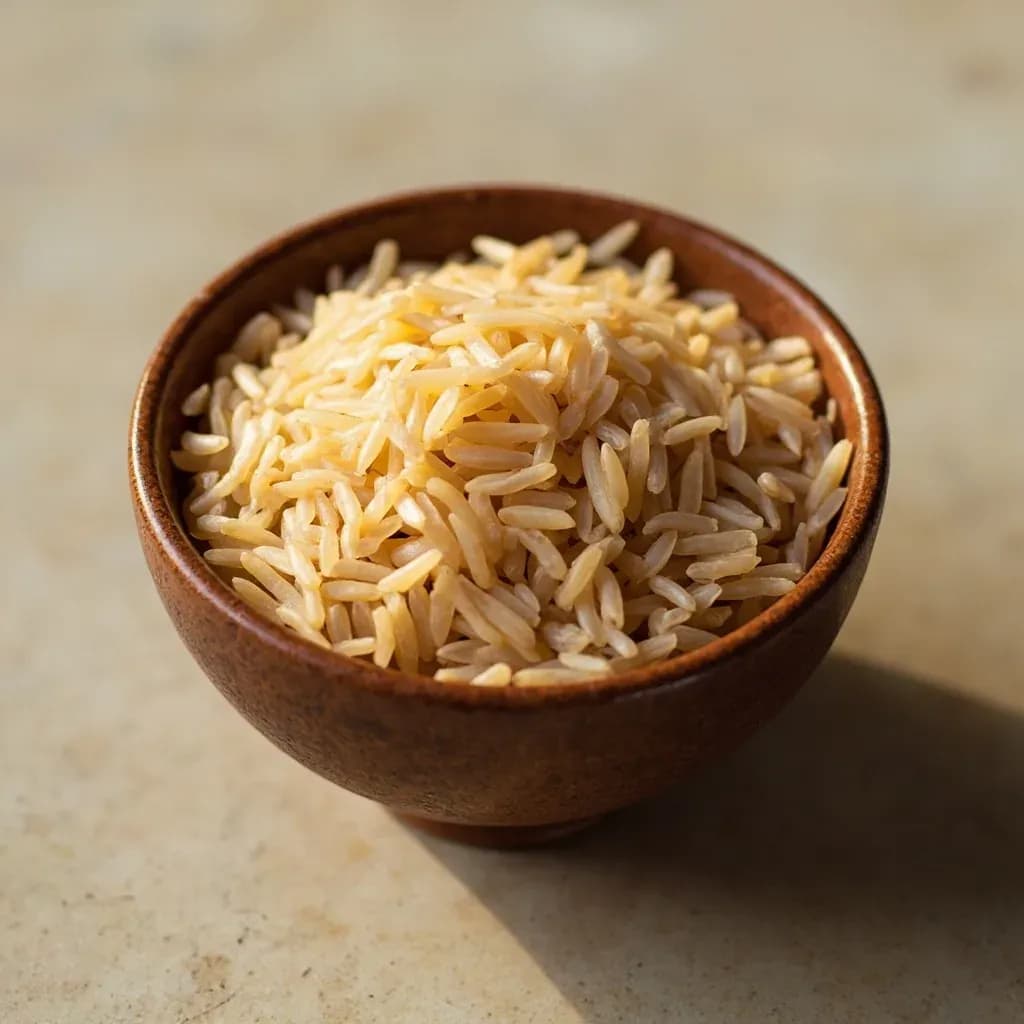
Kerala Matta rice is a coarse, reddish-brown parboiled rice grown in the Palakkad region of Kerala, India. It has a hearty, nutty taste and holds up well in everyday South Indian meals, breakfast dishes like puttu and idiyappam, and fish curries. Parboiling preserves more nutrients and gives the grain its characteristic firm bite.
Kerala Matta Rice, commonly known as Rosematta, is a distinctive red parboiled rice cultivated primarily in the Palakkad district of Kerala and adjoining regions of Tamil Nadu. Unlike ordinary rice, it undergoes a traditional parboiling process while still encased in its husk—a technique that partially cooks the grain from within and fuses the bran firmly to the endosperm. This process, historically carried out through sun-drying, gives the rice its characteristic reddish-brown hue, coarse texture, and exceptional ability to hold its shape during cooking. The specific heirloom cultivars used—such as Jyothi, Kartha, Atture, and Aruvathan—contribute their own subtle variations in flavor and texture, making Matta rice a product of both craft and geography.
The rice occupies a singular position in Kerala's culinary identity as the defining starch of the Sadya, the elaborate multi-course feast served on banana leaves during festivals and celebrations. Its firm, non-sticky grains are engineered to absorb rich coconut-based gravries without disintegrating, and they layer cleanly in the precise presentations traditional to Sadya service. The earthy, nutty flavor with its subtle toasted quality—imparted by the parboiling process—pairs naturally with the bold, coconut-forward flavors central to Malayali cooking. This is not a rice that asks to disappear into a dish; it asserts itself, adding substance and depth to every meal.
Cooks accustomed to polished white rice must recalibrate their expectations. Matta rice will never be fluffy or clumping—it is meant to remain distinctly separate, with a coarse, almost granular bite that some newcomers initially mistake for undercooking. This texture is intentional and correct. The grain's nutritional profile is markedly superior to white rice: the intact bran layer delivers higher fiber, iron, and B vitamins. Treat Matta rice as you would a hearty bread or robust pasta, and you will understand its purpose.
- Measured in
- g
- Storage
- Pantry
Types & varieties
The most prized and recognized type; grown in Kerala's Palakkad gap region
Common trade name; used interchangeably with Kerala Matta; derives from Malayalam 'rosi' (nutritious) + 'matta' (big/great)
General commercial designation; may refer to both Matta and non-Matta red rice varieties
Specific heirloom varieties maintained by traditional farmers; marketed under regional names
The Sadya and the Grain
Kerala Matta Rice and the Sadya are inseparable. The Sadya is not merely a meal—it is a structured ritual of eating, and Matta rice is central to that structure. The rice is served in a precise arrangement on a banana leaf, topped with ghee and a mixture called pappadam, and surrounded by a succession of curries, vegetables, pickles, and payasam (sweet). The rice must hold its own through this progression, absorbing multiple gravries without becoming mushy or losing its integrity. This is why Matta rice was developed and refined over centuries—not as a casual side dish, but as the backbone of a dining tradition. When cooking for Sadya, use slightly more water than usual to achieve a wetter consistency that mops up the array of accompaniments cleanly.
- Plan 1.5–2 cups of raw rice per person for a full Sadya
- Cook rice until it reaches a moist but firm state—not dry and separate like pilaf
- The grain should be able to be pressed slightly with a fork without falling apart
Understanding Parboiling
Traditional Matta rice parboiling differs from industrial methods. In authentic production, whole paddy (rice still in the husk) is steamed or water-soaked and then sun-dried before milling. This gelatinizes the starch within the grain and bonds the bran layer firmly to the endosperm. The result is a rice that is effectively pre-cooked at the surface yet raw within, giving it the ability to withstand longer cooking and remain firm. Industrial parboiling may produce a similar-looking rice but often lacks the depth of flavor and proper bran adhesion. When possible, seek traditionally processed Matta rice from Kerala sources; the difference in cooking behavior and flavor is perceptible.
- Traditional sun-drying develops the nutty, toasted notes
- Industrial parboiling may produce a flatter taste
- Look for whole-grain rice with evenly colored bran coating
Common uses
Tips & pitfalls
- Rinse quickly and gently—1–2 quick swirls in water is sufficient; excessive washing strips the bran and its nutrients
- Soak for 15–30 minutes before cooking to reduce cooking time and ensure even texture throughout the grain
- Use more water than for white rice—start with 2.5:1 to 3:1 ratio; adjust in subsequent cookings based on your pot and stove
- Do not rush the cooking—Matta rice requires patience; undercooked grain is unpleasantly hard and crunchy at the center
- Use a heavy-bottomed pot or well-maintained pressure cooker for consistent, even heat distribution
- If pressure cooking, limit to 2–3 whistles and let pressure release naturally to avoid overcooking
- Leftover Matta rice fries exceptionally well—the firm, dry texture resists sogginess and holds seasoning beautifully
- Do not expect white-rice texture—it will never be fluffy or sticky; embrace the firm, separated grains as correct behavior
- Store away from strong odors—the bran oil can absorb unwanted flavors from nearby spices or aromatics
- A common mistake is treating Matta rice like brown rice and expecting similar cooking times; it requires longer cooking than most whole-grain rice varieties
Nutrition
Energy
1536 kJ · per 100 g
Where the calories come from
Protein
7.5g
15% DV
Carbs
76.3g
28% DV
Fat
3.2g
4% DV
Fiber
3.6g
13% DV
Sugars
0.7g
of which
Sodium
5mg
0% DV
Source · USDA FoodData Central · approx. Rice, brown, long-grain, raw (Includes foods for USDA's Food Distribution Program)
View on FDC →In the shops
Matched grocery products
No matched grocery products for Kerala Matta Rice (Rosematta) yet.
Good to know
- Origin
- Palakkad district, Kerala, and adjoining regions of Tamil Nadu
- Color
- Reddish-brown from intact bran layer; deepens with parboiling
- Grain type
- Medium to long grain with bold, rounded shape
- Texture
- Coarse, firm, slightly granular; remains distinct and non-sticky when cooked
- Flavor
- Earthy, nutty, mildly sweet with subtle toasted quality from parboiling
- Cooking time
- 25–35 minutes; 15–20 minutes in pressure cooker
- Water ratio
- 2.5:1 to 3:1 (water to rice)
- Shelf life
- 6–12 months in airtight container in cool, dark place
Substitutes
- Bangalore Morat (Red Rice) — Karnataka red parboiled rice; most similar texture and flavor; the most readily available substitute outside Kerala
- Thai Red Rice — Similar red bran and nutty flavor; may require slightly different water ratios; less starchy than Matta
- Forbidden Rice (Black Rice) — Similar nutritional profile due to intact bran; more glutinous when cooked; best for porridge rather than steamed rice dishes
- Long-grain Brown Rice — Acceptable but lacks the earthy depth; requires similar cooking adjustments but produces a softer texture
- Sona Masoori (raw white rice) — Not a close substitute—lacks earthy flavor and firm, non-sticky texture; use only in emergencies
Pairs with
Also called
Rosematta · Palakkadan Matta · Red Parboiled Rice
Related

White Rice
Fluffy long-grain rice — the neutral base for almost any meal

White Bread
Soft sandwich loaf for toast, sandwiches, and crumbs
Brown Rice
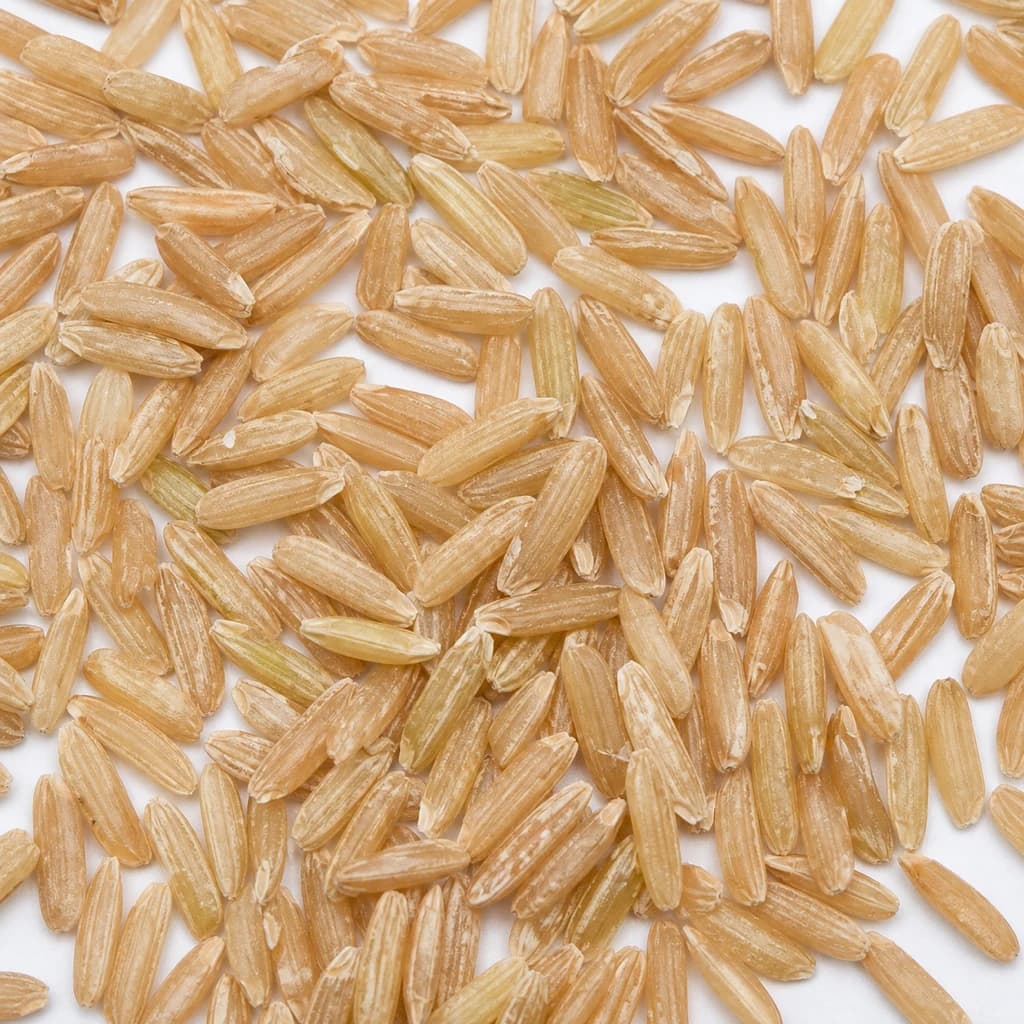
Nutty, whole-grain rice with chew and extra fiber

Basmati Rice
Fragrant, long-grain rice that cooks up light and separate
Jasmine Rice
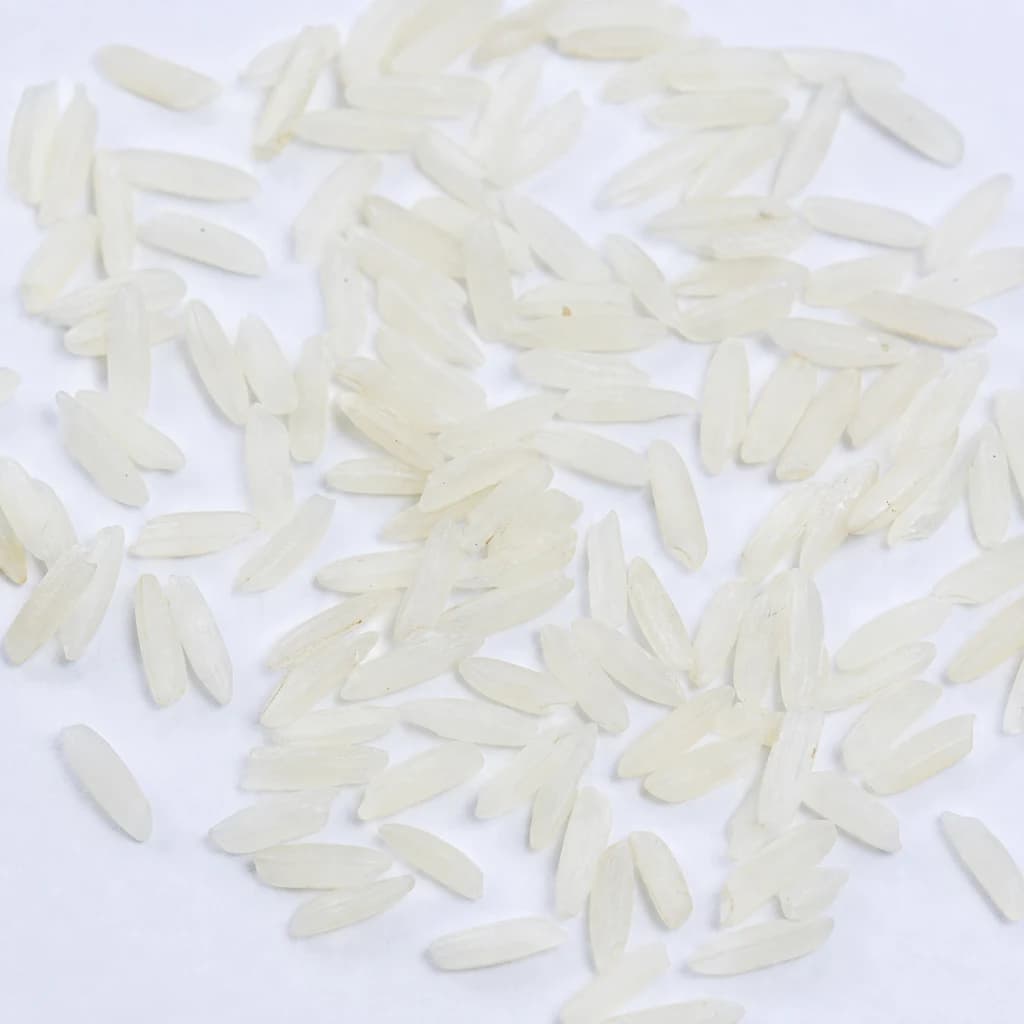
Soft, floral-scented rice that's the pillar of Thai meals
Arborio Rice
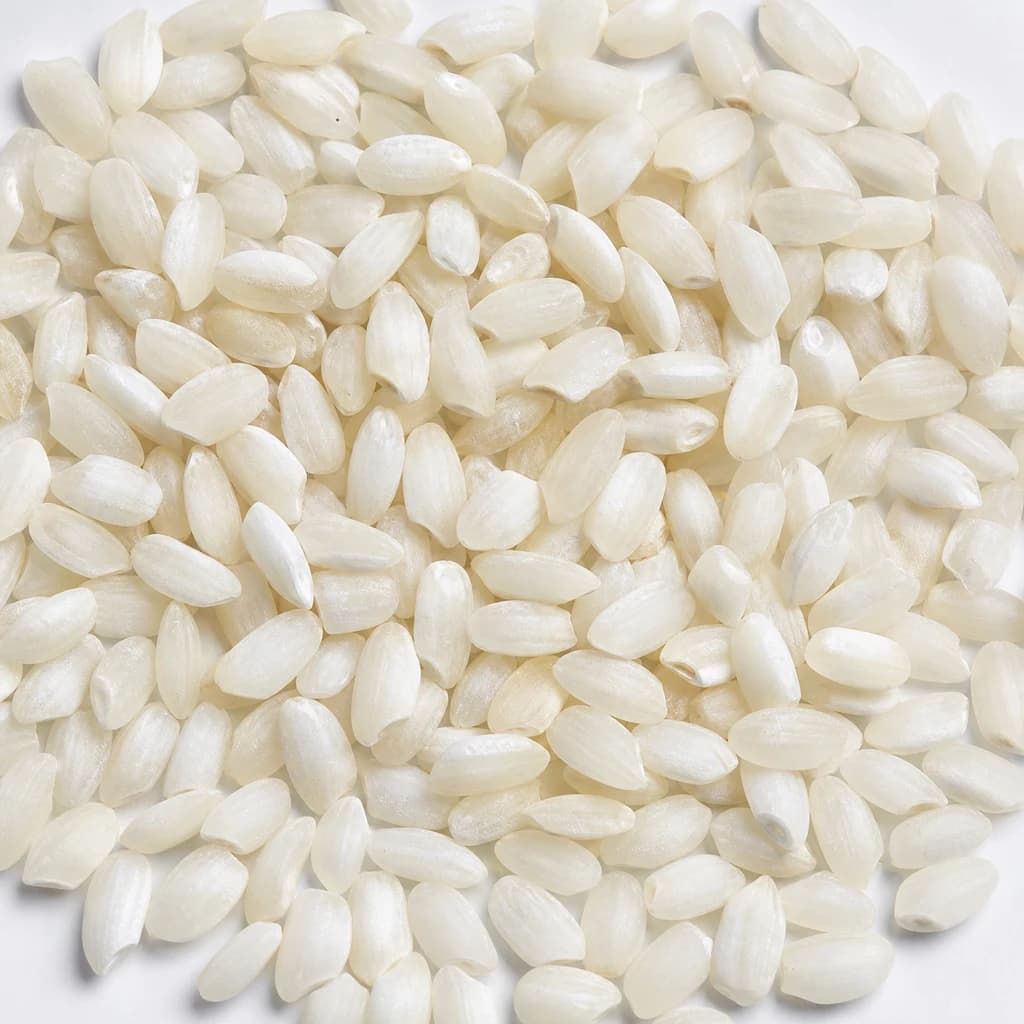
Plump, starchy rice that makes risotto creamy
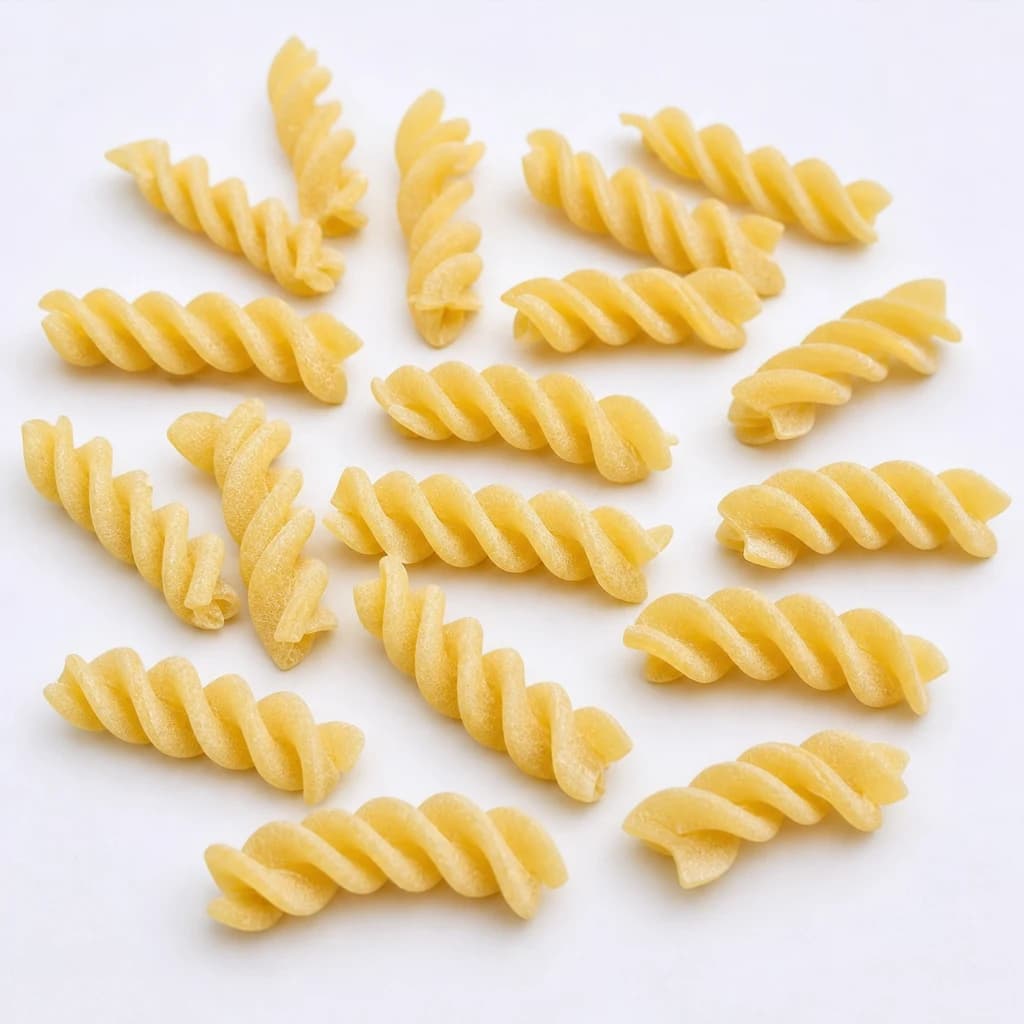
Fusilli
Spiraled pasta that twirls up sauce and dresses cold salads
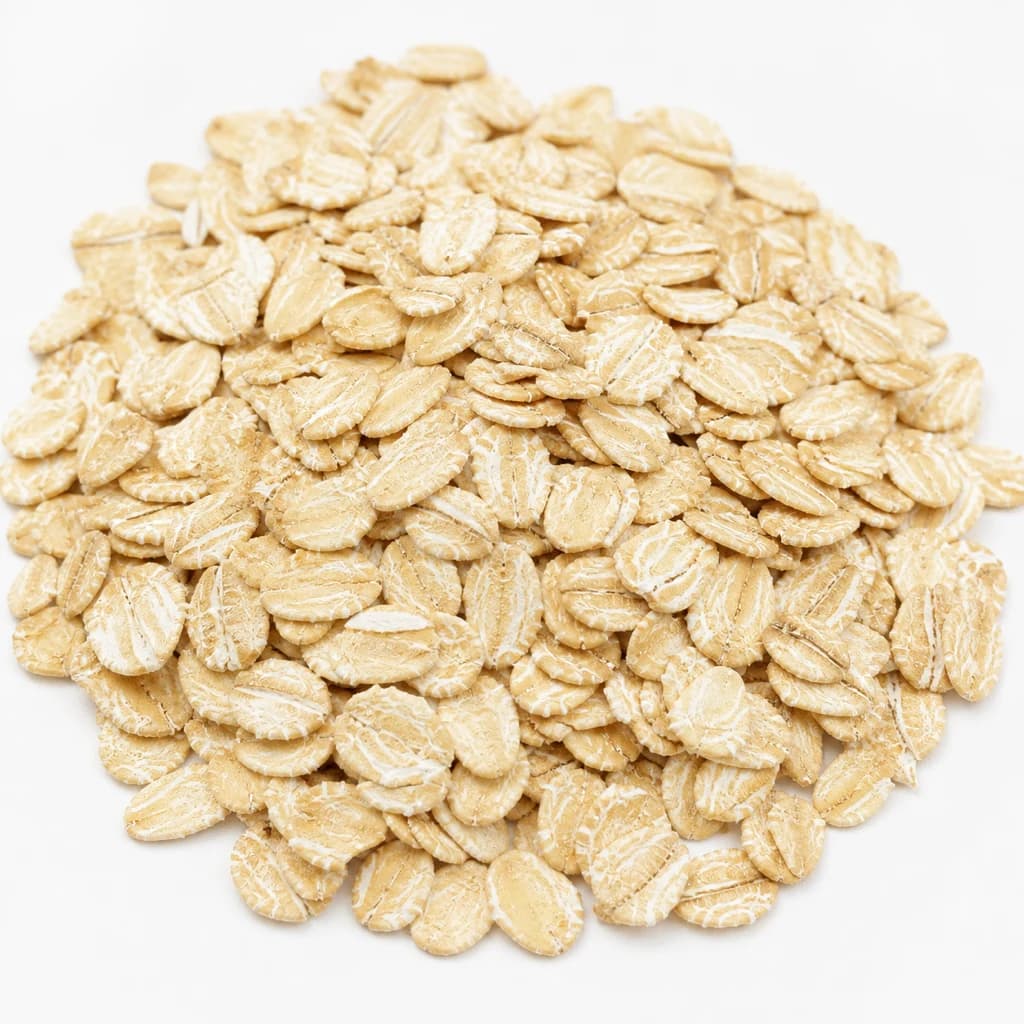
Rolled Oats
Hearty flakes for porridge, granola, and chewy cookies