Natural form
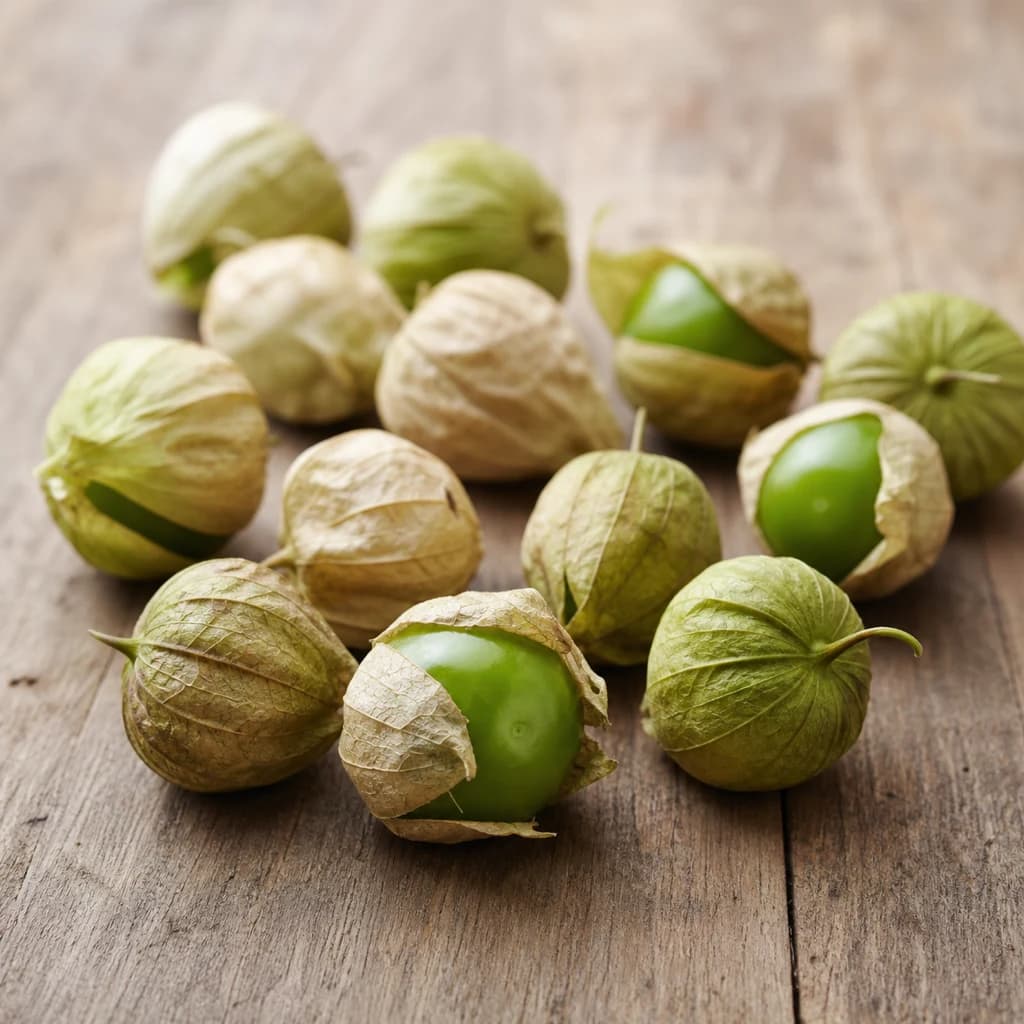
Wild miltomate fruits with papery husks intact, clustered on a wooden surface.
Shows the defining characteristic of the ingredient — small size, papery tan-green husk enclosing the green fruit — so readers instantly recognize it in a market or garden.
Produce
Miltomate (Wild Tomatillo)
Small wild tomatillo from Central America used for tart green salsas.
Miltomate is a small wild relative of the cultivated tomatillo, common in Mexican and Central American cooking. The husk-covered green fruit is tart and citrusy, and is roasted or boiled to make green salsas and stewed sauces. It is smaller and often more acidic than the standard tomatillo.
Miltomate is the wild ancestor and flavor-intense cousin of the cultivated tomatillo, a Physalis species native to Mexico and Central America. While cultivated tomatillos (Physalis ixocarpa) were bred over generations for larger size and more consistent ripening, miltomate has retained the smaller stature and bracing acidity of its wild relatives—typically measuring just 1–2 cm in diameter. The papery husk that gives the fruit its distinctive appearance is often thinner and more fragile than that of cultivated varieties, and the fruit itself may show purple or bronze markings even when fully ripe. This is not a commodity crop; it grows uncultivated along roadsides, field edges, and forest margins, gathered rather than planted.
The intensity of miltomate's tartness is its defining characteristic and the reason chefs seeking authentic regional Mexican and Central American flavors prize it above cultivated tomatillos. Where commercial tomatillos have been bred toward reduced acidity and broader consumer palates, miltomate delivers the kind of sharp, almost citrus-like acidity that was once standard in pre-Columbian cooking. In rural markets throughout its range, it appears as a foraged ingredient rather than a priced product—gathered in quantity during the rainy season (roughly June through October) and available year-round in tropical areas. The flavor varies more than cultivated types from fruit to fruit, which means a cook working with miltomate must taste and adjust as they go.
When handling miltomate, treat the husk as protection rather than packaging: leave it on until the moment of use to prevent the small fruit from drying out. The sticky residue beneath the husk is a natural protective coating, not contamination, but it should be rinsed away before cooking. Miltomate behaves well in both raw and cooked applications, though its small size means it disperses its acidity more evenly when finely chopped in raw preparations and benefits from brief dry-toasting (30–60 seconds per side) when used in cooked salsas. The stem scar where the husk attaches should be removed; it can impart bitterness if left in place.
- Measured in
- piece
- Storage
- Fridge
Types & varieties
Variant with reddish-purple husk and slightly sweeter flesh while maintaining the characteristic acidity
Common name for wild-harvested miltomate; "de monte" means from the mountain or woods, indicating foraged rather than cultivated origin
Miltomate vs. Cultivated Tomatillo: Why the Difference Matters
The gap between wild miltomate and cultivated tomatillo is not merely cosmetic. Cultivated tomatillos have been systematically bred for larger fruit, thinner husks that peel more easily, and—crucially—reduced acidity that appeals to broader consumer palates. This breeding has produced a reliable, mild ingredient excellent for weeknight salsa verde but one that lacks the sharp edge of the wild type. Miltomate's higher acidity means it performs differently in recipes: it cuts through rich proteins more decisively, balances heavier moles more effectively, and in raw preparations provides a brightness that cultivated types must be supplemented with lime to approach. When substituting cultivated tomatillos for miltomate, expect a noticeable softening of flavor and adjust accordingly by adding more acid or using 20–30% more fruit to approximate the original intensity.
- Miltomate: 1–2 cm diameter, intensely tart, variable acidity, thin fragile husk, irregular shape
- Cultivated tomatillo: 3–5 cm diameter, mild tartness, consistent acidity, firm husk, uniform shape
- Use 20–30% more cultivated tomatillo when substituting for miltomate in cooked applications
- In raw preparations, add lime juice to cultivated tomatillos to approximate miltomate's brightness
Common uses
Tips & pitfalls
- Taste before using: wild miltomate varies more in acidity than cultivated types; adjust lime accordingly
- Do not peel the husk until ready to use; the husk protects the fruit and prevents premature drying
- Remove the husk and rinse the sticky residue thoroughly—this is the natural protective coating, not dirt
- Toast briefly in a dry skillet (30–60 seconds per side) before using in cooked salsas to deepen flavor
- For raw preparations, chop finely; the small size means the acidity distributes more evenly
- Combine with a small amount of salt and let stand 5 minutes before blending to draw out juices
- If too tart, blanch quickly and drain to reduce acidity without losing the green flavor
- The stem scar where the husk attaches should be removed; it can impart bitterness
Nutrition
Energy
134 kJ · per 100 g
Where the calories come from
Protein
1g
2% DV
Carbs
5.8g
2% DV
Fat
1g
1% DV
Fiber
1.9g
7% DV
Sugars
3.9g
of which
Sodium
1mg
0% DV
Source · USDA FoodData Central · Tomatillos, raw
View on FDC →In the shops
Matched grocery products
No matched grocery products for Miltomate (Wild Tomatillo) yet.
Good to know
- Origin
- Mexico and Central America; grows wild throughout the region
- Family
- Solanaceae (nightshade family, related to tomatoes and peppers)
- Scientific Name
- Physalis species (wild relatives of cultivated tomatillo Physalis ixocarpa)
- Size
- Typically 1–2 cm diameter; noticeably smaller than cultivated tomatillos
- Color
- Green when ripe; may have purple or bronze markings on husk
- Flavor
- Intensely tart and acidic; more pronounced acidity than cultivated tomatillos
- Peak Season
- Rainy season (roughly June–October in Mexico); available year-round in tropical areas
- Storage
- Refrigerate unwashed in husk up to 2 weeks; husk extends freshness
- Form
- Always sold fresh; rarely found dried or canned like cultivated tomatillos
Substitutes
- Cultivated Tomatillo — Use 20–30% more; milder acidity, larger size, more consistent flavor. Best substitute for cooked applications.
- Green Tomato — Less tart, different flavor; acceptable in cooked salsas when tomatillos are unavailable.
- Lime Juice with Green Chili — Provides acidity but lacks the vegetal tomatillo character; use in raw preparations only, not as a cook's substitute.
Also called
Wild Tomatillo · Miltomate
Appears in these dishes
Related
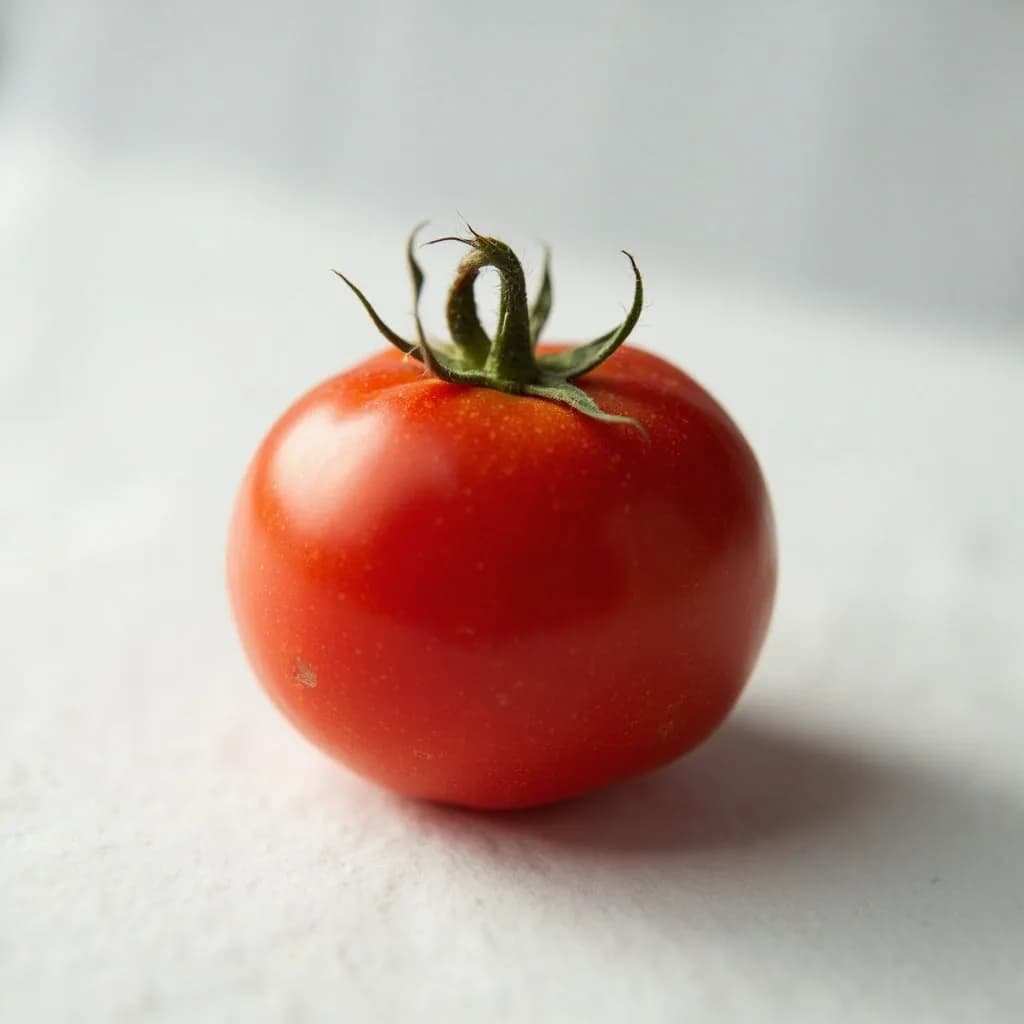
Tomato
Juicy, sun-sweet fruit for sauces, salads, and slow-cooked depth
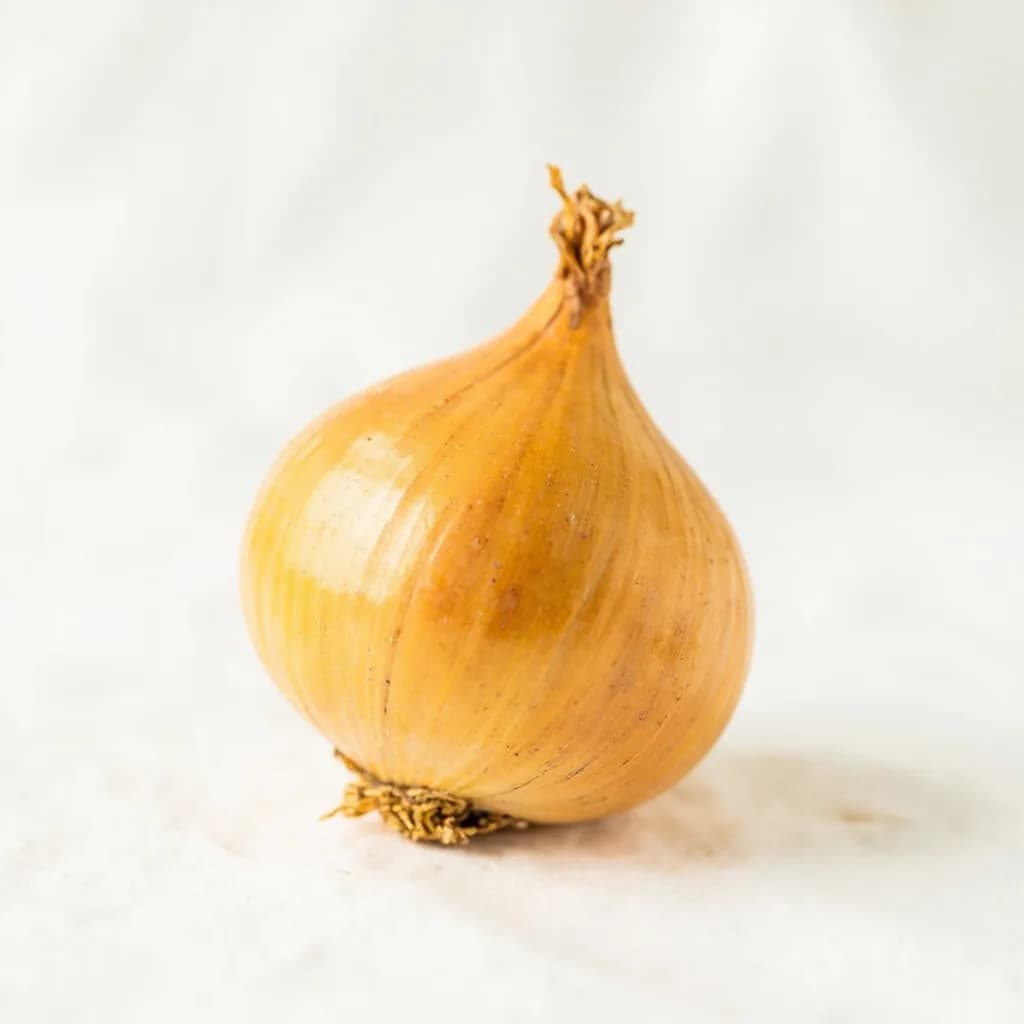
Yellow Onion
The aromatic backbone of soups, sofritos, and braises
Garlic
Pungent cloves that perfume nearly every savory dish
Lemon
Bright, acidic citrus that wakes up almost any dish
Potato
Humble, hearty staple — roast, mash, fry, or boil
Carrot
Sweet, crunchy root — raw, roasted, or the base of a sofrito
Cucumber
Cool, crisp, and watery — for salads, pickles, and tzatziki

Lettuce
Crisp leaves for salads, wraps, and a fresh crunch