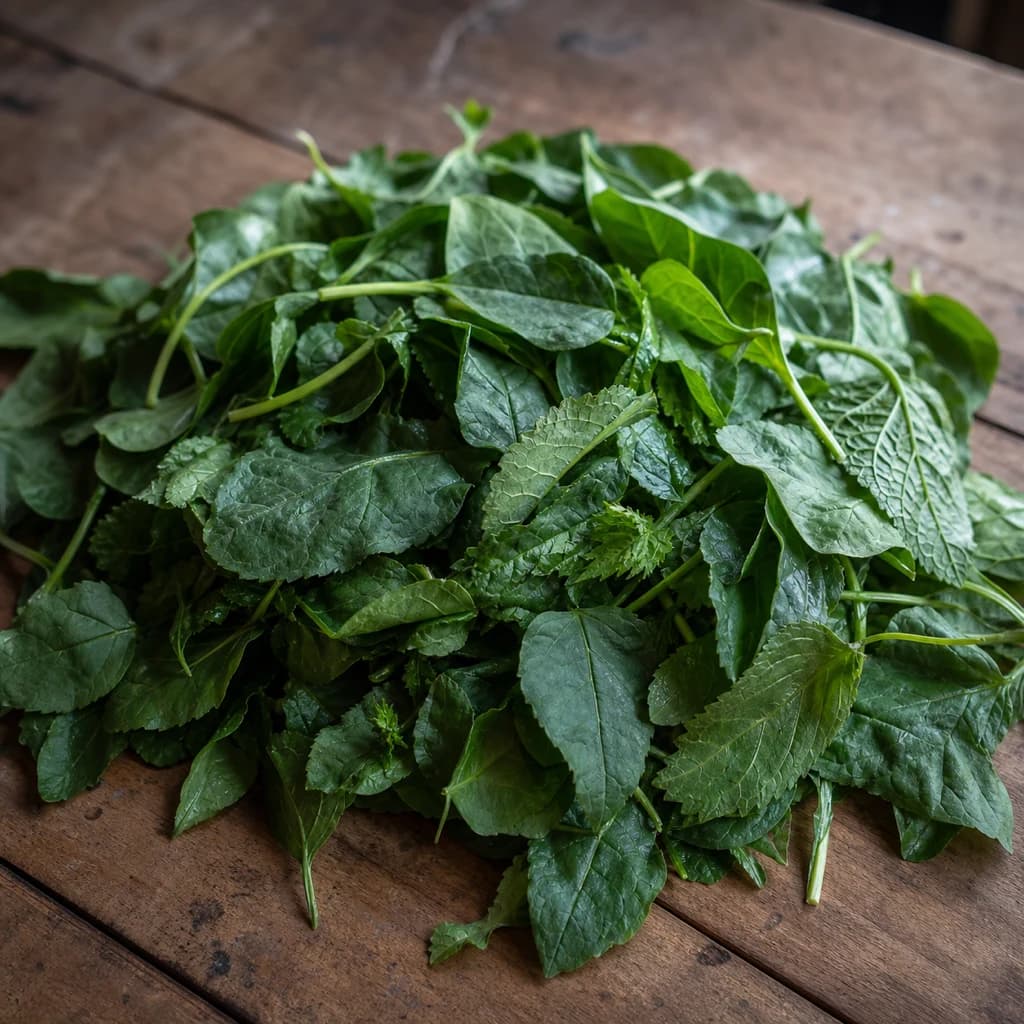
Natural form
Fresh morogo leaves harvested from the wild, showing the broad serrated amaranth and wild spinach varieties.
Shows readers what raw morogo looks like in its gathered state, including the characteristic leaf shapes that identify the plant.
Produce
Morogo
Southern African wild leafy greens cooked down like spinach as a staple side.
Morogo refers to a group of edible wild leafy greens (including amaranth and wild spinach) widely gathered and eaten across southern Africa. The leaves are boiled, then sautéed with onion and tomato to make a hearty, mildly bitter side served with maize porridge (pap). It is a nutritious traditional staple, sometimes called African spinach.
Morogo is the Sesotho and Setswana word for a family of wild edible leafy greens native to Southern Africa, and also the name of the cooked dish made from these foraged leaves. The most commonly used species include Amaranthus thunbergii (red pigweed), Amaranthus hybridus (smooth pigweed), Cleome gynandra (spider flower), Bidens pilosa (blackjack), Chenopodium album (lamb's quarters), and Galinsoga parviflora — each contributing different notes of earthiness, bitterness, and mineral intensity to the finished dish. Unlike cultivated spinach, which has a single dominant character, morogo is defined by complexity: the mix of species varies by region, season, and the forager's knowledge, giving each batch a unique character that trained cooks learn to read and balance.
The dish itself is cooked down much like collard greens or well-wilted spinach: aromatics first, then the cleaned greens, which dramatically reduce in volume as they release water and tenderize. The result is a dark, earthy, slightly bitter side dish that carries the mineral richness of its wild origins. Morogo has sustained communities across South Africa, Botswana, Zimbabwe, Namibia, and Zambia for generations, particularly in rural areas where foraging knowledge is passed down alongside cultivation skills. In township spaza shops and rural homesteads alike, morogo represents both resilience and taste memory — a living link to pre-colonial foodways that remains central to food security in many communities. It requires no purchased inputs beyond basic cooking ingredients, yet its nutritional density often exceeds that of cultivated greens.
In contemporary contexts, morogo has quietly entered restaurant menus and urban markets as chefs seek to reconnect with indigenous ingredients. Dried or frozen morogo is increasingly available in cities, and mixed bags of wild greens are common at South African township markets. The fundamental cooking method remains unchanged — low and slow with aromatics until silky and reduced — but the dish adapts readily to modern kitchens and fusion contexts while retaining its essential character: frugal, resilient, and deeply rooted in place.
- Measured in
- g
- Storage
- Fridge
Types & varieties
Wild greens cooked with ground peanuts or peanut powder; protein-enriched variant common in Botswana and parts of South Africa. Peanuts are stirred in toward the end, adding richness and balancing bitterness.
Traditional Botswana preparation where greens are cooked with sour milk (amasi); the tang cuts through earthiness and adds creaminess without fat.
Most commonly foraged and marketed wild species. Tender when young, increasingly fibrous when mature. Called 'pigweed' in English — unrelated to common weeds in other regions.
Distinctly pungent with a sharp, peppery note. Typically combined with milder amaranth species to build complexity rather than used alone.
Slightly bitter with fine prickly seeds that can irritate the throat if used in quantity. Used sparingly or mixed with milder species. Common in Zimbabwe and Zambia.
One of the milder wild greens in the morogo family. Widely foraged and occasionally cultivated. A good starting point for those new to wild greens.
Foraging and Identification
Correct identification is critical — several toxic plants in Southern Africa resemble edible wild greens. The species used in morogo have distinct characteristics that foragers learn through hands-on teaching and community knowledge transfer. When foraging, prioritize clean areas far from roadsides, treated agricultural fields, or areas where pesticides may have been used. If you are uncertain about identification, purchase from trusted vendors or markets where knowledgeable sellers sort and bundle the greens. In urban areas, dried or frozen morogo is increasingly available at township spaza shops and some specialty markets, offering a reliable alternative to fresh foraging.
- Harvest in the morning when leaves are turgid and tender
- Select young, bright green leaves for less bitterness and faster cooking
- Avoid plants near industrial sites, busy roads, or agricultural land with unknown chemical use
- When in doubt, start with Chenopodium album (lamb's quarters) — the most approachable and widely recognized species
Cooking Behavior
Morogo behaves differently from cultivated spinach in the pot. The leaves are generally more fibrous and benefit from a longer cook to break down cell walls and achieve a tender, silky texture. As the greens heat, they release substantial water — this is expected and desirable, as the cooking liquid carries flavor and nutrients. The greens will reduce to roughly one-quarter to one-fifth of their raw volume. Some species, particularly mature Cleome and Bidens, can remain slightly coarse even after extended cooking; mixing species mitigates this texture inconsistency. Cooking also reduces oxalic acid content present in some species, making the finished dish safer for regular consumption than raw leaves would be.
- Expect a dramatic reduction in volume — a large bag of raw greens yields a modest side dish
- Do not drain off cooking water prematurely — it contains soluble nutrients and flavor
- Older, tougher leaves may require blanching before sautéing to achieve tenderness
Common uses
Tips & pitfalls
- Forage only from clean areas — avoid roadsides, treated fields, or areas where pesticides may have been used; if uncertain about identification, buy from trusted vendors or markets
- Young, tender leaves are less bitter and cook faster; older, tougher leaves benefit from a longer boil or double cooking
- Rinse greens thoroughly in several changes of water to remove soil, sand, and small insects common on foraged leaves
- Cooking reduces oxalic acid content (present in some species); do not eat raw in large quantities
- A small amount of ground peanuts or peanut butter stirred in toward the end of cooking enriches the dish and balances bitterness — a classic technique in Botswana and rural South Africa
- The addition of onions, tomatoes, and a touch of oil or fat helps your body absorb fat-soluble nutrients (vitamin A) from the greens
- Add acid (lemon juice, tomato) sparingly at the end; excessive acid can make some species taste overly sour and muddy the flavor
- Do not overcrowd the pan when sautéing — cook in batches if necessary to avoid steaming instead of wilting
Nutrition
Energy
96 kJ · per 100 g
Where the calories come from
Protein
2.9g
6% DV
Carbs
3.6g
1% DV
Fat
0.4g
1% DV
Fiber
2.2g
8% DV
Sugars
0.4g
of which
Sodium
79mg
3% DV
Source · USDA FoodData Central · Spinach, raw
View on FDC →In the shops
Matched grocery products
No matched grocery products for Morogo yet.
Good to know
- Origin
- Southern Africa — South Africa, Botswana, Zimbabwe, Zambia, Namibia
- Language
- Sesotho and Setswana; "morogo wa dinawa" denotes the peanut-enriched variant
- Primary species
- Amaranthus thunbergii, A. hybridus, Cleome gynandra, Bidens pilosa, Chenopodium album, Galinsoga parviflora
- Peak season
- Wet season (summer) for abundance and tenderness; some species year-round in frost-free areas
- Flavor
- Earthy, mineral-rich, slightly bitter; more assertive than cultivated spinach; bitterness varies by species
- Cooking time
- 15–30 minutes once cleaned and wilted down; older leaves require longer
- Storage
- Use immediately when fresh; refrigerate 1–2 days wrapped in paper towels; blanch and freeze for off-season use
- Nutritional note
- High in iron, calcium, beta-carotene (vitamin A), vitamin C, and dietary fiber; often more nutritious than cultivated greens
Substitutes
- Collard greens — Cook similarly and provide a comparable earthy, robust green; slightly less bitter. The best substitute for texture and behavior in the pot.
- Swiss chard — Good substitute in modern kitchen contexts; milder flavor and cooks faster than wild greens. Reduce cooking time accordingly.
- Spinach (regular or baby) — Accessible and widely available; works in the same role but lacks the mineral intensity and slight bitterness of morogo.
- Kale (lacinato/dinosaur) — Hardier and more fibrous than morogo but cooks down similarly. Remove tough center ribs for a more authentic texture.
Pairs with
Also called
Wild Leafy Greens · African Spinach
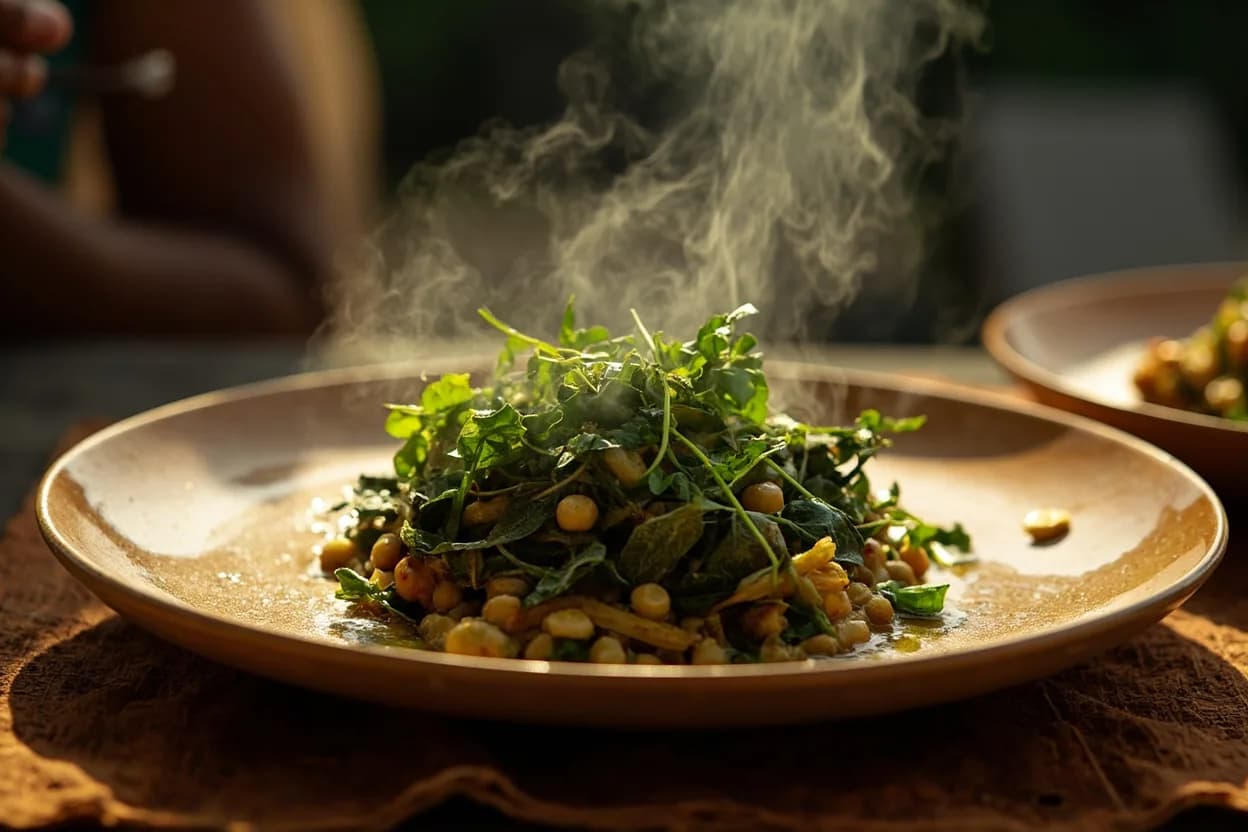
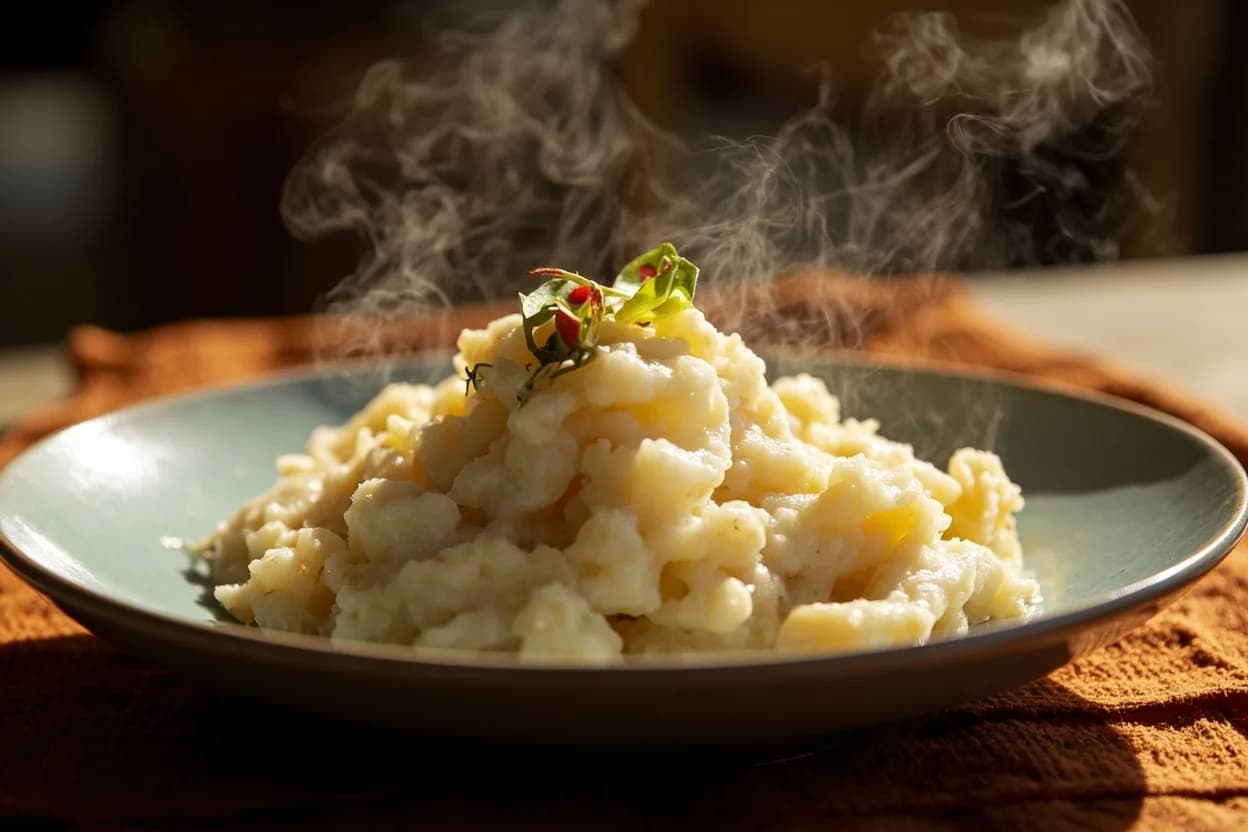
Appears in these dishes
Related
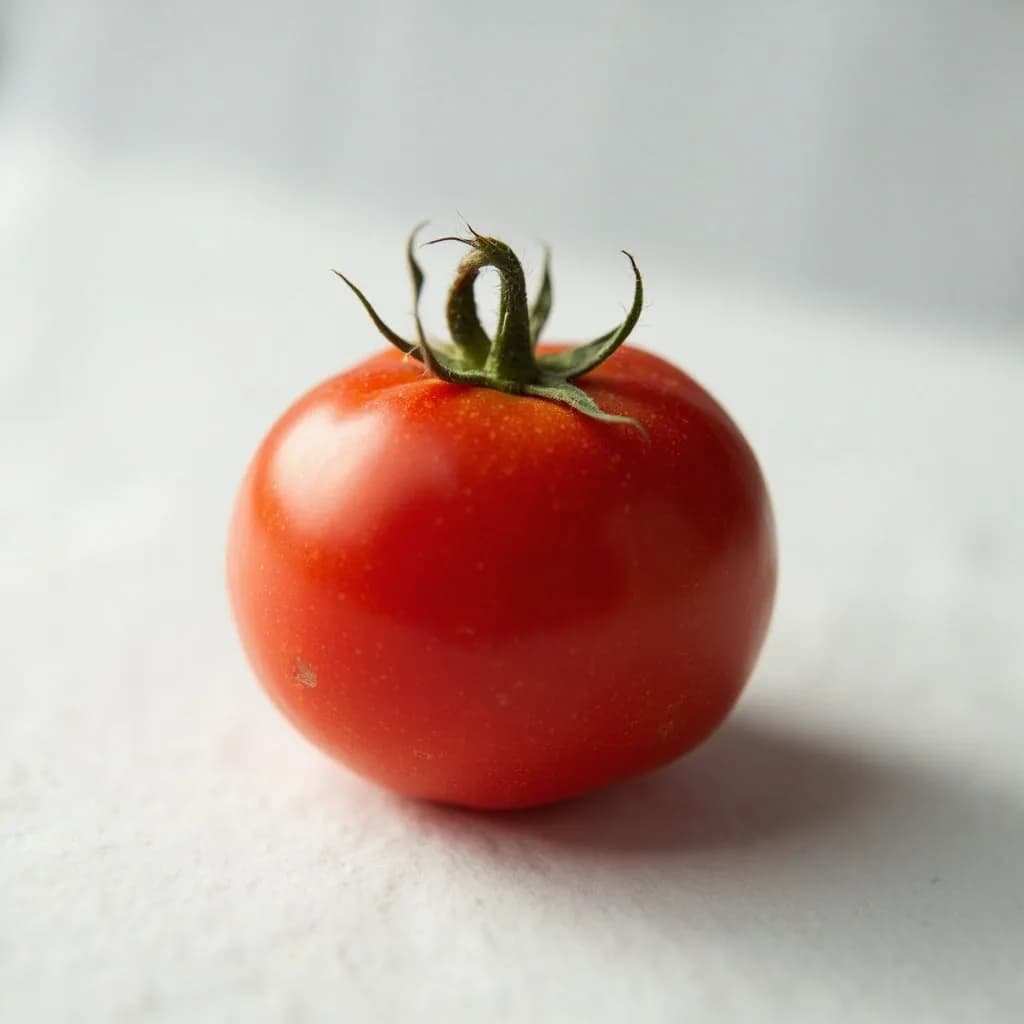
Tomato
Juicy, sun-sweet fruit for sauces, salads, and slow-cooked depth
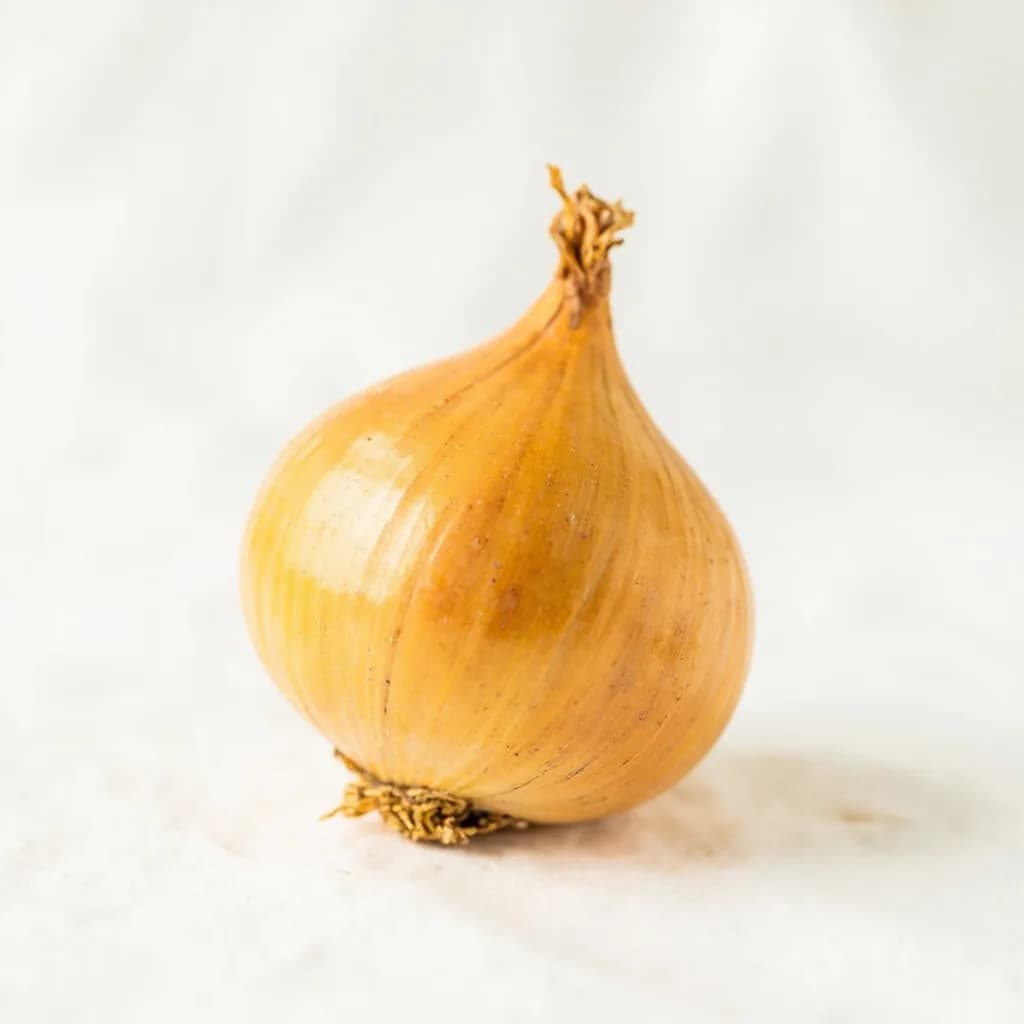
Yellow Onion
The aromatic backbone of soups, sofritos, and braises
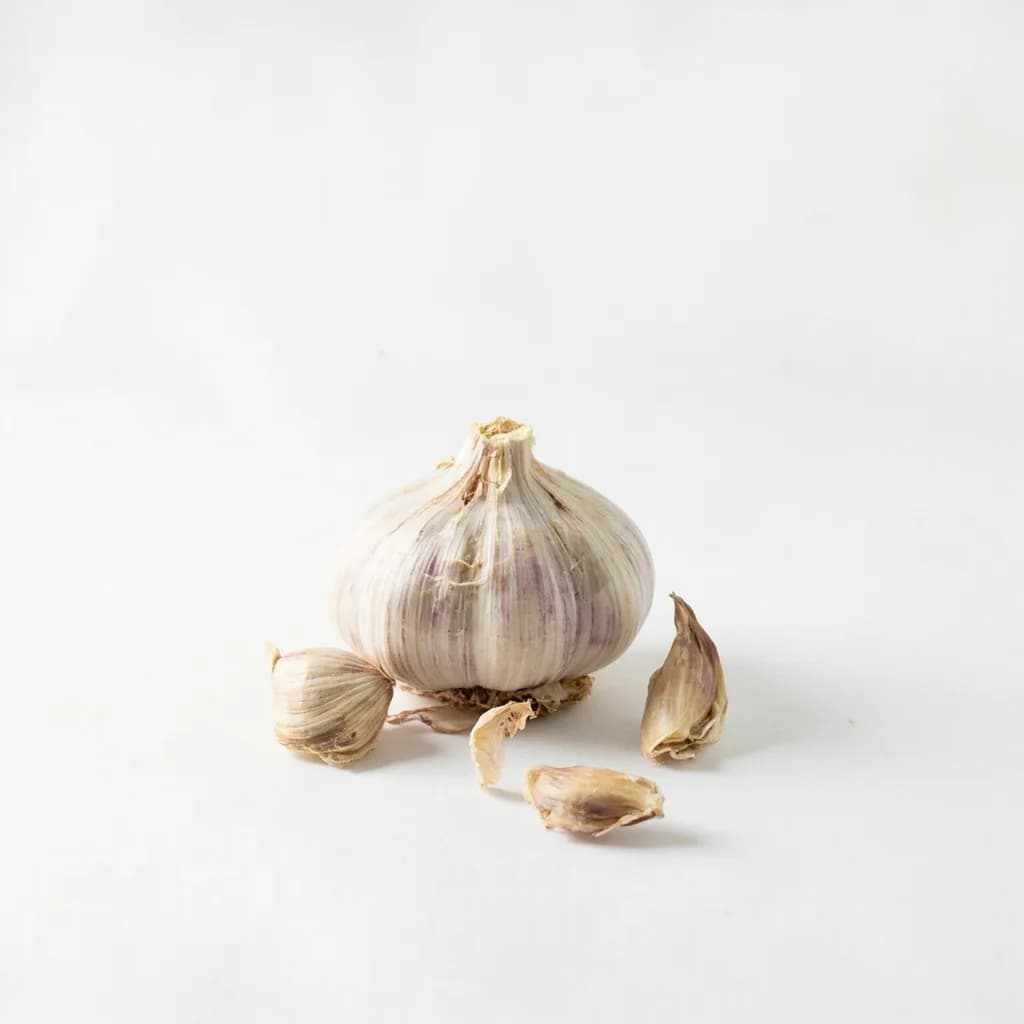
Garlic
Pungent cloves that perfume nearly every savory dish
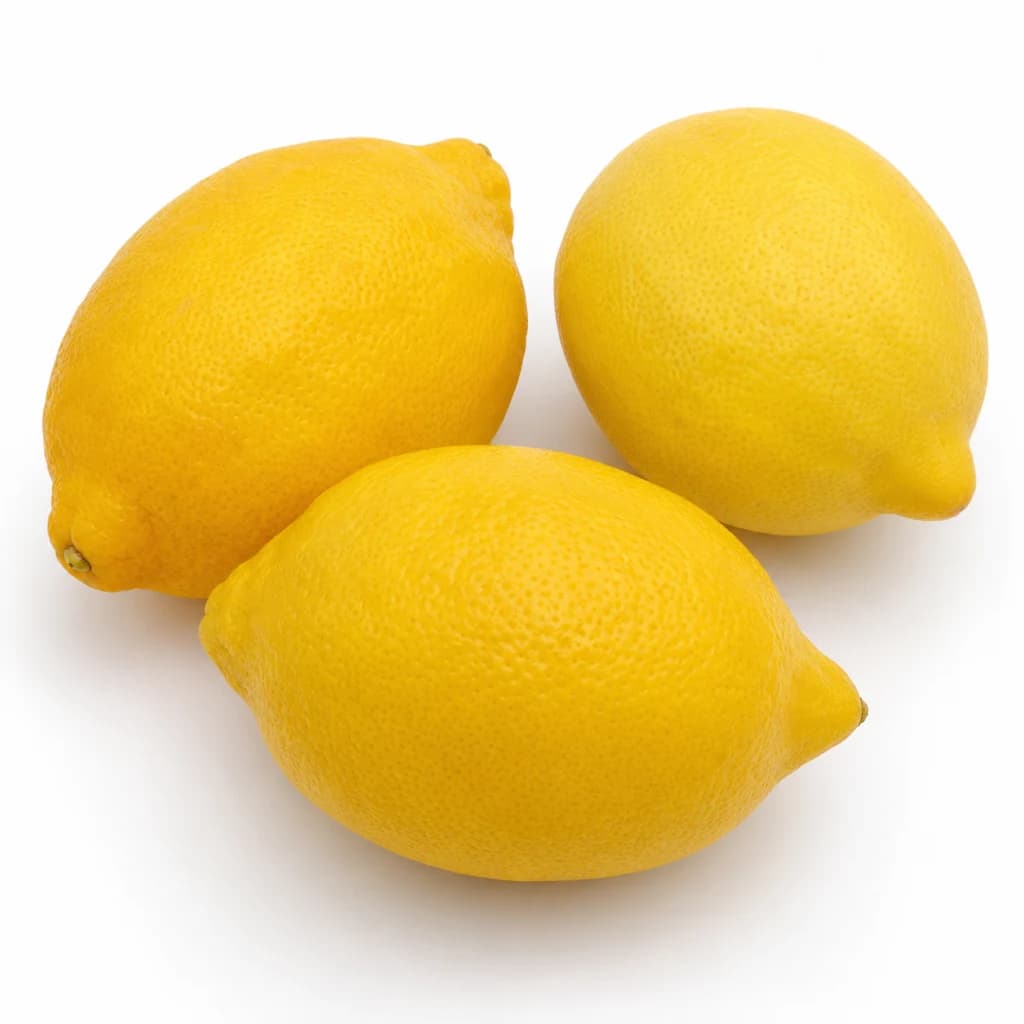
Lemon
Bright, acidic citrus that wakes up almost any dish
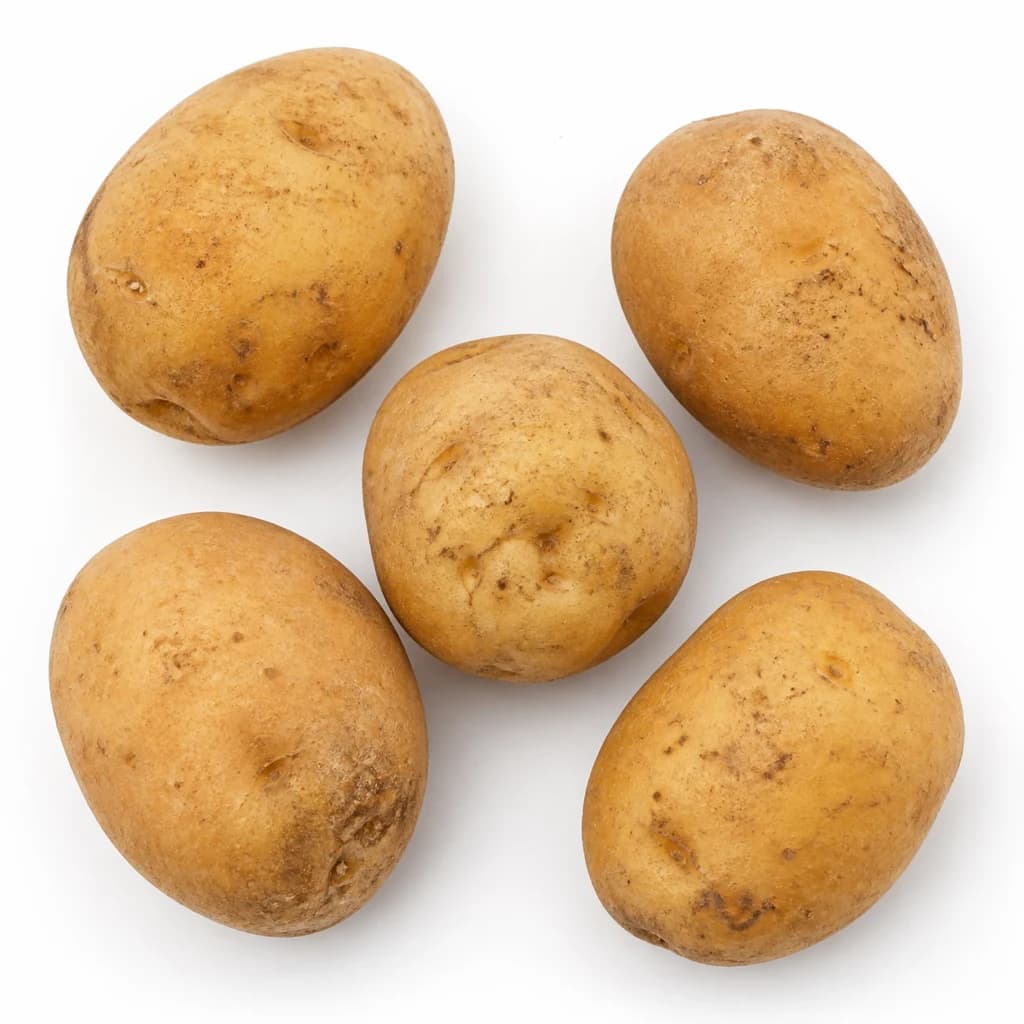
Potato
Humble, hearty staple — roast, mash, fry, or boil
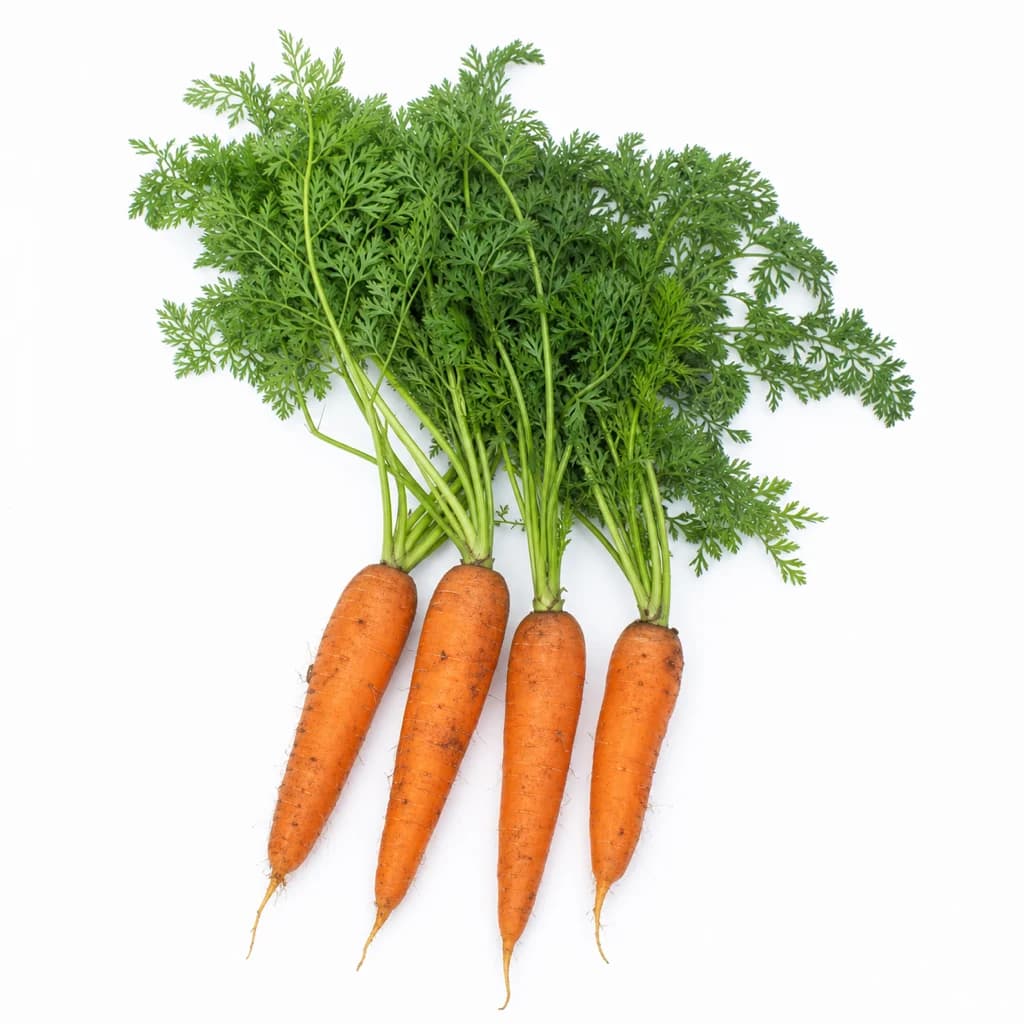
Carrot
Sweet, crunchy root — raw, roasted, or the base of a sofrito
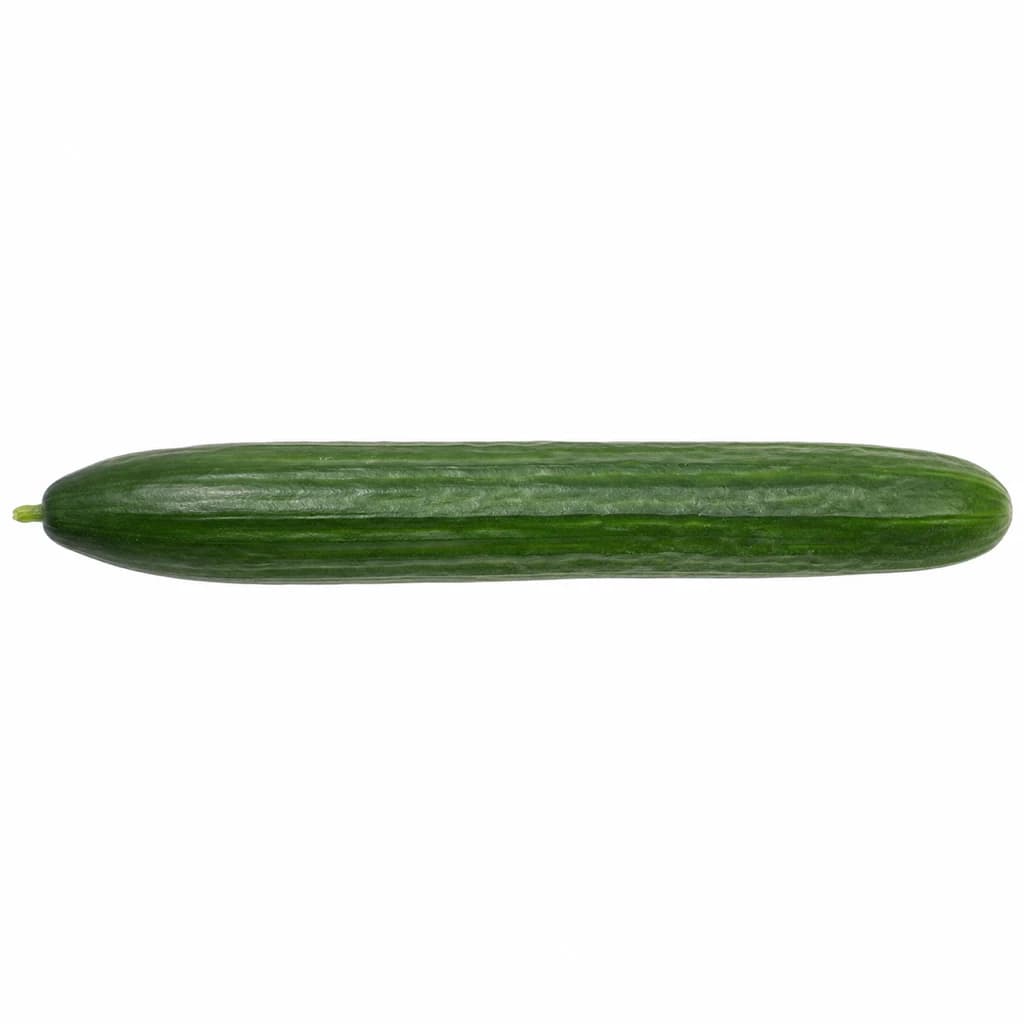
Cucumber
Cool, crisp, and watery — for salads, pickles, and tzatziki

Lettuce
Crisp leaves for salads, wraps, and a fresh crunch