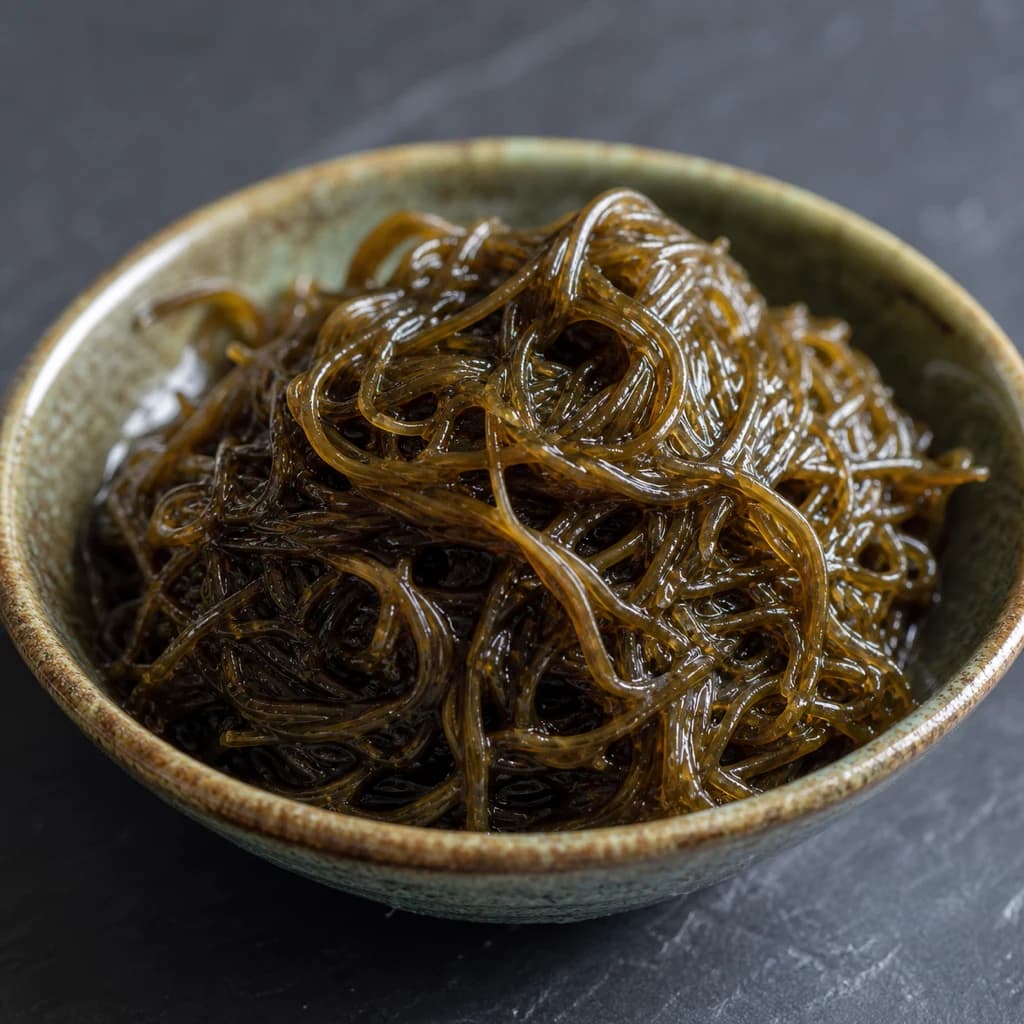
Natural form
Fresh mozuku seaweed: thin, dark brown strands with a characteristically slippery, mucilaginous texture.
Shows the raw ingredient's distinctive fine, tangled strands and wet, dark brown color so readers can recognize it at market or when handling.
Produce
Mozuku Seaweed
Slippery, fine brown seaweed from Okinawa served chilled in vinegar.
Mozuku is a thin, brown, mucilaginous seaweed harvested mainly in Okinawa, Japan. It is most often served chilled as sunomono, dressed in a sweet rice-vinegar sauce, prized for its silky, slippery texture. It can also be added to soups and tempura.
Mozuku (Cladosiphon okamuranus) is a fine-textured brown seaweed cultivated almost exclusively in the warm coastal waters surrounding Okinawa Prefecture, Japan. What distinguishes it from other edible seaweeds is its pronounced slipperiness—this comes from fucoidan, a sulfated polysaccharide also found in kombu that creates a mucilaginous, almost gelatinous coating on each strand when processed or cooked. The commercial product most commonly sold is pasteurized and submerged in a rice vinegar brine, which preserves the delicate strands and gives them their characteristic golden-olive color. The flavor is mild and clean: gentle ocean salinity with a faint sweetness and none of the heavy briny punch of stronger kelp derivatives.
The texture is the defining characteristic. Raw or brined mozuku has a tender, silky quality; the slipperiness intensifies slightly when the seaweed is dressed with vinegar or added to hot dishes. This makes it an excellent textural counterpoint in salads and soups, providing a cooling, palate-cleansing effect alongside richer ingredients. Fresh mozuku (nama-mozuku) has a short harvest season from March through June and is highly perishable; most consumers encounter the shelf-stable, vinegar-brined product, which keeps unopened for 6–12 months at room temperature.
Mozuku is a cornerstone of Okinawan cuisine and a credited component of the region's famed longevity diet. It appears at almost every meal in various forms: dressed as an appetizer, tucked into soups, mixed into salads, or served alongside grilled fish and pork belly. The seaweed is deeply embedded in daily Okinawan cooking rather than reserved for special occasions, which makes understanding its preparation and handling essential for anyone cooking with this ingredient.
- Measured in
- g
- Storage
- Fridge
Types & varieties
The dominant commercial variety; cultivated primarily around Okinawa's main island and Kerama Islands. Most commonly found in Japanese and specialty markets worldwide.
A related species found in New Caledonia and some Pacific waters; less common in Japanese markets. Similar texture and flavor to the Okinawan variety.
Sold fresh in brine; highly perishable; found at specialty Japanese grocers. Has a more delicate texture than the pasteurized product but shorter availability.
Pre-cooked product simmered in sweetened soy sauce until the liquid nearly evaporates. Shelf-stable, ready to eat, with a savory-sweet flavor profile.
Understanding the Slippery Texture
Mozuku's extreme slipperiness is not a flaw—it is the defining characteristic. This comes from fucoidan, a sulfated polysaccharide that coats each strand. The same compound is found in kombu, but mozuku has a higher concentration, giving it a more pronounced gelatinous quality. When dressed with vinegar, this slipperiness becomes the culinary point: it coats the palate, providing a cooling, cleansing effect that balances rich foods like pork belly or fatty fish. Do not try to eliminate the slipperiness; instead, work with it by ensuring the dressing adheres evenly to the strands.
- The slipperiness is caused by fucoidan, a sulfated polysaccharide
- Brine quality matters: look for clear, golden liquid rather than cloudy brine
- The texture is most pronounced when the seaweed is dressed and allowed to rest
Mozuku in the Okinawan Kitchen
In Okinawa, mozuku appears at nearly every meal in some form. The most traditional preparation is su-mozuku: briefly rinsed mozuku dressed with rice vinegar, a small amount of soy sauce, and sometimes mirin. It is served chilled as an appetizer or side dish. Beyond this, mozuku finds its way into soba noodle broths (added at the last moment), tosazuri-style vinegared salads with cucumber and wakame, miso soup for textural contrast, chirashi-zushi (scattered sushi rice bowls), and as a topping for onigiri. The seaweed's mild flavor means it does not overpower other ingredients, while its texture adds interest to otherwise straightforward dishes.
- Su-mozuku (vinegared mozuku) is the most common preparation
- Added to hot dishes in the final minute only to preserve texture
- Often served alongside umibudo (sea grapes) in Okinawan appetizer assortments
Common uses
Tips & pitfalls
- Always rinse brined mozuku briefly under cold water—30 seconds maximum—to remove excess salt and any residual sand without stripping flavor.
- Do not soak for extended time; over-rinsing removes the brine's subtle seasoning and the fucoidan layer that gives mozuku its character.
- For vinegared serving, let dressed mozuku rest 5–10 minutes before serving so the vinegar penetrates the strands evenly and the slipperiness integrates with the dressing.
- If commercial brine tastes too salty, dilute it slightly with water or additional rice vinegar rather than rinsing the seaweed again.
- Add mozuku to hot dishes (soups, noodle broths) only in the final minute of cooking—overcooking turns it mushy and eliminates the delicate texture.
- Store opened mozuku fully submerged in its original brine; exposure to air causes oxidation and discoloration.
- When purchasing, choose products with clear, golden brine rather than cloudy liquid, which indicates age or improper storage.
- For tsukudani-style preparations, simmer gently until the cooking liquid is nearly evaporated to achieve proper texture consolidation and flavor adherence.
Nutrition
Energy
205 kJ · per 100 g
Where the calories come from
Protein
1.5g
3% DV
Carbs
12.3g
4% DV
Fat
0.2g
0% DV
Fiber
1.3g
5% DV
Sugars
0.6g
of which
Sodium
67mg
3% DV
Source · USDA FoodData Central · approx. Seaweed, irishmoss, raw
View on FDC →In the shops
Matched grocery products
No matched grocery products for Mozuku Seaweed yet.
Good to know
- Scientific name
- Cladosiphon okamuranus
- Primary origin
- Okinawa Prefecture, Japan (nearly 100% of commercial production)
- Cultivation method
- Net cultivation in coastal waters
- Harvest season
- March–June (spring to early summer)
- Physical form
- Thin, wispy golden-brown to dark olive strands, 20–50 cm long when fresh
- Typical retail format
- Pasteurized in vinegar brine (jars/tubs); also sold fresh in brine
- Flavor
- Mild ocean salinity, faint sweetness, clean finish
- Shelf life (opened)
- 2–4 weeks refrigerated, fully submerged in brine
- Cultural significance
- Staple of Okinawan cuisine; part of the Okinawan longevity diet
- Special property
- High fucoidan content creates pronounced slipperiness (mucilaginous texture)
Substitutes
- Mekabu (wakame flower/root) — Shares the slippery texture and similar ocean flavor; slightly stronger taste; available fresh or dried at Japanese markets.
- Wakame (young kombu fronds) — Softer, less gelatinous texture but acceptable substitute for salads and soups; more widely available in most grocery stores.
- Hijiki — Not slippery; has an earthy, firmer texture. Not a direct textural substitute but works in similar savory applications.
- Simmered and cooled kombu — Simmer kombu in water, cool, and use the resulting gelatinous liquid with chopped seaweed for a makeshift mozuku-style dish when unavailable.
Pairs with
Also called
Mozuku · Okinawa Mozuku
Related
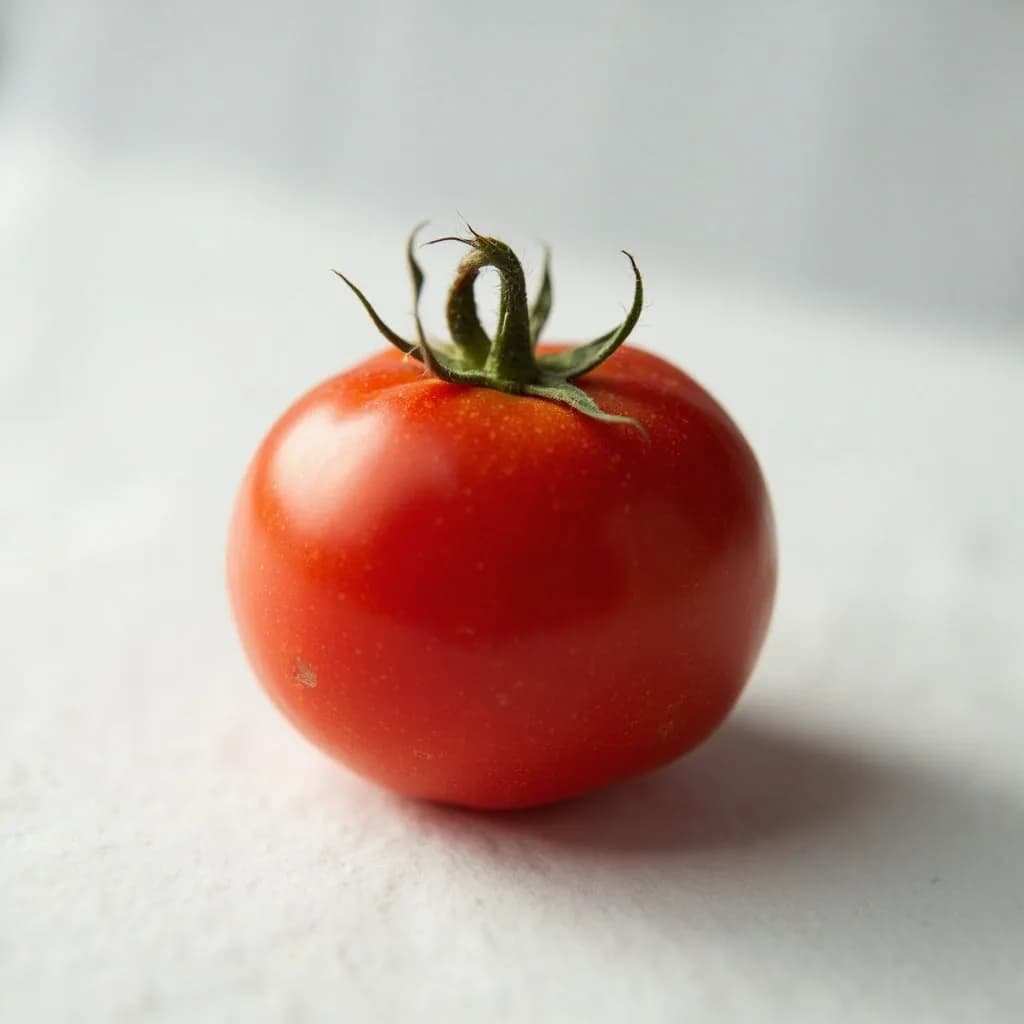
Tomato
Juicy, sun-sweet fruit for sauces, salads, and slow-cooked depth
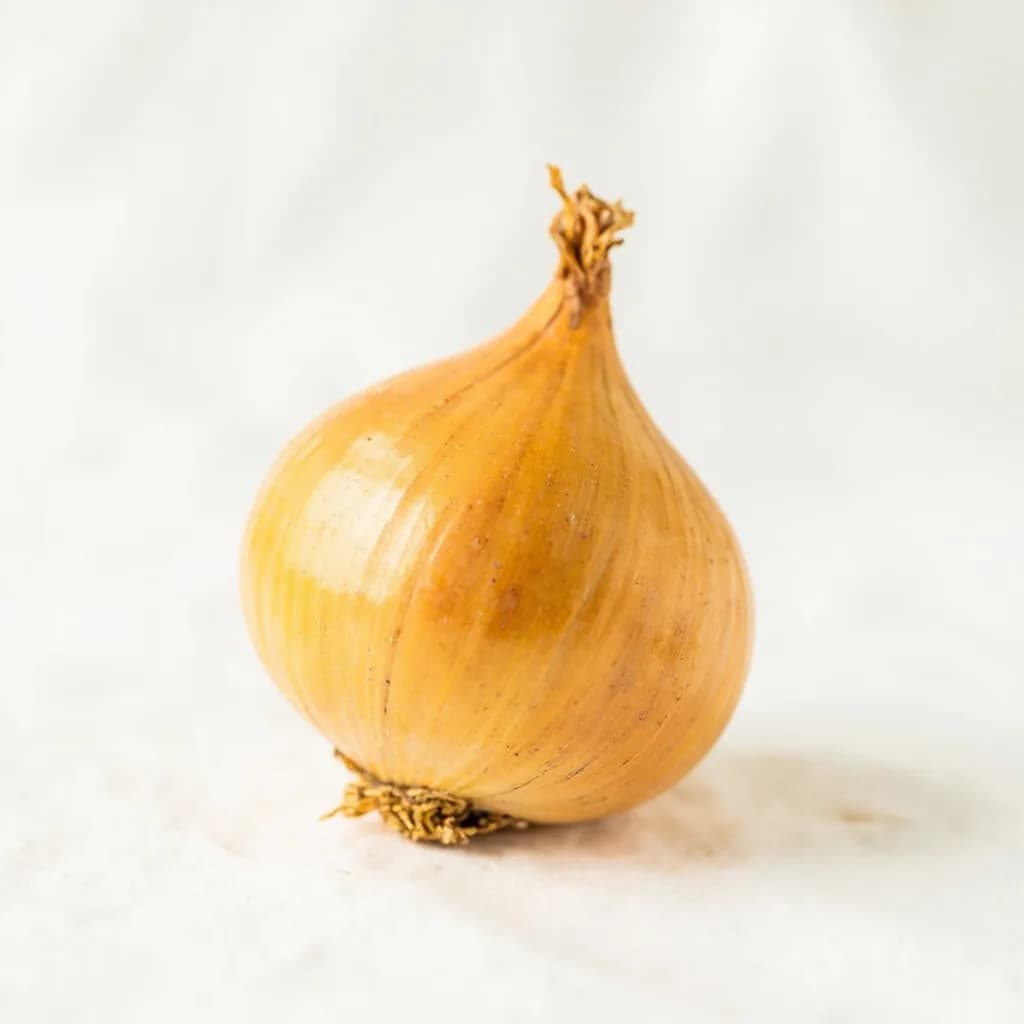
Yellow Onion
The aromatic backbone of soups, sofritos, and braises
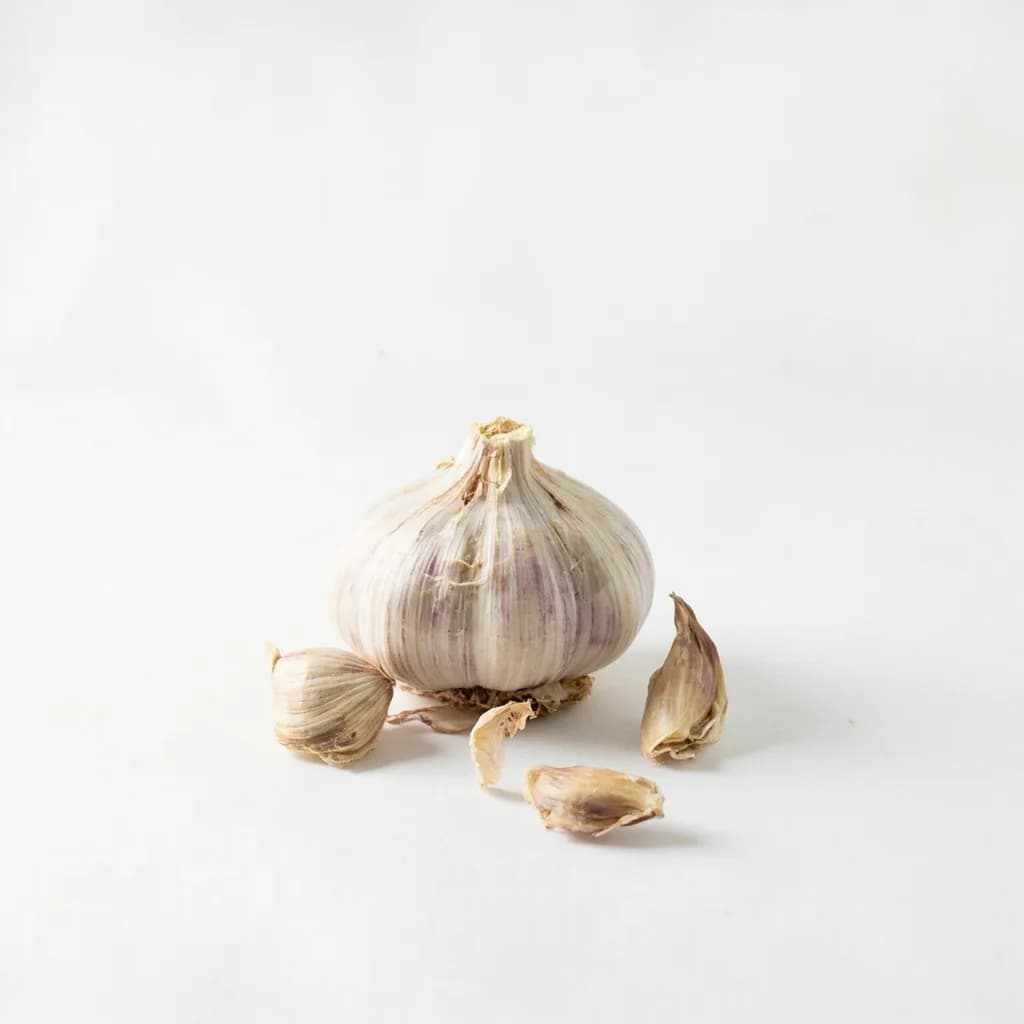
Garlic
Pungent cloves that perfume nearly every savory dish
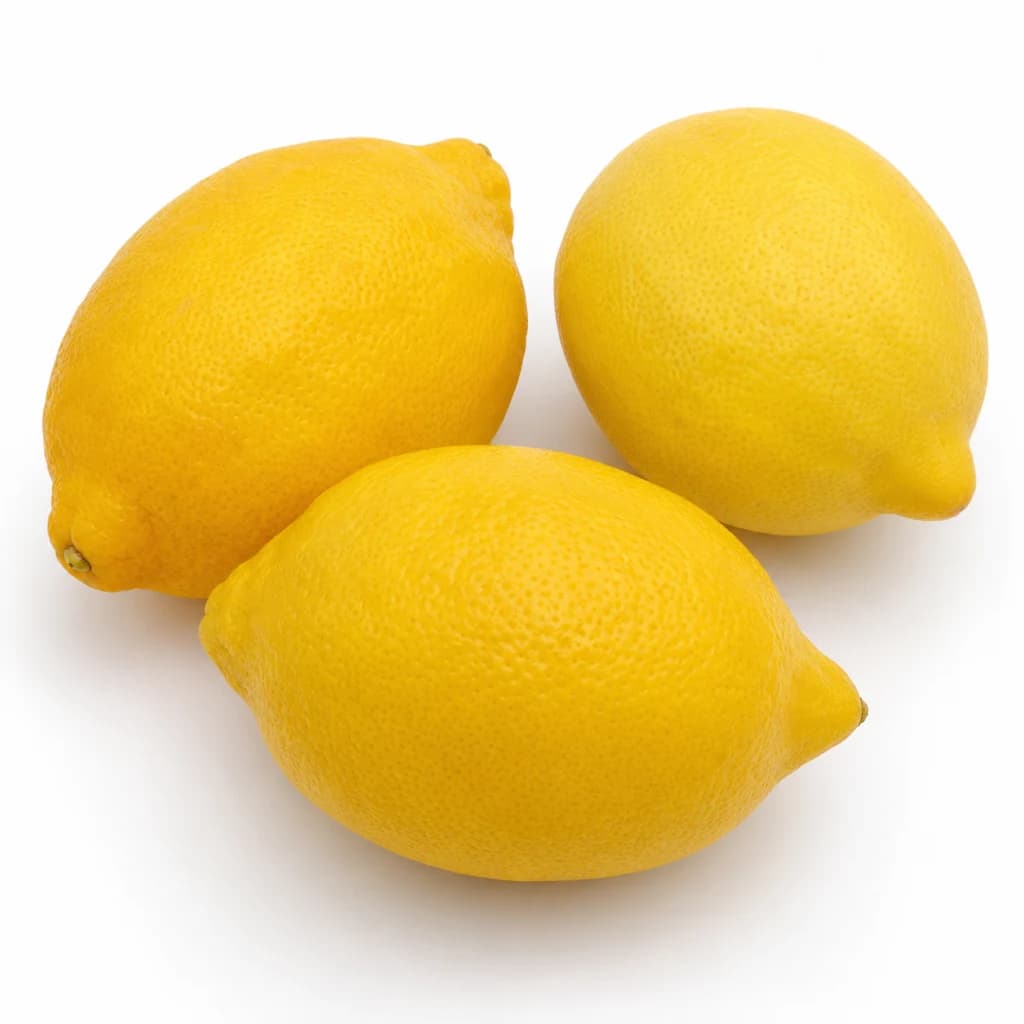
Lemon
Bright, acidic citrus that wakes up almost any dish
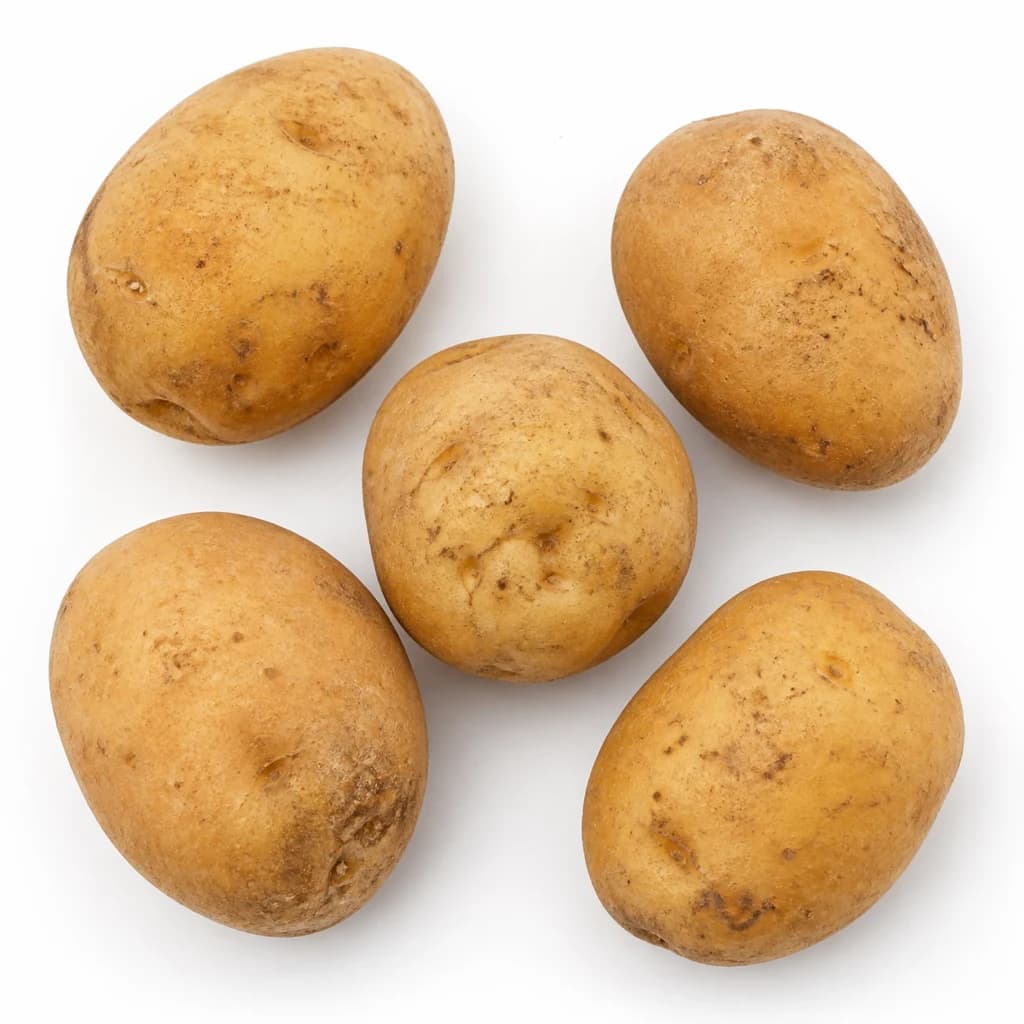
Potato
Humble, hearty staple — roast, mash, fry, or boil
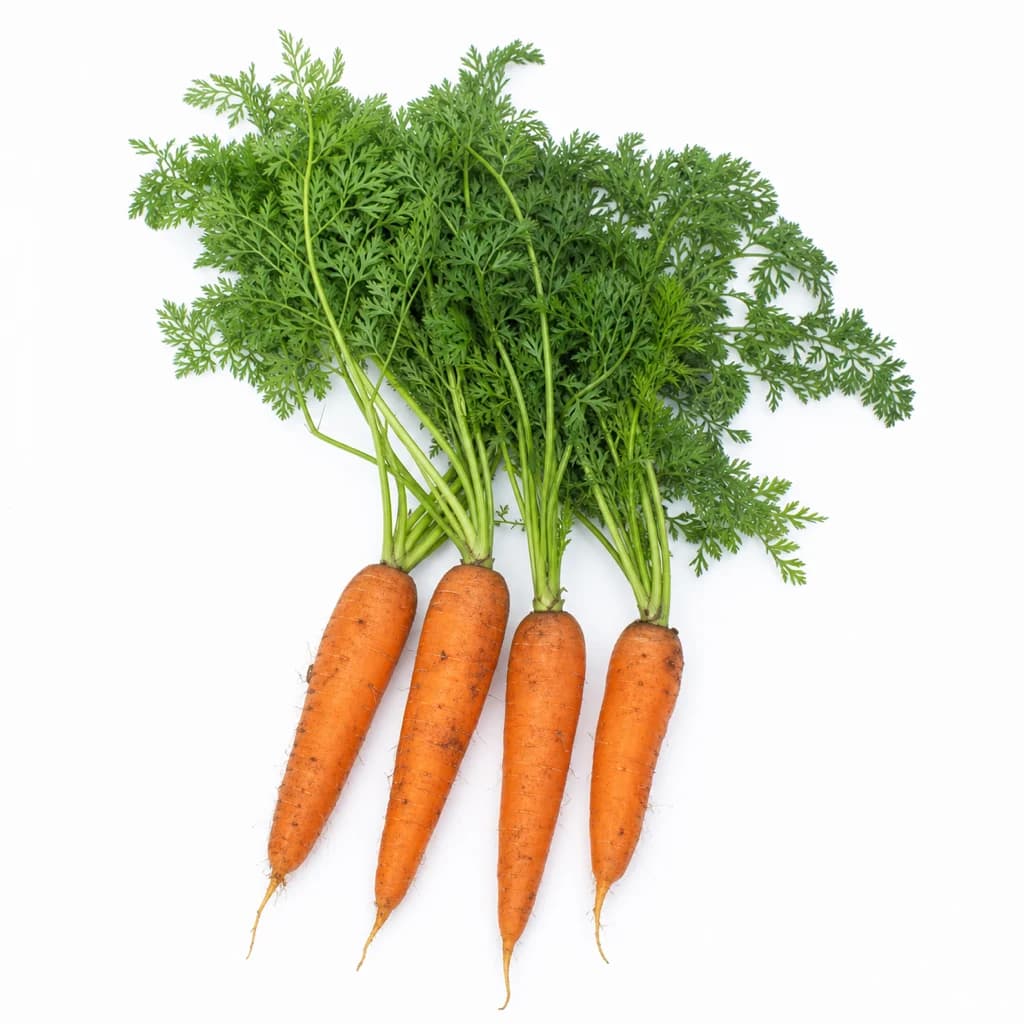
Carrot
Sweet, crunchy root — raw, roasted, or the base of a sofrito
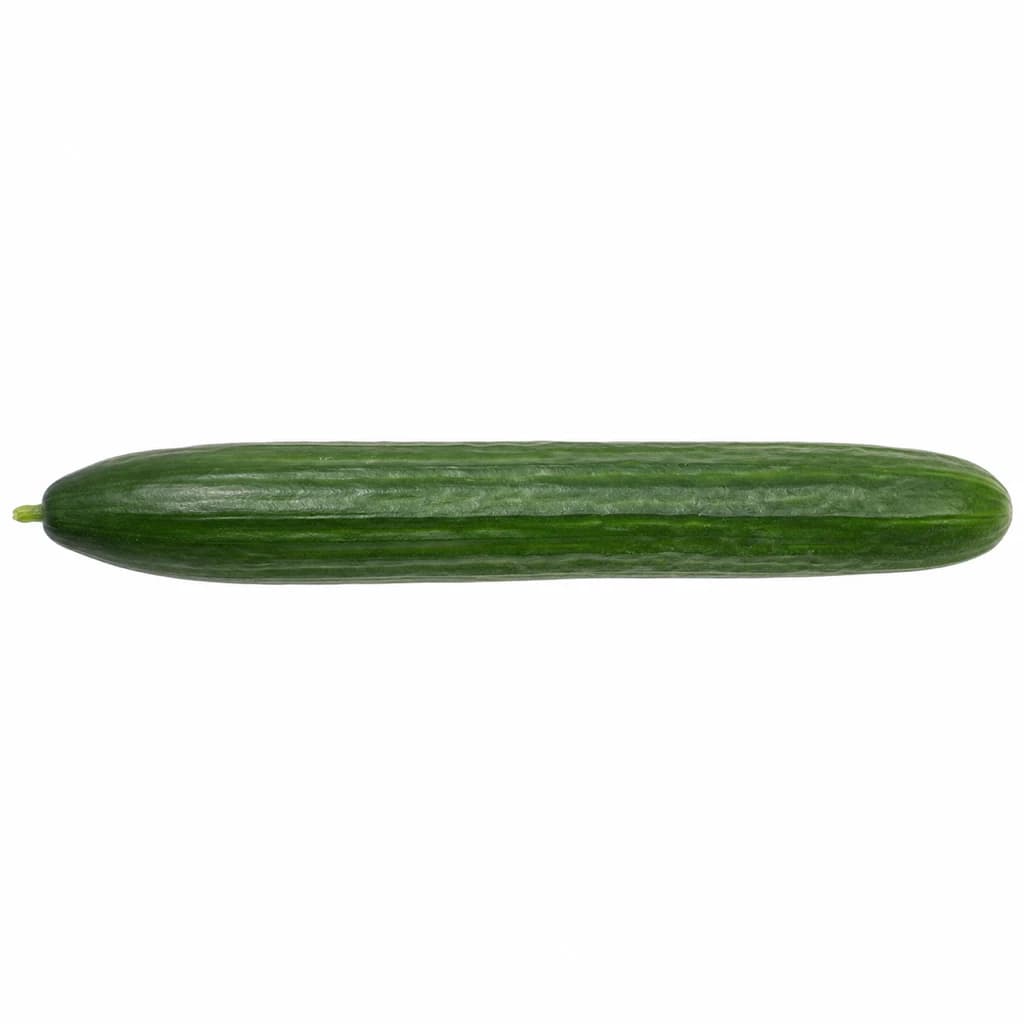
Cucumber
Cool, crisp, and watery — for salads, pickles, and tzatziki

Lettuce
Crisp leaves for salads, wraps, and a fresh crunch