Dairy & Eggs
Nabulsi Cheese
Palestinian white brined cheese flecked with nigella and mastic, fried or used in the sweet knafeh.
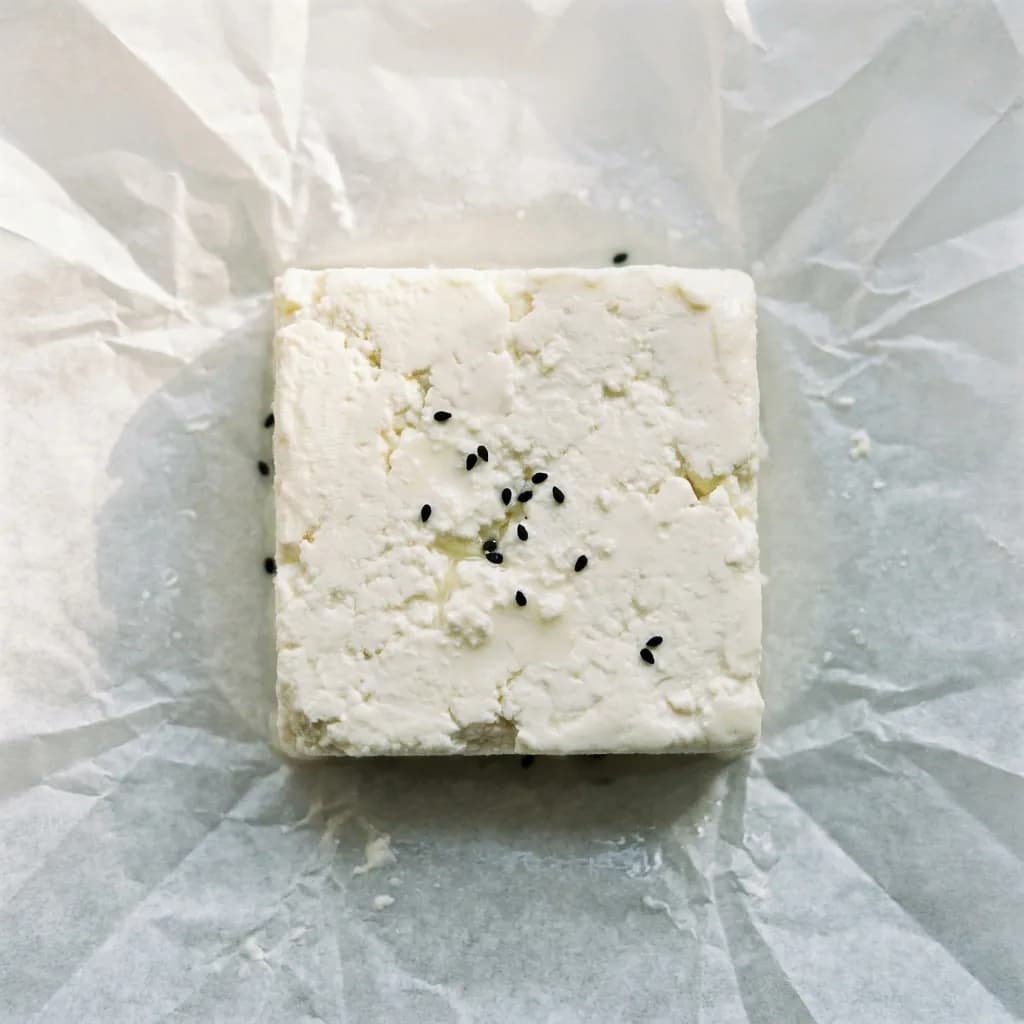
Nabulsi is a white, semi-hard brined cheese from Nablus in Palestine, traditionally made from sheep's or goat's milk and flavored with nigella seeds and mastic. It is salty and springy and can be sliced and fried, eaten fresh, or desalted and melted into the famous knafeh dessert. Boiling in brine gives it a firm, slightly stretchy texture.
Nabulsi cheese is a traditional Palestinian white brined cheese originating from Nablus in the West Bank, representing one of the oldest and most celebrated cheese-making traditions of the Levant. Made primarily from sheep's milk, sometimes with goat's milk added, it is distinguished by the incorporation of nigella seeds and mastic resin — an aromatic duo that sets it apart from every other white brined cheese in the region. The cheese is stored and sold submerged in brine, which preserves it while allowing the flavors to develop and mellow over time. When cooked, Nabulsi's high melting point allows it to hold its shape remarkably well, developing a golden crust while the interior becomes soft and yielding — a quality that makes it indispensable for the iconic Palestinian dessert knafeh and prized for fried appetizers. Its role in Palestinian cuisine extends beyond a mere ingredient; it is a cultural touchstone, and passionate debates about its quality and authenticity reflect how deeply it is woven into the region's culinary identity.
- Measured in
- g
- Storage
- Fridge
Allergens
Types & varieties
Standard version with nigella seeds; the most common and authentic variety
Includes mastic tears alongside nigella; adds a faint piney, aromatic note
Without added spices; less traditional but used when the plain cheese flavor is desired
Cold-smoked over oak or fruitwood; a modern variation found in some markets
Knafeh and the Pride of Nabulsi
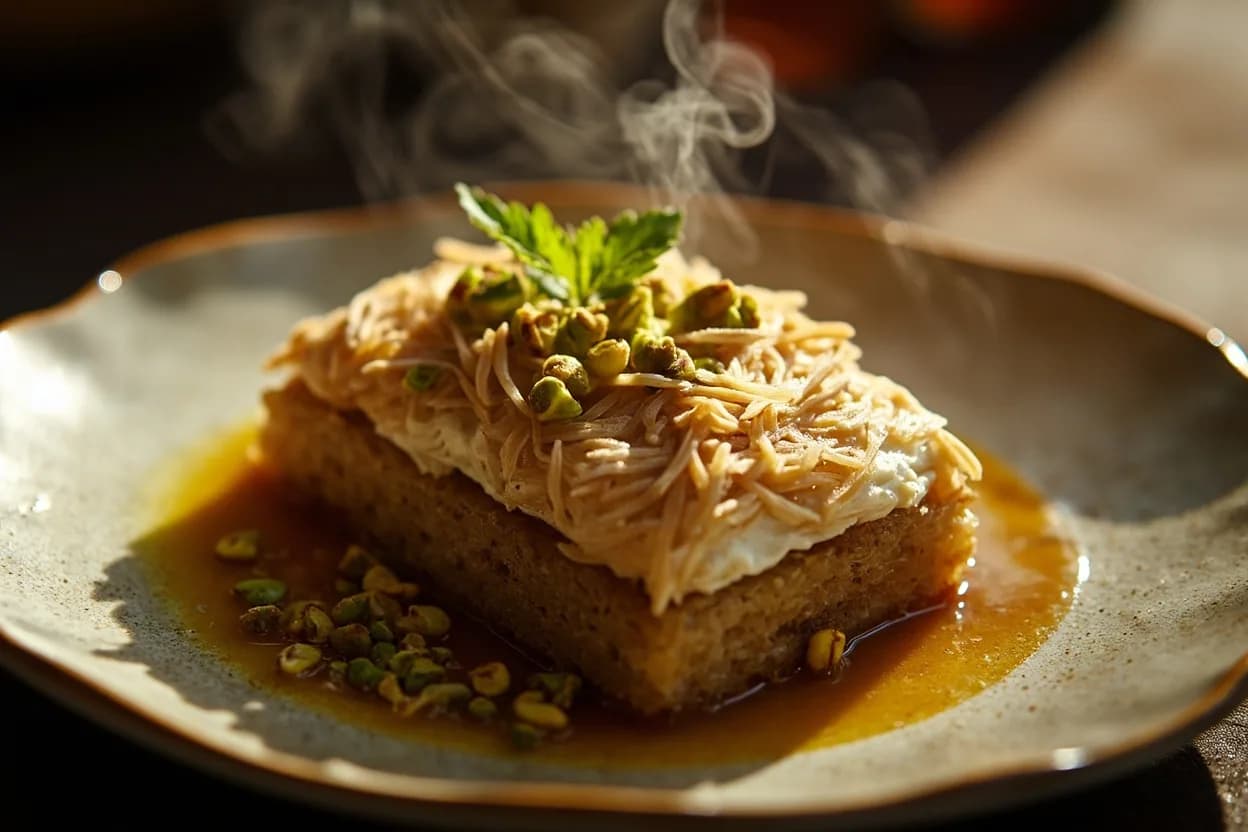
The relationship between Nabulsi cheese and knafeh is inseparable in Palestinian cuisine. When kataifi pastry is stretched over a bed of molten Nabulsi, baked until the cheese softens and the pastry turns golden and crisp, then drenched in orange blossom or rose water syrup, the result is more than a dessert — it is a statement of culinary identity. The best Nabulsi for knafeh has a slight chew that holds its own against the sweet syrup, the nigella provides gentle bites of flavor, and the mastic gives an almost imperceptible floral-resinous note that no other cheese can replicate. When purchasing Nabulsi for knafeh, choose cheese that is uniformly white without gray or yellowing, and ensure the brine is clear. If purchasing from a Middle Eastern or specialty grocer, ask for the production date — fresher Nabulsi has a cleaner, sweeter milk flavor while aged versions in brine develop a more pronounced tang.
- Fresher cheese: cleaner, sweeter milk flavor
- Aged in brine: more pronounced tang
- Avoid: gray or yellowing, cloudy brine
Common uses
Tips & pitfalls
- Bring cheese to room temperature 30 minutes before cooking; cold cheese steams rather than fries and won't develop a proper crust.
- Test oil temperature with a dry corner of cheese — it should sizzle vigorously on contact but not spatter violently.
- Do not over-crowd the pan when frying; maintain oil temperature by cooking in batches.
- For fried Nabulsi, slice thickly (1.5–2 cm); thin slices dry out before the interior softens.
- Store in original brine; if brine becomes cloudy, dissolve 1 tbsp salt per cup of water and submerge cheese completely.
- Avoid rinsing or soaking the cheese unless a milder flavor is specifically desired; this removes valuable salt and can cause it to fall apart.
- When using in knafeh, the cheese layer should be hot enough to melt but not so hot that it becomes stringy — watch for the cheese to turn translucent at the edges.
Nutrition
Energy
1628 kJ · per 100 g
Where the calories come from
Protein
25.6g
51% DV
Carbs
1.6g
1% DV
Fat
31.1g
40% DV
Fiber
0g
0% DV
Sugars
1.6g
of which
Sodium
800mg
35% DV
Source · USDA FoodData Central · approx. Cheese, fontina
View on FDC →In the shops
Matched grocery products
No matched grocery products for Nabulsi Cheese yet.
Good to know
- Origin
- Nablus, West Bank, Palestine; one of the oldest and most celebrated cheeses of the Levant
- Milk
- Traditionally sheep's milk; sometimes goat's milk or a blend
- Texture
- Semi-hard, firm but yielding; holds shape when fried due to high melting point
- Key Aromatics
- Nigella seeds (black seeds) and mastic resin; these distinguish it from other white brined cheeses
- Color
- White to ivory, with visible black nigella flecks throughout
- Brine
- Stored and sold in salted brine; preserves the cheese and allows flavors to develop over time
- Shelf Life
- Months in sealed brine; refrigerate after opening and use within 2–3 weeks
- Traditional Form
- Sold in logs, rounds, or rectangular blocks submerged in brine
- Fat Content
- Typically 25–30% fat in full-fat versions; reduced-fat versions exist
Substitutes
- Akkawi — The closest substitute; similar texture and mild flavor, though lacks nigella and mastic. Use 1:1 and add crushed nigella seeds and a pinch of mastic if desired.
- Halloumi — Firm enough to fry, but saltier and more rubbery. Not ideal for knafeh but workable for fried appetizer applications.
- Lebanese White Cheese (Aeer) — Similar brined white cheese; lacks the aromatic elements. Adjust seasoning accordingly.
- Feta — Too crumbly and tangy; not a direct substitute for frying or knafeh, though acceptable in salads.
- Queso Blanco — Good frying qualities but no saltiness or aromatic components; use as a blank canvas and season.
Pairs with
Also called
nabulsi · nablus cheese · jibneh nabulsieh
Appears in these dishes
Related

Whole Milk
Rich, full-fat milk for drinking, coffee, sauces, and baking
Butter
Golden fat for searing, baking, and finishing a sauce
Yogurt
Tangy, creamy culture for breakfast, sauces, and marinades
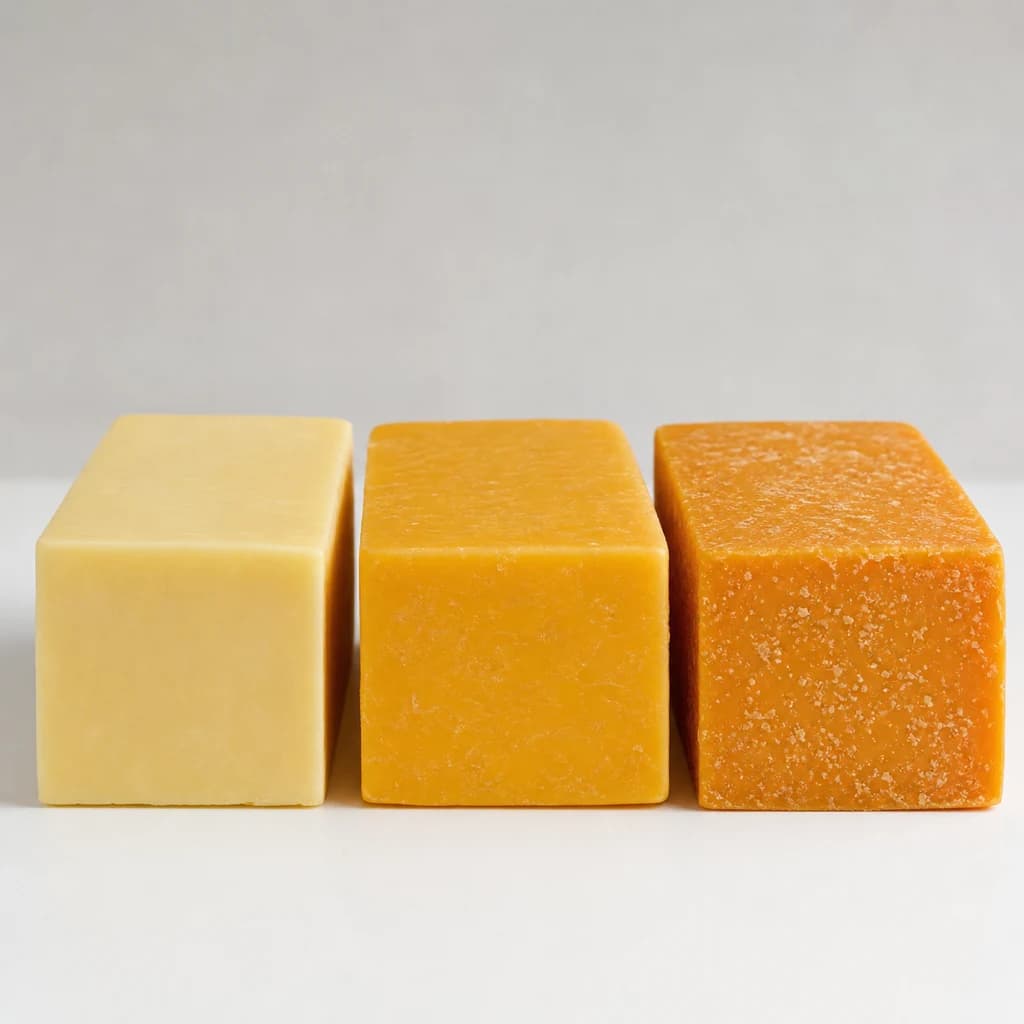
Cheddar Cheese
Sharp, melty cheese for sandwiches, gratins, and grating
Skim Milk
Fat-free milk for lighter drinking, coffee, and cooking
Heavy Cream
Rich cream that whips, enriches sauces, and sets ganache

Sour Cream
Tangy, thick cream for dolloping, baking, and dips
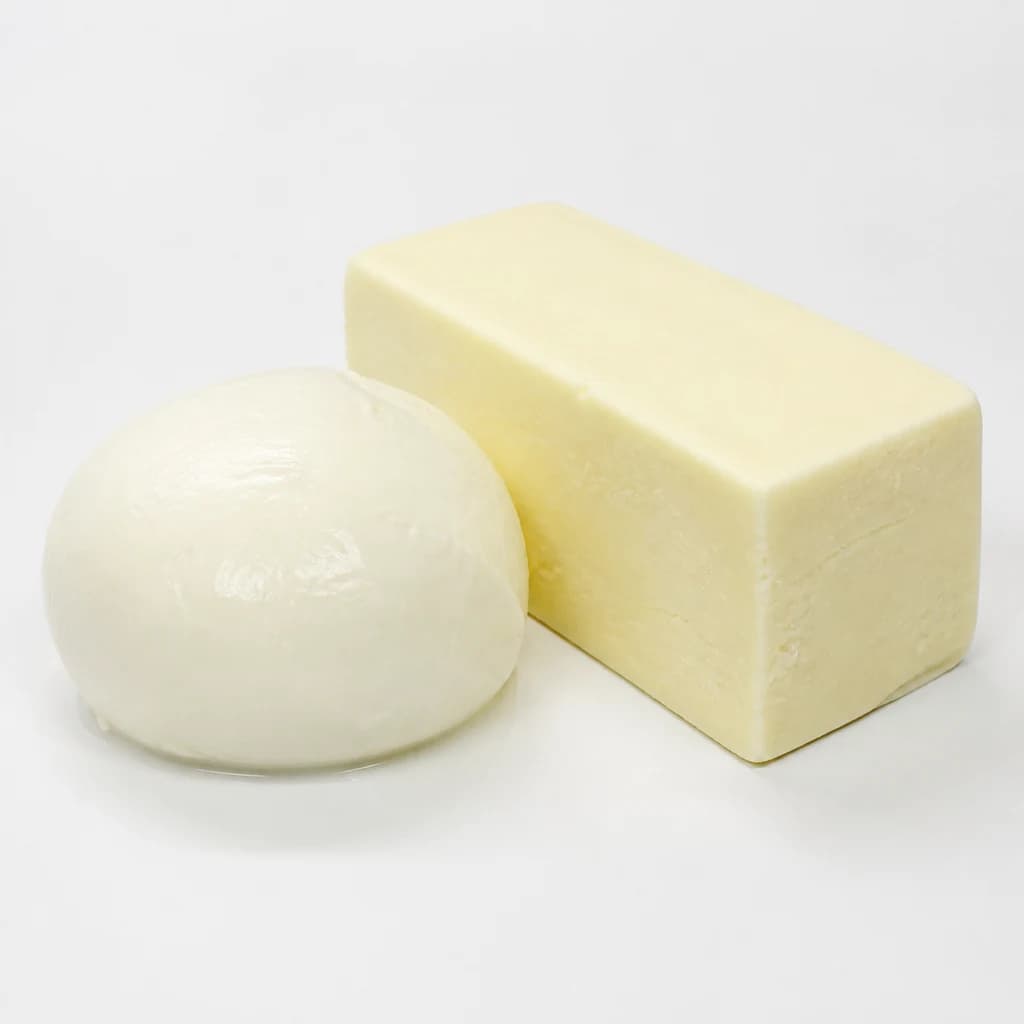
Mozzarella
Soft, milky cheese that melts into stretchy pizza pulls