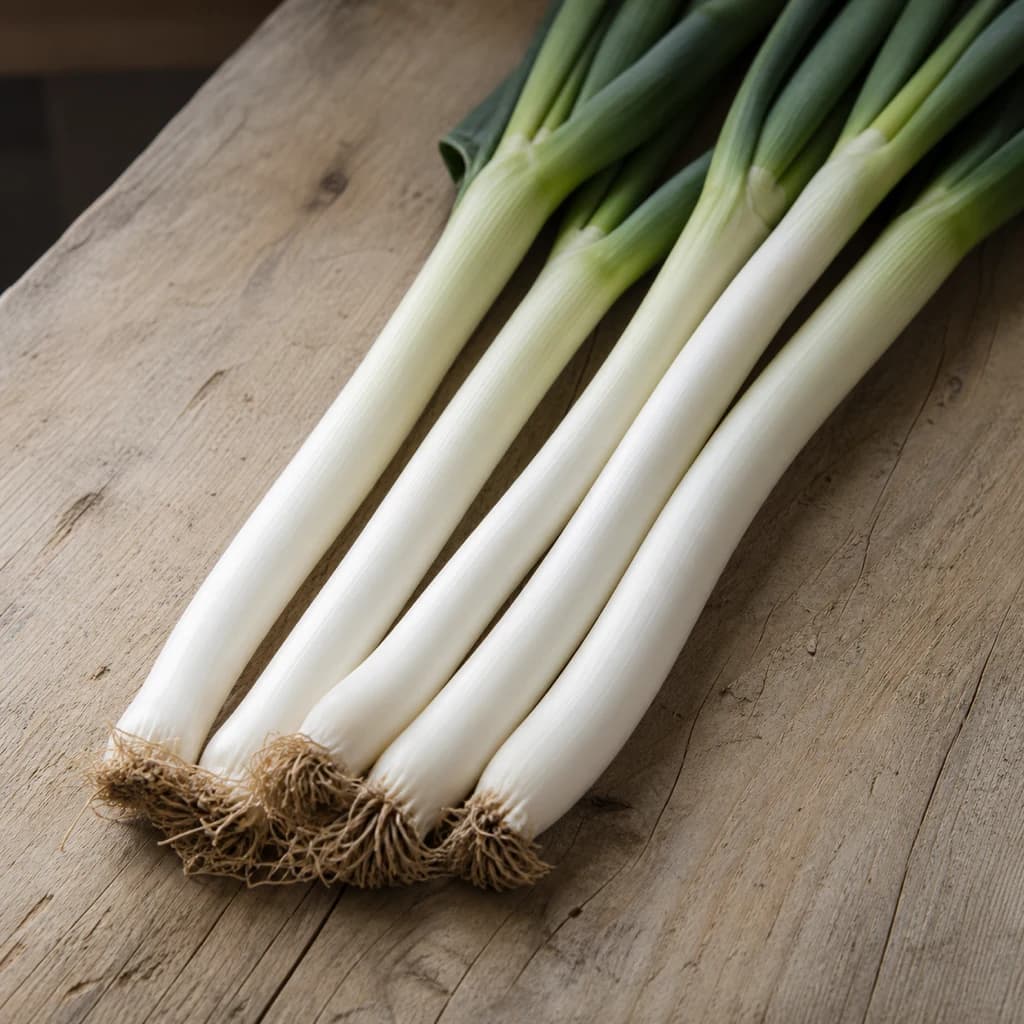
Natural form
Whole naganegi: long white stalk with dark green tops, harvested fresh.
Shows the ingredient's full, unmistakable form — the elongated white shaft and green leaves that distinguish naganegi from Western onions.
Produce
Naganegi (Japanese Long Onion)
Thick Japanese long onion with mild flavor, used in hot pots, soups, and grilling.
Naganegi is a thick Japanese long onion (a type of Welsh onion) with a long white stalk and green tops. The mild, slightly sweet white part is sliced into miso soup, hot pots, and stir-fries, or grilled until tender as in negima yakitori. It is milder and softer-cooking than a Western leek.
Naganegi, the Japanese long onion, belongs to the species Allium fistulosum—botanically the same as Welsh onions—but represents a distinctly thicker, longer, and sweeter cultivar bred specifically for Japanese cuisine. Where Western green onions serve primarily as a finishing garnish, naganegi takes center stage as a substantial vegetable in its own right, with a white shank that can reach 25 centimeters long and nearly two centimeters thick. The plant grows with a characteristic upright habit, the dark green tops remaining crisp and fibrous while the submerged white portion develops a tender, succulent quality. This duality—one end yielding sweet, caramelized flesh, the other providing fresh bite—makes naganegi uniquely versatile across the full range of Japanese cooking, from raw garnish to long-simmered soups.
In Japanese cooking tradition, naganegi is not an afterthought but a foundation. The thick white shank—sometimes called negi-dake (bamboo-like negi) for its substantial size—provides textural satisfaction when grilled, simmered, or charred, and its ability to absorb surrounding flavors makes it essential in broths and braises. The green tops, while tougher, offer a pleasant snap when sliced raw and a mellow sweetness when briefly cooked. This vegetable moves seamlessly between haute kaiseki presentations and humble everyday pots of misoshiru.
When cooked, naganegi undergoes a remarkable transformation: the sharp onion bite softens into something almost sugary, and the white shank becomes silky and sweet, particularly when charred over high heat or slowly caramelized. This behavior differs markedly from yellow onions, which become sweeter through enzymatic conversion, and from leeks, which retain a more assertive allium character. Understanding this transformation is key to using naganegi well—it rewards patience and higher heat in a way that makes it indispensable for Japanese grilled dishes and the essential nabe-style hot pots that define winter dining.
- Measured in
- piece
- Storage
- Fridge
Types & varieties
Thick-stalked variety from Ishikawa Prefecture; prized for its large white shank and exceptionally sweet flavor
More mature naganegi with darker green tops; same botanical profile, deeper flavor from longer growth
Traditional naganegi type associated with Kyoto cuisine; known for delicate balance of sweetness and mildness
Selecting and Storing
Choose naganegi with bright, vibrant green tops and a firm, unblemished white shank. Avoid any with wilted leaves, yellowing tips, or soft spots on the shank. The white portion should feel heavy for its size, indicating good moisture content. For the sweetest flavor, seek out locally grown naganegi in late autumn through winter, when cooler temperatures concentrate natural sugars. Store unwashed in the refrigerator vegetable drawer, loosely wrapped in a damp paper towel inside a perforated bag. The shank will stay fresh for 5–7 days. Wash just before use—excess moisture accelerates spoilage. If the green tops begin to wilt but the shank remains firm, trim the tops and continue using the white portion, which has the most culinary value anyway.
- Look for firm, heavy shanks with vibrant green tops
- Winter-grown naganegi offers the sweetest, most tender flesh
- Store unwashed; wash only before cutting
- Loosely wrap in damp paper towel inside a perforated bag
Preparation Techniques
The way you cut naganegi matters significantly. For soups and braises, cut into thin rounds or half-moons to maximize surface area—this allows the shank to release its sweetness into the cooking liquid and absorb surrounding flavors. For grilling, make a shallow longitudinal slit through the center of the shank without cutting through, then gently separate the layers to allow heat to penetrate evenly; this prevents the thick center from staying raw while the outside chars. For raw garnishes, slice at a sharp angle (45 degrees or steeper) to create attractive pieces with maximum surface area. The green tops are typically sliced thinly against the grain for raw use, or cut into longer pieces for cooked applications where their structure can hold up.
- Angle cuts release more sweetness in soups and braises
- Split layers before grilling to ensure even cooking
- Slice green tops thinly for raw garnish; larger pieces when cooking
Common uses
Tips & pitfalls
- Cut naganegi at a sharp angle to increase surface area—this releases more sweetness and looks better in presentations
- The white shank caramelizes beautifully when cooked longer than you expect; don't rush it for optimal sweetness
- For grilling, separate layers slightly with a knife before threading to allow heat to penetrate evenly throughout the thick shank
- In misoshiru, cut the naganegi into thin rounds or half-moons; it cooks quickly and absorbs dashi well
- Do not overcook the green tops—they become waterlogged and lose their pleasant bite
- Store unwashed in the vegetable drawer; wash just before use to prevent premature spoilage
- When a recipe calls for 'negi' in Japanese cooking, naganegi is the intended variety, not thin scallions
Nutrition
Energy
167 kJ · per 100 g
Where the calories come from
Protein
1.1g
2% DV
Carbs
9.3g
3% DV
Fat
0.1g
0% DV
Fiber
1.7g
6% DV
Sugars
4.2g
of which
Sodium
4mg
0% DV
Source · USDA FoodData Central · approx. Onions, raw
View on FDC →In the shops
Matched grocery products
No matched grocery products for Naganegi (Japanese Long Onion) yet.
Good to know
- Type
- Allium fistulosum (Welsh onion type)
- Origin
- East Asia; staple of Japanese cuisine for centuries
- Length
- 40–80 cm; white shank 15–25 cm
- Season
- Year-round; sweetest and most tender in late autumn through winter
- Flavor
- Mild, sweet, with subtle onion sharpness; less pungent than regular scallions
- Shelf Life
- 5–7 days refrigerated, wrapped in damp paper towel
- Parts Used
- Entire plant; white shank and green tops both edible
- Culinary Role
- Foundation aromatics in Japanese cooking, especially soups and grilled dishes
Substitutes
- Welsh Onion — Essentially the same plant (Allium fistulosum); use interchangeably in most applications
- Large Scallions/Green Onions — Thinner and more pungent than naganegi; use 1.5× the amount specified to approximate the bulk and milder flavor
- Leeks — Different texture and stronger flavor; suitable for soups and braises but not for grilling or hot pot presentations where naganegi's structure is needed
- Yellow Onion — Unsuitable as a direct substitute; much sharper flavor and fundamentally different behavior when cooked changes dish character significantly
Also called
Japanese Long Onion · Negi · Tokyo Negi
Appears in these dishes
Related
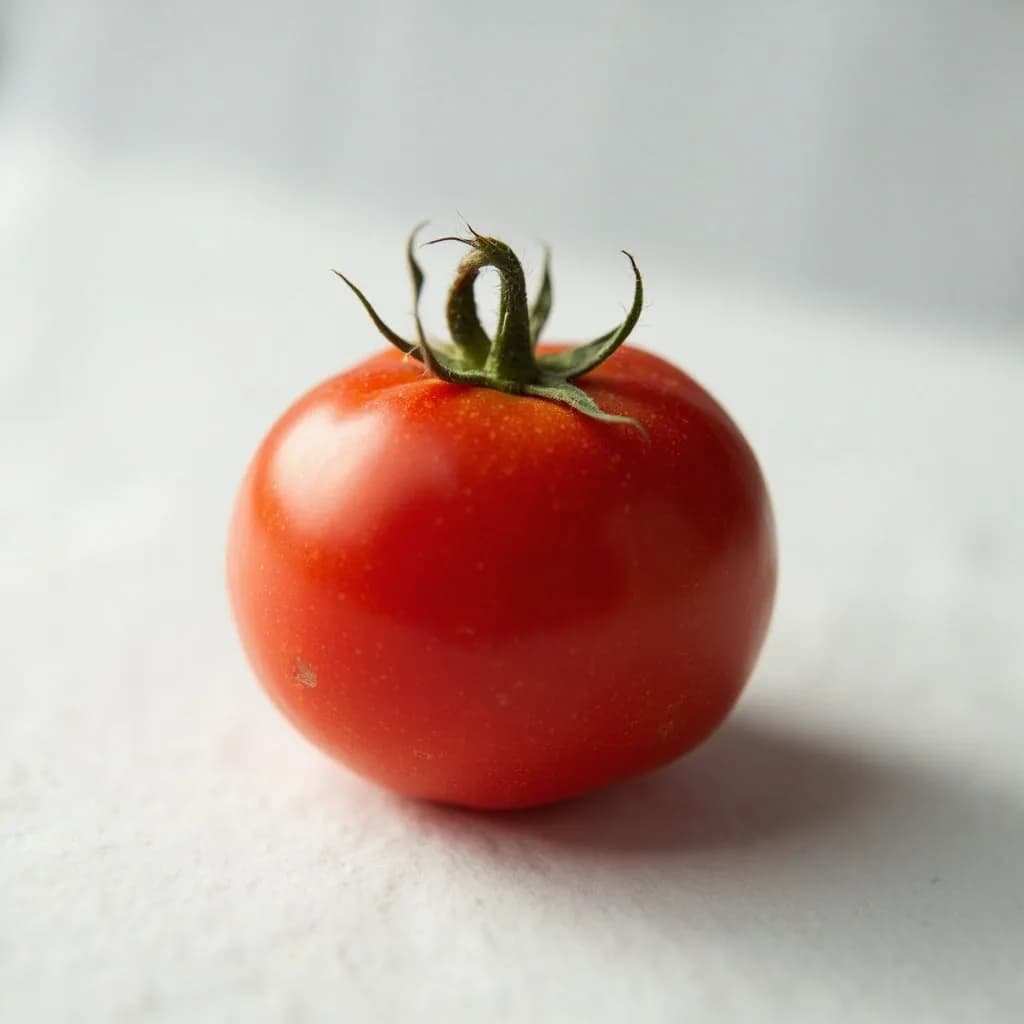
Tomato
Juicy, sun-sweet fruit for sauces, salads, and slow-cooked depth
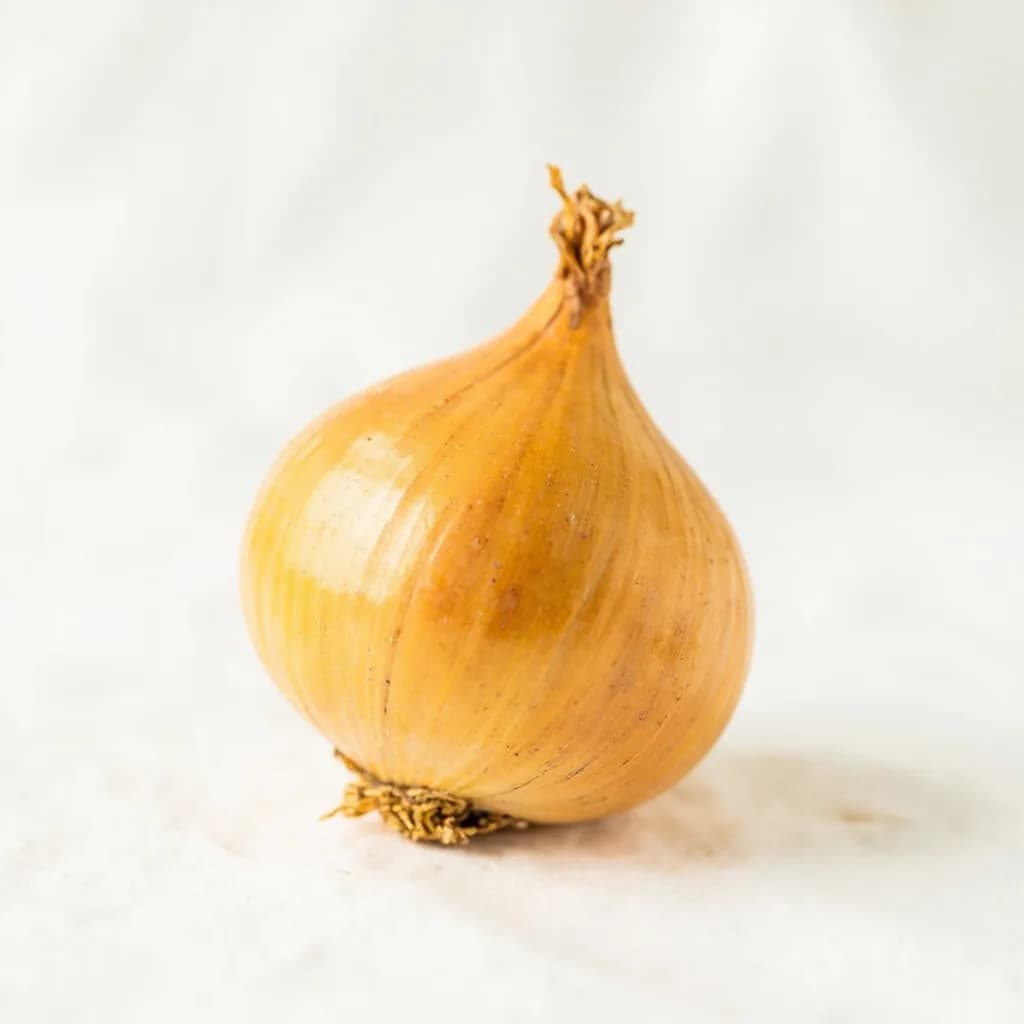
Yellow Onion
The aromatic backbone of soups, sofritos, and braises
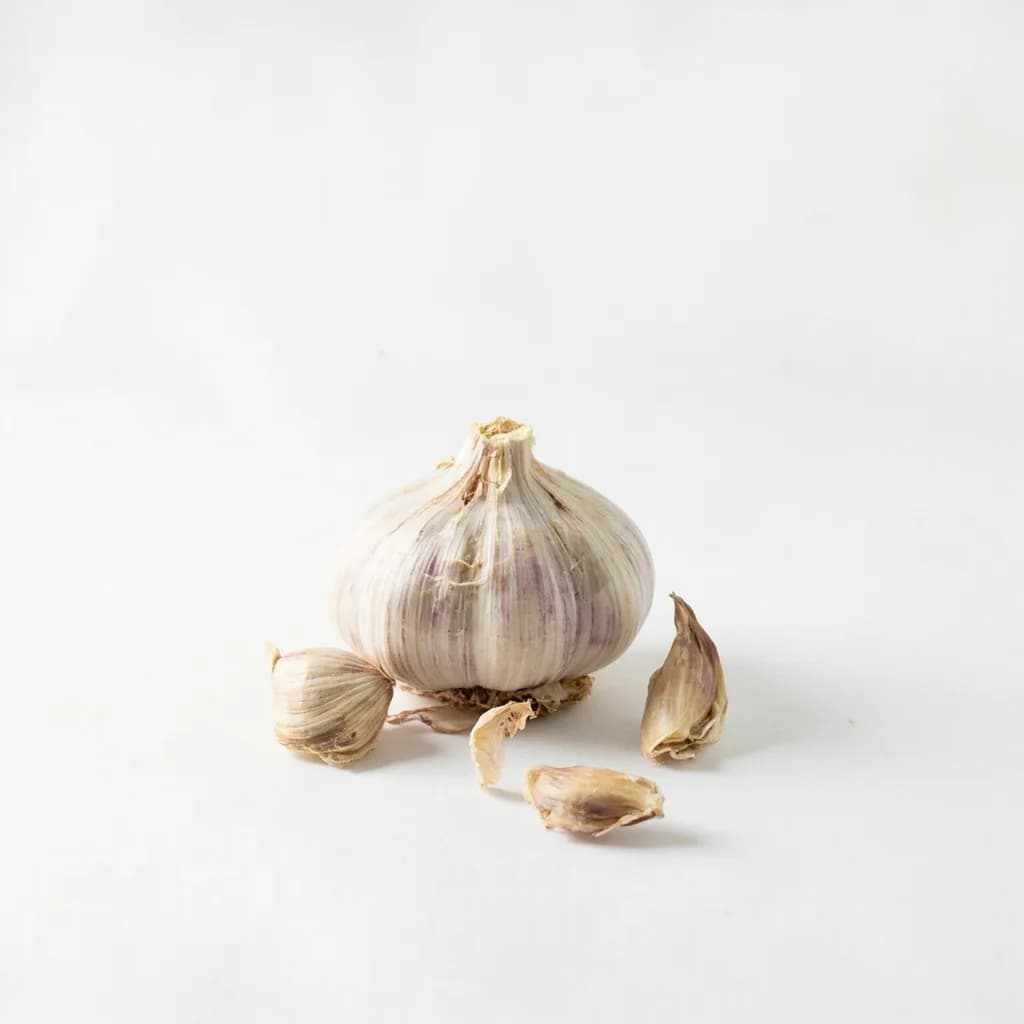
Garlic
Pungent cloves that perfume nearly every savory dish
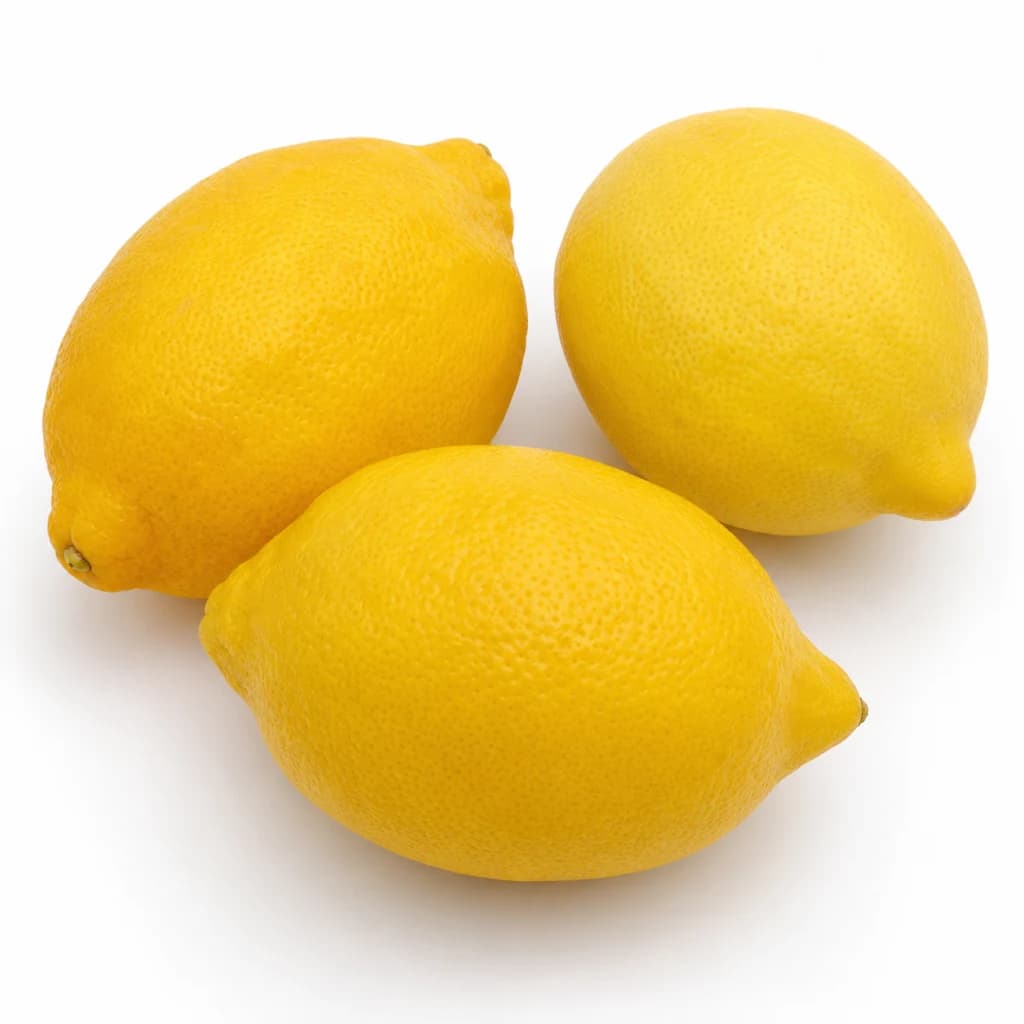
Lemon
Bright, acidic citrus that wakes up almost any dish
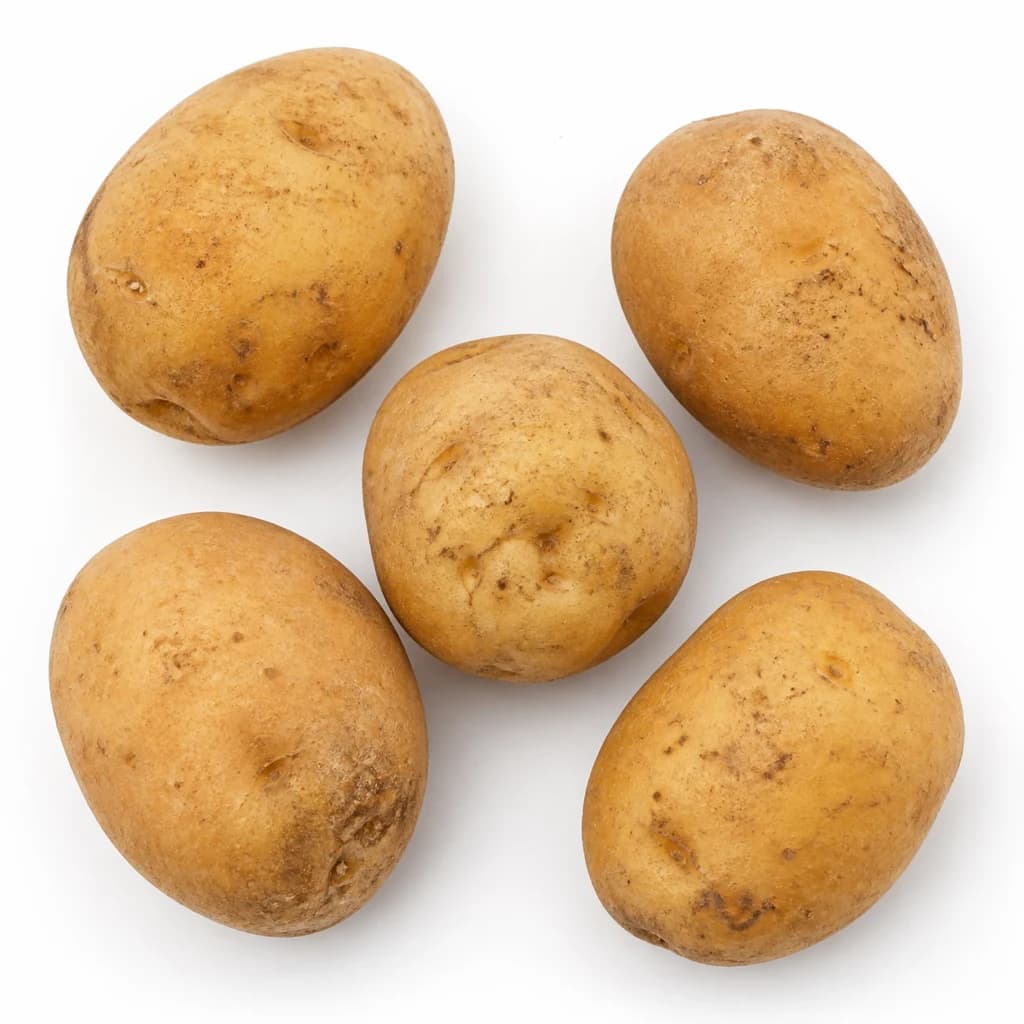
Potato
Humble, hearty staple — roast, mash, fry, or boil
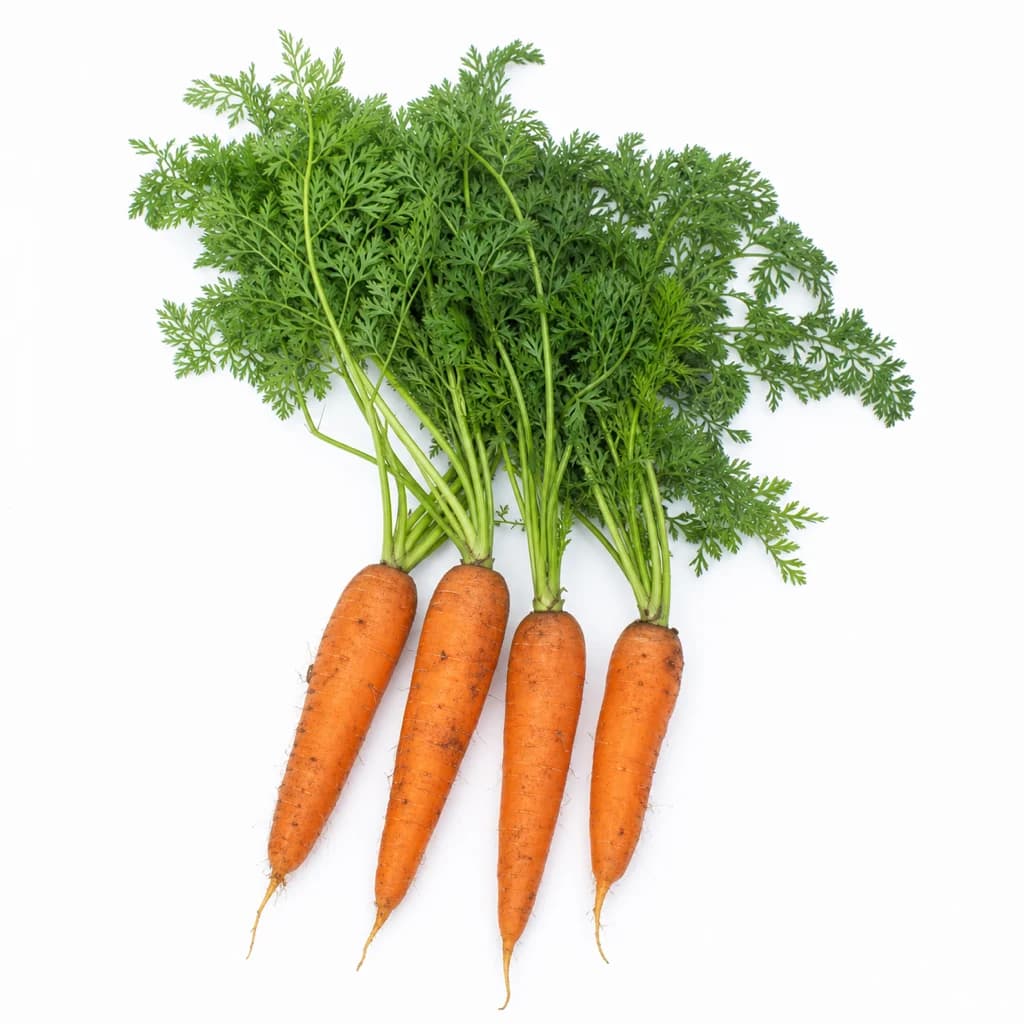
Carrot
Sweet, crunchy root — raw, roasted, or the base of a sofrito
Cucumber
Cool, crisp, and watery — for salads, pickles, and tzatziki

Lettuce
Crisp leaves for salads, wraps, and a fresh crunch