Grains & Rice
Hull-less Oats (Naked Oats)
Oats that thresh free of their hull, yielding clean whole groats with little processing.
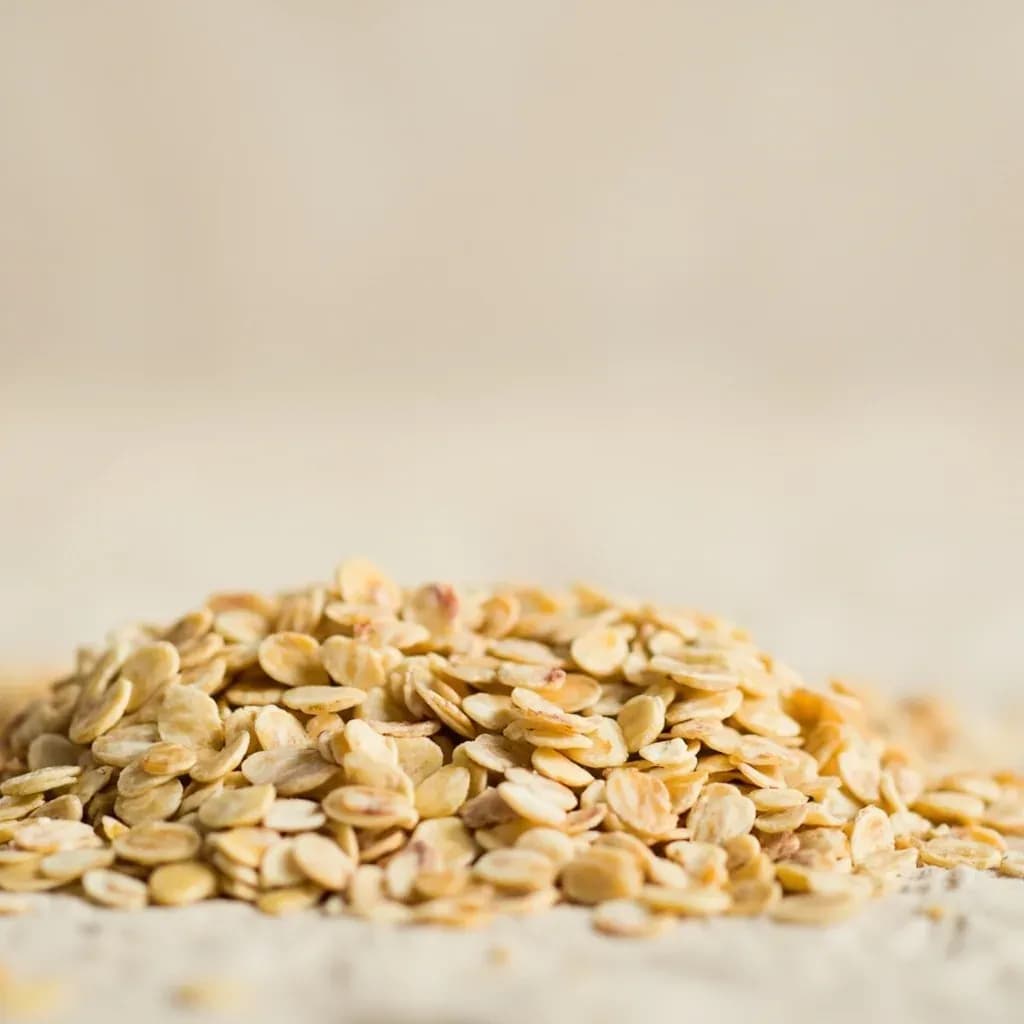
Hull-less or naked oats have a loose hull that falls away during threshing, so the whole groat comes out clean without dehulling. The result is a nutty, intact whole grain that can be cooked like rice, rolled, or milled. They are valued for higher protein and minimal processing.
Hull-less oats, commonly called naked oats, are a distinct variety of oat (Avena nuda) bred to shed their papery outer hull naturally during threshing—no mechanical dehulling required. This deceptively simple botanical trait has significant consequences in the kitchen: the entire bran layer remains intact on the groat, preserving the oat's full complement of fiber, protein, and antioxidants including oat-specific avenanthramides. The result is a groat that looks and behaves much like a small wheat berry but with a distinctly nutty, faintly sweet oat character that many find more pronounced than processed rolled oats.
The agricultural advantages are equally compelling for cooks. Where common cultivated oats yield only 65–75% edible groat after hull removal, naked oats recover nearly 100% of the grain. This makes them notably higher in protein (15–20% by weight versus ~13% for standard oats) and higher in fat (6–8%), concentrated in the intact bran. The groats themselves are elongated and ivory to pale gold, turning deeper golden when toasted, with a firm but yielding texture that holds shape well during cooking while absorbing flavors readily.
These oats occupy a small niche in commercial markets—most global oat production favors hulled varieties for their superior straw and biomass yields. Availability centers on specialty food suppliers, health-food stores, Chinese groceries, and direct-from-farm sales, particularly from northern Chinese provinces (Hebei, Shanxi, Inner Mongolia), France, and Poland. When sourcing, confirm products are truly Avena nuda and not simply pre-hulled common oat groats, which have a different texture and flavor profile. Always check for gluten-free certification if needed: naked oats are naturally gluten-free but almost always processed on shared equipment with wheat, barley, and rye.
- Measured in
- g
- Storage
- Pantry
Allergens
Types & varieties
Traditional European landrace; medium-sized groats, reliable yields, excellent for porridges and rustic breads
UK-developed cultivar; high protein, early maturing, favored by organic growers and artisan producers
Bred for mechanized farming in northern China; tend to be larger-grained than European varieties
Hardy northern variety; smaller groats, high cold tolerance, concentrated nutty flavor
Lighter-colored groat; mildest flavor, popular for breakfast cereals and baby food applications
Common uses
Tips & pitfalls
- Toast dry groats in a dry skillet over medium heat 3–5 minutes before cooking to deepen flavor—this optional step transforms the taste profile significantly, unlocking a richer, toastier nuttiness.
- Rinse thoroughly before cooking to remove any residual dust or chaff despite hull-free designation; drain well before adding to pot.
- Soak 4–8 hours or overnight to cut cooking time to 15–20 minutes and improve digestibility; discard soaking water.
- Add salt only in the last 5–10 minutes of cooking—salt added at the start draws out moisture and makes groats gluey instead of tender.
- Keep the lid on while cooking—steam is essential for even hydration and proper chewy-but-tender texture throughout.
- Season porridge generously with butter or fat for richness; naked oats can taste bland without added fat.
- Common mistake: using too little liquid, which leaves crunchy, undercooked centers—err on the wetter side, especially for your first attempt with a new batch.
- Store away from strong odors—the oils in the groat readily absorb surrounding flavors, so keep them sealed and apart from pungent pantry items.
Nutrition
Energy
1029 kJ · per 100 g
Where the calories come from
Protein
17.3g
35% DV
Carbs
66.2g
24% DV
Fat
7g
9% DV
Fiber
15.4g
55% DV
Sugars
1.5g
of which
Sodium
4mg
0% DV
Source · USDA FoodData Central · approx. Oat bran, raw
View on FDC →In the shops
Matched grocery products
No matched grocery products for Hull-less Oats (Naked Oats) yet.
Good to know
- Scientific name
- Avena nuda and Avena sativa × nuda hybrids
- Origin
- Cultivated in China for centuries; European landraces persist in France, Poland, and Spain
- Protein content
- 15–20% by weight, notably higher than common oats (~13%)
- Cooking time
- 30–45 minutes simmer for chewy texture; 15–20 minutes if pre-soaked
- Liquid ratio
- 2.5–3 parts liquid per 1 part groats for porridge; 2 parts for firmer side-dish texture
- Shelf life
- 6–12 months pantry; up to 2 years refrigerated or frozen; store away from strong odors
- Gluten status
- Naturally gluten-free, but almost always processed on shared equipment with wheat, barley, rye
- Groat yield
- Near 100% groat recovery versus 65–75% for hulled varieties
Substitutes
- Hulled oat groats (dehulled common oats) — Closest texture and flavor; requires removing tough hull manually or purchasing pre-hulled; slightly chewier than naked oats
- Spelt berries (whole spelt) — Similar cooking time and chewy texture; nuttier, wheatier flavor; works structurally but lacks oat character
- Wheat berries (hard red or white) — Longer cooking time (60–90 min); firmer, more robust chew; neutral flavor accepts seasoning well but is not oat-flavor compatible
- Farro (emmer) — Shorter cooking time (~25–30 min); pleasant chew; more expensive; not oat-flavor compatible but works as a grain side dish substitute
- Hulled barley (pot barley or scotch barley) — Similar cooking time and heartiness; nutty but distinctly barley-flavored rather than oat-flavored
- Millet (whole proso) — Gluten-free like naked oats; cooks faster (~20 min); smaller, rounder; milder, corn-like flavor; texture differs significantly
- Quinoa — Gluten-free; cooks in 15 min; lighter, fluffier texture; distinct earthy flavor profile; not a close flavor match
Pairs with
Also called
Naked Oats · Hulless Oats
Related

White Rice
Fluffy long-grain rice — the neutral base for almost any meal

White Bread
Soft sandwich loaf for toast, sandwiches, and crumbs
Brown Rice
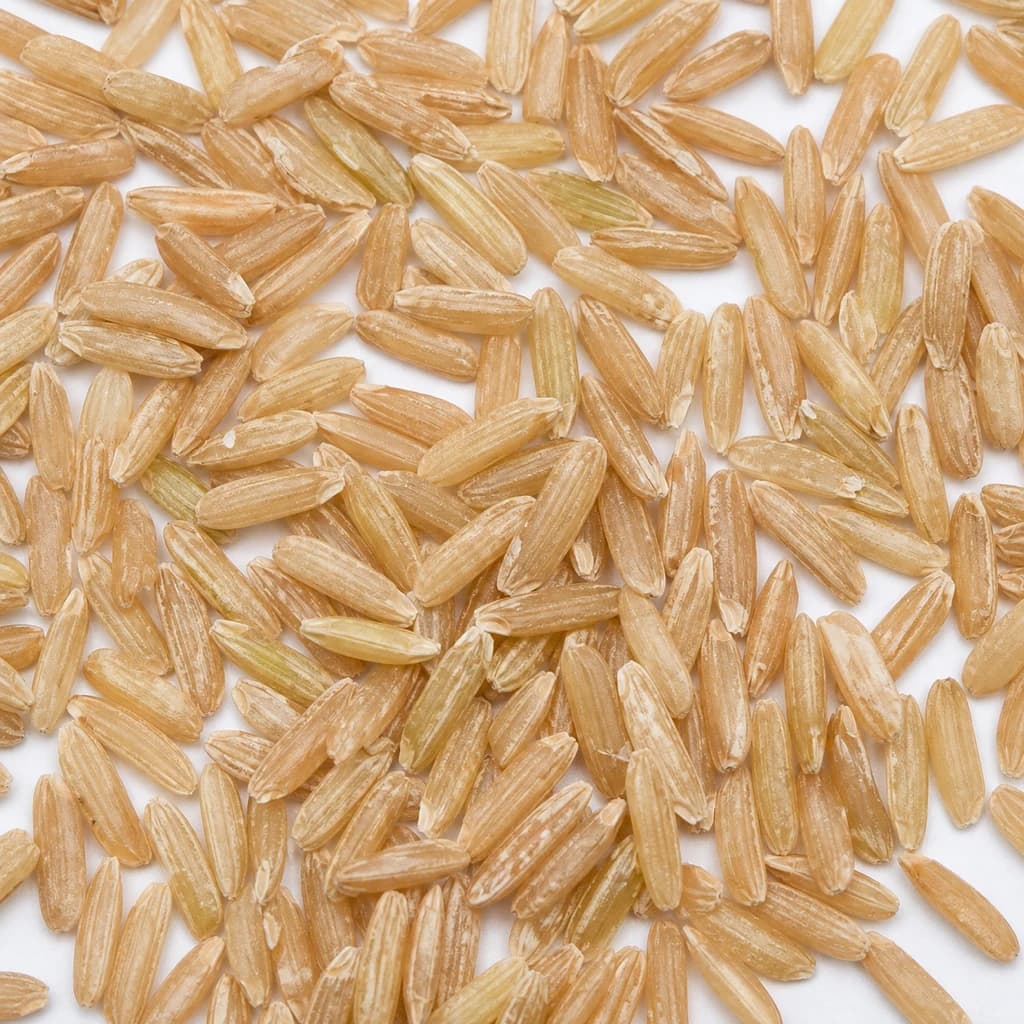
Nutty, whole-grain rice with chew and extra fiber

Basmati Rice
Fragrant, long-grain rice that cooks up light and separate
Jasmine Rice
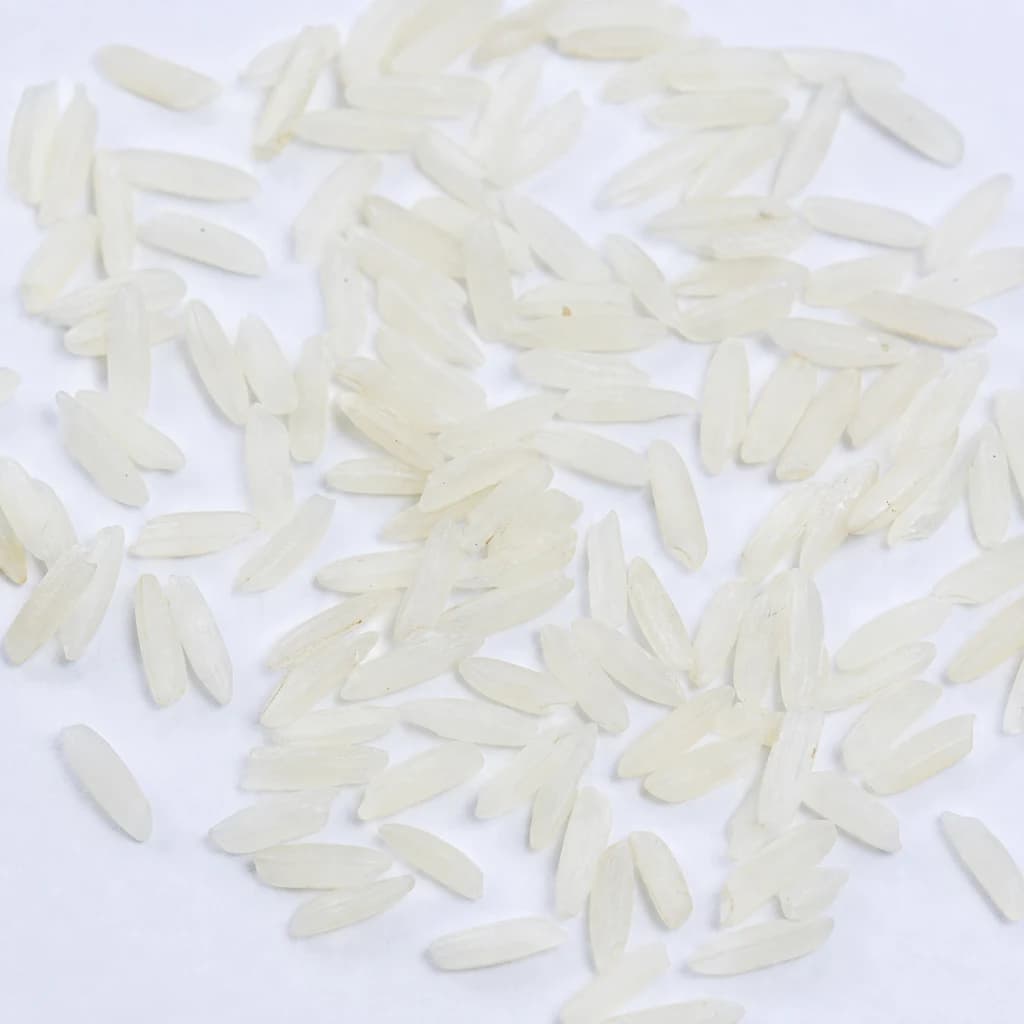
Soft, floral-scented rice that's the pillar of Thai meals
Arborio Rice
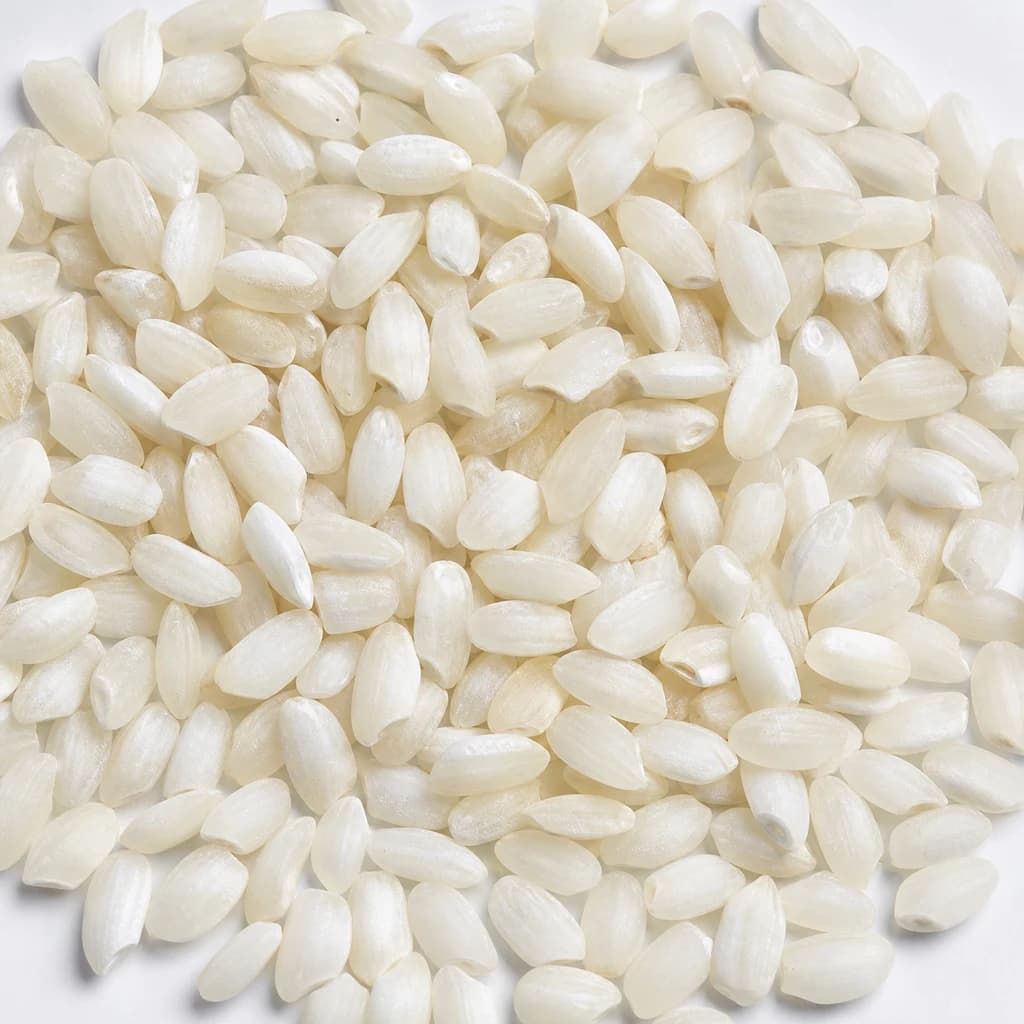
Plump, starchy rice that makes risotto creamy
Fusilli
Spiraled pasta that twirls up sauce and dresses cold salads
Rolled Oats
Hearty flakes for porridge, granola, and chewy cookies