
Stored
Sour pickled long beans sold in vacuum-sealed or jarred form, coiled and brine-soaked.
Shows readers the most common form they will encounter when purchasing — the fermented, brine-packed coils — so they can identify the ingredient at a store.
Produce
Sour Pickled Long Bean
Tangy fermented yardlong beans, chopped into Chinese stir-fries with minced pork and chili.
Sour pickled long beans are yardlong beans brine-fermented until they turn tangy, slightly funky, and crunchy. A staple of Sichuan and southern Chinese home cooking, they are finely chopped and stir-fried with minced pork, garlic, and chili (suan dou jiao). The fermentation gives a sour, salty punch that cuts through fatty meat and seasons the whole dish.
Sour pickled long bean is a cornerstone of Sichuanese and southwestern Chinese home cooking — a lacto-fermented vegetable that delivers clean, complex sourness without vinegar's blunt sharpness. Salted beans ferment at room temperature for three to seven days; natural Lactobacillus convert sugars to lactic acid, producing a bright yellow-to-olive pickle that is crunchy and layered in sour‑umami depth. This pickle holds its texture through high‑heat stir‑frying and is an essential pantry item, especially in late summer when long beans are abundant. Two practical types exist: a short‑fermented, chili‑ginger variety used as a vegetable, and a longer‑fermented, softer type used as a condiment.
- Measured in
- g
- Storage
- Fridge
Types & varieties
Short‑fermented (3–5 days), seasoned with dried red chilies and ginger during fermentation; bright yellow, spicy‑sour; the standard for mapo tofu and suanjiang rou ding
Fermented in simple salt brine only; neutral sour‑salty flavor; versatile; commonly sold in vacuum‑sealed bags at Chinese markets
May use rice‑washing water in brine for added acidity; sometimes adds crushed garlic; suited to hongshao and ganbian preparations
Often fermented with wild pepper (荆芥, Zanthoxylum) leaves or stems; noticeably numbing and aromatic
May include rice bran (米糠) in brine; slightly earthier flavor profile
Pantry vs. Commercial
Commercial bottled or bagged pickled long beans vary significantly. Some are naturally fermented (check the ingredient list for just beans, salt, and water). Others contain added vinegar, which produces a sharper, less complex sourness. If a recipe calls for raw fermented beans, do not substitute pasteurized commercial product without adjusting cooking time — pasteurization softens the texture and changes how the ingredient behaves in the wok. Vacuum‑sealed bags from Chinese markets are typically cooked and ready to eat; home‑fermented beans are raw and must be cooked through before serving.
- Read ingredient lists: vinegar indicates commercial pasteurized product, not traditional fermentation
- Pasteurized beans are softer and may disintegrate in long cooking; raw fermented beans hold texture better
- If using commercial product in a raw‑ferment recipe, briefly blanch before using
Common uses
Tips & pitfalls
- Never use iodized table salt — it contains additives that inhibit lactobacillus; non‑iodized sea salt or kosher salt only
- Submerge beans completely in brine; any portion above the liquid line will spoil rather than ferment
- A 3–5% brine (30–50 g salt per liter) is the reliable working range; too little salt risks mold and spoilage, too much prevents fermentation from starting
- Glass or ceramic vessels are preferable to plastic — plastic retains odors and may interact with fermentation acids
- Burp the jar daily during active fermentation; CO₂ buildup can push liquid out or create pressure
- Cloudy brine and light foam are normal — they indicate healthy lacto‑fermentation, not contamination
- Use a loose cloth cover or plastic lid during fermentation; metal lids can corrode from the acidic environment
- Chop fermented beans finely (3–5 mm dice) before stir‑frying; larger pieces cook unevenly and create a distracting chewiness
- Squeeze out excess brine before adding to the wok; too much moisture causes steaming instead of frying and dilutes the sauce
- For a less sour result, soak chopped beans in cold water for 10–15 minutes before cooking
- Briefly pre‑fry chopped beans in hot wok oil before adding other ingredients — this firms the texture and deepens the flavor
Nutrition
Energy
130 kJ · per 100 g
Where the calories come from
Protein
1.8g
4% DV
Carbs
7.1g
3% DV
Fat
0.1g
0% DV
Fiber
3.4g
12% DV
Sugars
3.3g
of which
Sodium
6mg
0% DV
Source · USDA FoodData Central · approx. Beans, snap, yellow, raw
View on FDC →In the shops
Matched grocery products
No matched grocery products for Sour Pickled Long Bean yet.
Good to know
- Common Names
- Sour pickled long bean; pickled yardlong bean; fermented cowpea; Chinese: 酸豇豆 (suān jiāngdòu); Sichuan: 泡豇豆 (pào jiāngdòu)
- Fresh Base
- Yardlong bean (Vigna unguiculata subsp. sesquipedalis), also called asparagus bean or Chinese long bean; or common cowpea (Vigna unguiculata)
- Primary Origin
- Sichuan province, China; also essential in Hunan, Guizhou, and Yunnan cuisines
- Flavor Profile
- Sour, slightly salty, clean fermented tang — acidity comes entirely from natural lacto‑fermentation, not vinegar
- Color After Fermentation
- Bright yellow to olive‑green, depending on freshness of beans and fermentation length
- Shelf Life (Refrigerated)
- 2–4 weeks submerged in brine in a sealed jar
- Difficulty
- Beginner‑friendly; requires only salt, water, and patience — no special equipment or starter culture
Substitutes
- Sour mustard greens (酸菜) — Different vegetable and texture, but similar sour‑salty profile; use as a 1:1 substitute in stir‑fries and fried rice; widely available in Chinese and Southeast Asian markets
- Kimchi (Korean fermented vegetables) — Different flavor (chili‑forward, funkier) but provides the same fermented‑sour function; works in fusion or non‑authentic preparations
- Sauerkraut — Cabbage‑based, milder acidity; acceptable in a pinch but flavor profile is quite different; not appropriate for authentic Sichuan preparations
- Pickled green beans (from Indian or Mediterranean cuisines) — Often too vinegary (acetic acid) rather than naturally fermented; rinse and reduce added salt in the dish when substituting
- Fresh long beans + rice vinegar — Quick weeknight substitute: cook fresh beans until tender, splash with rice vinegar and a pinch of salt; never replicates the depth of true fermentation but workable for speed
Pairs with
Also called
酸豆角 · Suan Dou Jiao · Pickled Yardlong Bean · Sour Long Bean
Related
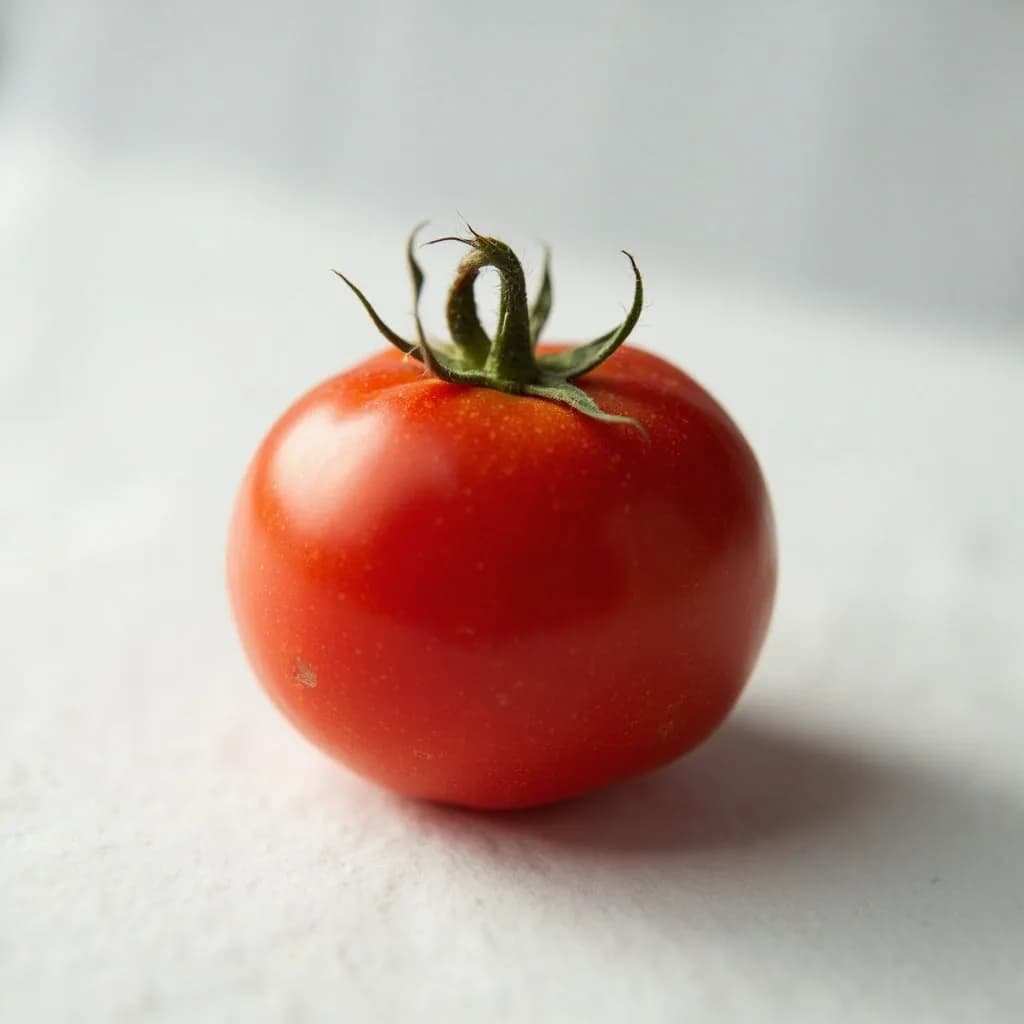
Tomato
Juicy, sun-sweet fruit for sauces, salads, and slow-cooked depth
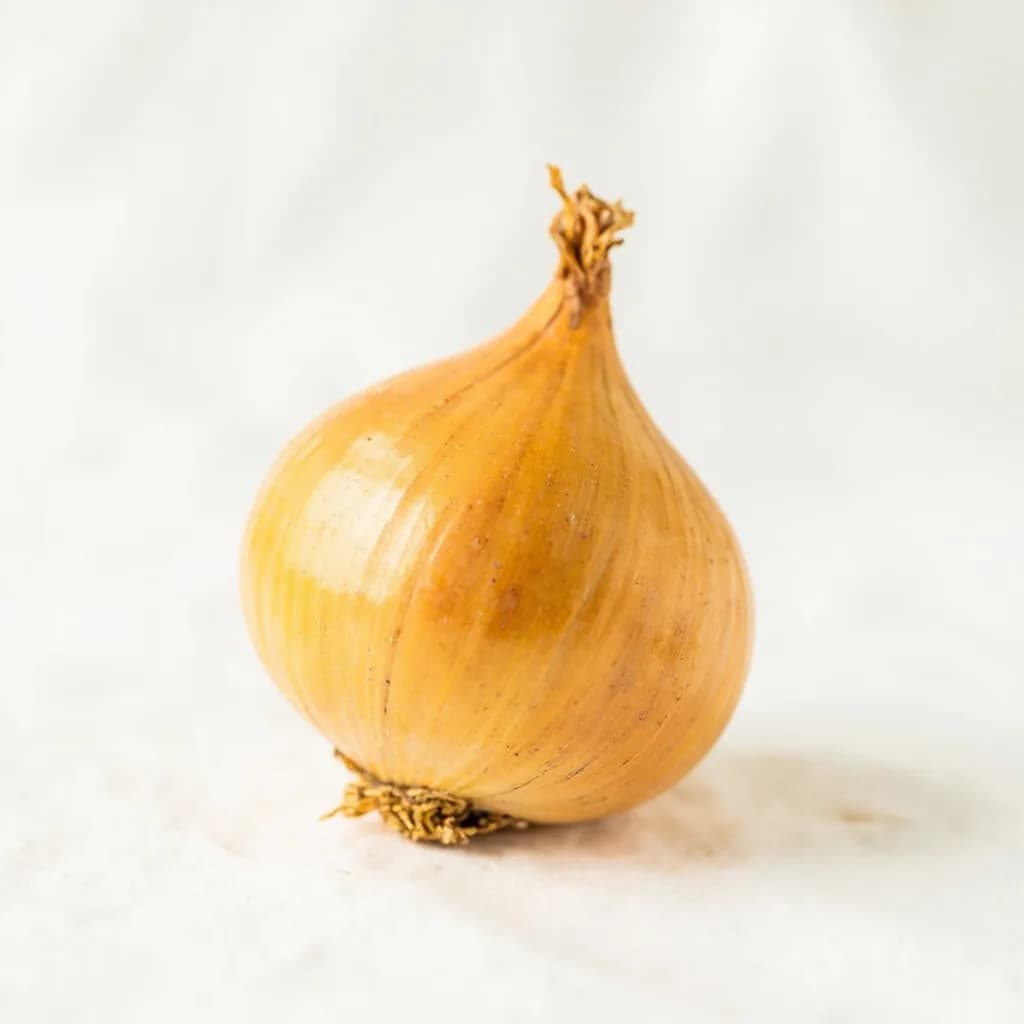
Yellow Onion
The aromatic backbone of soups, sofritos, and braises
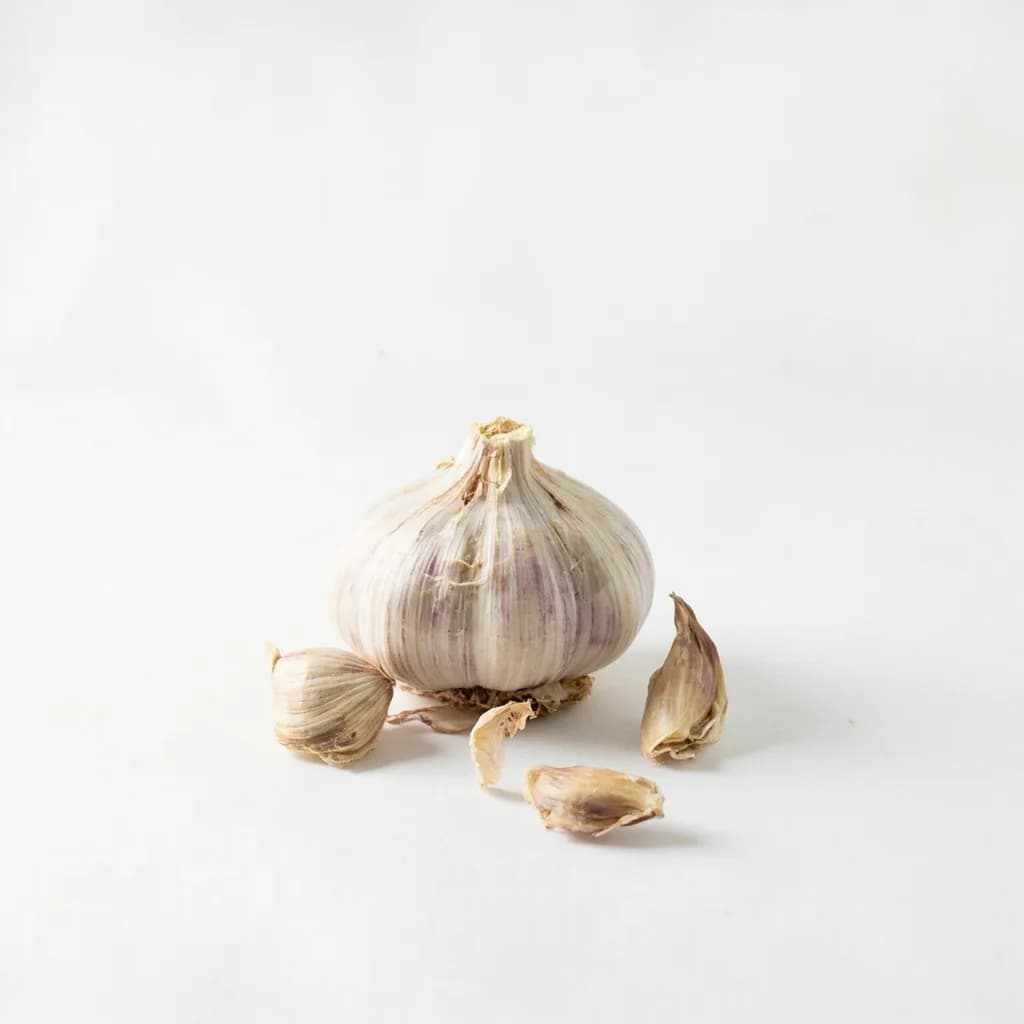
Garlic
Pungent cloves that perfume nearly every savory dish
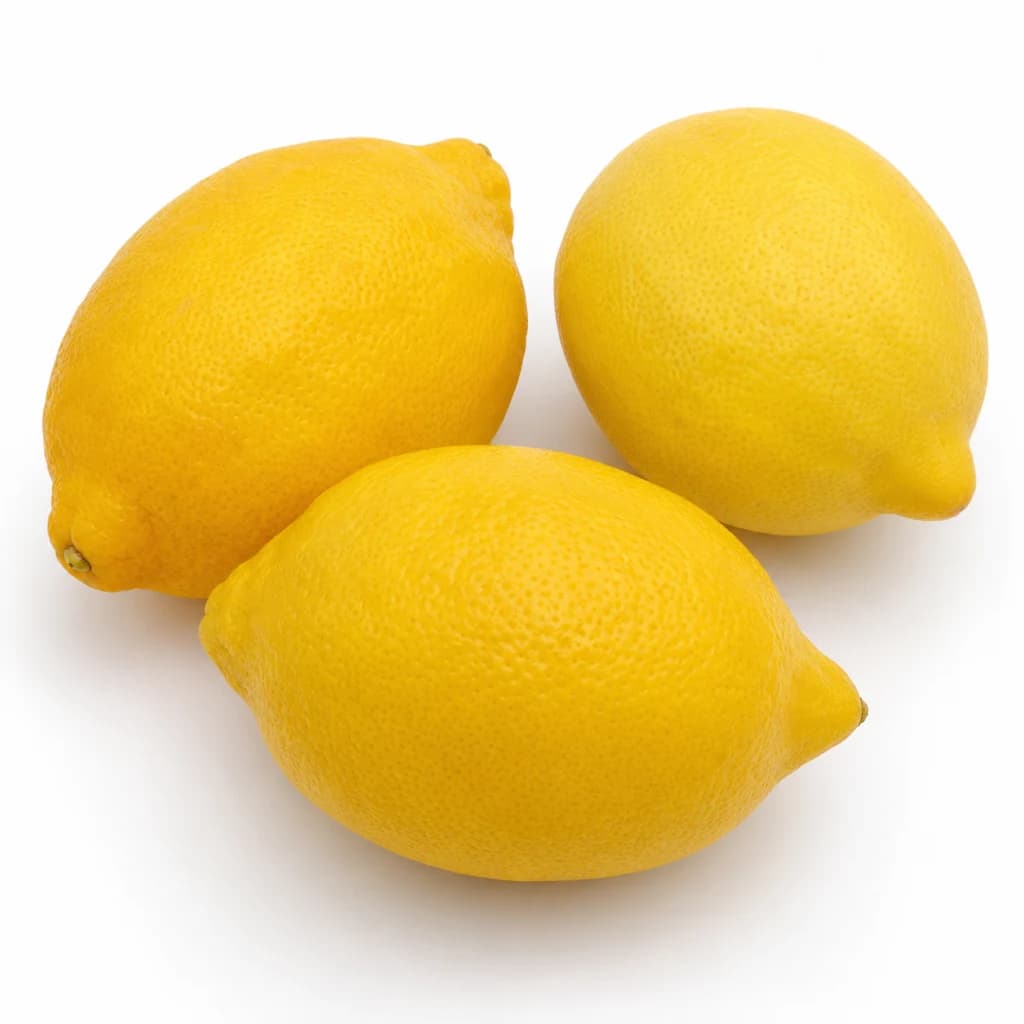
Lemon
Bright, acidic citrus that wakes up almost any dish
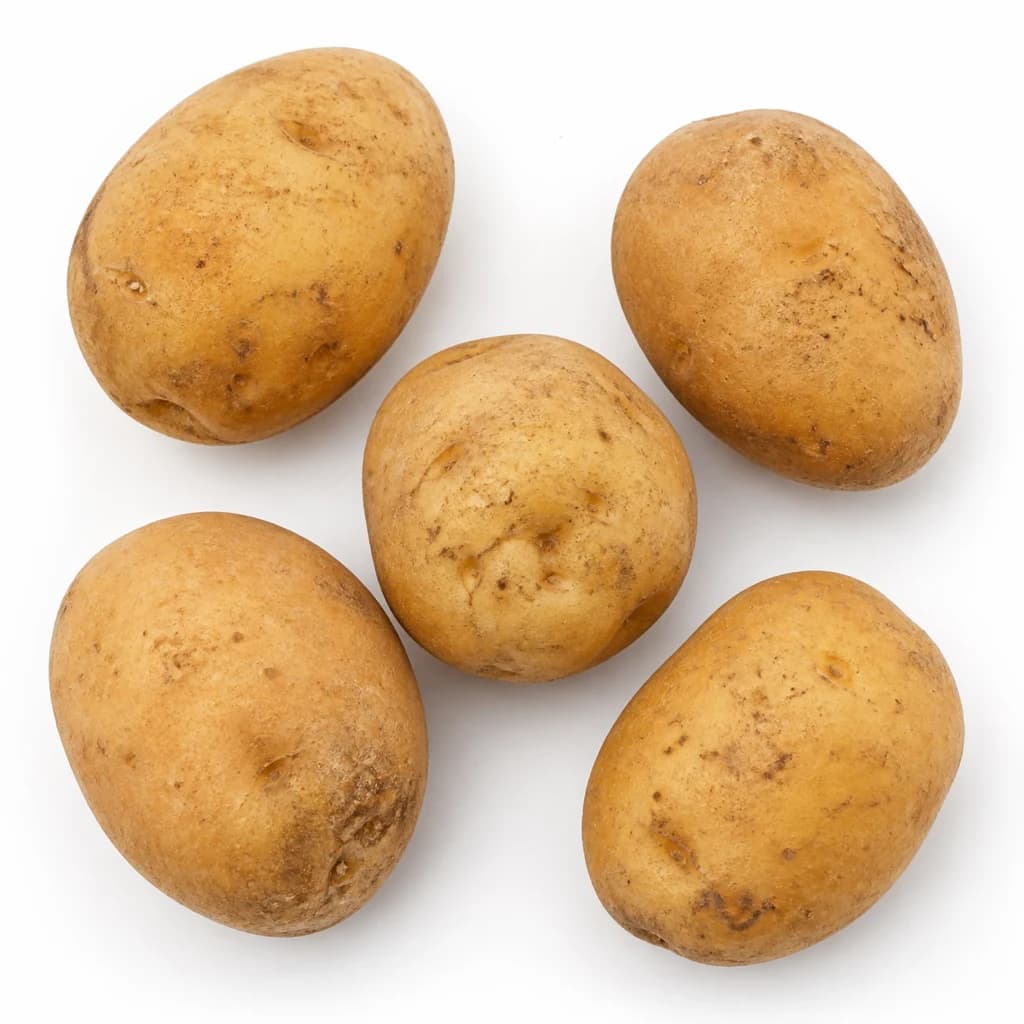
Potato
Humble, hearty staple — roast, mash, fry, or boil
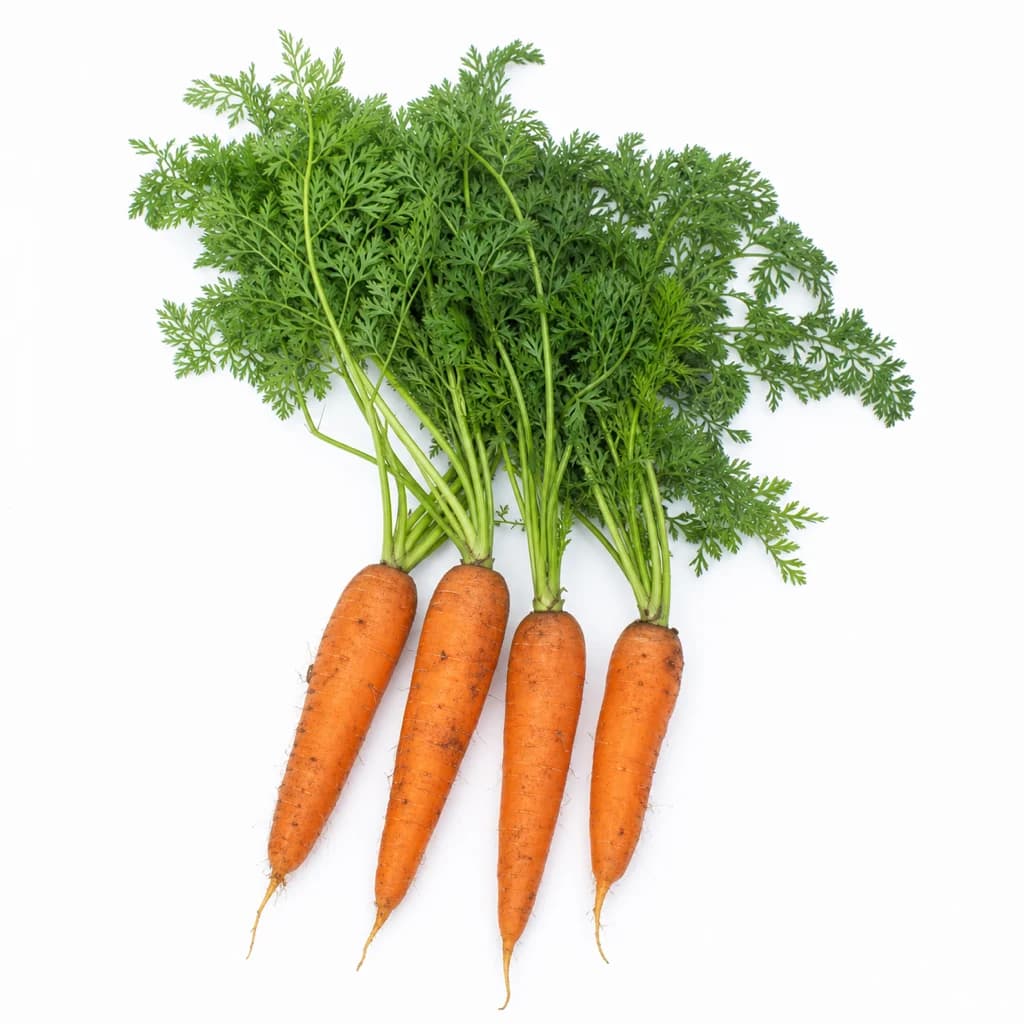
Carrot
Sweet, crunchy root — raw, roasted, or the base of a sofrito
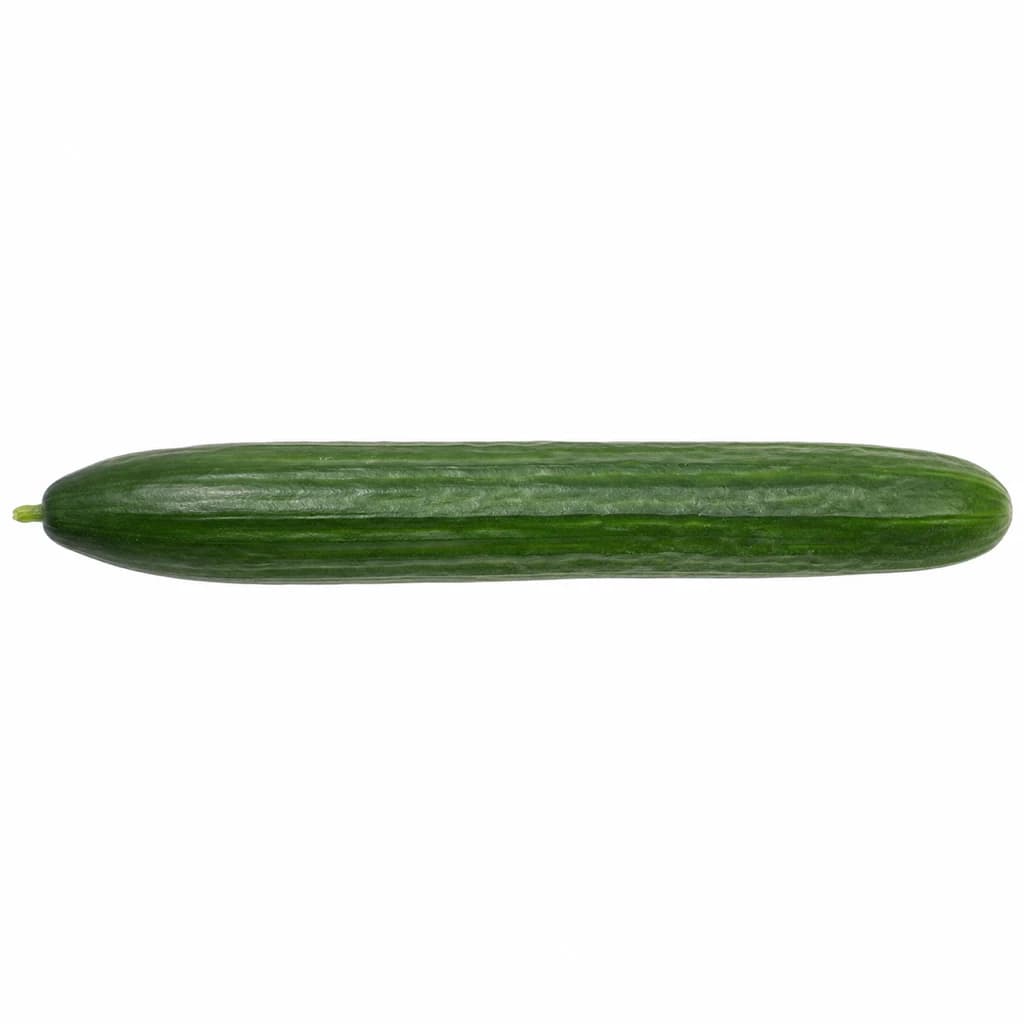
Cucumber
Cool, crisp, and watery — for salads, pickles, and tzatziki

Lettuce
Crisp leaves for salads, wraps, and a fresh crunch