
Natural form
Plain whole-milk yogurt in a ceramic bowl, thick and creamy with a tangy scent.
Shows the product's defining texture — thick, ivory-white, slightly glossy — exactly as a reader would encounter it.
Dairy & Eggs
Plain Yogurt
Unsweetened cultured milk, tangy and creamy; eaten plain, used in marinades, sauces, and baking.
Plain yogurt is milk fermented with live cultures into a thick, tangy product without added sweeteners. It is eaten on its own, swirled into raita and tzatziki, used to tenderize meats, and baked into cakes and breads. Fat content ranges from rich whole-milk to lighter low-fat and nonfat versions.
Plain yogurt is fermented milk cultured with Lactobacillus bulgaricus and Streptococcus thermophilus, which convert milk sugars to lactic acid, producing yogurt's characteristic tang and thick, semi-stable gel texture. This acidity does more than flavor: it denatures milk proteins, creating yogurt's smooth body, and makes it an exceptional meat tenderizer—when lactic acid breaks down protein strands on meat surfaces while the protein layer seals in moisture during cooking. Plain yogurt's versatility stems from this dual nature: it functions as a tenderizing marinade base, a fat-reducing cream substitute, a leavening activator in baking, and a cooling contrast to spicy dishes. The pH range of 4.0–4.6 means yogurt behaves differently depending on temperature, fat content, and what it encounters in a recipe—understanding these interactions is what separates confident use from uncertain guessing. Originating in Central Asia and the Middle East with evidence of cultured milk products dating back thousands of years, yogurt exists in some form across nearly every culinary tradition, from labneh and kefir to dahi and skyr. Commercial "plain" yogurts vary widely: some contain only cultured milk and milk solids, while others add gelatin, pectin, or milk protein concentrate for texture stability. For cooking applications where pure cultured milk performs best—particularly in Indian and Middle Eastern recipes—check the ingredient list carefully.
- Measured in
- g
- Storage
- Fridge
Allergens
Types & varieties
3.5–4% fat; richest flavor, most forgiving in cooking applications
1–2% fat; acceptable for most savory uses; can be watery when heated
Less than 0.5% fat; prone to grainy texture when heated; best reserved for cold applications
Strained to remove whey; 2–3× the protein, thicker texture; also called straggisto
Drained until very thick, often rolled into balls preserved in olive oil; a staple of Middle Eastern cuisine
Icelandic style; cultured with different bacterial strains, very thick and high in protein, milder tang than Greek yogurt
Indian subcontinent variety; typically made from whole buffalo milk, slightly sour, richer than most commercial yogurts; traditional base for raita and marinades
Fat Content and Cooking Performance
The fat percentage in yogurt directly determines how it behaves under heat and in finished dishes. Whole-milk yogurt has enough lipid content to resist breaking when stirred into hot liquids—the fat coats the protein molecules and slows coagulation. Skim and non-fat yogurts lack this protection: when heated, proteins denature and aggregate rapidly, creating a grainy, curdled appearance. For cooked applications like sauces, soups, or marinades, whole-milk is the reliable choice. Low-fat varieties are acceptable for cold preparations but require caution when warming.
- Whole-milk: best for cooked dishes, marinades, and any application involving heat
- Low-fat: acceptable for cold preparations; monitor closely if warming
- Non-fat: avoid in cooked applications; best reserved for smoothies, dressings, and cold dips
Preventing Curdling in Hot Dishes
Yogurt added directly to hot liquids will curdle because the proteins cannot distribute evenly under thermal shock. The standard professional technique is tempering: whisk 1–2 tablespoons of the hot liquid into the yogurt in a separate bowl, adding gradually until the yogurt is warmed through before transferring it to the main pot. Never boil a sauce after adding yogurt—the sustained high heat will cause the proteins to tighten and separate. Adding a small pinch of salt when using yogurt in cooked dishes also helps stabilize the texture against heat.
- Always temper yogurt before adding to hot liquids
- Never boil after incorporating yogurt
- A pinch of salt improves heat stability
Common uses
Tips & pitfalls
- Strain homemade or store-bought yogurt through cheesecloth for 2–4 hours to achieve Greek-style thickness; reserve the whey for smoothies or bread dough
- To prevent curdling in hot sauces: always temper the yogurt by whisking in warm liquid gradually before adding to the main pot; never boil after incorporating
- Fat content matters in cooking: whole-milk yogurt resists breaking under heat better than non-fat; use whole-milk for marinades and cooked applications
- Bring refrigerated yogurt to room temperature before baking to ensure even incorporation and proper leavening reaction with baking soda
- 'Greek-style' yogurts may contain gelatin or milk protein concentrate—check ingredient lists if you want traditionally strained only
- For a thick spreadable labneh: line a fine-mesh strainer with coffee filters, add yogurt, and refrigerate 8–12 hours
- Many 'plain' commercial yogurts contain added milk solids, gelatin, or pectin for texture—acceptable for eating but may affect certain cooking applications where pure cultured milk is preferred
- Salt stabilizes yogurt's texture against heat—add a pinch when using it in cooked dishes
Nutrition
Energy
234 kJ · per 100 g
Where the calories come from
Protein
5.7g
11% DV
Carbs
7.7g
3% DV
Fat
0.2g
0% DV
Fiber
0g
0% DV
Sugars
7.7g
of which
Sodium
77mg
3% DV
Source · USDA FoodData Central · Yogurt, plain, skim milk
View on FDC →In the shops
Matched grocery products
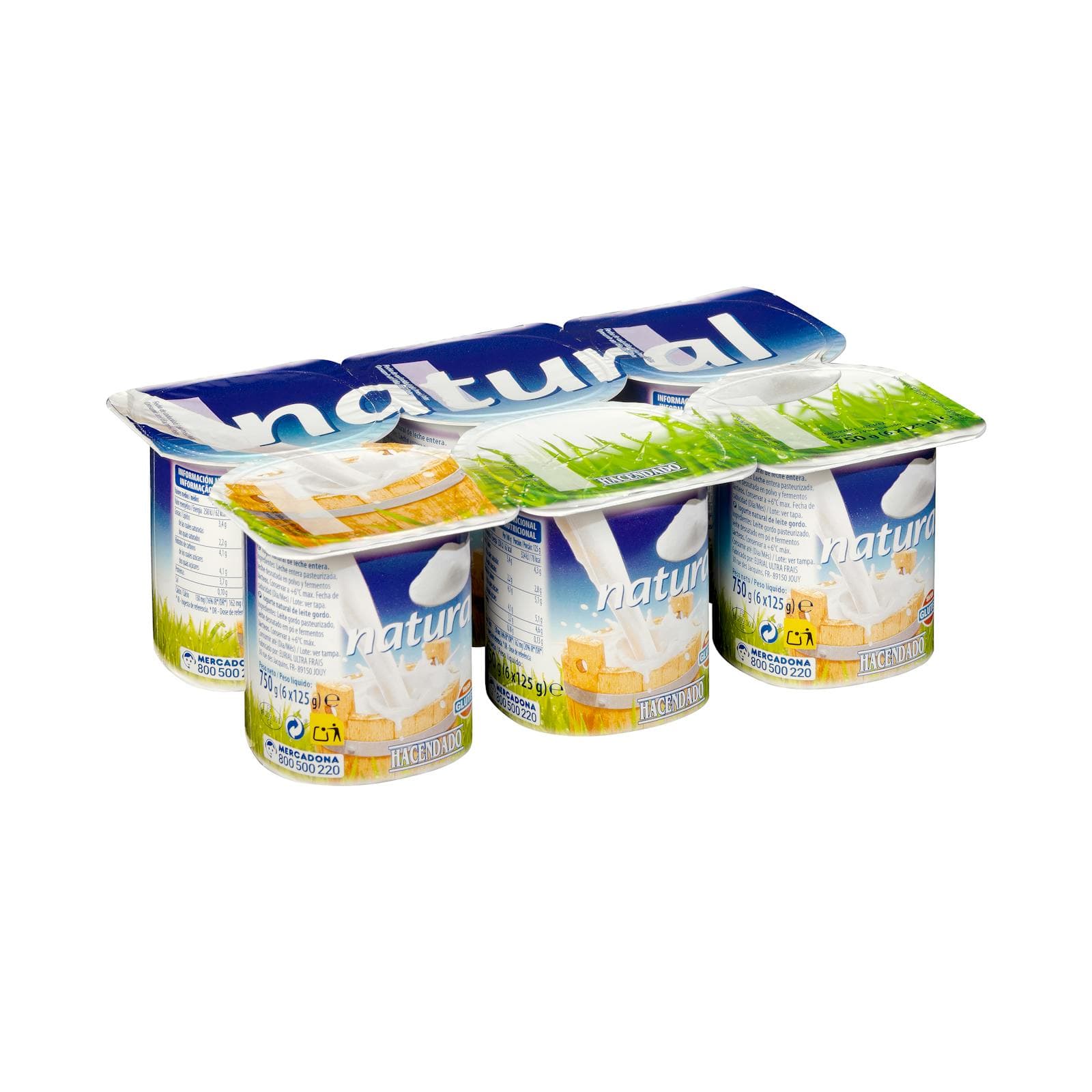 €1.00
€1.00Natural Yogurt
Hacendado · 750 g · Mercadona
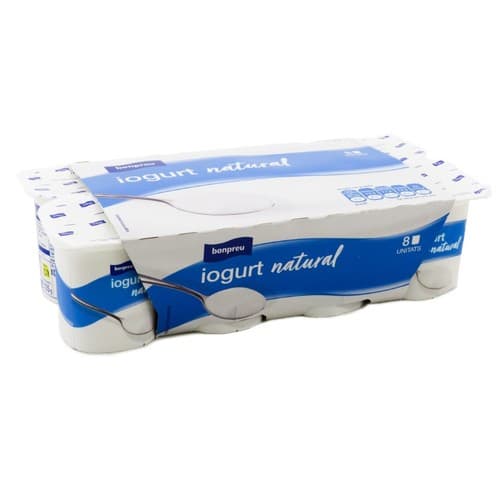 €1.34
€1.34Natural Yogurt
BONPREU · kg · Bonpreu
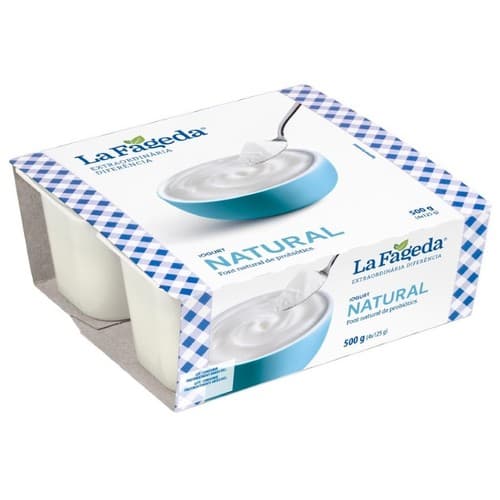 €1.90
€1.90Natural Yogurt
LA FAGEDA · kg · Bonpreu
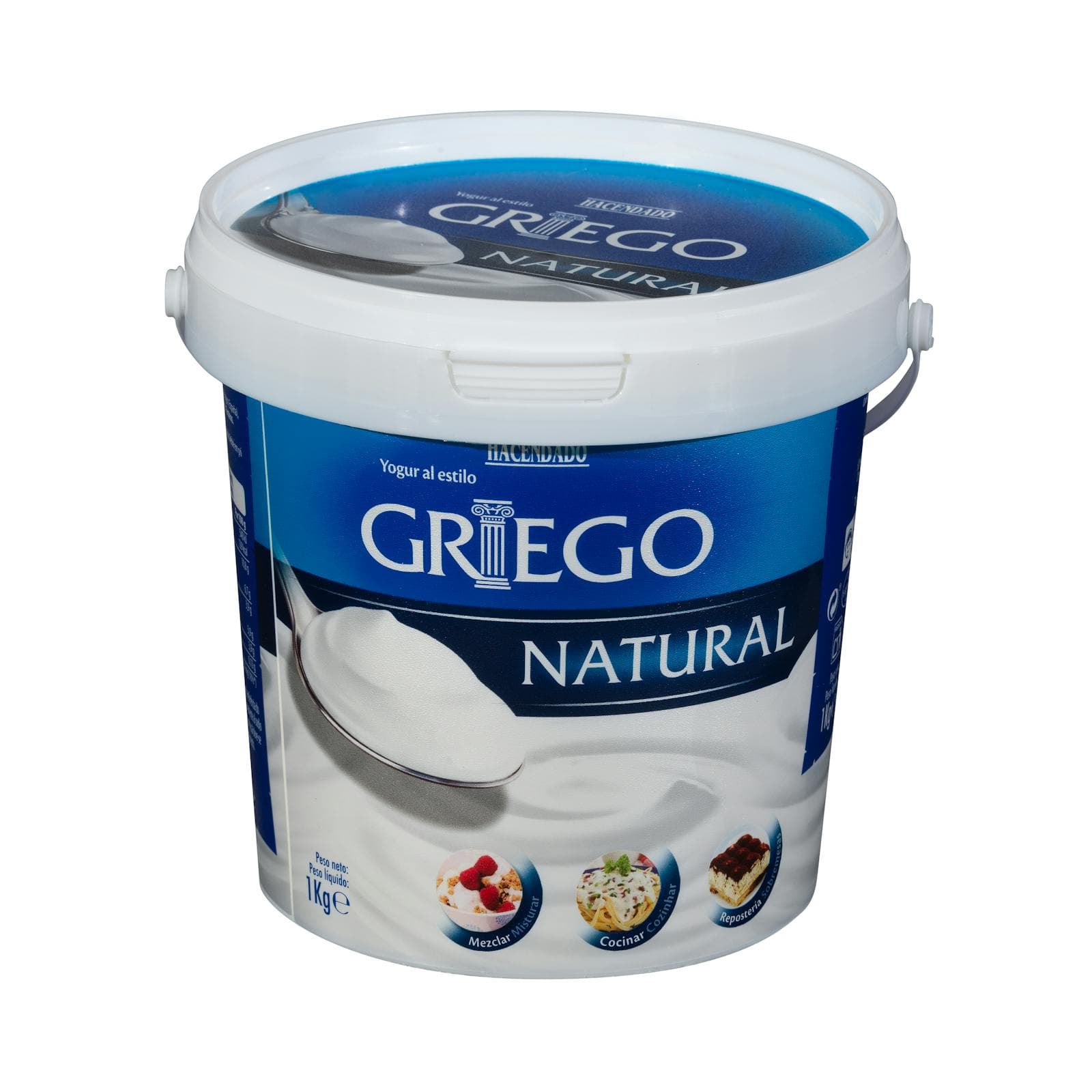 €2.20
€2.20Greek Natural Yogurt
Hacendado · 1 kg · Mercadona
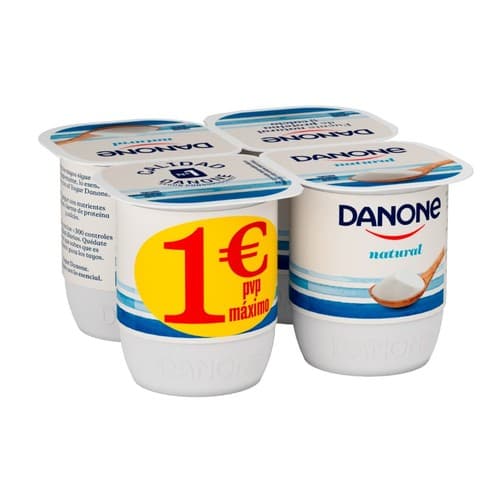 €1.00
€1.00Danone Natural Yogurt
DANONE · kg · Bonpreu
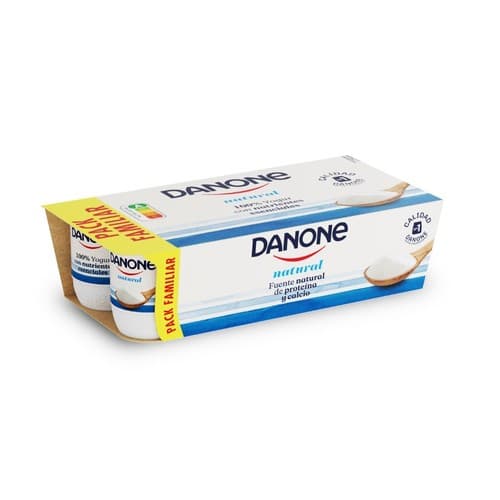 €1.99
€1.99Danone Natural Yogurt
DANONE · kg · Bonpreu
Good to know
- Type
- Fermented dairy product
- Primary cultures
- Lactobacillus bulgaricus, Streptococcus thermophilus
- pH range
- 4.0–4.6 (moderately acidic)
- Protein (per 100g)
- 3.5g (regular), 9–10g (Greek-style)
- Probiotic status
- Varies—look for "live and active cultures" on the label; some products are heat-treated after fermentation, killing beneficial bacteria
- Storage
- Refrigerate at or below 40°F; use within 2 weeks for best quality
Substitutes
- Greek yogurt — Direct 1:1 substitute; slightly thicker but works in virtually all applications
- Sour cream — Similar tang and fat content; best for baked goods, dressings, and dips; slightly richer
- Crème fraîche — Milder tang, higher fat; excellent for sauces and soups; more expensive
- Buttermilk — Thinner, more acidic; works in baking; not suitable for dips or marinades
- Cottage cheese (blended smooth) — Similar protein content; mild flavor; acceptable for dips and smoothies but distinct texture
- Cashew cream or blended silken tofu — Vegan substitutes; neutral flavor; work in dressings and sauces but lack the characteristic tang
Pairs with
Also called
Tok Doi · Natural Yogurt · Natural Yoghurt · Low-Fat Yogurt
Appears in these dishes
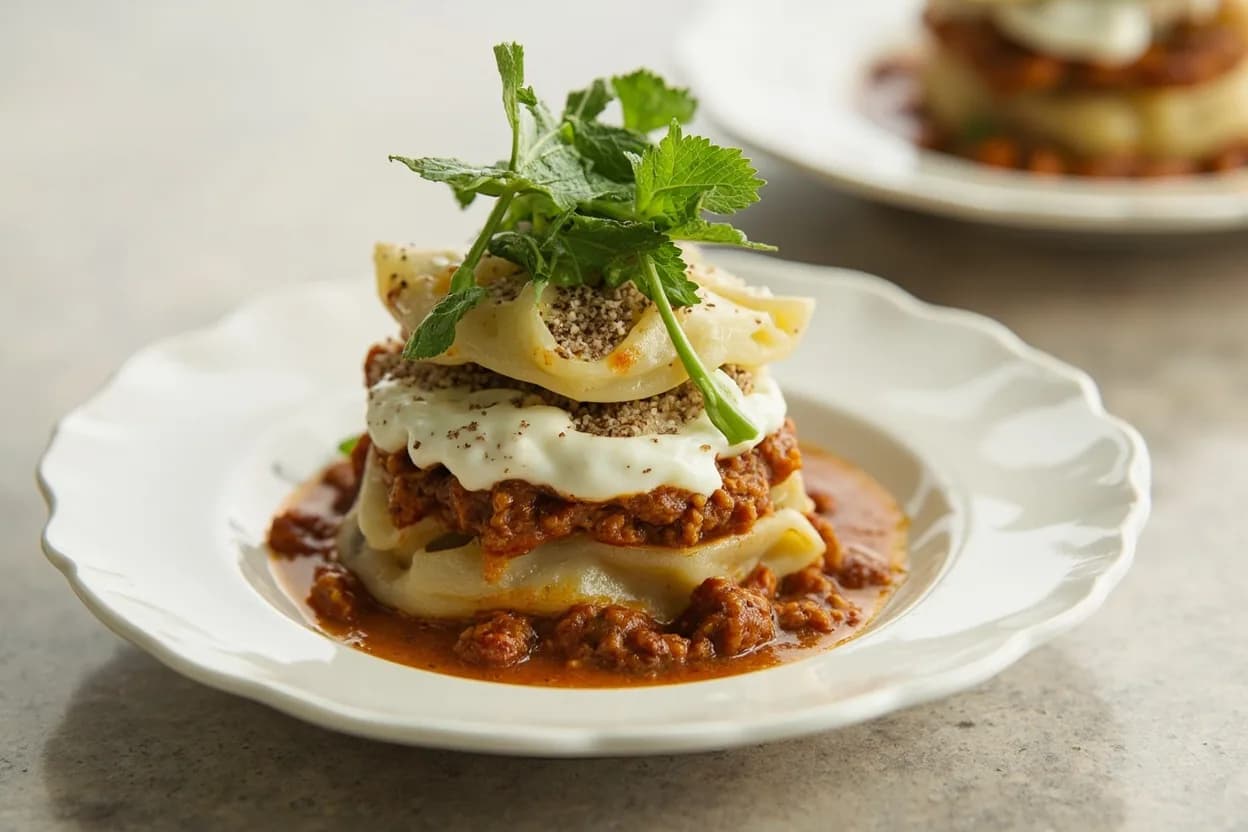

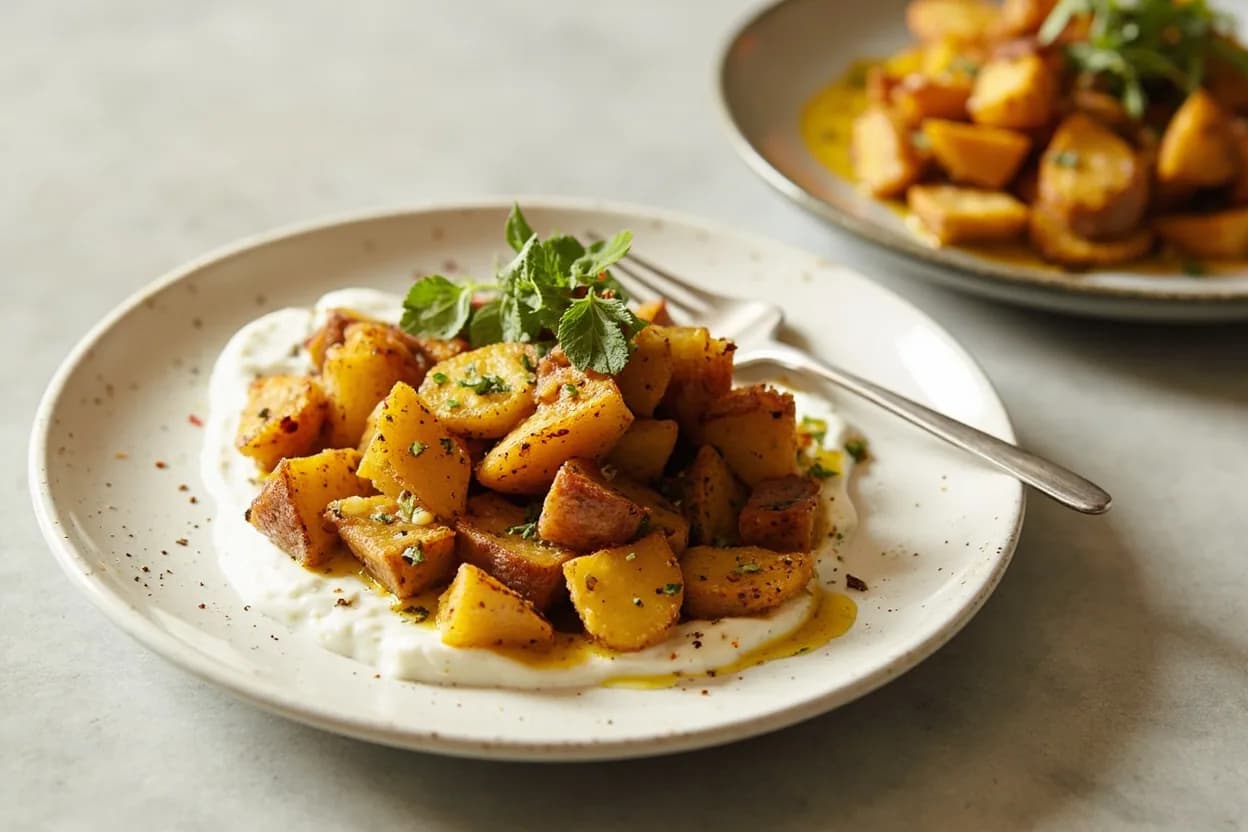


Related

Whole Milk
Rich, full-fat milk for drinking, coffee, sauces, and baking
Butter
Golden fat for searing, baking, and finishing a sauce
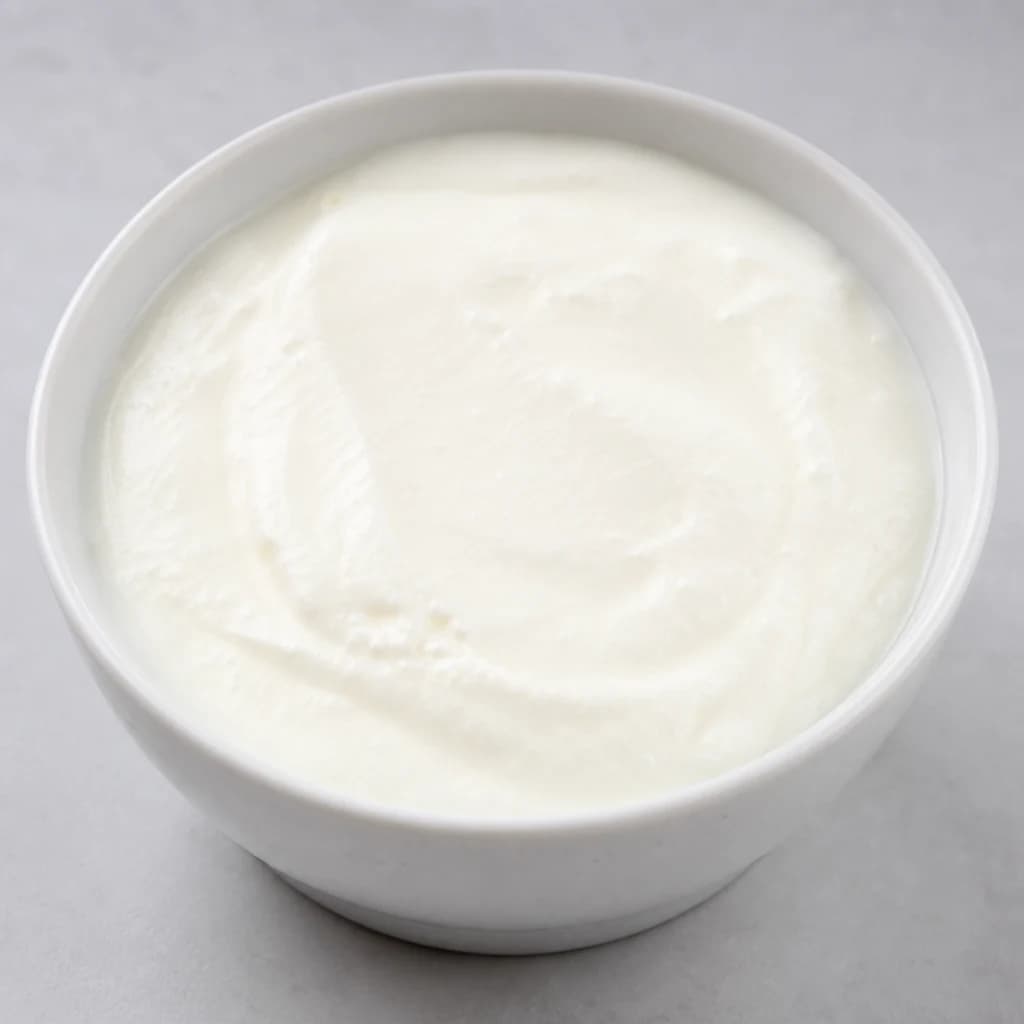
Yogurt
Tangy, creamy culture for breakfast, sauces, and marinades
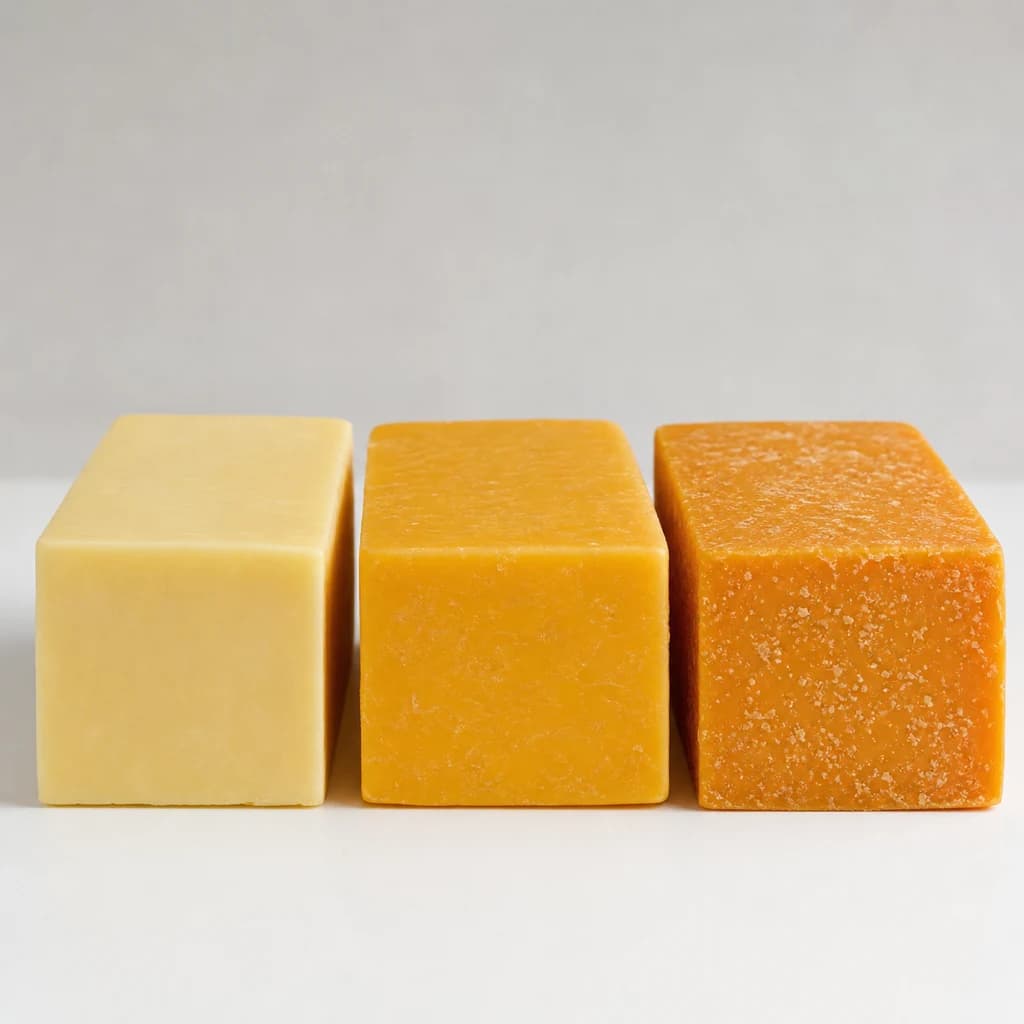
Cheddar Cheese
Sharp, melty cheese for sandwiches, gratins, and grating
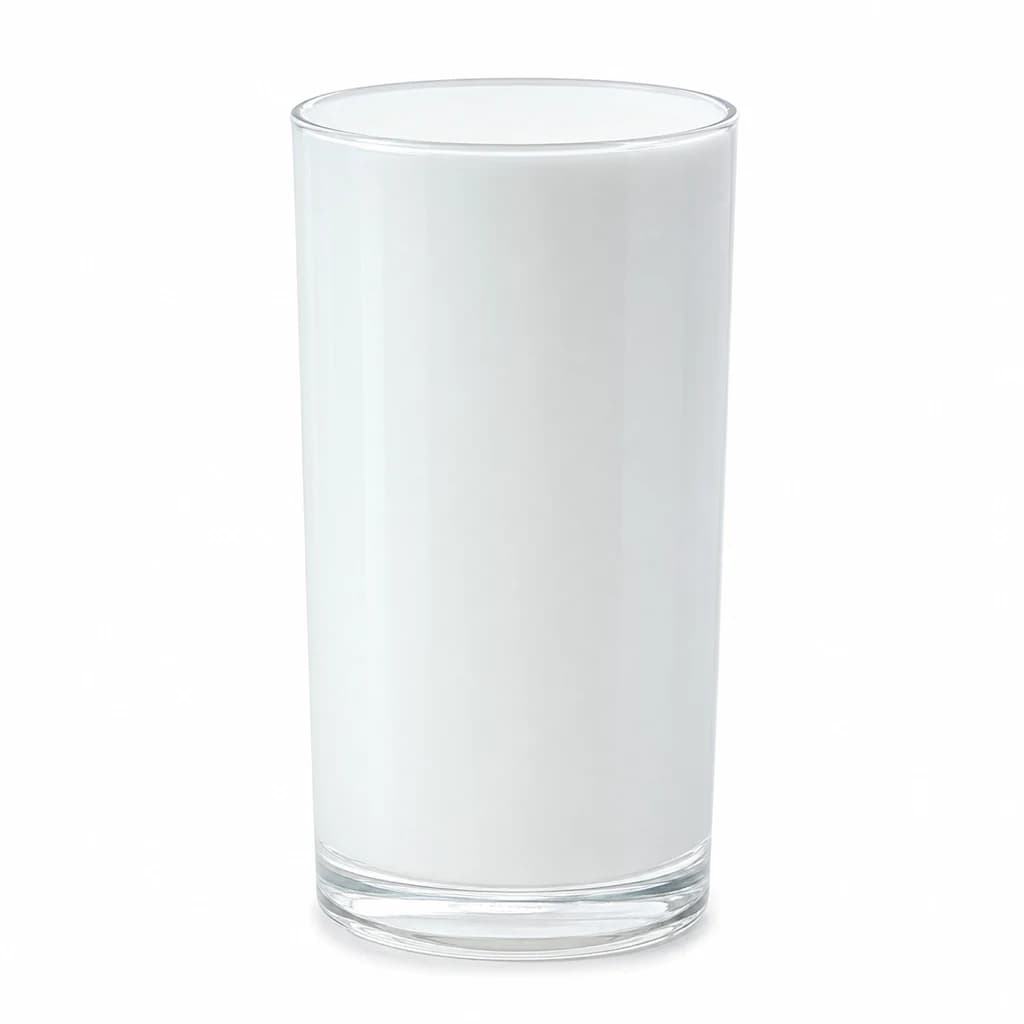
Skim Milk
Fat-free milk for lighter drinking, coffee, and cooking
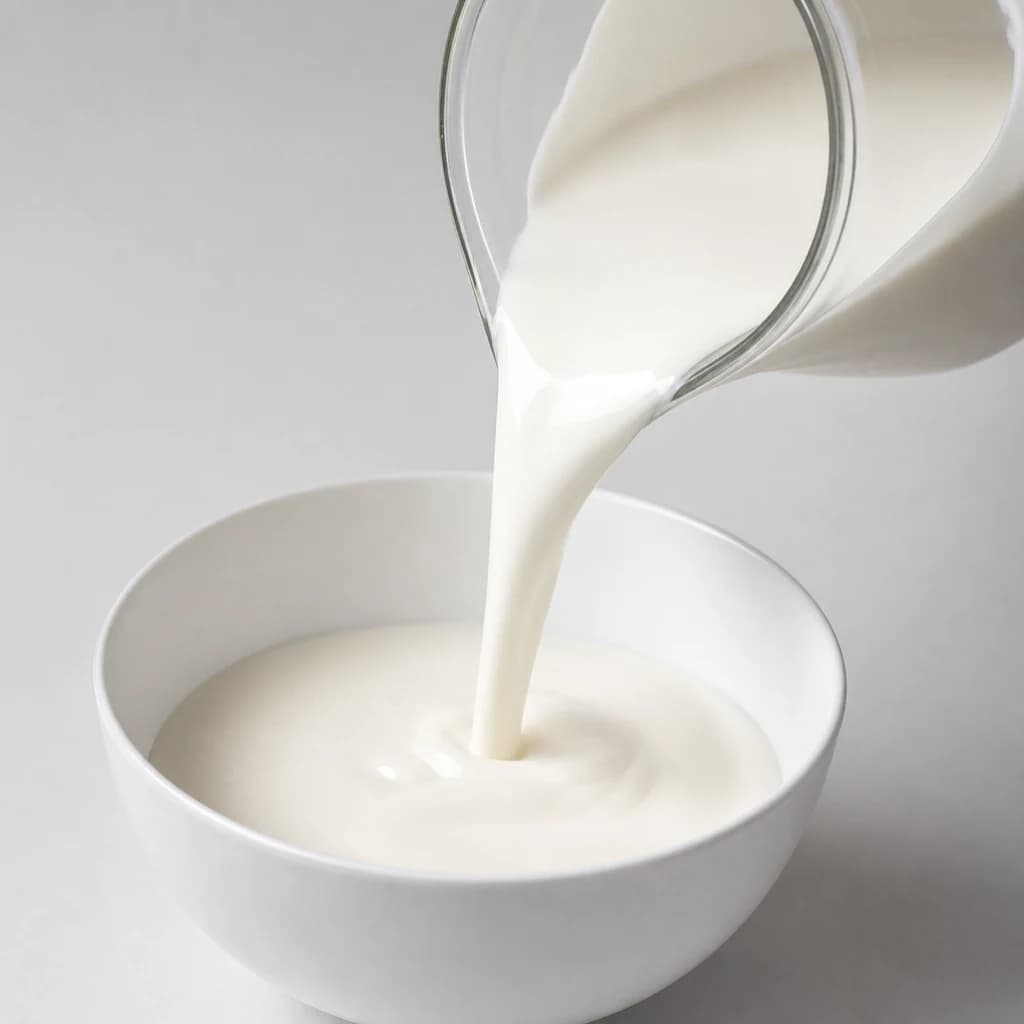
Heavy Cream
Rich cream that whips, enriches sauces, and sets ganache

Sour Cream
Tangy, thick cream for dolloping, baking, and dips
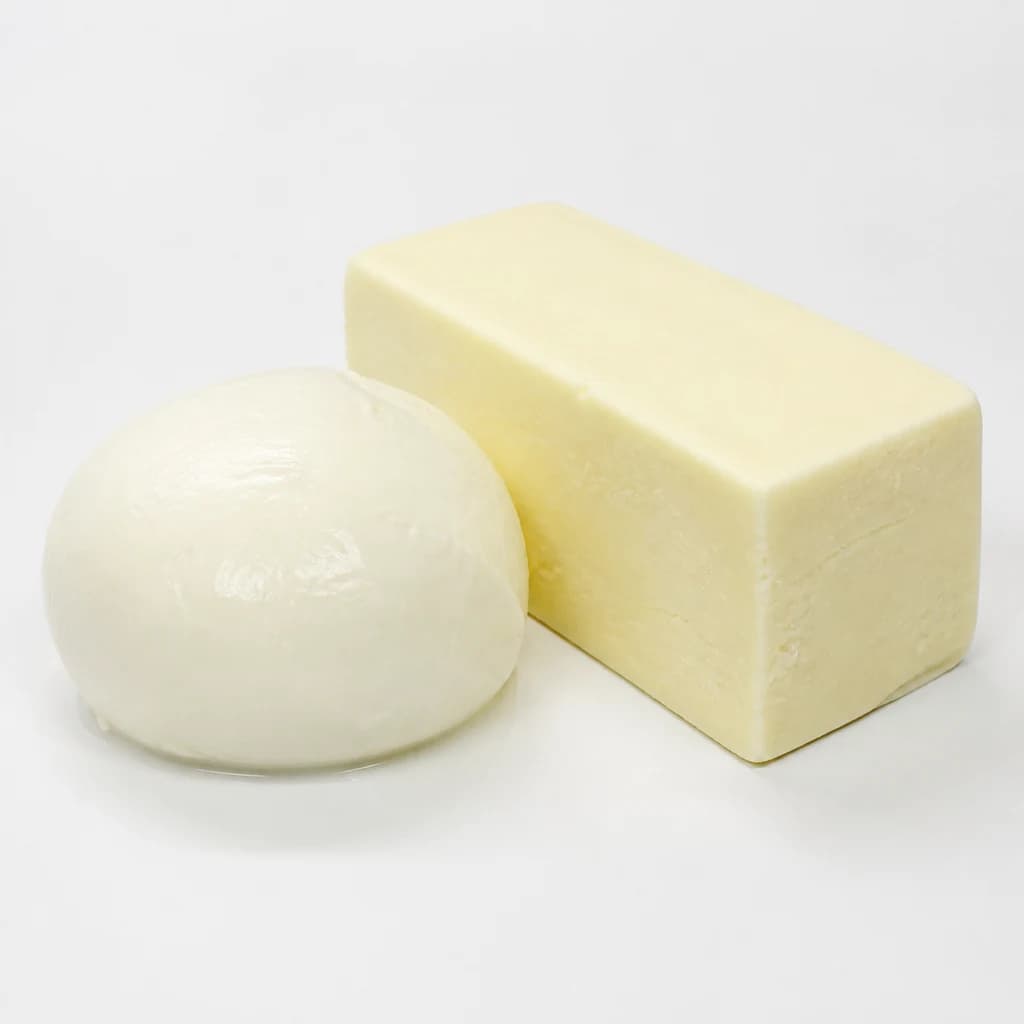
Mozzarella
Soft, milky cheese that melts into stretchy pizza pulls