Proteins
Pork Cracklings (Čvarci)
Crisp golden rendered pork-fat pieces eaten as a snack or stirred into bread and spreads.
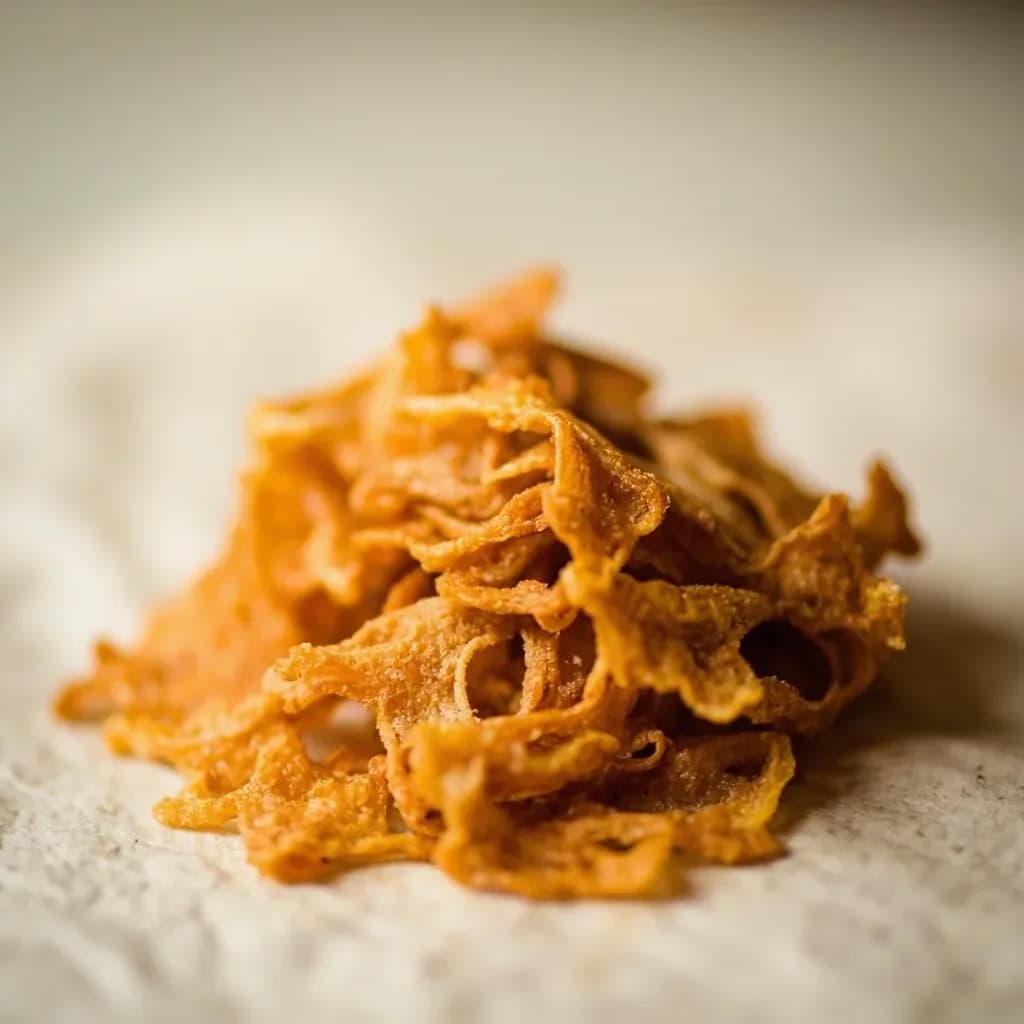
Pork cracklings are pieces of pork fat and skin slowly rendered until crisp and golden, leaving crunchy, savory morsels. The Balkan version, čvarci, is a beloved snack served with bread and rakija, while elsewhere they are crumbled into cornbread, beans or spreads. They are intensely rich and salty.
Pork cracklings, known as čvarci (CHVAR-tsee) across the Balkans and skwarki in Poland, are the solid pieces of pork fat that remain after back fat or belly fat is fully rendered into lard. They are not the same as pork rinds or chicharrones—those are made from skin with its attached fat layer. True cracklings are pure rendered pork fat, and the distinction matters: the absence of skin means a cleaner, more intensely porky flavor and a crisp, brittle texture throughout. The process transforms an abundant byproduct of butchery into one of the most satisfying savory snacks in Central and Southern European cooking.
The appeal of čvarci lies in their duality: they are simultaneously light and deeply rich, shatteringly crisp yet with a slight chew at the very center when made from belly fat. The rendering process drives off moisture and leaves behind concentrated pork flavor with a natural saltiness that intensifies as the pieces cool. Historically, čvarci were made during the winter pig slaughter (kolinje), when large quantities of fat were processed and the cracklings served as a preserved protein-fat food through lean months. Today they are produced year-round, but homemade versions—especially those made from a single batch of fresh fat—remain far superior to most commercial offerings, which often skimp on rendering time and quality of starting fat.
In Balkan households, čvarci are not merely a snack. They are an ingredient: crumbled into bread spreads, stirred into egg dishes, layered into burek, or crushed over boiled potatoes. The golden lard that renders off during cooking (mast) is a prized cooking fat in its own right and should always be saved. Premium čvarci, called prvi čvarci (first čvarci), come from the initial rendering of the freshest fat and are lighter, crisper, and more expensive. Drugi čvarci come from secondary renderings and are darker and less prized—a useful distinction when purchasing.
- Measured in
- g
- Storage
- Pantry
Types & varieties
Made from pork back fat; rendered slowly, heavily salted while warm, then dried. The standard and most respected form.
Made from pork belly (slanina); may contain small streaks of meat; slightly richer flavor, slightly chewier texture.
Premium grade from the first rendering of fresh fat; lighter color, superior crispness, higher price. Sought after in Serbian markets.
From secondary renderings; darker color, less prized than prvi čvarci.
Often seasoned with salt and sometimes paprika; typically smaller, crunchier pieces than Balkan čvarci.
Polish cracklings, usually from pork belly fat; sometimes mixed with herbs; commonly used as a base for bread spreads.
Technically made from skin-on cuts; the same concept of crispy rendered pork but not a true equivalent to čvarci.
Pressed and dried pork fat pieces from Emilia-Romagna; a close cousin to čvarci with similar texture and culinary uses.
Flavored with garlic, black pepper, or herbs before or after rendering; increasingly common in commercial production.
How Rendering Works
Pork fat is about 70% lipid and 30% water and connective tissue. When heated, the water boils off first (this is why cracklings bubble and spit as they cook), then the connective tissue crisps and the fat cells burst outward, leaving behind the porous, golden solids you eat. The fat that drains off is pure lard (mast)—save it for frying, pastry, or spreading on bread.
- Back fat yields lighter, crispier cracklings with less chew
- Belly fat contains more connective tissue, producing chewier pieces but deeper flavor
- Raw fat should be firm and fresh; soft or aged fat produces inferior cracklings
What Čvarci Are Not
It is essential to distinguish čvarci from two commonly confused products. Pork rinds (chicharrones, chicharrónes) are made from pork skin with its attached fat layer, resulting in a puffy, hollow texture. Ketchup-colored or smoky-flavored packaged snacks labeled 'pork cracklings' are often industrial products made from skin, not pure fat. True čvarci should look like golden irregular pieces of pure fat solid—nothing else.
- Read the ingredient list: authentic čvarci contain only pork fat and salt
- True cracklings contain no skin, no batter, no coating
- If the pieces are hollow or puffy, they are rinds, not cracklings
Buying and Storing
When purchasing finished čvarci, look for uniform golden color throughout—no pale cores, no dark burnt patches. They should be completely crisp with no give when pressed. Store in an airtight container in a cool, dry cupboard; they keep 2–3 weeks this way. Refrigeration is only necessary in hot, humid climates, but can cause them to absorb odors and soften. If they soften, revive them by spreading on a baking sheet and heating 5 minutes at 160°C (320°F).
- Airtight, cool, dry storage is always preferable to refrigeration
- Moisture is the enemy: even small amounts of humidity cause sogginess
- Commercial products may contain additives to extend shelf life; check labels
Common uses
Tips & pitfalls
- Render on low to medium-low heat; high heat burns the exterior before the interior fully renders, leaving pale or chewy cores
- Add 1–2 tablespoons of water to the pot when starting—this prevents sticking and ensures even rendering, especially for larger fat cubes
- The cracklings are truly done when they float, are uniformly golden, and no more bubbles rise from the fat—this signals all moisture is gone
- Drain immediately in a single layer on paper towels; leaving them in hot fat continues cooking and dries them out
- Salt cracklings generously while still warm—they absorb seasoning far better at this point
- To revive softened stored cracklings, spread on a baking sheet and heat 5 minutes at 160°C (320°F)
- For the crispiest, lightest texture, use pork back fat; belly fat cracklings are richer in flavor but have more connective tissue and can be chewier at the center
- Store in an airtight jar in a cool, dry cupboard; never refrigerate unless your climate is hot and humid (refrigeration introduces moisture and odors)
- Avoid purchasing cracklings that are pale (under-rendered), dark brown, or burnt—proper color is uniform golden-gold throughout
- Save the rendered lard (mast) in a clean jar; it is excellent for frying, roasting vegetables, or spreading on bread
- Authentic čvarci should be entirely crispy throughout; any chewiness indicates insufficient rendering or a secondary batch (drugi čvarci)
Nutrition
Nutrition
No USDA FoodData Central match for Pork Cracklings (Čvarci) yet. We surface a per-100 g profile once a generic whole-food entry is matched and verified.
In the shops
Matched grocery products
 €2.20
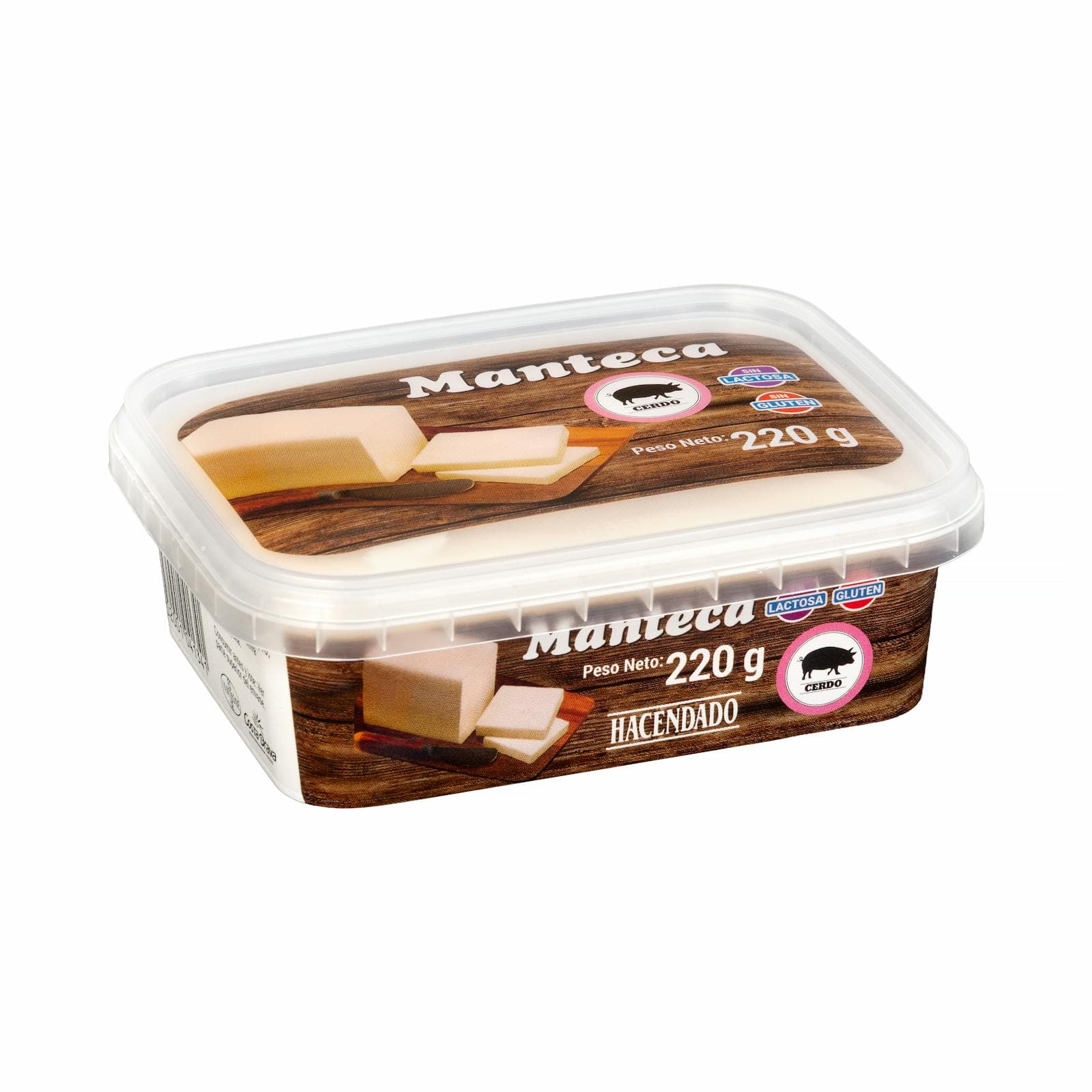
€2.20Pork Lard
Hacendado · 220 g · Mercadona
 €3.40
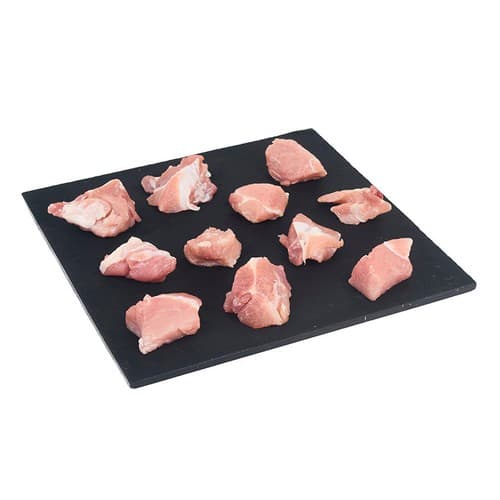
€3.40Pork Stew
BONPREU · ud · Bonpreu
 €3.45
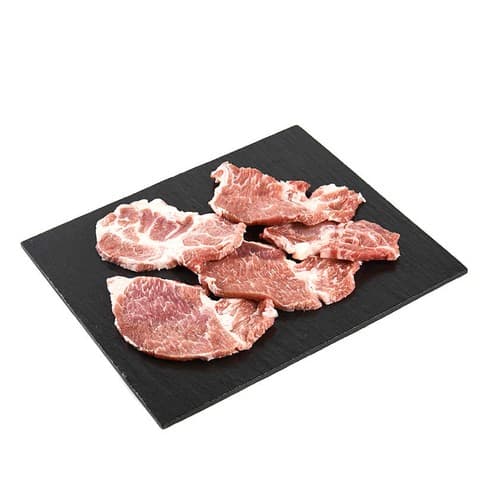
€3.45Lean Pork
BONPREU DE L'ERA · ud · Bonpreu
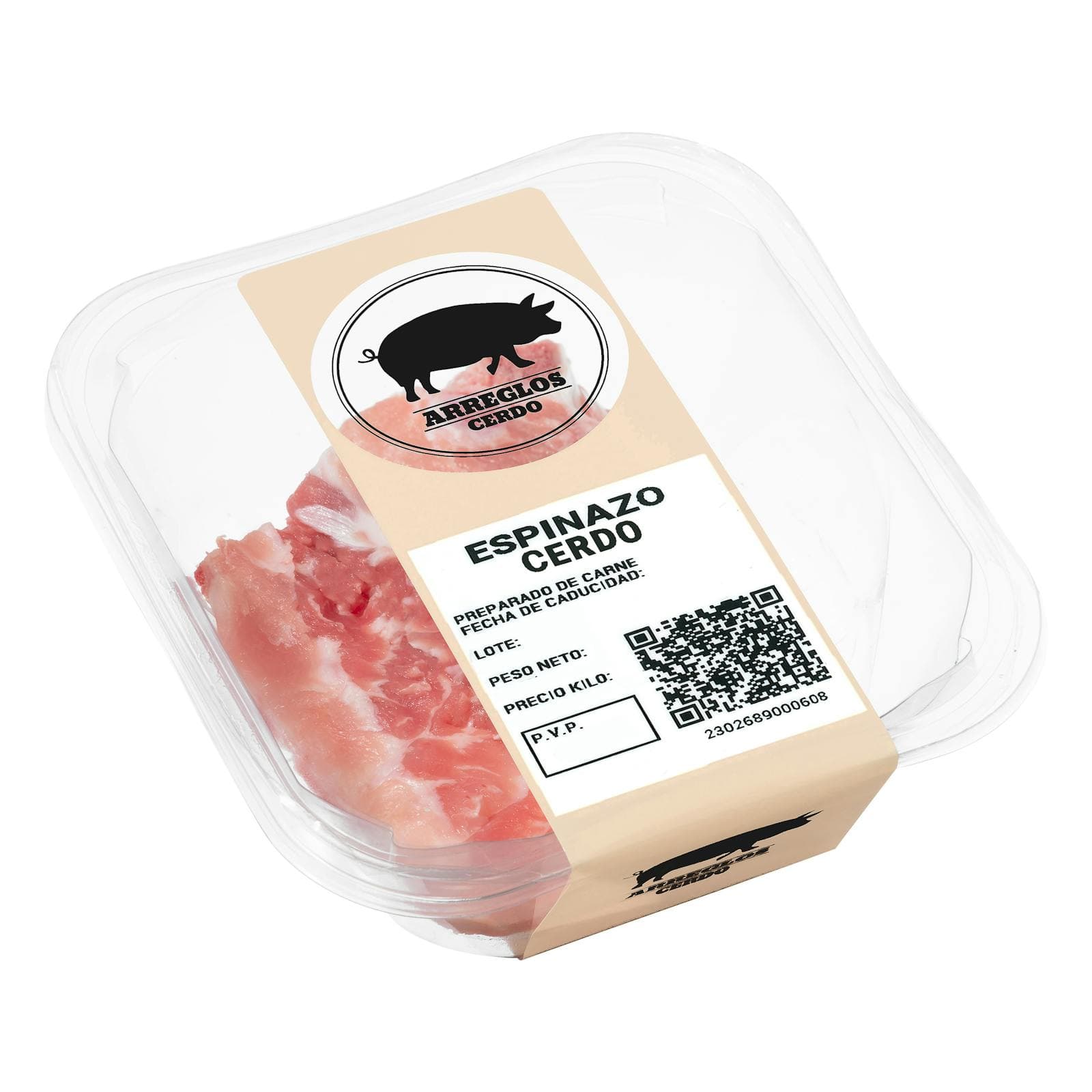 €2.10
€2.10Pork Spine
300 g · Mercadona
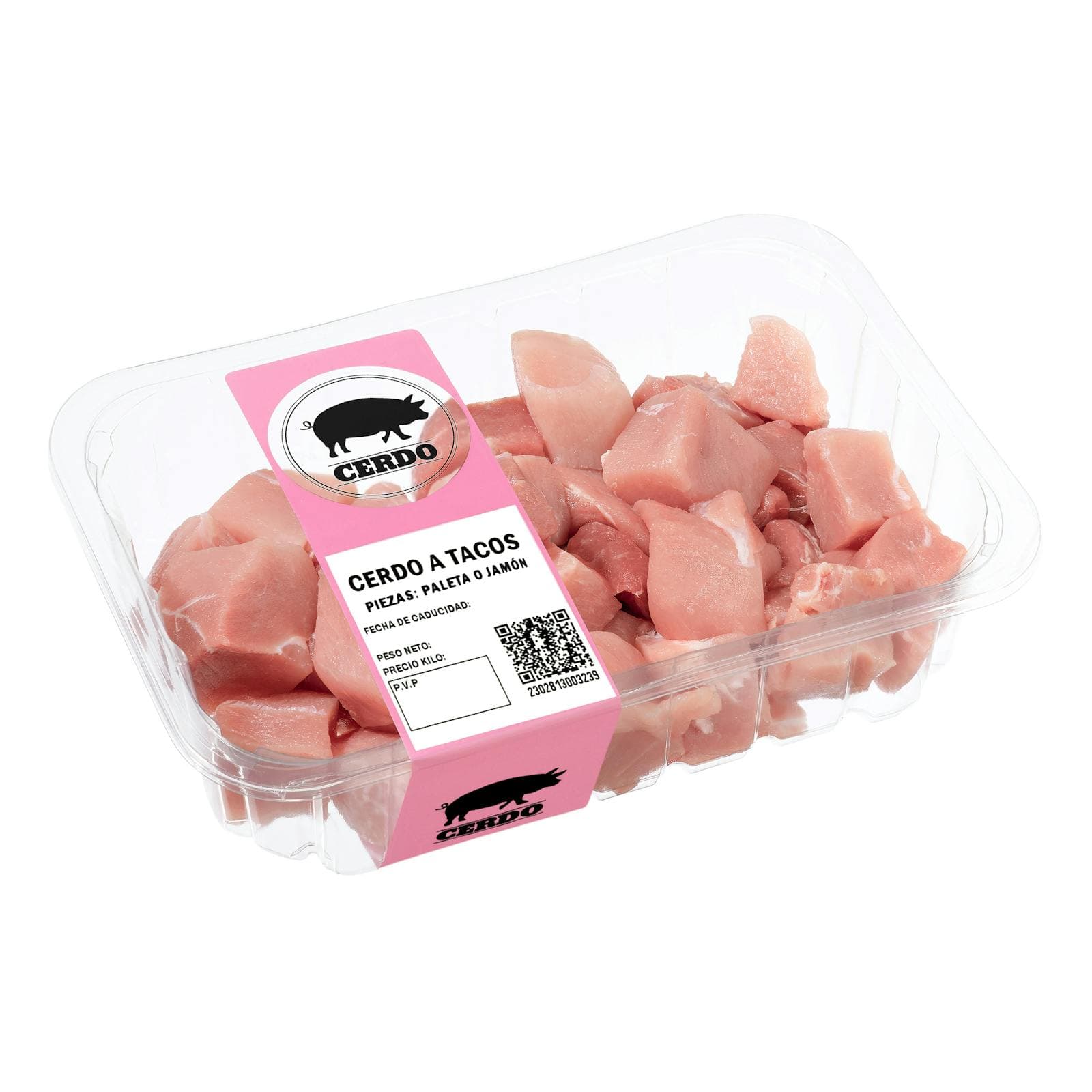 €3.22
€3.22Diced Pork
560 g · Mercadona
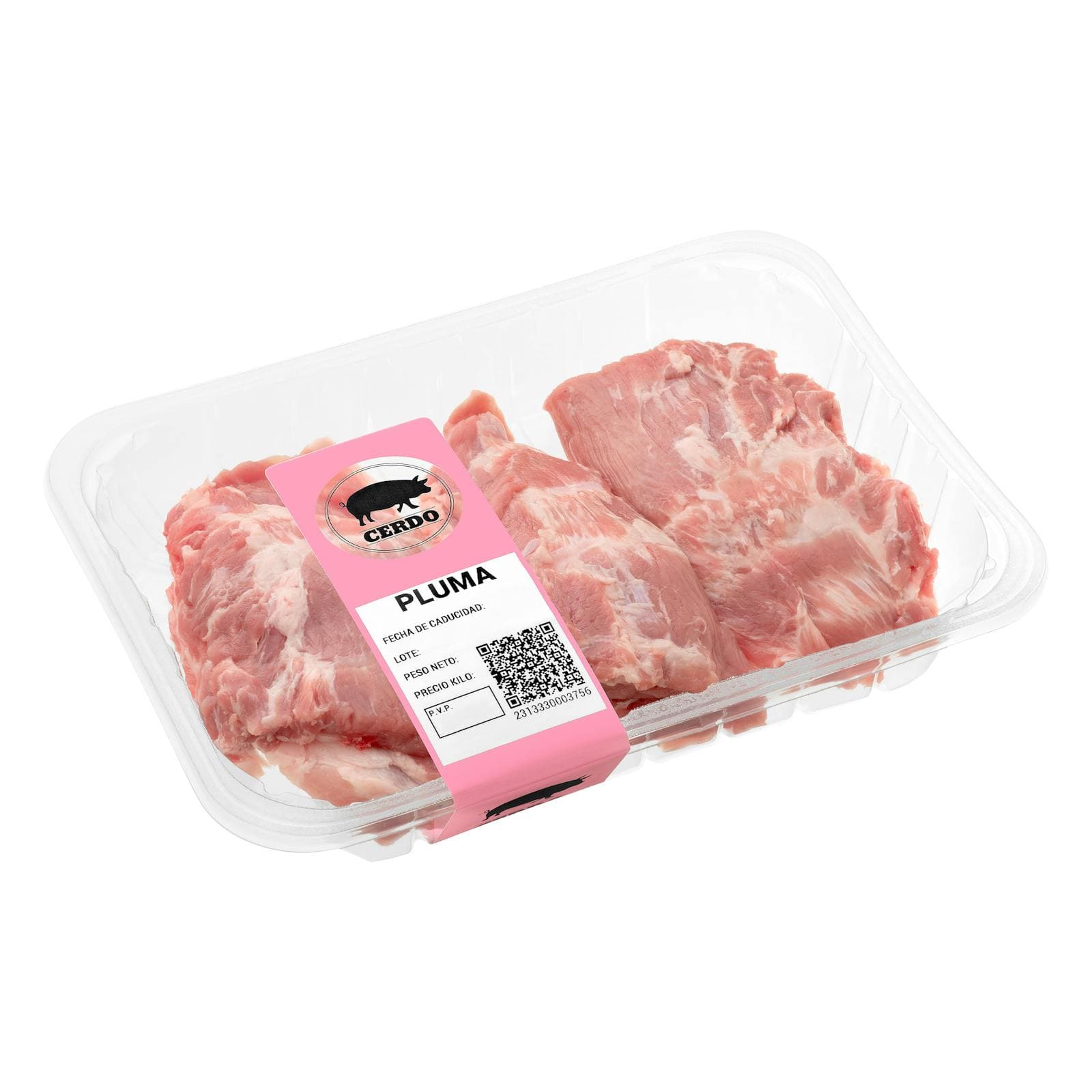 €3.75
€3.75Pork Pluma
300 g · Mercadona
Good to know
- Origin
- Balkans (Serbia, Croatia, Bosnia) and widespread across Central and Southern Europe
- Made from
- Pork back fat or belly fat; the solid pieces remaining after fat is fully rendered into lard
- Traditional context
- Historically made during winter pig slaughter (kolinje); a preservation method for pork fat
- Flavor
- Rich, porky, savory; intensely flavored; crispy throughout with a slight chew at center when made from belly fat
- Color (proper)
- Uniform golden to deep golden-brown; avoid pale (under-rendered) or dark brown/burnt pieces
- Yield
- Approximately 30–40% cracklings by weight from raw pork fat; the rest becomes lard (mast)
- Difficulty
- Simple process but requires attentive temperature control and timing
- Equipment needed
- Heavy-bottomed pot or deep cast-iron skillet; slotted spoon or spider; paper towels for draining
- Time
- 30–60 minutes from cold fat to finished cracklings, depending on quantity and heat level
- Storage (unrefrigerated)
- 2–3 weeks in an airtight container in a cool, dry place; keep moisture out
- Storage (refrigerated)
- 1–2 months in a sealed container; return to crispy texture with brief oven reheat if needed
Substitutes
- Homemade pork lardons, rendered longer — Dice pork belly, render slowly over low heat until very crispy and dry; the result is similar but not identical—lardons retain more meaty texture.
- Italian ciccioli — Pressed, dried pork fat pieces from Emilia-Romagna; a close cousin to čvarci with similar texture, flavor, and culinary uses.
- Fried chicken skins — Different fat source but similar crispy texture and uses; a reasonable substitute for snack and garnish applications, though the flavor is distinct.
- Bacon bits (store-bought) — Saltier and smokier from curing and smoking; acceptable in a pinch but not an equivalent—bacon has a different fat-to-protein ratio and added preservatives.
- Pork scratchings (British) — UK pub snack made from pork rind and fat; similar concept but the skin component changes texture; use where a puffy, crunchy texture is acceptable.
Pairs with
Also called
Čvarci · Pork Scratchings · Chicharrón
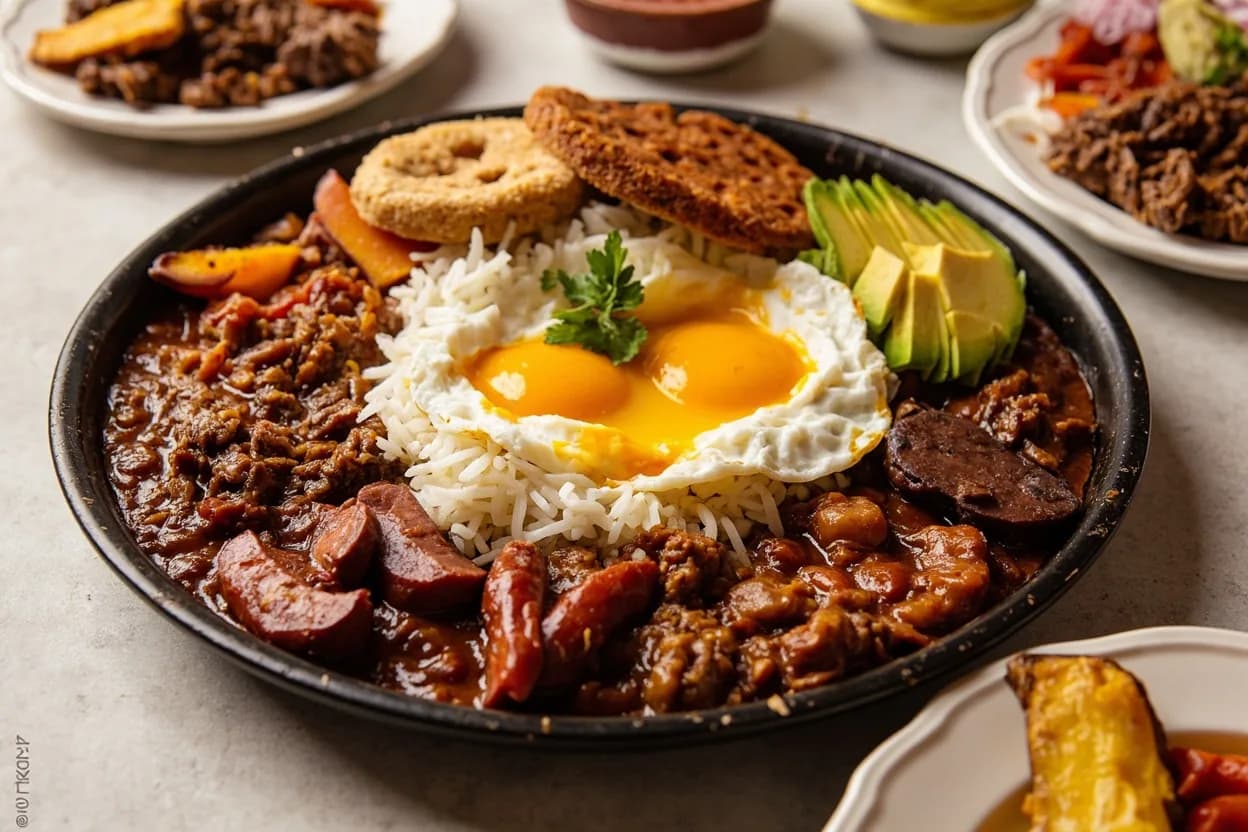
Appears in these dishes
Related
Egg
The kitchen's everything ingredient — bind, leaven, enrich, or fry
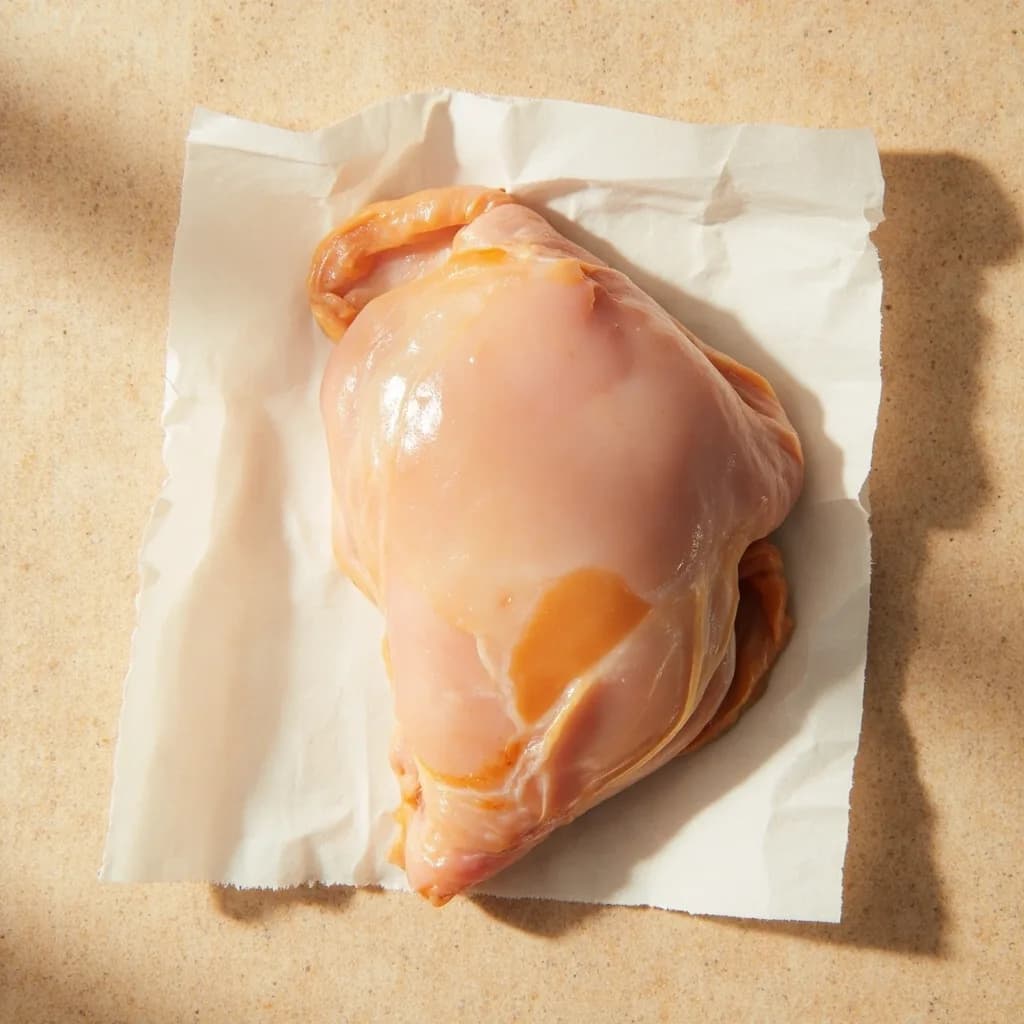
Chicken Breast
Lean, quick-cooking white meat for everyday dinners

Ground Beef
Versatile minced beef for burgers, ragù, tacos, and meatballs
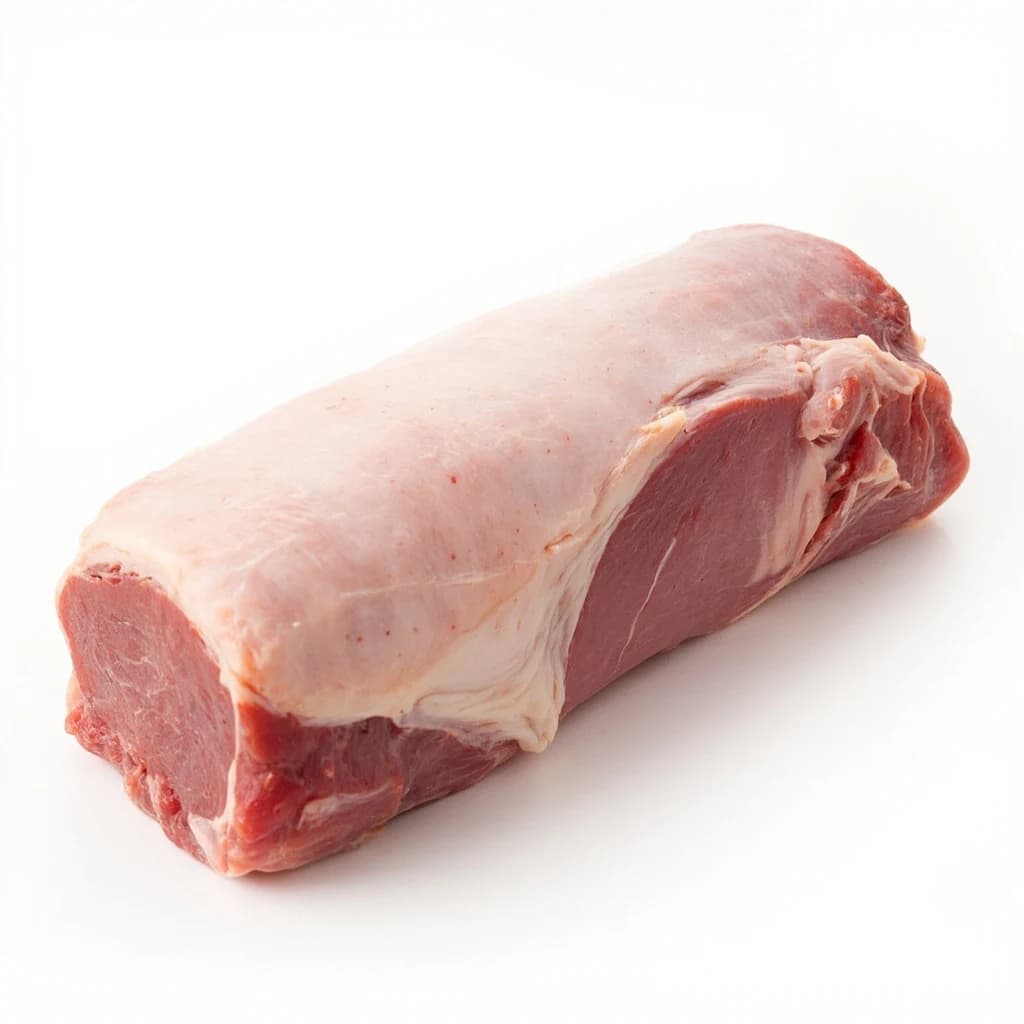
Pork Loin
Lean, tender roasting cut that stays juicy with care
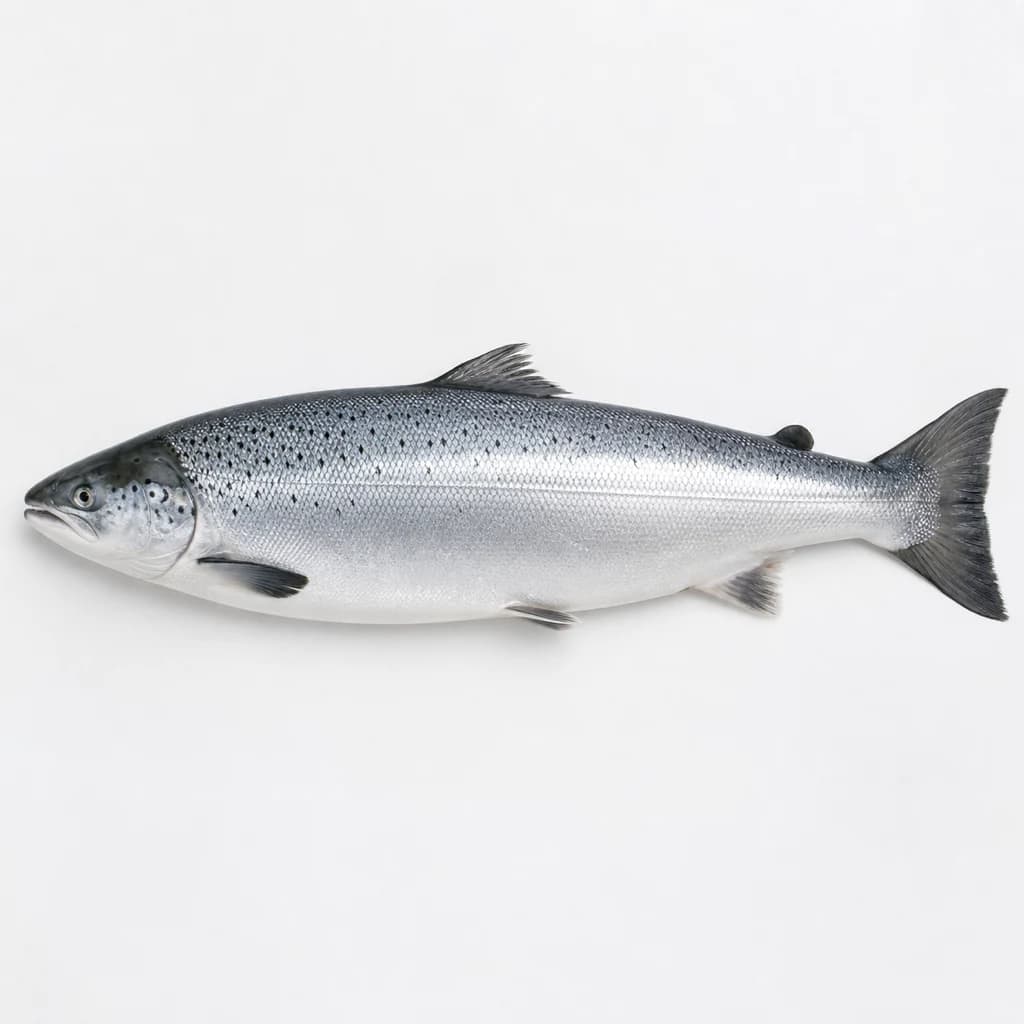
Salmon
Rich, rosy fish that roasts, grills, or cures beautifully

Egg White
Pure protein that whips to airy peaks for meringue and more
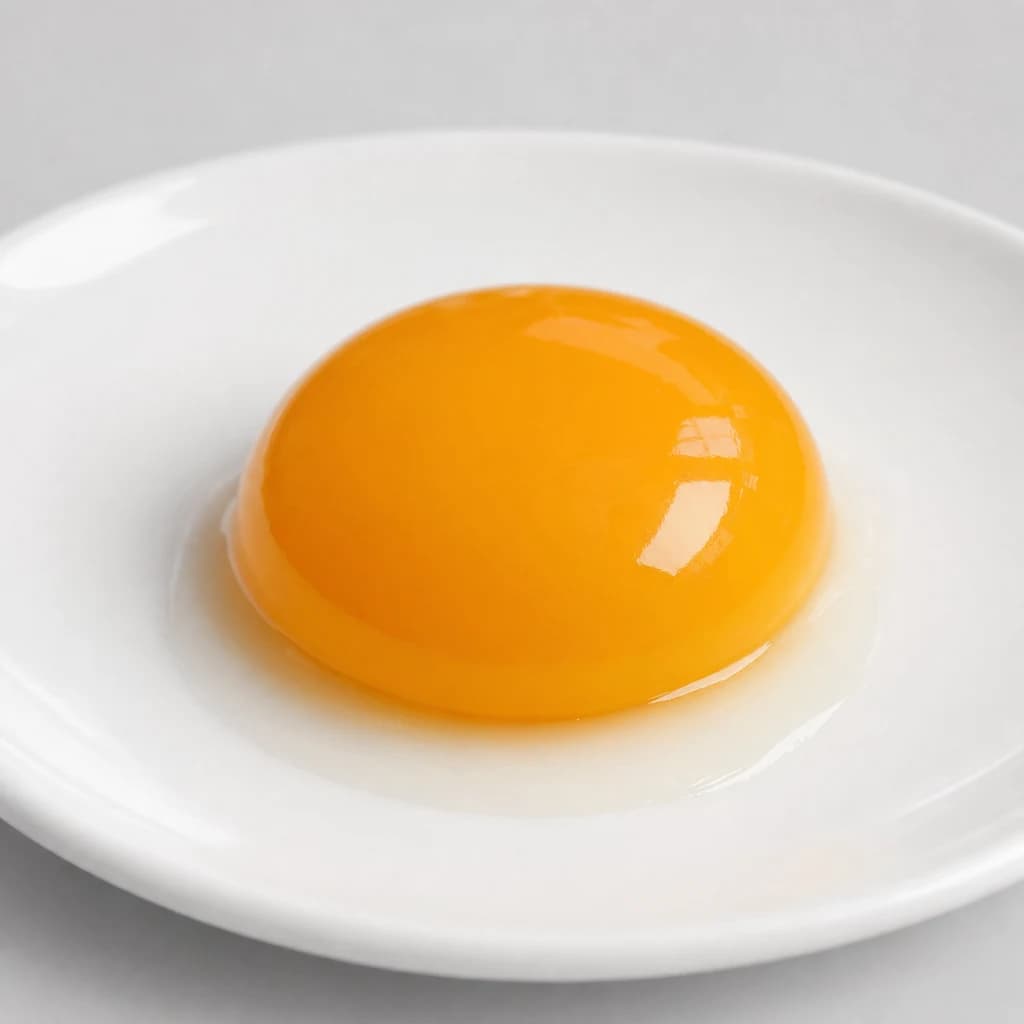
Egg Yolk
Rich, golden yolk for custards, mayonnaise, and pasta

Quail Egg
Tiny, speckled eggs for garnishing and elegant bites