Proteins
Cured Ham (Presunto)
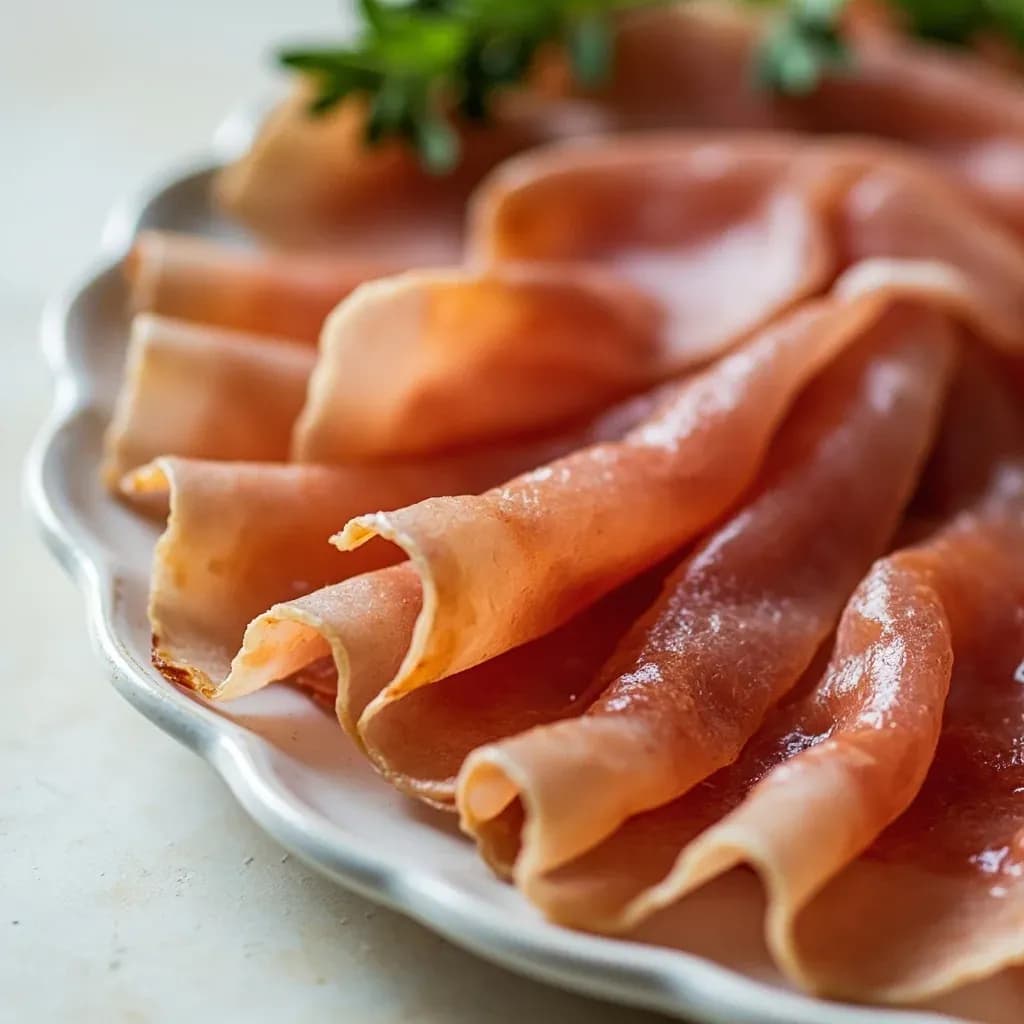
Portuguese dry-cured raw ham, thinly sliced and served like prosciutto.
Presunto is a Portuguese dry-cured ham made from salted pork leg aged for months until intensely savory. Thinly sliced, it is eaten raw as an appetizer, layered into sandwiches, or added at the end of cooking to flavor dishes. Like Spanish jamón and Italian prosciutto, it is a charcuterie-board staple.
Presunto is Portugal's answer to the great European dry-cured hams—a raw, air-dried ham with traditions rooted in Roman techniques that evolved over centuries in the country's distinct regional microclimates. The production reaches its highest expression in Alentejo's hot, dry summers and Trás-os-Montes' cold winters, where Bísaro and Alentejana (black pig) breeds cure slowly, developing the characteristic deep ruby color and ivory-marbled fat that distinguishes fine Portuguese ham. The flavor is delicate and slightly sweet with nutty, creamy fat—less aggressively gamey than Spanish jamón ibérico, making it approachable even for those new to European cured meats.
Quality presunto is defined by its intramuscular marbling: when you press a ripe piece, it yields slightly under firm pressure without feeling soft. Commercial production is protected by four PDO/PGI designations—Presunto do Alentejo, Presunto de Chaves, Presunto de Barrancos, and Presunto da Madeira—ensuring traditional methods, minimum curing times, and regional authenticity. At the table, presunto is not merely an ingredient but a cultural statement: it opens every celebration, fills village festival stalls, and serves as the standard starter at restaurants from Lisbon to the Algarve. Note that unlike some countries, Portuguese presunto always means raw, dry-cured; cooked ham is called fiambre or presunto cozido.
- Measured in
- g
- Storage
- Fridge
Types & varieties
From Alentejo; medium-curing 10–14 months; Alentejana and Bísaro breeds; PGI protected since 1996; traditionally hung in forgeiras (charcoal-smoked drying houses) for part of curing
From Trás-os-Montes; long-curing 14–18 months; Bísaro pig; cylindrical shape, heavily salted, robust flavor; PGI protected since 1996
From Barrancos border region; minimum 14 months; Alentejana (black) pig; intense, complex flavor from acorn diet and dry Alentejo climate; smallest PDO production volume
From Madeira Island; local breeds; shorter curing 8–12 months; characteristic sweetness, milder flavor; often prepared with island spices
Marketing term for ham from black-footed (preto) pigs, ideally acorn-fed; longer curing, richer flavor, higher price; not all have PDO certification
Traditional variety from Trás-os-Montes Terra Quente; Bísaro breed; shorter curing than Chaves; sold in cylindrical form
Regional style from Trás-os-Montes; traditional family producers; variable curing times; often sold unsliced with bone attached
Common uses
Tips & pitfalls
- Always serve at room temperature: remove from refrigerator 20–30 minutes before serving; cold fat does not release aroma properly
- Look for even ruby-red color with fine, evenly distributed white marbling; avoid slices that are pale, grey, or have large chunks of separated fat
- If buying a whole piece, press gently: a ripe presunto should give slightly under firm pressure without feeling soft or damp
- For hand slicing: use a long, sharp carving knife; hold the ham at an angle and draw the blade toward you in a single fluid motion for paper-thin slices
- Do not over-serve: quality presunto is rich; 30–50g per person as an appetizer is sufficient
- If mold appears on a whole piece, scrape it off with a clean knife; the interior is protected; rewrap in fresh cloth
- When buying pre-sliced: avoid vacuum packs with excessive liquid; choose packs where slices are flat and closely adhered rather than compressed into a solid block
- Acorn-fed varieties (pata negra) are worth seeking for special occasions: the flavor is notably richer and more complex with distinct nutty sweetness
- Store whole pieces hung in a cool, dry, dark place if available; refrigerator is acceptable but bring to room temperature before serving
- Pair with young, fruity wines; avoid very tannic reds with premium varieties as tannins clash with the delicate fat
Nutrition
Energy
1100 kJ · per 100 g
Where the calories come from
Protein
16.3g
33% DV
Carbs
1.8g
1% DV
Fat
20.7g
27% DV
Fiber
0g
0% DV
Sugars
0g
of which
Sodium
1245mg
54% DV
Source · USDA FoodData Central · Ham, minced
View on FDC →In the shops
Matched grocery products
No matched grocery products for Cured Ham (Presunto) yet.
Good to know
- Type
- Dry-cured raw ham (presunto cru)
- Origin
- Portugal, with strongest traditions in Alentejo, Trás-os-Montes, and Ribatejo regions
- Primary Breeds
- Alentejana (black pig) and Bísaro (native to northern Portugal)
- Curing Time
- 10–18 months standard; 24–36 months for premium pata negra (acorn-fed)
- Protection Status
- Four PDO/PGI designations: Presunto do Alentejo, Presunto de Chaves, Presunto de Barrancos, Presunto da Ilha (Madeira)
- Flavor Profile
- Delicate, slightly sweet, nutty; creamy fat; less gamey than Spanish jamón ibérico
- Texture
- Firm but yielding; fat is ivory to pinkish-white; intramuscular marbling melts on the palate
- Color
- Deep ruby-red lean with white-to-pink fat marbling
- Serving Temperature
- Room temperature (18–22°C); cold from refrigerator dulls aroma and flavor
- Storage (whole piece)
- Hang in cool, dry place for weeks; wrap in cloth and refrigerate 1–3 months; scrape off surface mold and rewrap (safe to eat)
- Storage (sliced)
- Refrigerate in sealed wrap; use within 2–3 weeks for best quality
- Typical Slice Thickness
- 1–2mm paper-thin for serving raw; 3–5mm acceptable for cooking applications
Substitutes
- Prosciutto di Parma DOP — Italian equivalent; slightly firmer texture, more pronounced salt; good one-to-one substitute in most applications
- Prosciutto di San Daniele DOP — Italian; sweeter and softer than Parma; closest flavor match to milder Portuguese presunto
- Jamón Ibérico de Bellota — Spanish acorn-fed ham; stronger, more intensely flavored and gamier; use half the quantity if substituting in raw serving applications
- Jamón Serrano — Spanish mountain ham; shorter curing than presunto, resulting in firmer texture and milder flavor; acceptable budget substitute
- Schwarzwälder Schinken — German black forest ham; cold-smoked, different flavor profile but similar thin-sliced applications in salads and sandwiches
Pairs with
Also called
Raw Ham · Rohschinken · Dry-Cured Ham
Appears in these dishes

Related
Egg
The kitchen's everything ingredient — bind, leaven, enrich, or fry
Chicken Breast
Lean, quick-cooking white meat for everyday dinners

Ground Beef
Versatile minced beef for burgers, ragù, tacos, and meatballs
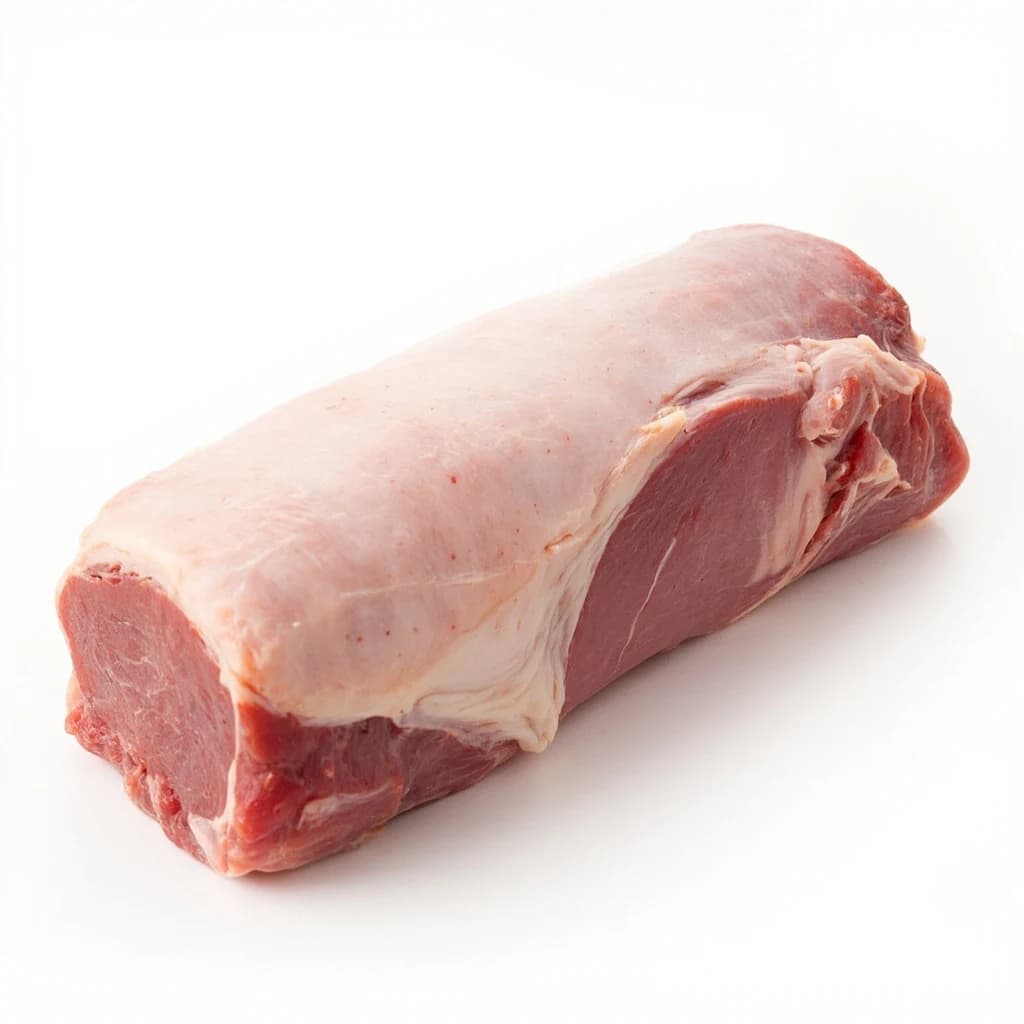
Pork Loin
Lean, tender roasting cut that stays juicy with care

Salmon
Rich, rosy fish that roasts, grills, or cures beautifully

Egg White
Pure protein that whips to airy peaks for meringue and more

Egg Yolk
Rich, golden yolk for custards, mayonnaise, and pasta

Quail Egg
Tiny, speckled eggs for garnishing and elegant bites