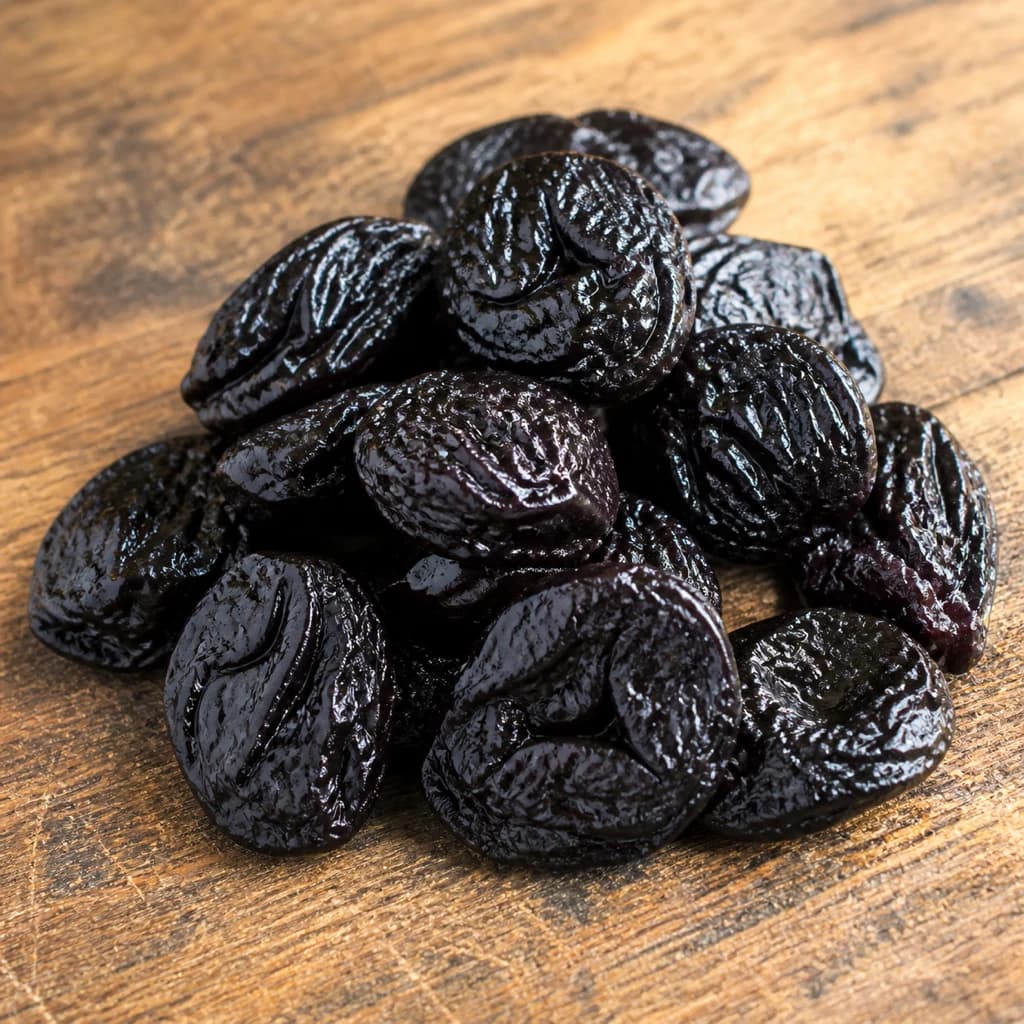
Natural form
Whole dried prunes, dark and glossy, showing their wrinkled skin and deep color.
Establishes the recognizable dried form — the wrinkled, near-black skin and rounded shape that distinguishes prunes from fresh plums.
Produce
Prune
Dried plum, sweet and chewy, used in tagines, stuffings, and baking.
Prunes are dried plums with a deep, caramel-like sweetness and a soft, chewy texture. They are simmered into North African tagines and braised meats, chopped into stuffings and baked goods, or eaten as a snack. Their natural sugars and moisture make them a useful sweetener and tenderizer in savory dishes.
Prunes are dried plums, specifically varieties of Prunus domestica that have been dehydrated to concentrate their natural sugars and develop their characteristic deep, jammy flavor. Not all plums dry successfully—only those with sufficiently high sugar content and low enough moisture can be dried without fermenting. The drying process transforms a pleasant fresh fruit into something more complex and versatile: intensely sweet with notes of caramel, honey, and dark fruit, with a chewy, pliable texture that skins wrinkled and slightly tacky. This transformation makes prunes invaluable in the kitchen, equally at home in savory braises and refined pastries.
The French Prune d'Ente from the Agen region remains the gold standard, prized for its thin skin, deep mahogany color, and concentrated flavor that punches well above its modest size. California grows varieties descended from these French prunes and dominates the North American market, while Chilean and Argentinean prunes have gained prominence. Italian Prunes are larger and slightly firmer, excellent for poaching. The diversity matters less for snacking than for cooking, where the intensity of French prunes may overwhelm delicate applications better suited to the milder California types.
Prunes behave uniquely in cooking: they absorb surrounding liquids and flavors readily while simultaneously releasing their own pectin and sugars. This dual action makes them exceptional for thickening and enriching sauces, braising liquids, and stuffings. Their high sorbitol content provides natural sweetness without requiring added sugar, and their fiber holds moisture in baked goods. The natural pectin also means prunes can break down into a smooth paste when cooked with minimal liquid—a characteristic exploited in North African and Middle Eastern kitchens to create the thick fruit reduction called lekuar.
- Measured in
- g
- Storage
- Pantry
Types & varieties
The premier French variety; small, dark, intensely flavored; the worldwide standard for quality prunes
Larger and slightly firmer than French types; excellent for poaching and European braises
Small, oval, very tart fresh; dries into intensely flavored prunes; popular in British cooking
Small green-yellow plum; available fresh and occasionally dried for a sweeter, more delicate result than dark prunes
French-prune descendants from the Central Valley; the most common variety in North American markets
Fresh Prune vs. Dried Prune
The distinction matters in recipes. Fresh plums marked 'prune-type' can sometimes substitute for dried prunes in a pinch if you reduce them longer to concentrate sugars, but the flavor intensity and textural properties differ significantly. Dried prunes have a caramelized depth that fresh plums lack, developed during dehydration. When a recipe calls for prunes, use prunes—fresh plums will yield a different result.
- Fresh prune-plum varieties exist but are not the same as dried prunes
- Recipes specifying 'prunes' mean dried; substituting fresh requires extended cooking and likely recipe adjustment
- Dried prunes continue to deepen in flavor over months of storage if kept sealed
Common uses
Tips & pitfalls
- Rehydrate quickly by soaking in warm water 15–30 minutes, or boiling water 10 minutes; for deeper flavor, soak in wine, brandy, or fruit juice
- Always pit before cooking when possible—pits contain trace amygdalin, which imparts bitterness and is unsafe if the prune splits during cooking
- Test quality by squeezing: a good prune should be plump and slightly tacky, not hard or bone-dry; dry prunes indicate improper storage or age
- To make prune paste (lekuar), simmer pitted prunes with a small amount of water until very soft, then puree and reduce to a thick spread; excellent for filling pastries or thinning into a sauce
- High sorbitol content makes prunes naturally laxative; account for this when serving in quantity, particularly to children or those with sensitive digestion
- For a quick pan sauce, add prunes to deglazed drippings from roasted meat; they absorb the savory fond and plump quickly, adding sweetness and body
- When baking, chop prunes roughly—uniform pieces ensure even distribution and predictable moisture in batter
- Store dried prunes in an airtight container; if too sticky, spread on parchment and air-dry briefly
Nutrition
Energy
1075 kJ · per 100 g
Where the calories come from
Protein
2.1g
4% DV
Carbs
65.1g
24% DV
Fat
0.2g
0% DV
Fiber
3.3g
12% DV
Sugars
39g
of which
Sodium
23mg
1% DV
Source · USDA FoodData Central · Prune puree
View on FDC →In the shops
Matched grocery products
No matched grocery products for Prune yet.
Good to know
- Type
- Dried stone fruit (Prunus domestica)
- Primary Producers
- France (Agen region), California, Chile, Argentina
- Harvest Season
- Late summer to early fall; available year-round when dried
- Flavor Profile
- Intensely sweet, jammy, with notes of caramel, honey, and dark fruit
- Texture
- Chewy, moist, pliable; wrinkled skin is slightly tacky when fresh
- Key Nutrients
- 6g dietary fiber per 100g; high in potassium, vitamin K, antioxidants
- Storage
- Cool, dark pantry for months; refrigerate after opening up to 6 months; freeze indefinitely
- Typical Size
- Whole prunes approximately 1–1.5 inches long
Substitutes
- Dried apricots — Different flavor (tarter, more floral) but similar chewy texture and caramel notes; works in most sweet applications
- Dried figs — Comparable sweetness and chewiness; more pronounced honey and berry flavor; excellent for savory pairings
- Dates (Medjool or Deglet Noor) — Much sweeter with distinct caramel flavor; similar texture; adjust sugar in recipes accordingly
- Raisins (dark or currants) — Less intense plum flavor but similar sweetness and moisture; useful in baking and stuffings
Pairs with
Also called
Prunes · Dried Plum
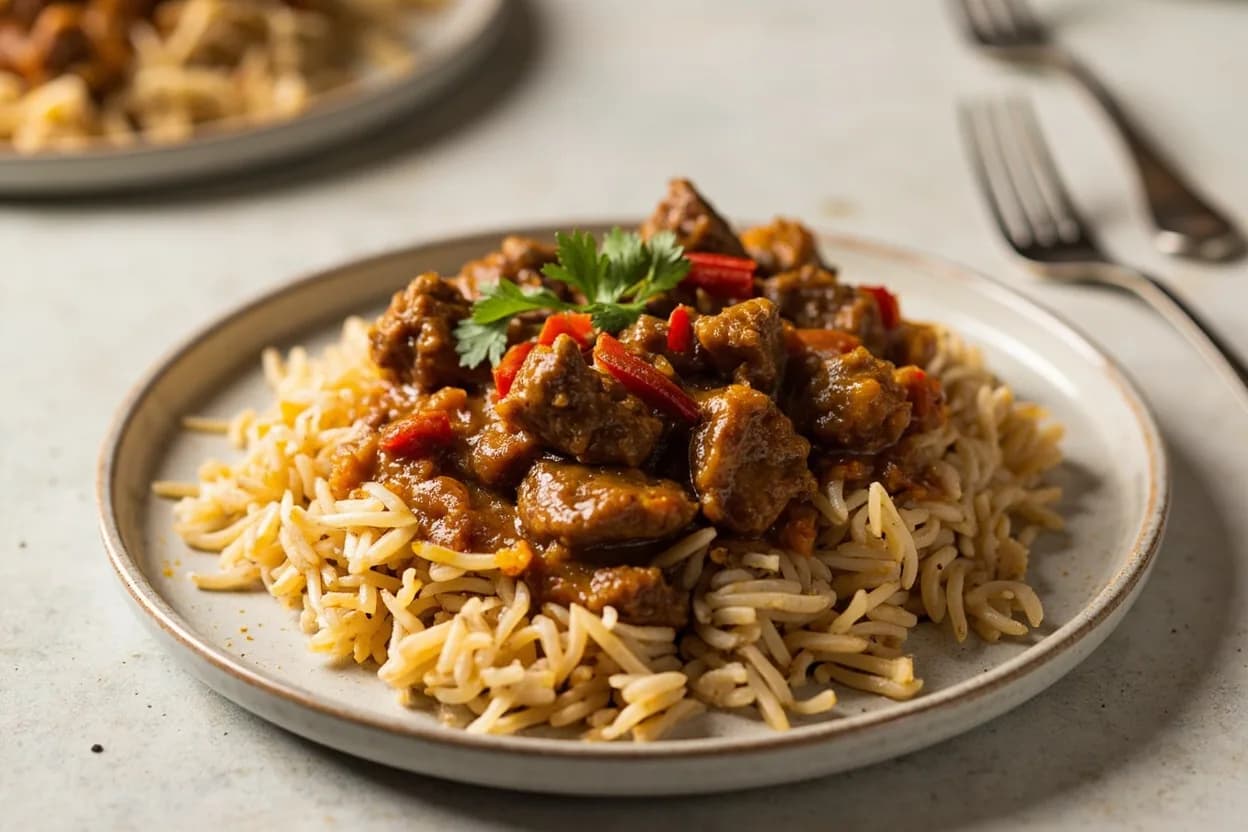
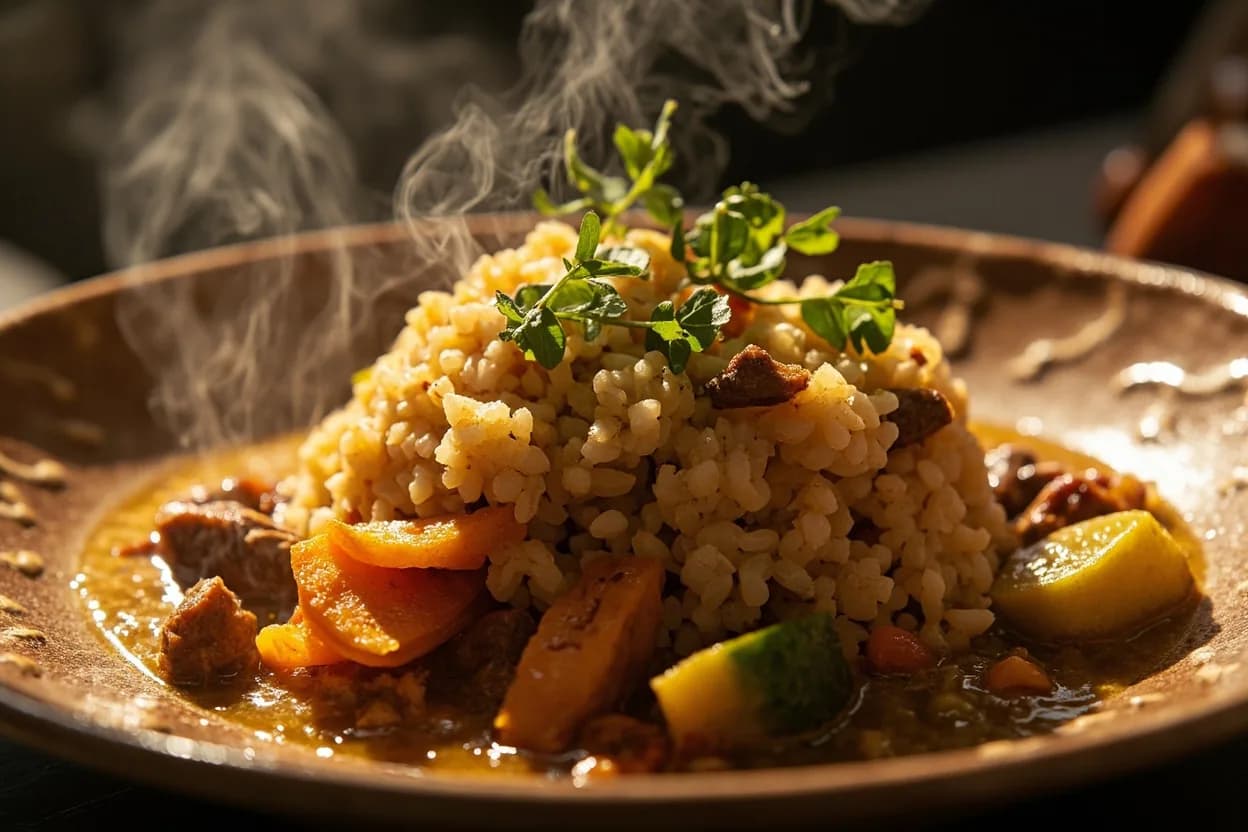
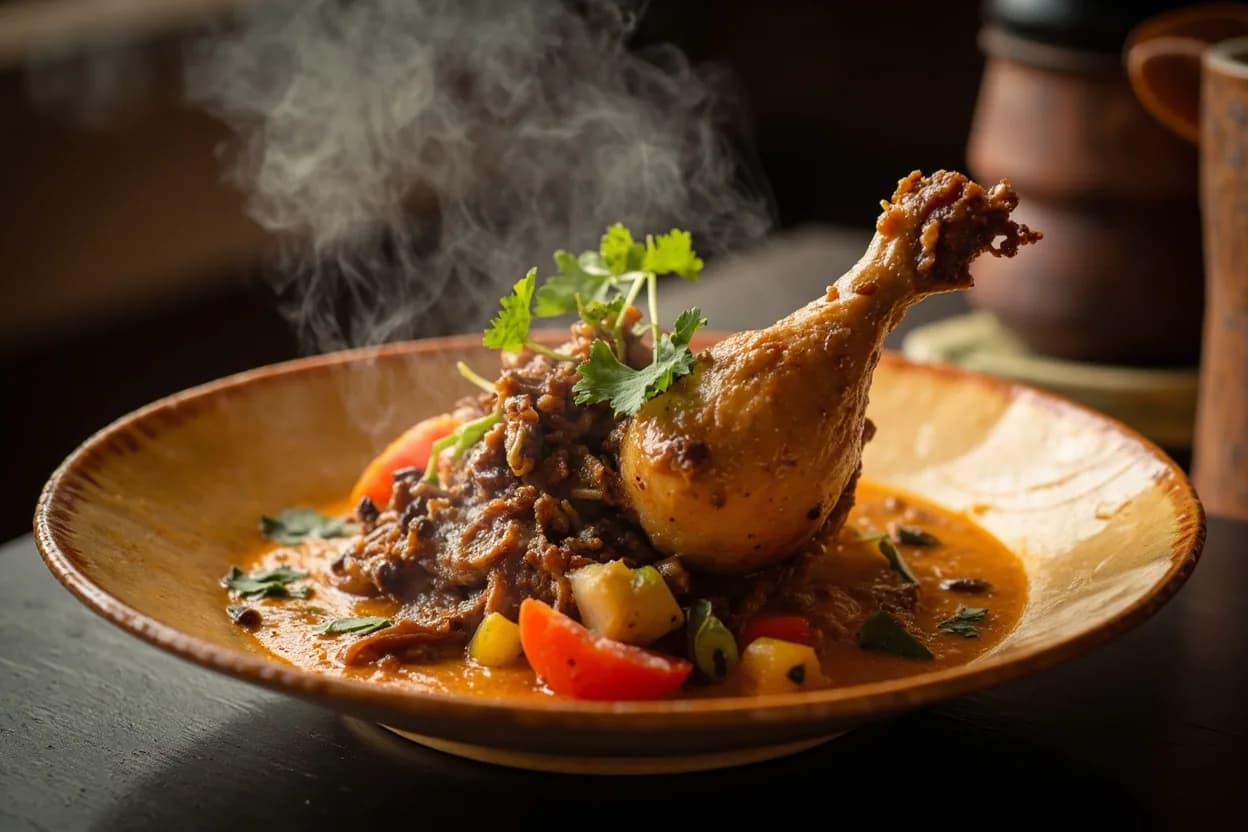
Appears in these dishes

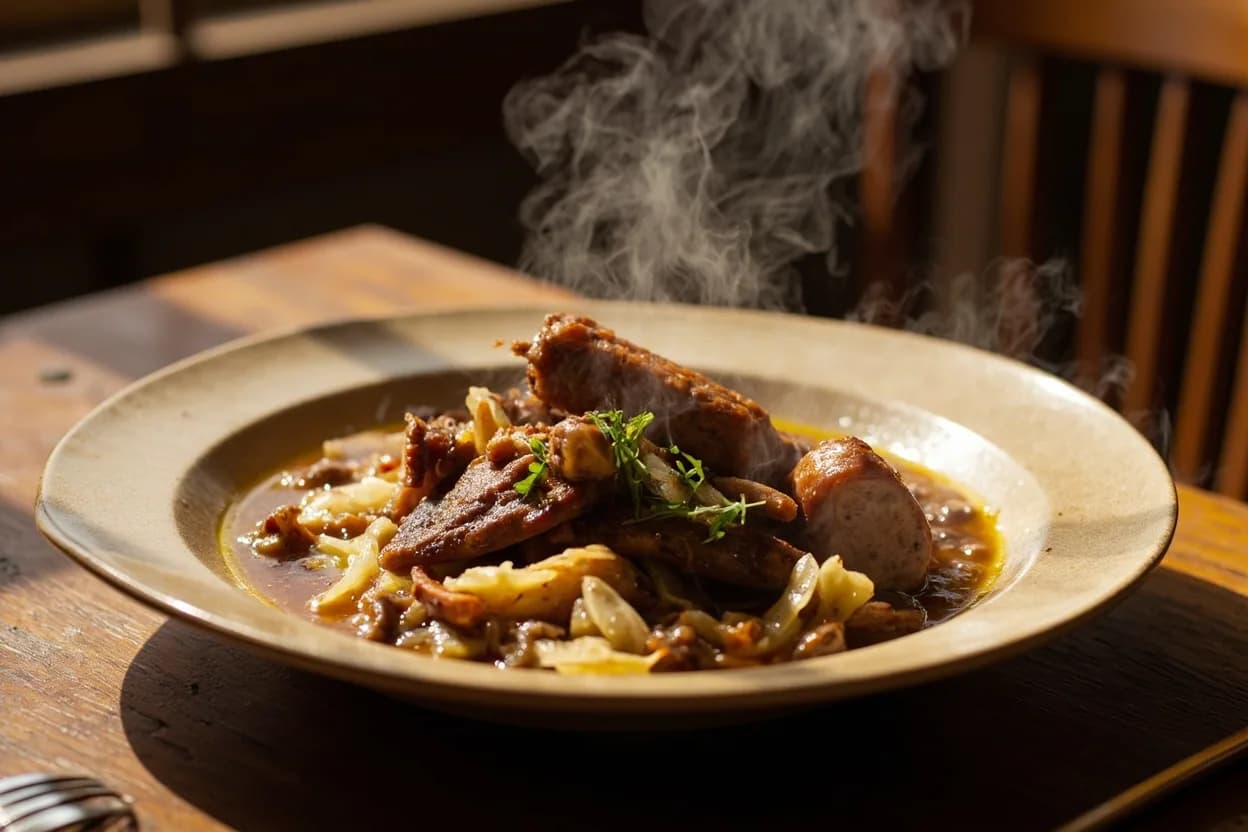

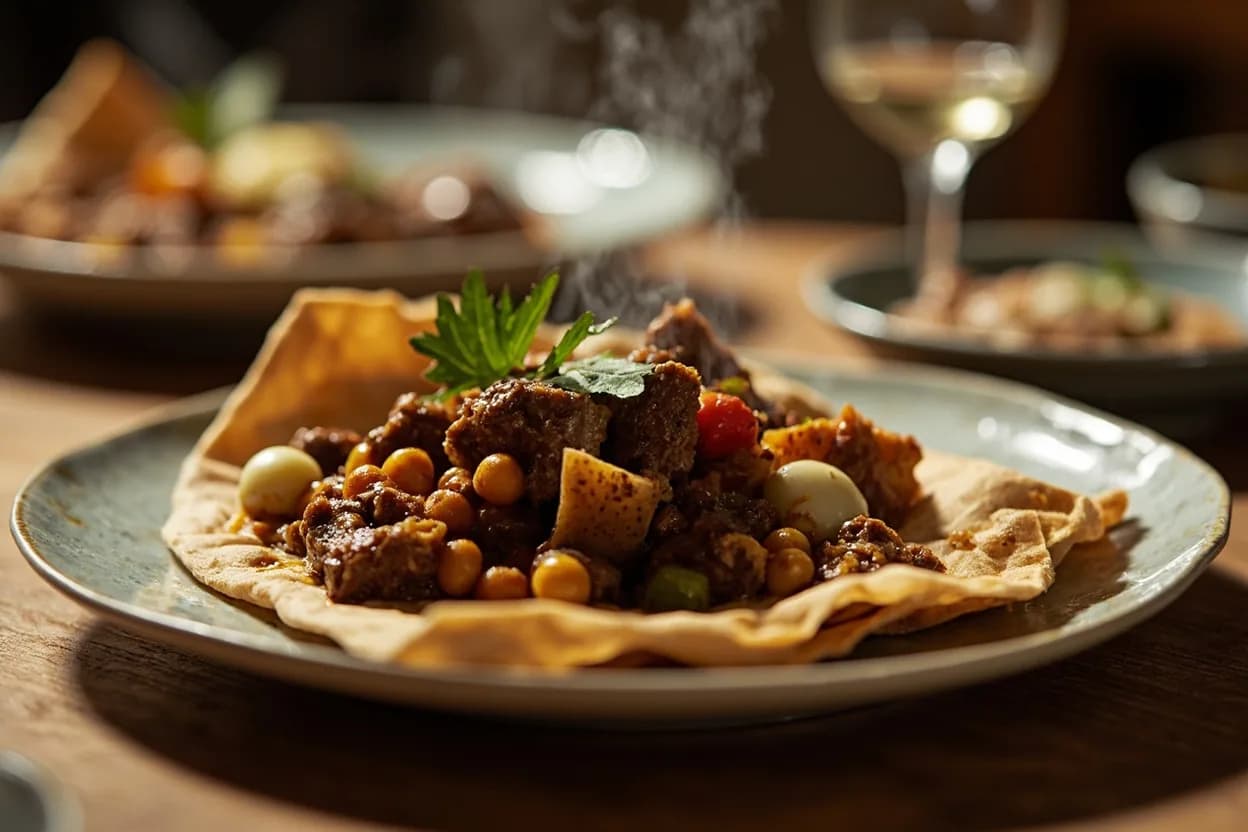
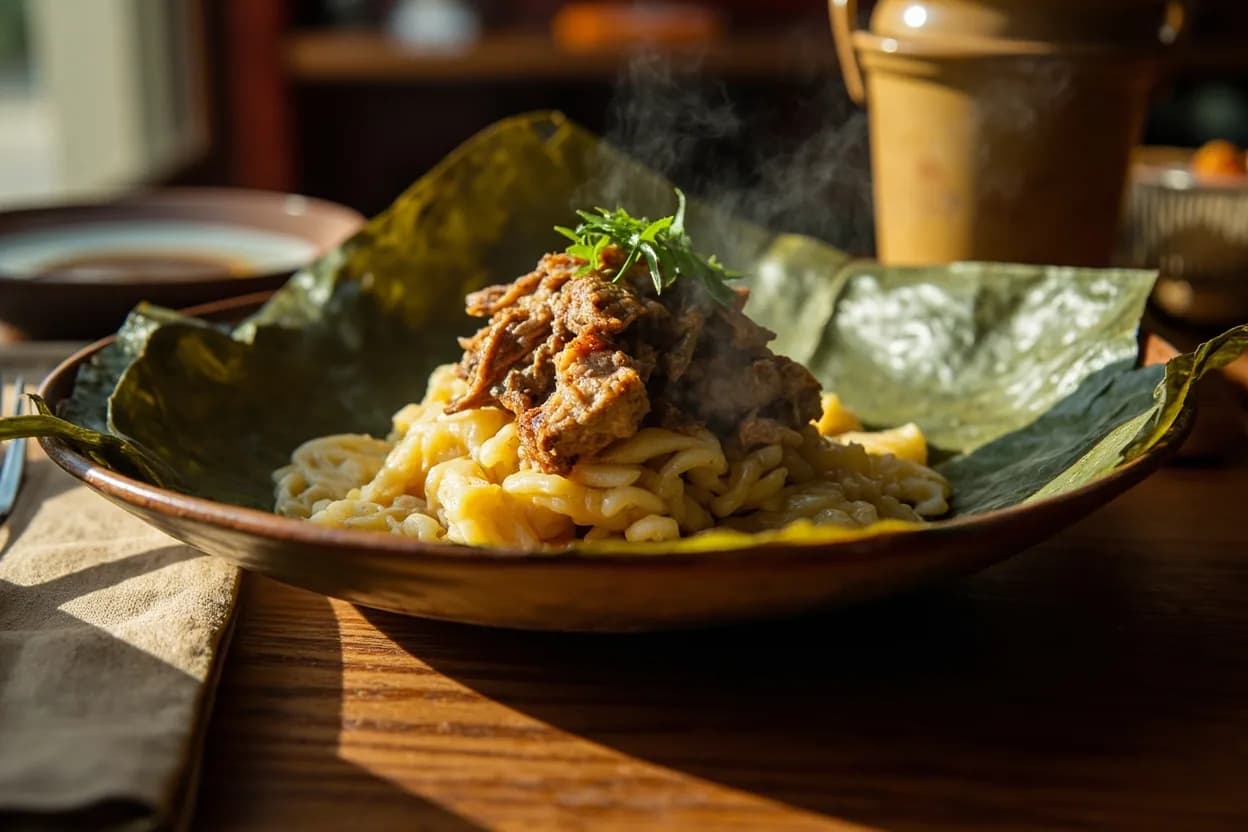
Related
Tomato
Juicy, sun-sweet fruit for sauces, salads, and slow-cooked depth
Yellow Onion
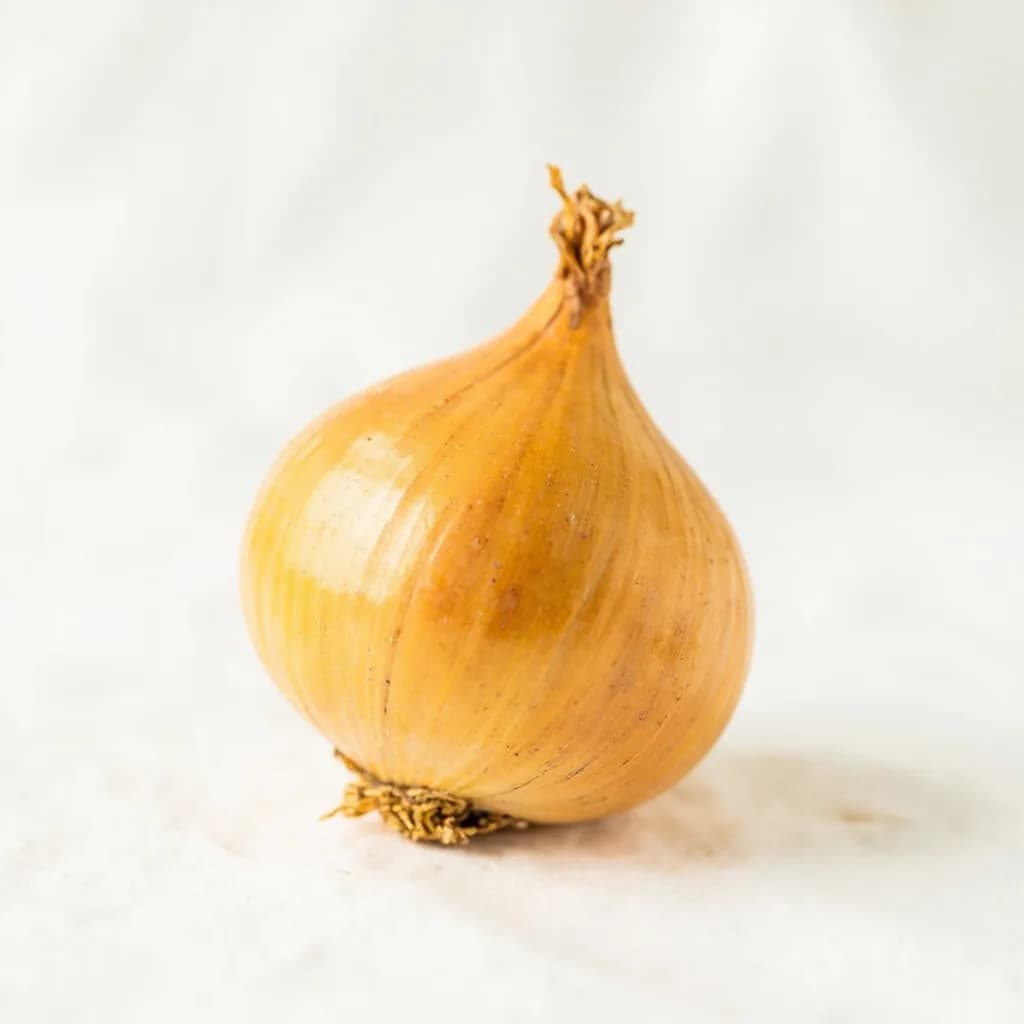
The aromatic backbone of soups, sofritos, and braises
Garlic
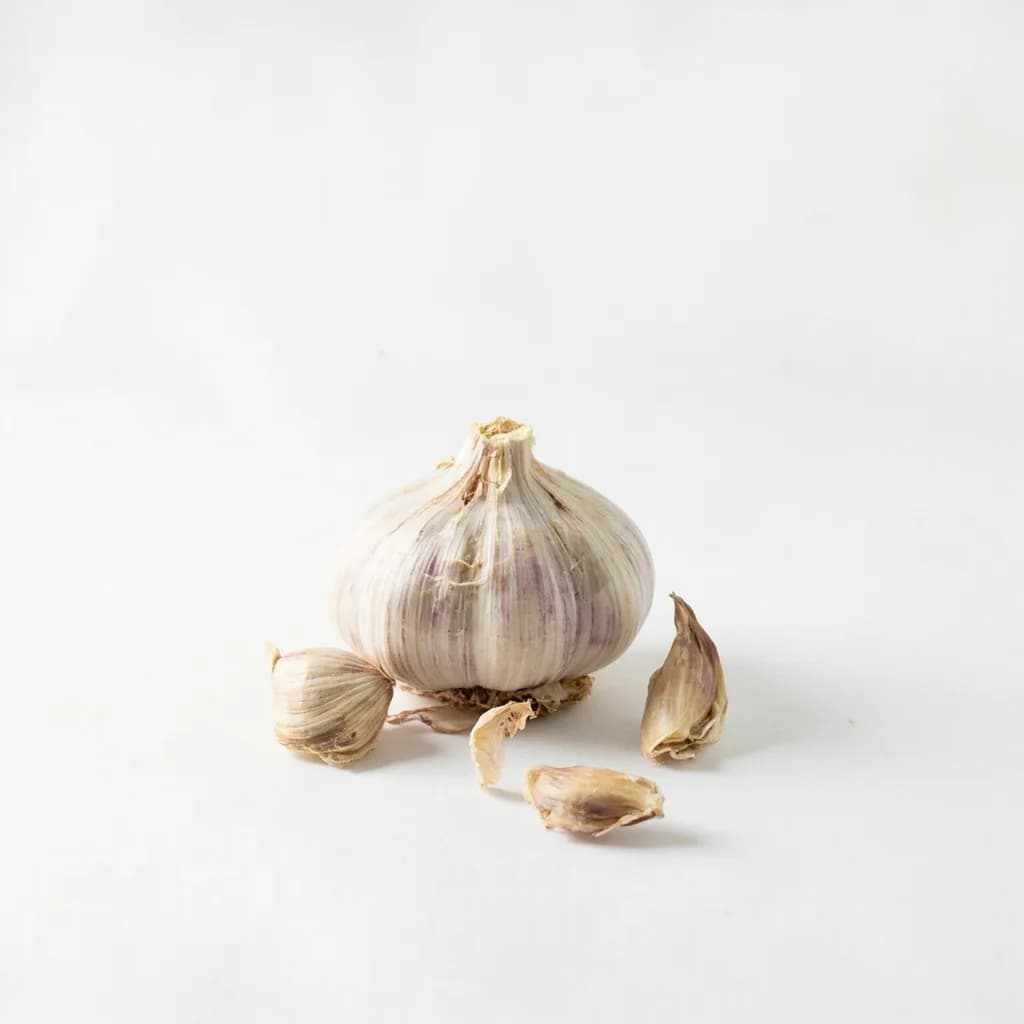
Pungent cloves that perfume nearly every savory dish
Lemon
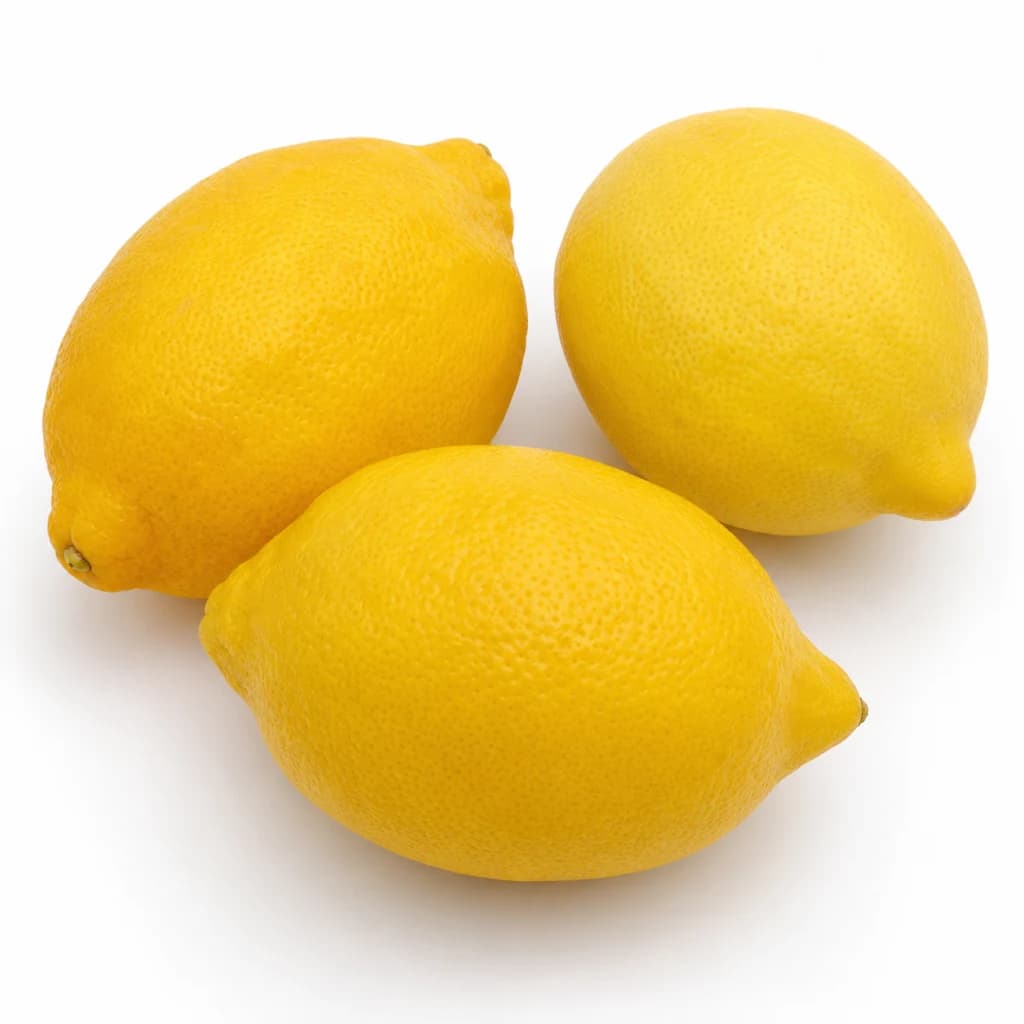
Bright, acidic citrus that wakes up almost any dish
Potato
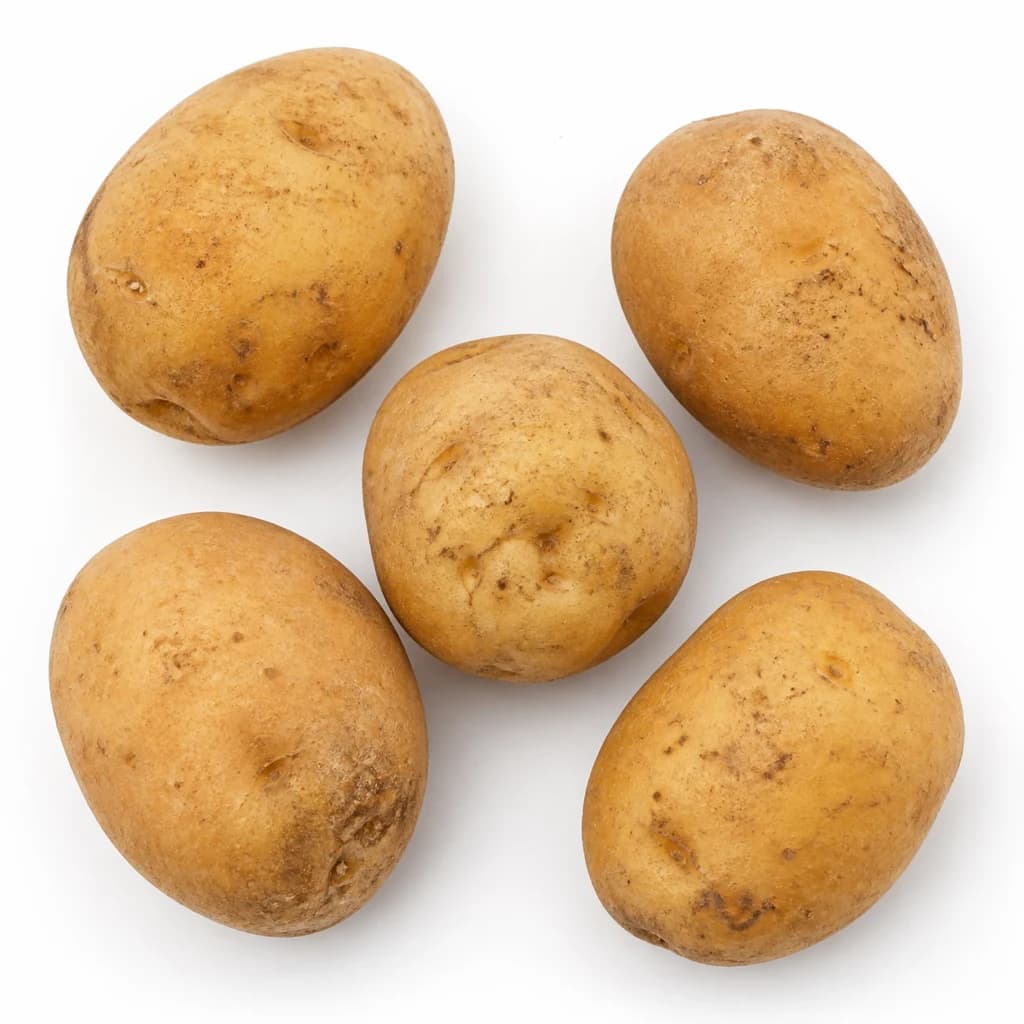
Humble, hearty staple — roast, mash, fry, or boil
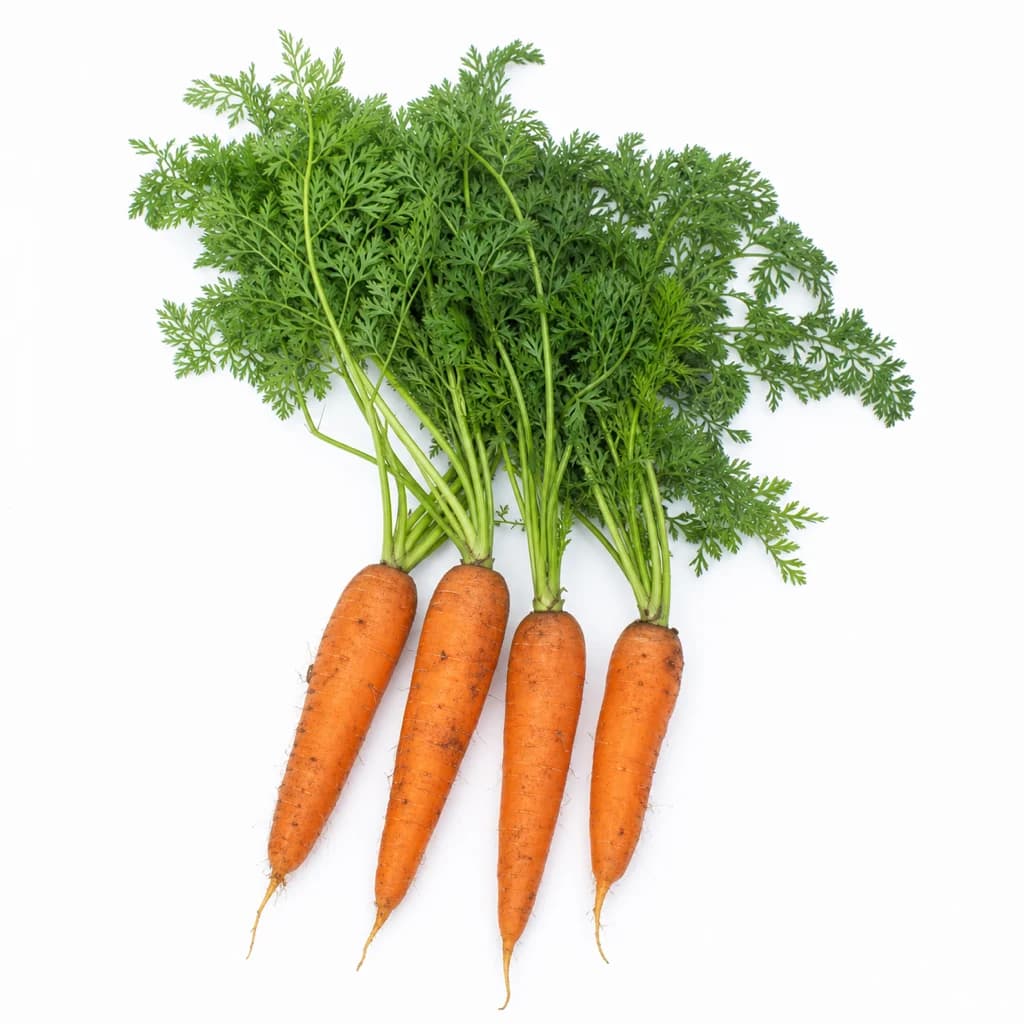
Carrot
Sweet, crunchy root — raw, roasted, or the base of a sofrito
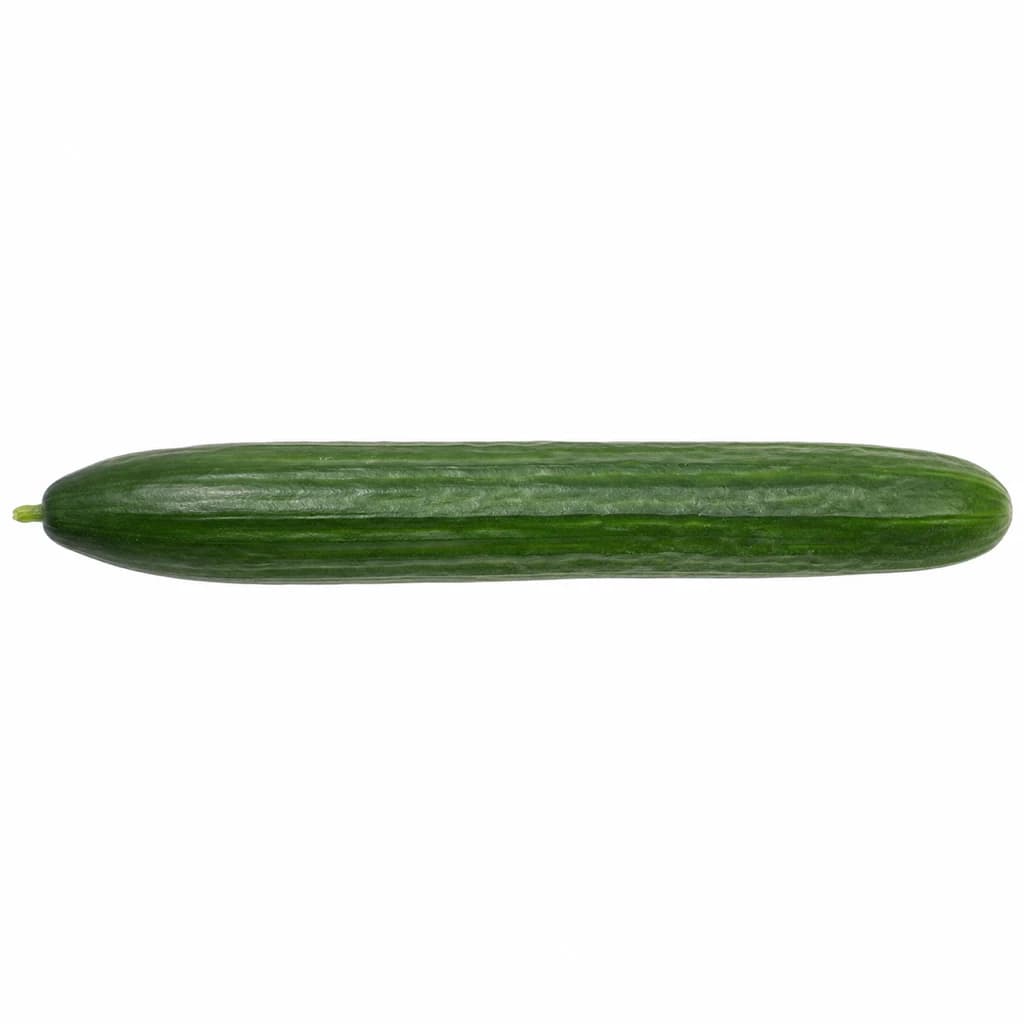
Cucumber
Cool, crisp, and watery — for salads, pickles, and tzatziki

Lettuce
Crisp leaves for salads, wraps, and a fresh crunch