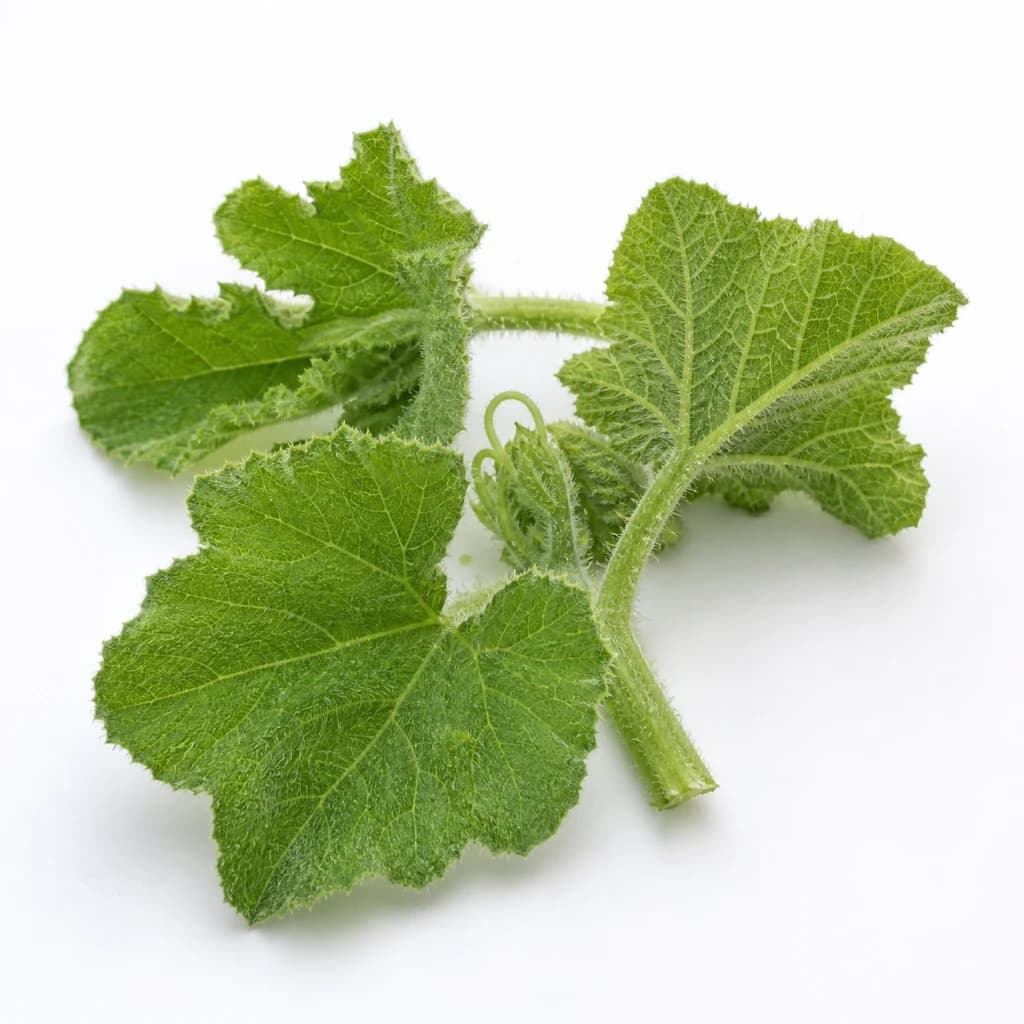
Natural form
Fresh pumpkin plant shoots showing broad lobed leaves and fuzzy surface texture.
Shows the identifying physical features — large palmate lobing, fine surface hairs, and vine attachment — that distinguish pumpkin leaves from other leafy greens.
Produce
Pumpkin Leaf
Tender green leaves of the pumpkin plant, stewed in soups and stir-fries across Africa.
Pumpkin leaves are the young, fuzzy leaves and shoots of the pumpkin or squash plant, with a mild, slightly grassy flavor. They are de-stringed and cooked into stews, soups, and stir-fries throughout sub-Saharan Africa, often with groundnut or palm. The leaves soften quickly and are valued as an inexpensive, nutritious leafy green.
Pumpkin leaves are the tender green foliage of Cucurbita pepo and related species—plants whose fruits dominate Western kitchens as squash, but whose leaves have become a dietary cornerstone across sub-Saharan Africa. Known as Ugu in Igbo-speaking Nigeria, Ekpayo among Yoruba communities, Ayama in Ghana, and Koronfol in Hausa regions, these leaves are stripped from their vines and cooked in palm oil with aromatics, transforming from fresh greenery into silky, substantial greens that hold their structure in soups and stews where other leaves would dissolve. The leaves grow abundantly and can be harvested repeatedly from the same plant throughout the growing season, encouraging bushy regrowth that makes pumpkin vines extraordinarily productive per square meter—a practical advantage that helped cement their role in West African, Cameroonian, and Sierra Leonean cuisines.
Unlike spinach or lettuce, pumpkin leaves have a more substantial cellular structure with a slightly waxy surface that resists overcooking collapse. This resilience makes them ideal for long-simmered soups like egusi and ndolé, where they maintain body and texture while absorbing the savory depth of their cooking medium. The flavor profile is mildly bitter and earthy when young, intensifying as leaves mature, with a subtle sweetness that emerges through proper preparation. Mature leaves develop tougher central ribs that must be removed before cooking, while young stem-tip leaves are tender enough to use whole. The leaves are a significant source of vitamins A, C, and K, along with iron and calcium, making them both a practical and nutritious foundation for daily meals across their native range.
- Measured in
- g
- Storage
- Fridge
Types & varieties
Preferred for most preparations; tender texture, milder flavor, require minimal cooking time of 5–8 minutes
Tougher stems, stronger bitterness; best suited for extended stewing; strip and discard thick central ribs before cooking
Regional Role and Cultural Importance
Pumpkin leaf is one of the most widely consumed leaf vegetables across sub-Saharan Africa, particularly in Nigeria, Ghana, Cameroon, and Sierra Leone. While the pumpkin fruit is the primary product in North American and European cuisines, African cooking traditions developed around the abundant, nutritious foliage. The leaves are typically harvested repeatedly from the same plant throughout the growing season, encouraging bushy regrowth that maximizes yield from limited garden space. This productive cycle makes pumpkin vines economical crops for household gardens and larger agricultural operations alike.
- Often cooked alongside cocoyam leaves or waterleaf as a mixed greens preparation in Nigerian cuisine
- Frequently used as a substitute for Moringa leaves in regions where moringa is less available
- Dried pumpkin leaves reconstitute poorly; freezing fresh leaves in portioned bags preserves quality better
Preparation Distinctions
African preparation methods consistently involve stripping leaves from stems before cooking—a practice that distinguishes these preparations from Middle Eastern or South Asian cuisines where similar Cucurbita leaves may be used whole or stuffed. The stripped leaves are typically briefly cooked in palm oil with onion and tomato before being added to soups or served as a standalone side dish.
- Young leaves cook in 5–8 minutes; older leaves may require 12–15 minutes to soften properly
- Adding oil or palm oil during cooking helps maintain the bright green color rather than allowing leaves to dull to olive
- Never discard the cooking liquid from egusi soup—it carries dissolved nutrients and flavor
Common uses
Tips & pitfalls
- Harvest or buy the youngest leaves at the stem tip for best texture and mildest flavor
- Always strip leaves from tough central stems before cooking mature leaves—these ribs remain fibrous and unpleasant
- Blanch 1–2 minutes in salted water to reduce bitterness and preserve the bright green color before adding to soups
- Cook briefly in palm oil or with cooking oil to prevent discoloration to dull olive
- Combine with fermented locust bean (iru) or ground crayfish for authentic savory depth that defines West African cooking
- Do not overcook—leaves become slimy and lose structure within 10–15 minutes of sustained boiling
- Use young leaves whole; fold or roughly chop mature leaves after removing ribs
- Store unwashed in a plastic bag in the refrigerator crisper drawer for 1–2 days maximum
Nutrition
Energy
79 kJ · per 100 g
Where the calories come from
Protein
3.2g
6% DV
Carbs
2.3g
1% DV
Fat
0.4g
1% DV
Sodium
11mg
0% DV
Source · USDA FoodData Central · Pumpkin leaves, raw
View on FDC →In the shops
Matched grocery products
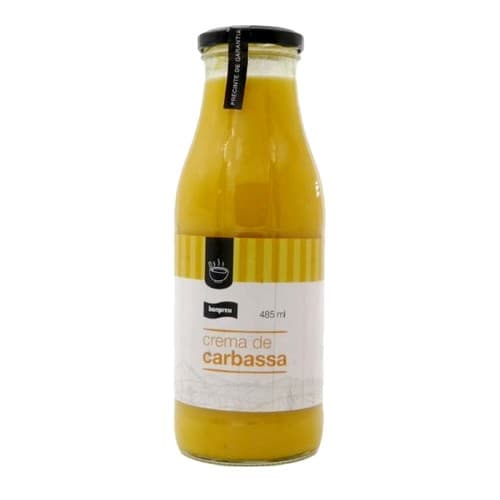 €1.99
€1.99Pumpkin Cream
BONPREU · l · Bonpreu
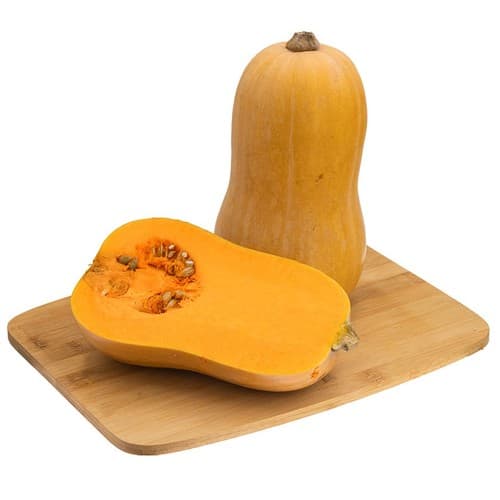 €2.70
€2.70Km0 Pumpkin, 1 unit
ud · Bonpreu
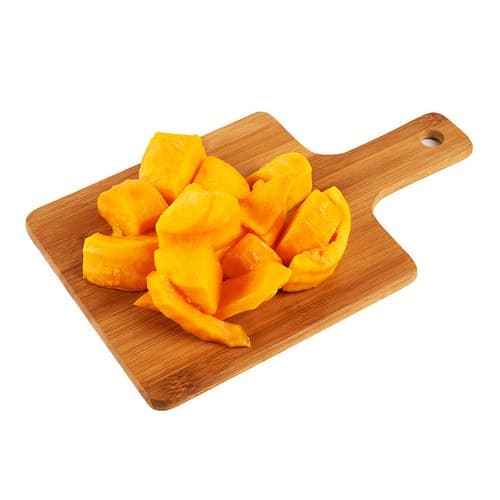 €1.99
€1.99La Collita Pre-cut Pumpkin
LA COLLITA · kg · Bonpreu
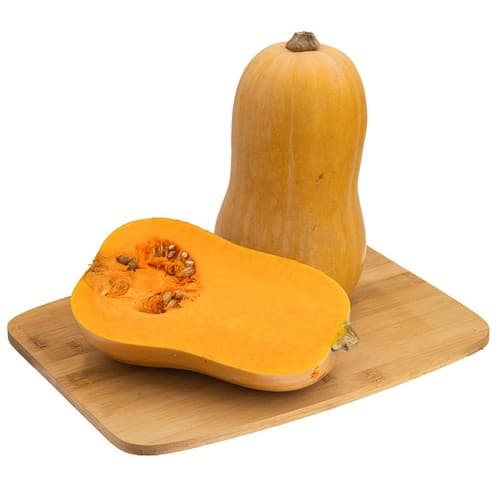 €2.49
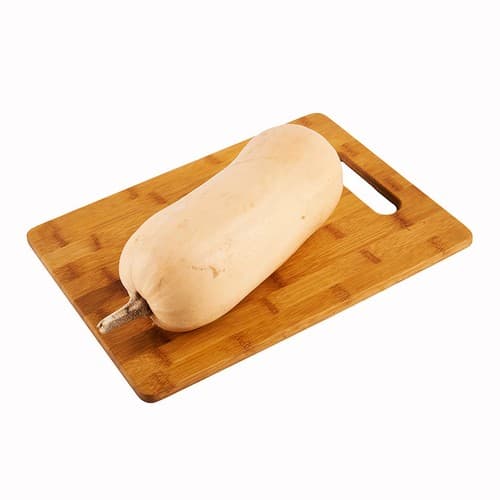
€2.49LA COLLITA Pumpkin Km0 1 unit
LA COLLITA · Bonpreu
 €2.19
€2.19Ecological Pumpkin Local 0km 1 unit
Bonpreu
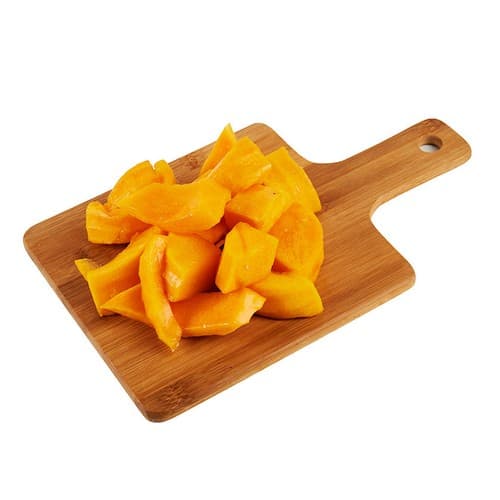 €2.19
€2.19LA COLLITA Organic Cut Pumpkin Zero Km in 400g Bag
LA COLLITA · kg · Bonpreu
Good to know
- Scientific Name
- Cucurbita spp. (primarily C. pepo, C. maxima)
- Common Names
- Ugu (Igbo/Nigeria), Ekpayo (Yoruba/Nigeria), Ayama (Ghana), Koronfol (Hausa/Nigeria)
- Flavor
- Mildly bitter, earthy, slightly sweet when young; bitterness intensifies in mature leaves
- Peak Season
- Rainy season in West Africa (May–October); year-round in tropical climates with irrigation
- Storage
- Refrigerate unwashed in plastic bag 1–2 days; freezes well after blanching 2 minutes
- Yield
- Approximately 150g cooked from 500g fresh raw leaves
- Prep Time
- 5–10 minutes to strip leaves from stems
- Cooking Time
- 5–15 minutes depending on method and leaf maturity
Substitutes
- Spinach — Similar texture and mild green flavor; cook time is comparable, though pumpkin leaves hold structure better in long-simmered dishes
- Waterleaf (Talinum triangulare) — Common West African substitute; more delicate texture, higher water content, cooks faster
- Cocoyam Leaves (Colocasia spp.) — Traditional pairing in Ghanaian and Nigerian cuisine; slightly heartier, stands up to longer cooking
- Swiss Chard — Substitute outside Africa; larger stems, earthier flavor, comparable cooking behavior
- Kale — Cook slightly longer than young pumpkin leaves; more robust texture that holds well in stews
Pairs with
Also called
Pumpkin Leaves · Ugu · Ugwu
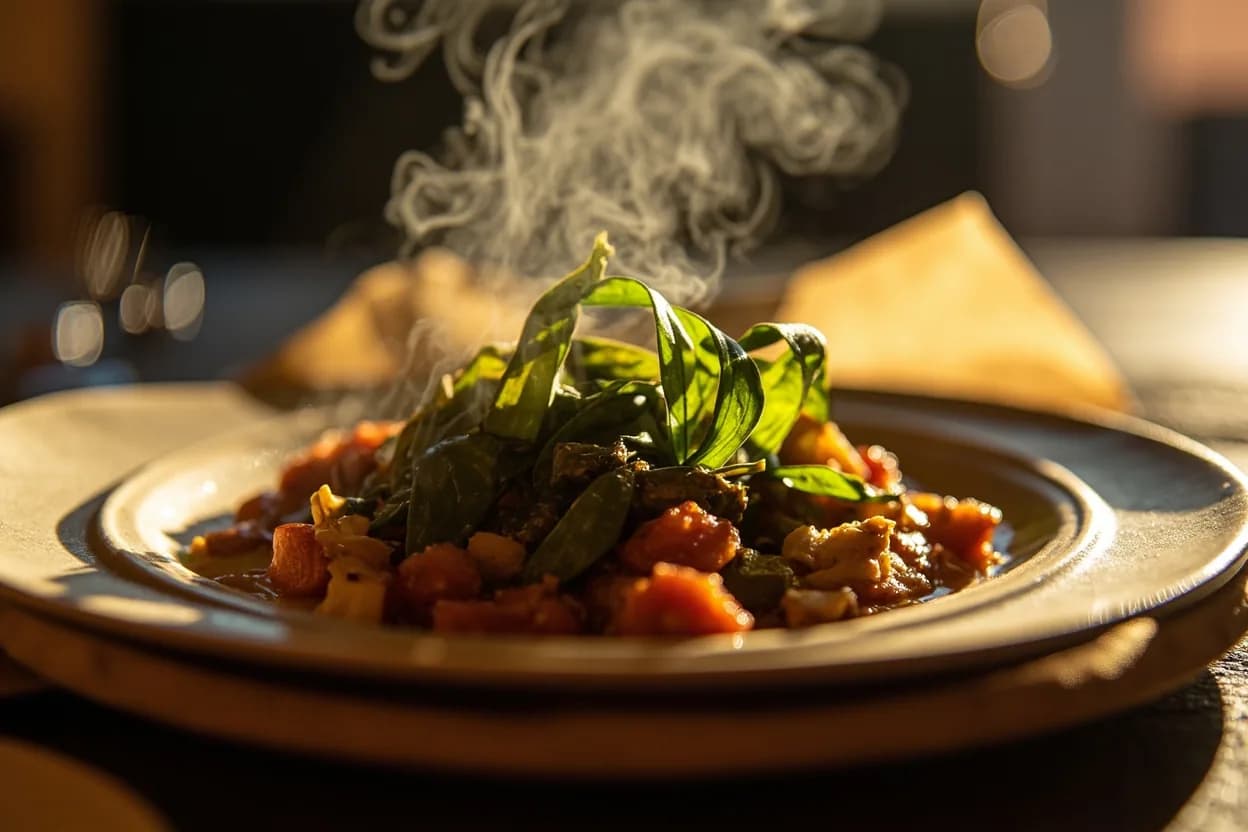
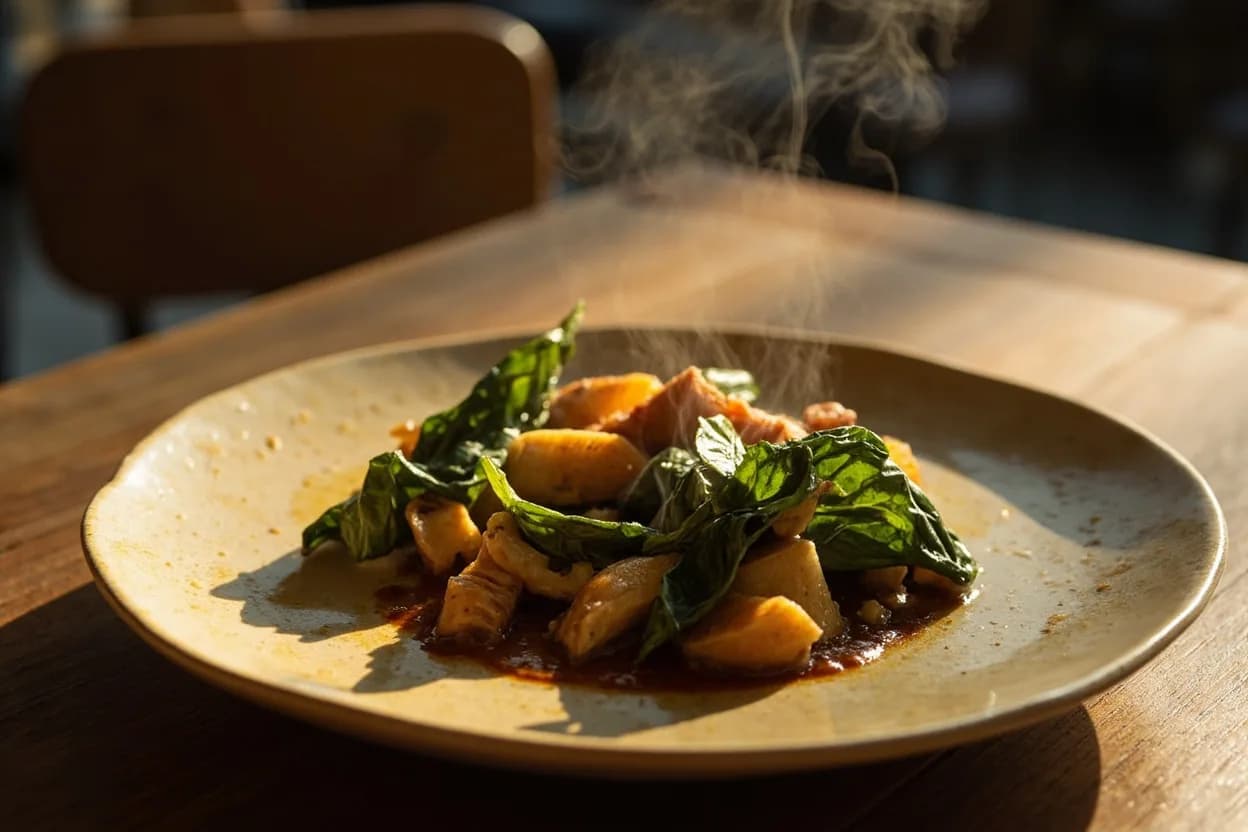
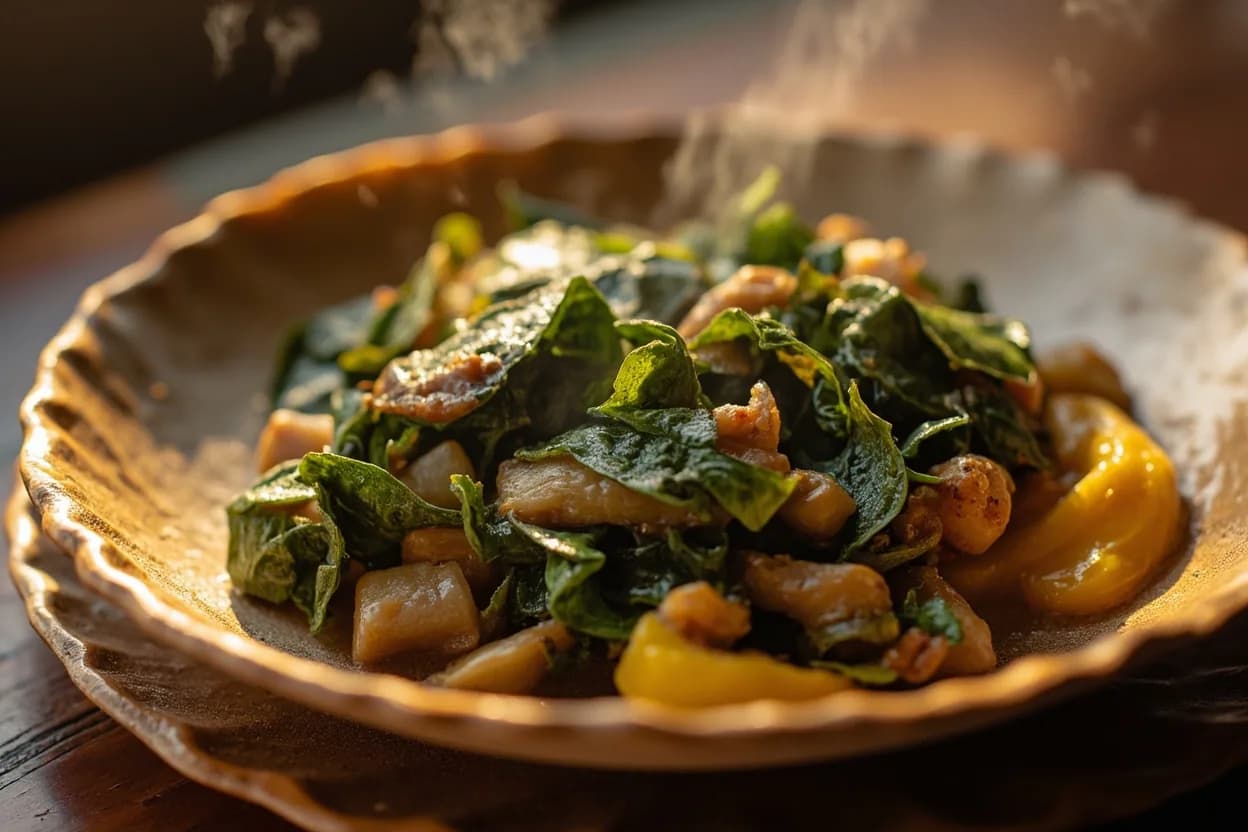
Appears in these dishes
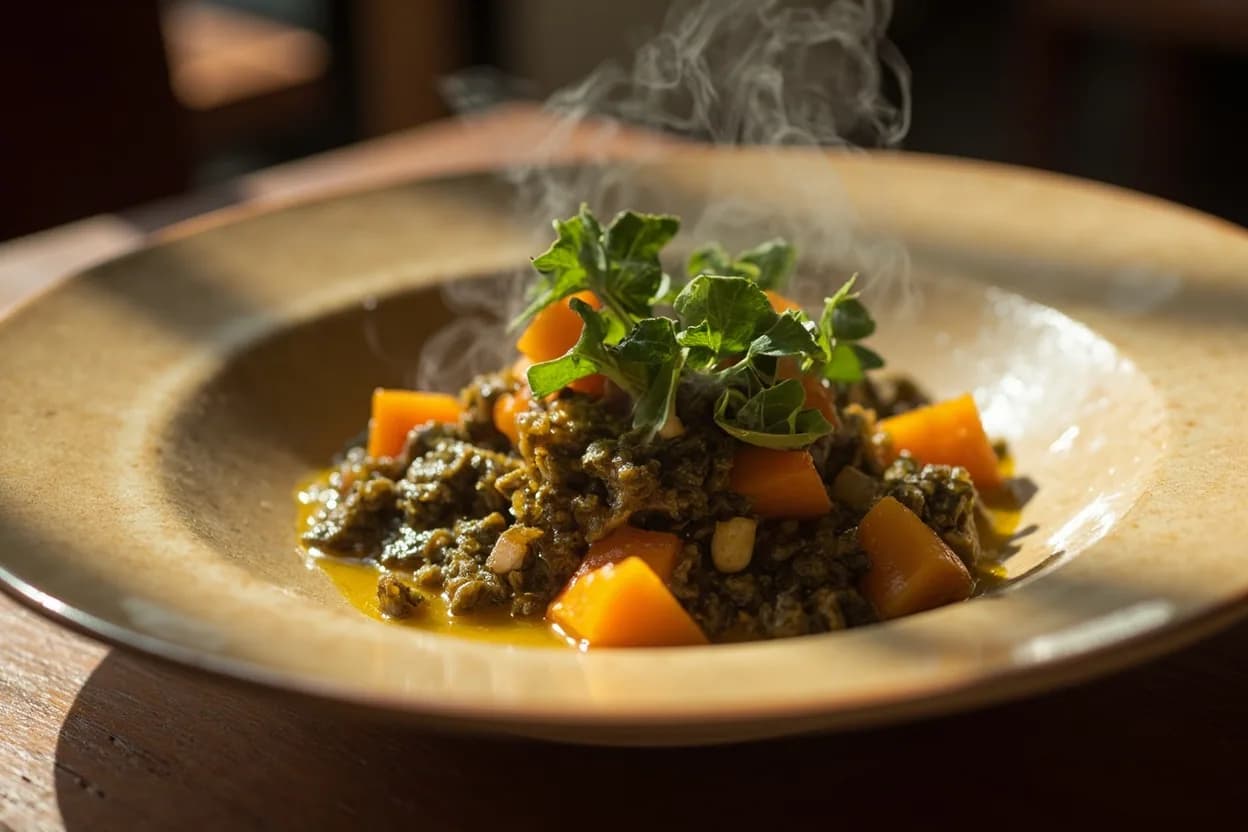
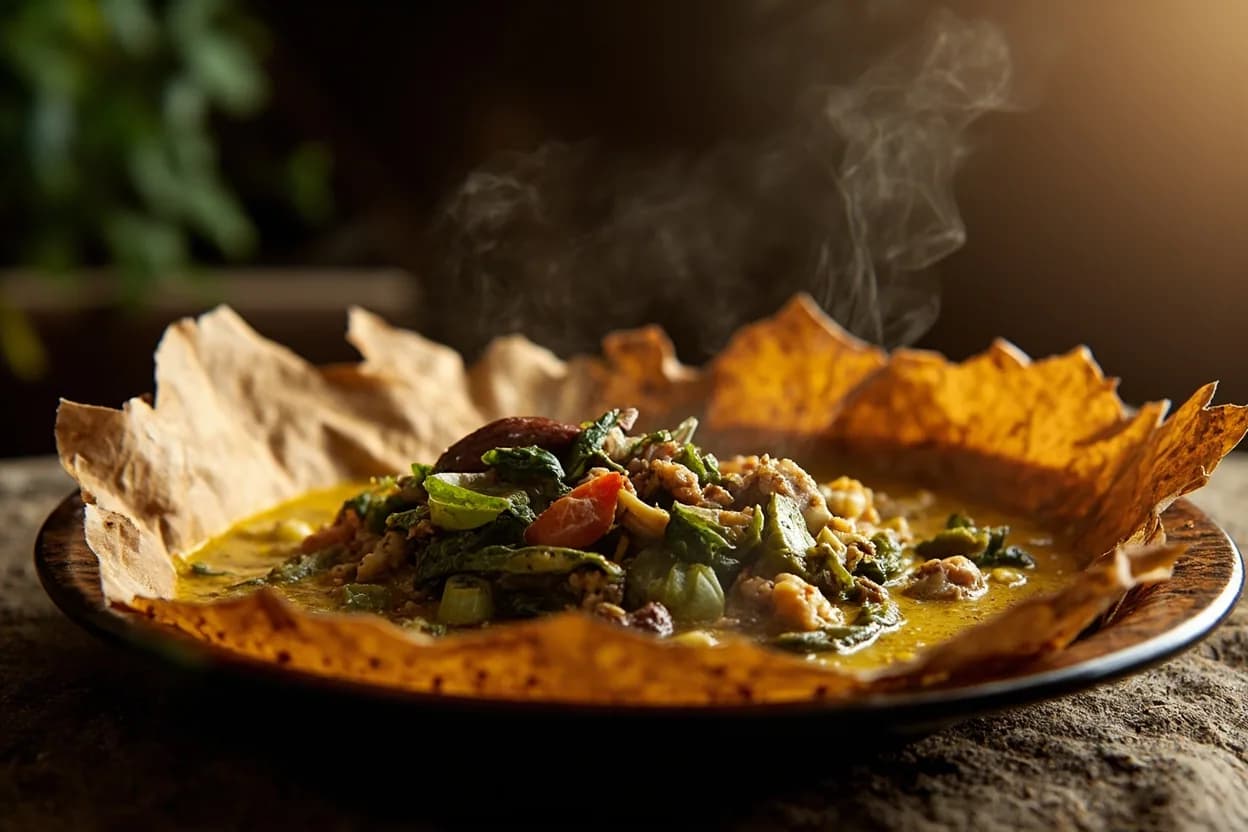
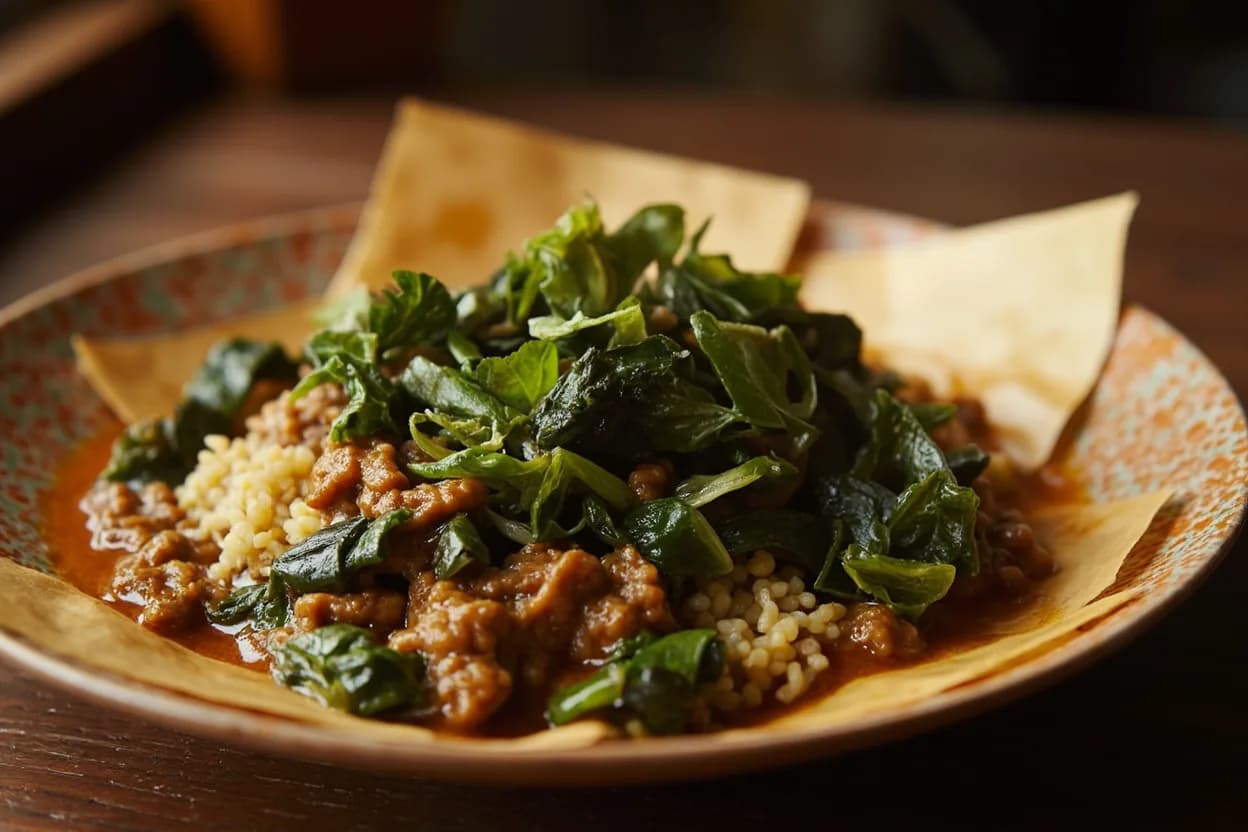
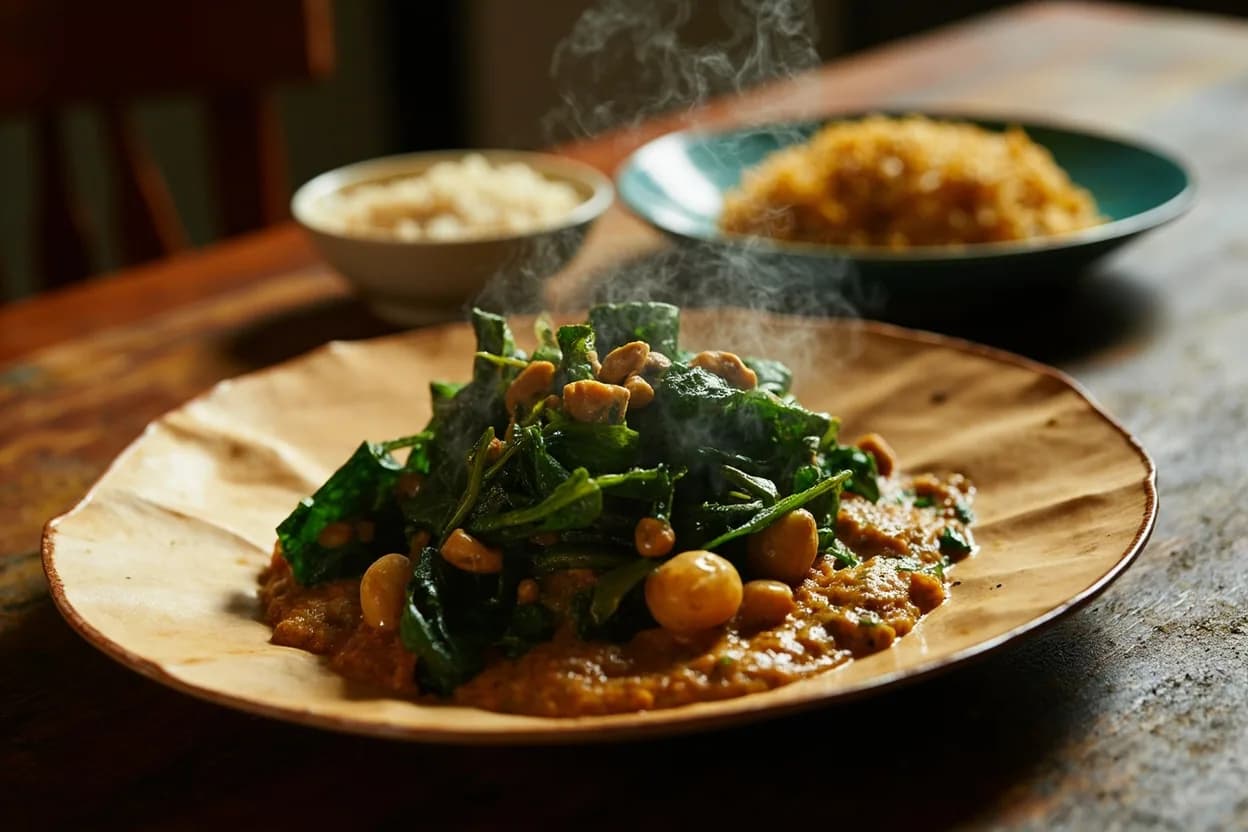
Related
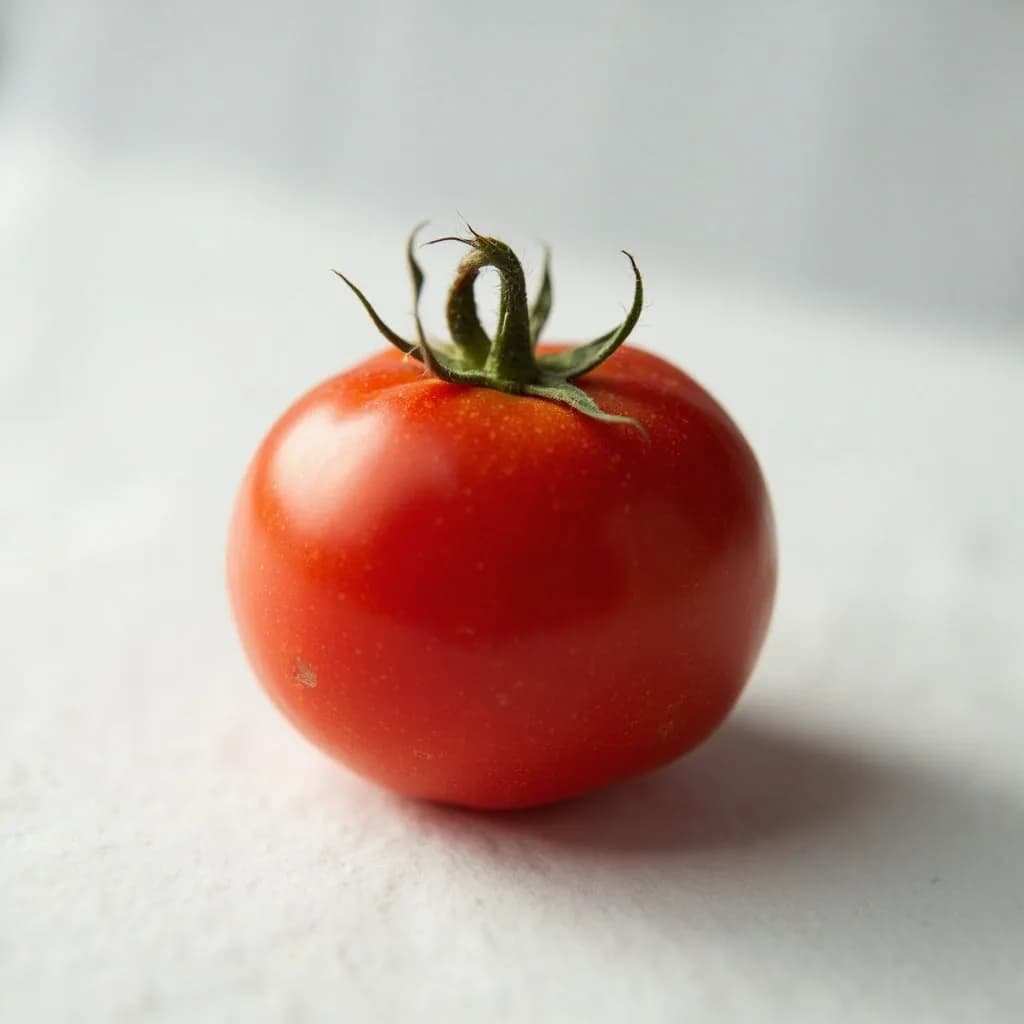
Tomato
Juicy, sun-sweet fruit for sauces, salads, and slow-cooked depth
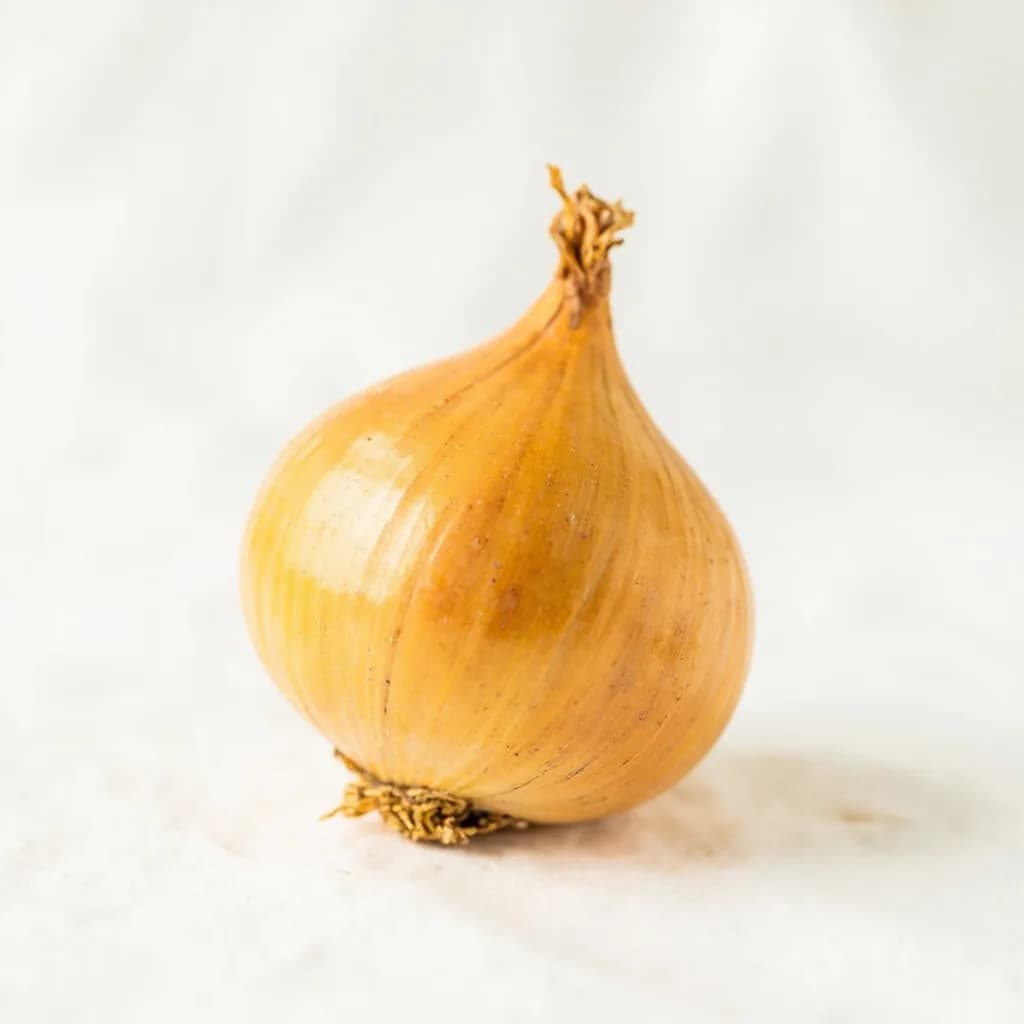
Yellow Onion
The aromatic backbone of soups, sofritos, and braises
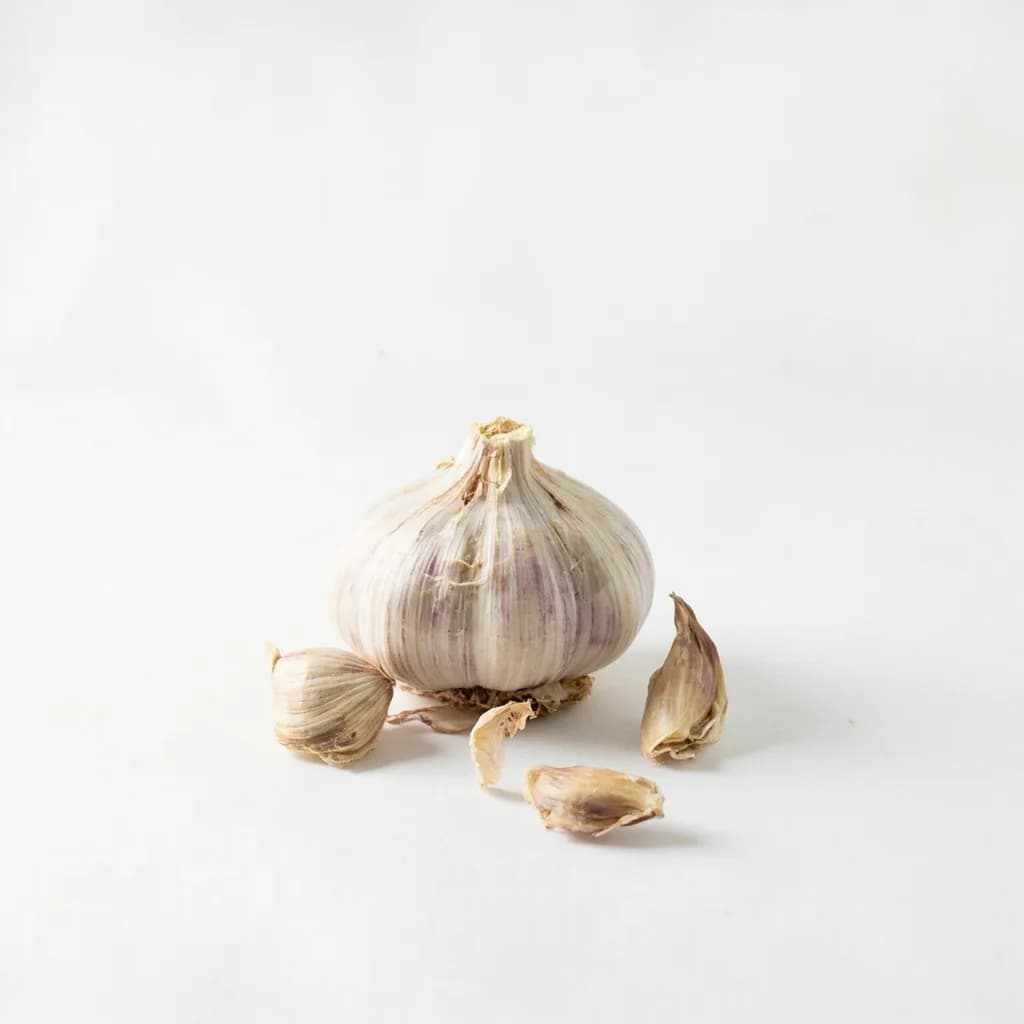
Garlic
Pungent cloves that perfume nearly every savory dish
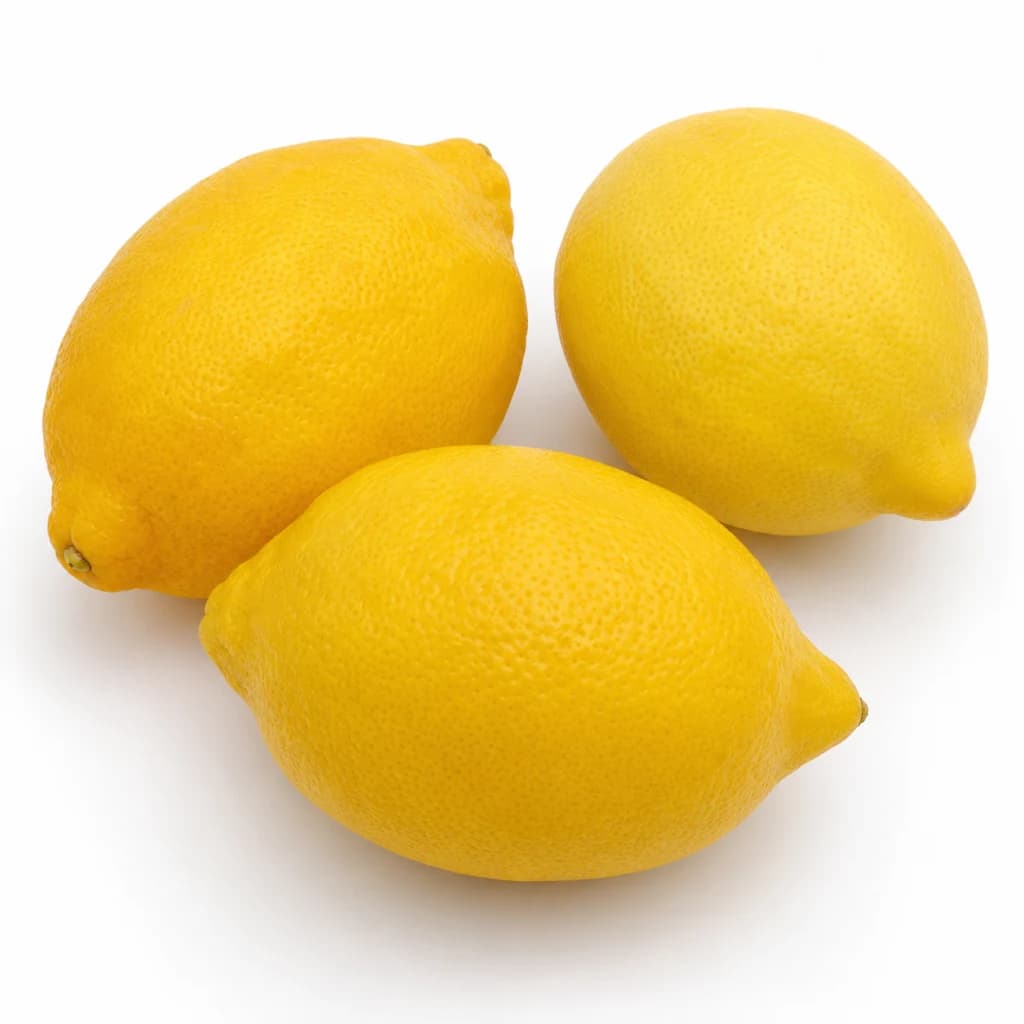
Lemon
Bright, acidic citrus that wakes up almost any dish
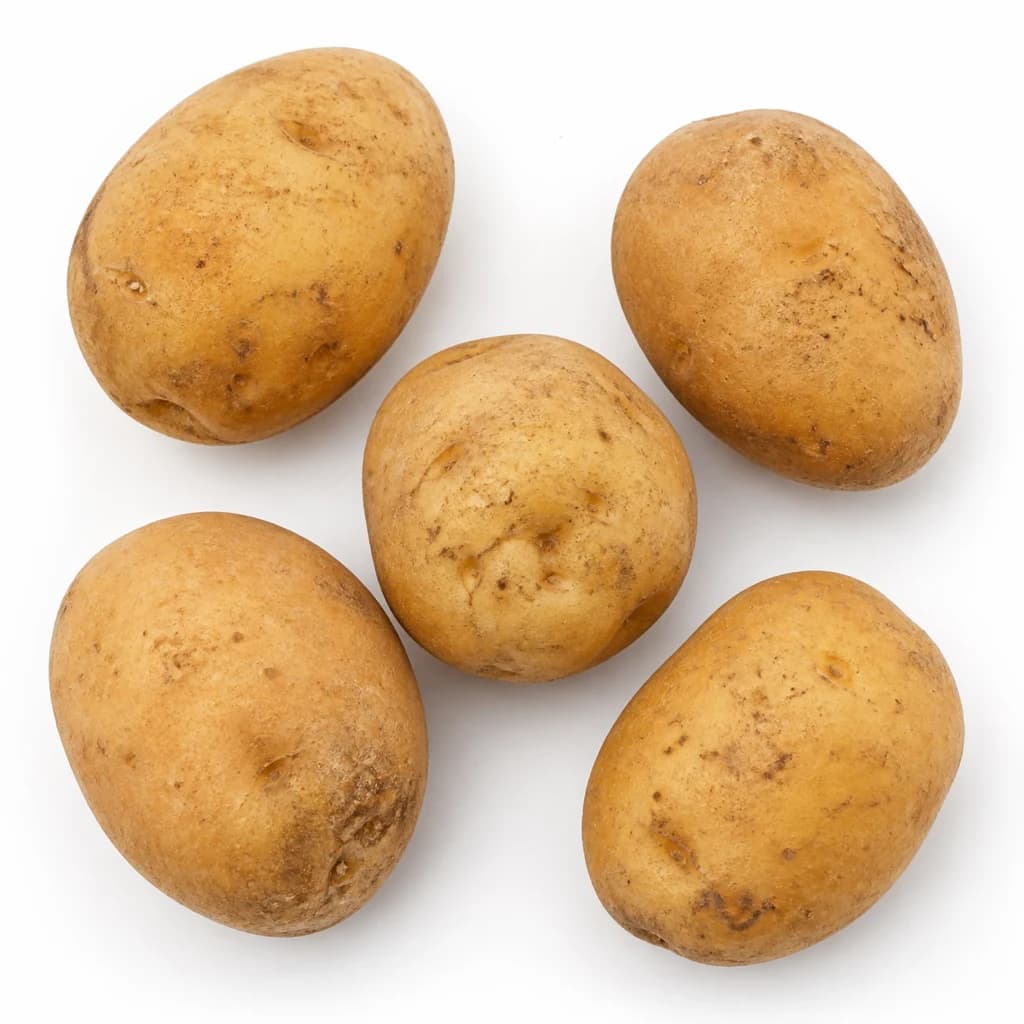
Potato
Humble, hearty staple — roast, mash, fry, or boil
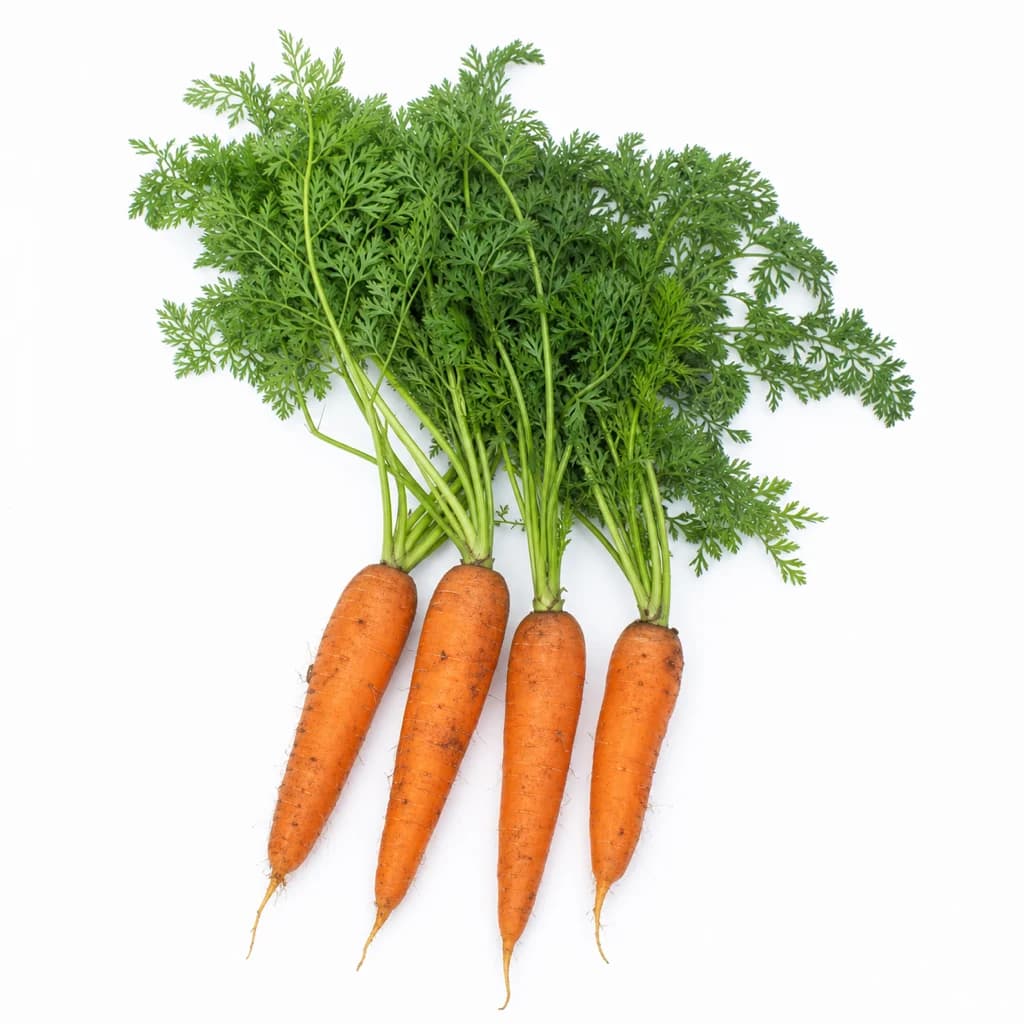
Carrot
Sweet, crunchy root — raw, roasted, or the base of a sofrito
Cucumber
Cool, crisp, and watery — for salads, pickles, and tzatziki

Lettuce
Crisp leaves for salads, wraps, and a fresh crunch