
Natural form
Ramallet tomatoes tied in a traditional hanging bunch, showing their thick, wrinkled skin and small round shape.
Shows the defining storage form that makes this tomato unique — the tied hanging bunch — and the thick, slightly corrugated skin that enables months of preservation.
Produce
Ramallet Tomato
Mallorcan hanging tomato with thick skin, rubbed onto bread for pa amb oli.
The Ramallet (tomàquet de penjar) is a small, thick-skinned tomato from Mallorca traditionally tied into bunches and hung to keep for months. Its concentrated, slightly acidic juice is rubbed onto bread for the Balearic staple pa amb oli. The long-keeping skin lets it stay usable through winter.
The Ramallet tomato is a traditional Mallorcan variety grown specifically for its exceptional keeping qualities. The name derives from the Catalan "ramallet" — meaning bunch — and refers to the distinctive practice of harvesting the entire truss once the tomatoes are fully ripe, then hanging it in a ventilated space for long-term storage. This is not a tomato bred for the supermarket shelf; it was developed over centuries by island farmers who needed a reliable winter source of fresh tomato flavor without refrigeration or canning. The thick, leathery skin and firm flesh allow the fruit to slowly desiccate over months while retaining its character, making it one of the few fresh tomatoes that can genuinely be eaten in January from a late-summer harvest. When you twist one from its truss and slice it open, the concentrated sweetness and pronounced acidity reveal why this variety endured — the flavor is the antithesis of the mealy, insipid tomatoes that dominate most winter produce. Its primary glory is pa amb oli, the rubbed-tomato bread that is fundamental to Mallorcan cuisine, but the tomato's intensity and resilience make it useful far beyond that single application.
- Measured in
- piece
- Storage
- Pantry
Types & varieties
The primary local name in Mallorcan Catalan; also called tomàtiga de ramallet or tomàtiga de penjar
The Art of the Hanging Truss
The Ramallet method is a lesson in patience and selection. Only sound, unblemished tomatoes are suitable for hanging — any rot will spread through the entire bunch and ruin months of storage. The truss is tied by its stem to a hook or beam in a dry pantry, cellar, or covered terrace. Direct sunlight is the enemy; it causes uneven desiccation and rapid deterioration. The ideal environment is cool, dry, and drafty, where air circulation prevents moisture buildup while allowing the tomatoes to slowly lose water and concentrate their sugars and acids. A properly hung Ramallet truss is a functional pantry staple, not a decoration. Check periodically and remove any tomato that shows signs of softening or darkening at the stem end, which indicates the onset of decay before it can spread.
- Select only firm, blemish-free tomatoes for hanging storage
- Hang in a ventilated, dry space away from direct sunlight
- Remove any decaying tomatoes immediately to prevent spread
- Test firmness periodically — properly stored tomatoes remain firm for months
- Ambient humidity matters more than temperature
Common uses
Tips & pitfalls
- Select firm, unblemished tomatoes for hanging storage; any rot will spread through the entire bunch
- Hang in a dry, ventilated space away from direct sunlight
- Test ripeness by gently pressing — it should yield slightly without feeling soft or mushy
- To use for pa amb oli, twist the tomato from the truss and rub the cut side vigorously across grilled or toasted bread
- The thick skin is intentional and desirable — do not peel the tomato when making pa amb oli
- Common mistake: using underripe tomatoes that lack concentrated sweetness and cannot develop properly on the truss
- Common mistake: storing in humid conditions, which causes rapid decay and mold
- Do not refrigerate — cold destroys the texture and flavor; keep hung or at room temperature
- The tomatoes naturally desiccate slightly while hanging, which concentrates flavor; this is normal and desirable
- When testing for doneness, press near the stem end — this area softens last and indicates true ripeness
Nutrition
Energy
63 kJ · per 100 g
Where the calories come from
Protein
1g
2% DV
Carbs
3g
1% DV
Fat
0.3g
0% DV
Fiber
0.7g
3% DV
Sodium
23mg
1% DV
Source · USDA FoodData Central · approx. Tomatoes, yellow, raw
View on FDC →In the shops
Matched grocery products
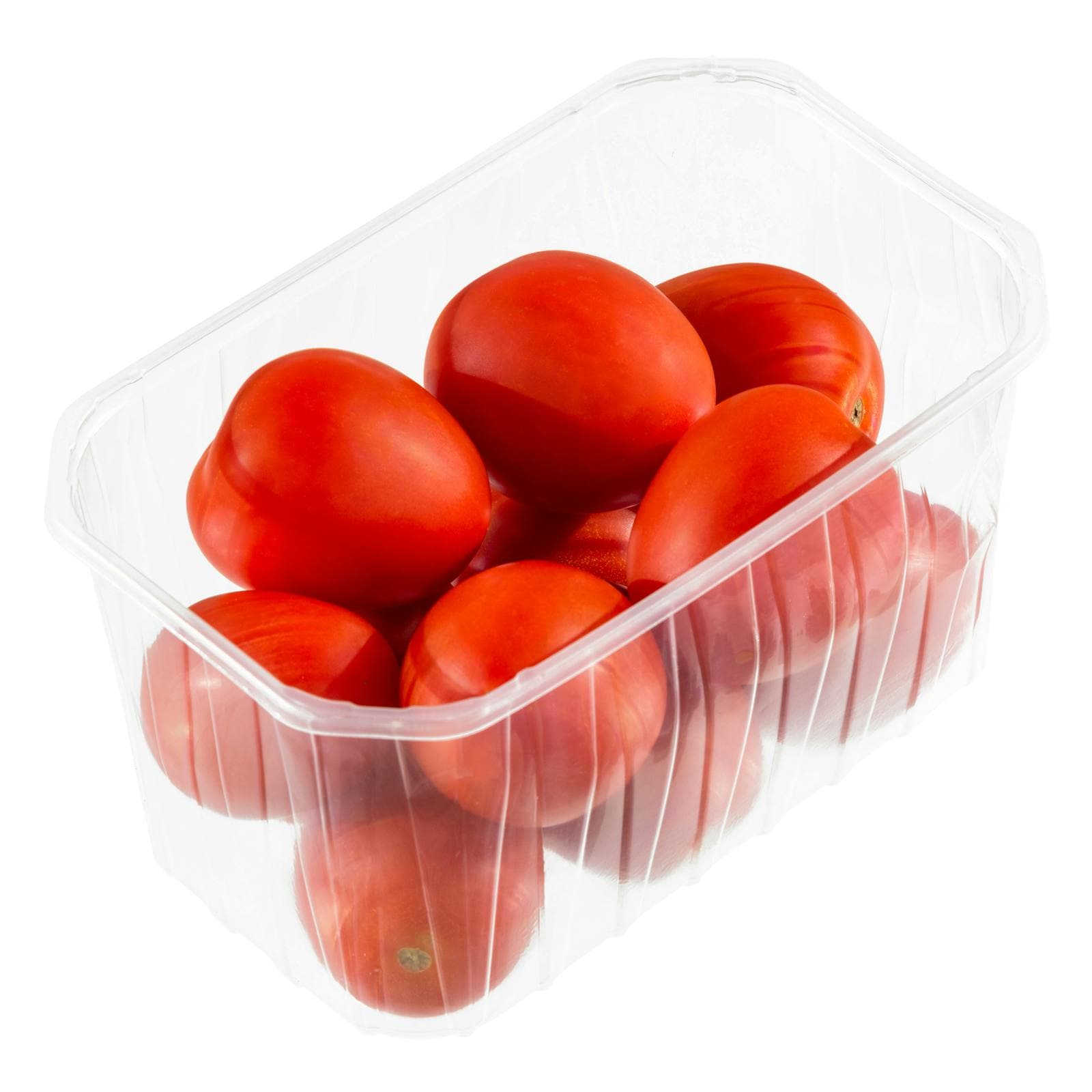 €2.62
€2.62Pear Tomatoes
1.14 kg · Mercadona
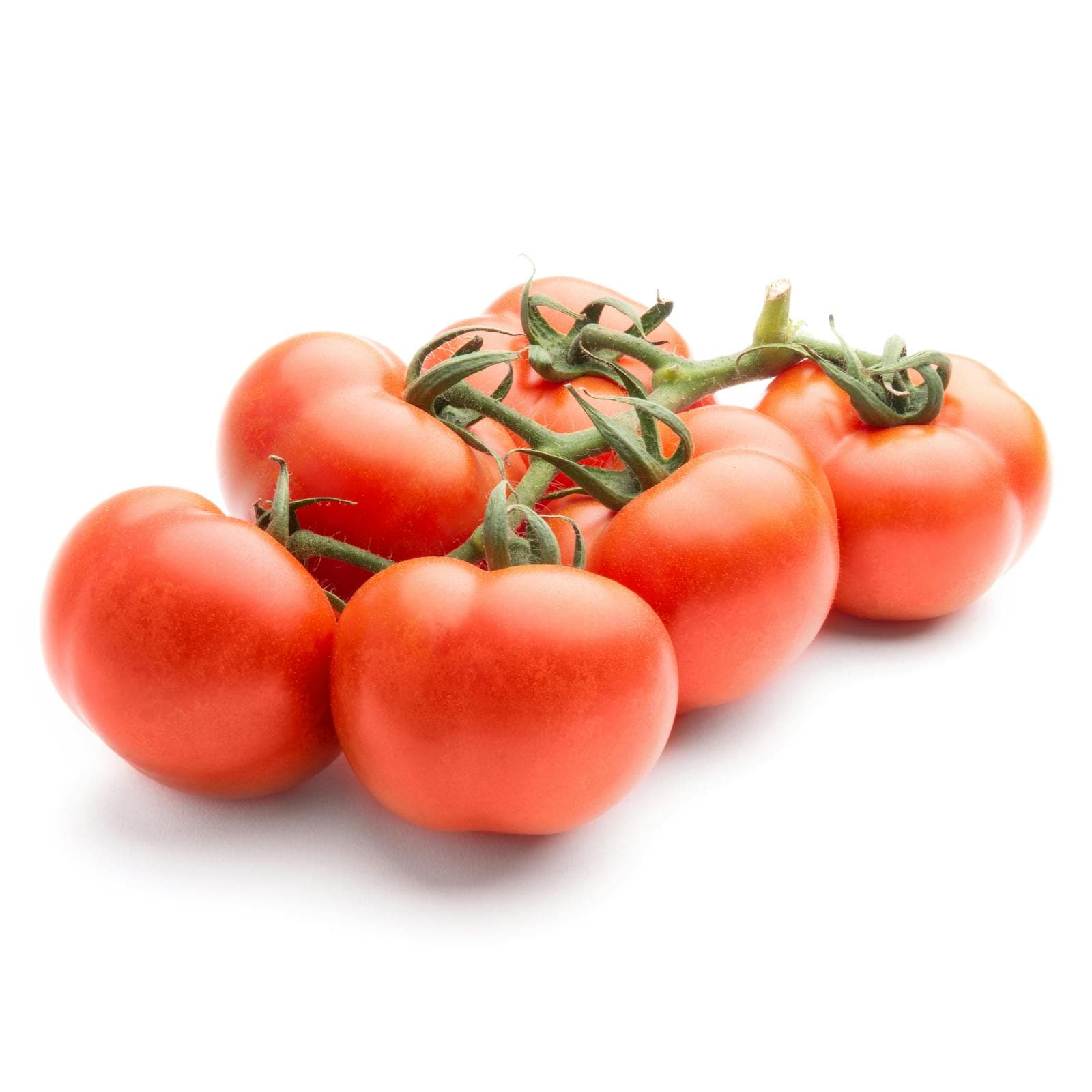 €1.49
€1.49Truss Tomatoes
550 g · Mercadona
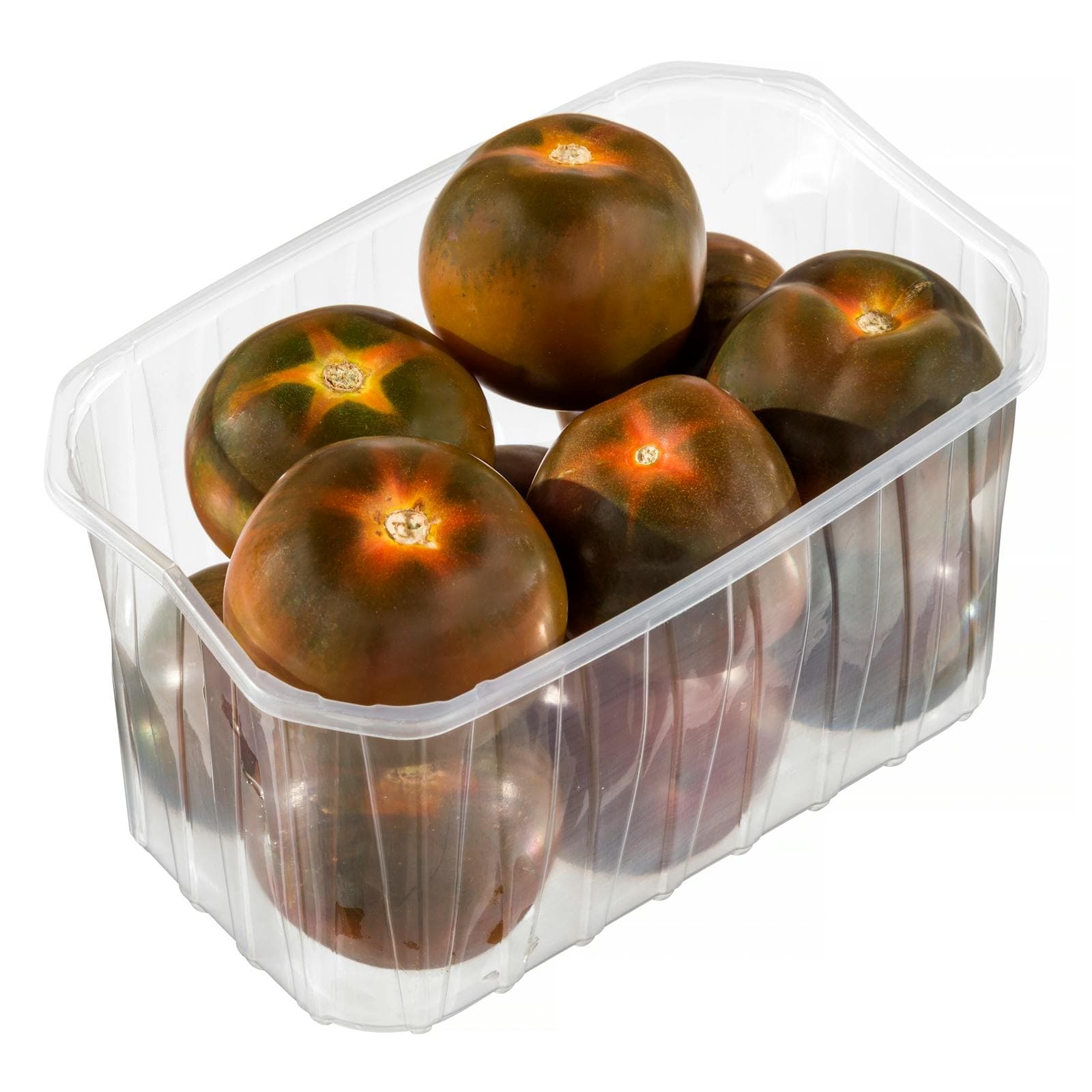 €2.60
€2.60Black Tomatoes
1 kg · Mercadona
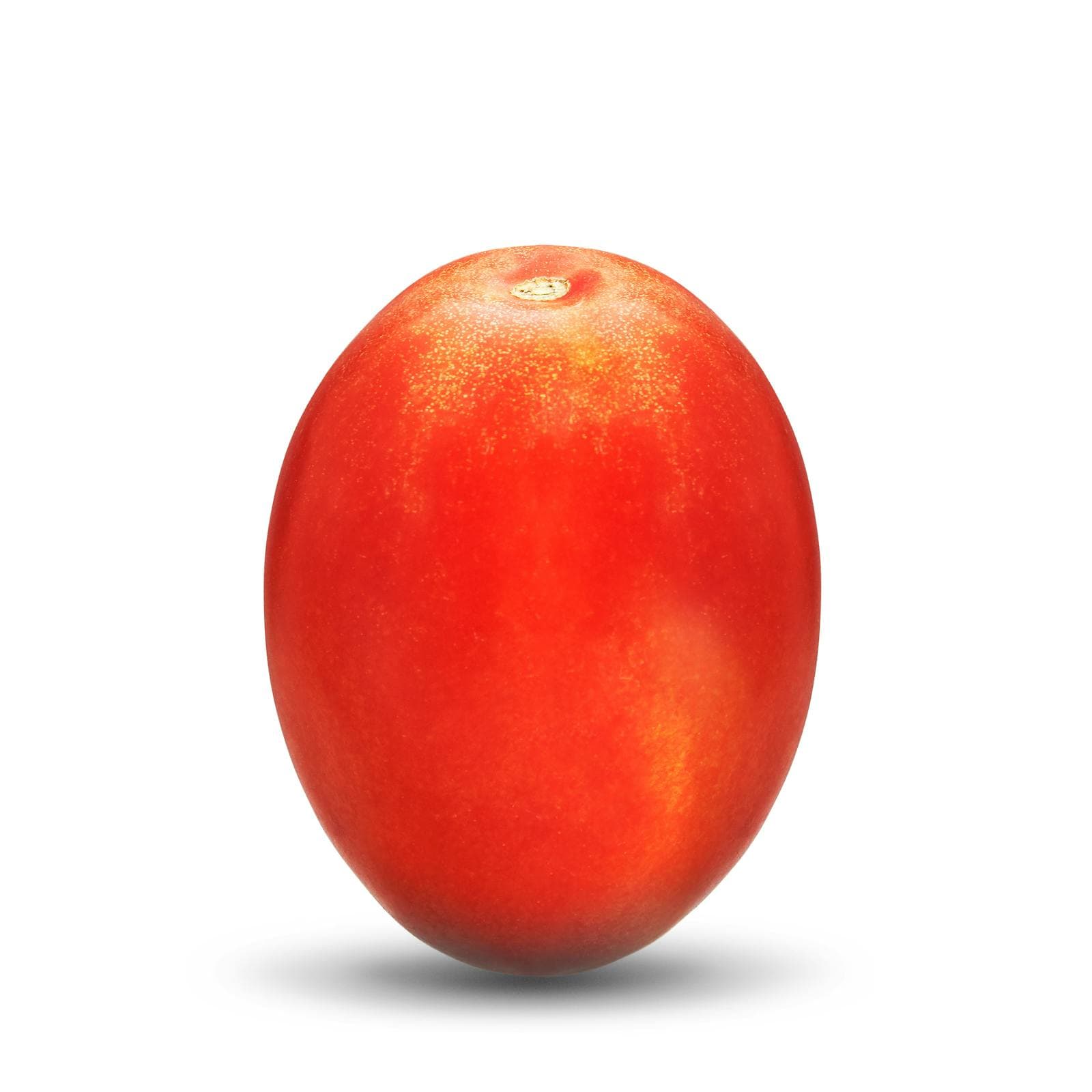 €0.29
€0.29Plum Tomato
130 g · Mercadona
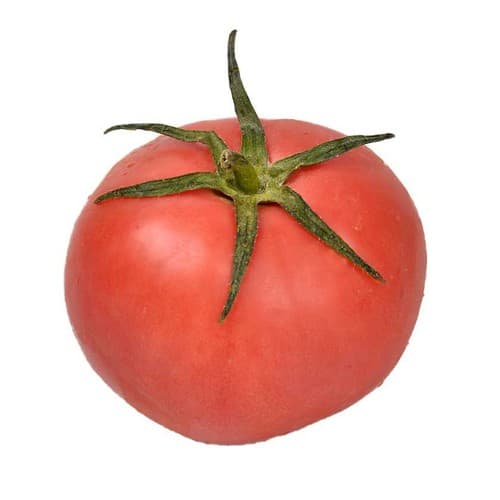 €1.07
€1.07Pink Tomato
ud · Bonpreu
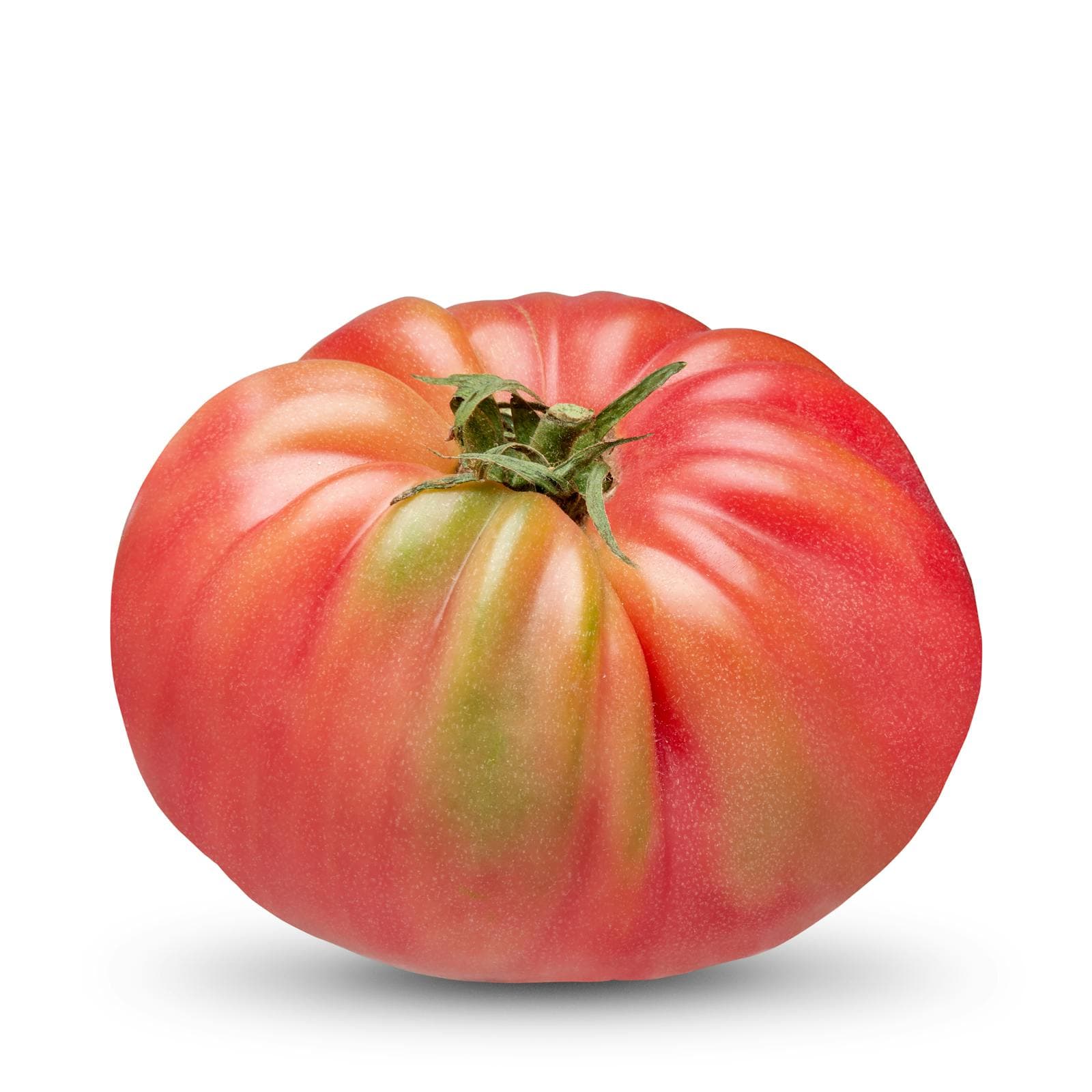 €1.16
€1.16Pink Tomato
340 g · Mercadona
Good to know
- Origin
- Mallorca, Balearic Islands, Spain — a traditional variety grown on the island for centuries
- Growing Method
- Tomatoes ripen fully on the vine; entire trusses are then cut and hung to store (ramallet means "bunch")
- Skin
- Thick and leathery; a key trait that enables months of hanging storage without spoiling
- Shape
- Pear-shaped to irregularly round; small to medium in size
- Flavor
- Concentrated sweet-acid balance when fully ripe; intense tomato character unmatched by fresh-market varieties
- Storage Method
- Hung by the stem in a cool, dry, dark, ventilated space; keeps for months with proper conditions
- Keeping Quality
- Bred for preservation, not appearance; naturally desiccates slightly while hanging, concentrating flavor
- Season
- Harvested late summer through autumn; traditionally consumed through winter and into early spring
Substitutes
- Roma (Plum) Tomato — Firm flesh and lower moisture content; holds up similarly when rubbed on bread, though with less concentrated flavor than a properly hung Ramallet
- Datterino Tomato — Naturally sweet and firm; works on bread in a pinch but lacks the thick skin and long-keeping quality of the Ramallet
- Semi-Dried Tomato — Provides the concentrated flavor profile and chewy texture; not suitable for rubbing on bread but excellent in sauces and salads
Pairs with
Also called
Tomàquet de Penjar · Hanging Tomato · Ramallet
Related
Tomato
Juicy, sun-sweet fruit for sauces, salads, and slow-cooked depth
Yellow Onion
The aromatic backbone of soups, sofritos, and braises
Garlic
Pungent cloves that perfume nearly every savory dish
Lemon
Bright, acidic citrus that wakes up almost any dish
Potato
Humble, hearty staple — roast, mash, fry, or boil
Carrot
Sweet, crunchy root — raw, roasted, or the base of a sofrito
Cucumber
Cool, crisp, and watery — for salads, pickles, and tzatziki

Lettuce
Crisp leaves for salads, wraps, and a fresh crunch