Natural form
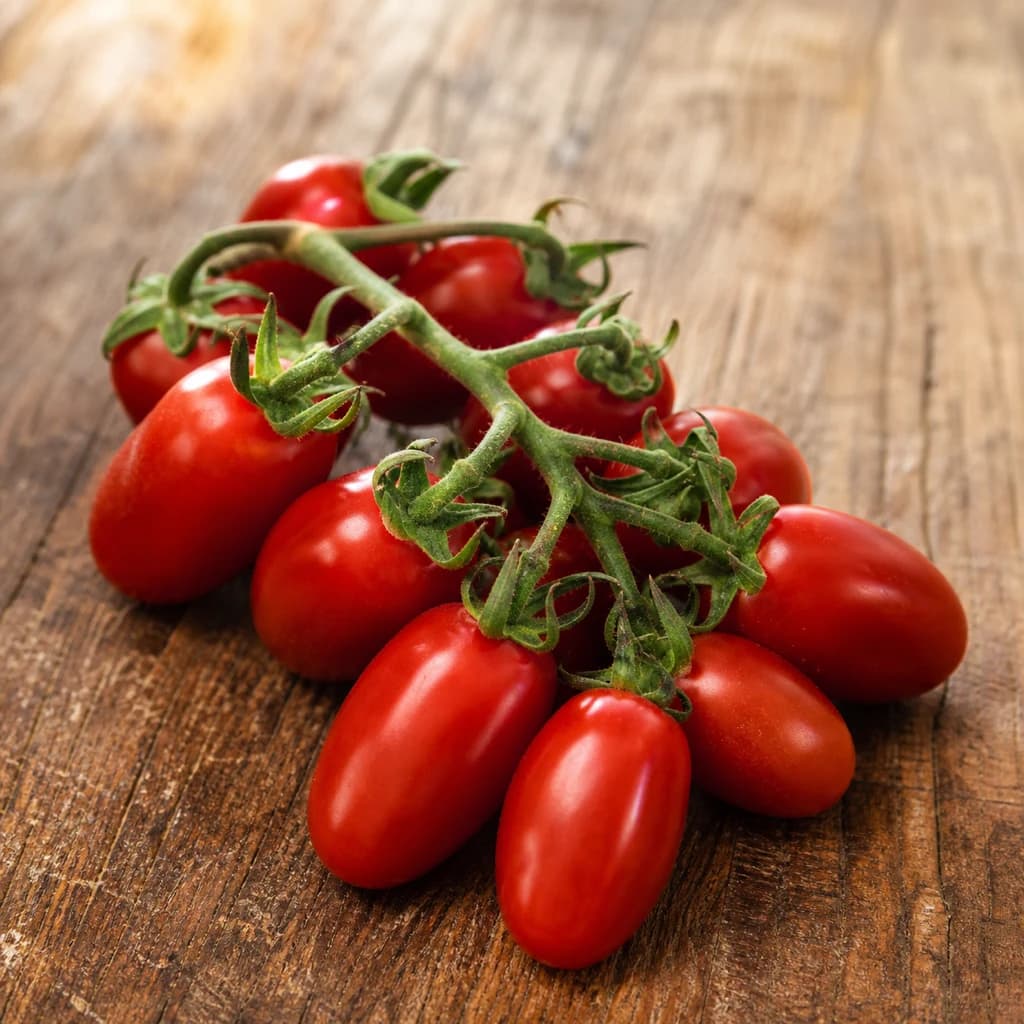
Datterino tomatoes on the vine — small, oblong, date-shaped with glossy deep-red skin.
Shows the defining shape, size, color, and vine-cluster habit that make datterinos instantly recognizable in a market or garden.
Produce
Datterino Tomato
Small oblong Italian tomato, very sweet, ideal for sauces and roasting.
Datterino tomatoes are small, oblong, date-shaped Italian tomatoes known for their exceptional sweetness and low acidity. They are eaten whole, halved into salads, or slow-roasted and reduced into concentrated sauces. Their thin skin and dense, sugary flesh make them a favorite for pasta and confit.
The datterino is a small, oblong Italian tomato—typically 2–4 cm long—with a shape that tapers slightly at the base, earning it the name from the Italian word for date. What distinguishes it from standard cherry tomatoes is its extraordinarily concentrated sweetness and low acidity, the result of a high sugar-to-water ratio in its flesh. The thin but surprisingly resilient skin holds its shape reasonably well under brief cooking, while the juicy interior delivers a floral, almost honeyed tomato flavor that requires minimal intervention to shine.
Datterini are prized in southern Italian and Sicilian kitchens precisely because they taste excellent with almost no effort—a hot pan, good olive oil, and a few minutes are enough to transform them into something remarkable. Their high sugar content causes rapid caramelization rather than the slow blanding that affects milder tomatoes. This makes them uniquely suited to applications where you want a pronounced tomato presence without lengthy cooking, and it explains why Italian home cooks reach for them when they want a sauce that tastes like the height of summer in under fifteen minutes.
The variety belongs to the Solanum lycopersicum var. cerasiforme group, technically classified within the cherry tomato family, but its flavor profile and culinary behavior place it in a category of its own. Datterini are not interchangeable with standard cherry tomatoes, which are bred for mildness and a slight crunch. Substituting one for the other in a recipe that depends on datterini's intensity will produce a noticeably different result—often disappointing in the case of raw applications and often disastrous in quick-cooked preparations that rely on their rapid caramelization.
- Measured in
- g
- Storage
- Pantry
Types & varieties
The standard red variety; the one most commonly sold and what recipes mean when they say datterino
Yellow variant; slightly milder sweetness, same tender texture and culinary behavior
Sold on the vine; slightly longer shelf life as the stem continues drawing moisture from the fruit
On the Confine Type
In Campania, a specific elongated variety known as Confine is grown and prized for sauces. It shares the datterino's sweetness and behavior but with a slightly more pronounced flesh-to-seed ratio, making it exceptional for passata and long-cooked preparations where other datterini might struggle. Seek it out at specialty Italian grocers when in season.
Common uses
Tips & pitfalls
- Do not overcook: datterini break down faster than larger plum tomatoes and will turn to mush in a long-simmered sauce—use San Marzano or Roma for Sunday ragù
- Season with salt early to draw out liquid, but add sugar or a pinch of baking soda only if the sauce genuinely lacks acidity—this variety is naturally low-acid and adding either unnecessarily will flatline the flavor
- When roasting, halve cut-side up and place in a hot oven (220°C or higher) to caramelize the exposed flesh rather than stew in released liquid—about 10–15 minutes until the edges are blistered and jammy
- For the best raw flavor, always let them come to room temperature before serving; cold suppresses their sweetness
- If buying on the vine, use them faster than loose ones—the stem continues drawing moisture from the fruit, which can cause them to shrivel from the stem end
- The most common mistake: substituting datterini in recipes requiring structural integrity through long cooking—San Marzano or Roma tomatoes will hold their shape and absorb flavors properly over a 2–3 hour simmer
- To seed without losing much flesh, halve and squeeze gently; for a completely smooth passata, push through a food mill for silky texture rather than blending, which makes the skin texture more prominent
Nutrition
Energy
63 kJ · per 100 g
Where the calories come from
Protein
1g
2% DV
Carbs
3g
1% DV
Fat
0.3g
0% DV
Fiber
0.7g
3% DV
Sodium
23mg
1% DV
Source · USDA FoodData Central · approx. Tomatoes, yellow, raw
View on FDC →In the shops
Matched grocery products
 €2.62
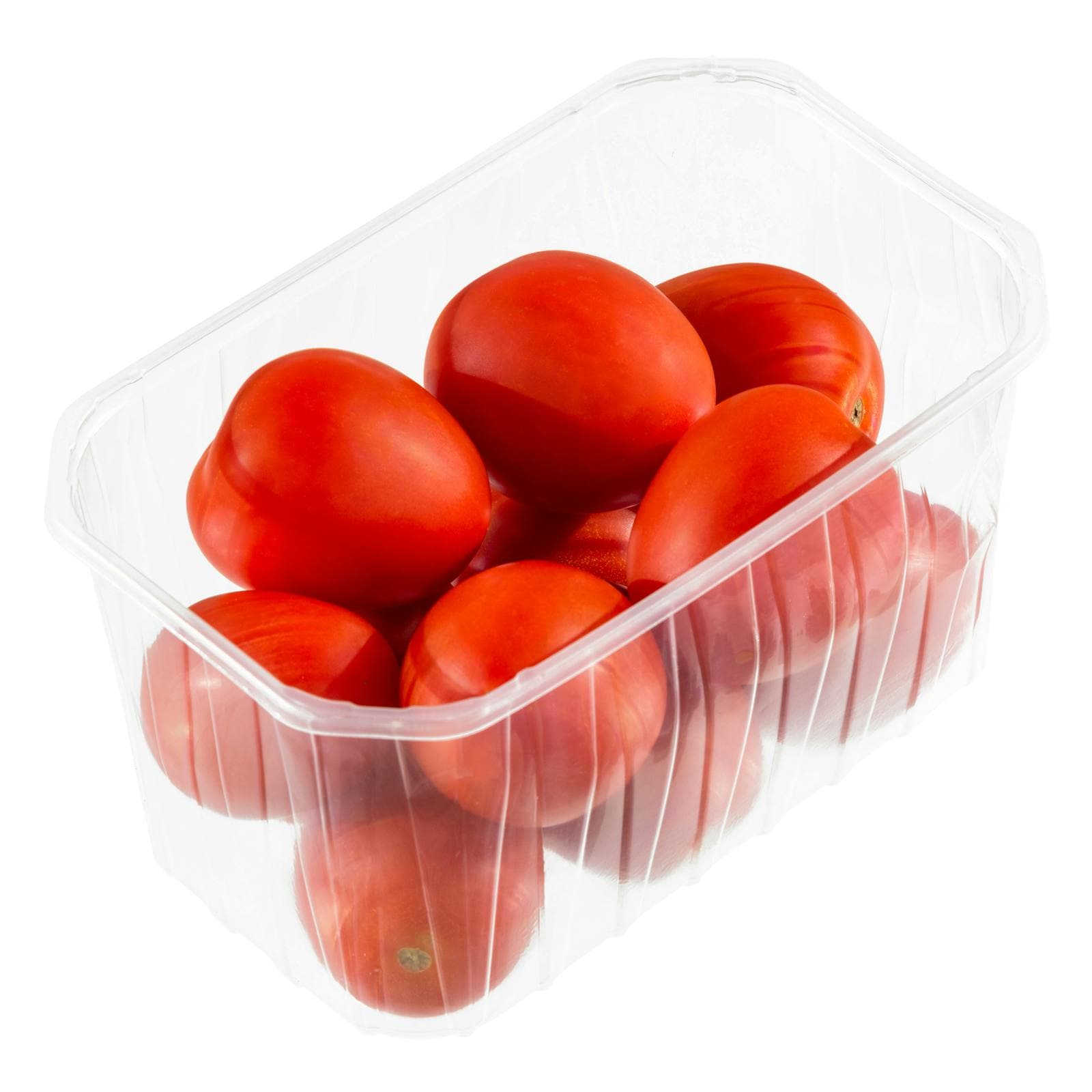
€2.62Pear Tomatoes
1.14 kg · Mercadona
 €1.49
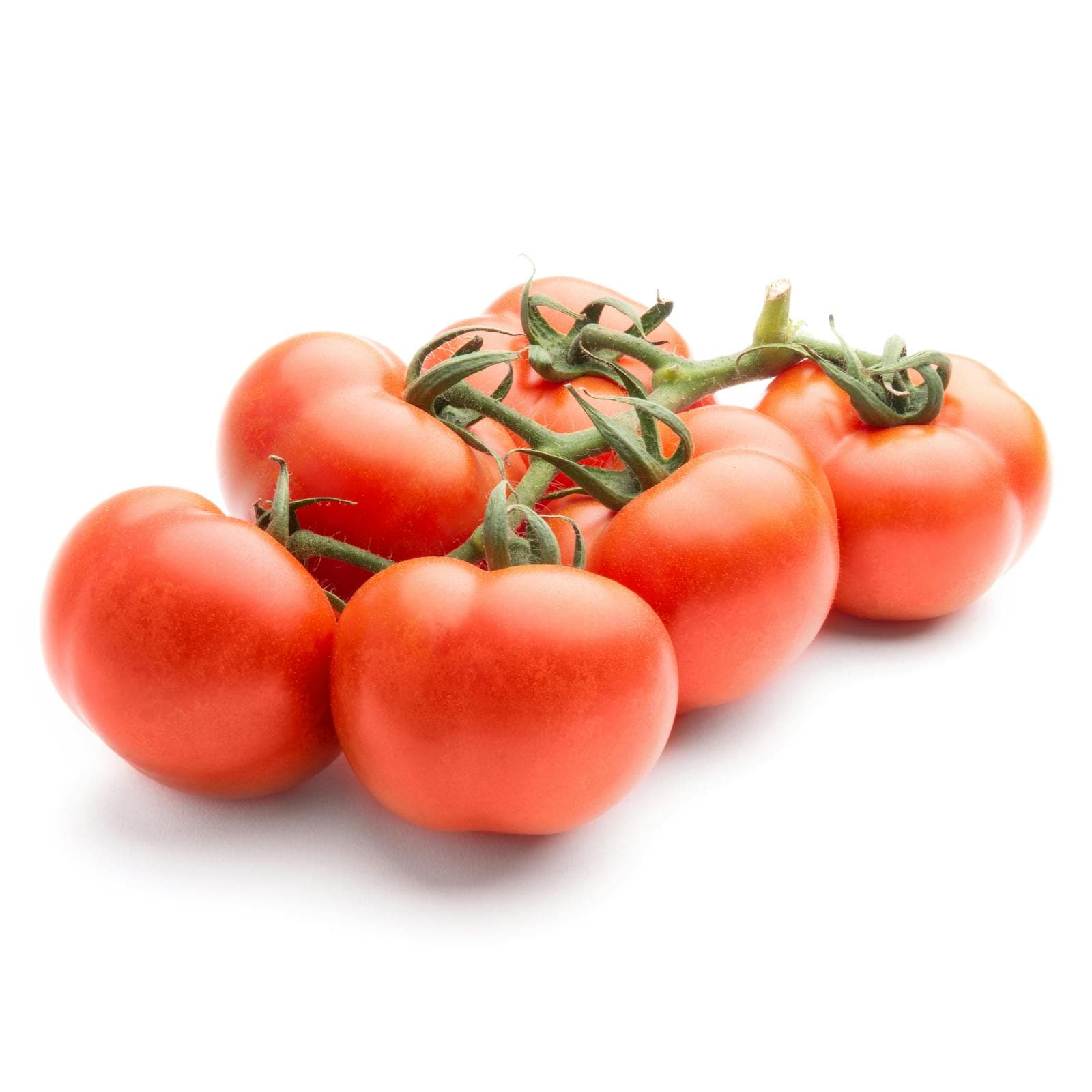
€1.49Truss Tomatoes
550 g · Mercadona
 €2.60
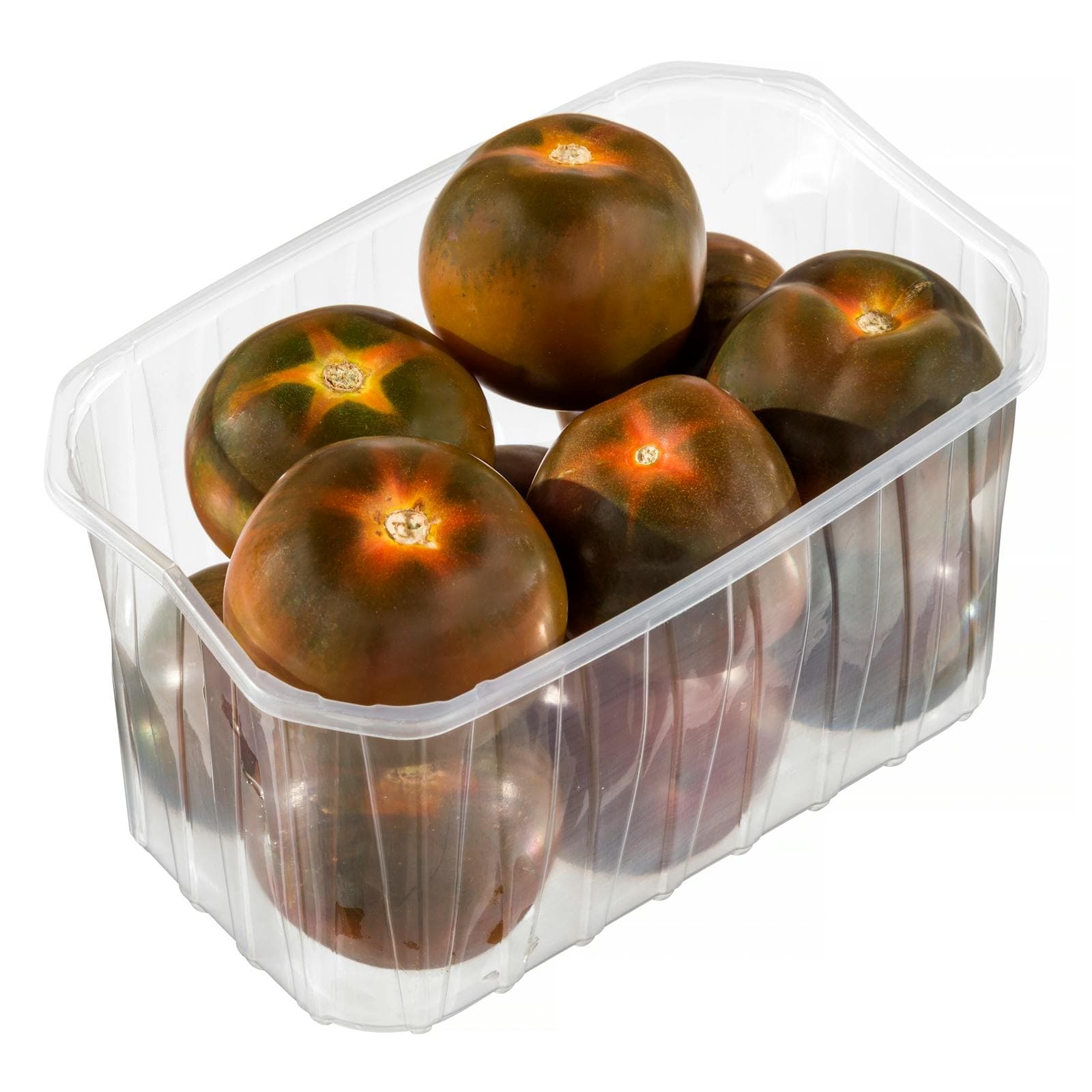
€2.60Black Tomatoes
1 kg · Mercadona
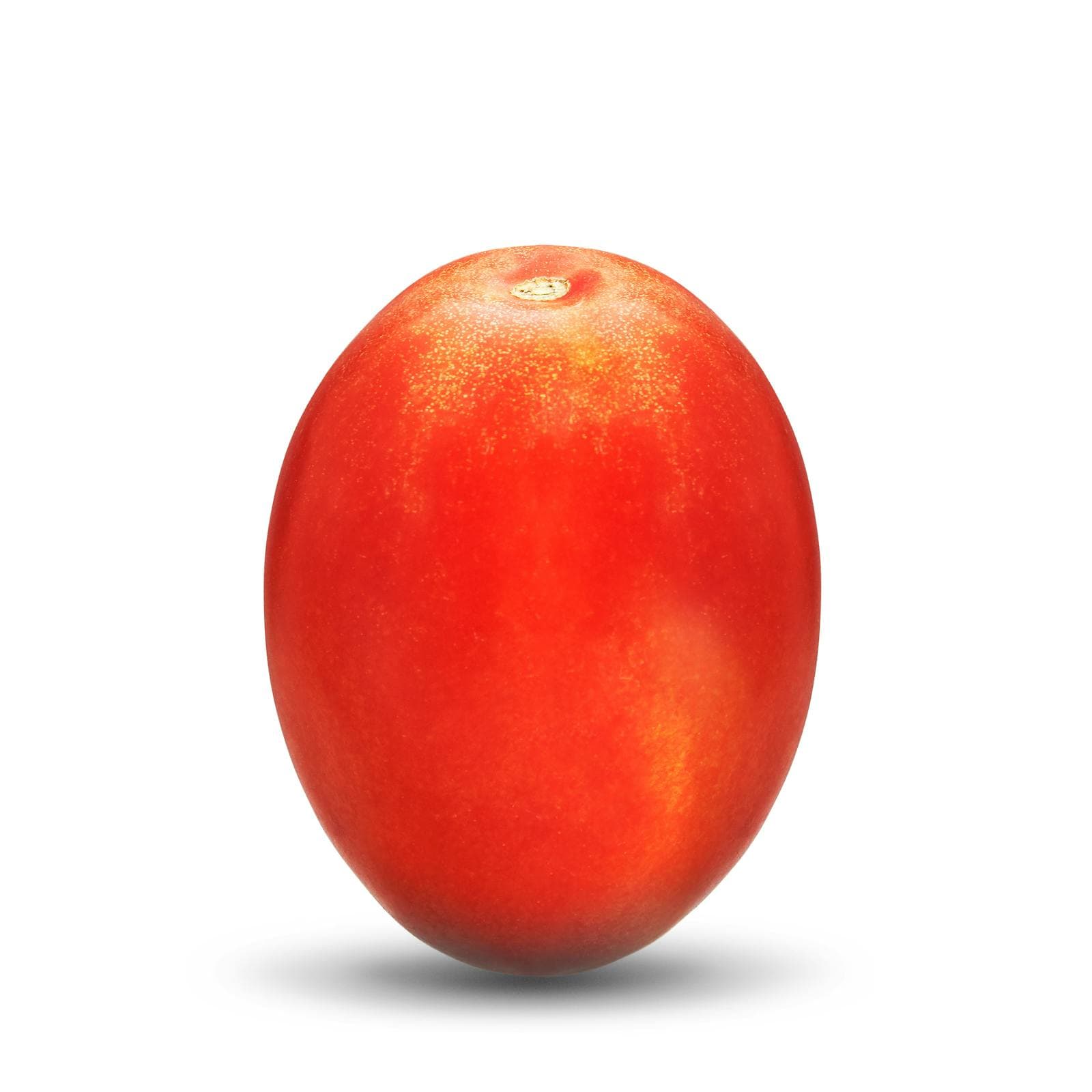 €0.29
€0.29Plum Tomato
130 g · Mercadona
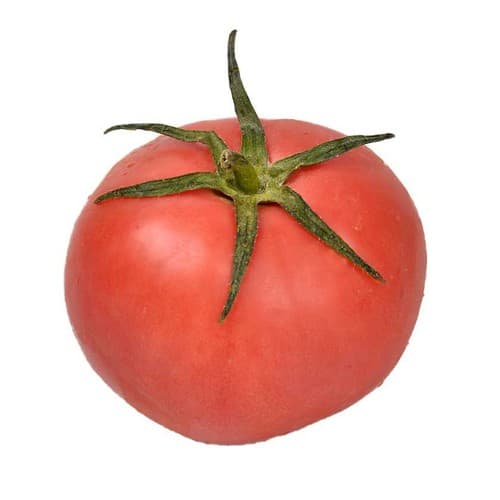 €1.07
€1.07Pink Tomato
ud · Bonpreu
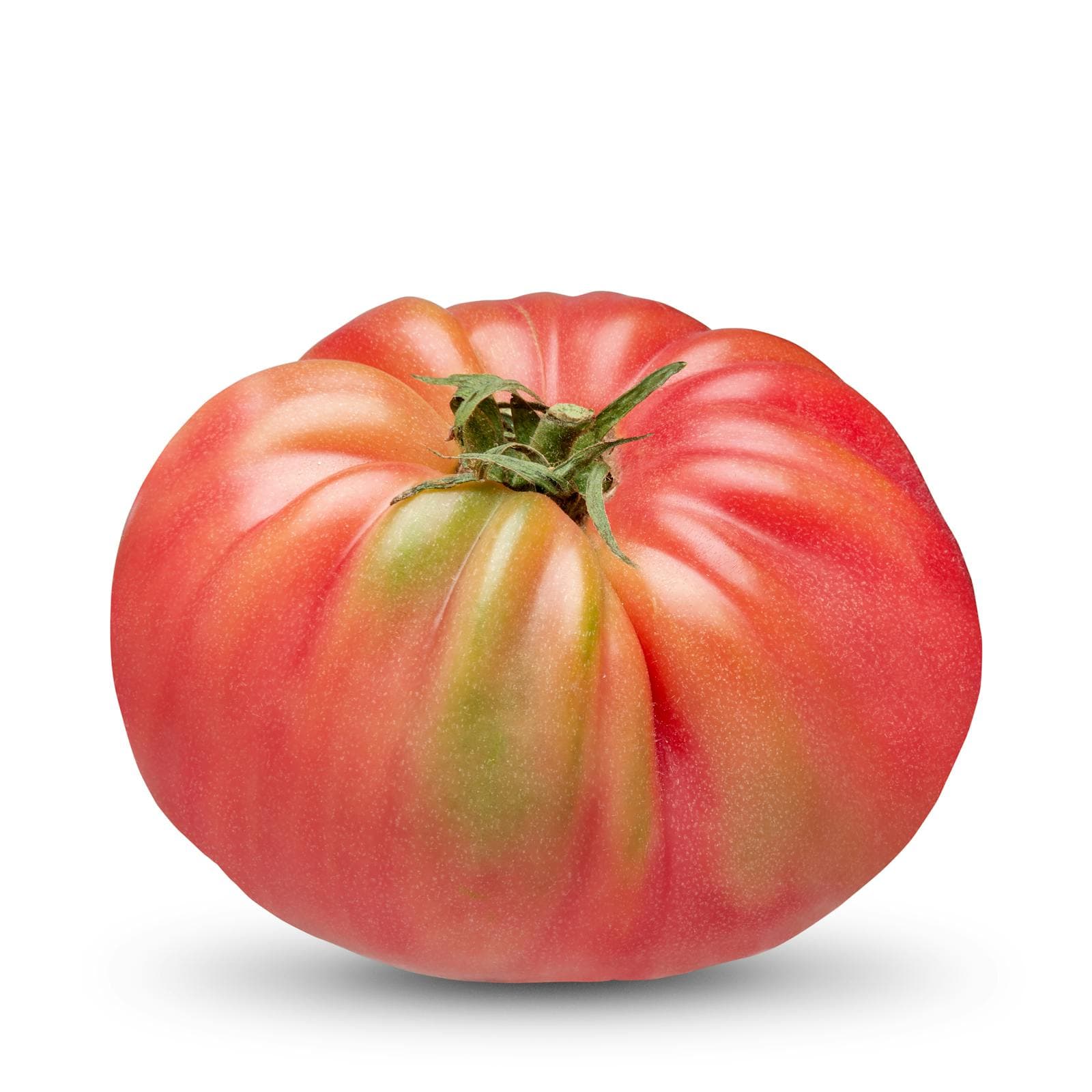 €1.16
€1.16Pink Tomato
340 g · Mercadona
Good to know
- Origin
- Southern Italy and Sicily, with significant cultivation in Campania
- Shape
- Small, oblong to slightly pear-shaped, 2–4 cm long; tapers at the base like a date
- Color
- Deep red when ripe; yellow variety (Datterino giallo) exists with slightly milder sweetness
- Flavor
- Intensely sweet, low acidity, concentrated sugar content; floral, almost honeyed notes when fully ripe
- Peak Season
- Summer in Italy; generally available year-round from greenhouse cultivation
- Skin
- Thin but holds shape reasonably well during brief cooking; collapses if overcooked
- Storage
- Room temperature until fully ripe; refrigerate ripe fruit and use within 2–3 days
- Botanical Type
- Solanum lycopersicum var. cerasiforme (cherry tomato group)
Substitutes
- Cherry tomatoes — Rounder, less sweet, more acidic; acceptable in raw applications but need longer cooking to develop equivalent sweetness—expect a different flavor balance
- Pomodorino del Piennolo — Excellent substitute; similarly sweet with slightly thicker skin, excellent for sauces and roasting; more seasonal and harder to find outside Italy
- Piennolo del Vesuvio — Similar southern Italian profile with good sweetness concentration; reliable for roasting and quick sauces
- San Marzano — For sauces only—larger, meatier, lower moisture content; requires longer cooking to develop sweetness but holds structure where datterini collapse
Pairs with
Also called
Datterini Tomato
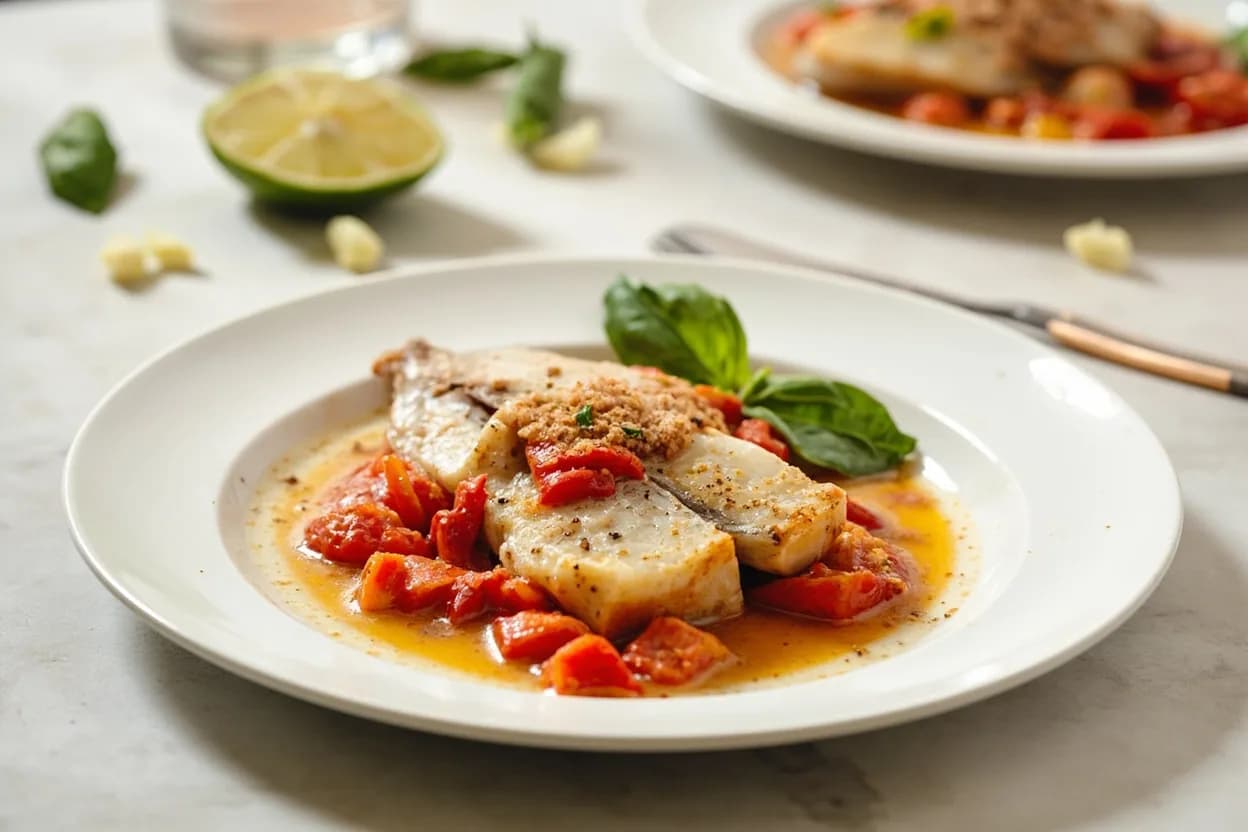
Appears in these dishes
Related
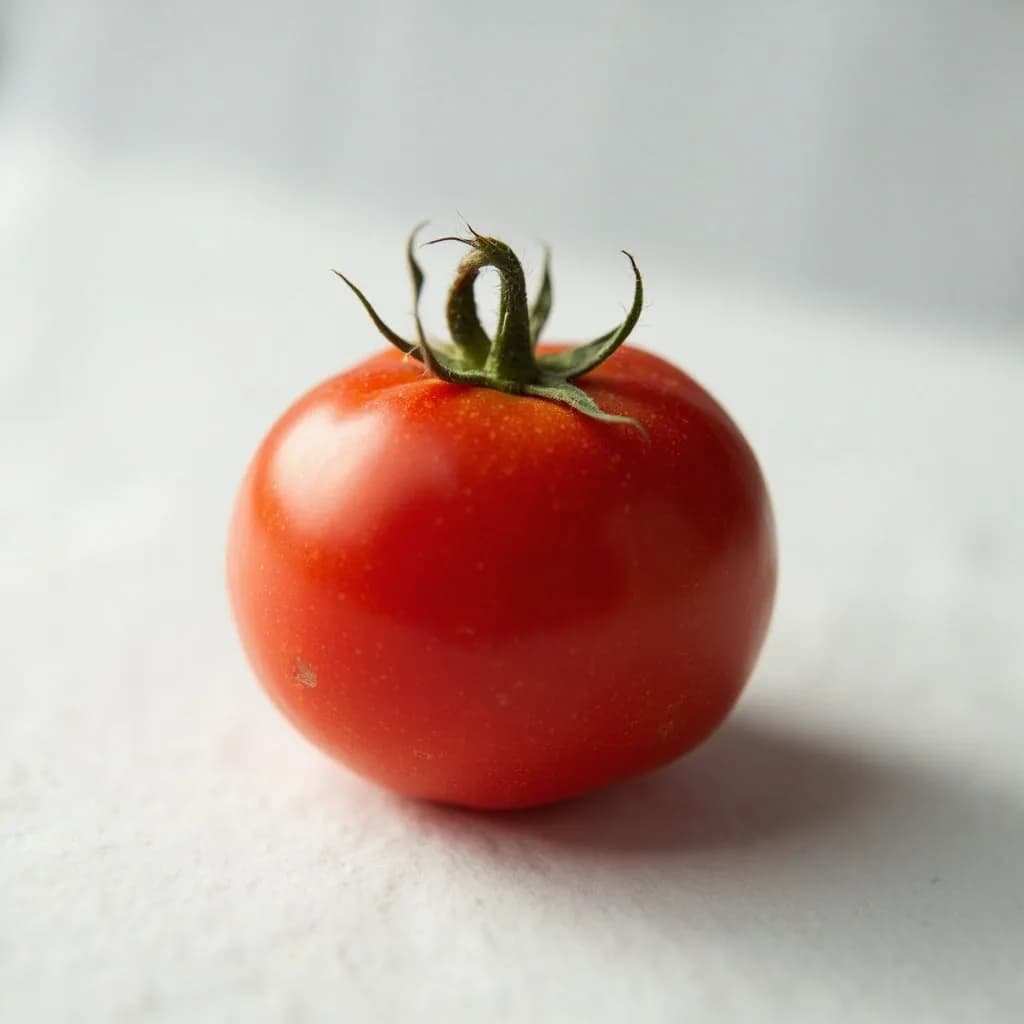
Tomato
Juicy, sun-sweet fruit for sauces, salads, and slow-cooked depth
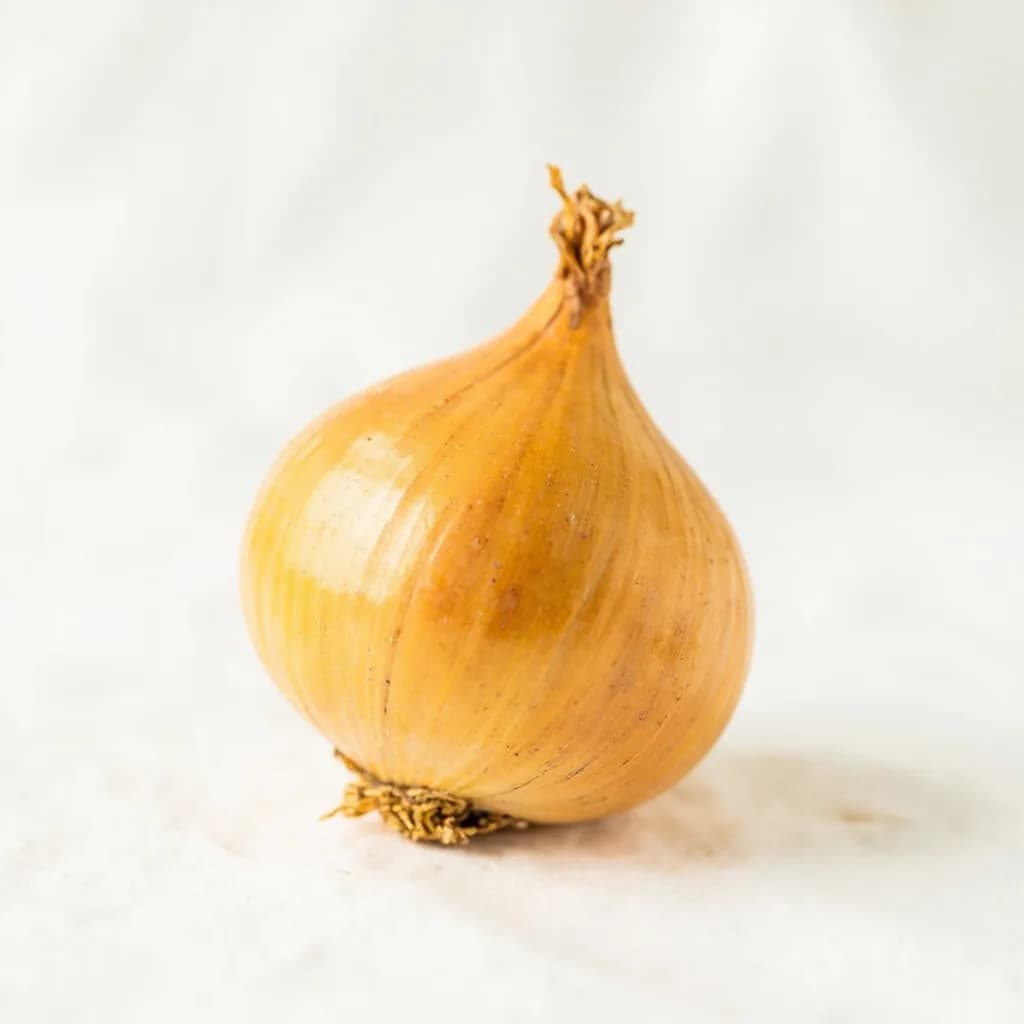
Yellow Onion
The aromatic backbone of soups, sofritos, and braises
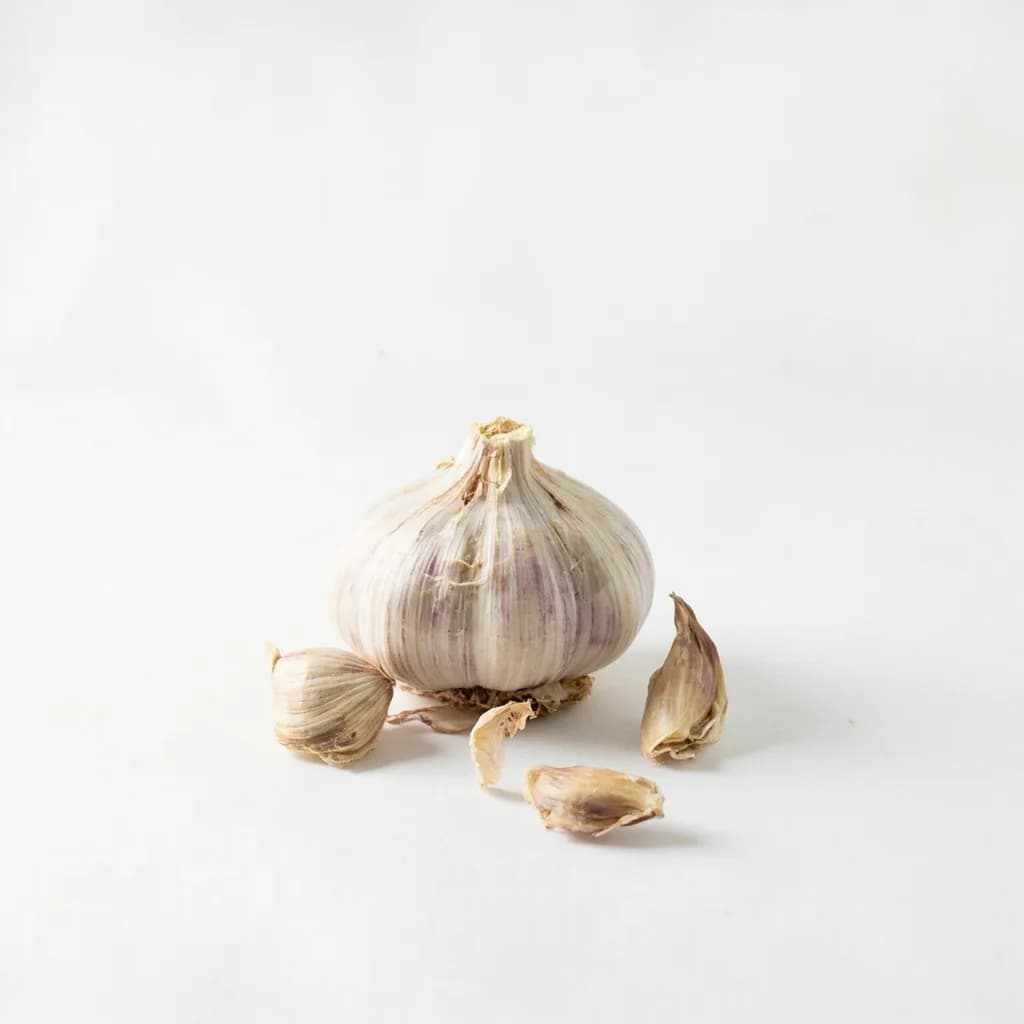
Garlic
Pungent cloves that perfume nearly every savory dish
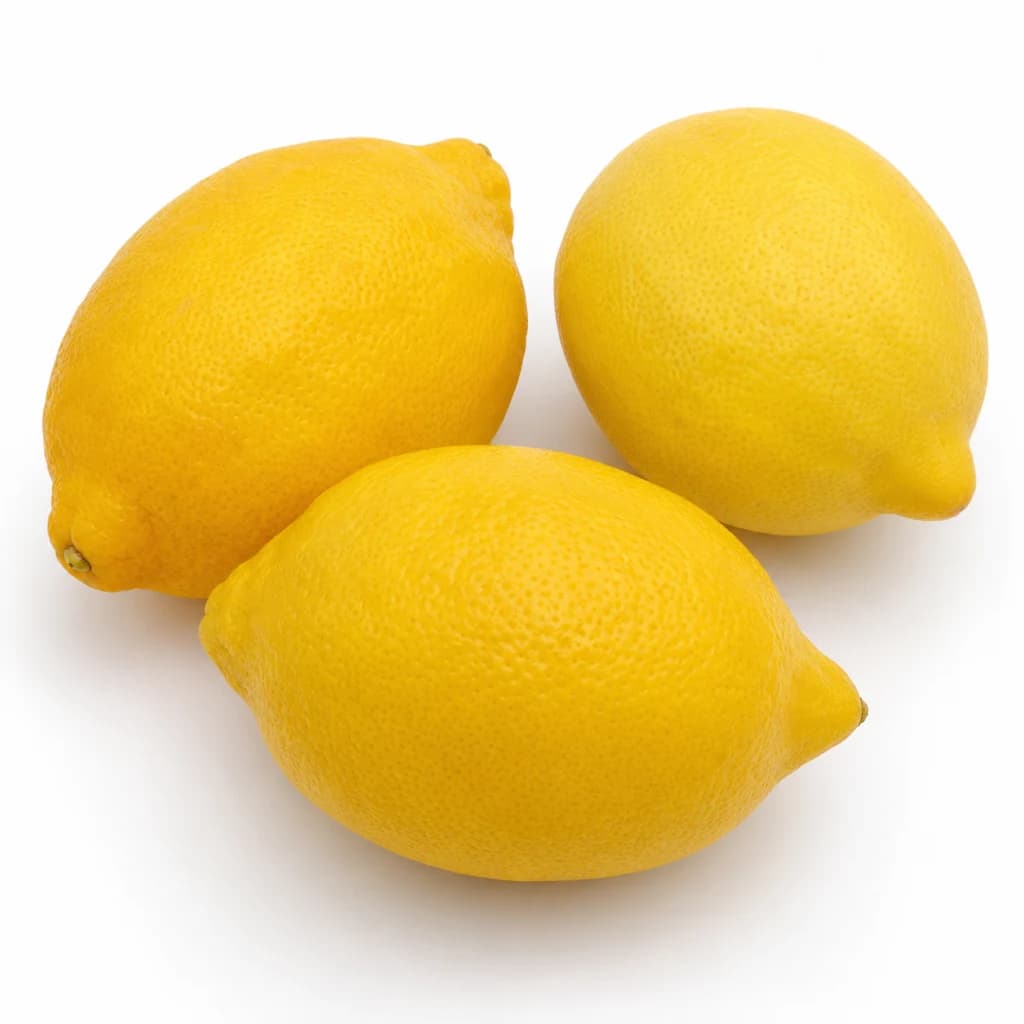
Lemon
Bright, acidic citrus that wakes up almost any dish
Potato
Humble, hearty staple — roast, mash, fry, or boil
Carrot
Sweet, crunchy root — raw, roasted, or the base of a sofrito
Cucumber
Cool, crisp, and watery — for salads, pickles, and tzatziki

Lettuce
Crisp leaves for salads, wraps, and a fresh crunch