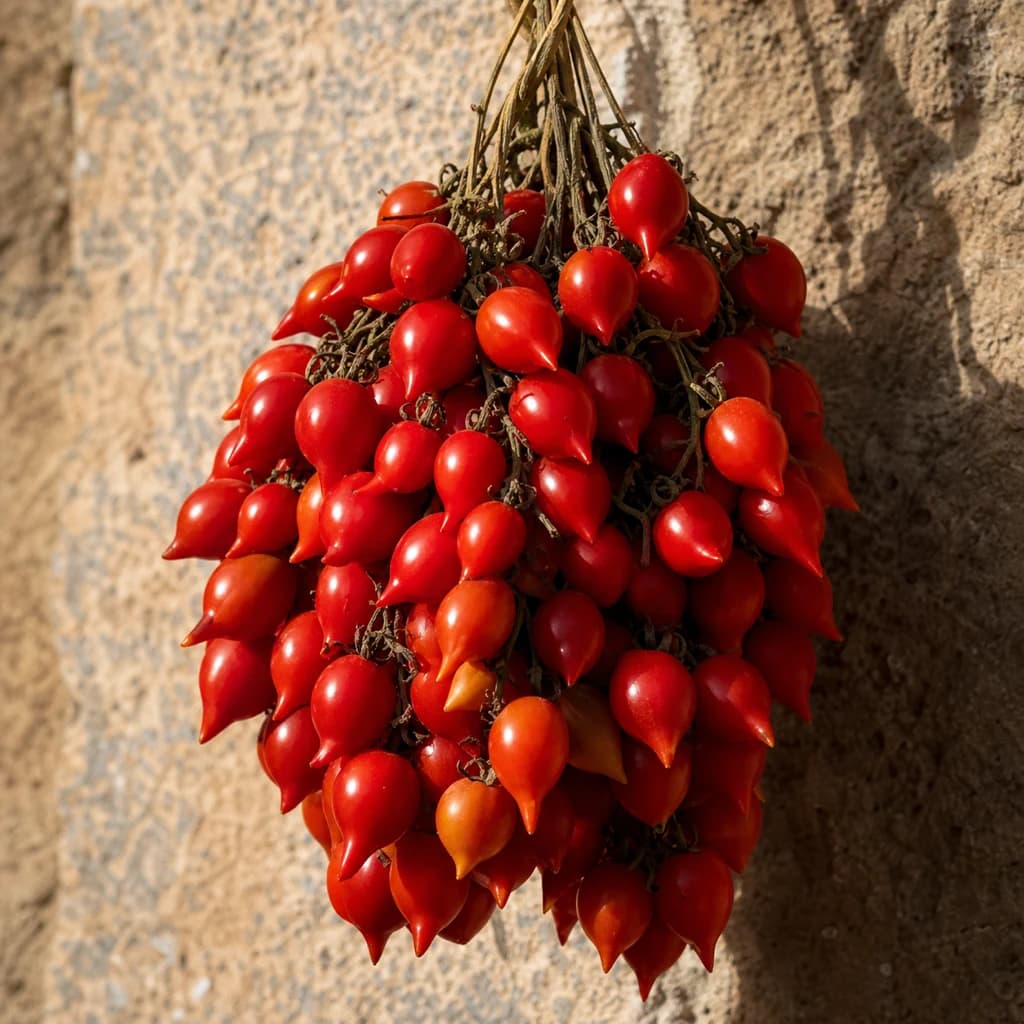
Natural form
Piennolo cherry tomatoes hanging in a traditional dried bunch, as stored after harvest.
Shows the signature piennolo hanging bunch storage form — the defining cultural and visual trait of this PDO tomato.
Produce
Piennolo del Vesuvio Cherry Tomato
Pointed Vesuvian cherry tomato hung in bunches, intensely sweet-tart and long-keeping.
The Pomodorino del Piennolo del Vesuvio is a small, pointed cherry tomato grown on the volcanic slopes of Mount Vesuvius and protected by a PDO. Traditionally tied into hanging bunches (piennolo) that keep for months, it has thick skin and an intense sweet-tart, salty flavor. It is a cornerstone of Neapolitan pasta and pizza sauces.
Piennolo del Vesuvio is a small, pointed cherry tomato cultivated in the volcanic soils surrounding Mount Vesuvius in Campania, Italy — a landscape so elemental it imparts a faintly smoky, mineral depth to the fruit that no other Italian tomato quite matches. Officially protected as PDO since 2009, the tomato is grown in the provinces of Naples, Salerno, and Avellino within Campania, where mineral-rich volcanic earth concentrates sugars and acidity in the fruit during the brief July–August harvest window. The defining ritual begins after picking: vines are pulled and hung upside-down in a technique called fare a piennolo, from the Neapolitan verb pènnere (to hang), which cures the fruit and deepens its flavor over weeks of air-drying.
The result of this hanging method is almost paradoxical — a fresh tomato months old that is more intensely flavored than anything you'd pull from the vine. Sugars concentrate, acidity sharpens, and the flesh firms slightly, giving Piennolo a remarkable structural integrity and a sweet-tart, almost fermented complexity. The two recognized types are Piennolo Rosso (the standard, deep red, high-acid) and Piennolo Giallo (the rarer yellow variant, milder and more fragile). The keeping quality is the practical miracle of this ingredient: properly hung bunches, stored in a cool dry ventilated space, remain edible for three to five months without refrigeration. In Campania, Piennolo in a hanging bunch is as much a kitchen ornament as a pantry staple — you reach for it all winter as other tomatoes come into season.
- Measured in
- g
- Storage
- Pantry
Types & varieties
The standard and most common type; deep red, high acidity, concentrated sweetness — the benchmark Piennolo del Vesuvio PDO tomato.
Yellow-fruited variant; less acidic, slightly sweeter, more delicate in texture and flavor; bruises easily and requires gentle handling.
The Volcanic Terroir
The volcanic soil of the Campanian volcanic arc is not incidental flavoring — it is the engine of Piennolo's character. Minerals deposited by Vesuvius over millennia, particularly potassium and phosphorus, drive the plant's sugar synthesis and the fruit's acidity ratio. This gives the tomato a mineral backbone and a faintly smoky depth that separates it categorically from other cherry tomatoes, even other Italian ones. When buying PDO-certified product, the fruit must be grown, packed, and labelled within the defined Campanian provinces — a guarantee of that specific terroir rather than generic Italian tomato.
- PDO certification requires all handling within the geographical zone — verify this when the distinction matters for a recipe.
- The mineral intensity is most pronounced in raw applications; use a raw Piennolo as your flavor benchmark.
Buying and Storing
The Piennolo's extraordinary keeping quality depends entirely on correct post-harvest handling — and it begins the moment you bring it home. The hanging method is not incidental decoration; it is the preservation mechanism. Air circulation around the cluster prevents mold, and the slow curing concentrates flavor. Refrigeration destroys both the keeping quality and the flavor — the cold dulls the acidity and breaks down cell structure, making the fruit mealy faster than if it had been left hanging. If you receive already-harvested bunches, replicate the hanging conditions as closely as possible: a cool, dry, ventilated pantry or cellar corner, stems up, clusters not touching.
- Look for firm, vivid fruit with intact calyxes and dry, papery stems; avoid any bunches with mold at the cluster junction.
- Store hung in a cool, dry, well-ventilated space — never sealed in a bag or container.
- Piennolo Giallo bruises more easily than the red type; handle gently and use more quickly.
Common uses
Tips & pitfalls
- Never refrigerate fresh Piennolo — cold destroys their keeping quality and dulls the flavor within days.
- Select firm, unblemished fruit with vivid color and intact calyxes when buying loose or in bunches.
- If buying already-harvested bunches, choose those with dry, papery stems; discard any showing mold at the cluster junction.
- Store hung in a cool, dry, well-ventilated place — a pantry, cellar, or cool kitchen corner; this is what makes them a year-round pantry staple.
- Before using, rub the skin lightly — Piennolo skin is tougher than most cherry tomatoes; a brief dip in boiling water makes peeling easy if needed.
- Common mistake: overcooking them in long-simmered sauces destroys the fresh intensity and acidity balance — add late in cooking or serve raw.
- The volcanic mineral character is most pronounced in raw applications — use this as your quality benchmark when cooking.
- Handle Piennolo Giallo gently; it bruises easily and breaks down faster than the red type.
Nutrition
Energy
63 kJ · per 100 g
Where the calories come from
Protein
1g
2% DV
Carbs
3g
1% DV
Fat
0.3g
0% DV
Fiber
0.7g
3% DV
Sodium
23mg
1% DV
Source · USDA FoodData Central · approx. Tomatoes, yellow, raw
View on FDC →In the shops
Matched grocery products
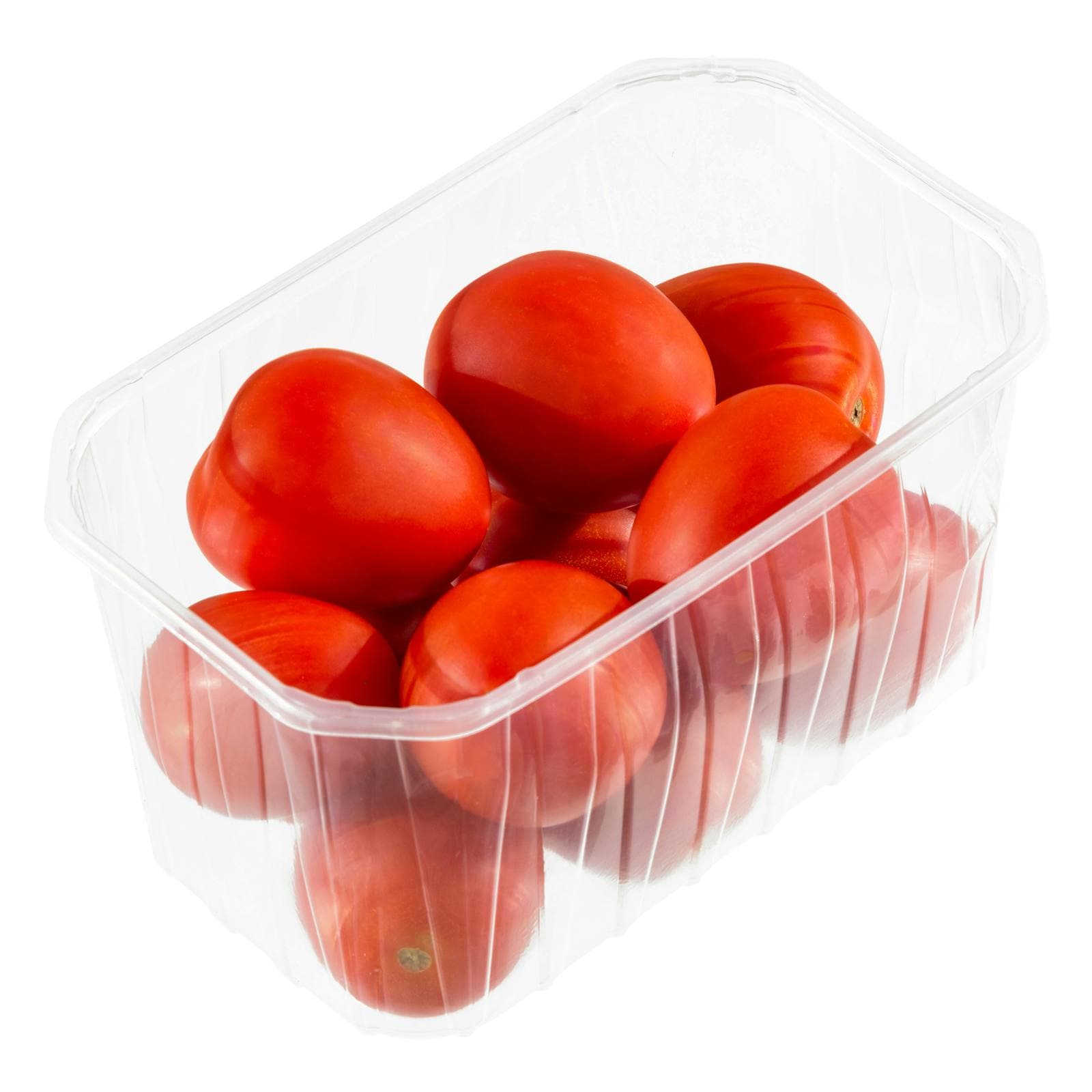 €2.62
€2.62Pear Tomatoes
1.14 kg · Mercadona
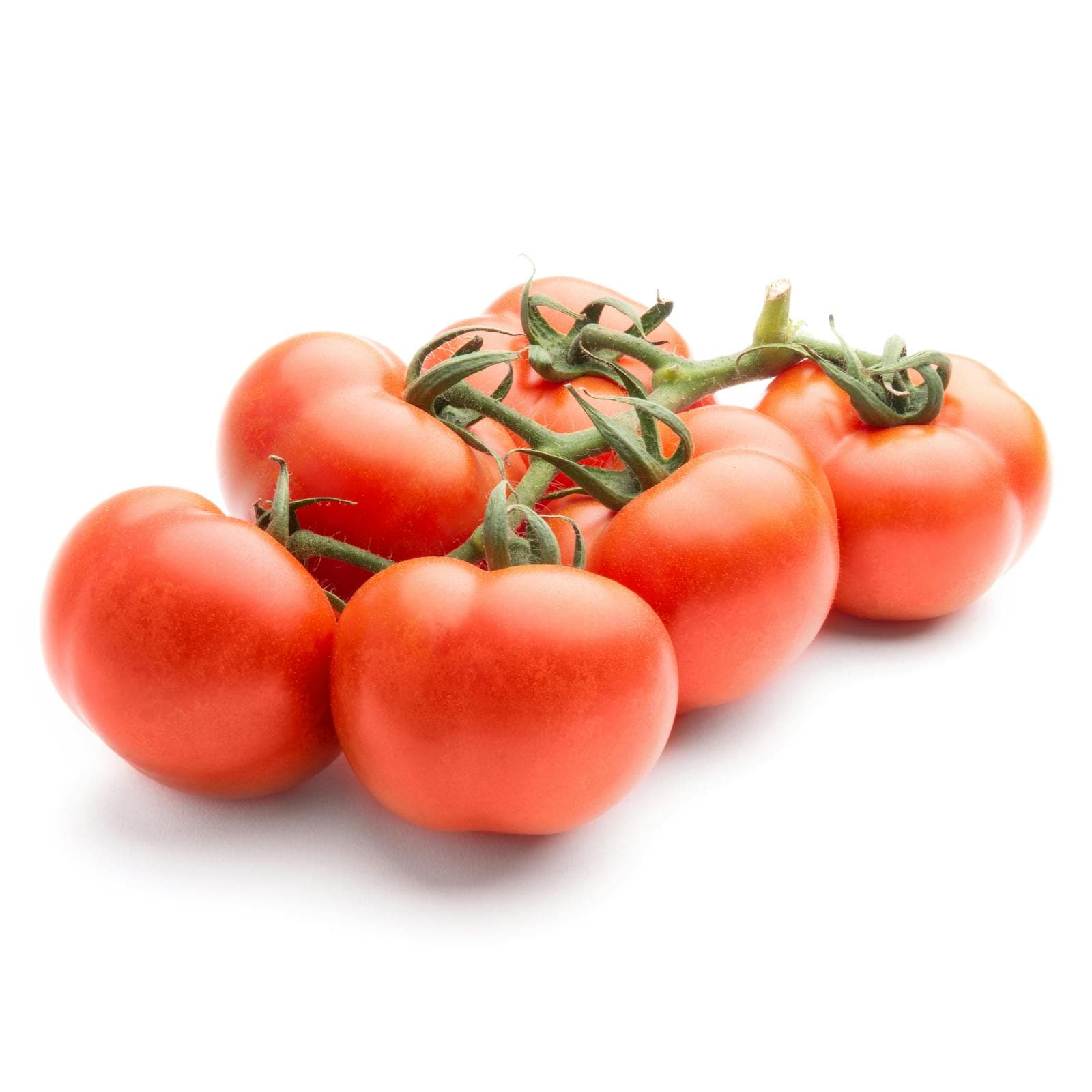 €1.49
€1.49Truss Tomatoes
550 g · Mercadona
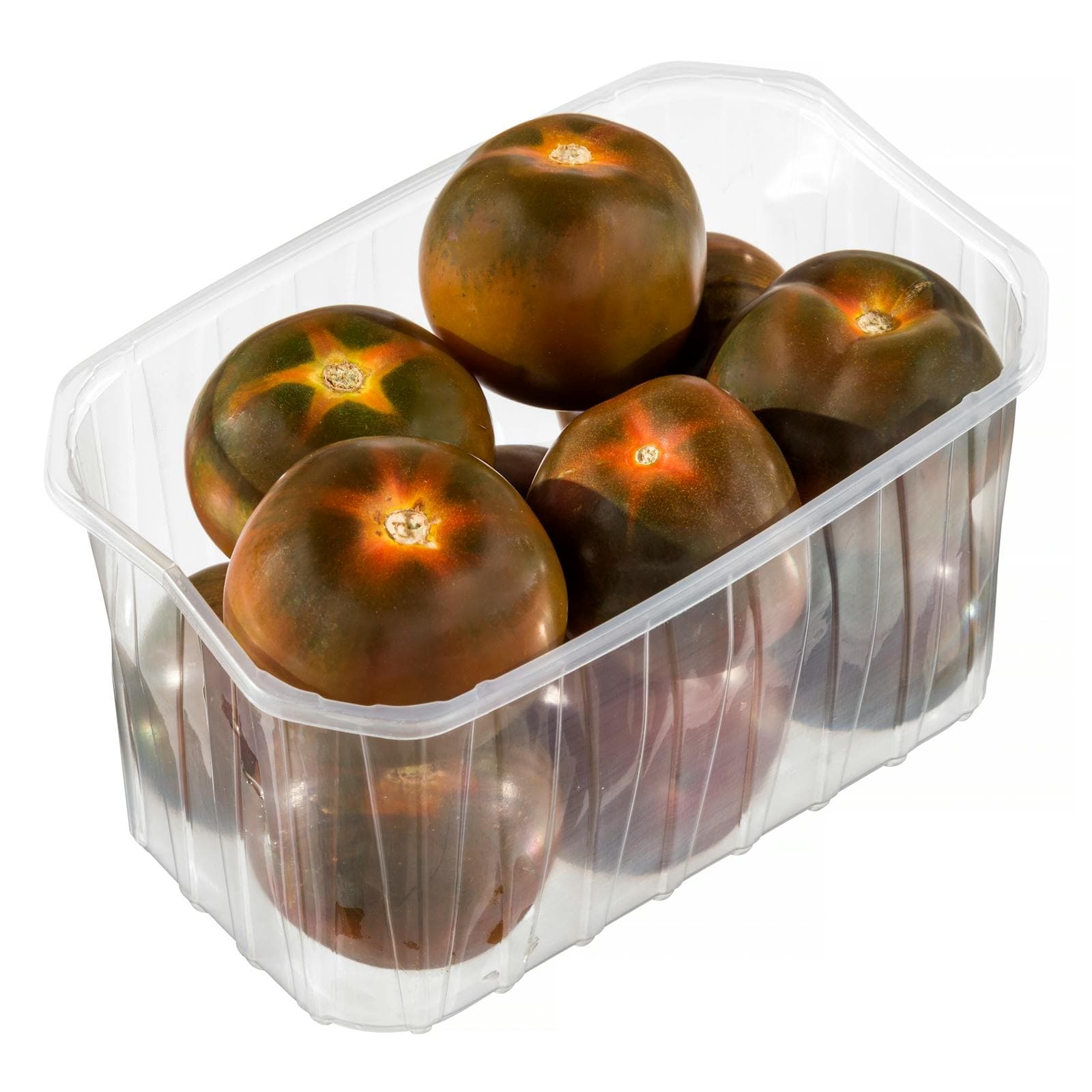 €2.60
€2.60Black Tomatoes
1 kg · Mercadona
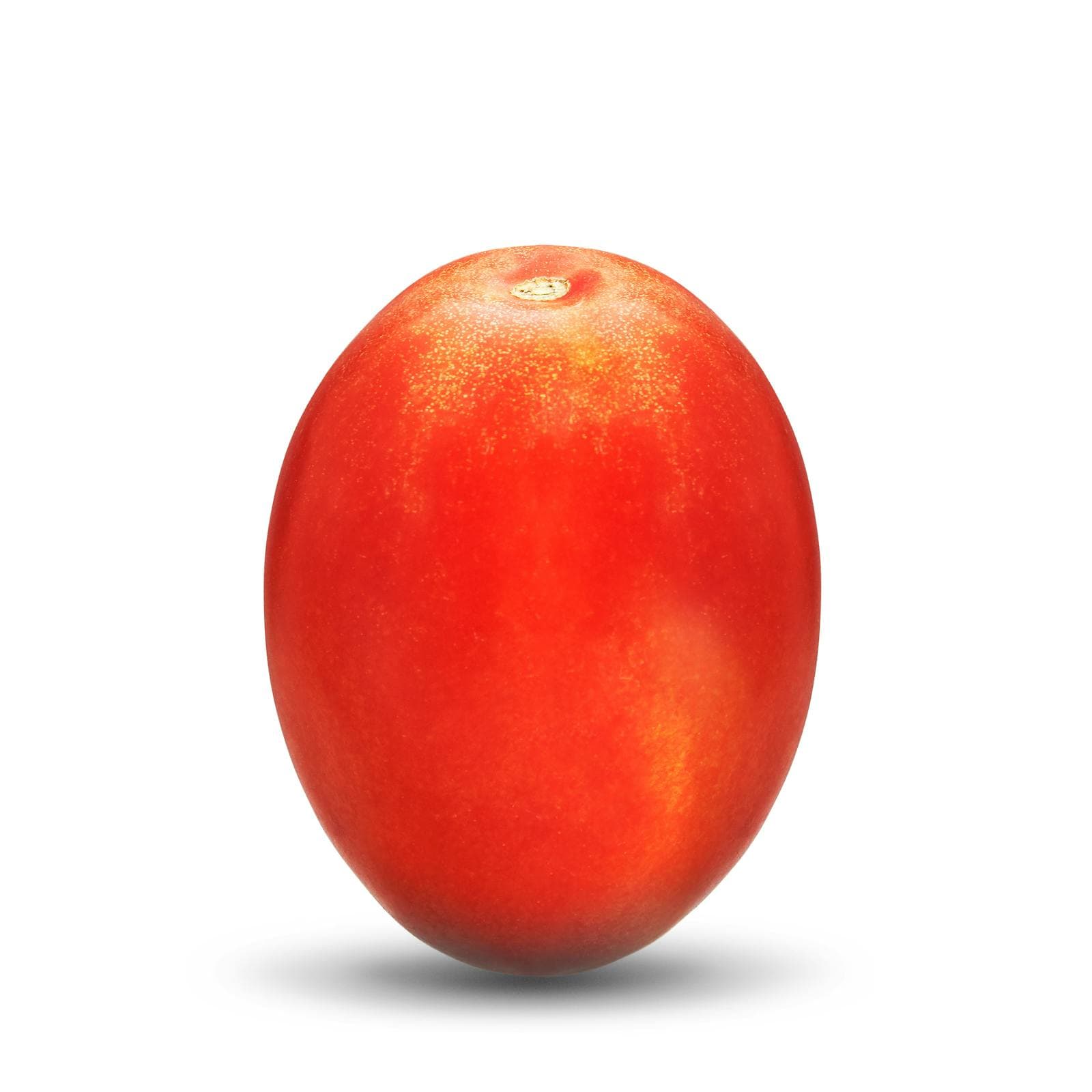 €0.29
€0.29Plum Tomato
130 g · Mercadona
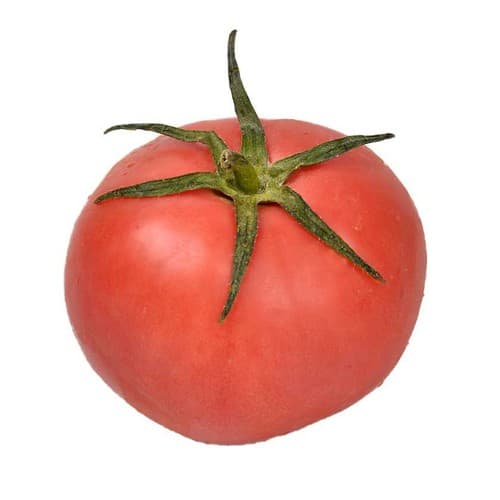 €1.07
€1.07Pink Tomato
ud · Bonpreu
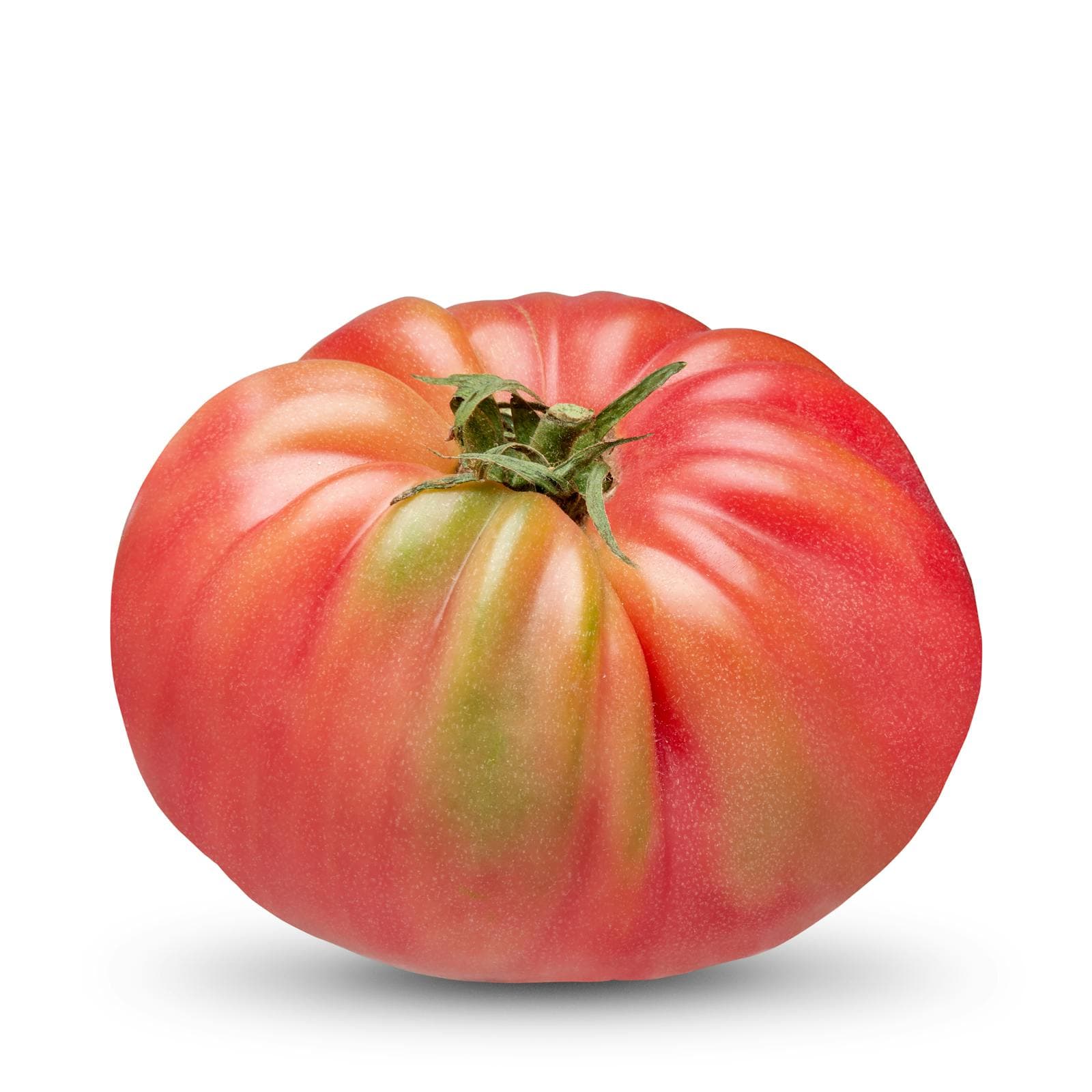 €1.16
€1.16Pink Tomato
340 g · Mercadona
Good to know
- Origin
- Mount Vesuvius area, Campania, Italy — volcanic soils of the Campanian volcanic arc.
- PDO Status
- Piennolo del Vesuvio holds EU Protected Designation of Origin (PDO) since 2009.
- Harvest & Curing
- July–August harvest; vines pulled and hung to cure, concentrating sugars and acidity over weeks.
- Keeping Quality
- 3–5 months in a cool, dry, ventilated space without refrigeration — unmatched by any other fresh cherry tomato.
- Shape & Size
- Small, pointed pear-shaped cherry tomato; 15–30 g each, in clusters of 6–15 fruits.
- Flavor
- Intensely sweet-tart with marked acidity and a mineral, faintly smoky depth from volcanic terroir.
- Color Types
- Piennolo Rosso (deep red, most common) and Piennolo Giallo (pale yellow, rarer, milder).
Substitutes
- Datterini tomato — Small, sweet, elongated Italian cherry tomato; good acidity and concentration, though without the volcanic mineral depth of Piennolo.
- Pachino cherry tomato — Sicilian cherry tomato with a solid sugar-acid balance; widely available and the closest mainstream substitute in raw intensity.
- Sun-dried Piennolo — A traditional preservation method; rehydrate in warm water and use in place of fresh — the flavor is intensely concentrated.
- Campari tomato — A hybrid with balanced sweetness and acidity; lacks the mineral depth but works adequately in raw applications.
Pairs with
Also called
Pomodorino del Piennolo · Piennolo Tomato · Vesuvius Cherry Tomato
Related
Tomato
Juicy, sun-sweet fruit for sauces, salads, and slow-cooked depth
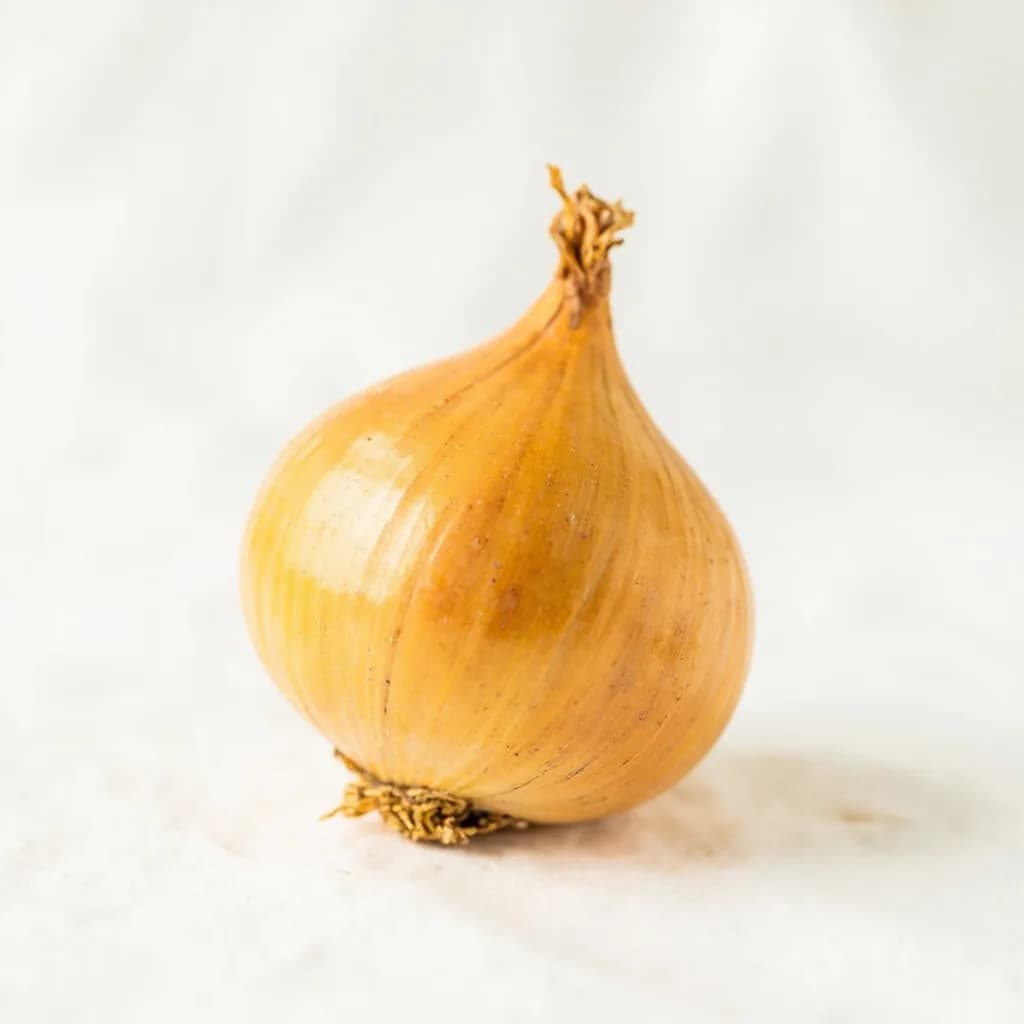
Yellow Onion
The aromatic backbone of soups, sofritos, and braises
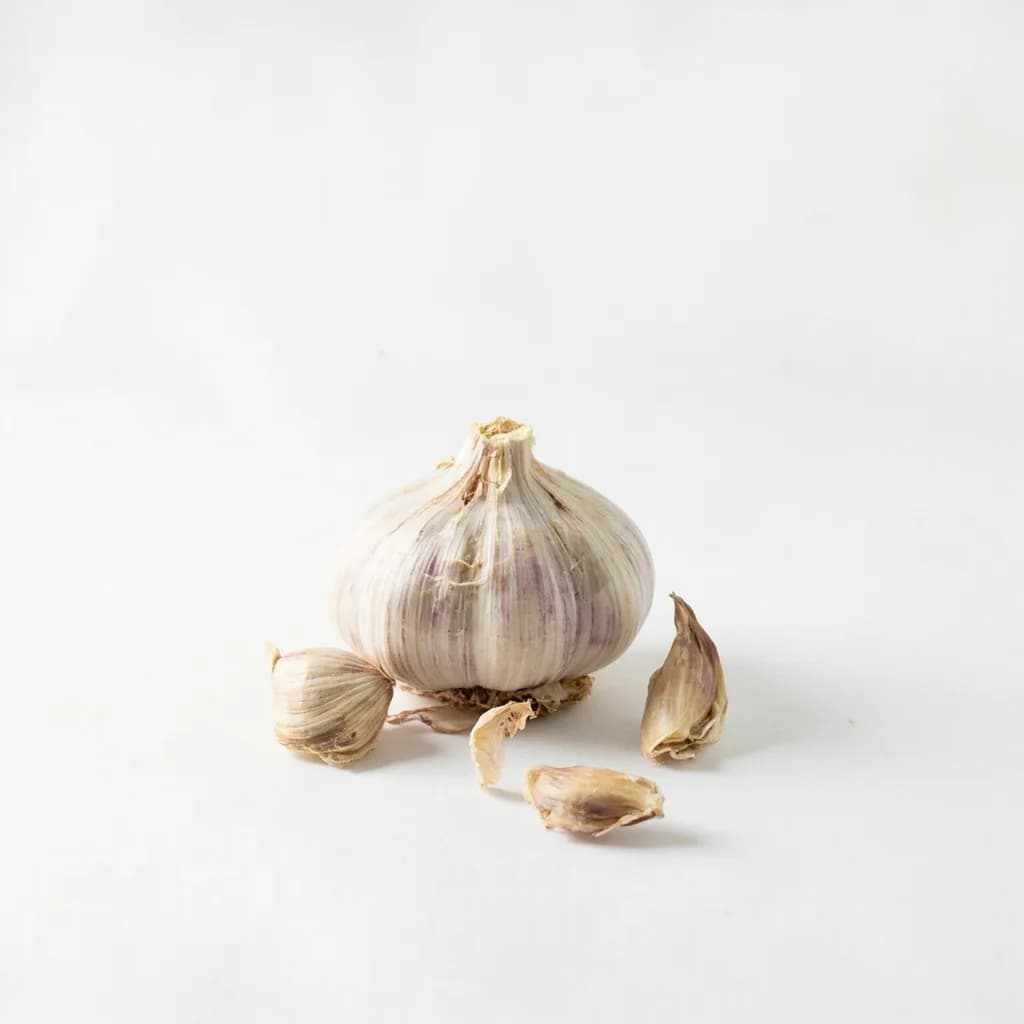
Garlic
Pungent cloves that perfume nearly every savory dish
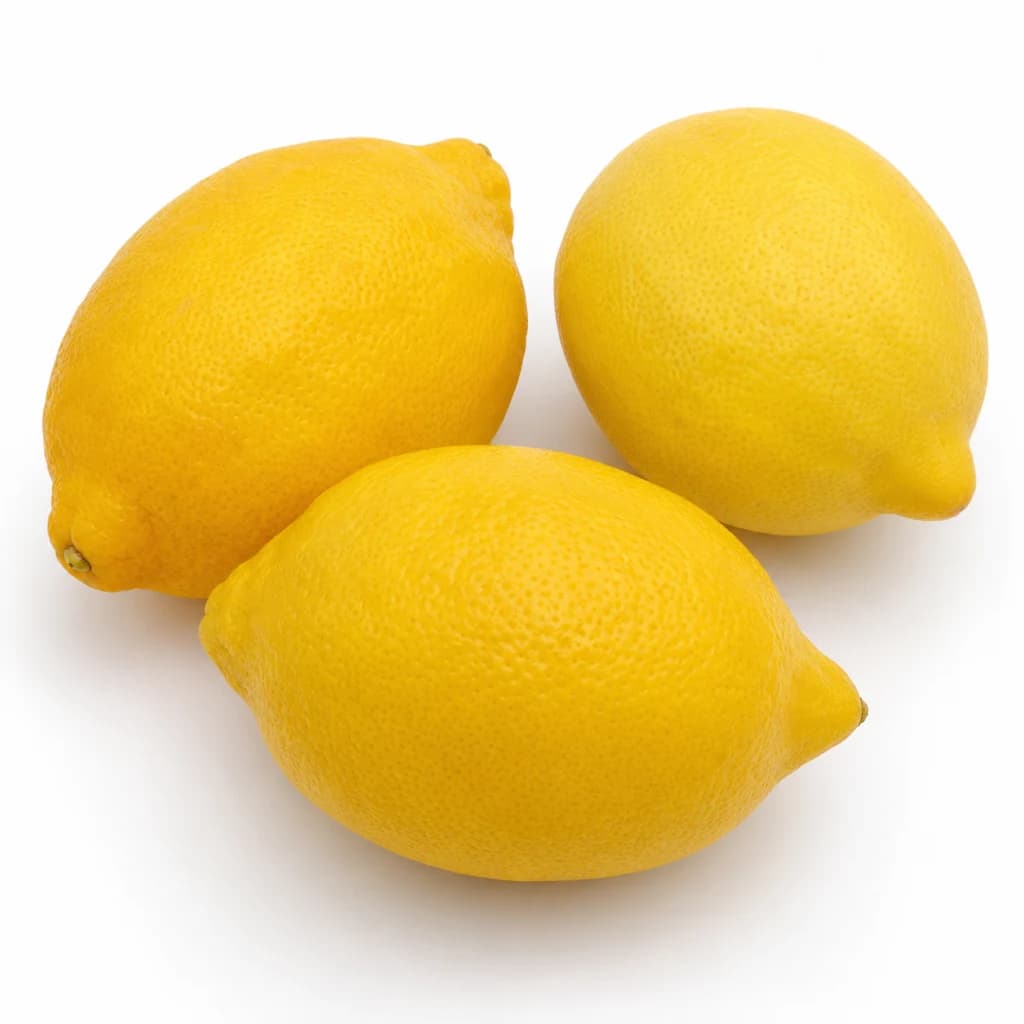
Lemon
Bright, acidic citrus that wakes up almost any dish
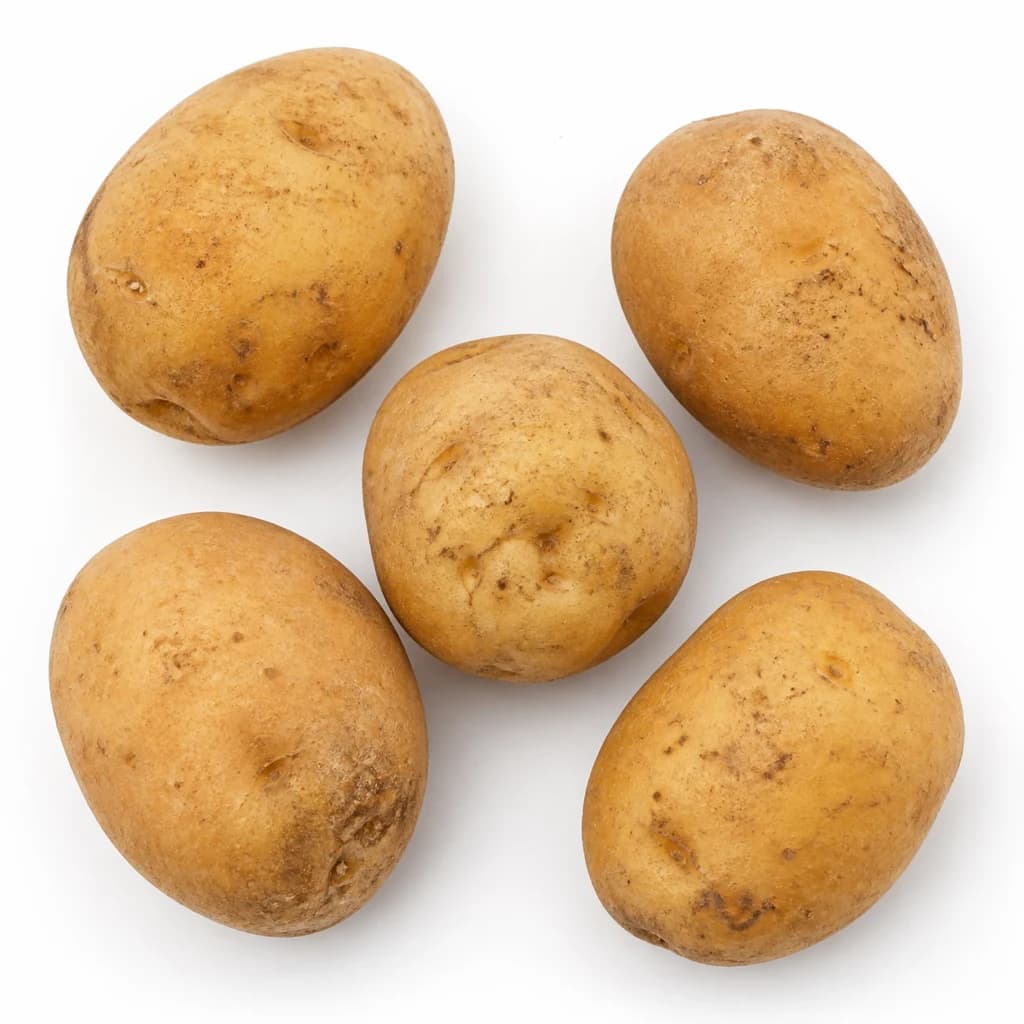
Potato
Humble, hearty staple — roast, mash, fry, or boil
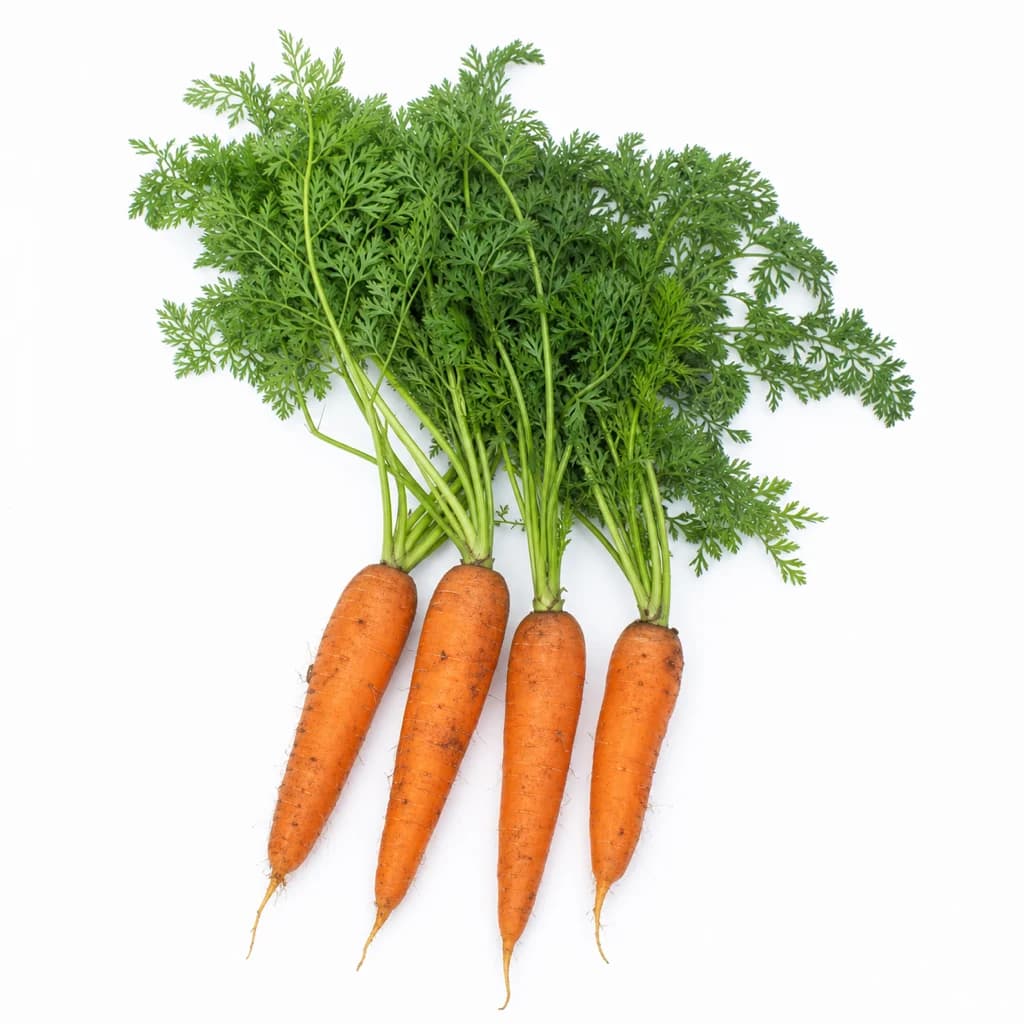
Carrot
Sweet, crunchy root — raw, roasted, or the base of a sofrito
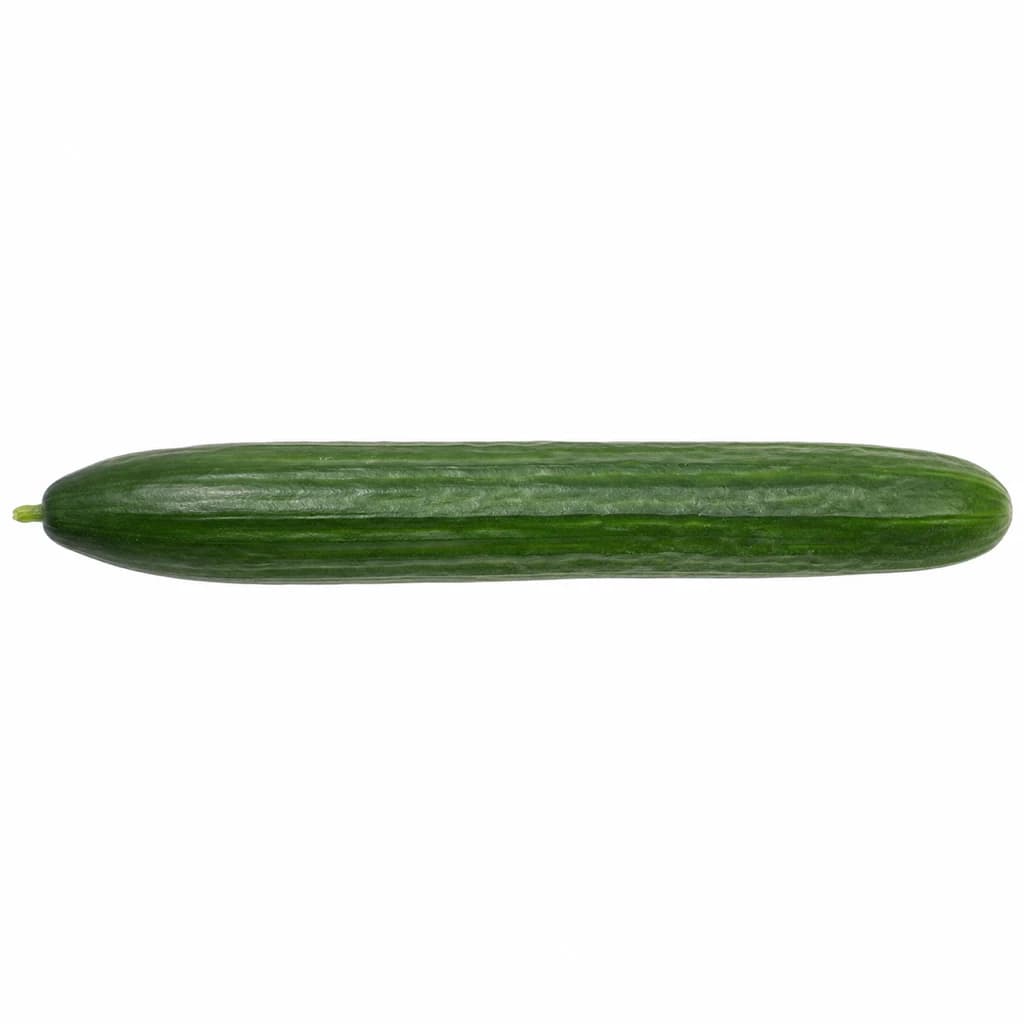
Cucumber
Cool, crisp, and watery — for salads, pickles, and tzatziki

Lettuce
Crisp leaves for salads, wraps, and a fresh crunch