
Natural form
Whole dried red jujubes display their distinctive wrinkled crimson skin and oval shape.
Shows the reader exactly what to look for when buying or identifying dried red dates in their whole, unprocessed state.
Produce
Red Date / Jujube
Dried red jujube, sweet and chewy, used in Chinese soups, teas and tonics.
Red dates are dried jujube fruit with wrinkled crimson skin and a sweet, chewy flesh that tastes faintly of apple and caramel. In Chinese cooking and herbal medicine they are simmered into soups, congee, teas and tonics, prized for adding natural sweetness and warming qualities. They are usually used whole, pit and all, then strained or eaten around the stone.
Dried red dates, known as hong zao in Chinese, are the sun- or oven-dried fruit of Ziziphus jujuba — a tree cultivated in China for over four thousand years. Unlike the fresh jujubes occasionally found in Western markets, which are crisp and apple-like, dried red dates are firm, dense, and pliable with a deep brick-red to mahogany color. The drying process concentrates their natural sugars, producing a sweet, honeyed flavor with subtle caramel and malted notes — notably without any astringency. In Traditional Chinese Medicine, red dates are classified as warm and sweet, entering the Spleen and Stomach meridians, where they harmonize formulas and moderate harsher herbs. This quality makes them the single most frequently used food in TCM tonic cooking, prized not just for flavor but for their ability to protect the digestive system while delivering nourishing sweetness.
- Measured in
- g
- Storage
- Pantry
Types & varieties
From the Junggar Basin; small to medium, intensely sweet, thin-skinned; considered premium
From Hotan Prefecture; large, oval, very sweet; popular for table use
Small, flattened; historically famous; excellent for slicing and cooking
Grown in the Loess Plateau region; medium size, balanced sweetness
Fresh jujubes steamed briefly then dried; darker, softer, more pudding-like texture; slightly fermented flavor
Fresh Jujube vs. Dried Red Date
These are not interchangeable. Fresh jujubes sold at Western supermarkets are usually Ziziphus mauritiana (Indian jujube) or underripe Z. jujuba — crisp, slightly tart, and apple-like in texture. Dried red dates are always fully ripened Z. jujuba that has been dried, developing the honeyed sweetness and dense, chewy character that Chinese cooking depends on. If a recipe calls for dried red dates, fresh jujubes will not produce the same result.
Buying and Storage
Quality varies dramatically. Premium Xinjiang dates are plump with smooth, wrinkle-resistant skin and a deep, even red color. Lower grades are shriveled, pale, or overly dry and will lack sweetness. A light white bloom is natural sugar crystallization and does not indicate spoilage. Avoid dates with hard spots or a dull, faded color. Store in an airtight container in a cool, dark place for up to a year. Once opened, refrigerate to prevent the natural oils from going rancid. Keep away from strong-smelling foods — dried dates readily absorb odors.
Common uses
Tips & pitfalls
- Rinse under running water and rub gently to remove any dust or debris before use.
- For soups, add in the last 20–30 minutes of simmering; prolonged boiling makes them disintegrate into mush and clouds the broth.
- To enhance aroma, briefly toast whole dates in a dry pan over medium-low heat until fragrant, about 2 minutes.
- If a recipe calls for pitted dates, split them open and remove the hard oval seed; leave pits in for longer-cooking applications where they have time to soften.
- For snacking or desserts, soak in warm water for 20–30 minutes until plump and pliable before using.
- When substituting Medjool dates, use slightly less — Medjools are more intensely sweet and lack the herbal complexity of red dates.
- In TCM tonic cooking, red dates are almost always paired with ginger, which moderates their cloying effect on the Spleen.
Nutrition
Energy
331 kJ · per 100 g
Where the calories come from
Protein
1.2g
2% DV
Carbs
20.2g
7% DV
Fat
0.2g
0% DV
Sodium
3mg
0% DV
Source · USDA FoodData Central · approx. Jujube, raw
View on FDC →In the shops
Matched grocery products
No matched grocery products for Red Date / Jujube yet.
Good to know
- Scientific name
- Ziziphus jujuba
- Origin
- China; cultivated for over 4,000 years
- Color
- Deep brick-red to mahogany when dried
- Texture
- Firm, dense, pliable; becomes gummy when overcooked
- Flavor
- Sweet, honeyed, with caramel and malted notes; not astringent
- Typical size
- 2–5 cm long, oval to oblong
- Shelf life
- 12+ months sealed in a cool, dark place; refrigerate after opening
- TCM classification
- Warm; sweet; enters Spleen and Stomach meridians
Substitutes
- Medjool dates — Similar chew and sweetness; omit or reduce any additional sweetener in the recipe
- Black jujube (乌枣) — Good one-to-one substitute; slightly more complex, fermented flavor; better for soups than snacking
- Prunes — Acceptable in sweet soups and baking; less floral, more tart
- Dried longan — Different flavor (nutty, musky) but similar role in tonic soups and teas
Pairs with
Also called
Hong Zao · 紅棗 · Chinese Red Date
Related
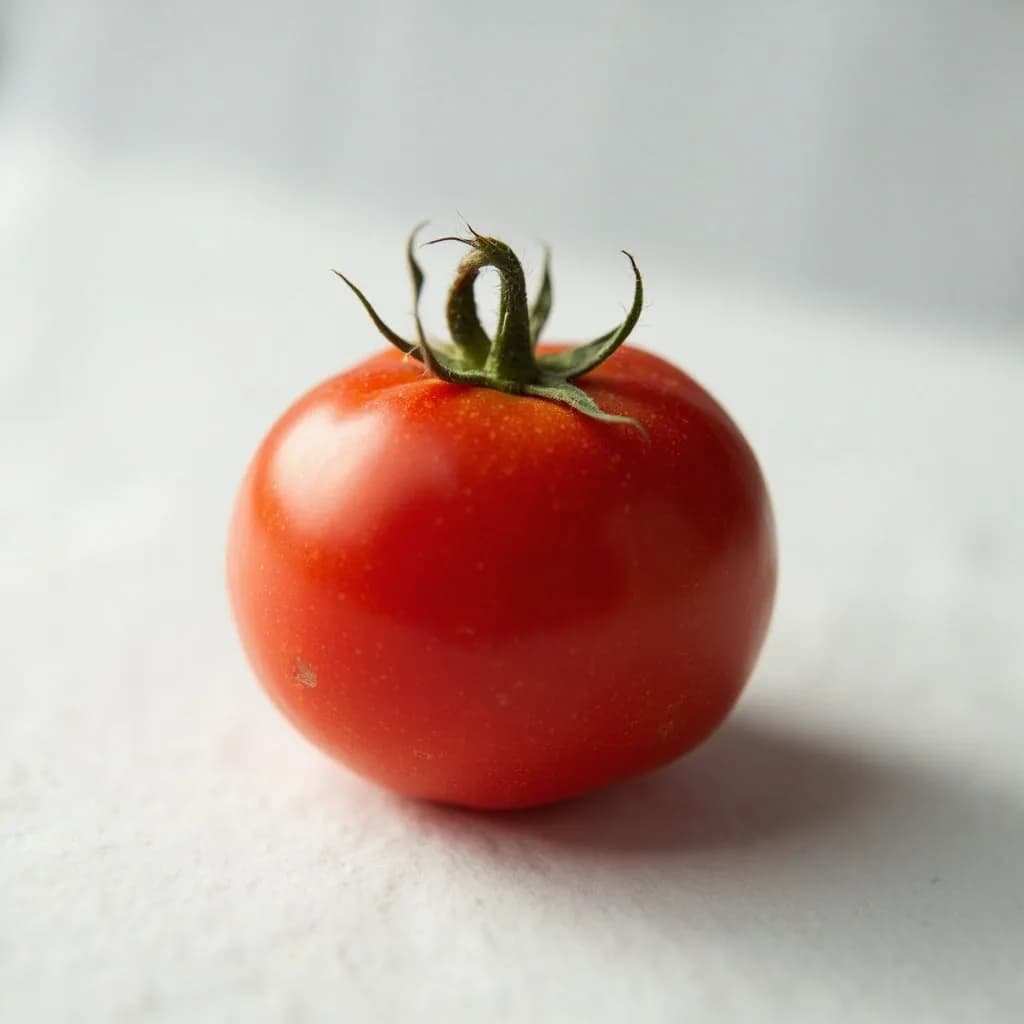
Tomato
Juicy, sun-sweet fruit for sauces, salads, and slow-cooked depth
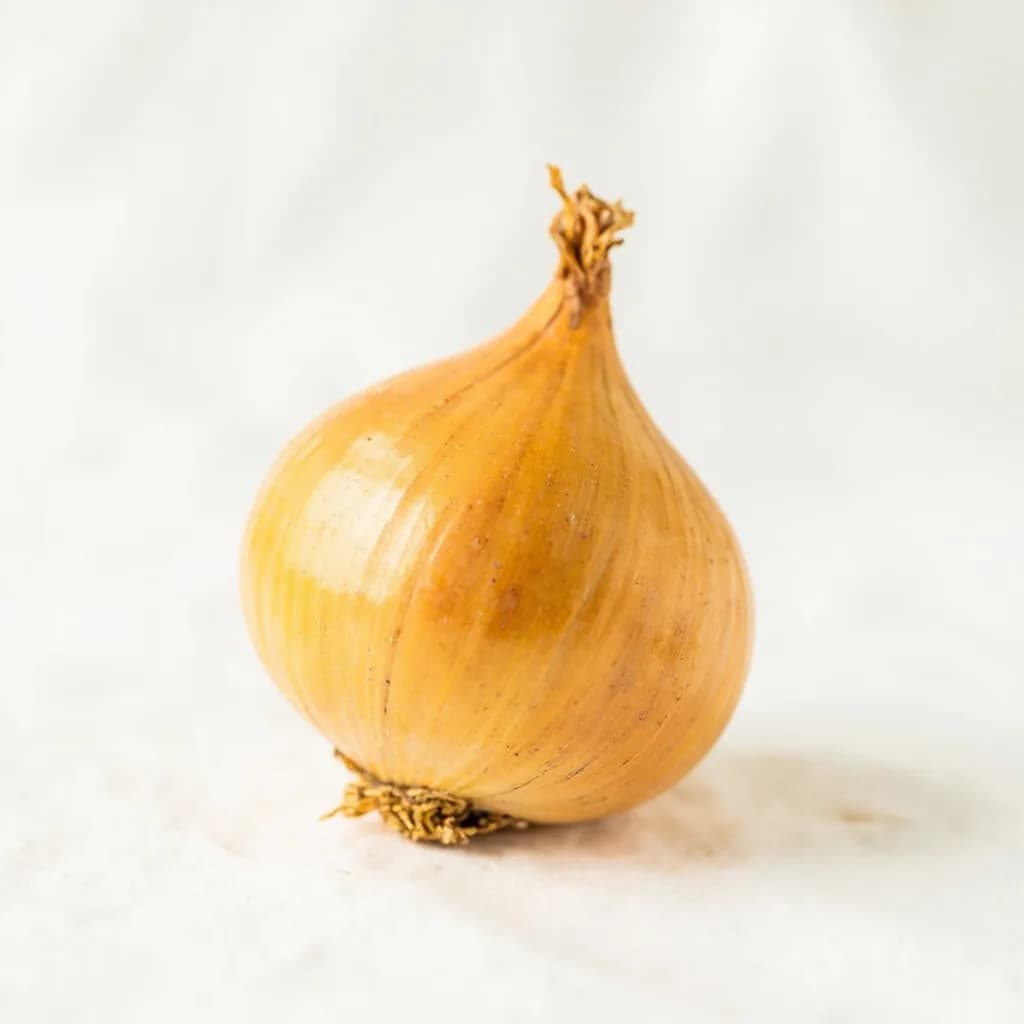
Yellow Onion
The aromatic backbone of soups, sofritos, and braises
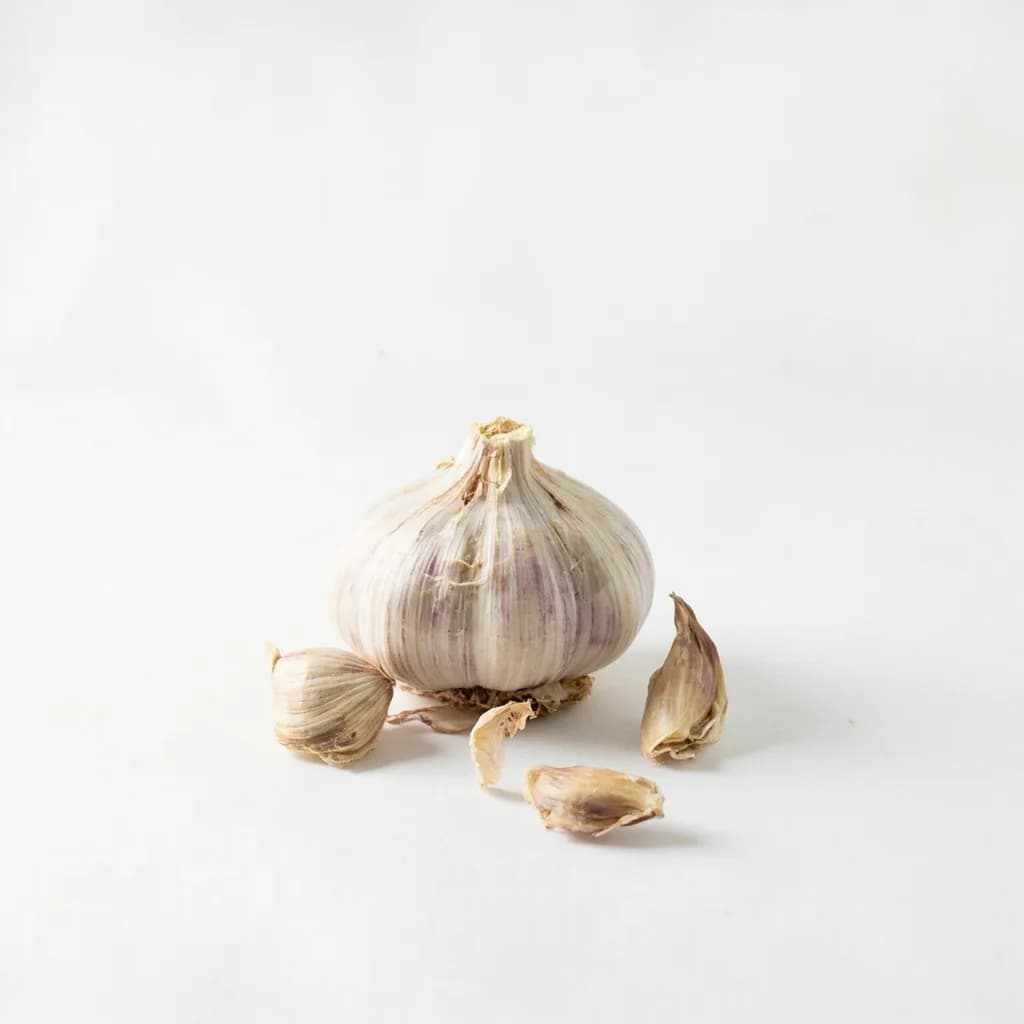
Garlic
Pungent cloves that perfume nearly every savory dish
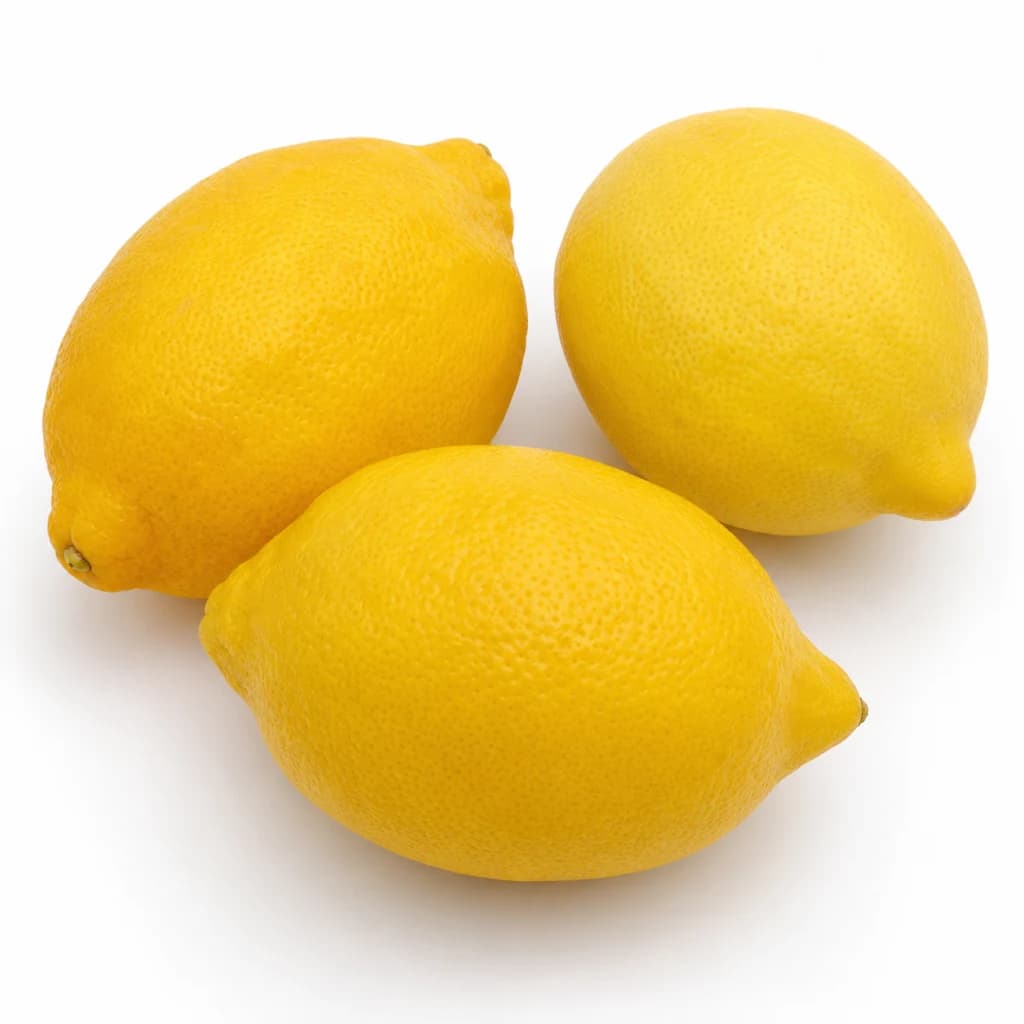
Lemon
Bright, acidic citrus that wakes up almost any dish
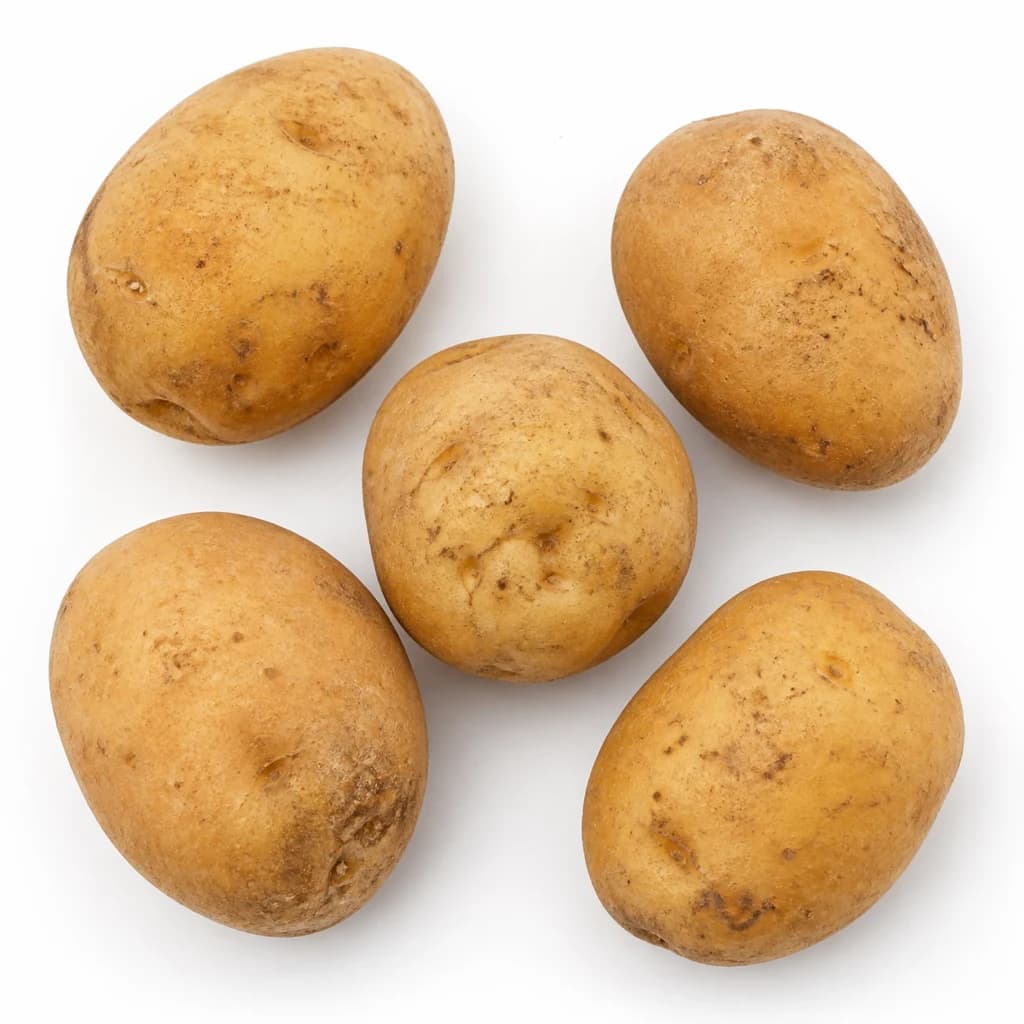
Potato
Humble, hearty staple — roast, mash, fry, or boil
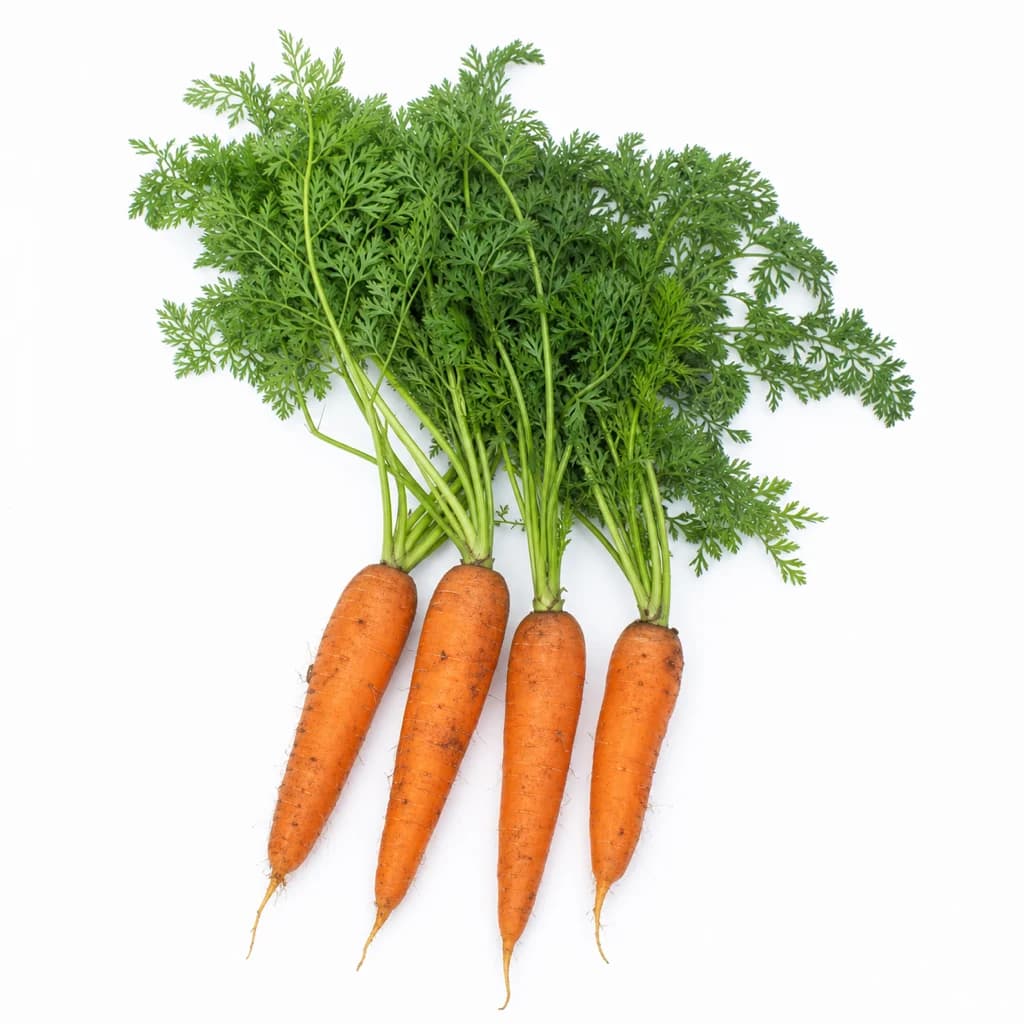
Carrot
Sweet, crunchy root — raw, roasted, or the base of a sofrito
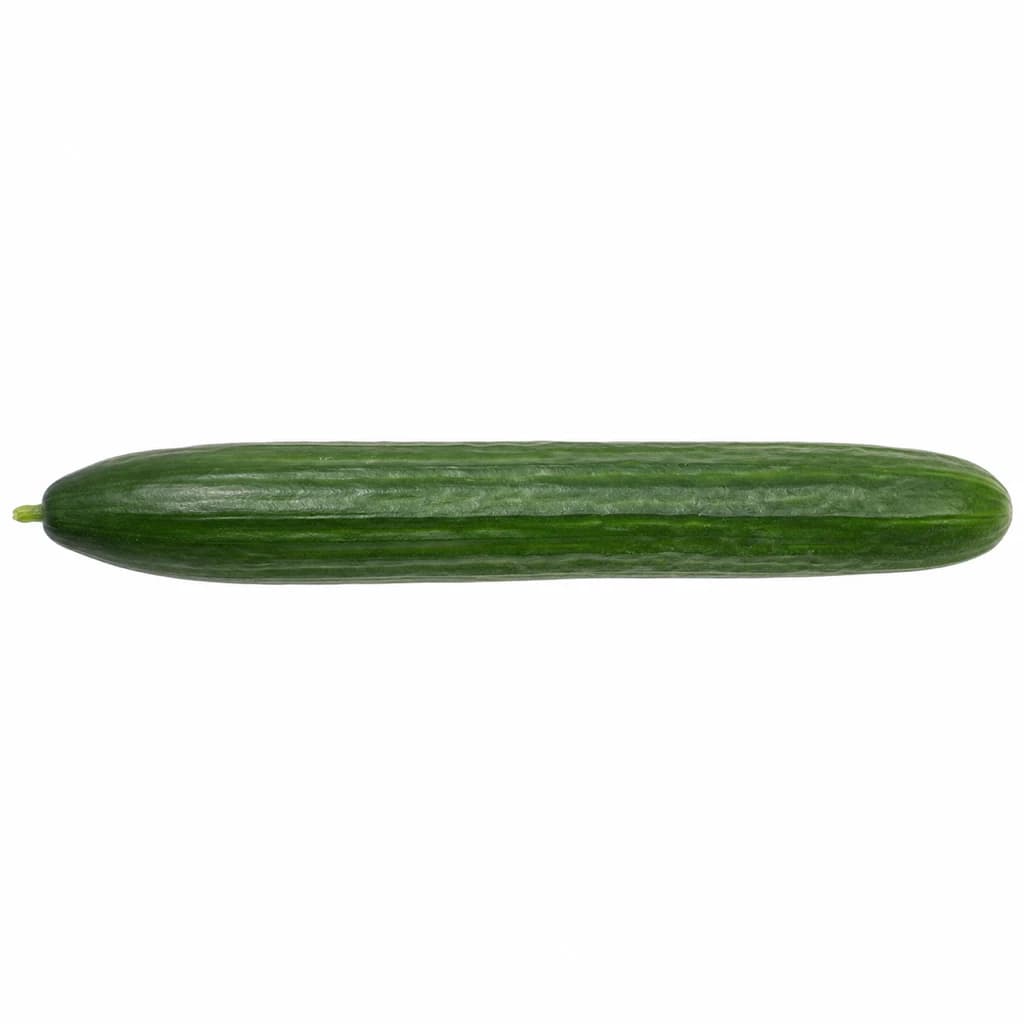
Cucumber
Cool, crisp, and watery — for salads, pickles, and tzatziki

Lettuce
Crisp leaves for salads, wraps, and a fresh crunch