
Natural form
A full bunch of red grapes on the vine, showing their characteristic deep ruby-purple color.
Shows the grape in its most recognizable form — clustered on the stem — teaching shape, color, and scale at a glance.
Produce
Red Grape
Sweet red table grape eaten fresh, roasted, or added to salads and cheese boards.
Red grapes are sweet, juicy table grapes with red to purple skins, available seeded or seedless. They are eaten fresh out of hand, roasted to concentrate their sweetness, frozen as a snack, or paired with cheese and added to salads. They are also pressed for juice and wine.
Red grapes belong to Vitis vinifera, the same species as most wine and table grapes worldwide, but they occupy a distinctive niche between white and black grapes in flavor and use. Unlike their fully purple cousins, red grapes retain notable acidity alongside their sweetness, giving them a bright, berry-like quality that performs equally well in sweet and savory contexts. The color spectrum—spanning pale pink through deep crimson to dusky purple-red—reflects genuine variation in pigment concentration and tannin levels, not merely ripeness. Their firm, juicy flesh and thin but resilient skin make them versatile: they hold their shape when roasted, blend smoothly into sauces, and provide textural contrast on cheese boards. Red grapes also carry resveratrol concentrated in their skins, the same compound that has made red wine famous.
The boundary between red and black grapes is not a hard botanical line. Many varieties marketed as "black" show reddish tinges, and the juice of most red and black grapes is actually clear; color develops only from skin contact during winemaking. This matters practically: when you poach or roast red grapes, their color leaches into surrounding liquids and sauces, giving you a jewel-toned finished dish. Their relatively high water content (about 81%) means they concentrate in cooking, intensifying sweetness and deepening color as moisture evaporates. Understanding this behavior lets you deploy red grapes strategically—they are not simply a sweeter, less interesting version of black grapes, but a distinct ingredient with particular strengths in the kitchen.
Commercially, red table grapes are bred for shipping and shelf stability, which means they are often harvested underripe. Look for firm berries that cling tightly to the rachis (the woody stem structure); berries that shatter free easily signal age or overripeness. Stored properly at 32–36°F (0–2°C), they hold for one to two weeks. Their year-round availability from cold storage makes them a reliable kitchen staple, but they are at their peak—and most affordable—in late summer through autumn when domestic crops come to market.
- Measured in
- g
- Storage
- Fridge
Types & varieties
Most widely planted red seedless variety in the US; firm, crisp, moderately sweet; holds quality well in cold storage
Large, round, seeded; primarily sold fresh in clusters for fruit platters; mild, sweet flavor with good visual presence
Bright red, crispy, sweet; often smaller than other reds; prone to shatter (berries falling from rachis) if overripe at purchase
Deep red to purple, seedless, very sweet; compact clusters; holds well post-harvest with good color retention
Large, oval, seeded; deep purple-red; excellent for fruit displays; mildly sweet with slight natural tartness
Large, oblong, seedless; light red with good eating quality; less common in US markets but reliable when found
Medium-large, seedless, pinkish-red; very sweet with firm texture; often marketed under proprietary regional names
Color, Skin, and Cooking Behavior
Red grapes owe their color to anthocyanin pigments in the skin, ranging from the pink-red of lower-pigment varieties to the deep crimson of highly pigmented types. The flesh is translucent and technically colorless (or very pale green), which means color development in cooking comes from skin contact. When you roast, poach, or simmer red grapes, their pigments leach into surrounding liquids—pan sauces, braising liquids, compotes, vinaigrettes. This is a predictable, desirable behavior: a quick pan-roast of red grapes in a cast iron skillet will produce a deep ruby-colored jus that looks striking alongside roasted duck breast. In contrast, using grapes in raw applications preserves their structural integrity and keeps the color on the plate rather than bleeding into the dressing. Plan accordingly based on whether you want color bleed or clean visual distinction.
- Roasting intensifies both color and sweetness as moisture evaporates; expect grapes to shrink and concentrate
- Raw red grapes bleed less color into vinaigrettes than black grapes, making them cleaner in composed salads
- When poaching, the liquid will take on the grape's color—use this deliberately for a visually coherent sauce
Selection and Storage
The single most important selection criterion is stem attachment. Grapes should cling firmly to the rachis; loose berries that separate easily indicate age or overripeness and a deteriorating post-harvest chain. For Flame Seedless in particular, some natural shatter is normal even at peak quality, so use context: a few loose berries in an otherwise tight cluster is acceptable, but a cluster that sheds berries profusely should be avoided. Firmness matters too—pass on packs with visible wrinkles, dry stems, or any sign of mold, which spreads quickly in stored grapes due to their high moisture content.
Storage is where most home cooks undermine grape quality. The cardinal rule: never wash grapes before refrigerating. Surface moisture creates the ideal environment for mold growth and accelerates deterioration. Store grapes in their original perforated packaging or transfer to a loosely closed perforated bag, which allows some air exchange without full exposure. Place them in the coldest part of the refrigerator (32–36°F), ideally in the crisper drawer, and use within one to two weeks. Before serving or any preparation where wet grapes are undesirable, rinse thoroughly, shake or pat dry, then proceed. If you need to extend shelf life beyond two weeks, freeze them: spread stemmed, rinsed, fully dried grapes on a sheet pan in a single layer until solid, then transfer to an airtight container where they will keep up to twelve months. Frozen grapes are excellent eaten out of hand as a snack, blended into smoothies, or used as cocktail garnish.
- Buy in quantities you will consume within two weeks; grapes do not improve after purchase
- Look for bright, firmly attached berries with green, supple stems—brown or brittle stems indicate age
- Never refrigerate unwashed grapes in sealed bags or containers; trapped moisture is the primary cause of premature spoilage
- For a party, rinse and dry grapes the morning of the event, not the night before
Common uses
Tips & pitfalls
- Wash grapes immediately before eating or preparing, never before refrigerating—surface moisture accelerates spoilage and mold growth
- For roasted grape applications, do not remove stems; they provide structure and look attractive when charred
- Avoid selecting Flame Seedless if you need grapes to stay on the stem for a board or platter; this variety is the most prone to shatter
- If grapes have lost firmness in storage, revive them briefly in cold water for 15–20 minutes, then dry thoroughly
- Test for ripeness by taste, not color alone—some varieties are naturally lighter in color even at peak sweetness
- When using grapes in a composed salad, add them just before serving to prevent color bleeding into the dressing
- For a quick pan sauce with roasted grapes, deglaze the pan with a splash of wine or stock while the grapes are still hot to capture all the caramelized residue
Nutrition
Energy
289 kJ · per 100 g
Where the calories come from
Protein
0.7g
1% DV
Carbs
18.1g
7% DV
Fat
0.2g
0% DV
Fiber
0.9g
3% DV
Sugars
15.5g
of which
Sodium
2mg
0% DV
Source · USDA FoodData Central · Grapes, red or green (European type, such as Thompson seedless), raw
View on FDC →In the shops
Matched grocery products
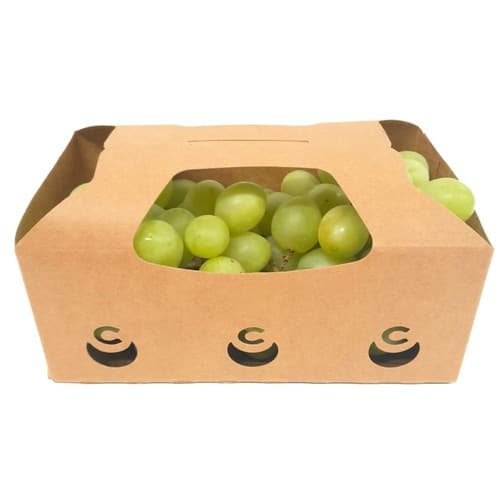 €2.85
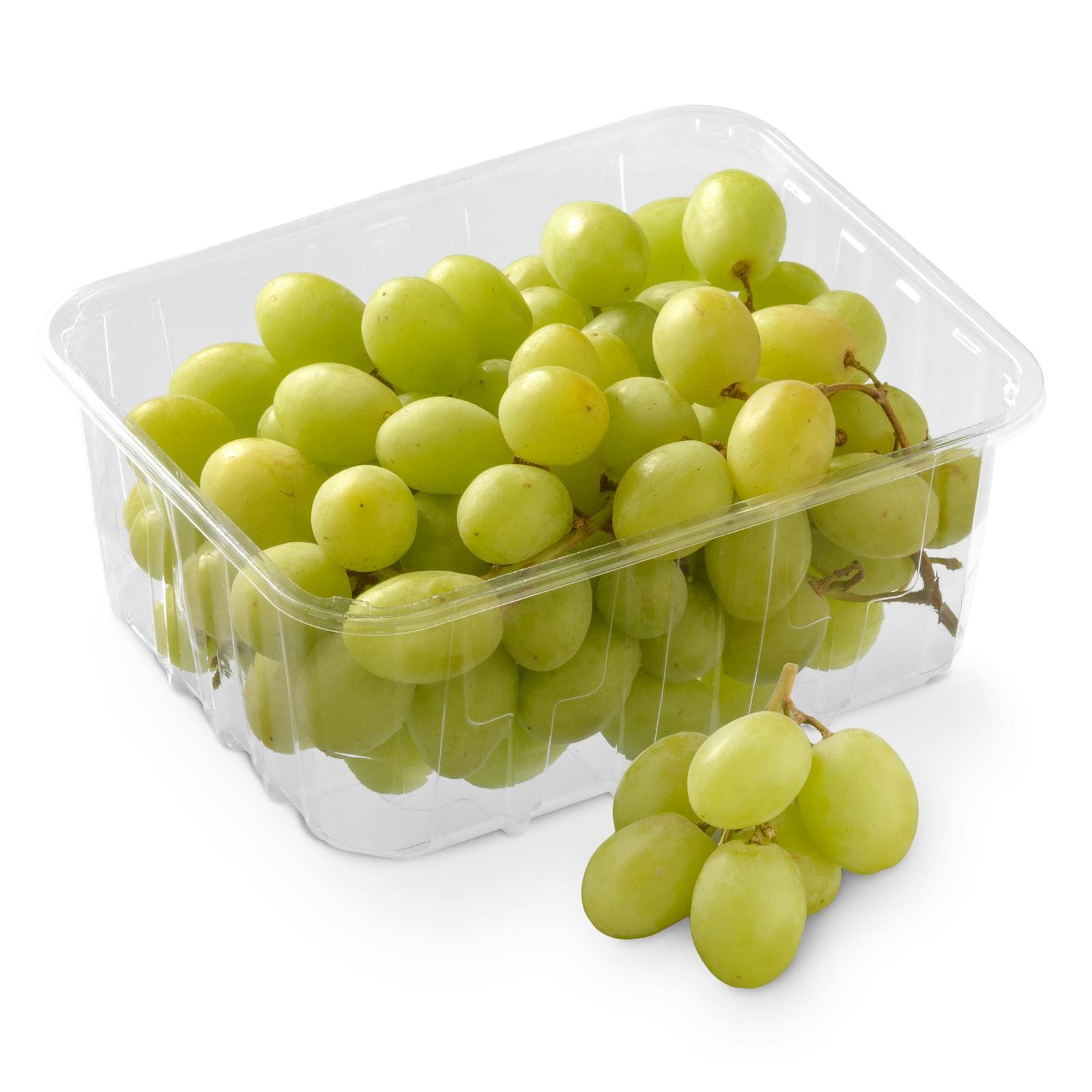
€2.85White Seedless Grapes 500g Tray
LA COLLITA · kg · Bonpreu
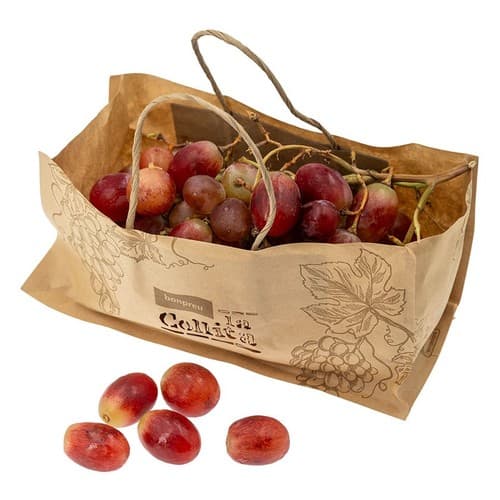 €2.89
€2.89Seedless Red Grapes in 500g Bag
LA COLLITA · kg · Bonpreu
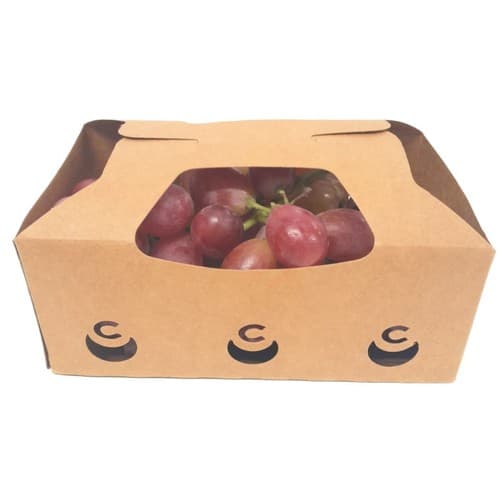 €2.89
€2.89Seedless Red Grapes in 500g Tray
LA COLLITA · kg · Bonpreu
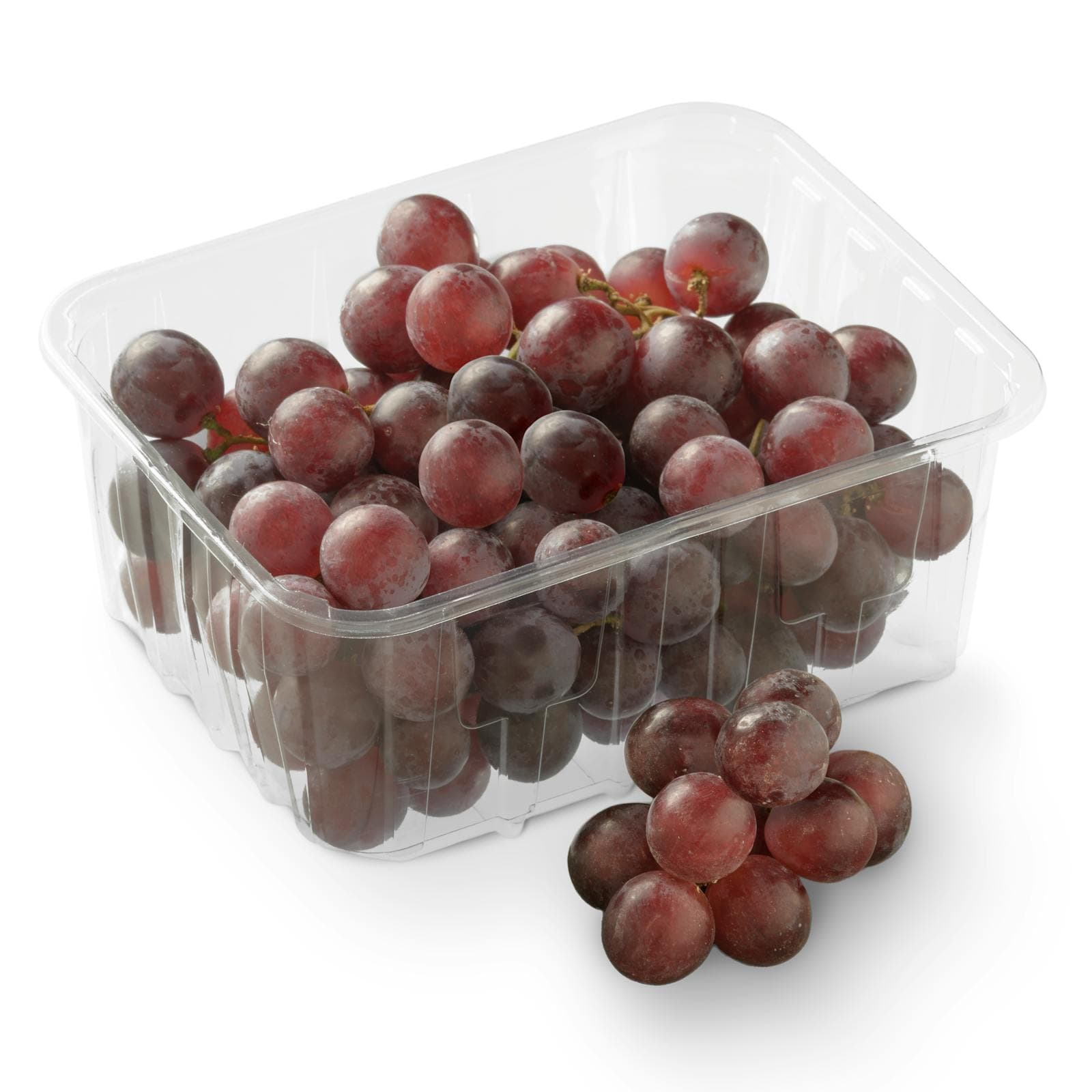 €3.30
€3.30Seedless Red Grapes
600 g · Mercadona
 €3.30
€3.30White Seedless Grapes
600 g · Mercadona
Good to know
- Scientific name
- Vitis vinifera (most commercial varieties)
- Category
- Fresh fruit, berry
- Season
- Late summer through autumn for fresh harvest; available year-round from cold storage
- Water content
- Approximately 81%
- Primary nutrients
- Vitamin C, Vitamin K, potassium, resveratrol (concentrated in skin)
- Shelf life
- 1–2 weeks refrigerated in perforated bag or original packaging
- Storage temperature
- 32–36°F (0–2°C)
- Freezing
- Rinse, dry, remove from stems, freeze in single layer on sheet pan; store in airtight container up to 12 months
- Color range
- Light pink to deep crimson to dark purple-red depending on variety
Substitutes
- Black or purple grapes — Closest substitute; lower acidity and deeper color but functionally similar in most cooked applications. Use when red grapes are unavailable or in recipes where deeper color is desirable.
- Strawberries — Comparable sweetness and textural role in raw applications like cheese boards and salads, though they lack the grape's juicy burst. Not suitable as a direct substitute in roasted or poached preparations.
- Dried currants or dried cranberries — Appropriate in grain bowls and breakfast applications where fresh grapes are unavailable, but the texture and water content are entirely different; adjust liquid accordingly.
- Cherry tomatoes (for savory roasting) — Offer a similar size, structural behavior, and color-leaching quality when roasted, with comparable acidity and sweetness. Work well in Mediterranean-style preparations.
Pairs with
Also called
Red Grapes
Related
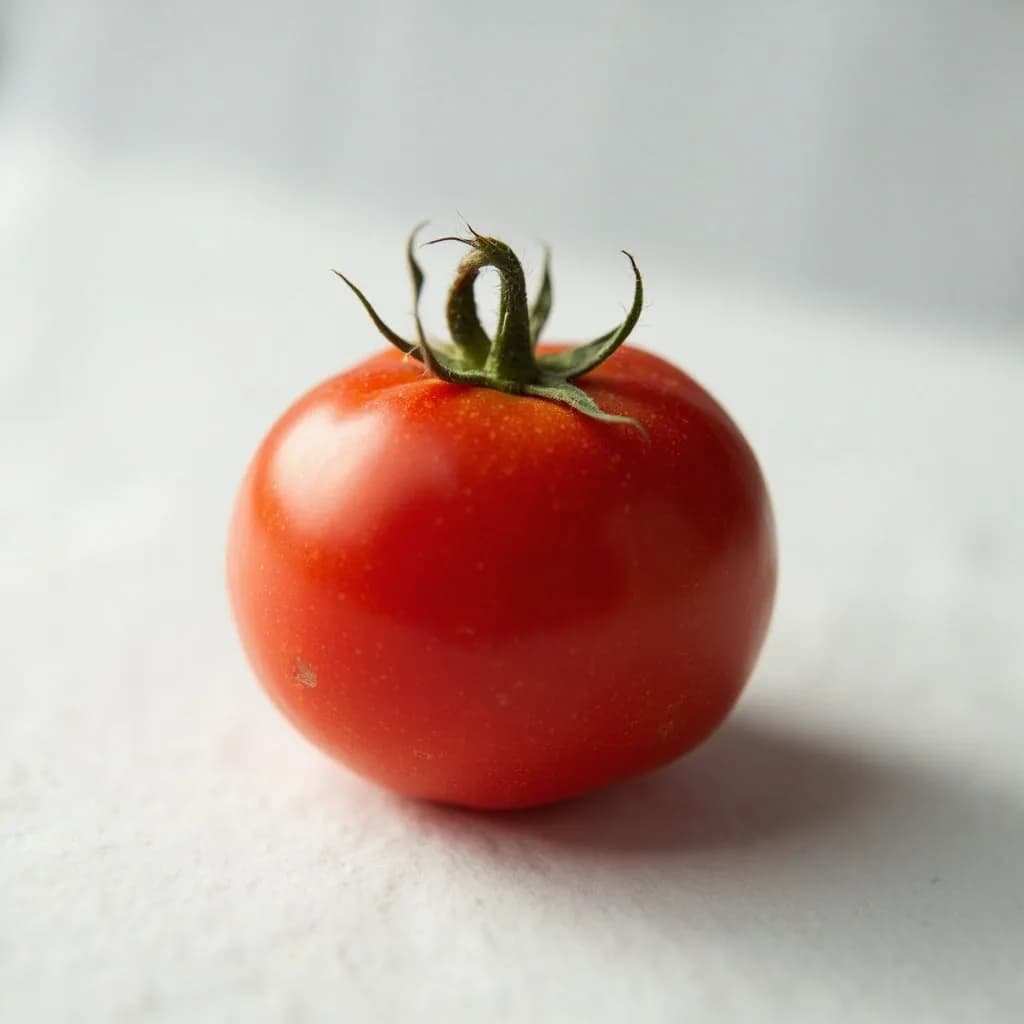
Tomato
Juicy, sun-sweet fruit for sauces, salads, and slow-cooked depth
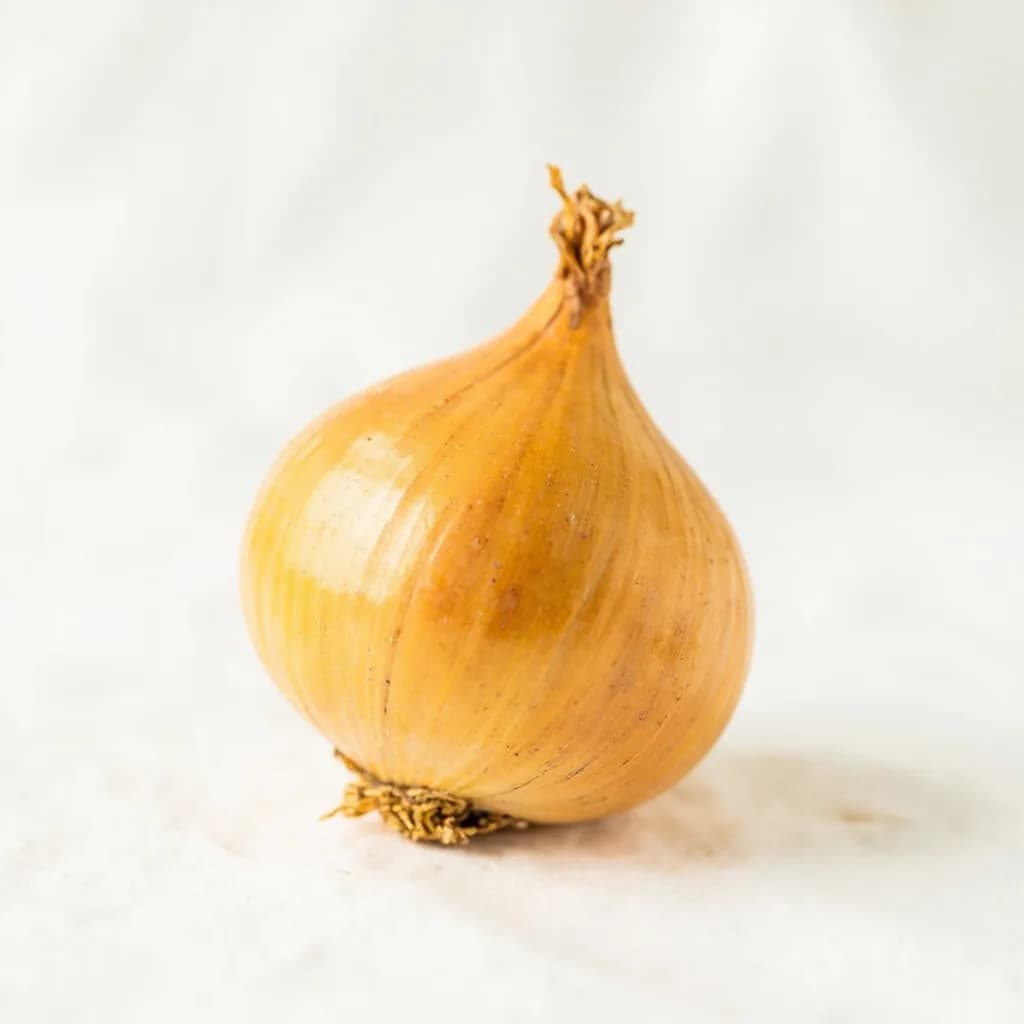
Yellow Onion
The aromatic backbone of soups, sofritos, and braises
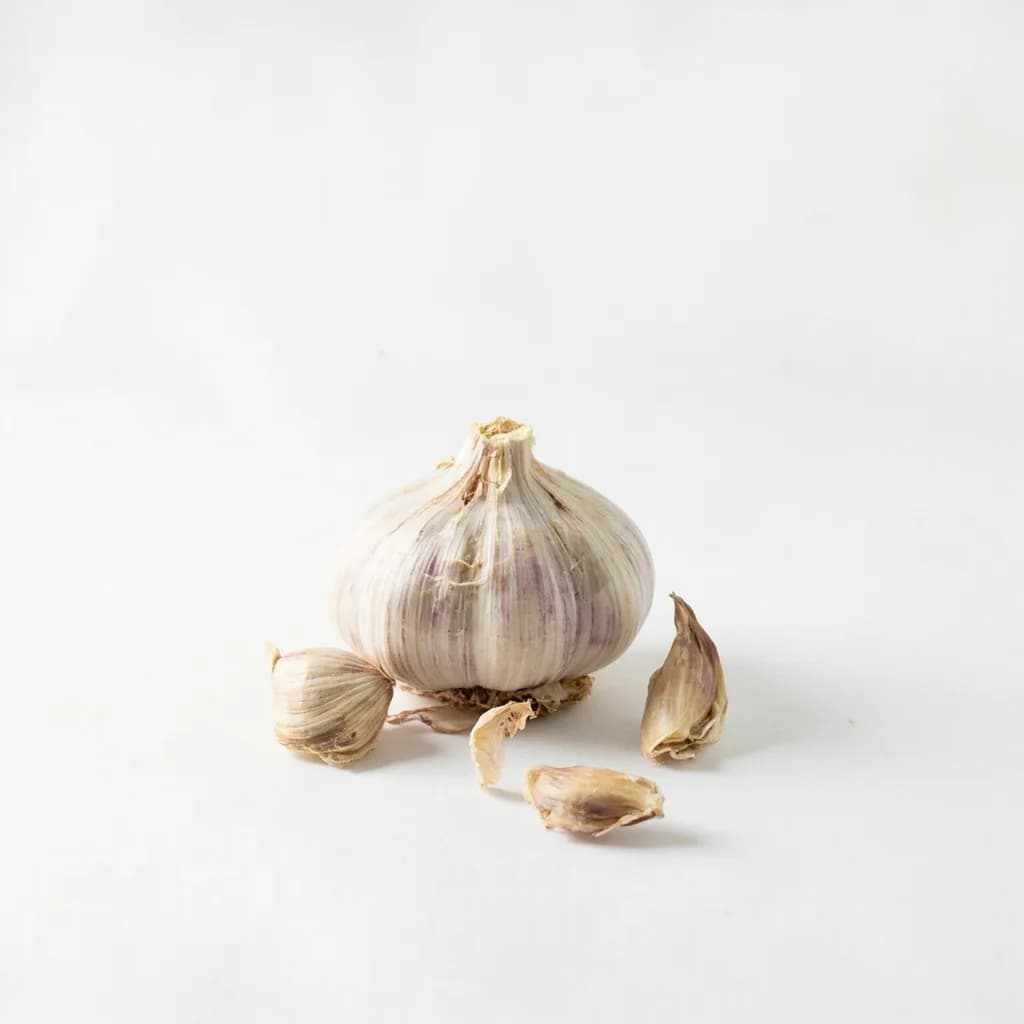
Garlic
Pungent cloves that perfume nearly every savory dish
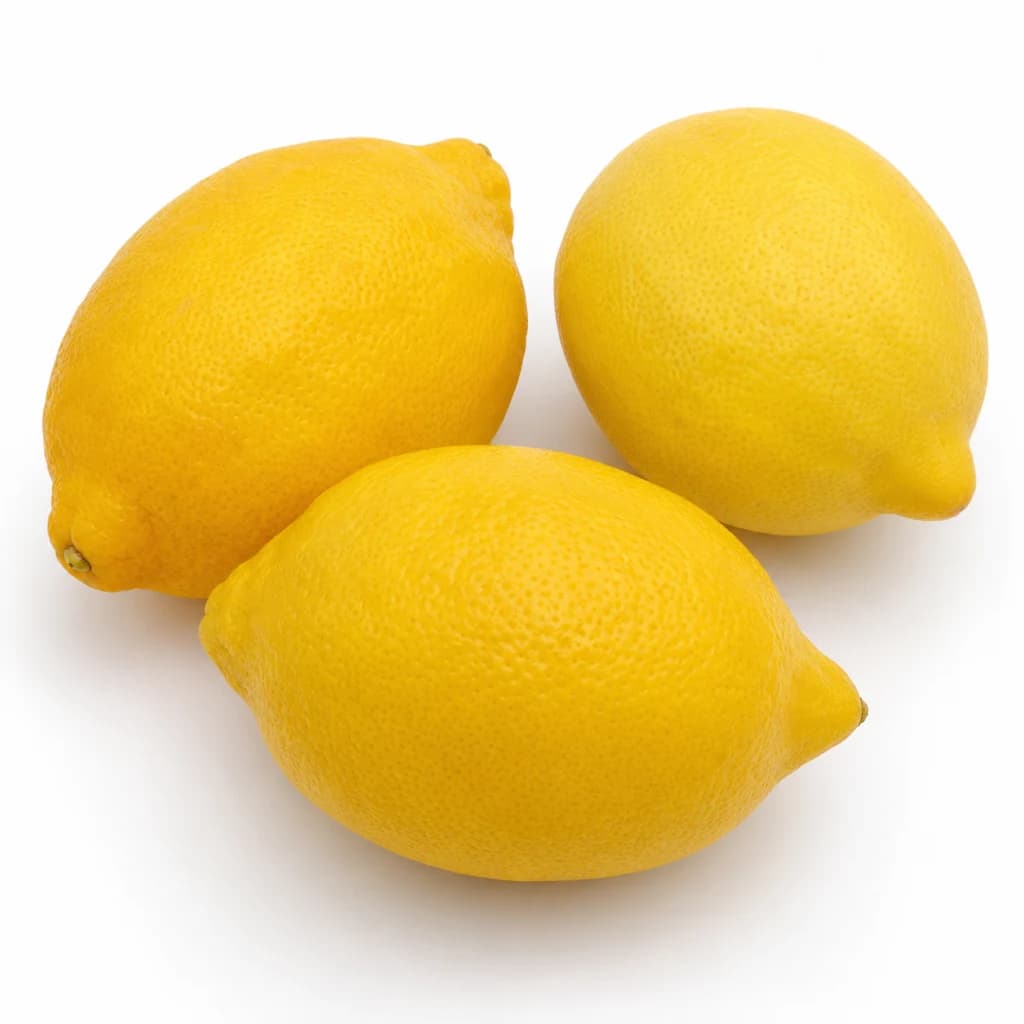
Lemon
Bright, acidic citrus that wakes up almost any dish
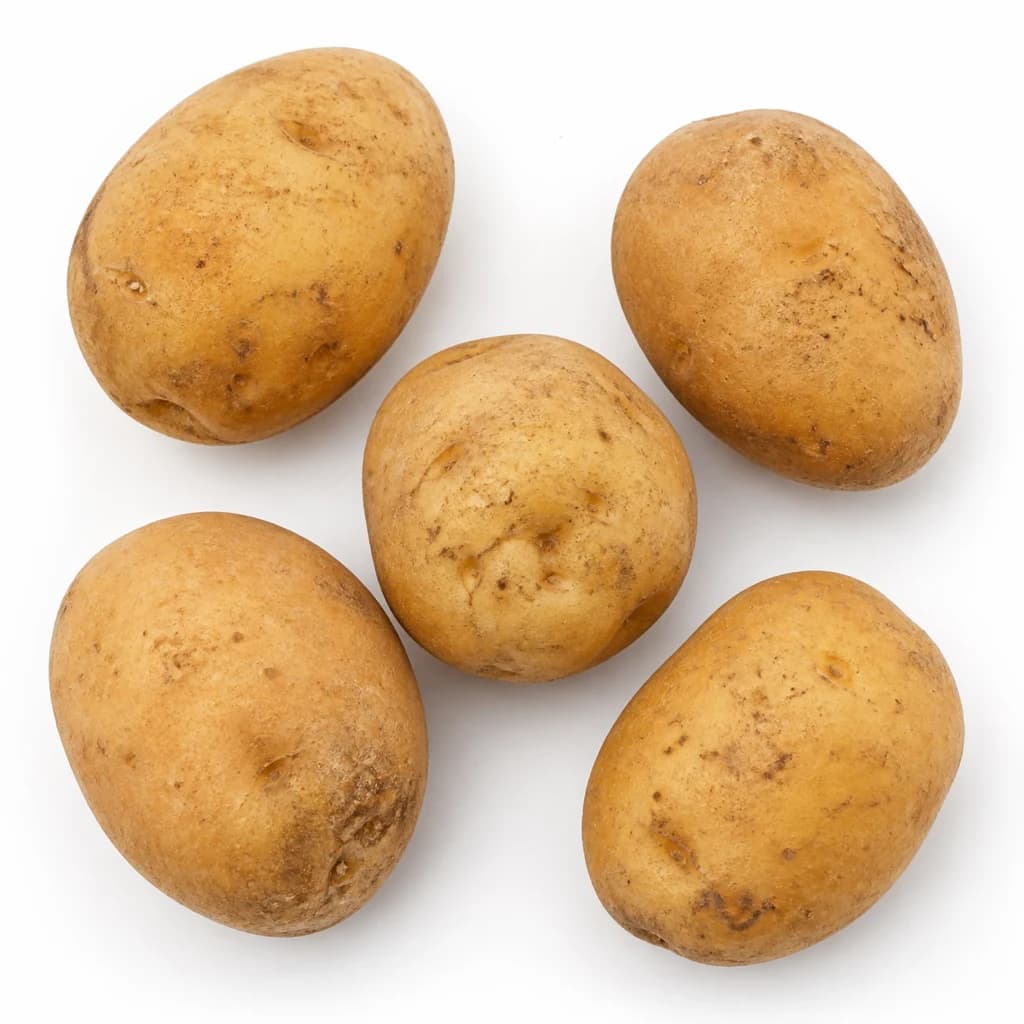
Potato
Humble, hearty staple — roast, mash, fry, or boil
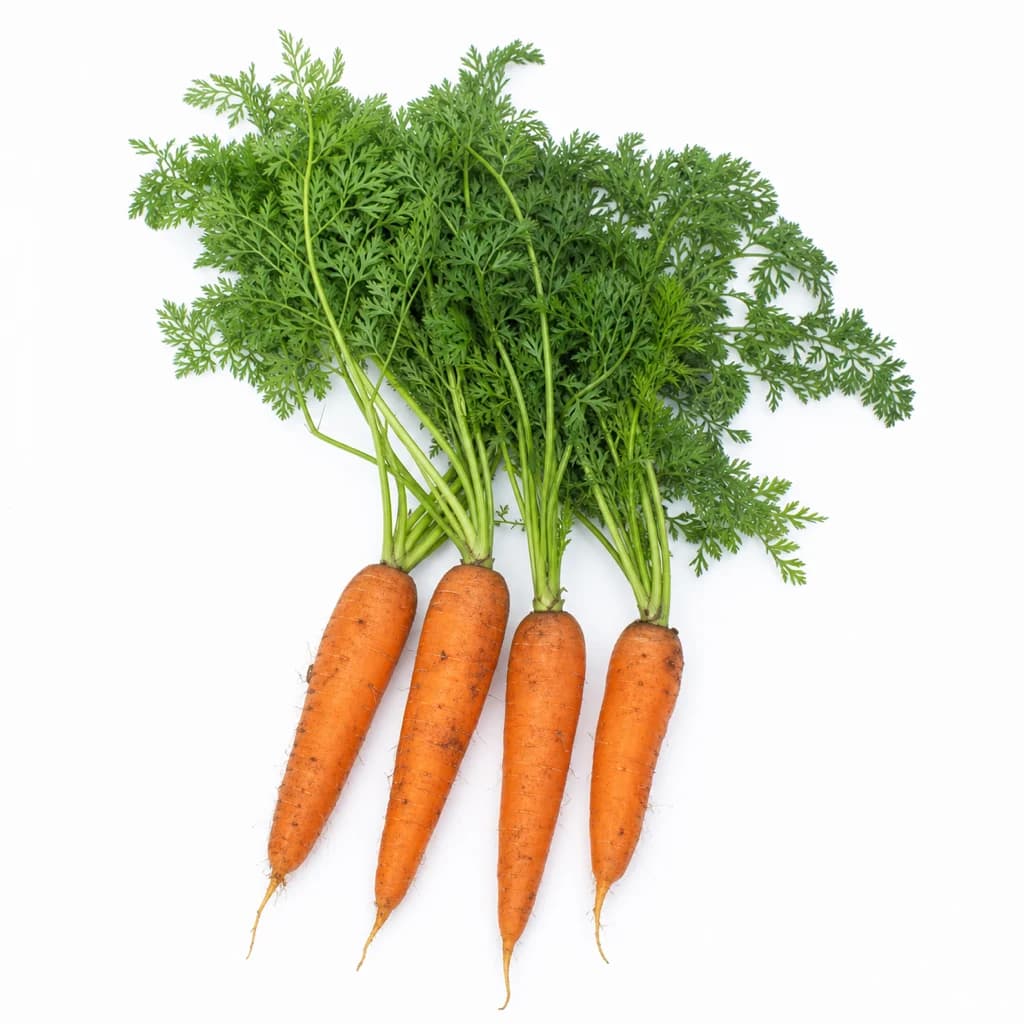
Carrot
Sweet, crunchy root — raw, roasted, or the base of a sofrito
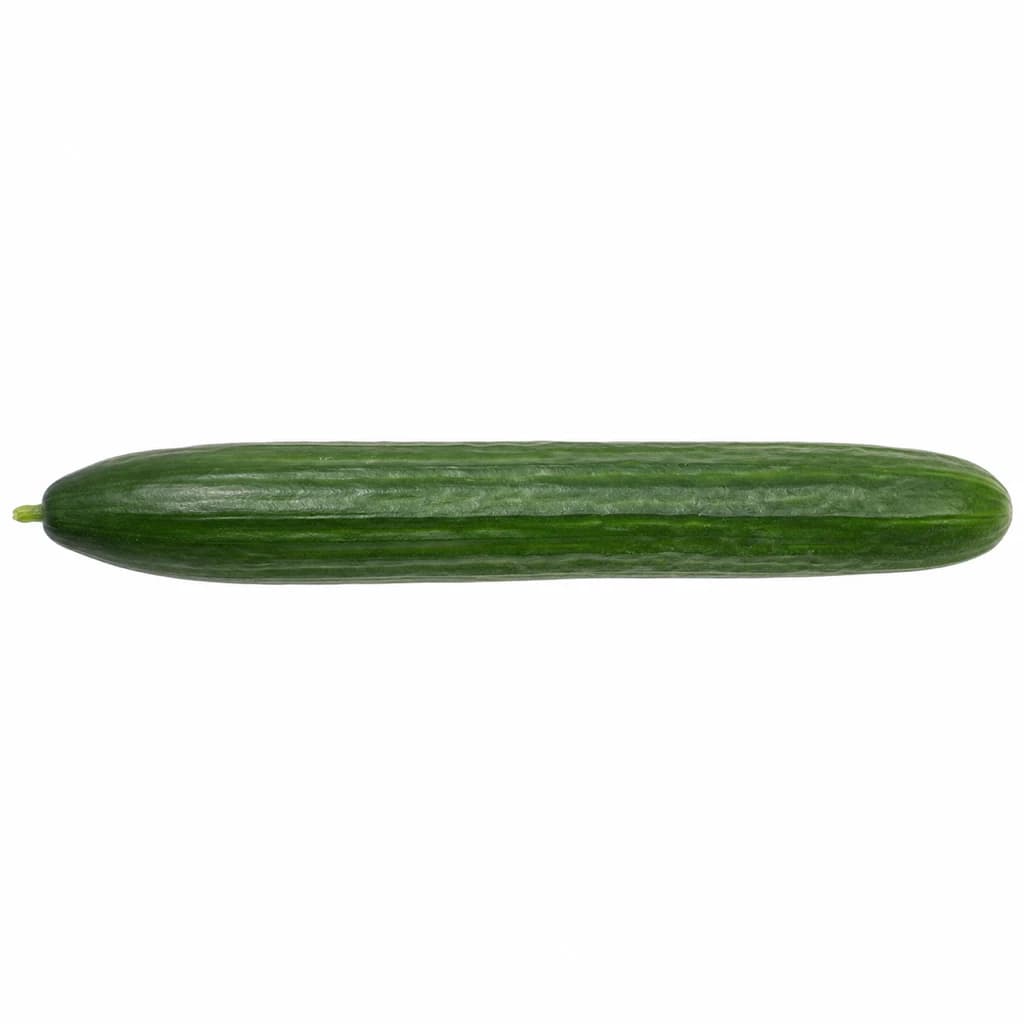
Cucumber
Cool, crisp, and watery — for salads, pickles, and tzatziki

Lettuce
Crisp leaves for salads, wraps, and a fresh crunch