Natural form
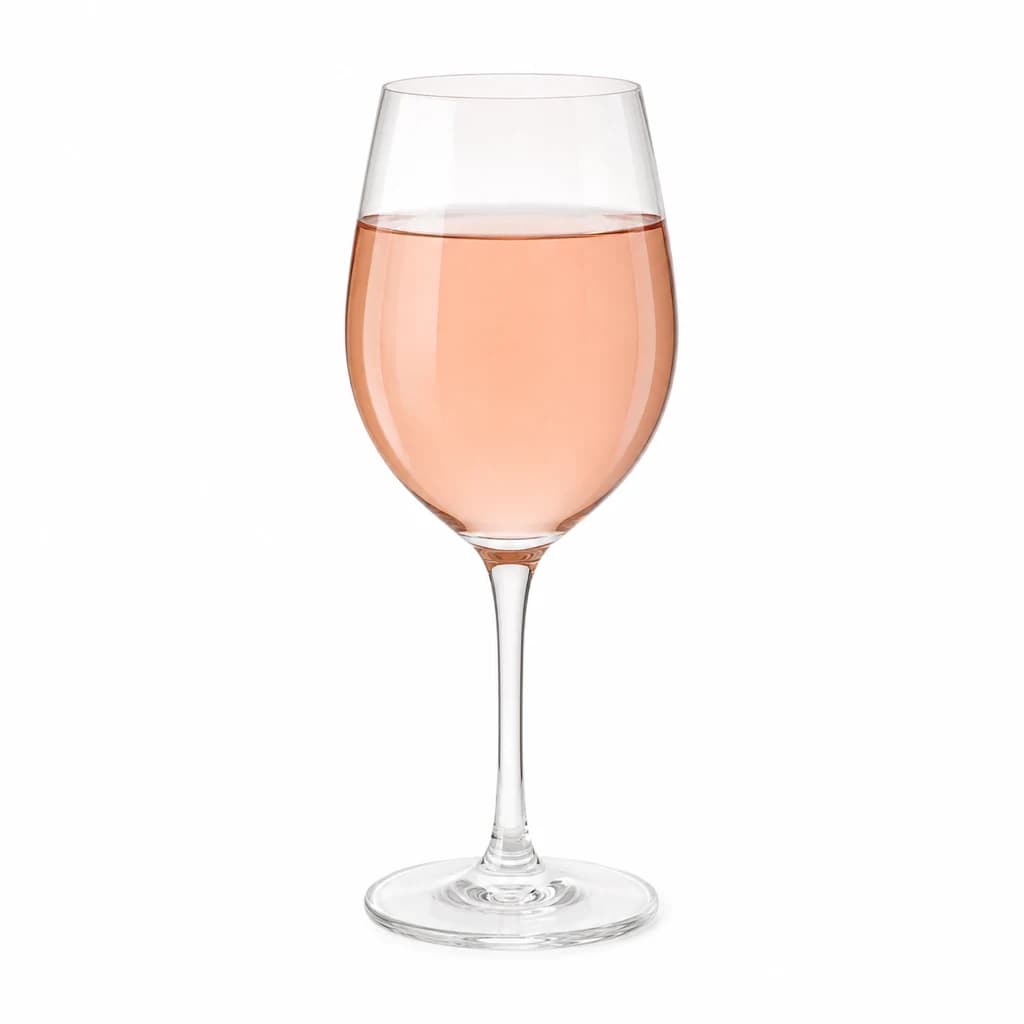
Pale pink rosé in a clear glass, showing its characteristic blush color.
Demonstrates the defining pale pink color that distinguishes rosé from red or white wine.
Beverages
Rosé Wine
Light, fruity pink wine for sipping chilled all summer
Pale pink and refreshing, rosé sips chilled on a warm day with crisp red-fruit notes — equally at home with a picnic or a poolside afternoon. Keep it cold.
Rosé wine is made from red grapes given only brief contact with their skins, drawing out a blush of color and a hint of red-fruit character while staying crisp and light like a white. Dry rosé tastes of strawberry, watermelon, citrus, and herbs with bright acidity and little to no tannin. In cooking it behaves like a fruitier dry white wine: it deglazes, lightly braises, brightens summery seafood and chicken dishes, and makes a lovely poaching liquid for fruit. Its delicate fruit suits lighter, fresher preparations rather than heavy reductions.
- Measured in
- ml
- Storage
- Refrigerate
Allergens
Find it in
Types & varieties
Crisp, delicate — best for cooking
More fruit and body
Effervescent — finishing and desserts
How to use in cooking
Use dry rosé where you want a touch more fruit than a white but none of red's tannin. It's lovely deglazing a shrimp or chicken pan, in a light summer braise of vegetables and fish, or poaching peaches and strawberries. Its subtle color and red-berry note suit Provençal-style cooking. Keep it for delicate dishes — its charm is lost in a heavy, long reduction.
How to choose
Choose a dry, pale Provence-style rosé for cooking — crisp and food-friendly. Avoid sweet blush wines unless you want sweetness. The wine's light character means it pairs best with seafood, poultry, tomatoes, and summer vegetables.
Common uses
Tips & pitfalls
- Use dry rosé, not sweet blush, for savory cooking.
- Best in light, fresh dishes rather than long reductions.
- Lovely for poaching summer fruit.
- Pairs naturally with seafood, tomato, and herbs.
Nutrition
Energy
347 kJ · per 100 g
Where the calories come from
Protein
0.4g
1% DV
Carbs
3.8g
1% DV
Fat
0g
0% DV
Fiber
0g
0% DV
Sugars
3.8g
of which
Sodium
5mg
0% DV
Source · USDA FoodData Central · approx. Alcoholic beverages, wine, rose
View on FDC →In the shops
Matched grocery products
No matched grocery products for Rosé Wine yet.
Good to know
- Flavor
- Strawberry, watermelon, citrus, crisp, herbal
- Use in cooking
- Light braises, seafood, deglazing, fruit poaching
- Alcohol?
- Yes — ~11–13% ABV
- Substitute base
- Dry white wine, or white + a splash of red
- How to store
- Refrigerate sealed; use opened within days
Substitutes
- Dry white wine — Loses the red-fruit hint but works
- White wine + a splash of red — Approximates the rosé character
- Cranberry juice + stock + lemon — Non-alcoholic: pink fruit and acidity
Also called
rose wine · rosé · vino rosado · vi rosat
Appears in these dishes
Related

White Rum
Light, clean rum for mojitos, daiquiris, and piña coladas

Dark Rum
Rich, molasses-deep rum for tiki drinks and sipping
Tequila
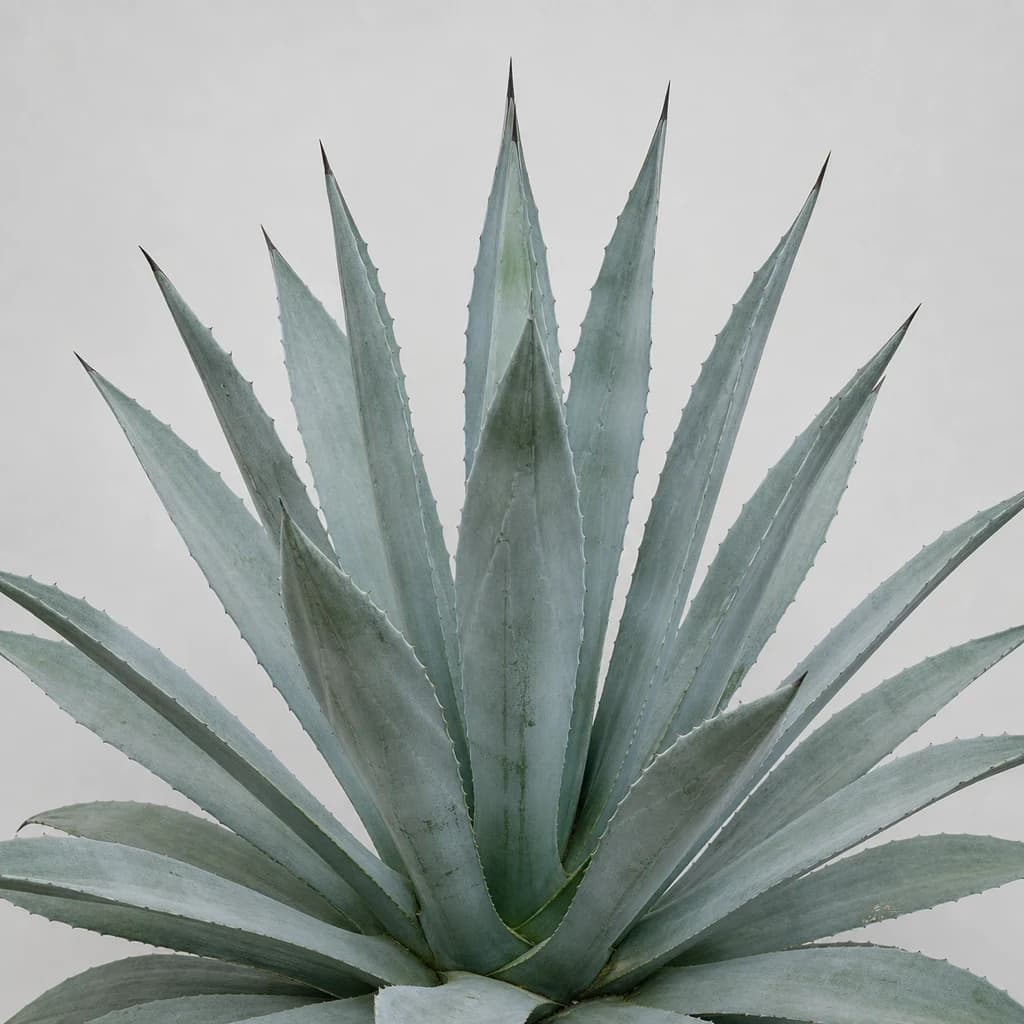
Bright agave spirit for margaritas, palomas, and shots
Mezcal
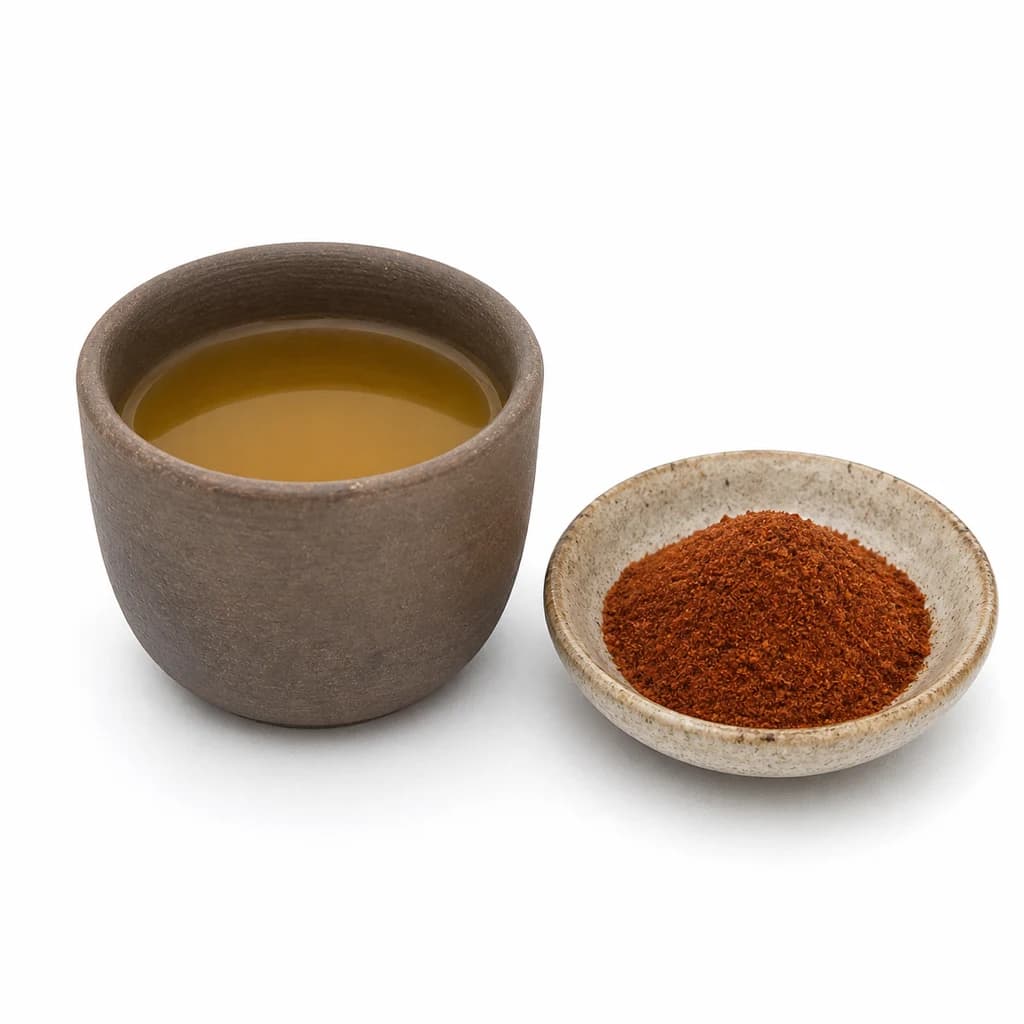
Smoky agave spirit for sipping and smoldering cocktails
Vodka
Clean, neutral spirit for mixing into almost any cocktail
Gin
Botanical, juniper-forward spirit for G&Ts and martinis
Whisky
Warm, oak-aged spirit for sipping and classic cocktails

Brandy
Rich, fruity grape spirit for sipping, sauces, and flambé